 YardMate
Golden Polypody
Phlebodium aureum
Medium · Some experienceAbout Golden Polypody
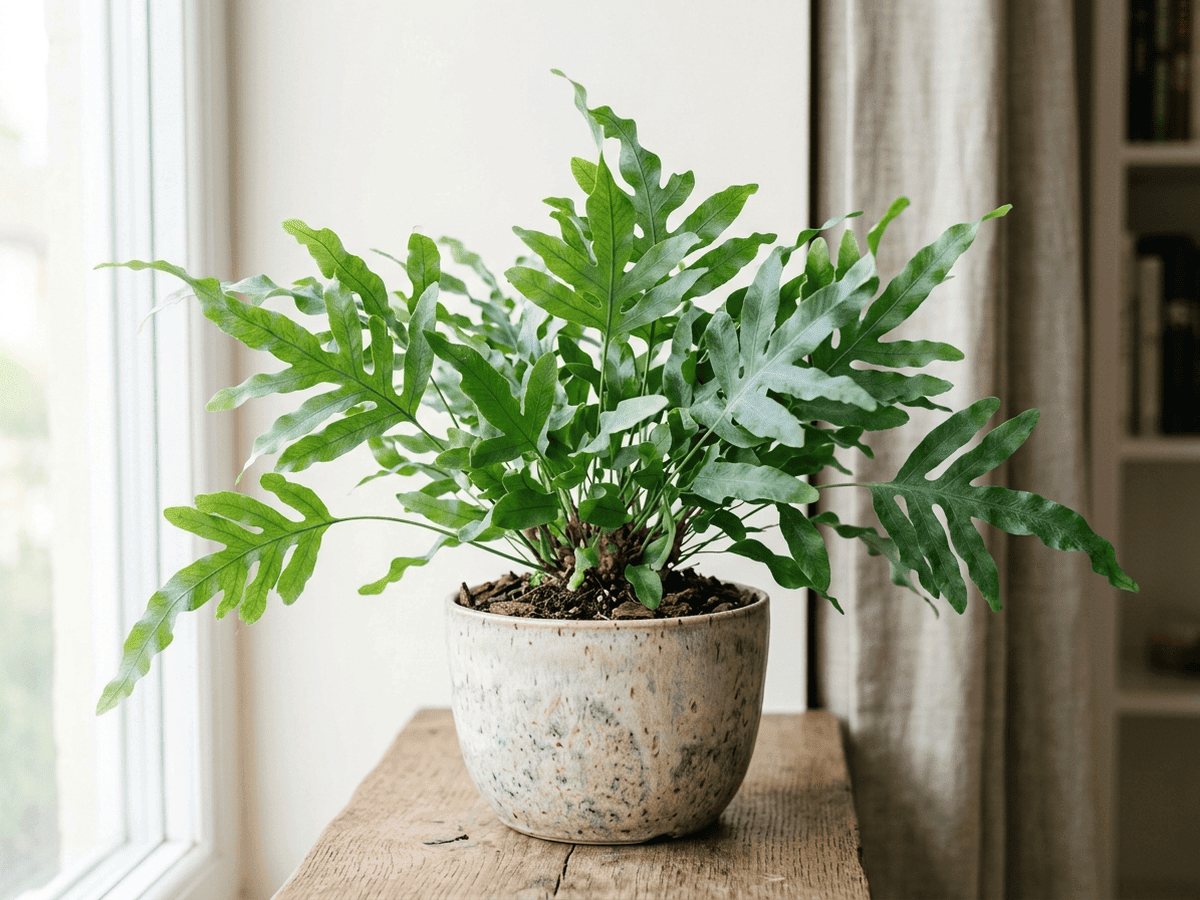
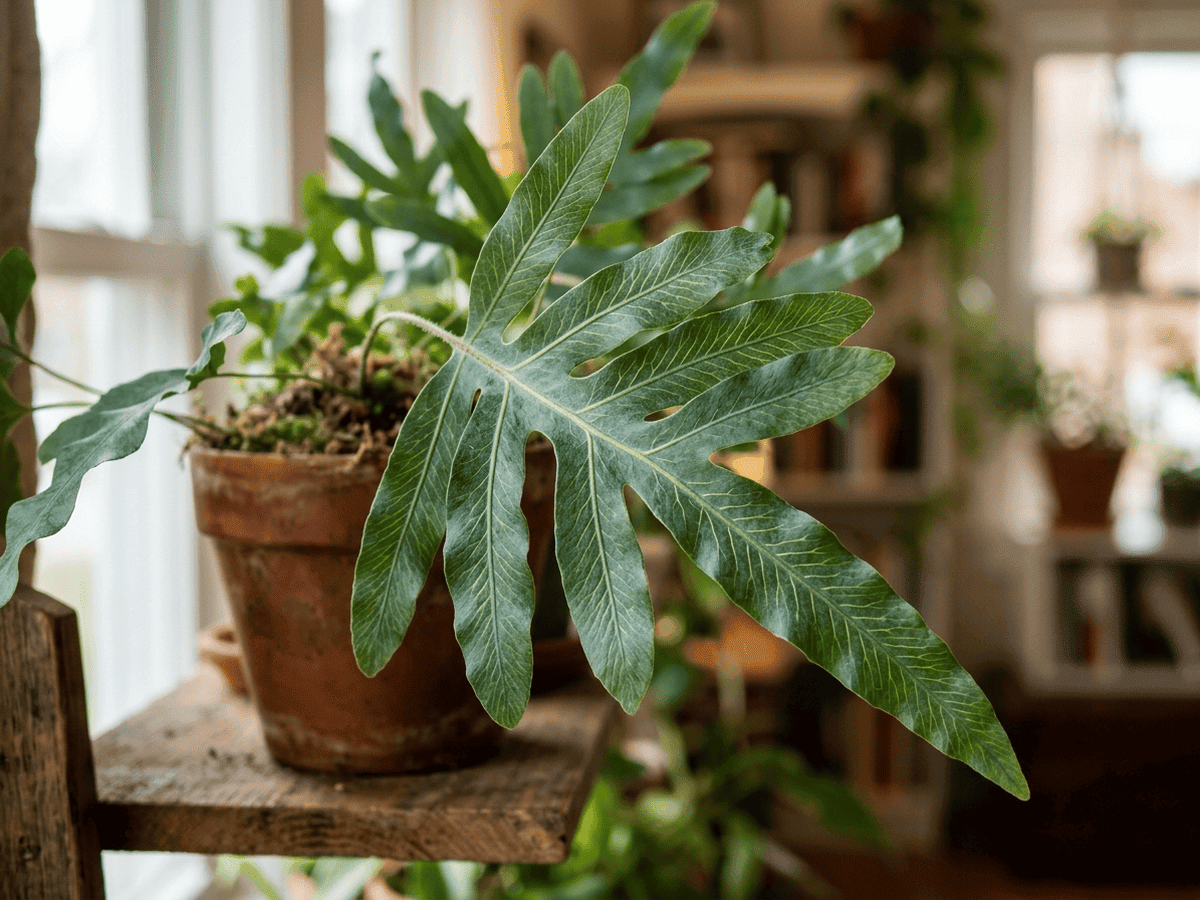
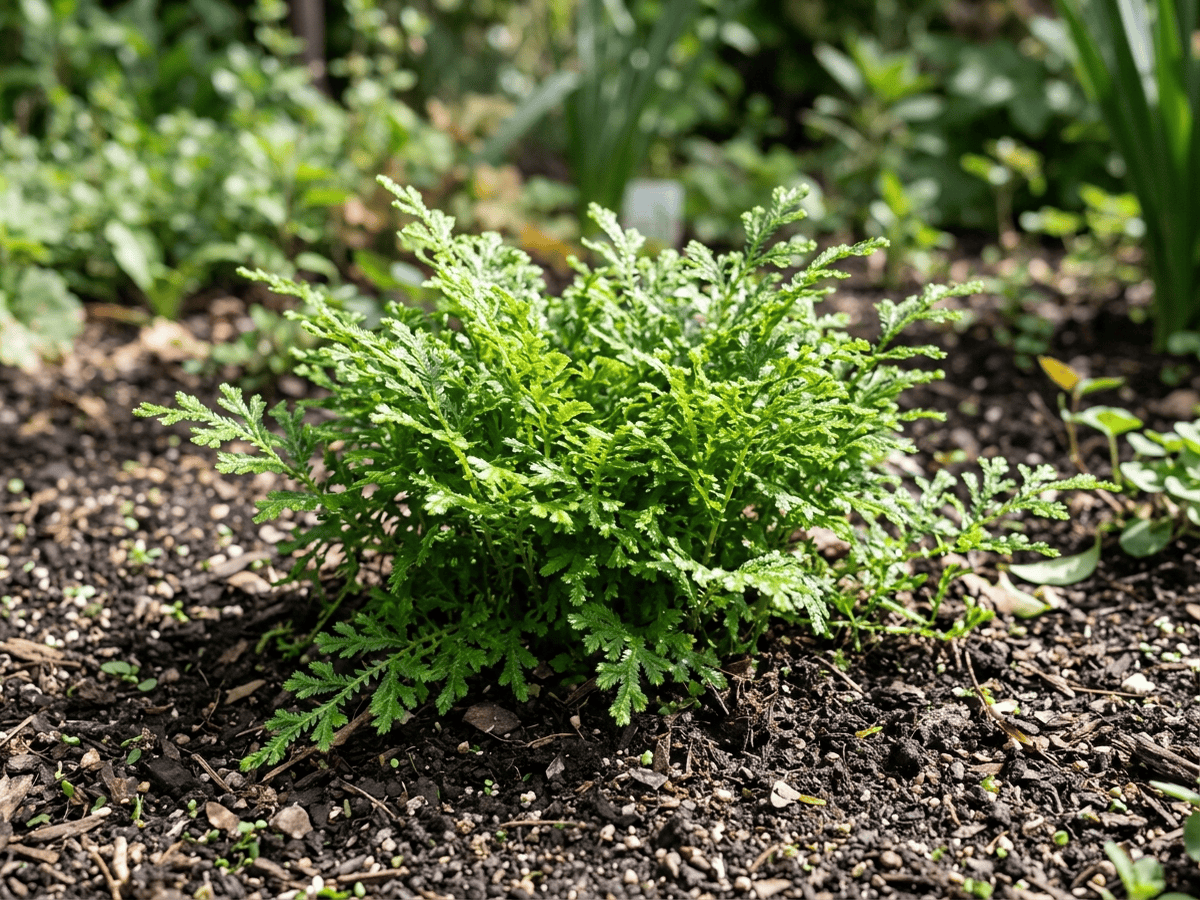
Phlebodium aureum, commonly called Golden Polypody, is a tropical fern native to Central and South America and the Caribbean. Its bold, arching blue-green fronds with deeply lobed, wavy edges emerge from woolly golden rhizomes that creep over soil or pot edges like curious fingers. Thriving in indirect light and moderate humidity, it adapts effortlessly to indoor settings and shaded patios alike. Non-toxic to pets and people, easy to care for, and visually striking year-round, it stands among the most popular houseplant ferns worldwide.
- Evergreen
- Container-friendly
- Shade-tolerant
How to care for Golden Polypody
Watering
- Springevery 7 days
- Summerevery 7 days
- Fallevery 14 days
- Winterevery 30 days
Soil · Moisture-retentive
- Top dressingSphagnum moss10%
- Main mixPeat + coco coir 1:180%
- DrainagePerlite / gravel10%
Keep it evenly moist — but the drainage layer still matters.
FERTILIZER
Foliage Feed 24-8-16
Nitrogen leads so the plant spends its energy on dense green growth. Phosphorus and potassium follow just far enough to keep roots and stems up to speed.
- Nitrogen · Leaves
- Phosphorus · Roots + Blooms
- Potassium · Strength
- Springevery 30 days
- Summerevery 30 days
- Fallevery 30 days
At a Glance
- NativeCentral America, South America, Caribbean
- Height1–3 ft (0.3–0.9 m)
- Spread2–3 ft (0.6–0.9 m)
- Foliage colorGreen
- SoilWell-drained, Moist
- LocationsIndoor · Balcony
Toxicity
No toxicity has been reported for this plant. Still, it is wise to keep pets from chewing on any houseplant.
Educational information, not medical or veterinary advice. If exposure is suspected, contact a doctor or veterinarian.
DISTRIBUTION


- Native
- Introduced
- Central America
- South America
- Caribbean
History

Indigenous peoples of Central and South America were familiar with Phlebodium aureum long before European botanists formalized its classification. Growing epiphytically on tree trunks and rocky outcrops from Mexico to Bolivia and throughout the Caribbean, the fern had a place in traditional folk medicine, with preparations used to address skin ailments and respiratory complaints.
European explorers encountered the species during the Age of Exploration and brought specimens back to botanical gardens in the 17th and 18th centuries. The plant quickly attracted admiration for its distinctive golden, fur-covered rhizomes—which creep boldly across soil and bark—earning it evocative names like Golden Polypody, Rabbit's Foot Fern, and Hare's Foot Fern.
During the Victorian fern craze of the 19th century, known as 'Pteridomania,' Phlebodium aureum found its way into fashionable parlors, conservatories, and Wardian cases across Britain and Europe. Breeders selected for form and color, producing cultivars such as 'Mandaianum' with ruffled crested fronds, and later the enormously popular 'Blue Star Fern' with its steely blue-green coloring.
Today Phlebodium aureum remains a staple of the indoor plant world, celebrated for its air-purifying reputation, tolerance of low-light conditions, and striking architectural presence.
Symbolism & meaning
What It Symbolizes
In the misty forests of Central America, Phlebodium aureum clings to ancient trees, its golden rhizomes spreading steadily across bark and stone. Indigenous cultures saw in its unfurling fronds a symbol of resilience—a plant that does not merely survive the shade but transforms it. The slow, patient creep of its rhizomes became a quiet emblem of new beginnings, reminding those who tended it that growth often comes from overlooked places.
- resilience — Thriving on tree canopies and rocky outcrops where few plants survive, Phlebodium aureum embodies quiet persistence and the grace of flourishing in the shade
- new beginnings — Each unfurling fiddlehead has long symbolized fresh starts and the unstoppable renewal of life after darkness
Where the Name Comes From
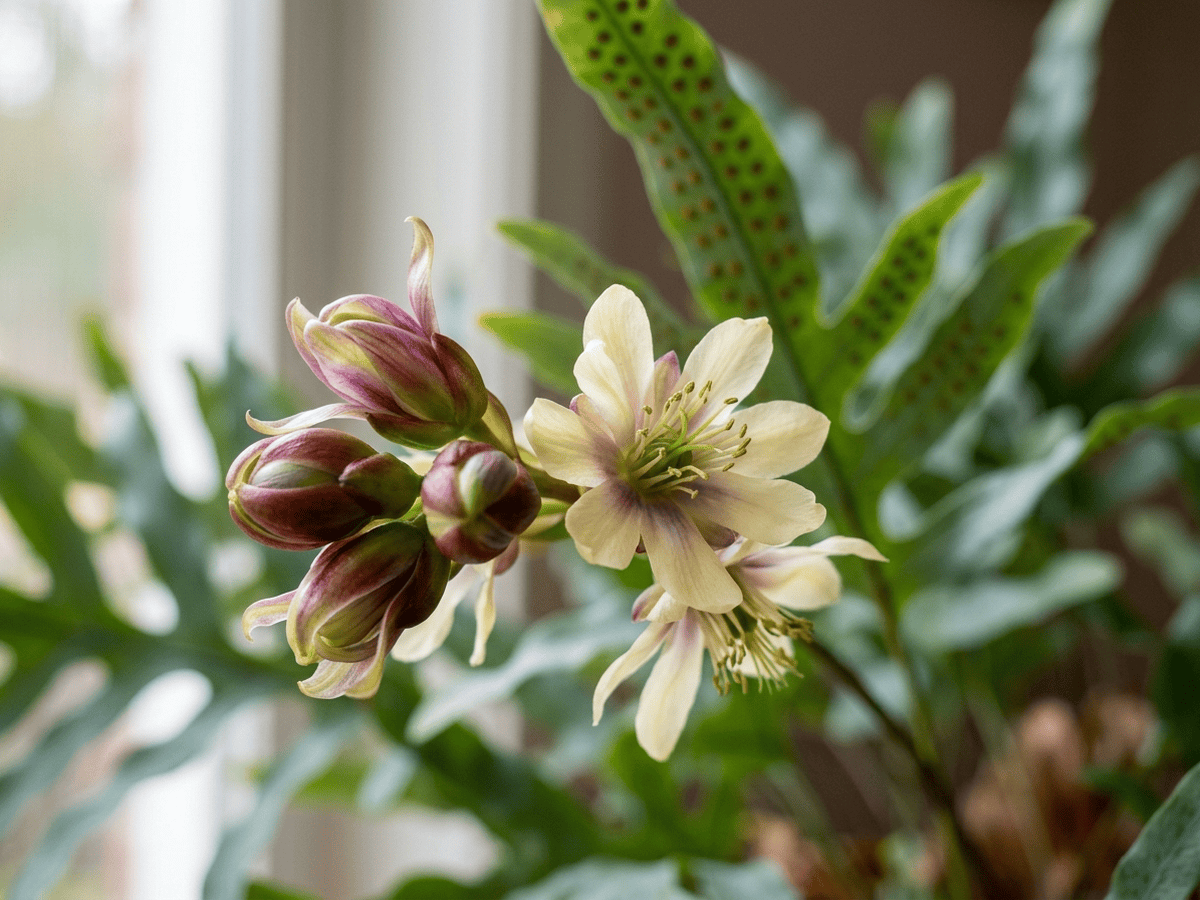
The genus name Phlebodium derives from the Greek phlébion, meaning 'little vein,' referencing the intricate vein patterns on its fronds. The species epithet aureum is Latin for 'golden,' celebrating the plant's most distinctive feature: its golden-haired rhizomes that creep across soil and bark.
Uses & Fun Facts
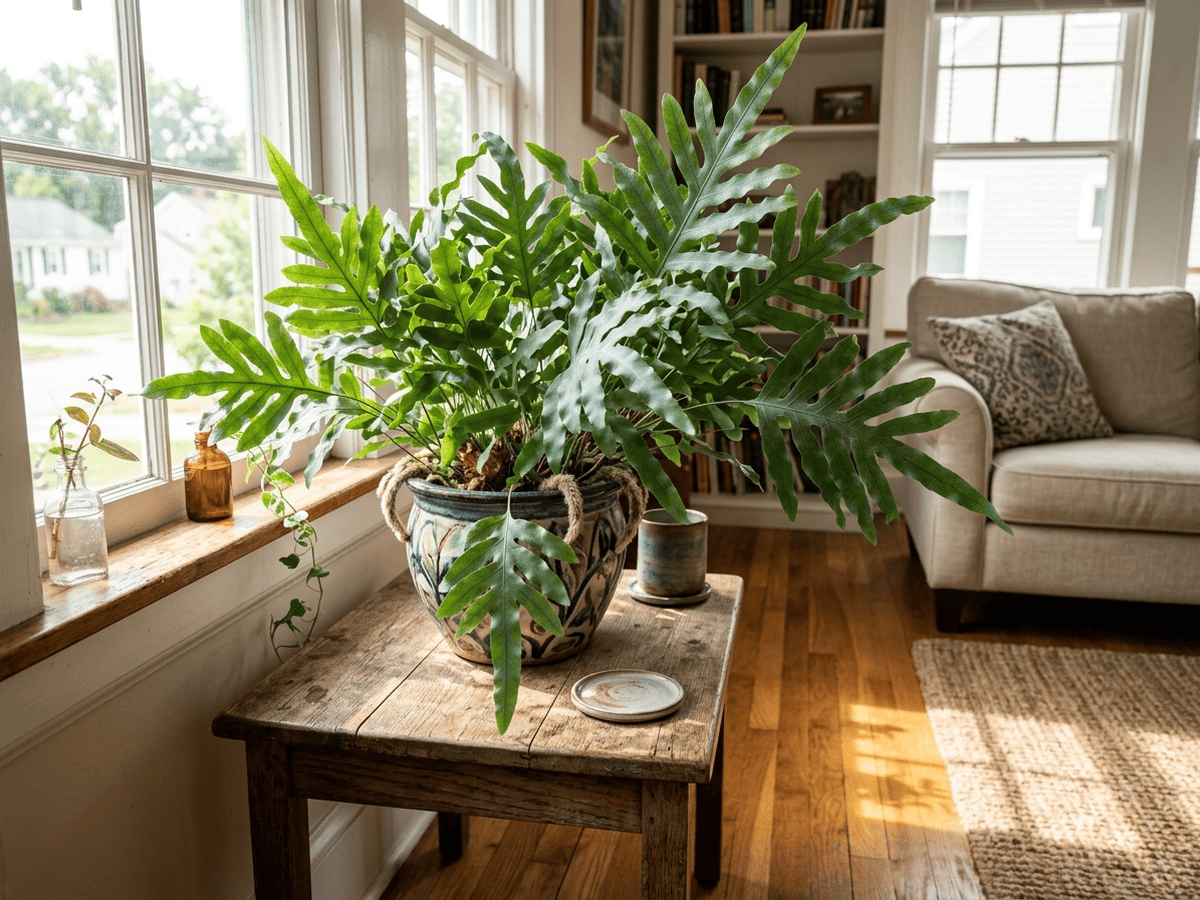
- Grown as a dramatic specimen for living rooms, offices, and shaded patios, prized for cascading blue-green fronds and architectural form
- Traditional folk medicine in Central America uses preparations from the rhizomes for skin and respiratory conditions
Related plants
Plants with similar care
Frequently asked questions
How often should I water Golden Polypody?
In summer, water about every 7 days; in winter, about every 30 days. Adjust for heat, pot size and drainage.
How much light does Golden Polypody need?
Full shade: <2 hrs direct. Watch the leaves — scorching or stretching means the light needs adjusting.
Is Golden Polypody toxic to cats or dogs?
No toxicity has been reported for this plant. Still, it is wise to keep pets from chewing on any houseplant. Educational information, not medical or veterinary advice. If exposure is suspected, contact a doctor or veterinarian.
Is Golden Polypody easy to grow?
It is moderately demanding: a good choice once you have a little experience.
Can Golden Polypody be grown indoors?
Yes, it adapts well to indoor growing given the right light.
YardMate
Identify any plant in seconds
Snap a photo — YardMate names the plant, diagnoses problems, and reminds you when to water.
Download on the App Store