 YardMate
Krauss's Clubmoss
Selaginella kraussiana
Medium · Some experienceAbout Krauss's Clubmoss
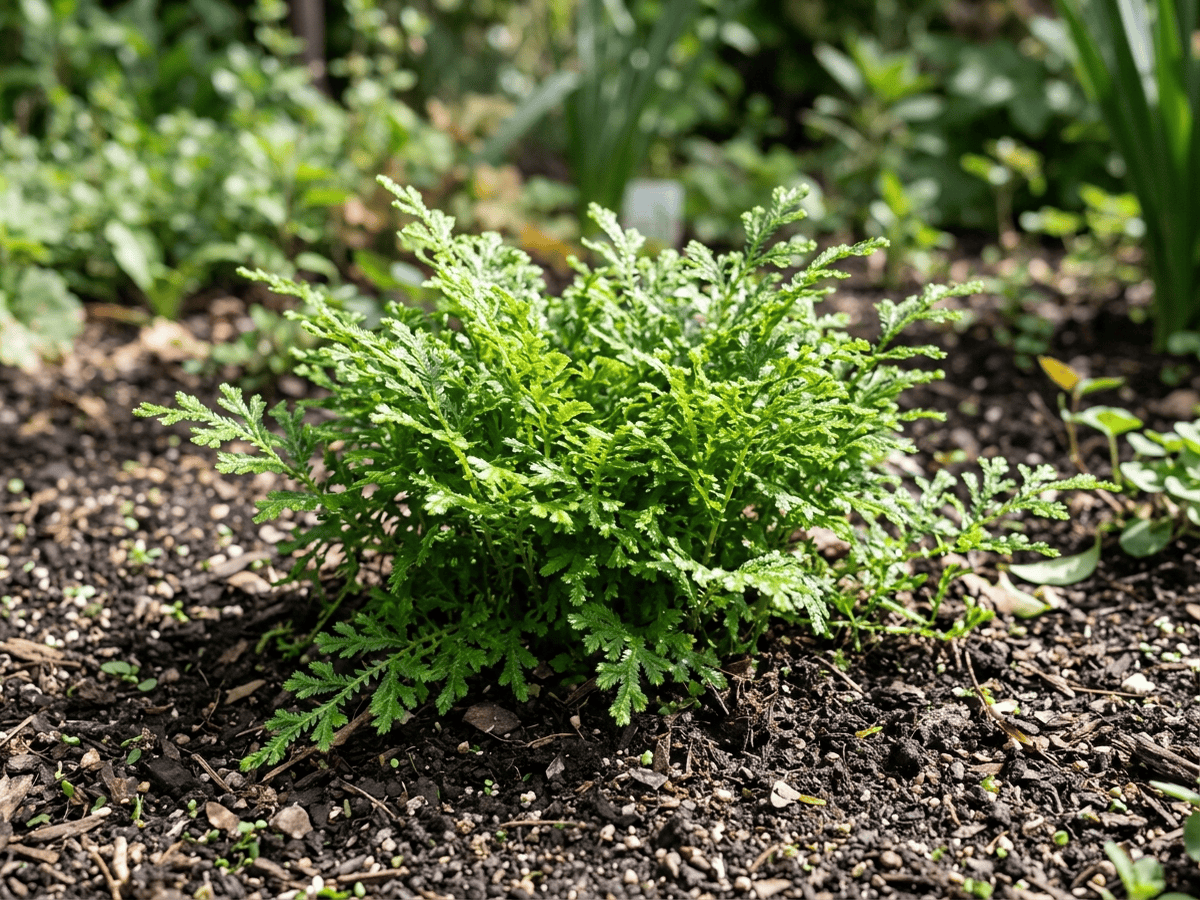
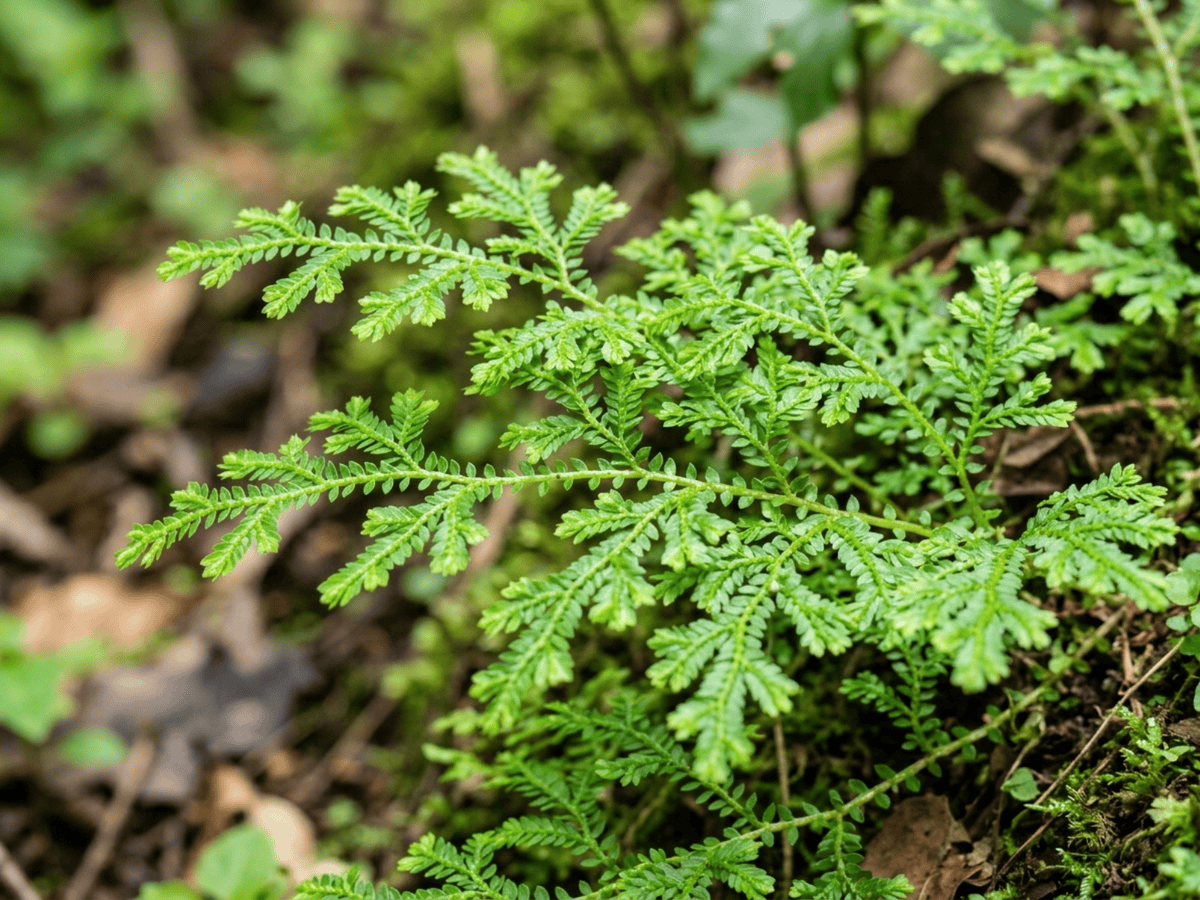
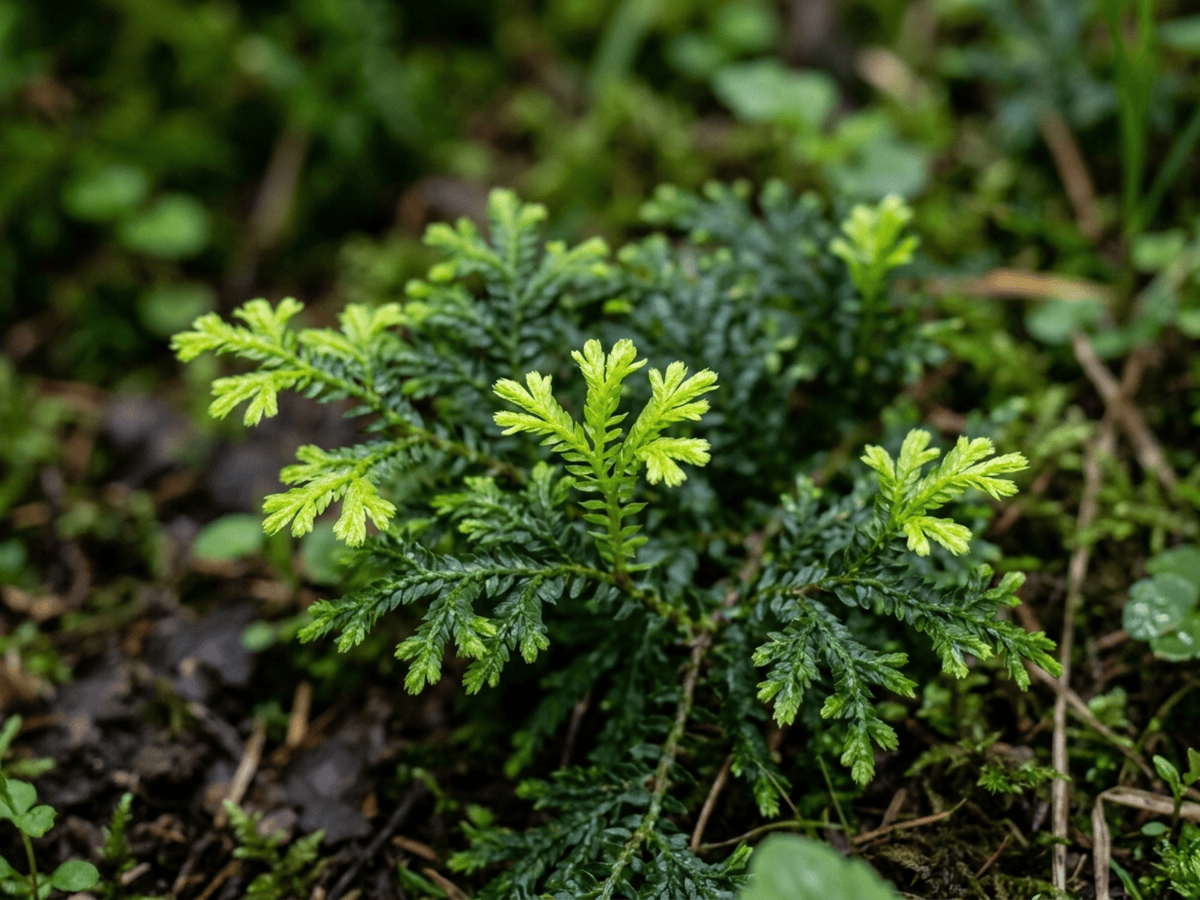
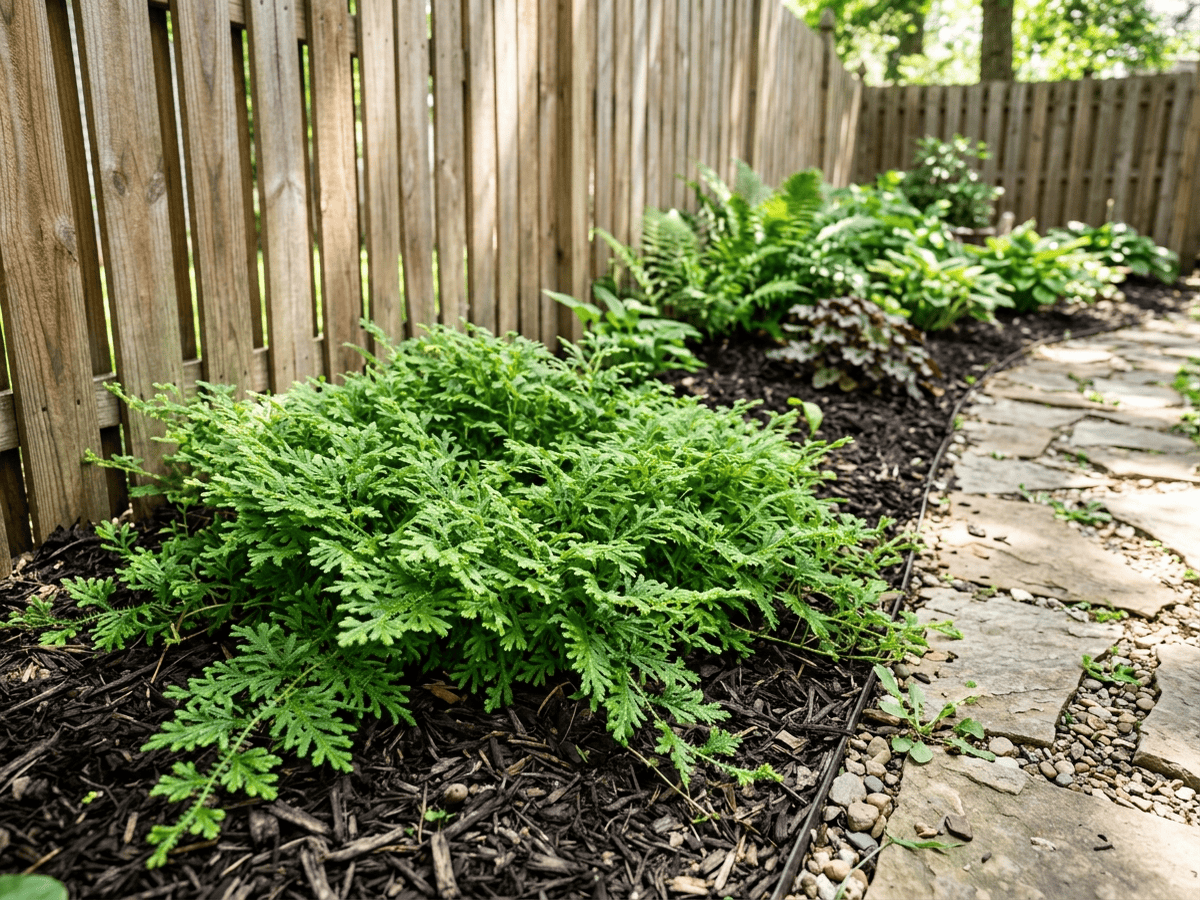
Selaginella kraussiana, the trailing spikemoss or Krauss's clubmoss, is a delicate, low-growing ground cover native to tropical and southern Africa. Despite its common name, it is not a true moss but a lycophyte — an ancient group of vascular plants that dominated Earth's forests 300 million years ago. It forms dense, creeping mats of tiny, scale-like bright green leaves on branching stems, rarely exceeding 5 cm in height. The golden-green cultivar 'Aurea' is especially popular. It thrives in consistently moist, humid conditions with indirect light, making it an excellent choice for terrariums, fairy gardens, and as ground cover under taller plants. In mild climates it can spread vigorously outdoors. It requires no pruning and roots wherever stems touch the soil, creating a living carpet effect. It is sensitive to dry air and will brown quickly if humidity drops.
- Groundcover
How to care for Krauss's Clubmoss
Watering
- Springevery 3 days
- Summerevery 2 days
- Fallevery 5 days
- Winterevery 7 days
Soil · Moisture-retentive
- Top dressingSphagnum moss10%
- Main mixPeat + coco coir 1:180%
- DrainagePerlite / gravel10%
Keep it evenly moist — but the drainage layer still matters.
FERTILIZER
Balanced Feed 14-14-14
An even feed covers all three needs at once, keeping leaves, roots and blooms moving together with nothing pushed out of balance.
- Nitrogen · Leaves
- Phosphorus · Roots + Blooms
- Potassium · Strength
- Springevery 60 days
- Summerevery 60 days
At a Glance
- NativeAfrica
- Height0.1–0.3 ft (0–0.1 m)
- Spread1–2 ft (0.3–0.6 m)
- Foliage colorGreen, Yellow
- SoilLoamy, Moisture-retentive
- LocationsIndoor · Yard
Bloom time
BLOOM CYCLE
Non-flowering; reproduces by spores in tiny strobili at stem tips
Fragrance
NO FRAGRANCE
No notable fragrance.
Toxicity
No toxicity has been reported for this plant. Still, it is wise to keep pets from chewing on any houseplant.
Educational information, not medical or veterinary advice. If exposure is suspected, contact a doctor or veterinarian.
DISTRIBUTION

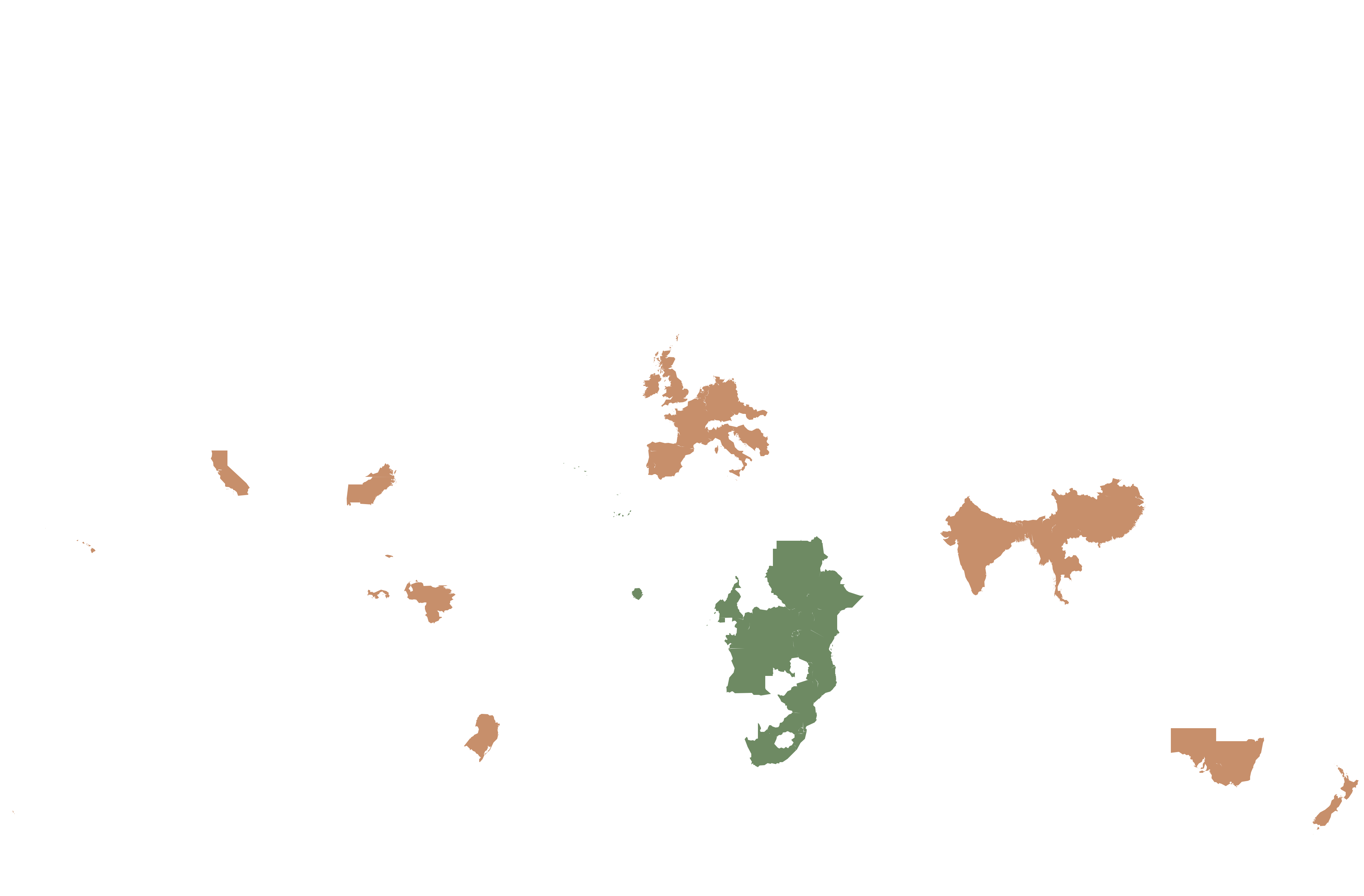
- Native
- Introduced
- Africa
History
Selaginella kraussiana is native to southern and eastern Africa (South Africa, Kenya, Tanzania, Ethiopia) and the Azores. Despite its common name it is not a true moss but a member of the lycophytes (Selaginellaceae family), one of the oldest surviving vascular-plant lineages — the lycophytes diverged from other vascular plants more than 400 million years ago in the Silurian, and include modern clubmosses and the extinct giant lepidodendrons that formed Carboniferous coal forests. The species is widely cultivated as a terrarium ground cover, houseplant, and shade outdoor groundcover in frost-free climates, valued for its soft, bright-green, moss-like mat of tiny scale-like leaves. Named cultivars include "Aurea" (gold-tinted), "Brownii" (compact tufted), and the variegated "Variegata."
The plant has escaped cultivation in New Zealand, where it has become a serious invasive of native Nothofagus (southern beech) forests on both North and South Islands — smothering native mosses, liverworts, and seedling plants on the forest floor, and dramatically altering the structure of the forest understory. New Zealand's Department of Conservation actively manages it as a problematic invasive, and several regional councils ban its sale. Selaginella belongs to the lycophytes, a plant division that peaked during the Carboniferous period when tree-sized lycophytes formed vast swamp forests that eventually became coal deposits.
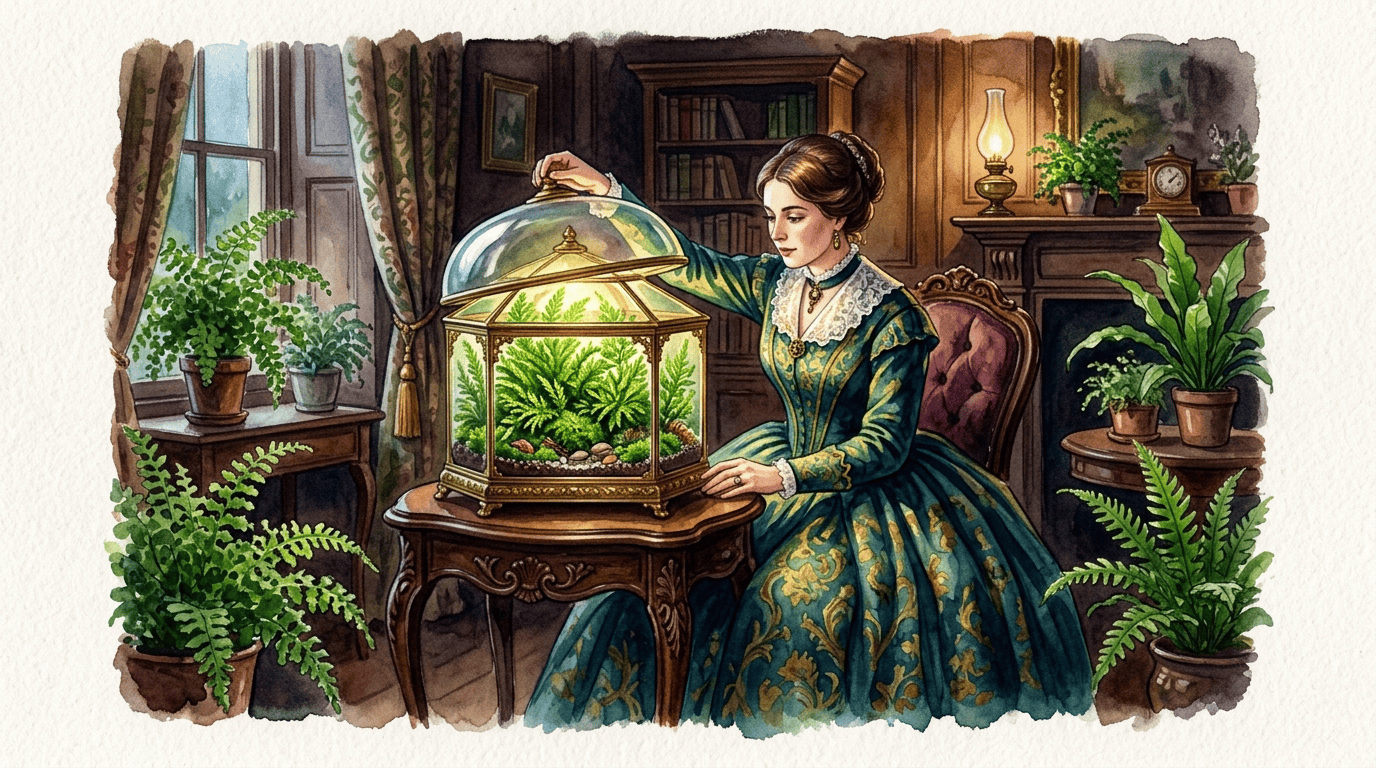
Modern Selaginella species are their diminutive descendants. Krauss's spikemoss was named after German botanist Christian Ferdinand Friedrich von Krauss, who collected extensively in South Africa in the 1830s and 1840s. It became a favorite Victorian terrarium plant — Wardian cases filled with Selaginella decorated parlors across England during the fern craze of the 1850s.
Symbolism & meaning
What It Symbolizes
Krauss's Clubmoss carries humility close to the ground, its low, mossy mats spreading without ceremony or claim. As a member of an ancient lineage older than the conifers, it pairs unassuming form with deep persistence — a living fossil hiding in plain sight. In its quiet green carpets, modesty and survival on a geological scale grow side by side.
- Humility — Its low, unassuming growth habit represents modesty and quiet beauty
- Persistence — As a living fossil lineage, it symbolizes quiet survival over vast timescales
Where the Name Comes From
Selaginella is a diminutive of 'Selago,' an ancient name for a clubmoss mentioned by Pliny. Kraussiana honors the German botanist Christian Ferdinand Friedrich von Krauss.
Uses & Fun Facts
- Low feathery mat carpets terrarium and fairy-garden floors
- Humidity-loving lycophyte fills closed terrarium understory
- Bright green moss-like texture softens shaded planting compositions
Related plants
Plants with similar care
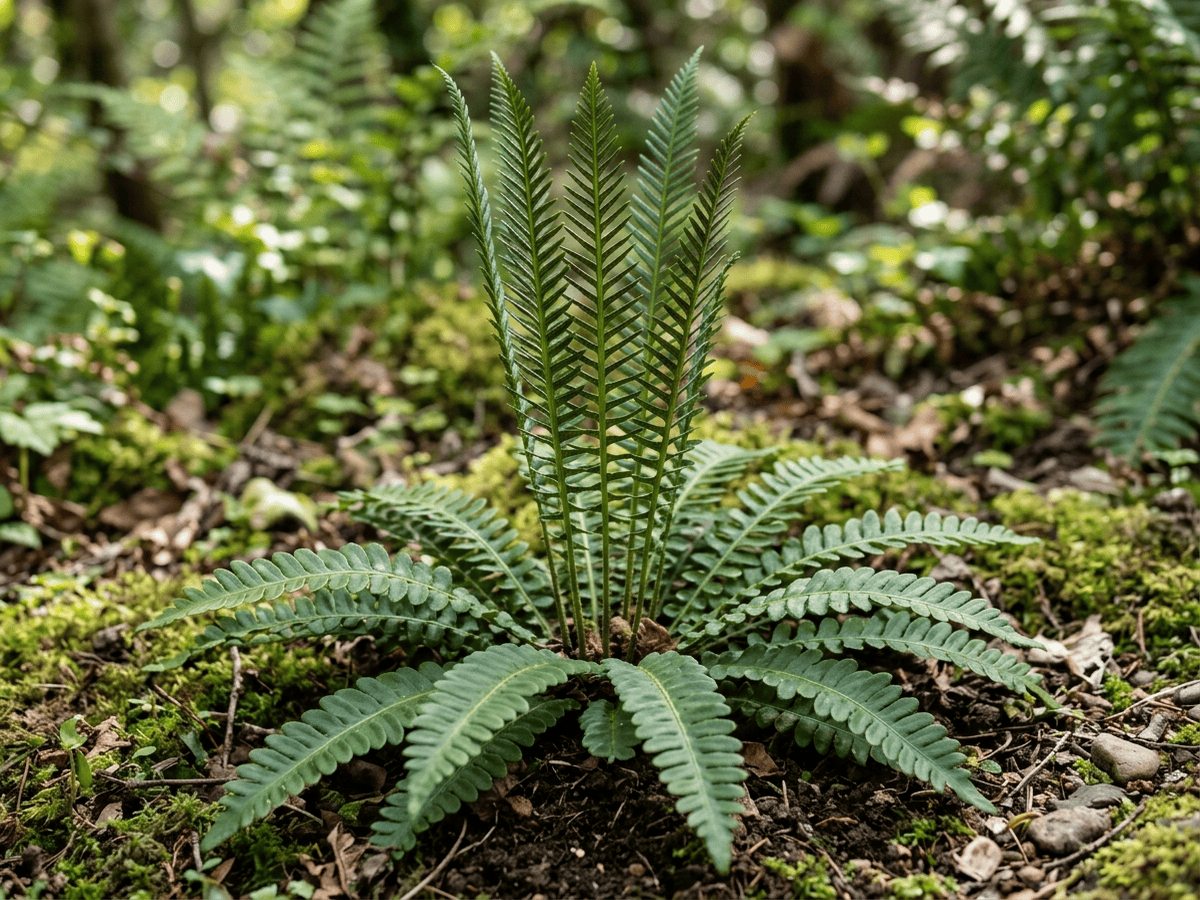 Deer FernBlechnum spicant
 Dutchman's BreechesDicentra cucullaria
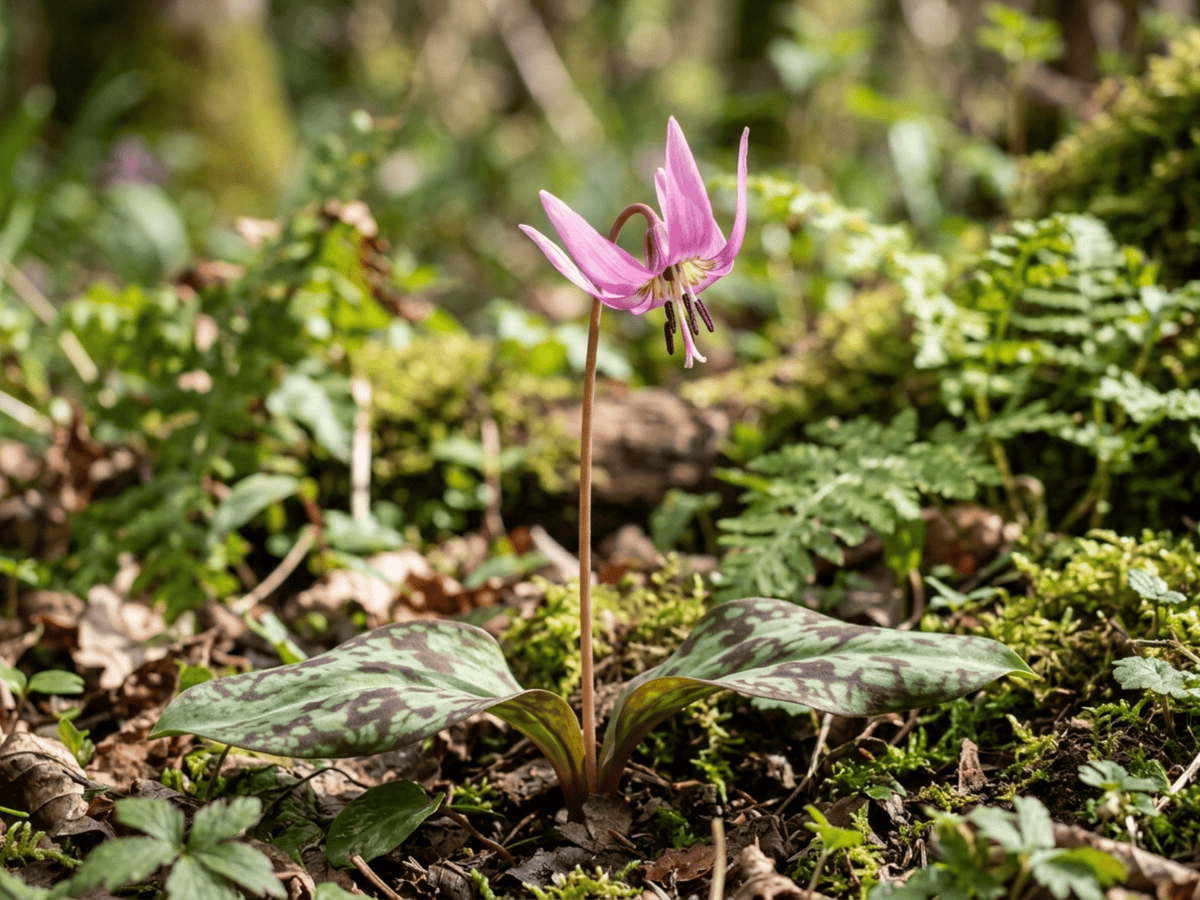 Dog's-Tooth-VioletErythronium dens-canis
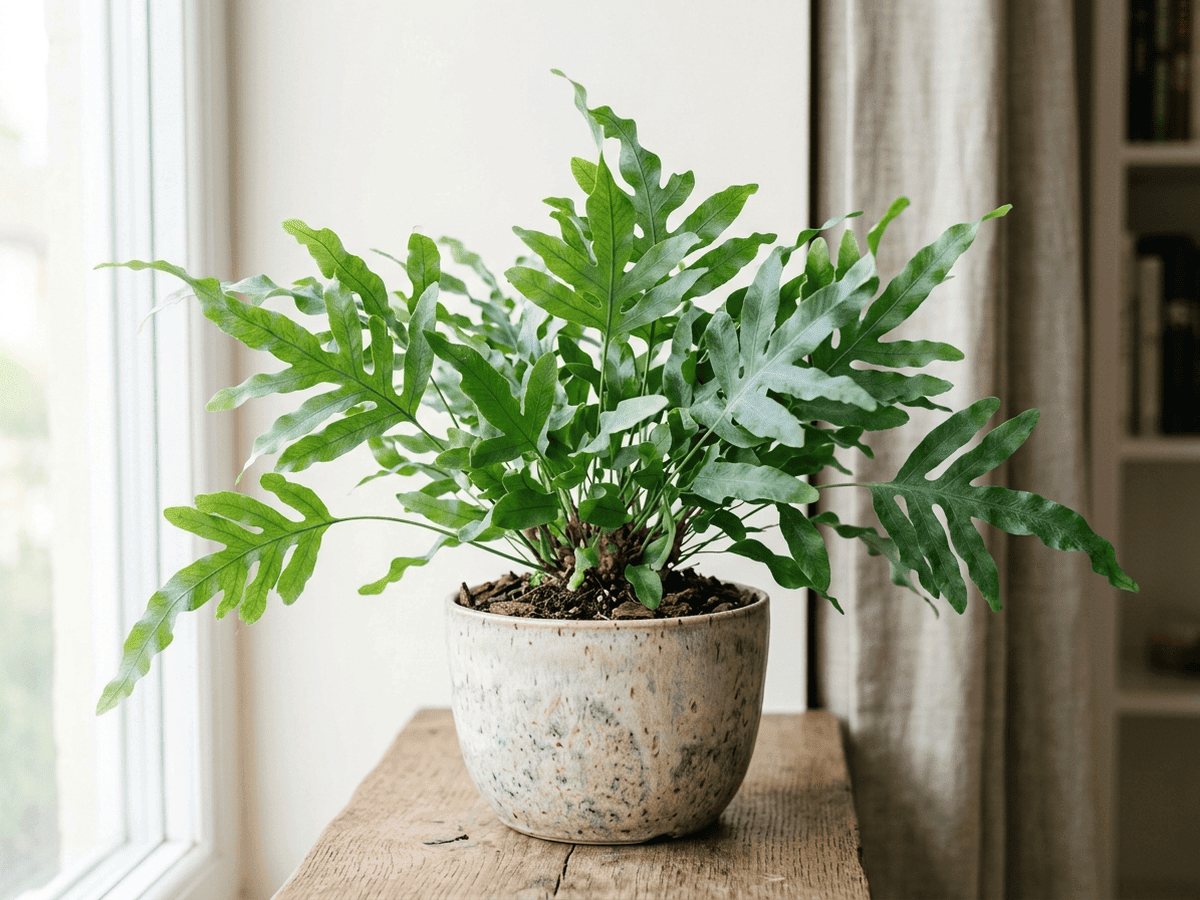 Golden PolypodyPhlebodium aureum
Frequently asked questions
How often should I water Krauss's Clubmoss?
In summer, water about every 2 days; in winter, about every 7 days. Adjust for heat, pot size and drainage.
How much light does Krauss's Clubmoss need?
Full shade: <2 hrs direct. Watch the leaves — scorching or stretching means the light needs adjusting.
Is Krauss's Clubmoss toxic to cats or dogs?
No toxicity has been reported for this plant. Still, it is wise to keep pets from chewing on any houseplant. Educational information, not medical or veterinary advice. If exposure is suspected, contact a doctor or veterinarian.
Is Krauss's Clubmoss easy to grow?
It is moderately demanding: a good choice once you have a little experience.
Can Krauss's Clubmoss be grown indoors?
Yes, it adapts well to indoor growing given the right light.
YardMate
Identify any plant in seconds
Snap a photo — YardMate names the plant, diagnoses problems, and reminds you when to water.
Download on the App Store