 YardMate
Austrian Briar
Rosa foetida
Hard · Experienced growersAbout Austrian Briar
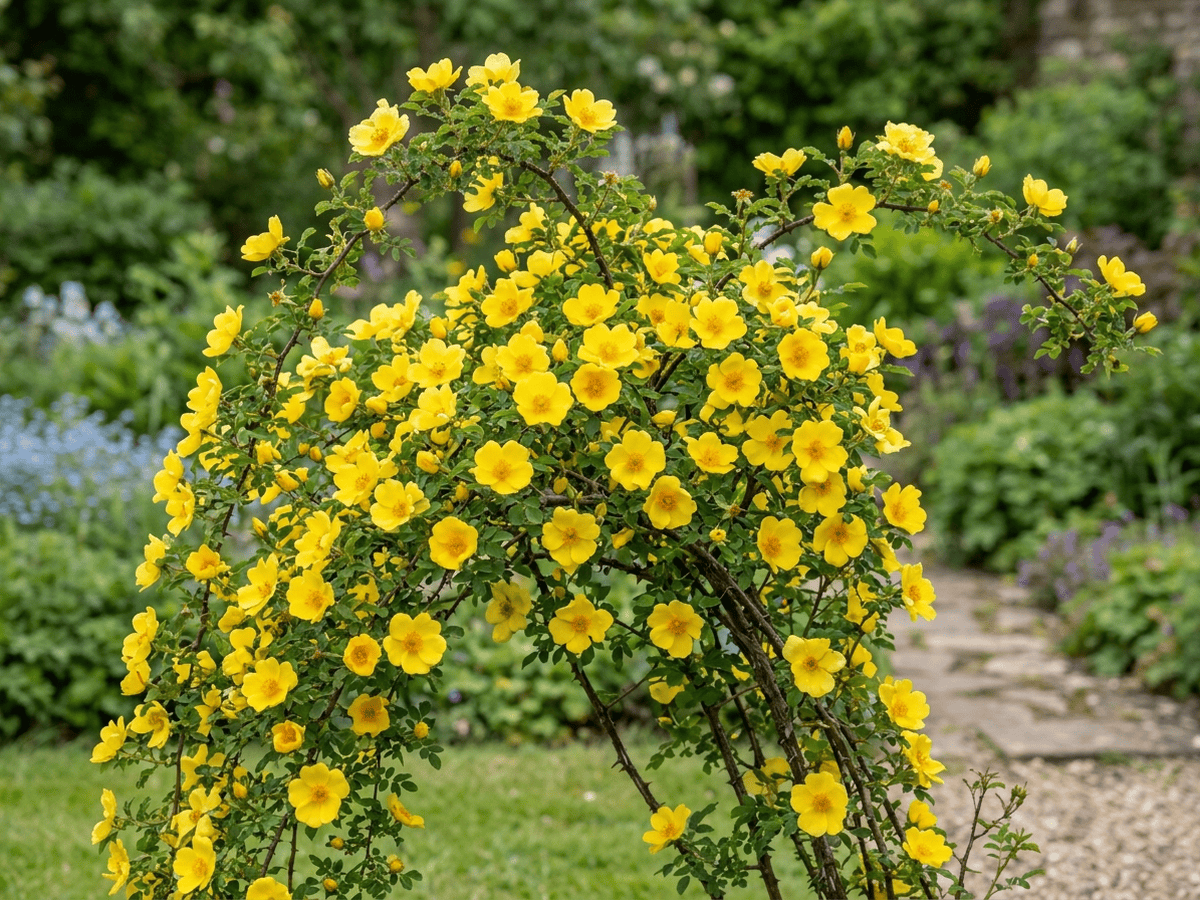
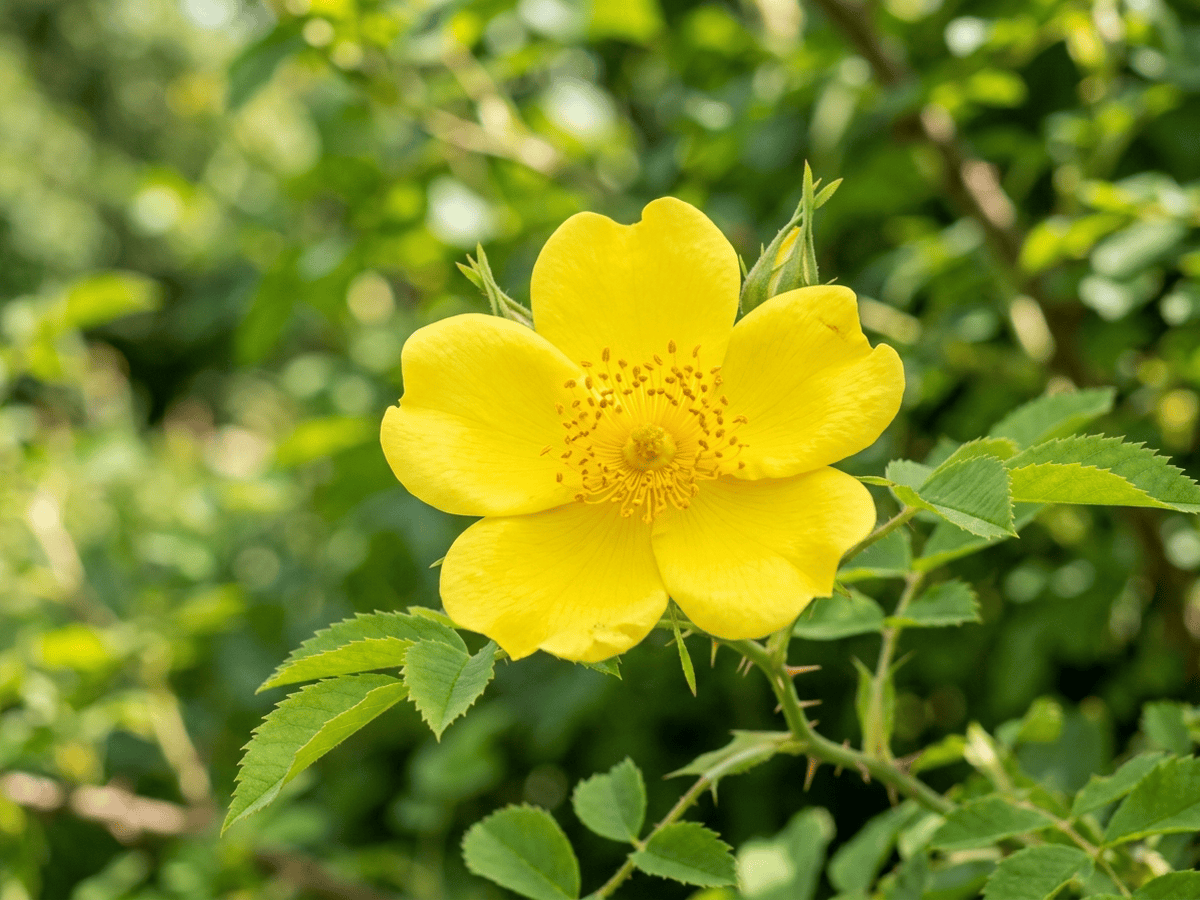
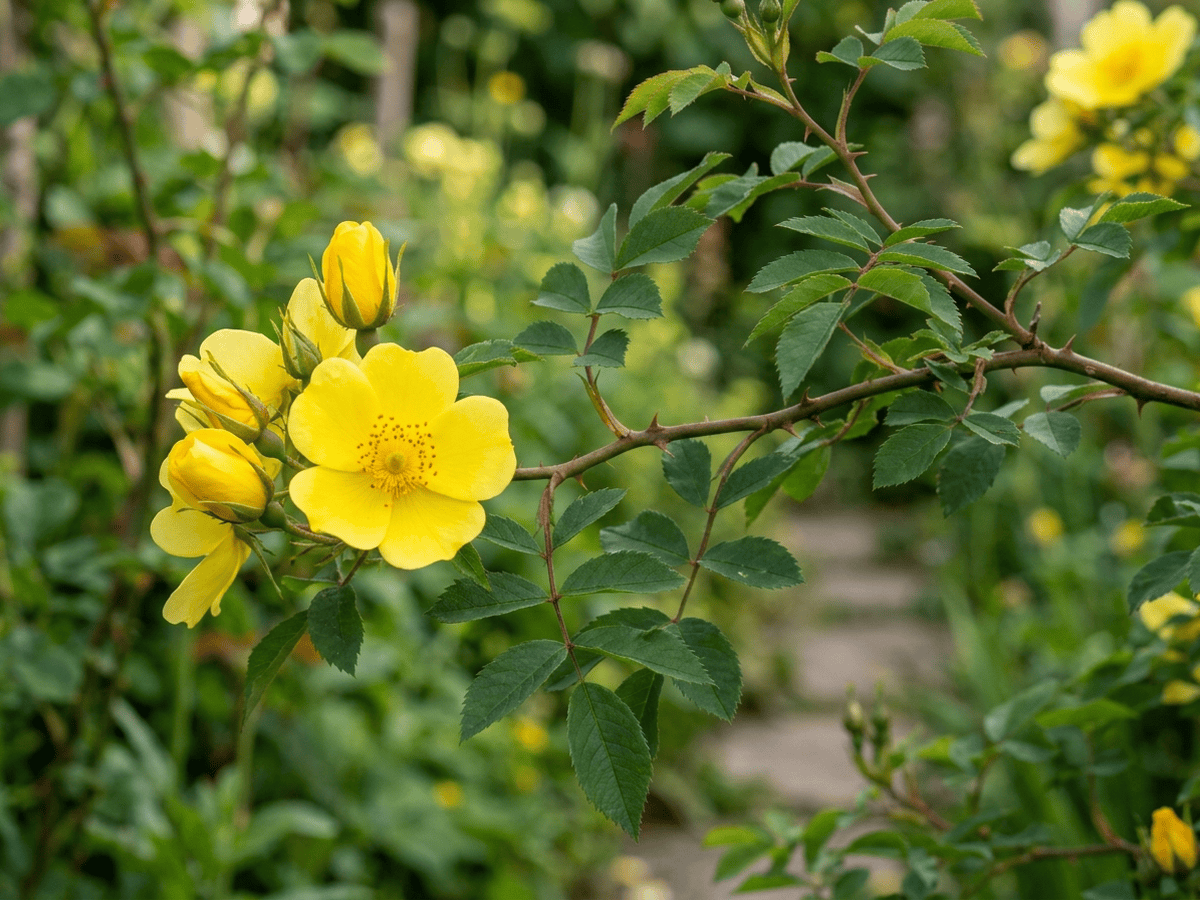
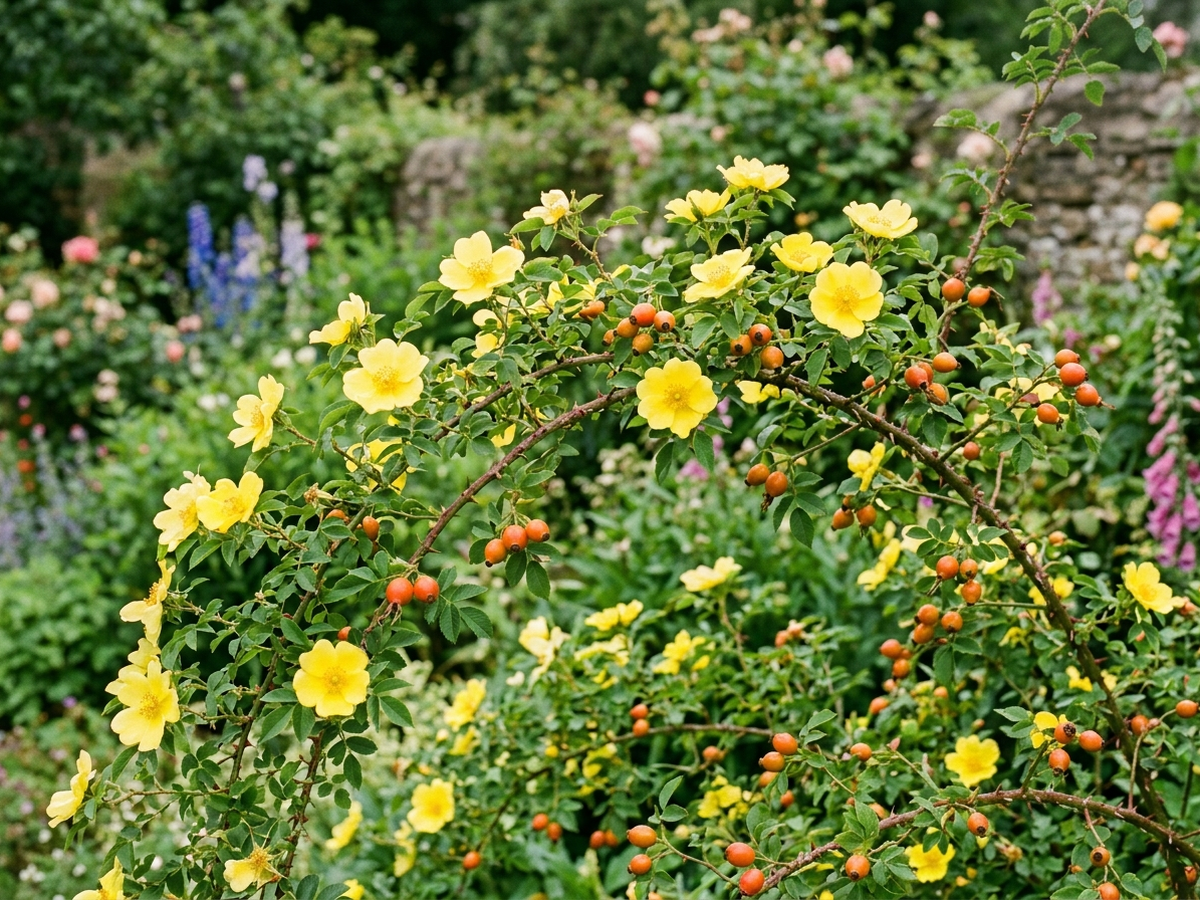
Rosa foetida, the Austrian Briar, is a wild rose native to western and central Asia—Turkey, Iran, Afghanistan—that reached Europe through Vienna in the 16th century, earning its misleading 'Austrian' name. It bears intensely yellow flowers, a pure saturated yellow rarely matched by any other wild rose. The species name foetida (Latin: stinking) reflects the divisive scent many find unpleasant—rancid or linseed-like. Cold-hardy and vigorous, it produces orange-red hips in autumn. Austrian Briar holds an outsized place in rose history: the yellow in virtually every modern hybrid tea rose traces to R. foetida—and its 1900 introduction into breeding also, inadvertently, brought black spot susceptibility that still burdens rose cultivation today.
- Cold-hardy
- Pollinator-friendly
- Showy-fruit
- Deciduous
- Fragrant
How to care for Austrian Briar
Watering
- Springevery 15 days
- Summerevery 10 days
- Fallevery 20 days
- Winterpause watering
Soil · Rich & loamy
- Top dressingBark mulch15%
- Main mixRich loam + compost 3:170%
- DrainageGravel15%
Use fully finished compost — fresh compost burns roots.
FERTILIZER
Bloom Booster 10-52-10
A phosphorus-forward feed fuels abundant blooms, with just enough nitrogen and potassium to keep foliage and roots steady.
- Nitrogen · Leaves
- Phosphorus · Roots + Blooms
- Potassium · Strength
- Springevery 15 days
- Summerevery 30 days
- Fallevery 30 days
At a Glance
- NativeEurope
- Height3–5 ft (0.9–1.5 m)
- Spread3–4 ft (0.9–1.2 m)
- Flower colorYellow
- Foliage colorGreen
- Fruit colorOrange
- SoilWell-drained, Loamy, Moist
- LocationsYard · Balcony
Bloom time
BLOOM CYCLE
Peak bloom
May–Jul
This rose produces fragrant blooms from late spring to early summer.
Fragrance
LIGHT FRAGRANCE
Distinctive and divisive—the flowers produce a scent many find unpleasant, described as rancid or linseed-like; the species name 'foetida' (stinking) reflects this reputation.
Toxicity
Pets Safe
None reported
Not reported
EXPOSURE No exposure route is reported.
EFFECT No toxic effect is reported.
NOTE No toxicity is reported for humans in this catalog; this is not evidence that the plant is edible or harmless.
Safe
EXPOSURE No exposure route is reported.
EFFECT No toxic effect is reported.
NOTE Authoritative sources report this plant as non-toxic to dogs; this is not evidence that the plant is edible.
Safe
EXPOSURE No exposure route is reported.
EFFECT No toxic effect is reported.
NOTE Authoritative sources report this plant as non-toxic to cats; this is not evidence that the plant is edible.
Educational information, not medical or veterinary advice. If exposure is suspected, contact a doctor or veterinarian.
DISTRIBUTION

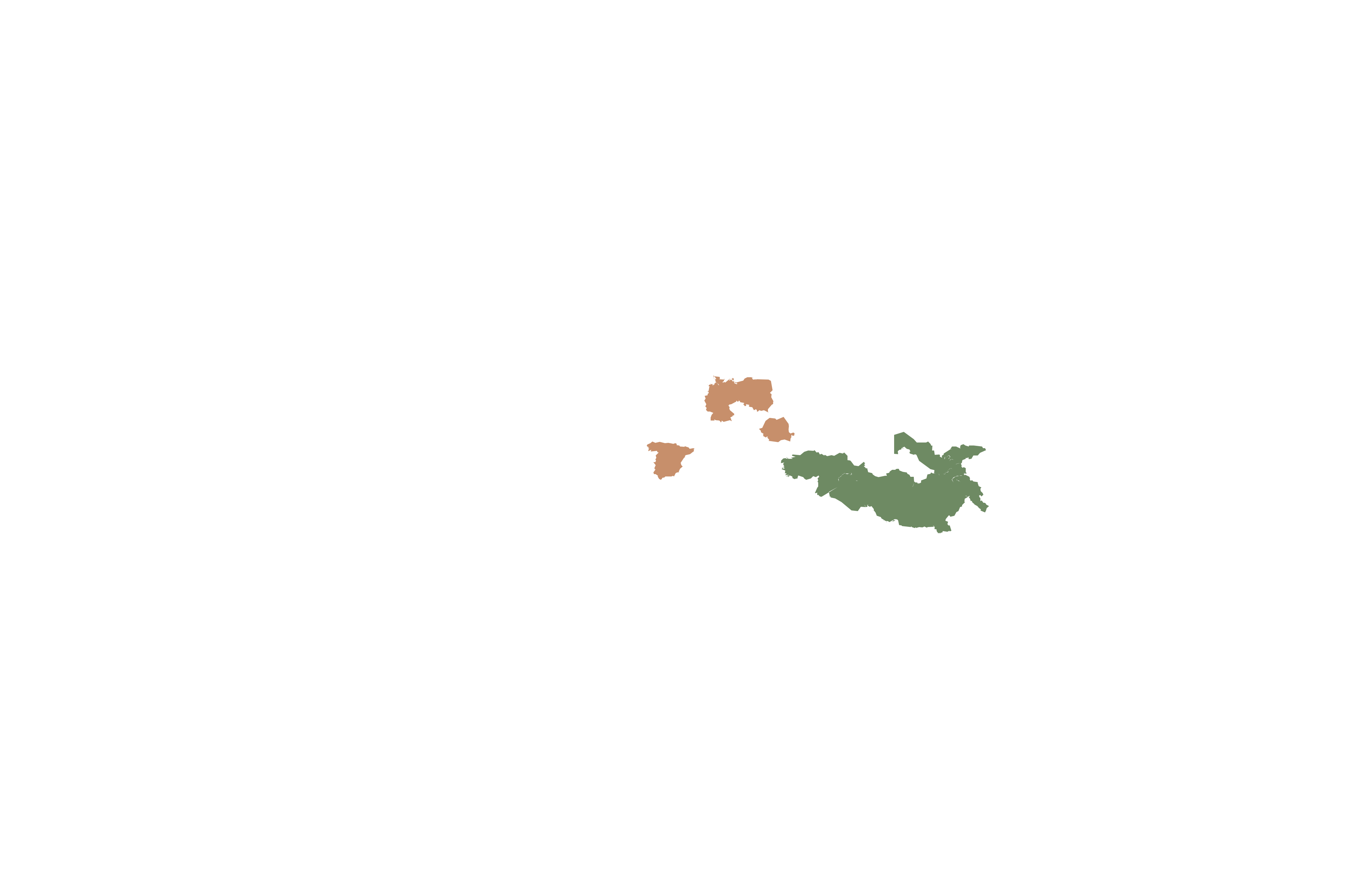
- Native
- Introduced
- Europe
History
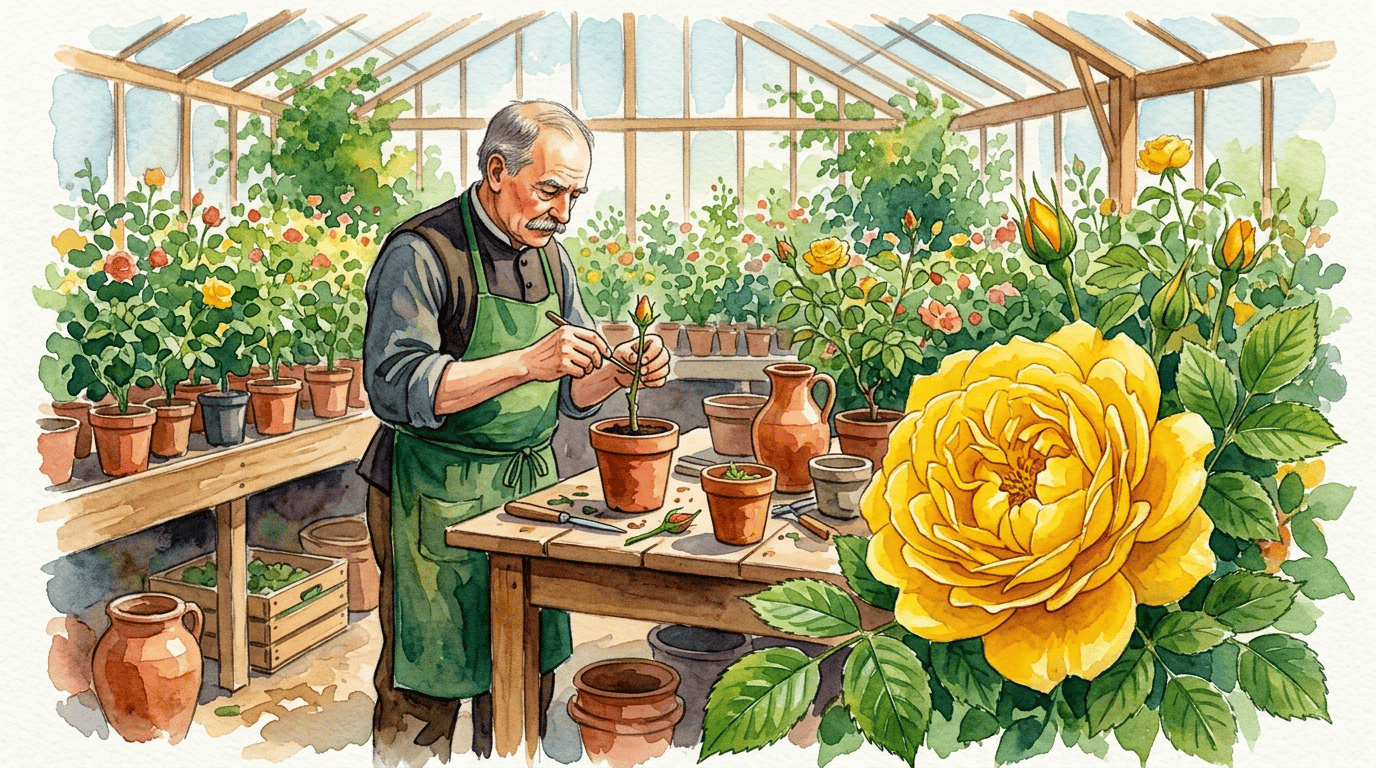
Rosa foetida had grown across the hills of western Asia—Turkey, Iran, Afghanistan, Central Asia—for thousands of years, its brilliant yellow flowers known to Persian and Ottoman gardens long before they reached Europe. It arrived in western Europe through Vienna around 1540, carried along Ottoman-European trade routes, and European botanists and gardeners were immediately struck by its color: a pure, saturated yellow quite unlike anything in the European wild rose flora, which ran to pinks and whites. The unpleasant scent—acknowledged in the species name—was forgiven for the color.
For three centuries, the Austrian Briar's yellow remained botanically isolated. European rose breeders worked with a palette that lacked yellow, and the attempts to introduce R. foetida color into cultivated roses repeatedly failed due to incompatibility. Then, in the 1880s and 1890s, the French hybridizer Joseph Pernet-Ducher (1859–1928) of Lyon began methodical crosses between R. foetida 'Persiana' (Persian Yellow, a double-flowered form) and hybrid perpetual roses. The work took over a decade of failed crossings and raisings of thousands of seedlings. In 1900 he introduced 'Soleil d'Or'—a deep golden yellow rose with hybrid tea flower form, the breakthrough that opened a new era of rose color.
The new class—Pernet-Ducher called them Pernetianas—produced the most vivid yellow, orange, and bicolor roses ever seen in cultivation. But they carried an invisible burden: Rosa foetida is notably susceptible to black spot (Diplocarpon rosae), a fungal disease that defoliates roses and had not been a major problem in pre-Pernetiana breeding. The introgression of R. foetida genes spread black spot susceptibility throughout the hybrid tea lineage, where it remains embedded to this day. Every yellow and orange rose in a modern florist shop carries in its genome both the gift of Pernet-Ducher's color and the legacy of R. foetida's weakness.
Symbolism & meaning
What It Symbolizes
Pernet-Ducher spent fifteen years crossing roses to get the yellow he wanted. He got it. He also—without knowing it—wired black spot into the genetic future of hybrid roses for a century. The yellow was worth it, most gardeners have since decided. The plant is less sure.
- double legacy — Rosa foetida gave the world yellow roses—and gave it black spot. One act of introduction carries both gift and burden, inseparably.
- hidden price — Every brilliant yellow rose in cultivation today carries in its genes the susceptibility to disease that came with the color—beauty and its cost, bundled together.
Where the Name Comes From
Rosa is the classical Latin name for rose. The species name foetida is Latin for 'stinking' or 'fetid,' referring to the unpleasant scent of the flowers that many people find rancid or linseed-like. Austrian Briar derives from the route by which the plant reached Western Europe—through Vienna (Austria) around 1540—though the species is native to western and central Asia, not Europe.
Uses & Fun Facts
- Species rose prized for its intense pure yellow flowers, the most saturated yellow of any wild rose; cold-hardy and vigorous on a shrub or informal hedge
- Yellow-to-orange hips in autumn provide additional ornamental interest; the flower's role in breeding makes it a living historical specimen for rose collections
- Single open flowers offer accessible pollen and nectar for bees; cold-hardy shrub supports pollinators in exposed or northern garden sites
Related plants
More Rosa plants
 About FaceRosa 'About Face'
 Abraham DarbyRosa 'Abraham Darby'
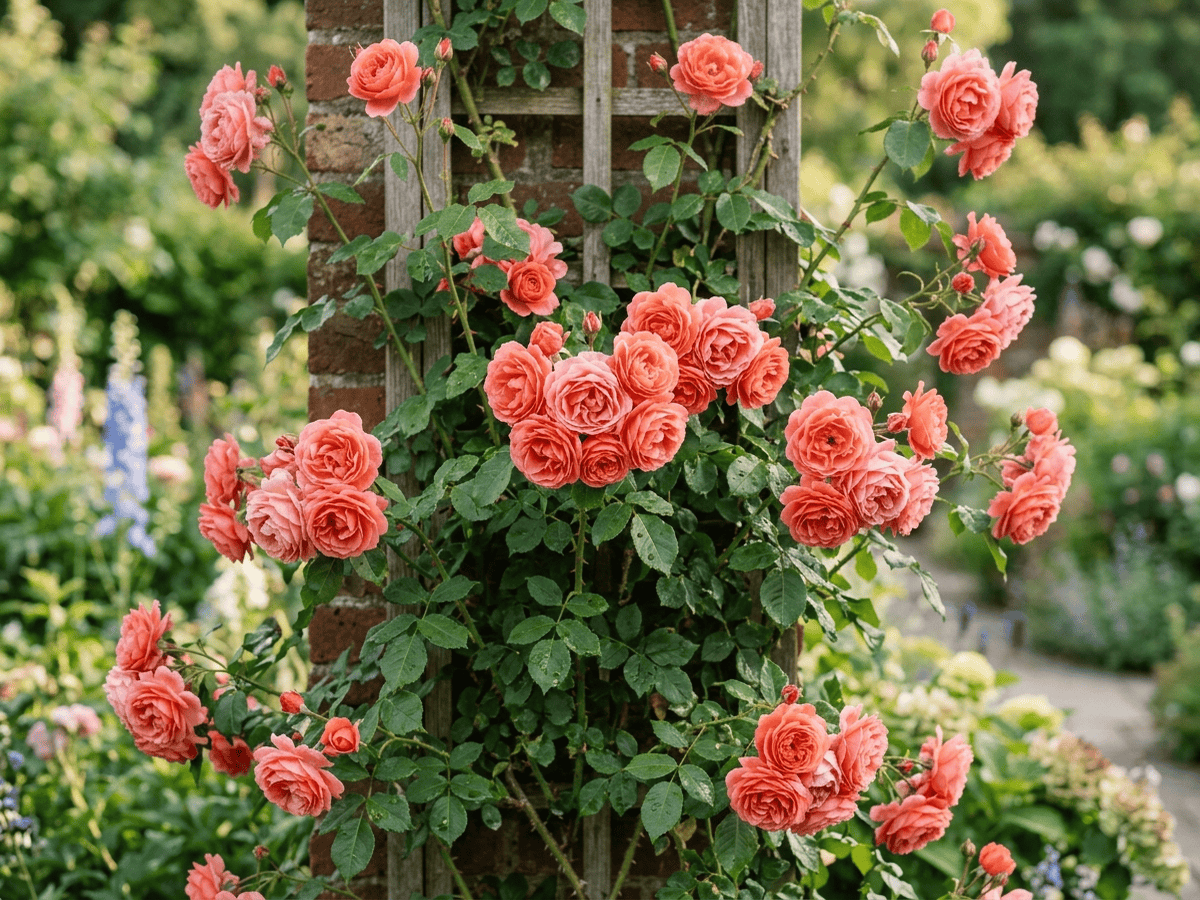 AmericaRosa 'America'
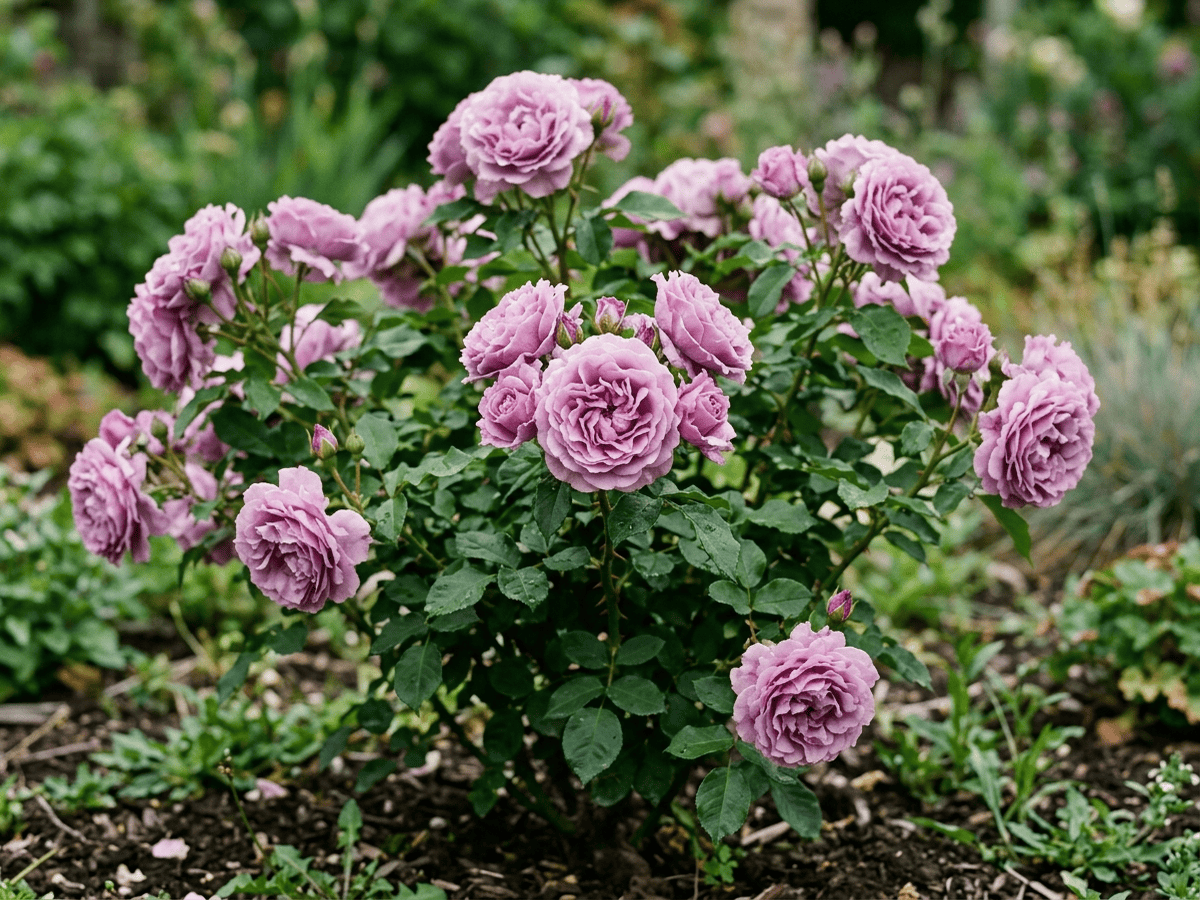 Angel FaceRosa 'Angel Face'
Plants with similar care
Frequently asked questions
How often should I water Austrian Briar?
Water about every 15 days during the growing season, and always let excess water drain away.
How much light does Austrian Briar need?
Indirect: Filtered light. Watch the leaves — scorching or stretching means the light needs adjusting.
Is Austrian Briar toxic to cats or dogs?
Pets Safe (Dogs Safe · Cats Safe) Educational information, not medical or veterinary advice. If exposure is suspected, contact a doctor or veterinarian.
Is Austrian Briar easy to grow?
It is considered challenging and rewards experienced growers.
When does Austrian Briar bloom?
It typically blooms May–Jul in the Northern Hemisphere.
YardMate
Identify any plant in seconds
Snap a photo — YardMate names the plant, diagnoses problems, and reminds you when to water.
Download on the App Store