 YardMate
Himalayan Sapria
Sapria himalayana
Hard · Experienced growersAbout Himalayan Sapria
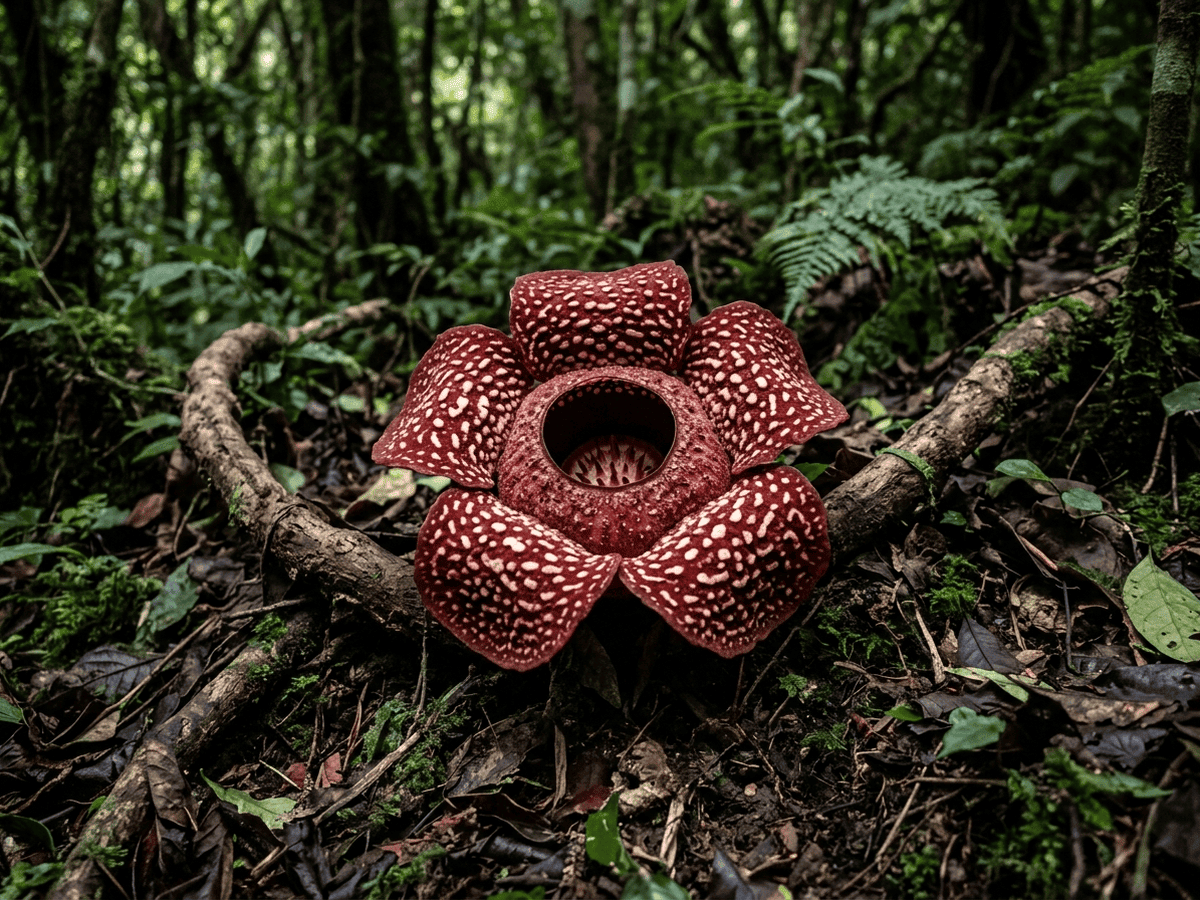
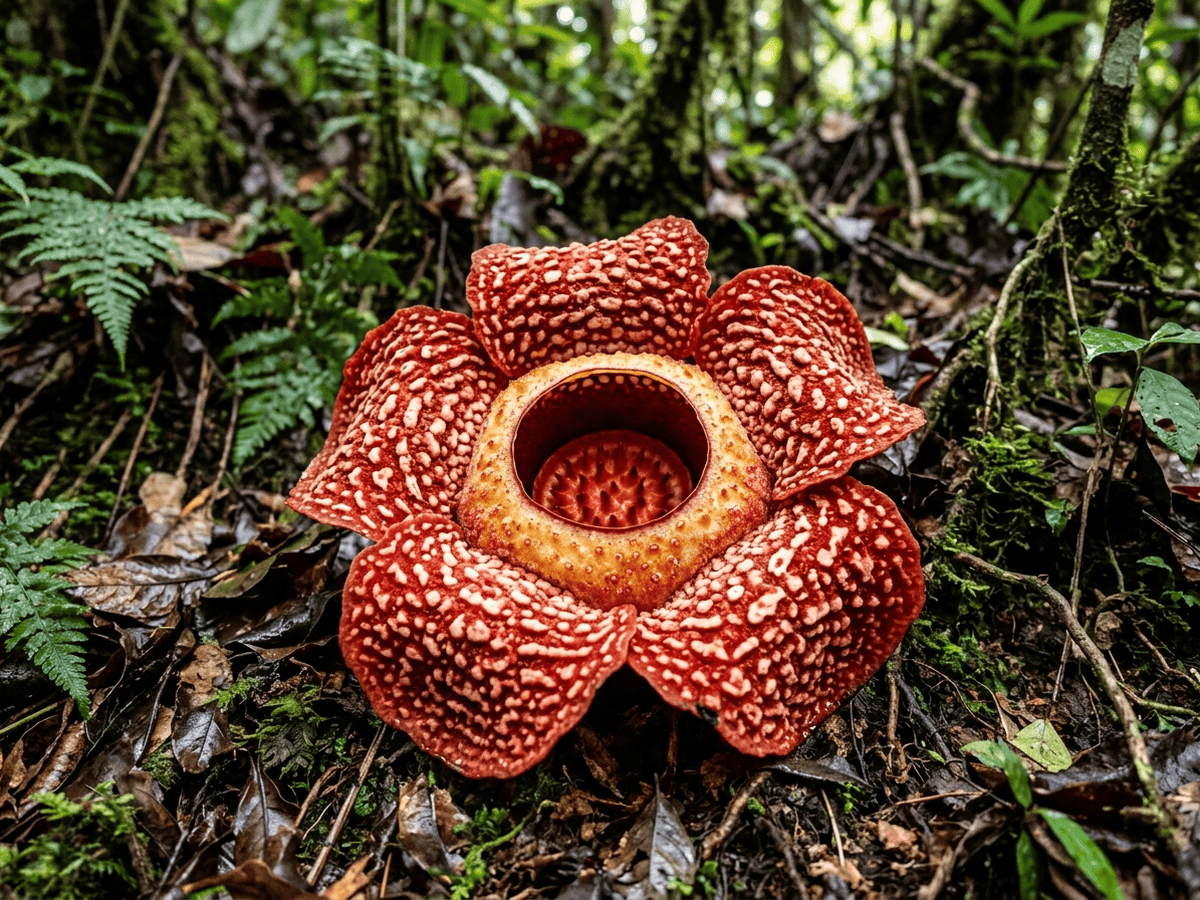
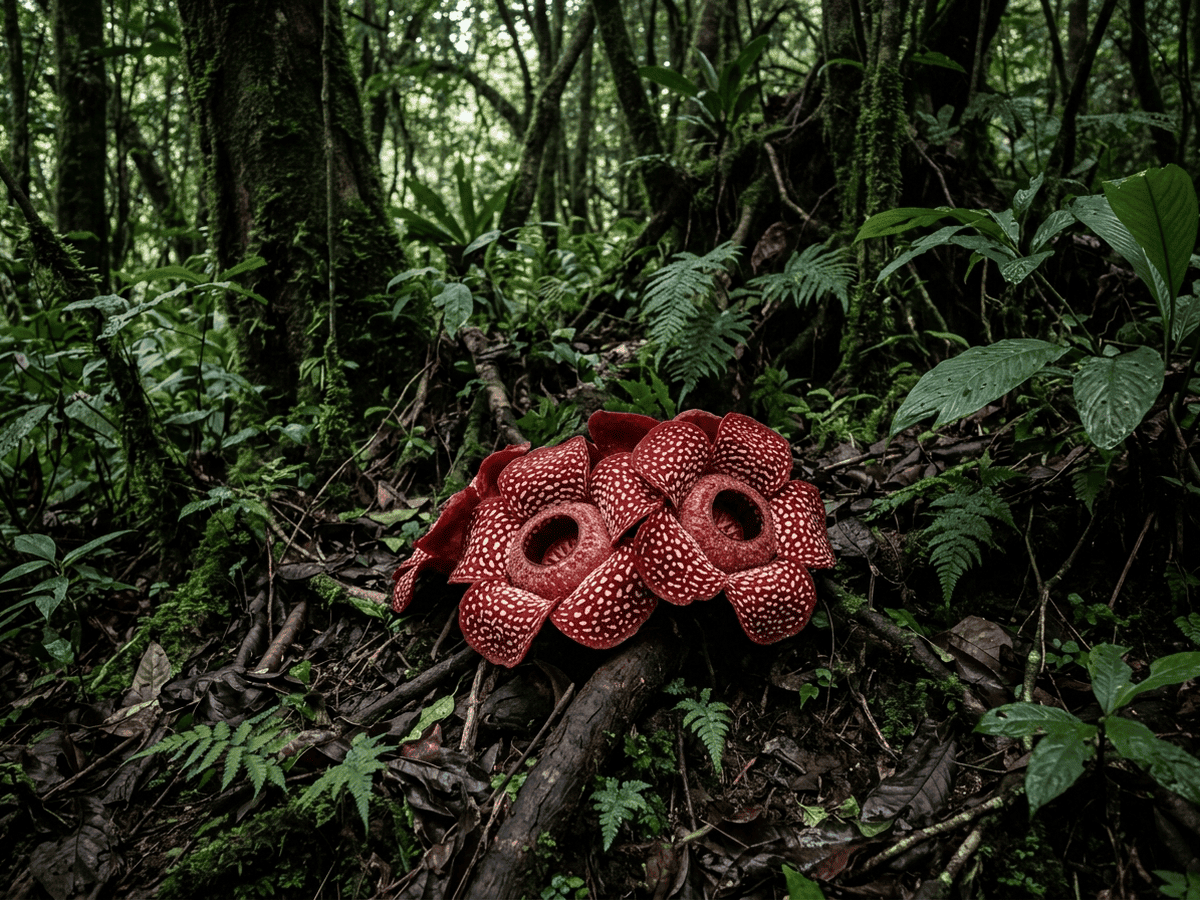
Sapria himalayana is one of the most bizarre flowering plants on Earth—a holoparasite with no roots, stems, or leaves of its own, living entirely as thread-like filaments inside the roots of Tetrastigma vines in the humid forests of northeastern India, Nepal, Bhutan, and Southeast Asia. The plant is invisible until it flowers, at which point large, fleshy red-and-white flowers up to 15 cm across burst directly from the host root, emitting a fetid odor to attract carrion flies for pollination. Related to Rafflesia, it is effectively impossible to cultivate.
- Shade-tolerant
How to care for Himalayan Sapria
Watering
- Springpause watering
- Summerpause watering
- Fallpause watering
- Winterpause watering
Soil · Well-draining
- Top dressingPine bark mulch10%
- Main mixPotting soil + perlite 2:170%
- DrainageLECA / gravel20%
Never skip the drainage layer — standing water is the top cause of root rot.
FERTILIZER
This plant needs little to no feeding.
At a Glance
- NativeSoutheast Asia
- Height1–1.5 m
- Spread1–1.5 m
- LocationsYard · Indoor
Fragrance
STRONG FRAGRANCE
Strong fetid odor mimicking rotting flesh to attract fly pollinators.
Toxicity
No toxicity has been reported for this plant. Still, it is wise to keep pets from chewing on any houseplant.
Educational information, not medical or veterinary advice. If exposure is suspected, contact a doctor or veterinarian.
DISTRIBUTION


- Native
- Southeast Asia
History
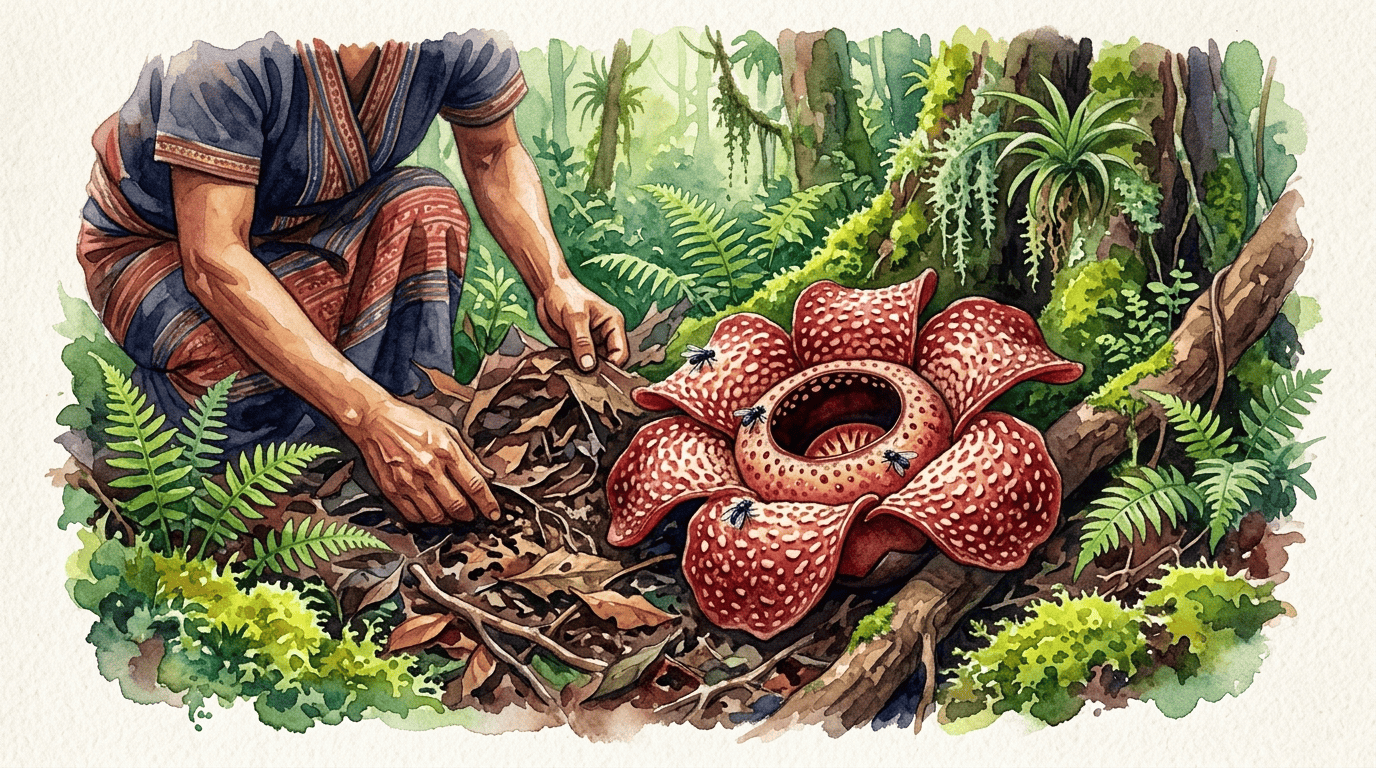
Sapria himalayana was described to Western science by Robert Graham in 1831, though the plant had been known to local communities in northeastern India for far longer. It grows in the moist subtropical and tropical forests of Assam, Meghalaya, Manipur, and the adjoining regions of Myanmar and Thailand, where Tetrastigma vines—large woody climbers in the grape family—are available as hosts.
The plant belongs to the family Rafflesiaceae, which includes the famous Rafflesia arnoldii of Borneo—known as the world's largest single flower. Like Rafflesia, Sapria himalayana exists entirely as threads of cells running through the tissues of its host vine, drawing water and nutrients without contributing anything in return. The host vine shows no external signs of infection until the parasite is ready to flower.
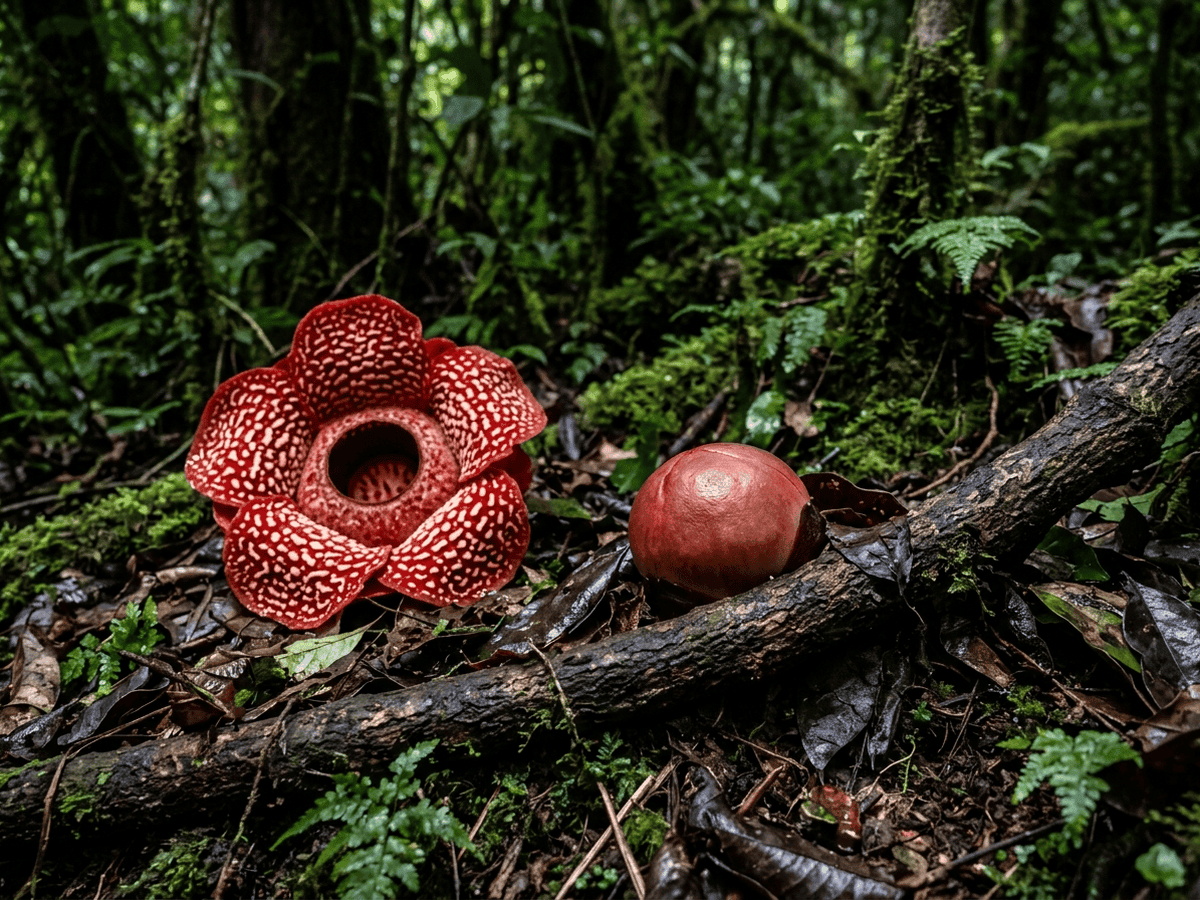
When a flower bud develops, it swells visibly as a smooth lump on the host root and then opens into a spectacular structure: ten fleshy red petals spotted with white, surrounding a central disk bearing the reproductive organs. The flower lasts only a few days. Its fetid odor, mimicking rotting meat, attracts carrion flies and beetles that effect pollination.
Because of its absolute dependence on a specific host in old-growth forest, Sapria is threatened by deforestation. Botanical gardens have been unable to cultivate it—without the Tetrastigma host growing under correct forest conditions, the parasite cannot survive. It is studied almost exclusively in the wild, requiring expeditions into remote forest to find actively flowering specimens, which makes it one of the rarest observations in South and Southeast Asian botany.
Symbolism & meaning
What It Symbolizes
Sapria is a plant that chooses invisibility as its survival strategy. It lives inside another organism, undetectable, until the one moment it needs to be found—by a fly, by a botanist, by whoever happens to be looking at the right patch of roots at the right time. Most of its life is completely hidden. That makes its flower feel like an event.
- hiddenness — Invisible for years, living inside another plant entirely—then briefly, dramatically visible. A flower that exists mostly where no one can see it.
- dependency — Cannot exist without its host. No independence, no autonomy—total reliance on another living thing, and yet it survives.
Where the Name Comes From
The genus Sapria was established by William Griffith in 1844; its origin is uncertain but may honor an early botanical collector. The species name himalayana denotes the Himalayan foothills region where it was first collected, though its range extends into Southeast Asia.
Uses & Fun Facts
- Of purely scientific and botanical interest; cannot be cultivated outside its native forest habitat
- Flowers used in traditional medicine in parts of northeastern India; preparations described in local ethnobotanical records
Related plants
Plants with similar care
Frequently asked questions
How much light does Himalayan Sapria need?
Indirect: Filtered light. Watch the leaves — scorching or stretching means the light needs adjusting.
Is Himalayan Sapria toxic to cats or dogs?
No toxicity has been reported for this plant. Still, it is wise to keep pets from chewing on any houseplant. Educational information, not medical or veterinary advice. If exposure is suspected, contact a doctor or veterinarian.
Is Himalayan Sapria easy to grow?
It is considered challenging and rewards experienced growers.
Can Himalayan Sapria be grown indoors?
Yes, it adapts well to indoor growing given the right light.
YardMate
Identify any plant in seconds
Snap a photo — YardMate names the plant, diagnoses problems, and reminds you when to water.
Download on the App Store