 YardMate
Yellow Lady's Slipper
Cypripedium parviflorum
Hard · Experienced growersAbout Yellow Lady's Slipper
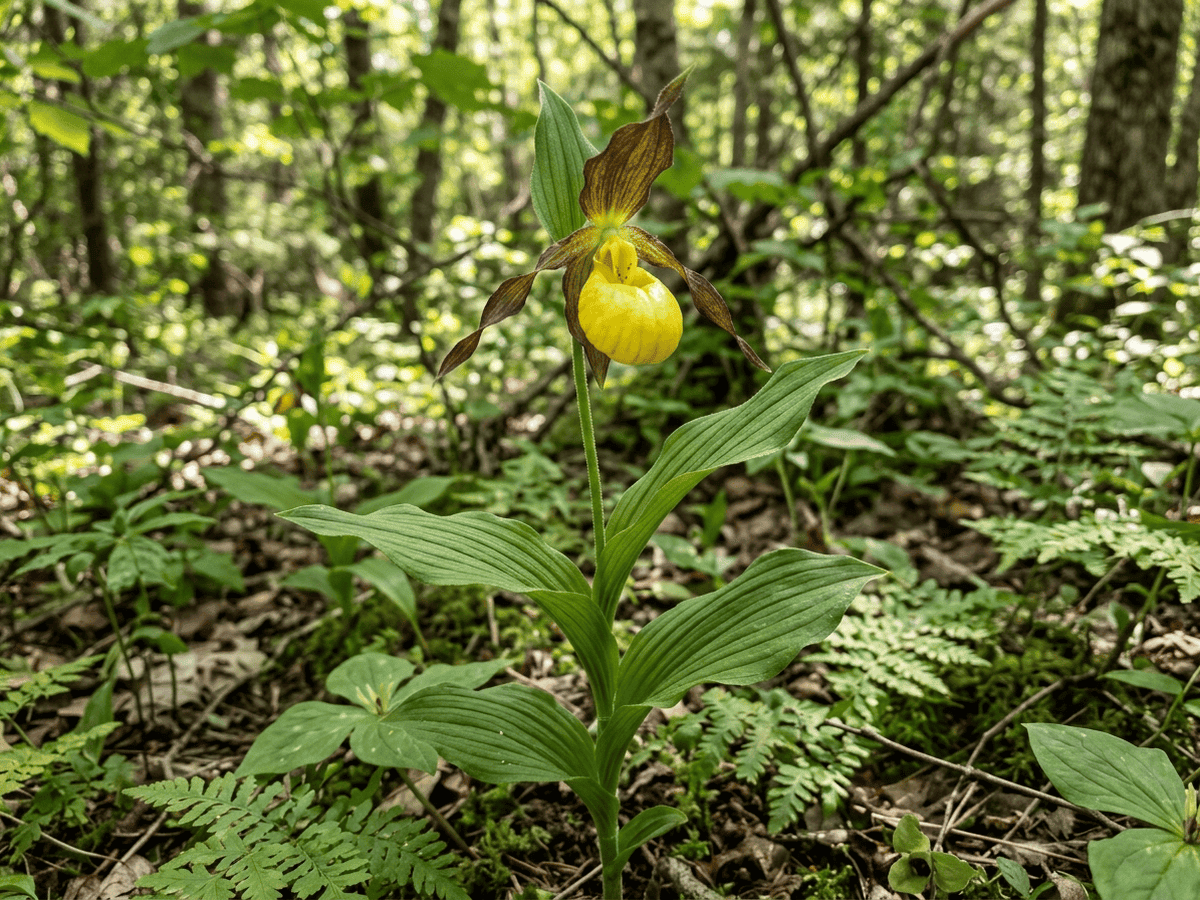
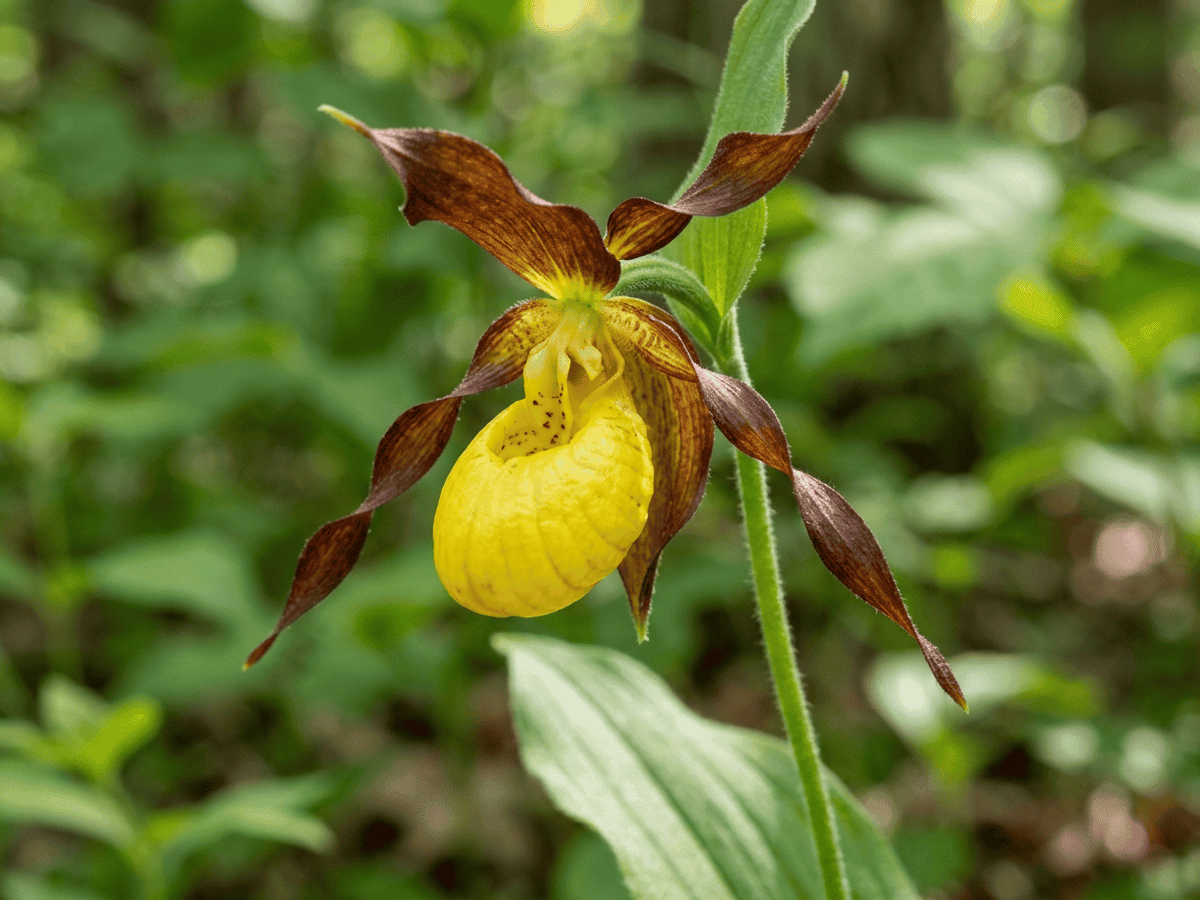
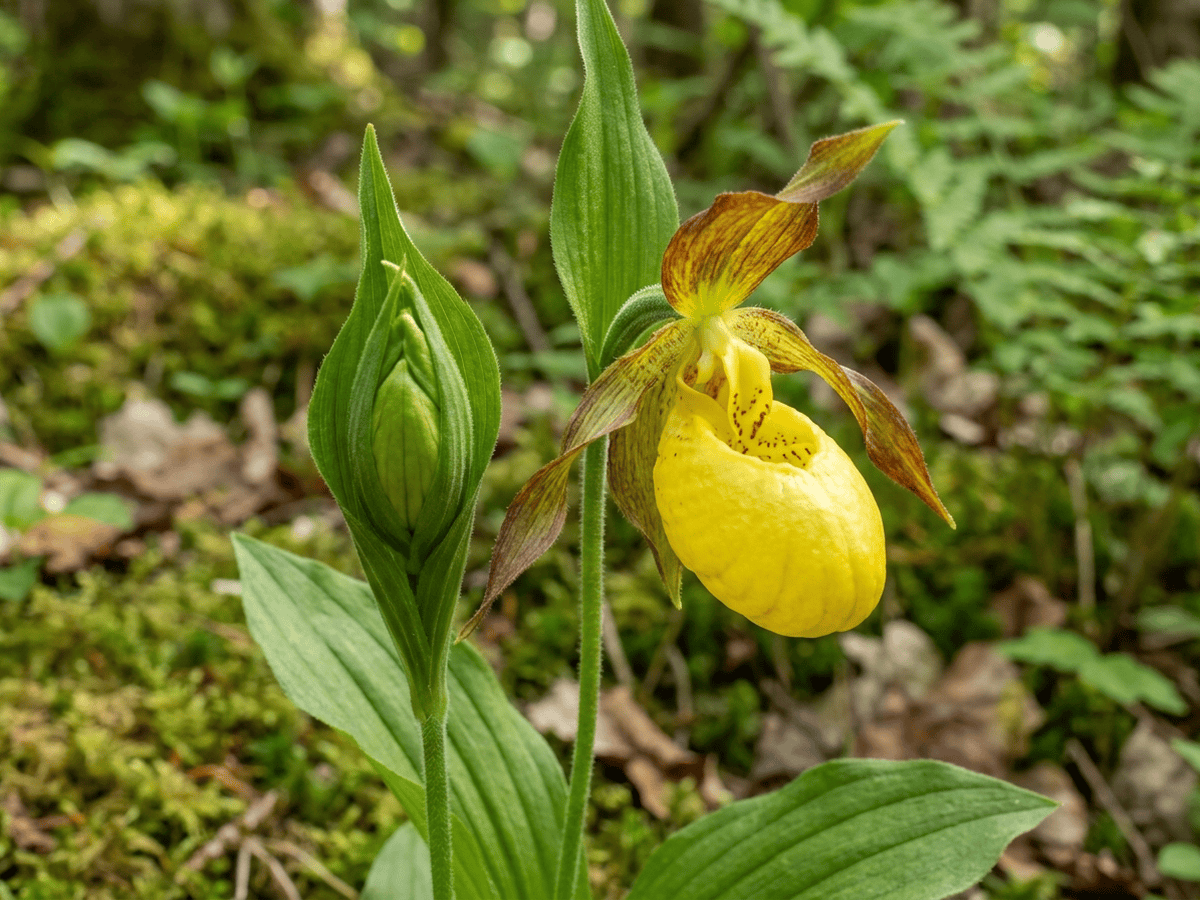
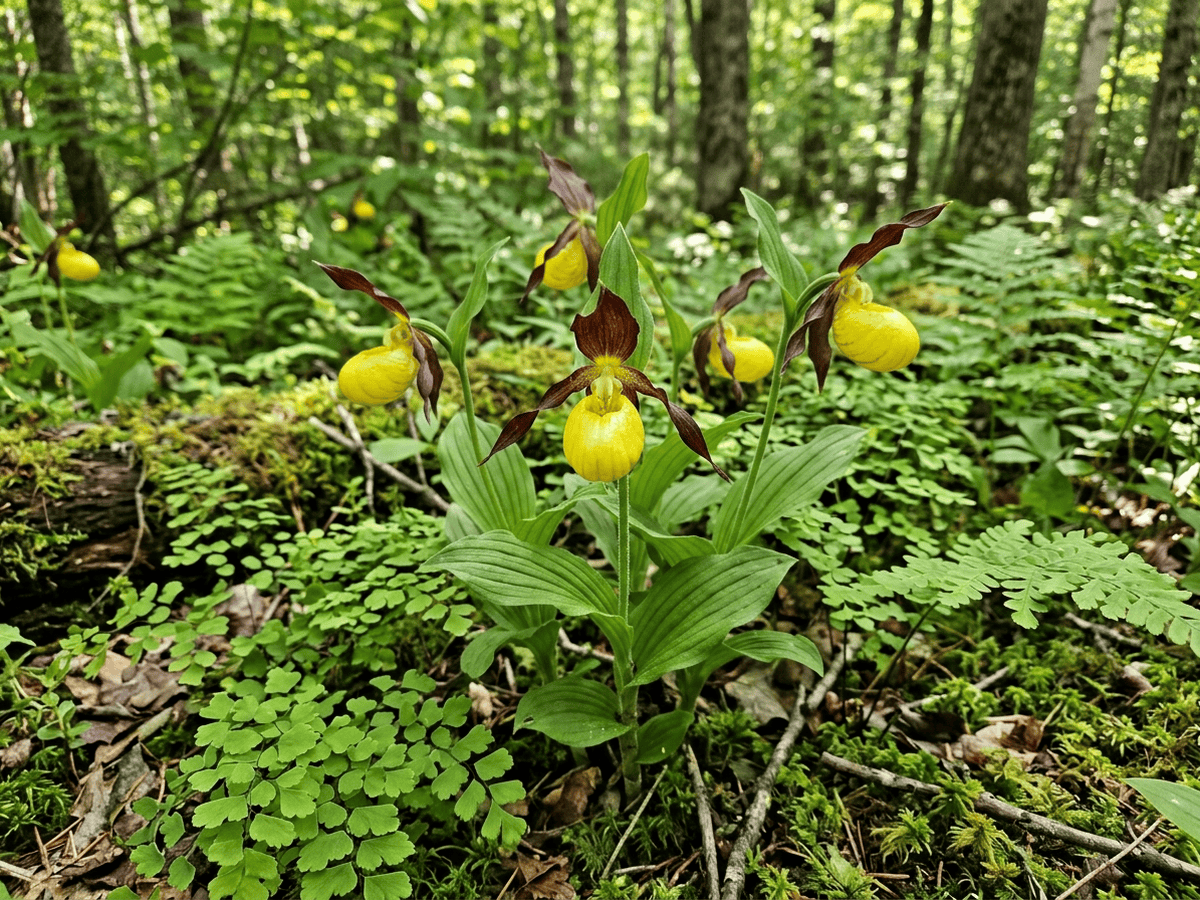
Cypripedium parviflorum, the Yellow Lady's Slipper, is a fragrant native orchid of North American woodlands, bogs, and meadow edges, blooming in May and June with bright yellow inflated pouches flanked by long twisted brownish-purple lateral petals. One of the most fragrant of all temperate orchids, it releases a sweet vanilla-rose scent. Growing 1–2.5 feet tall in dappled shade with moist neutral soil, it requires years to establish and depends on mycorrhizal fungi, making wild collection catastrophic for populations. Protected across much of its range.
- Deciduous
- Fragrant
- Cold-hardy
- Pollinator-friendly
- Shade-tolerant
How to care for Yellow Lady's Slipper
Watering
- Springevery 10 days
- Summerevery 10 days
- Fallevery 20 days
- Winterevery 30 days
Soil · Airy & open
- Single layerOrchid bark + charcoal100%
No soil at all — orchid roots need air moving around them.
FERTILIZER
Acid-Loving Feed 4-3-4
One bag does both jobs. An acid feed carries the usual nitrogen, phosphorus and potassium, plus the sulfur and iron that keep the soil sour enough for the roots to take them up at all.
- Nitrogen · Leaves
- Phosphorus · Roots + Blooms
- Potassium · Strength
- Springevery 30 days
- Fallevery 30 days
At a Glance
- NativeNorth America
- Height1–2.5 ft (0.3–0.8 m)
- Spread1–2 ft (0.3–0.6 m)
- Flower colorYellow
- Foliage colorGreen
- SoilMoist, Well-drained, Neutral
- LocationsYard · Balcony
Bloom time
BLOOM CYCLE
Peak bloom
May–Jun
The yellow lady's slipper produces striking yellow flowers during late spring.
Fragrance
MODERATE FRAGRANCE
Sweet vanilla-rose fragrance from the flowers.
Toxicity
Toxicity unknown
None reported
Unknown
EXPOSURE No exposure route is reported.
EFFECT No toxic effect is reported.
NOTE Toxicity for humans is not well documented; use caution until verified.
Unknown
EXPOSURE No exposure route is reported.
EFFECT No toxic effect is reported.
NOTE Toxicity for dogs is not well documented; use caution until verified.
Unknown
EXPOSURE No exposure route is reported.
EFFECT No toxic effect is reported.
NOTE Toxicity for cats is not well documented; use caution until verified.
Educational information, not medical or veterinary advice. If exposure is suspected, contact a doctor or veterinarian.
DISTRIBUTION


- Native
- North America
History
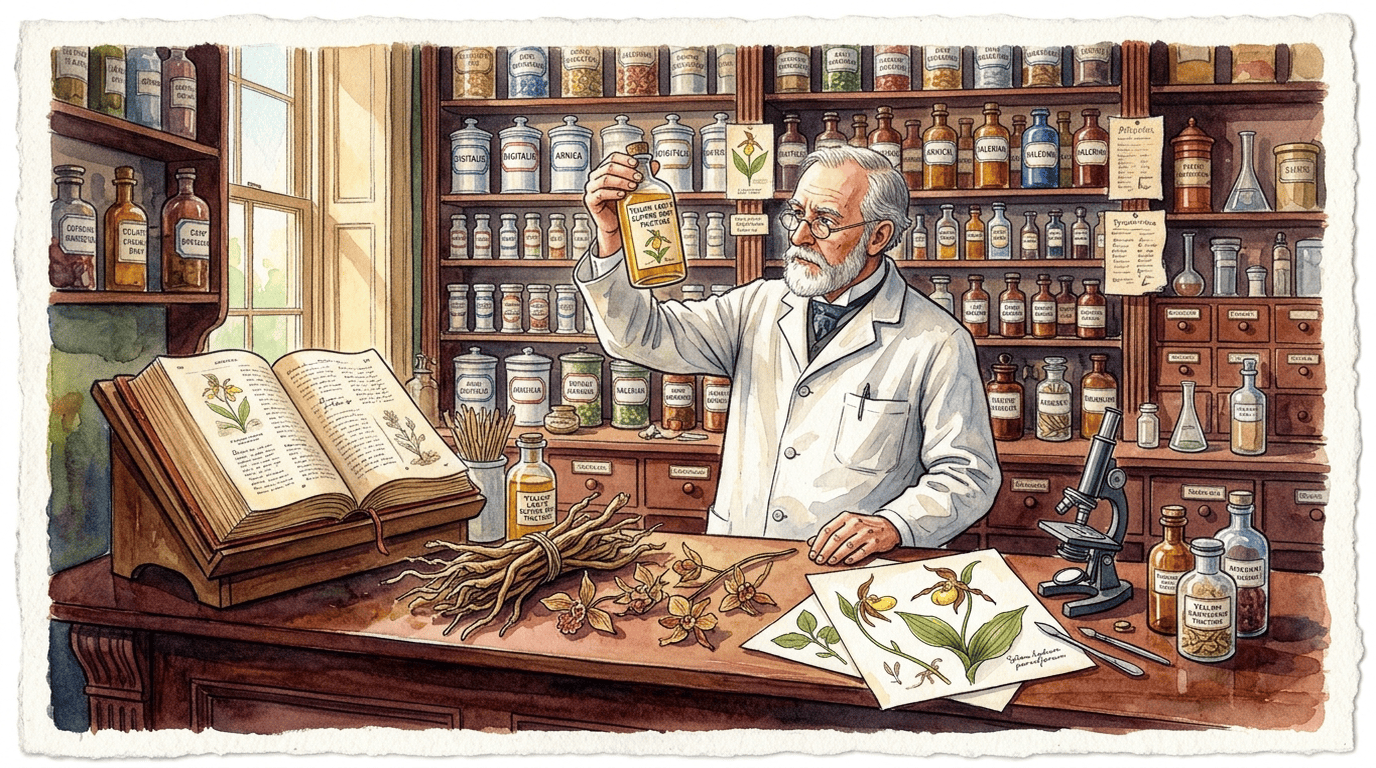
Cypripedium parviflorum has one of the most layered histories of any North American wildflower, woven together from Indigenous medicine, 19th-century pharmacy, and the conservation reckoning of the 20th century.
Multiple Indigenous nations—including the Chippewa (Ojibwe), Cherokee, and Meskwaki—used the roots medicinally, as a treatment for nervous disorders, headaches, and insomnia. Root preparations were understood as calming and sleep-inducing. When European settlers encountered these uses, they recognized parallels to European valerian and began investigating it for formal medicine.
By the mid-19th century, dried roots were sold under the name 'American valerian' or 'nerve root.' Accepted as a mild sedative and antispasmodic, the plant was officially listed in the United States Pharmacopoeia from 1863 to 1916. Druggists' manuals described preparation of tinctures and fluid extracts from the dried root.
This pharmacopoeia status, combined with its desirability as a garden plant, drove devastating collection pressure. Wild plants were dug in enormous numbers to supply both the medicinal trade and Victorian gardens, where they almost invariably died within a few seasons—unable to establish the mycorrhizal fungal associations they require. By the early 20th century, naturalists were noting its disappearance from many areas where it had been common.
Today the Yellow Lady's Slipper is legally protected in most US states and Canadian provinces. Specialty nurseries propagate it through sterile tissue culture, making legally grown plants available to patient gardeners willing to wait years for results.
Symbolism & meaning
What It Symbolizes
The Yellow Lady's Slipper was official medicine for half a century. It appeared in pharmacists' manuals, was prescribed by doctors, and grew in druggists' back gardens. That chapter closed partly because demand destroyed the wild populations. The plant taught a lesson about taking too much from what cannot be replaced quickly.
- healing — A flower whose root calmed nerves and eased headaches across Indigenous medicine and 19th-century pharmacies—one of North America's oldest remedies.
- patience — Takes years to grow from seed, demands the right soil, fungi, and shade—it cannot be rushed, only cultivated slowly.
Where the Name Comes From
The genus Cypripedium derives from Greek Kypris (Aphrodite) and pedilon (slipper), referring to the pouch-shaped lip. The species name parviflorum means 'small-flowered' in Latin, distinguishing it from the larger-pouched variety pubescens—though both are now typically included under C. parviflorum.
Uses & Fun Facts
- Root formerly used as 'nerve root' sedative and antispasmodic; listed in US Pharmacopoeia 1863–1916; not for modern unsupervised use
- Fragrant native woodland orchid for shaded gardens; requires mycorrhizal soil conditions and years of patience to establish
Related plants
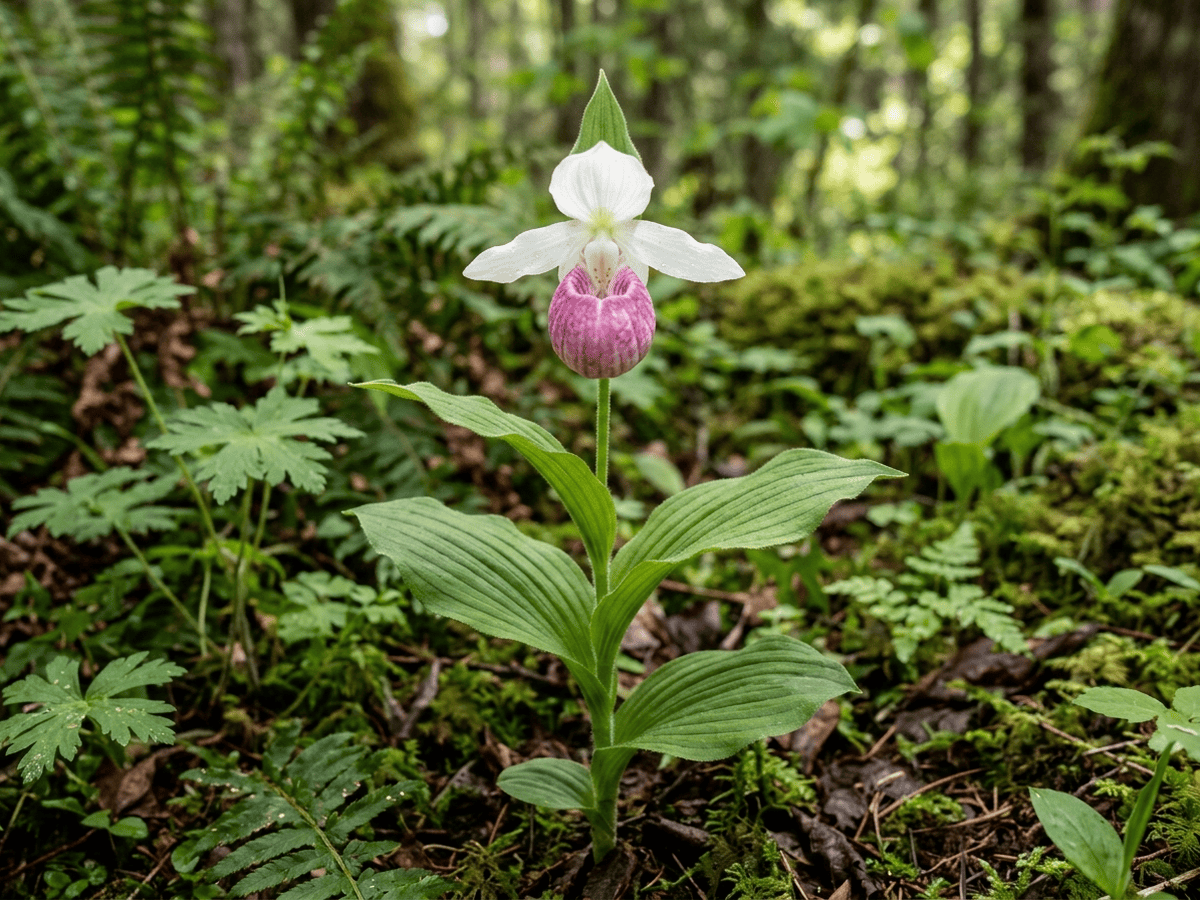
More Cypripedium plants
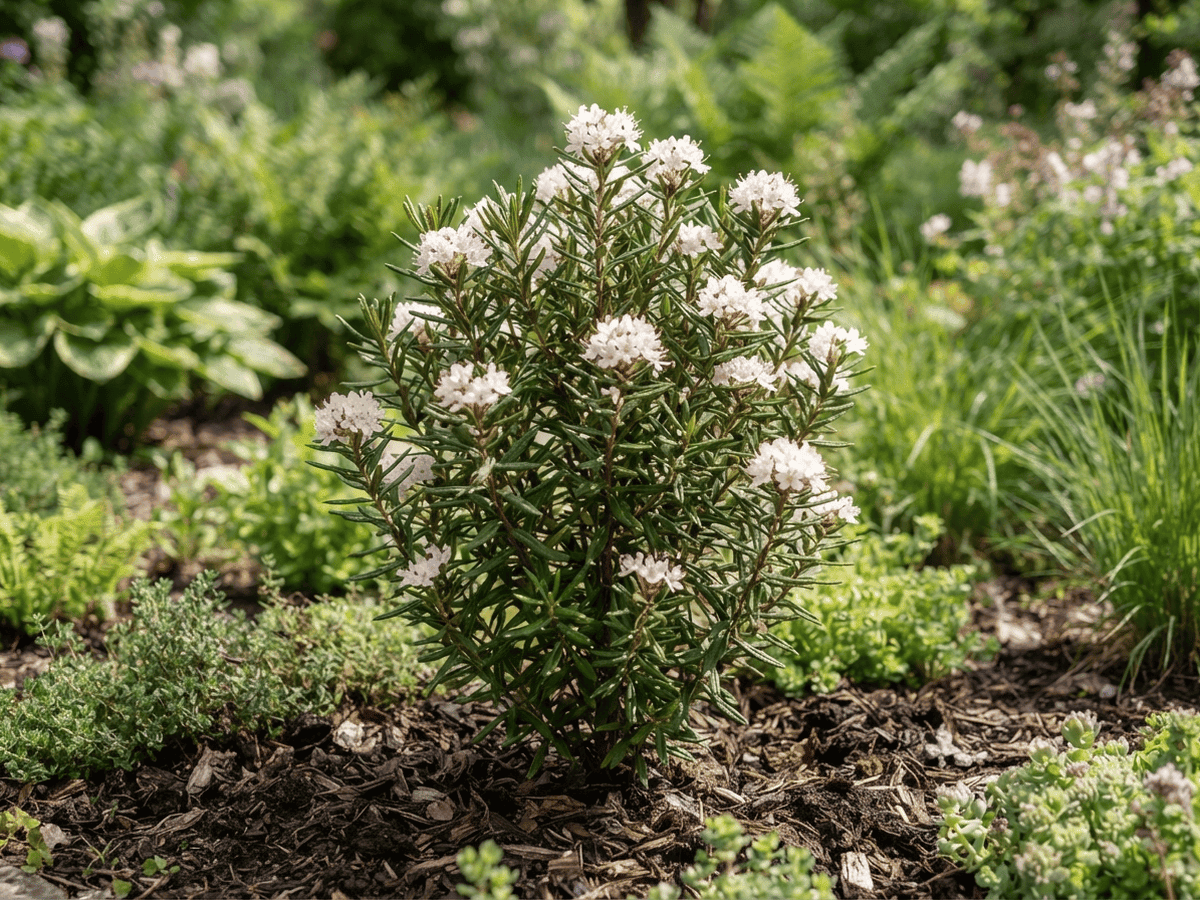
Plants with similar care
Frequently asked questions
How often should I water Yellow Lady's Slipper?
In summer, water about every 10 days; in winter, about every 30 days. Adjust for heat, pot size and drainage.
How much light does Yellow Lady's Slipper need?
Full shade: <2 hrs direct. Watch the leaves — scorching or stretching means the light needs adjusting.
Is Yellow Lady's Slipper toxic to cats or dogs?
Pets Unknown (Dogs Unknown · Cats Unknown) Educational information, not medical or veterinary advice. If exposure is suspected, contact a doctor or veterinarian.
Is Yellow Lady's Slipper easy to grow?
It is considered challenging and rewards experienced growers.
When does Yellow Lady's Slipper bloom?
It typically blooms May–Jun in the Northern Hemisphere.
YardMate
Identify any plant in seconds
Snap a photo — YardMate names the plant, diagnoses problems, and reminds you when to water.
Download on the App Store