 YardMate
Showy Lady's Slipper
Cypripedium reginae
Hard · Experienced growersAbout Showy Lady's Slipper
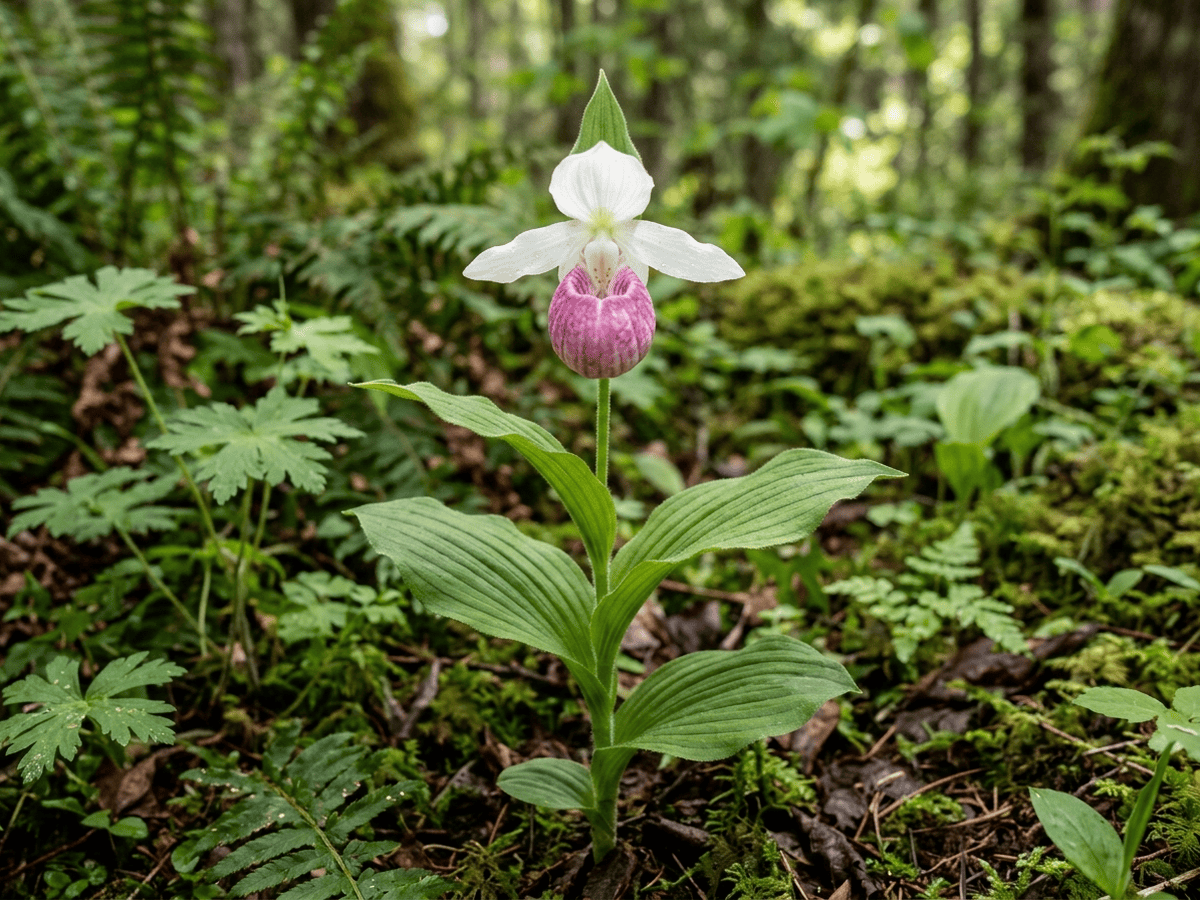
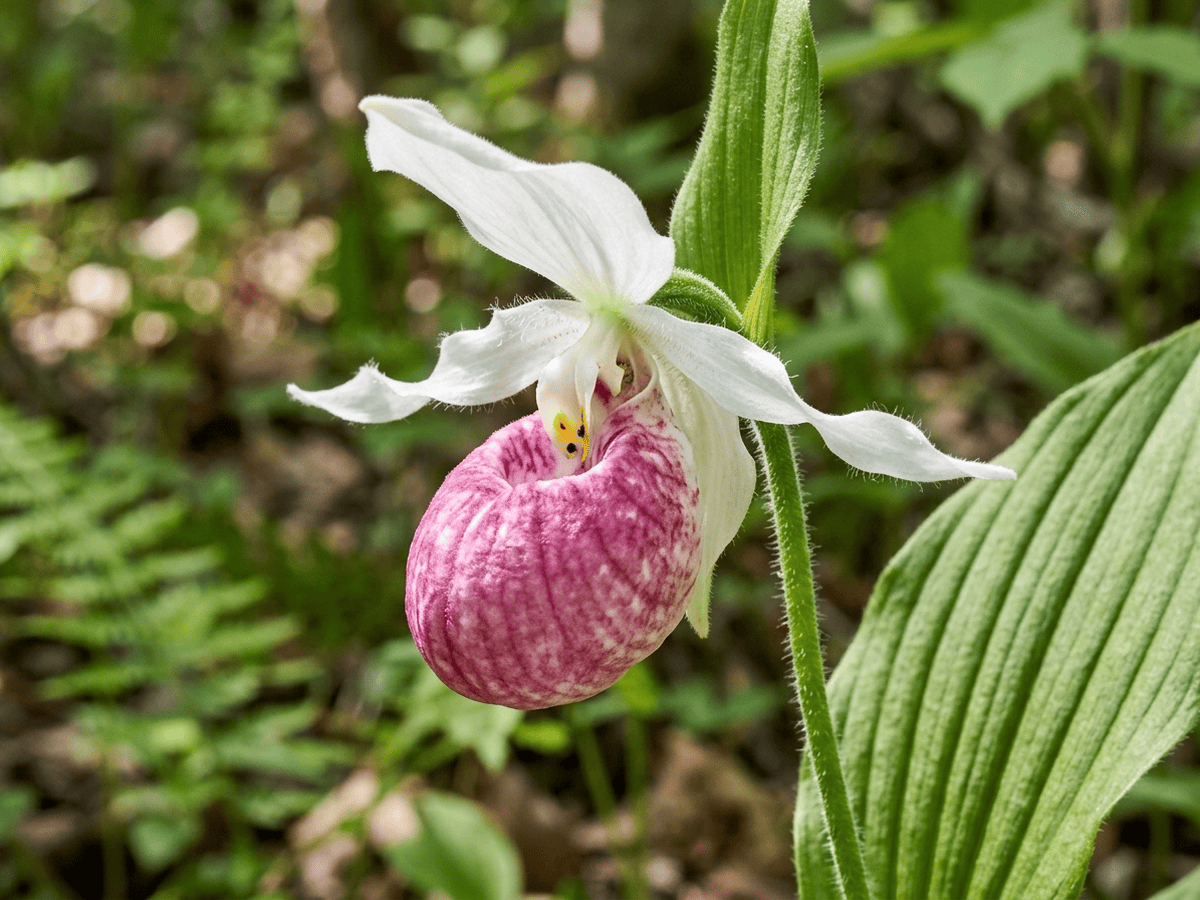
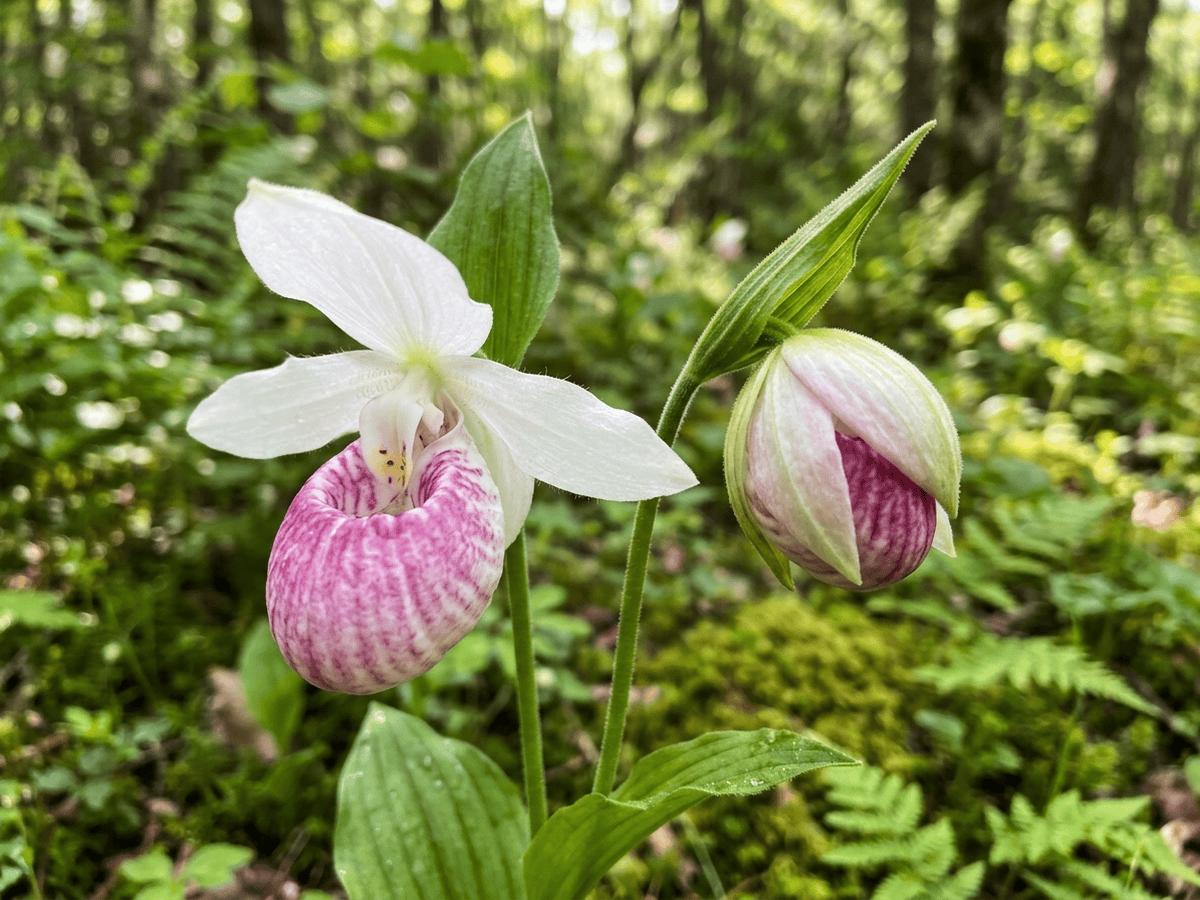
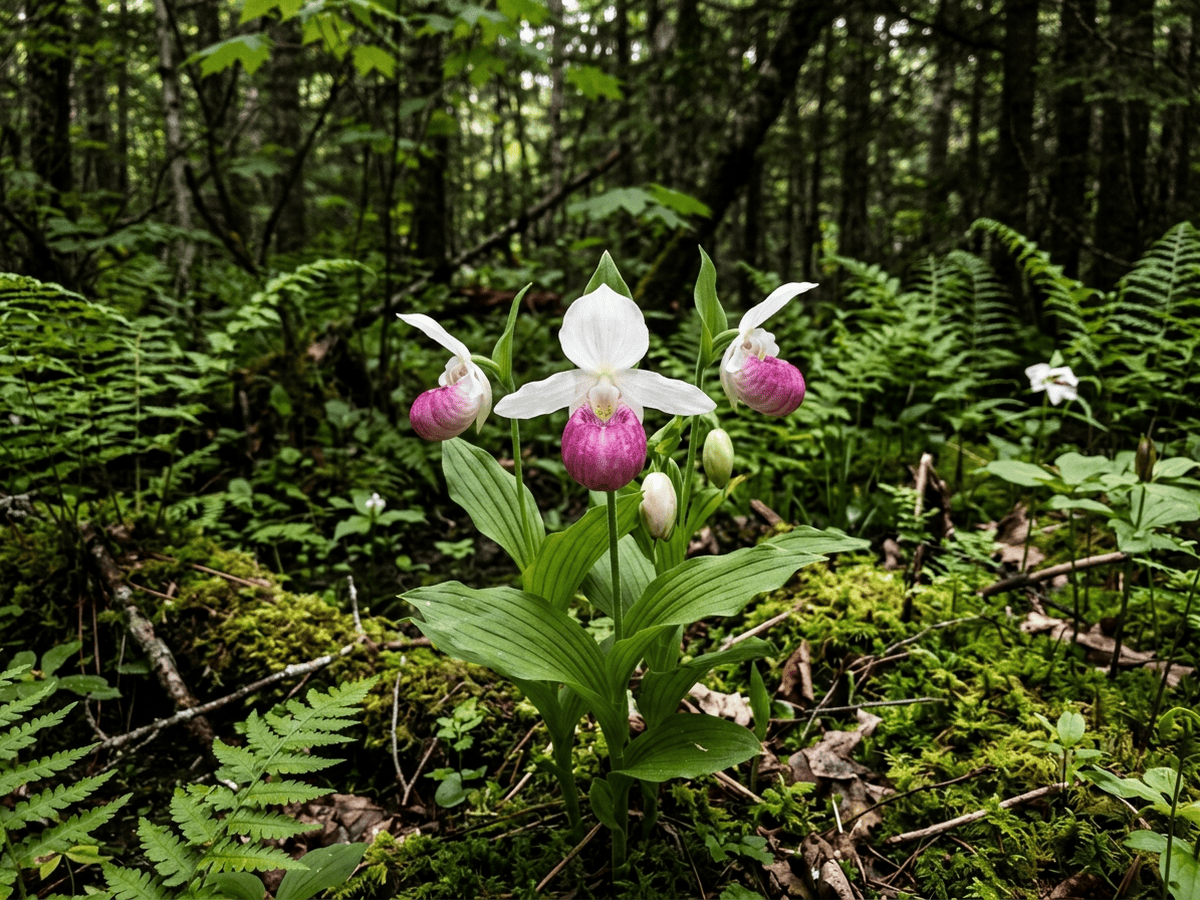
Cypripedium reginae, the Showy Lady's Slipper, is the largest native orchid in North America and the state flower of Minnesota. Growing 1–3 feet tall in bogs, swamps, and moist woodland edges, it produces dramatic blooms with large white sepals flanking a swollen pink-to-magenta pouch—among the most striking wildflowers on the continent. It requires years to mature from seed and depends on specific mycorrhizal fungi, making it notoriously difficult to cultivate and strictly protected across much of its range.
- Fragrant
- Cold-hardy
- Pollinator-friendly
- Shade-tolerant
How to care for Showy Lady's Slipper
Watering
- Springevery 7 days
- Summerevery 5 days
- Fallevery 15 days
- Winterevery 30 days
Soil · Airy & open
- Single layerOrchid bark + charcoal100%
No soil at all — orchid roots need air moving around them.
FERTILIZER
Acid-Loving Feed 4-3-4
One bag does both jobs. An acid feed carries the usual nitrogen, phosphorus and potassium, plus the sulfur and iron that keep the soil sour enough for the roots to take them up at all.
- Nitrogen · Leaves
- Phosphorus · Roots + Blooms
- Potassium · Strength
- Springevery 30 days
- Summerevery 30 days
- Fallevery 30 days
At a Glance
- NativeNorth America
- Height1–3 ft (0.3–0.9 m)
- Spread1–2 ft (0.3–0.6 m)
- Flower colorPink, White
- Foliage colorGreen
- Fruit colorBrown
- SoilMoist, Well-drained, Acidic
- LocationsYard · Indoor
Bloom time
BLOOM CYCLE
Peak bloom
May–Jul
This orchid produces striking flowers from late spring to early summer.
Fragrance
LIGHT FRAGRANCE
Faintly sweet fragrance from the flowers.
Toxicity
Humans Slight
cypripedin and quinone compounds
Slight
- Leaf
- Stem
- Contact
EXPOSURE Touching leaves and stems. Touching leaves and stems.
EFFECT Contact dermatitis, skin rash, itching, and blistering in sensitive individuals.
NOTE The fine hairs on leaves and stems contain quinone compounds (cypripedin) that cause contact dermatitis in sensitive individuals. Skin irritation is the primary concern; internal toxicity is not well documented.
Unknown
EXPOSURE No exposure route is reported.
EFFECT No toxic effect is reported.
NOTE Toxicity for dogs is not well documented; use caution until verified.
Unknown
EXPOSURE No exposure route is reported.
EFFECT No toxic effect is reported.
NOTE Toxicity for cats is not well documented; use caution until verified.
Educational information, not medical or veterinary advice. If exposure is suspected, contact a doctor or veterinarian.
DISTRIBUTION


- Native
- Introduced
- North America
History
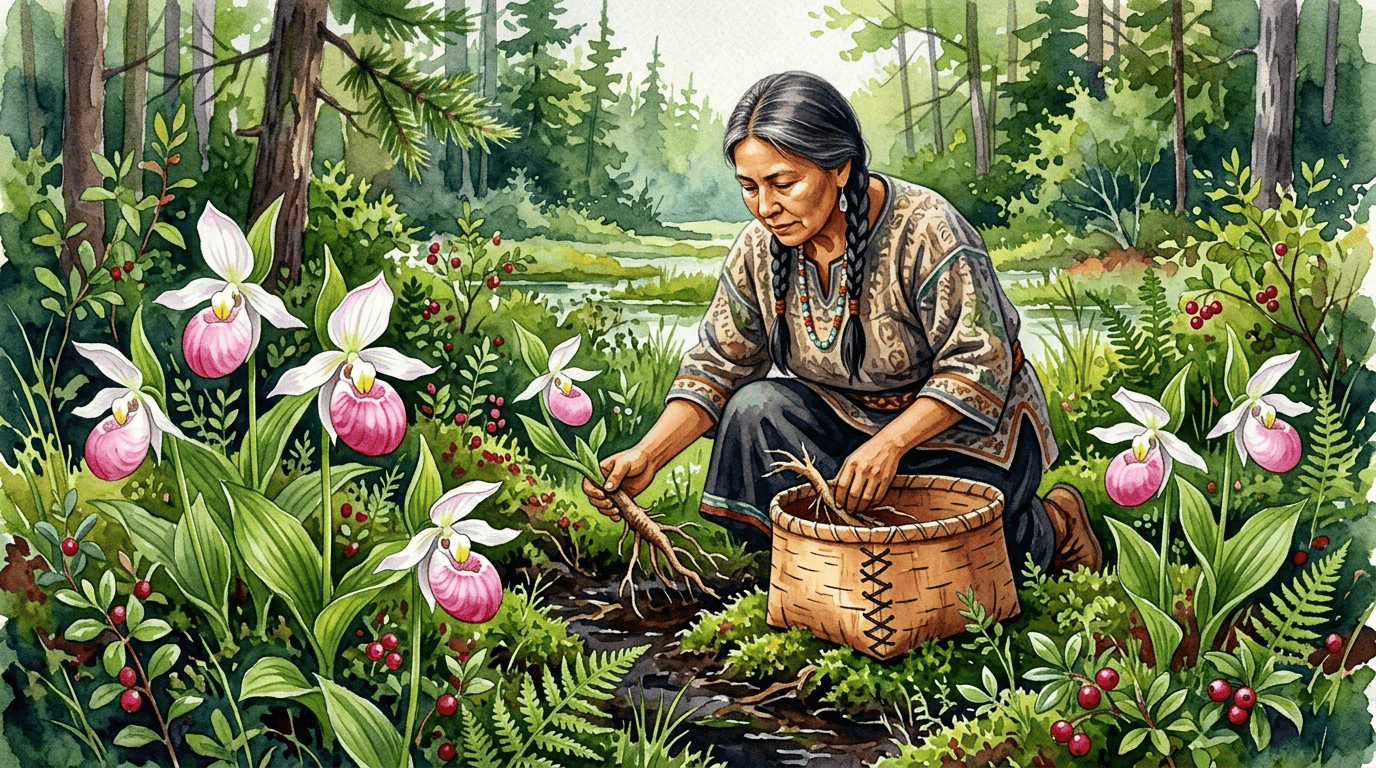
Cypripedium reginae has held a special place in North American botany and culture for centuries. The Ojibwe, Menominee, and other Indigenous peoples of the Great Lakes and northeastern woodlands used it medicinally—the root was prepared as a treatment for nervous disorders and insomnia, earning it folk names like 'nerve root' alongside 'queen's slipper' and 'moccasin flower.' The Latin species epithet reginae, meaning 'of the queen,' was bestowed by botanist Philip Miller in 1768, reflecting the flower's regal bearing among native wildflowers.
European botanists prized it from the earliest days of New World plant exploration. Mark Catesby illustrated it in his Natural History of Carolina (1730s), and it was celebrated in European botanical gardens as one of the most beautiful North American wildflowers. This fame had a dark consequence: through the 19th and early 20th centuries, collectors dug wild plants by the thousands to sell to garden enthusiasts, nearly extirpating it from its southern and eastern range. The plant's specific mycorrhizal fungal requirements meant transplanted specimens almost always died within a few seasons, making the trade both wasteful and ecologically devastating.
Minnesota designated Cypripedium reginae its official state flower in 1902—recognition of both its beauty and its imperiled status even then. Today it is protected by law in most US states and Canadian provinces, and wild collection carries heavy fines. Conservation botanists have developed slow but successful propagation techniques using sterile seed culture, and carefully nurtured plants are available through specialty nurseries—the only legal and sustainable way to grow this magnificent orchid.
Symbolism & meaning
What It Symbolizes
The Showy Lady's Slipper became Minnesota's state flower partly because it was already disappearing. That paradox—choosing as a symbol something you have nearly lost—captures something true about how humans relate to wild beauty. We tend to recognize what matters only after we have done the damage.
- rarity — A flower so difficult to grow and so easily destroyed that encountering it wild feels like a privilege—a reminder that some beauty cannot be possessed.
- resilience — Needs years to mature, survives brutal winters, and persists in boggy ground that little else can tolerate—endurance wearing the face of elegance.
Where the Name Comes From
The genus name Cypripedium derives from the Greek Kypris (an epithet for Aphrodite, associated with Cyprus) and pedilon (sandal or slipper), describing the pouch-shaped lip petal. The species name reginae is Latin for 'of the queen,' a tribute to the flower's regal size and beauty among North American orchids.
Uses & Fun Facts
- Root historically used by Indigenous peoples as a sedative and treatment for nervous disorders; not for modern use without expert guidance
- Crown jewel of native plant gardens in moist, shaded sites; requires specialist propagation and mycorrhizal soil conditions
Related plants
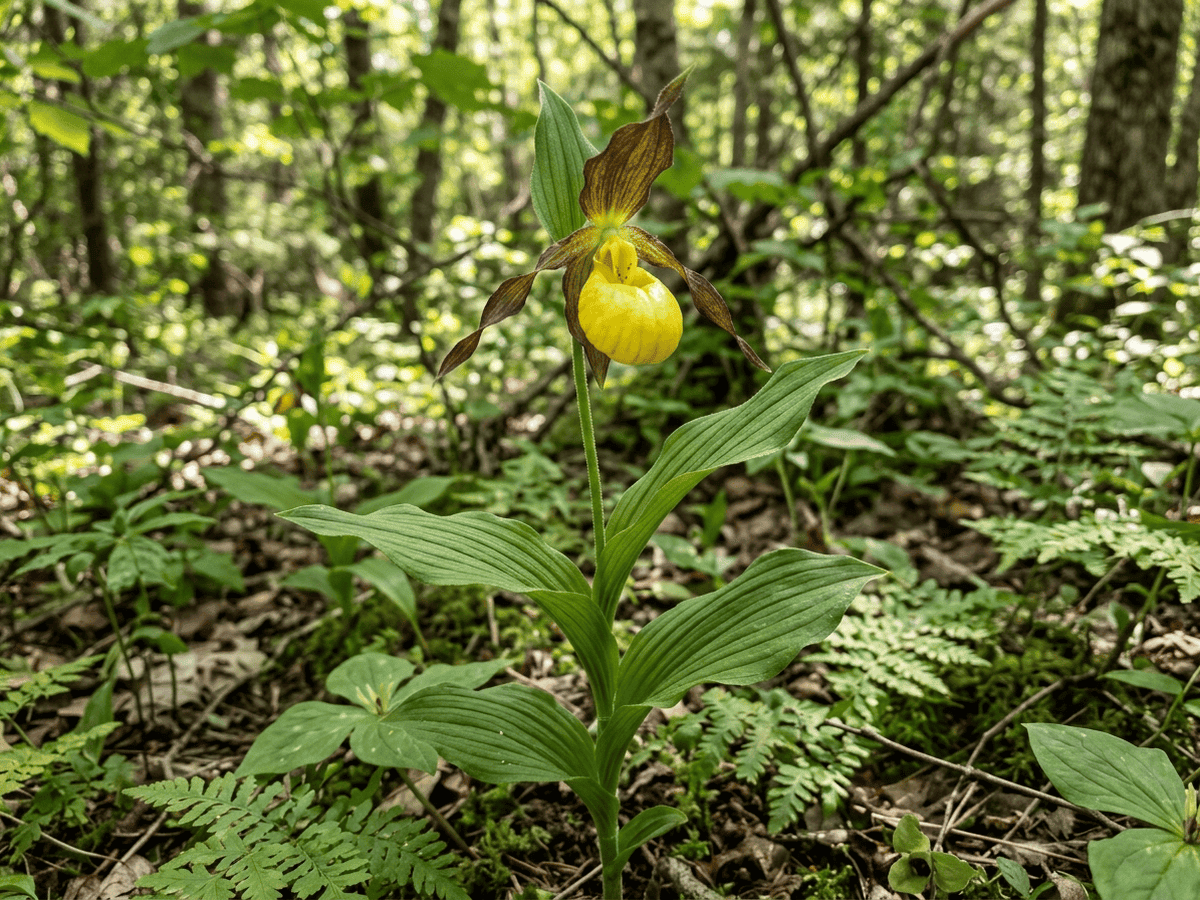
More Cypripedium plants
Plants with similar care
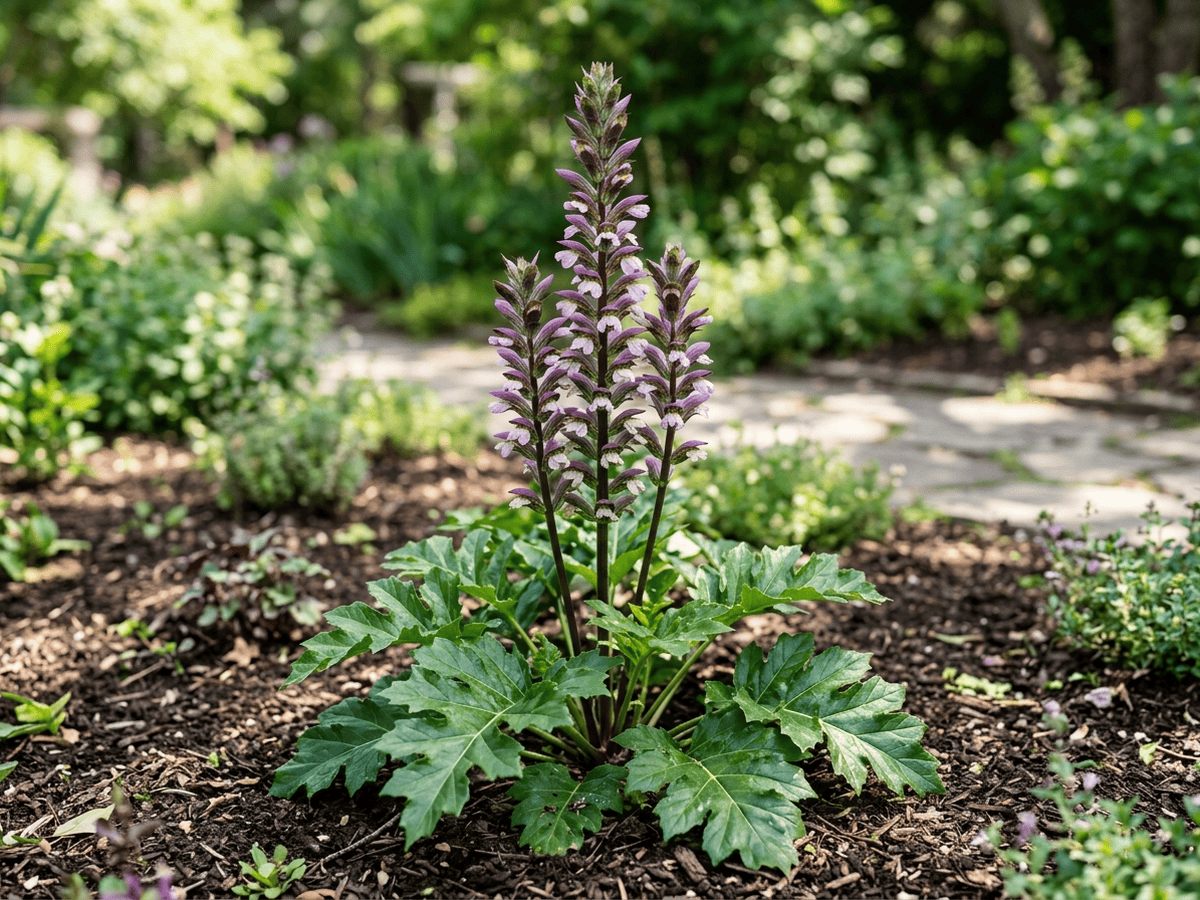 Bear's BreechesAcanthus mollis
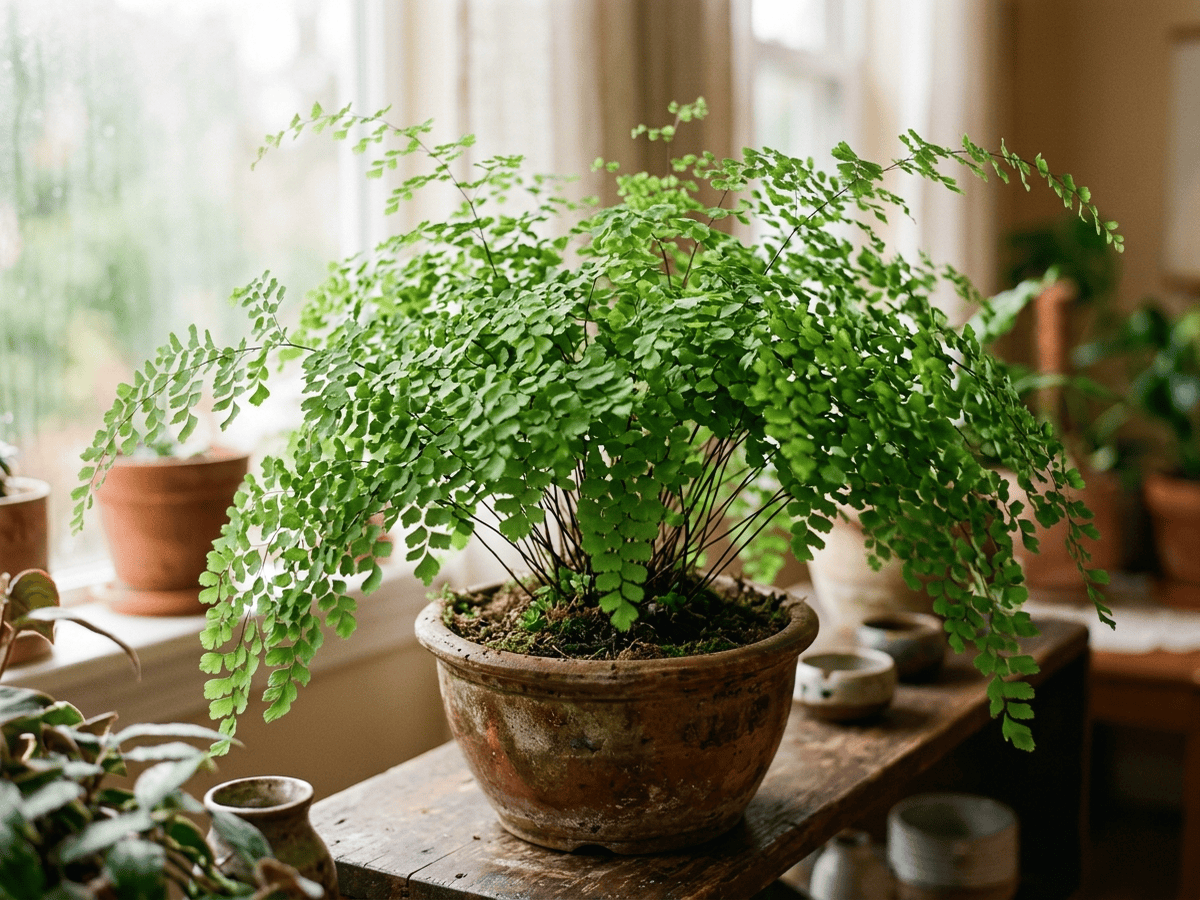 Delta Maidenhair FernAdiantum raddianum
 African Mask PlantAlocasia amazonica
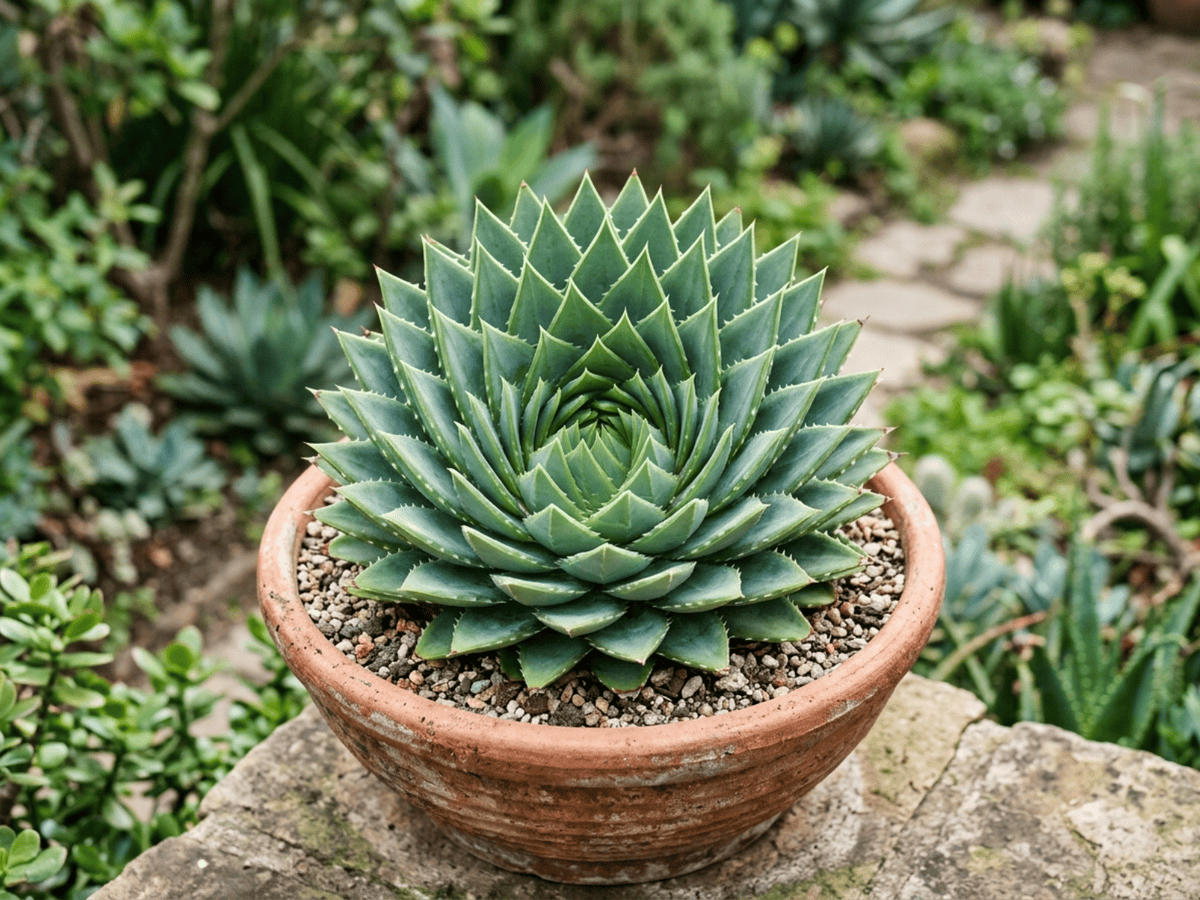 Spiral AloeAloe polyphylla
Frequently asked questions
How often should I water Showy Lady's Slipper?
In summer, water about every 5 days; in winter, about every 30 days. Adjust for heat, pot size and drainage.
How much light does Showy Lady's Slipper need?
Part shade: 2–4 hrs direct. Watch the leaves — scorching or stretching means the light needs adjusting.
Is Showy Lady's Slipper toxic to cats or dogs?
Pets Unknown (Dogs Unknown · Cats Unknown) Educational information, not medical or veterinary advice. If exposure is suspected, contact a doctor or veterinarian.
Is Showy Lady's Slipper easy to grow?
It is considered challenging and rewards experienced growers.
Can Showy Lady's Slipper be grown indoors?
Yes, it adapts well to indoor growing given the right light.
When does Showy Lady's Slipper bloom?
It typically blooms May–Jul in the Northern Hemisphere.
YardMate
Identify any plant in seconds
Snap a photo — YardMate names the plant, diagnoses problems, and reminds you when to water.
Download on the App Store