 YardMate
Five-Leaf Akebia
Akebia quinata
Easy · Beginner friendlyAbout Five-Leaf Akebia
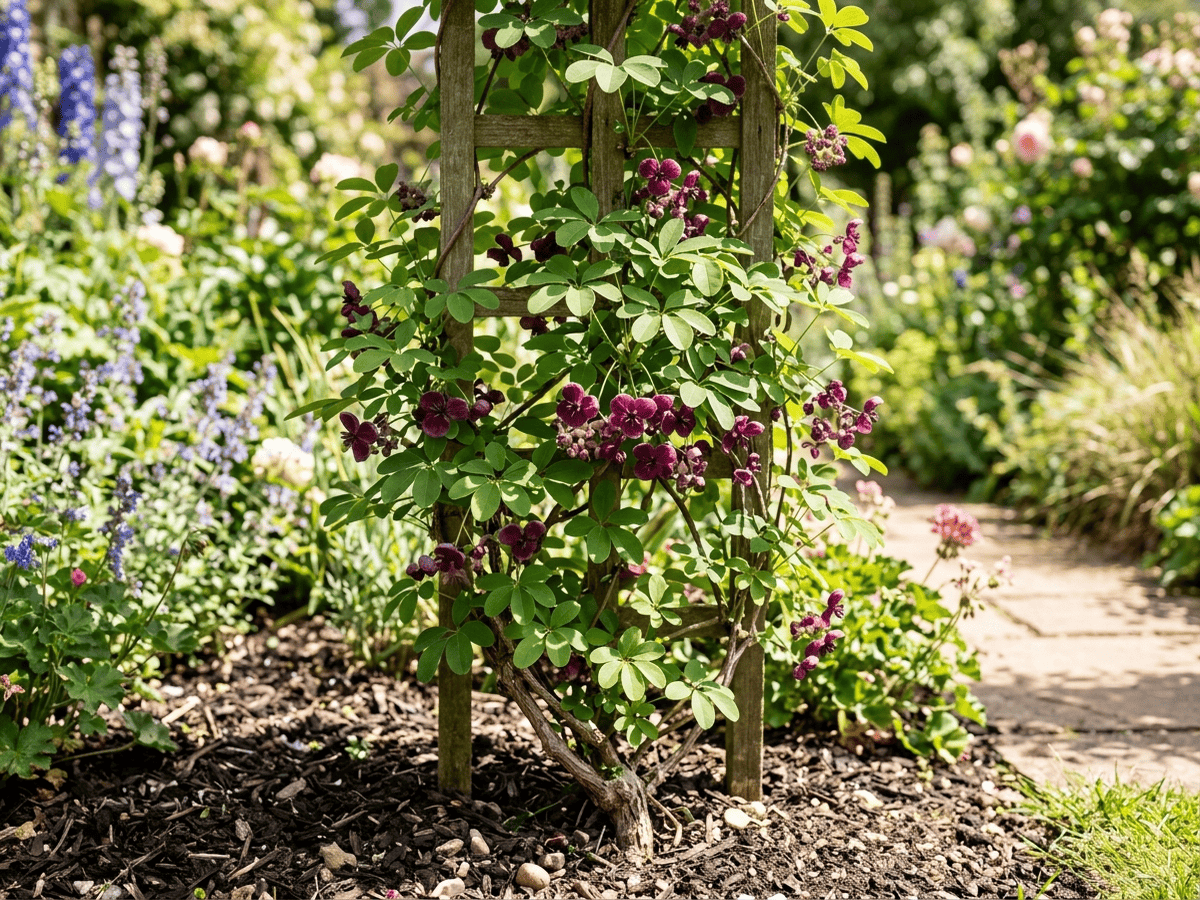
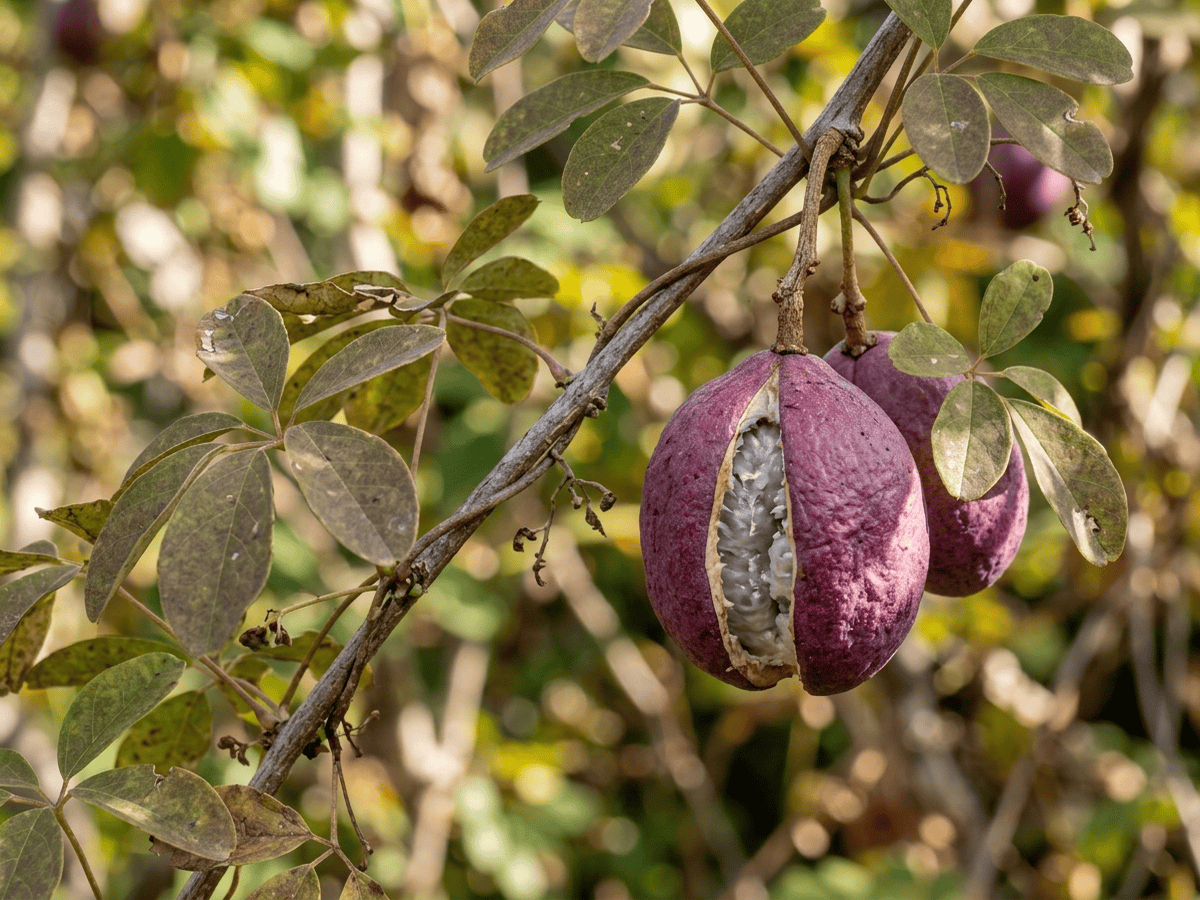
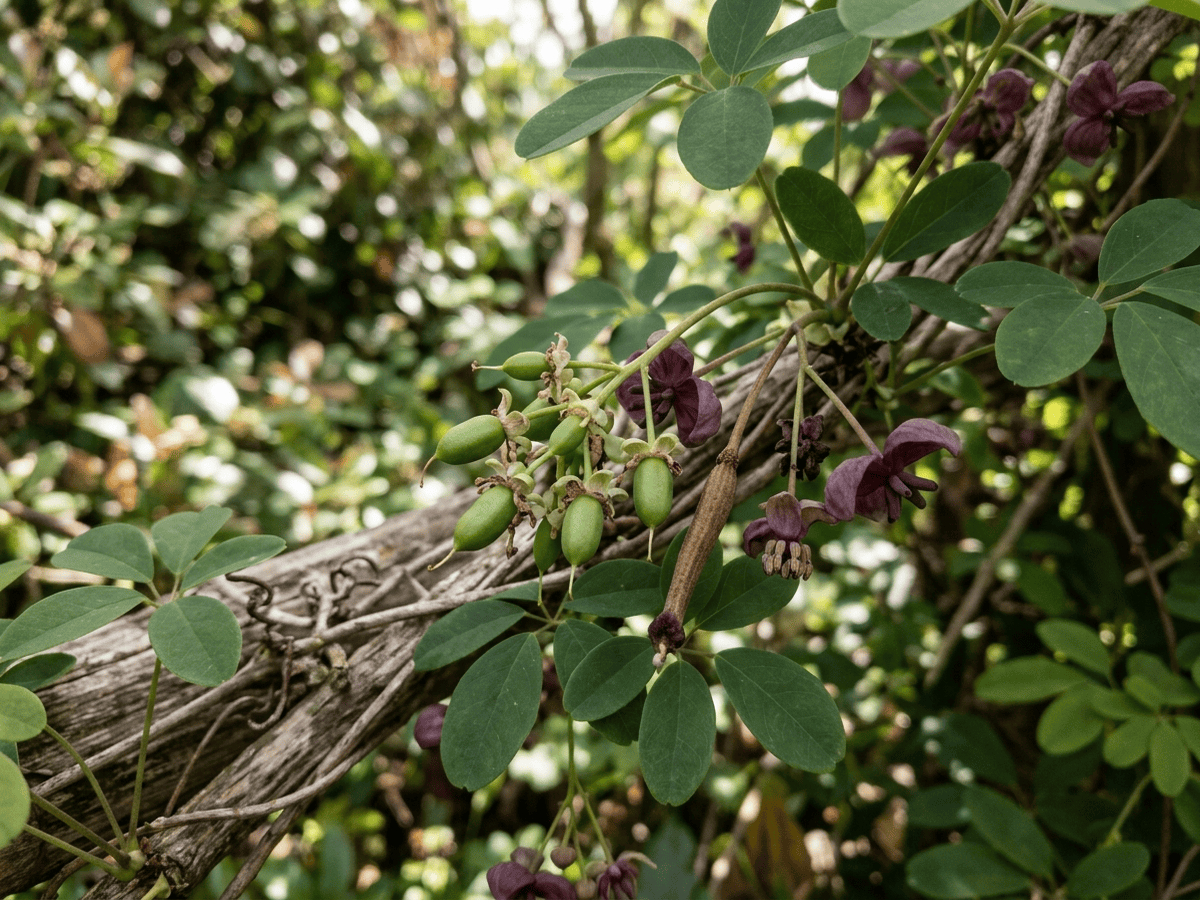
Chocolate Vine is a semi-evergreen twining climber reaching 20-40 feet with palmate leaves of five leaflets and unique chocolate-scented purple flowers in spring. Native to Japan, China, and Korea, it produces edible sausage-shaped purple fruits in warm US climates. Beautiful and useful but considered invasive in the Mid-Atlantic and Southeast US where it escapes garden boundaries, so plant with care.
- Edible
- Fragrant
- Climbing
- Evergreen
How to care for Five-Leaf Akebia
Watering
- Springevery 7 days
- Summerevery 5 days
- Fallevery 10 days
- Winterevery 21 days
Soil · Well-draining
- Top dressingPine bark mulch10%
- Main mixPotting soil + perlite 2:170%
- DrainageLECA / gravel20%
Never skip the drainage layer — standing water is the top cause of root rot.
FERTILIZER
Balanced Feed 14-14-14
An even feed covers all three needs at once, keeping leaves, roots and blooms moving together with nothing pushed out of balance.
- Nitrogen · Leaves
- Phosphorus · Roots + Blooms
- Potassium · Strength
- Springevery 30 days
At a Glance
- NativeEast Asia
- Height20–40 ft (6.1–12.2 m)
- Spread6–9 ft (1.8–2.7 m)
- Flower colorPurple
- Foliage colorGreen, Blue-green
- Fruit colorPurple
- SoilLoamy, Well-drained, Neutral
- LocationsYard
Bloom time
BLOOM CYCLE
Peak bloom
Apr–May
Chocolate-scented purple flowers April to May
Fragrance
MODERATE FRAGRANCE
The flowers have a sweet spicy chocolate-vanilla fragrance.
Toxicity
Pets Slight
akebia saponins
Not reported
EXPOSURE No exposure route is reported.
EFFECT No toxic effect is reported.
NOTE No toxicity is reported for humans in this catalog; this is not evidence that the plant is edible or harmless.
Slight
- Leaf
- Stem
- Ingestion
EXPOSURE Eating leaves and stems.
EFFECT Possible GI upset.
NOTE Fruit pulp is edible. Vines and roots used medicinally in traditional Chinese medicine (mu tong)—but many Aristolochia spp. have been sold as mu tong causing kidney poisoning, so ensure Akebia identity.
Slight
- Leaf
- Stem
- Ingestion
EXPOSURE Eating leaves and stems.
EFFECT Possible GI upset.
NOTE Fruit pulp is edible. Vines and roots used medicinally in traditional Chinese medicine (mu tong)—but many Aristolochia spp. have been sold as mu tong causing kidney poisoning, so ensure Akebia identity.
Educational information, not medical or veterinary advice. If exposure is suspected, contact a doctor or veterinarian.
DISTRIBUTION


- Native
- Introduced
- East Asia
History
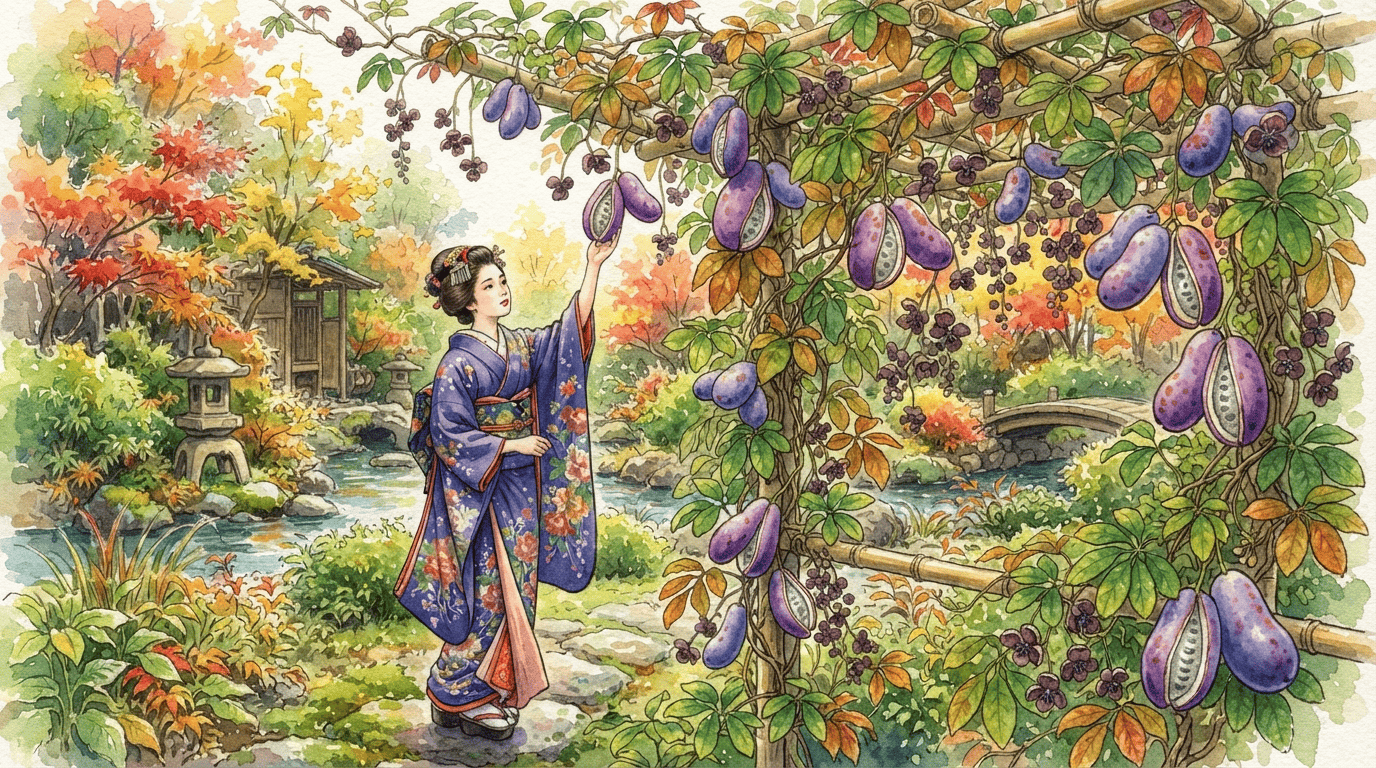
Akebia quinata is native to Japan, Korea, and central China. French botanist Joseph Decaisne formally described it in 1839, and the epithet quinata refers to its five-parted leaves. In Japan it is called akebi; the sweet pulp is eaten, the supple stems are woven, and parts of the vine have been used medicinally.
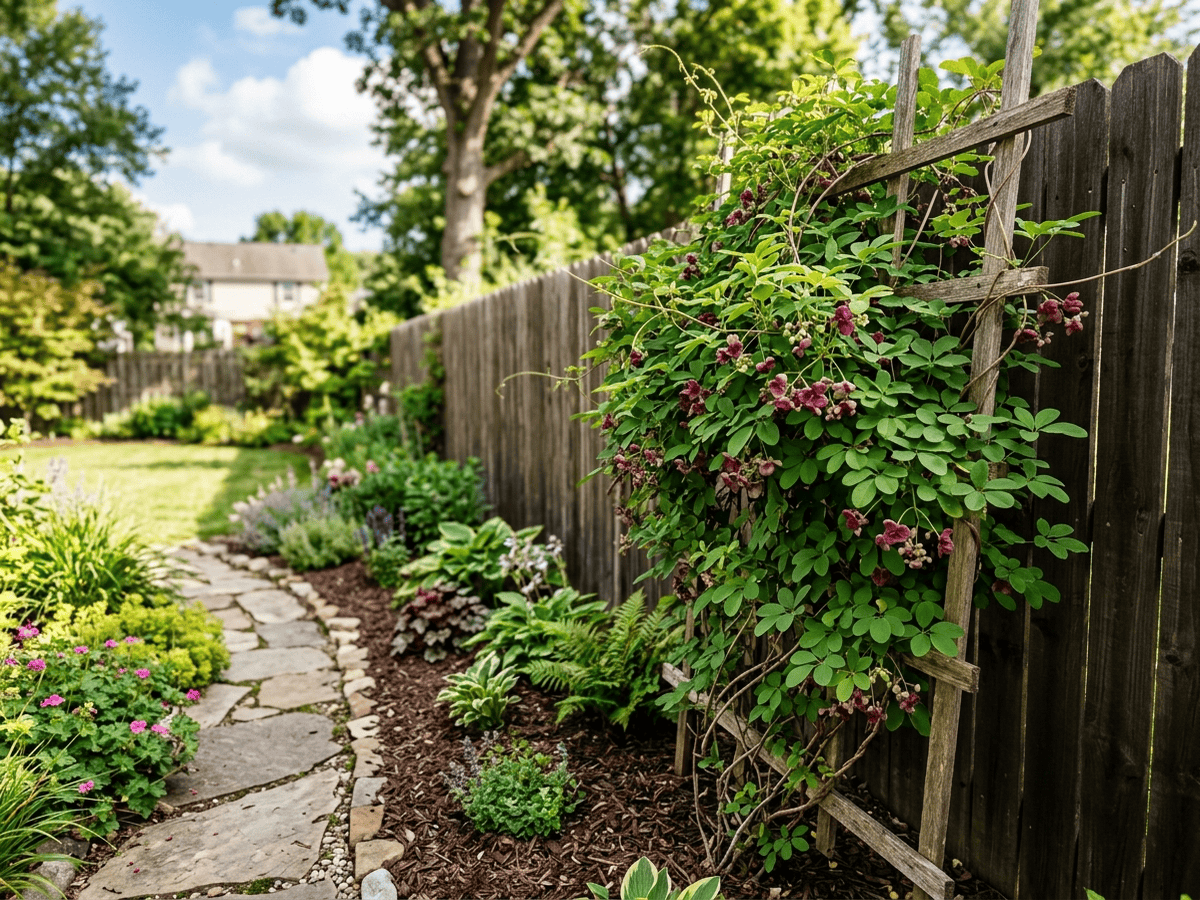
The plant races up fences and trees with semi-evergreen foliage, then in spring produces dangling clusters of small purple-brown flowers with a chocolate-vanilla scent. Cross-pollinated flowers develop into curious purple sausage-shaped fruits that split open to reveal white pulp and black seeds. Introduced to North American gardens in 1845, it later escaped along the Atlantic coast from New York to Georgia, where it can smother understory vegetation. The same vigor that made it a romantic edible vine also made it a cautionary garden escape.
Symbolism & meaning
What It Symbolizes
The Five-Leaf Akebia twines through the cottage trellis with delicate purple flowers that release, astonishingly, a soft chocolate fragrance, and so its meaning is unexpected sweetness. Yet the same vigour that makes it charming makes it a temptation best managed, for left unchecked it will swallow whatever it climbs. In the Victorian register of flowers, akebia would speak of pleasures that delight precisely because they ask the gardener for restraint.
- Unexpected sweetness — chocolate scent from delicate flowers
- Temptation — beauty that must be managed
Where the Name Comes From
From Japanese 'akebi'; 'quinata' refers to the five leaflets per leaf.
Uses & Fun Facts
- Purple sausage-shaped pods with sweet white pulp
- Spring flowers smell of chocolate and vanilla
- Twining vine clothes arbors and trellises quickly
- Five-leaflet palmate foliage offers semi-evergreen garden texture
Related plants
Plants with similar care
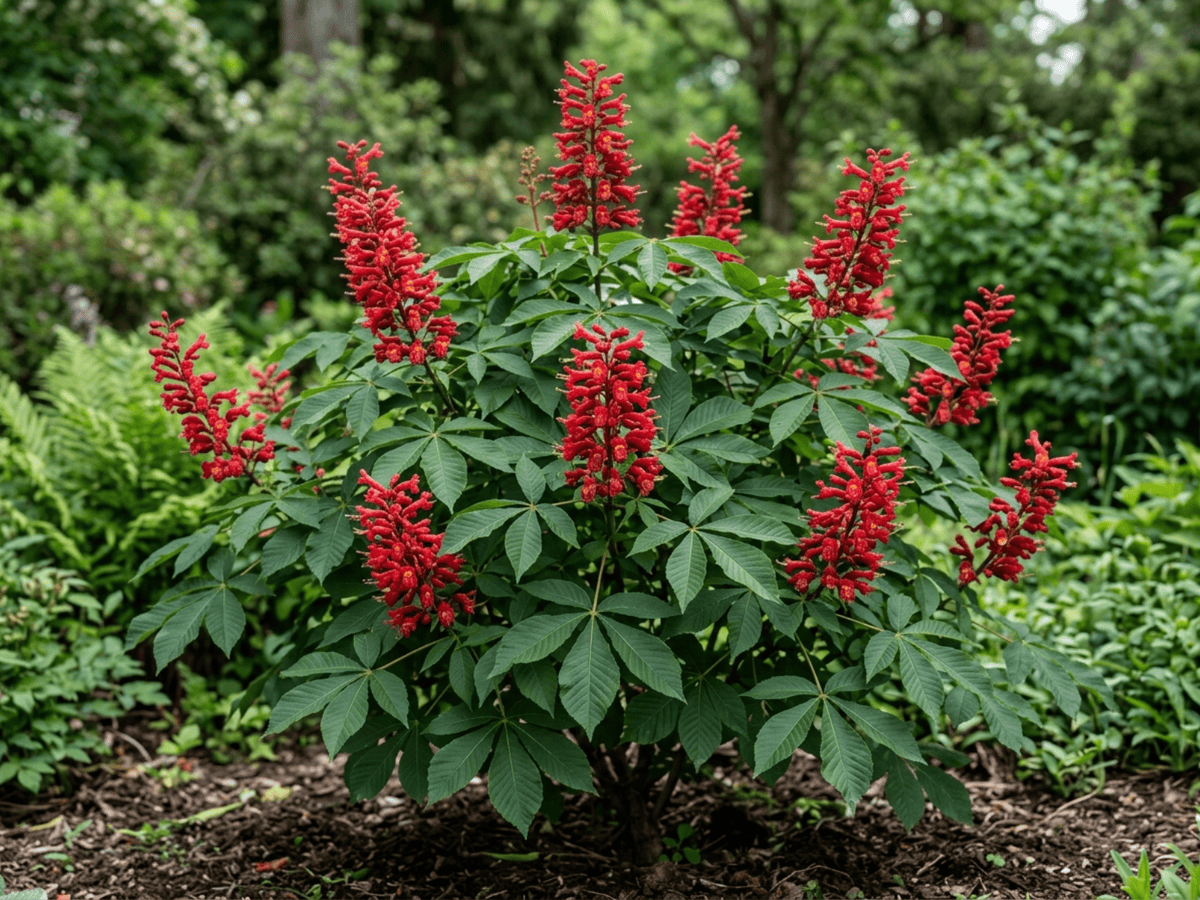 Red BuckeyeAesculus pavia
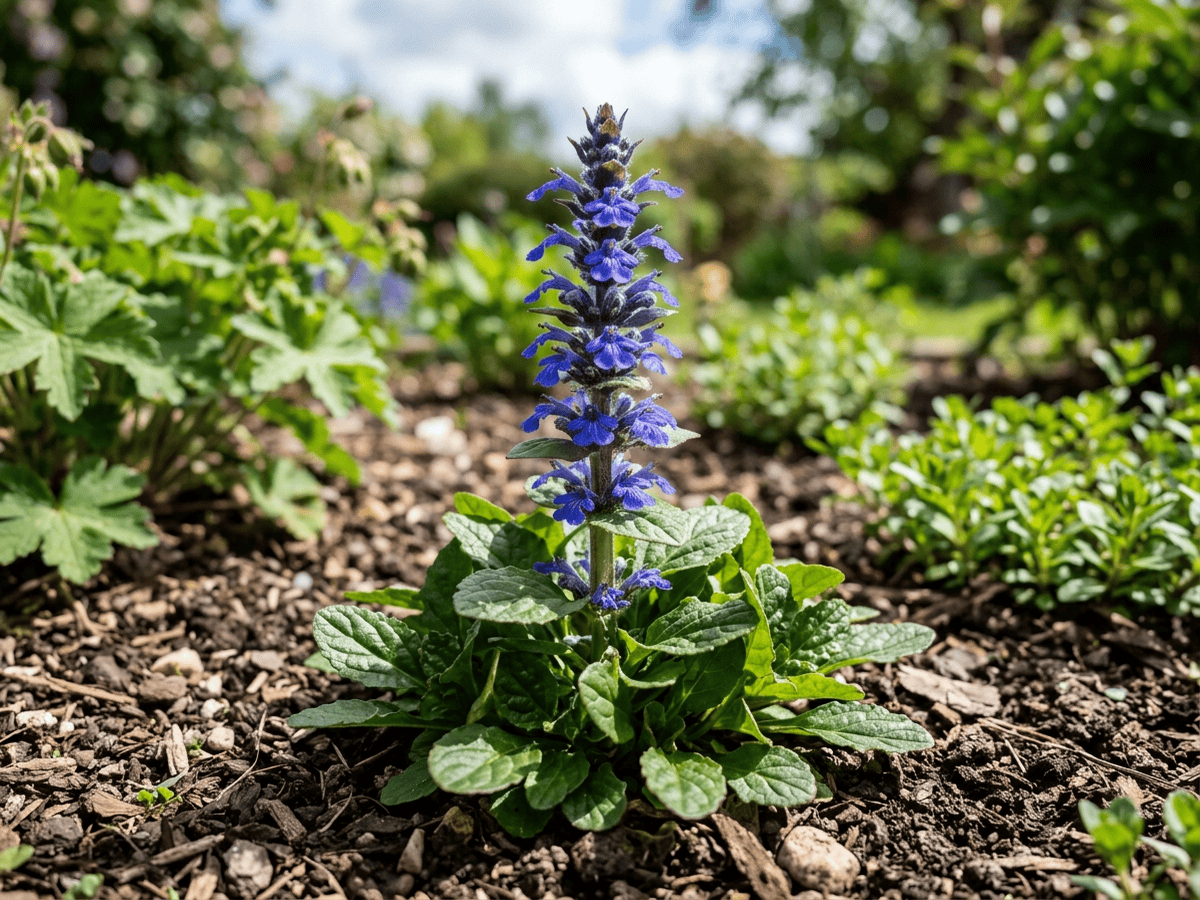 Blue BugleAjuga genevensis
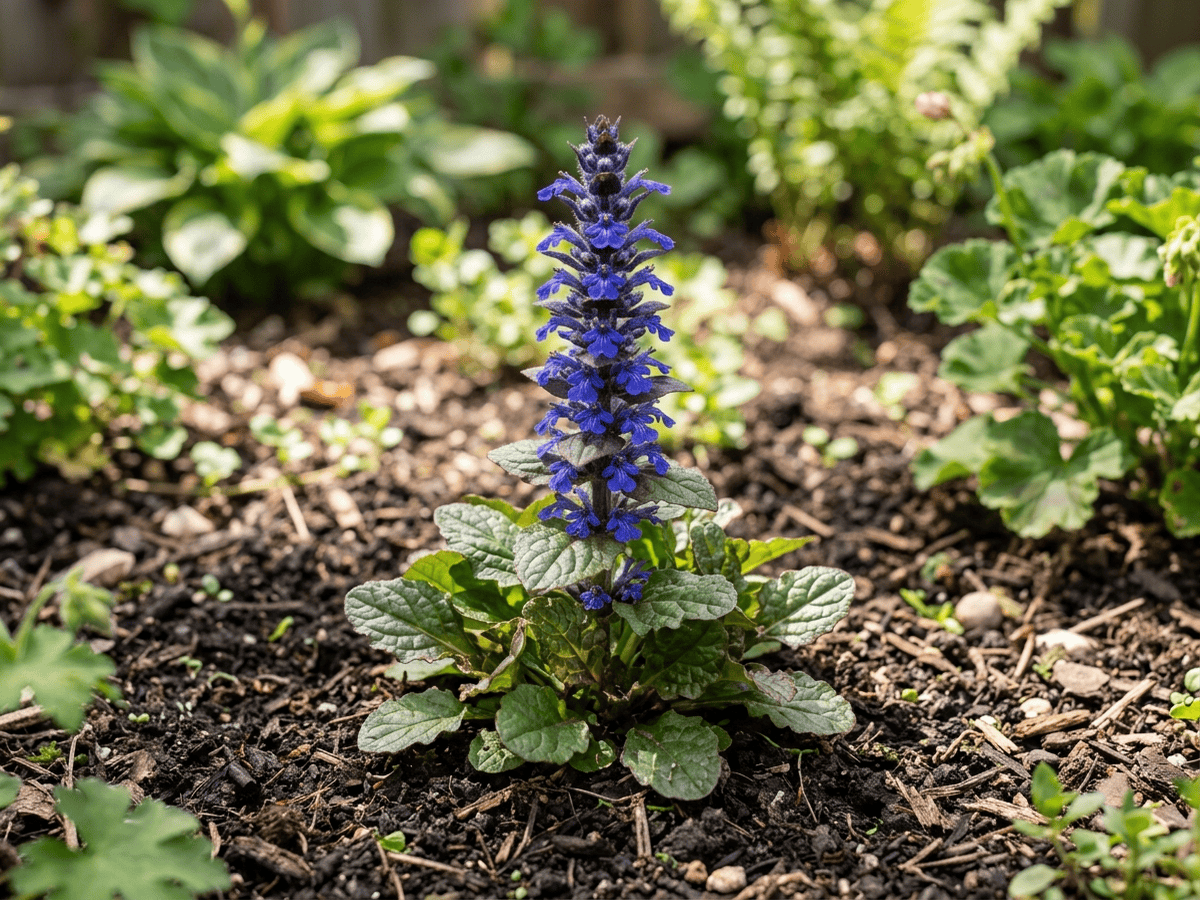 Pyramidal BugleAjuga pyramidalis
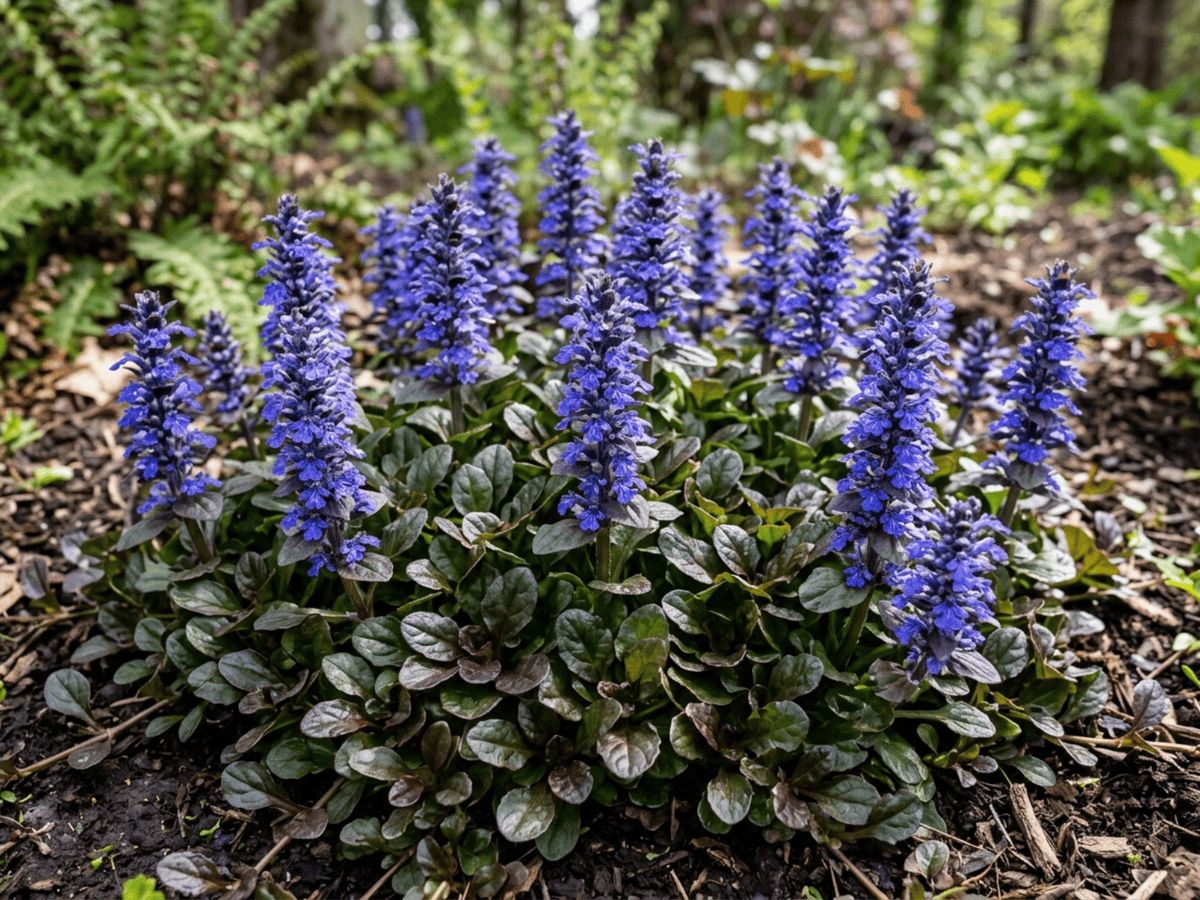 Carpet BugleAjuga reptans
Frequently asked questions
How often should I water Five-Leaf Akebia?
In summer, water about every 5 days; in winter, about every 21 days. Adjust for heat, pot size and drainage.
How much light does Five-Leaf Akebia need?
Part shade: 2–4 hrs direct. Watch the leaves — scorching or stretching means the light needs adjusting.
Is Five-Leaf Akebia toxic to cats or dogs?
Pets Slight (Dogs Slight · Cats Slight) Educational information, not medical or veterinary advice. If exposure is suspected, contact a doctor or veterinarian.
Is Five-Leaf Akebia easy to grow?
Yes — it is considered an easy, beginner-friendly plant.
When does Five-Leaf Akebia bloom?
It typically blooms Apr–May in the Northern Hemisphere.
YardMate
Identify any plant in seconds
Snap a photo — YardMate names the plant, diagnoses problems, and reminds you when to water.
Download on the App Store