 YardMate

Carpet Bugle
Ajuga reptans
Easy · Beginner friendlyAbout Carpet Bugle
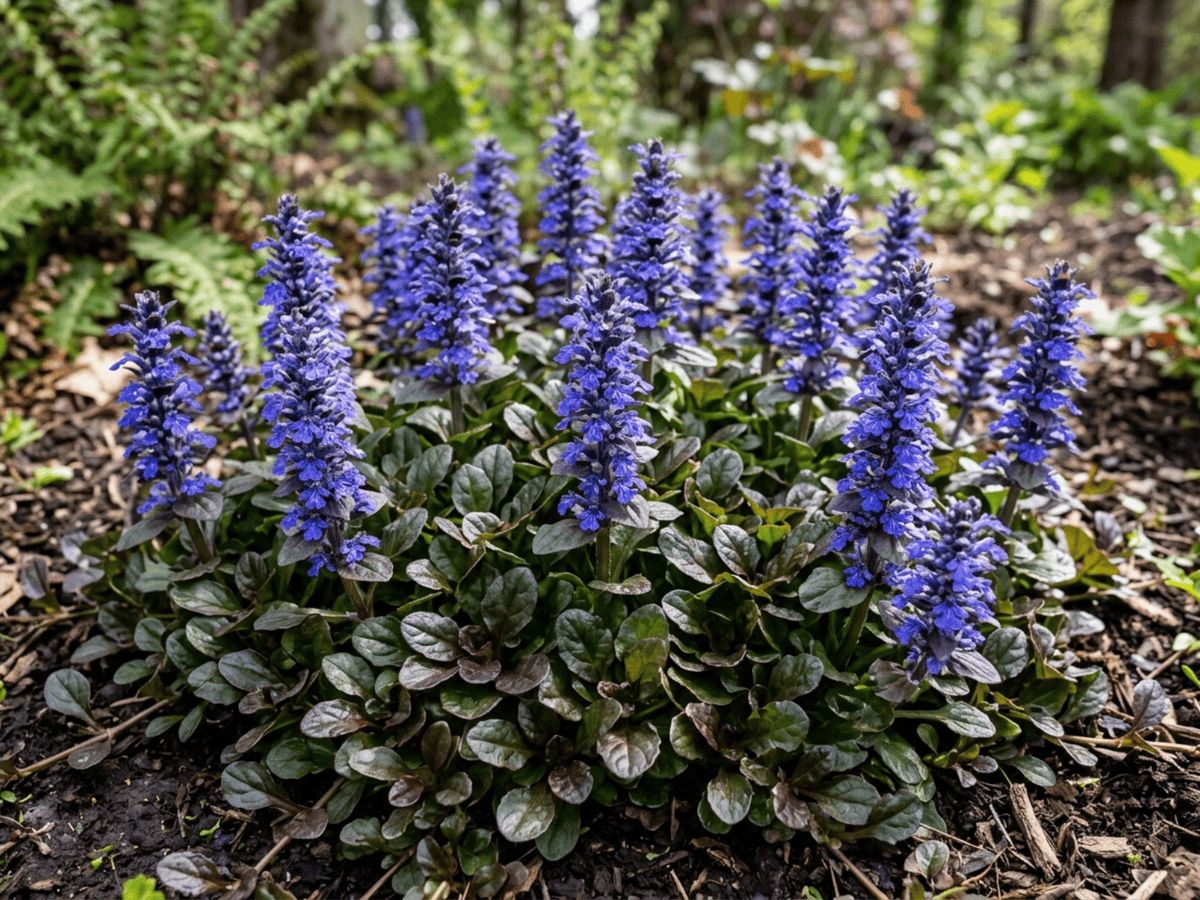
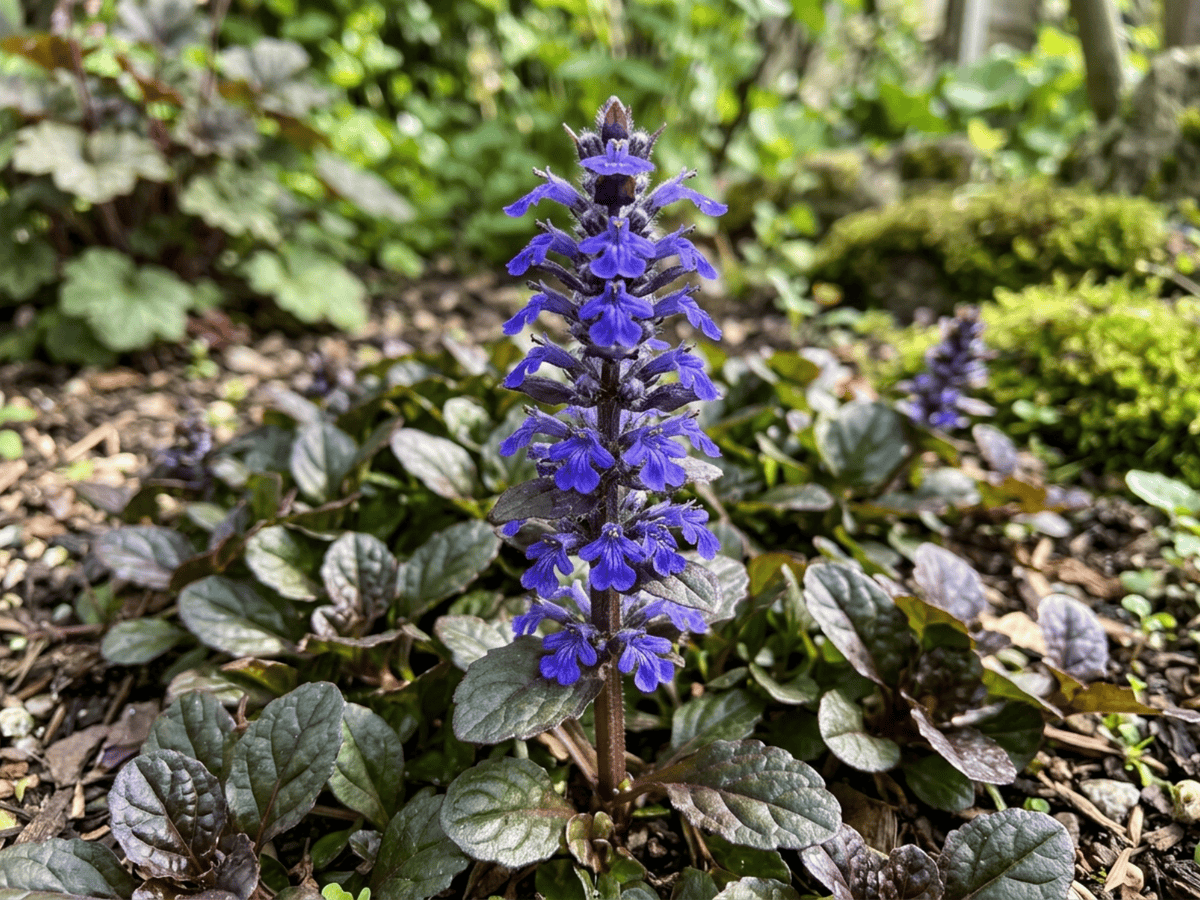
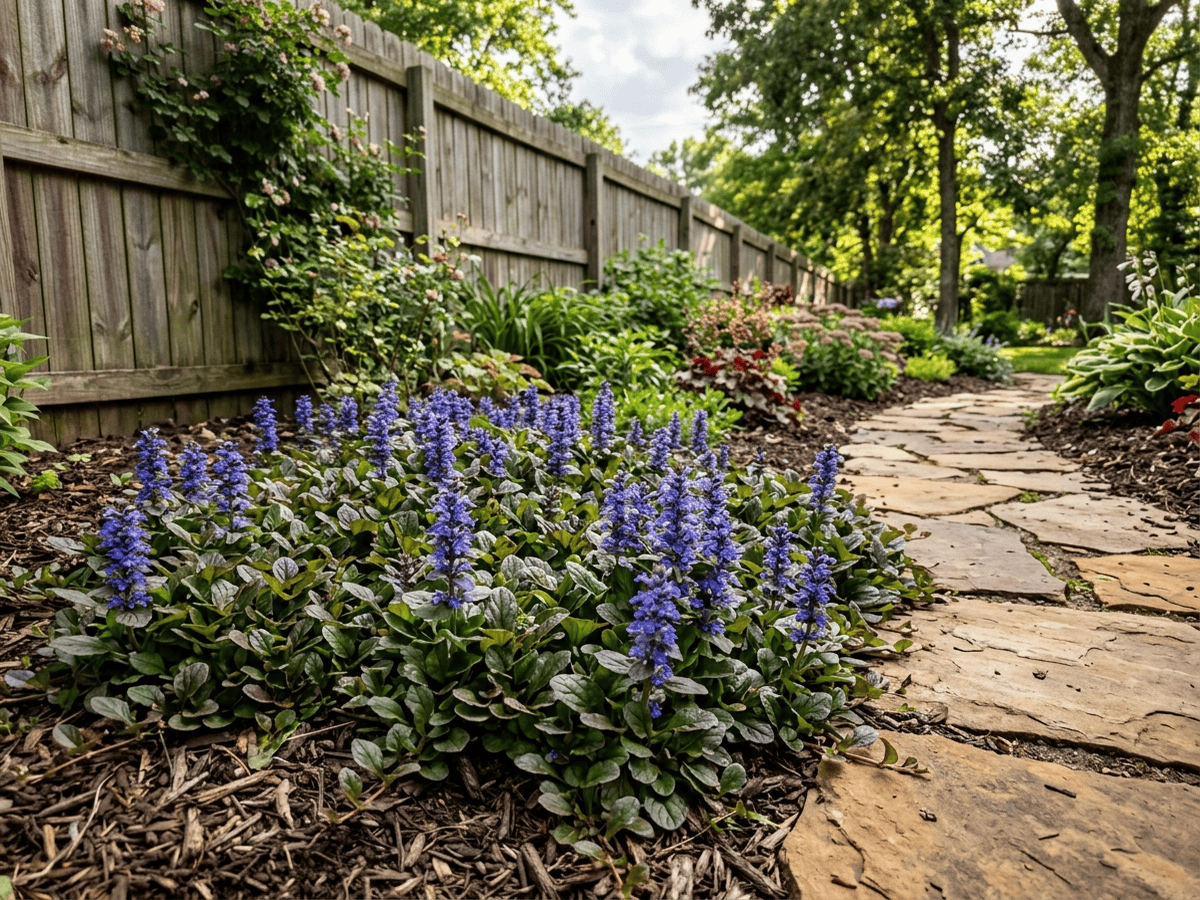
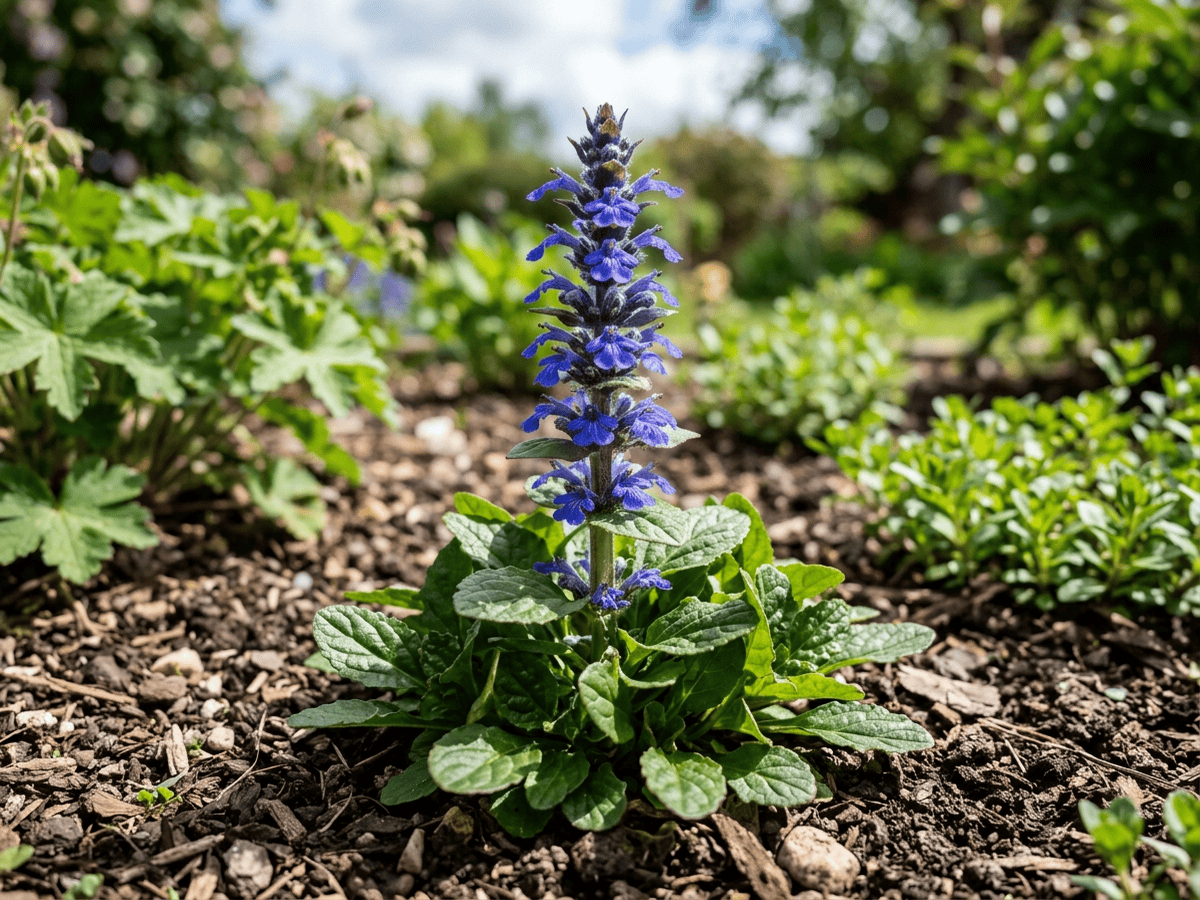
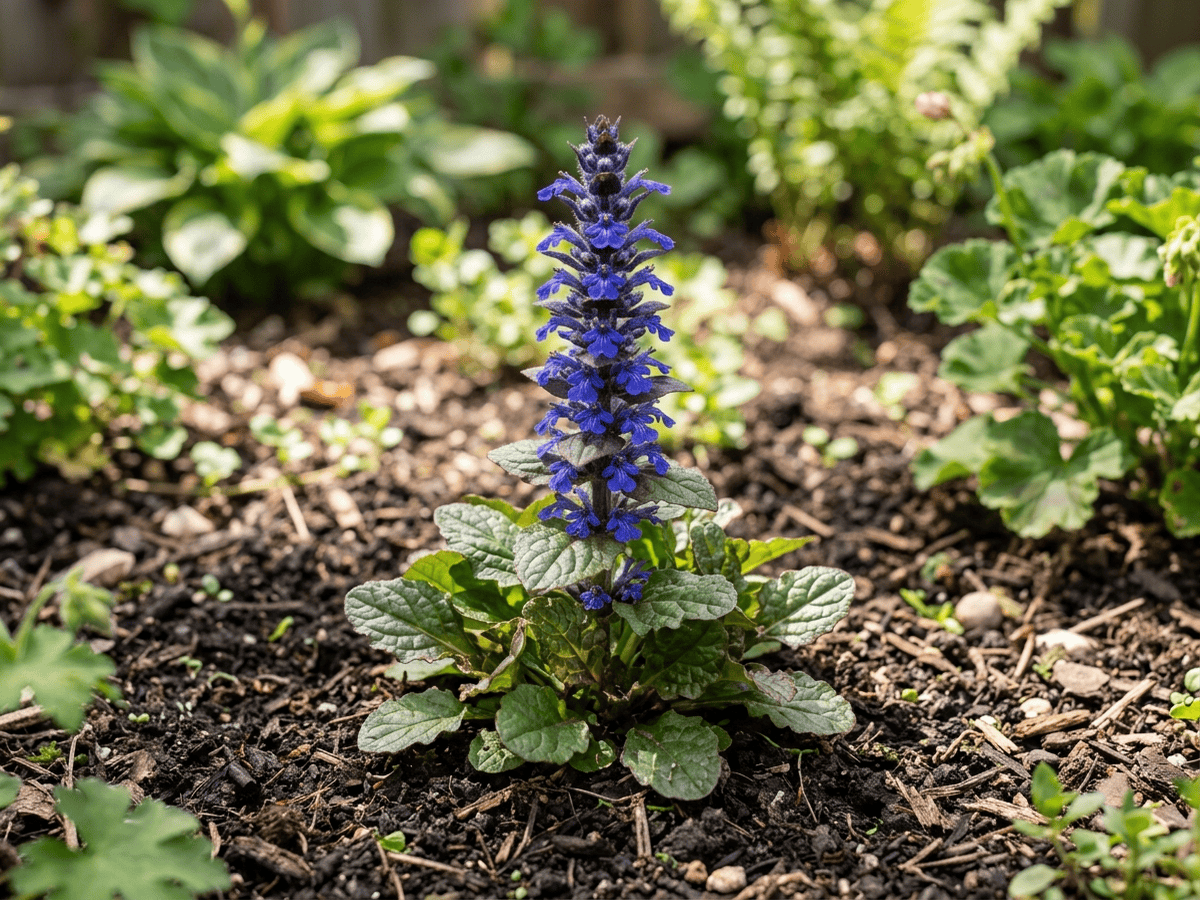
Ajuga reptans, bugleweed, is a fast-spreading evergreen groundcover native to Europe. It forms low rosettes of glossy leaves in green, bronze, purple, or variegated patterns, then sends up blue-violet flower spikes in late spring that draw bees and butterflies. At only 10-15 cm tall, it fills gaps between stepping stones, under shrubs, and along shady borders, especially in moist humus-rich soil. Cultivars such as 'Burgundy Glow' and 'Black Scallop' add strong foliage color. Its history includes folk-herbal uses, but in modern gardens its real talent is making a living carpet. Edge it carefully, because it can creep into lawns.
- Groundcover
- Evergreen
- Pollinator-friendly
How to care for Carpet Bugle
Watering
- Springevery 5 days
- Summerevery 4 days
- Fallevery 10 days
- Winterevery 30 days
Soil · Well-draining
- Top dressingPine bark mulch10%
- Main mixPotting soil + perlite 2:170%
- DrainageLECA / gravel20%
Never skip the drainage layer — standing water is the top cause of root rot.
FERTILIZER
- Springevery 60 days
At a Glance
- NativeEurope, Western Asia, Africa
- Height0.5–1 ft (0.2–0.3 m)
- Spread1–2 ft (0.3–0.6 m)
- Flower colorBlue, Purple, White, Pink
- Foliage colorGreen, Purple, Bronze, Variegated
- SoilLoamy, Well-drained, Moisture-retentive
- LocationsYard
Bloom time
BLOOM CYCLE
Peak bloom
May
Blue-violet flower spikes in late spring; remove spent spikes to keep tidy
Fragrance
NO FRAGRANCE
No notable fragrance.
Toxicity
No toxicity has been reported for this plant. Still, it is wise to keep pets from chewing on any houseplant.
Educational information, not medical or veterinary advice. If exposure is suspected, contact a doctor or veterinarian.
DISTRIBUTION

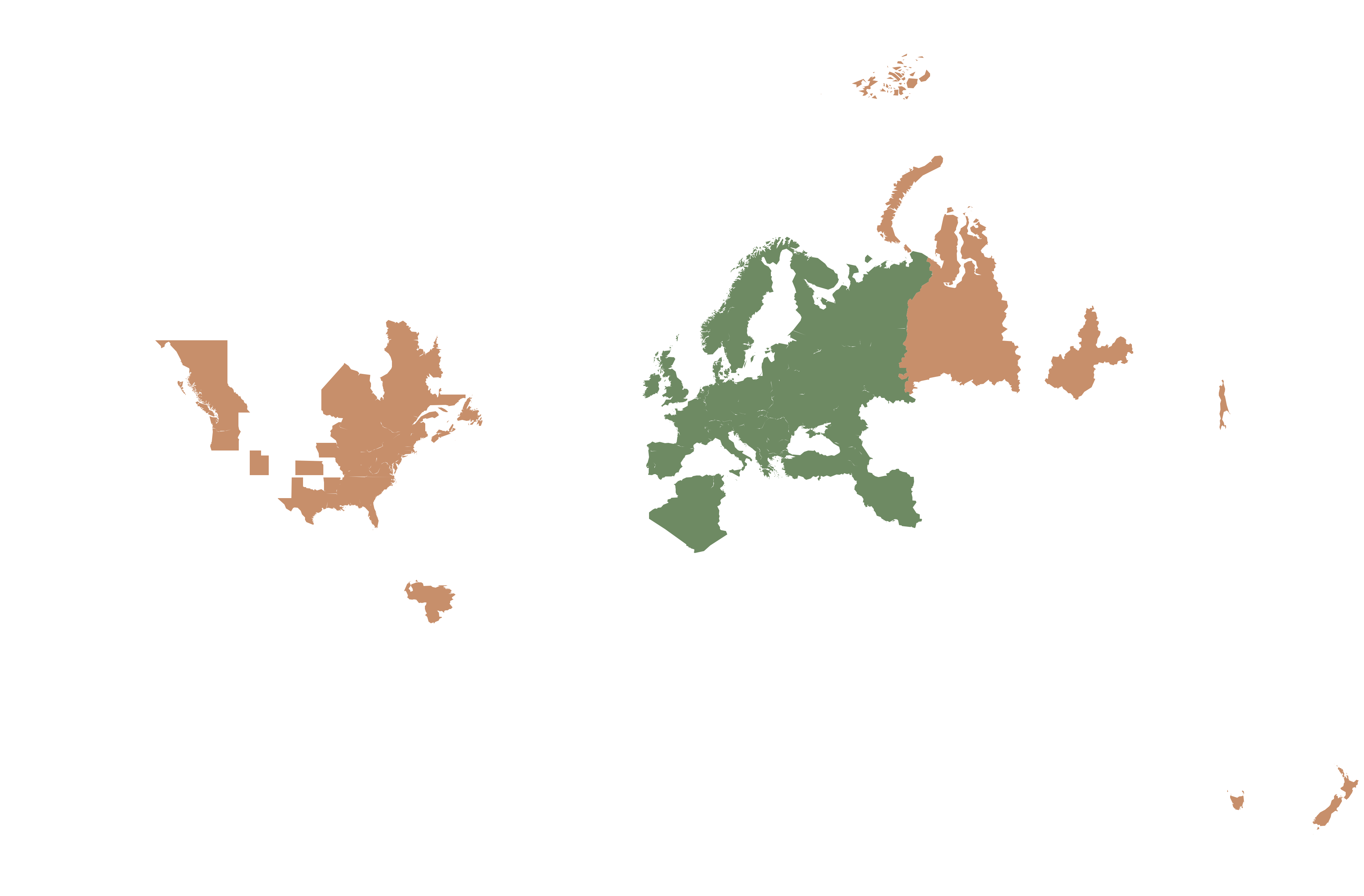
- Native
- Introduced
- Europe
- Western Asia
- Africa
History

Ajuga reptans is native to Europe, western Asia, and North Africa, growing in moist meadows, open woodlands, and pasture edges. The common name "bugleweed" does not refer to the musical instrument but to the plant's medieval medicinal reputation — derived from the Latin "bugula" and possibly linked to an older word meaning "wound-heal." The plant was prized in English herbal tradition as a wound-healing herb; Nicholas Culpeper's 1652 "Complete Herbal" praised it as an application for bruises, cuts, and ulcers, and modern analysis confirms anti-inflammatory iridoid glycosides in the leaves. The species forms spreading low mats via surface stolons and produces upright 10-20 cm spikes of whorled blue-purple (occasionally pink or white) flowers in late spring, attractive to bees.
Modern ornamental use is dominated by dark-foliage cultivars — "Atropurpurea," "Black Scallop," "Burgundy Glow," "Catlin's Giant" — combining weed-suppressing groundcover function with foliage interest. It is considered mildly invasive in some North American lawns, where it persists through mowing. Bugleweed's name may derive from the French 'bugle', a type of glass bead its flowers resemble, or from the Latin 'abigo' meaning to drive away — referring to its use in folk medicine to drive away disease.
Nicholas Culpeper, the famous 17th-century herbalist, recommended it as one of the best wound herbs. In medieval times it was a battlefield first-aid plant, applied as a poultice to stop bleeding. Modern cultivars bred for foliage color have made it one of the top-selling perennial groundcovers worldwide.
Symbolism & meaning
What It Symbolizes
Carpet Bugle carries cheerfulness into the deepest, dampest corners of the garden, lifting blue flower spikes where most plants merely sulk. In old herbal lore it was a wound-herb, a quiet symbol of protection and care, mending small hurts beneath the trees. Its low green carpet feels like kindness underfoot — modest, persistent, and unexpectedly bright in the shade.
- Cheerfulness — bright blue flower spikes bring cheer to shady garden corners
- Protection — historically used as a wound herb, symbolizing care and safeguarding
Where the Name Comes From
Ajuga possibly comes from Latin 'abigo' (to drive away), an old herbal reference. Reptans means 'creeping', describing its spreading habit via stolons.
Uses & Fun Facts
- Fast-spreading evergreen mat smothers weeds in shady borders
- Blue flower spikes draw bees in late spring
- Bronze and variegated rosettes edge paths and rock gardens
Related plants
More Ajuga plants
Plants with similar care
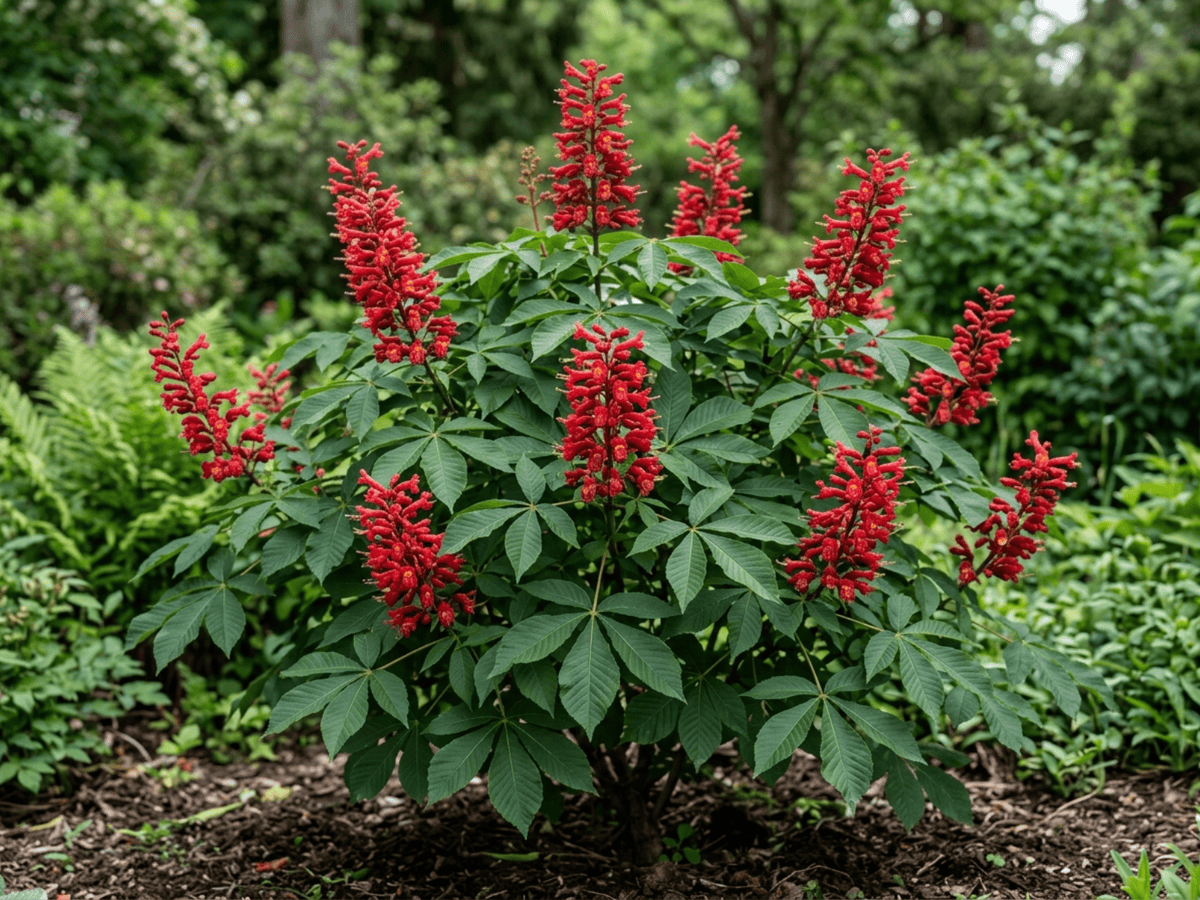 Red BuckeyeAesculus pavia
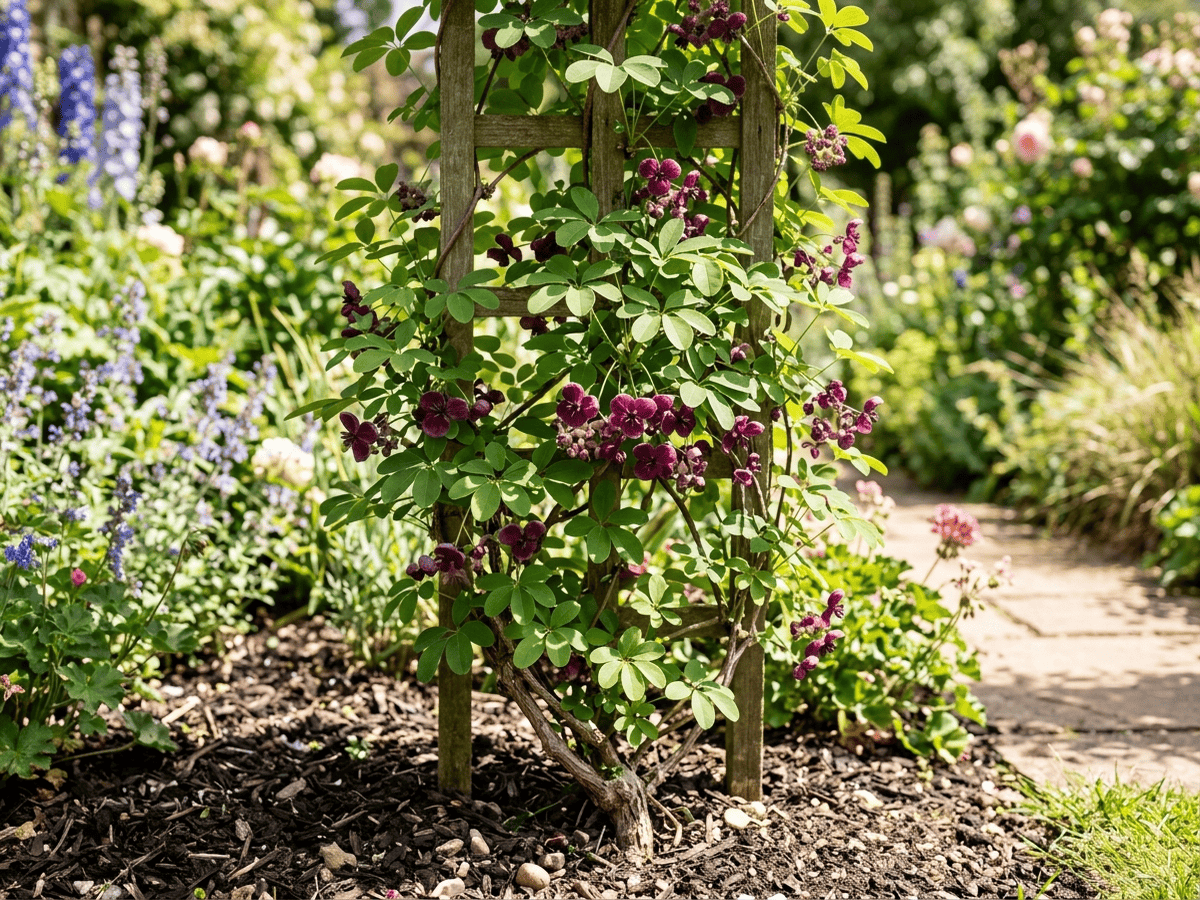 Five-Leaf AkebiaAkebia quinata
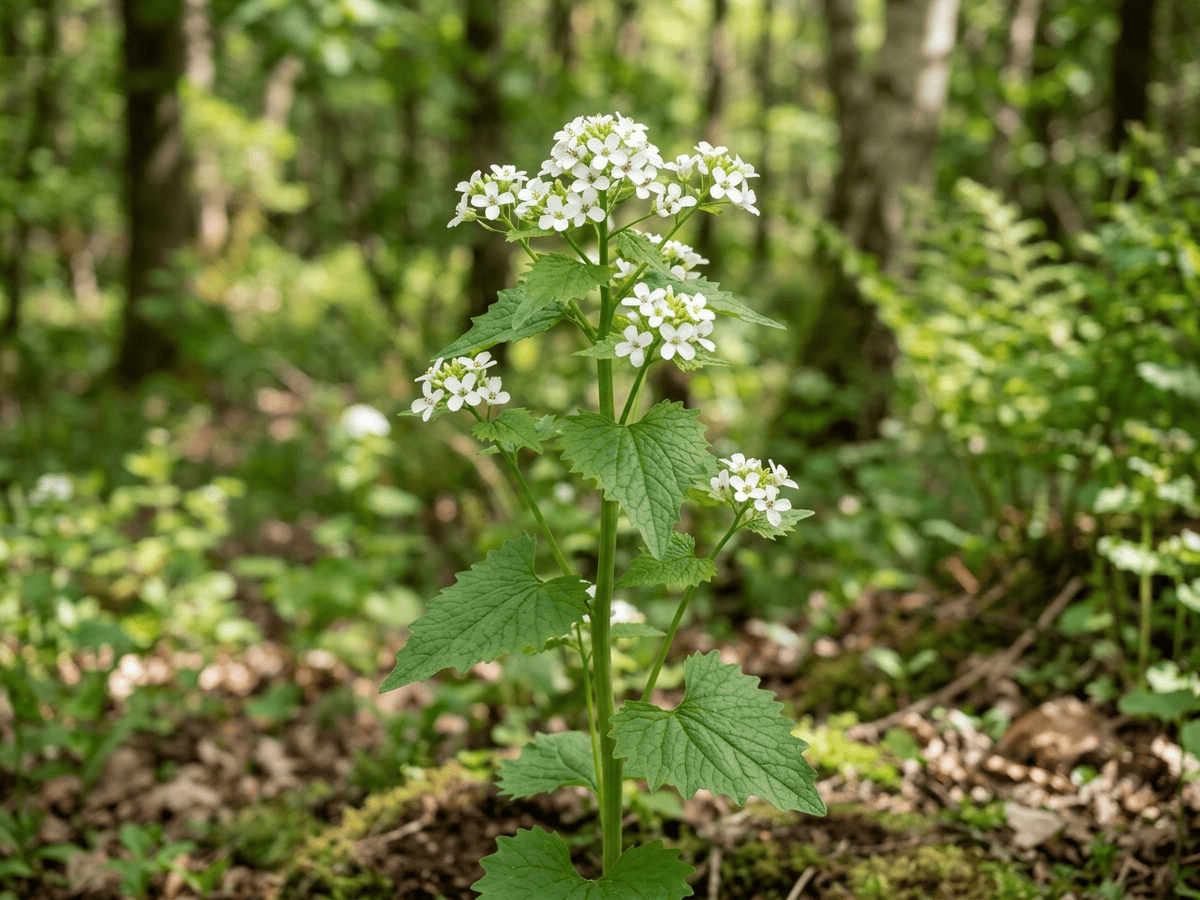 Garlic MustardAlliaria petiolata
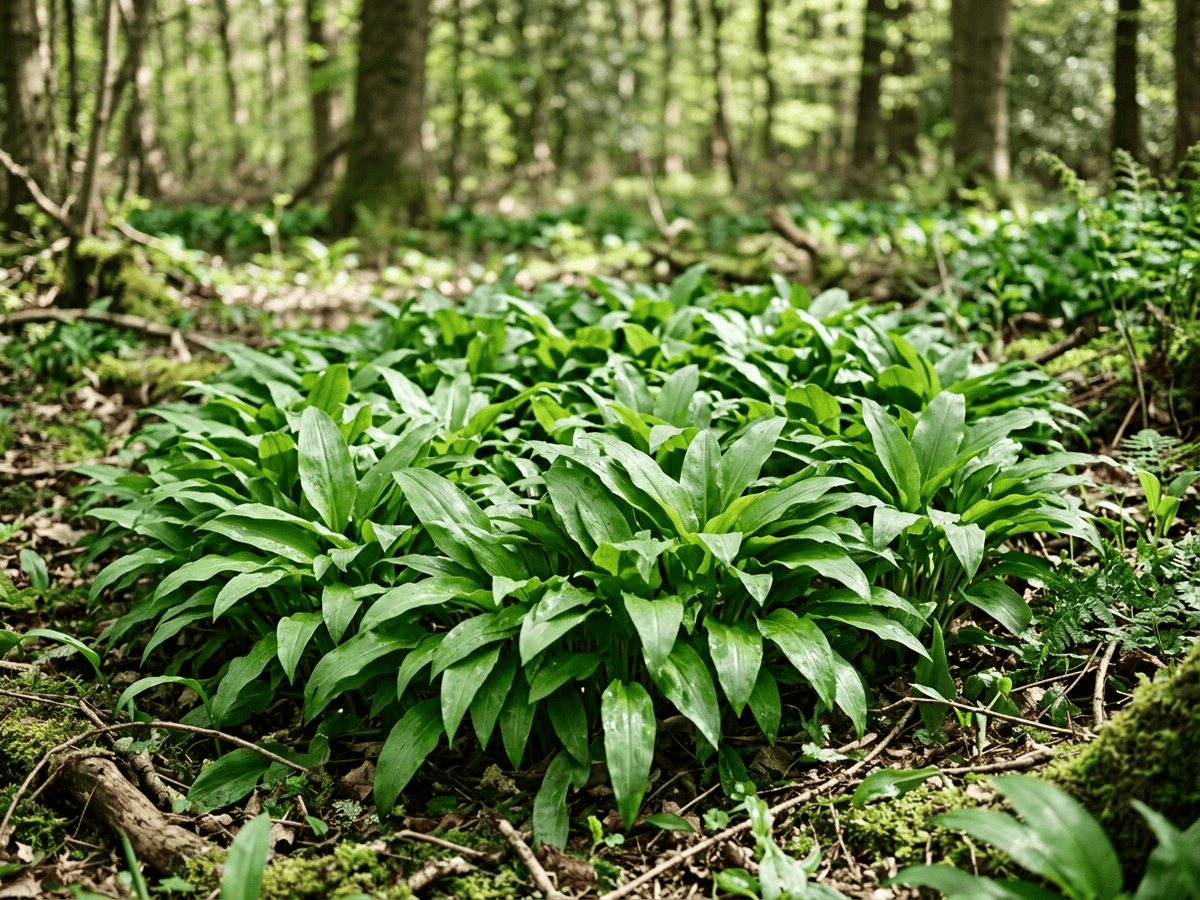 RamsonsAllium ursinum
Frequently asked questions
How often should I water Carpet Bugle?
In summer, water about every 4 days; in winter, about every 30 days. Adjust for heat, pot size and drainage.
How much light does Carpet Bugle need?
Part shade: 2–4 hrs direct. Watch the leaves — scorching or stretching means the light needs adjusting.
Is Carpet Bugle toxic to cats or dogs?
No toxicity has been reported for this plant. Still, it is wise to keep pets from chewing on any houseplant. Educational information, not medical or veterinary advice. If exposure is suspected, contact a doctor or veterinarian.
Is Carpet Bugle easy to grow?
Yes — it is considered an easy, beginner-friendly plant.
When does Carpet Bugle bloom?
It typically blooms May in the Northern Hemisphere.
YardMate
Identify any plant in seconds
Snap a photo — YardMate names the plant, diagnoses problems, and reminds you when to water.
Download on the App Store