 YardMate

Blue Bugle
Ajuga genevensis
Easy · Beginner friendlyAbout Blue Bugle
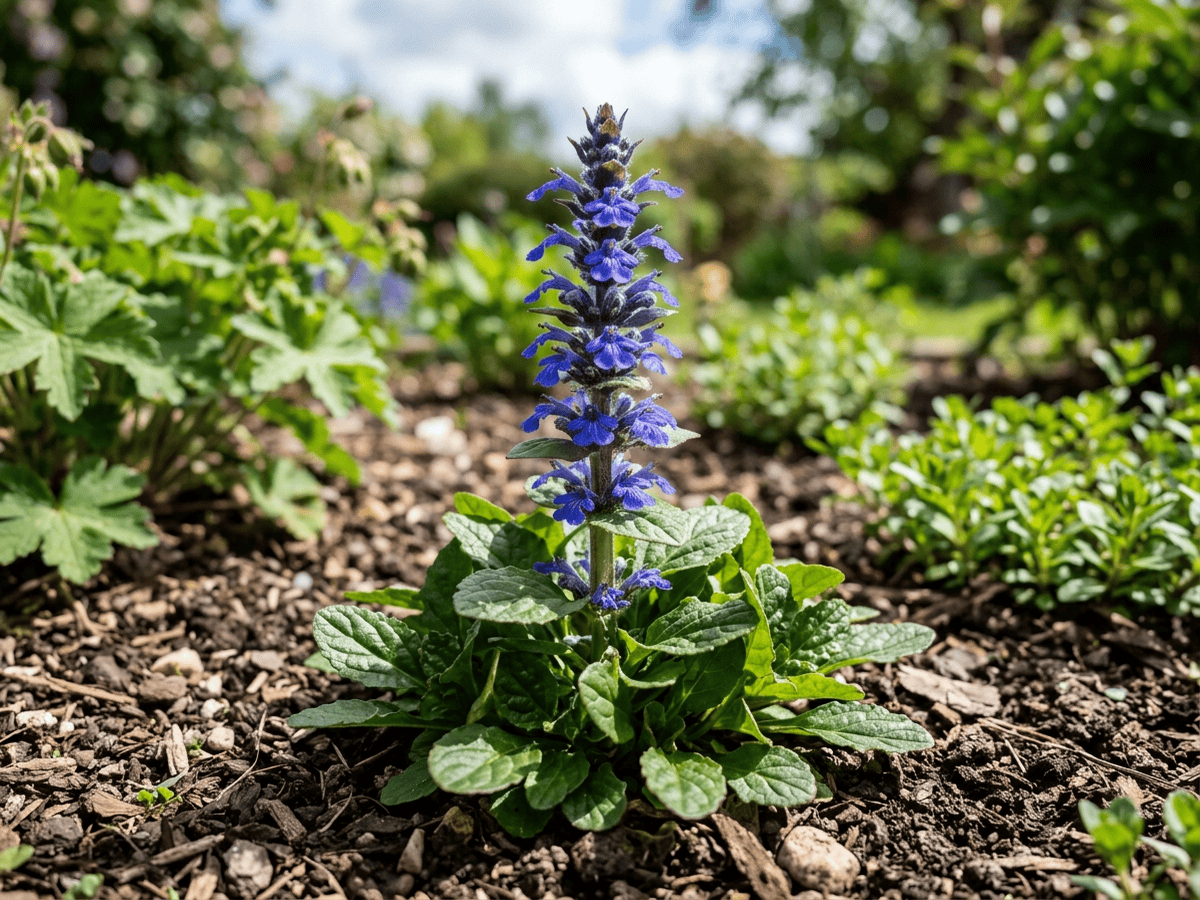
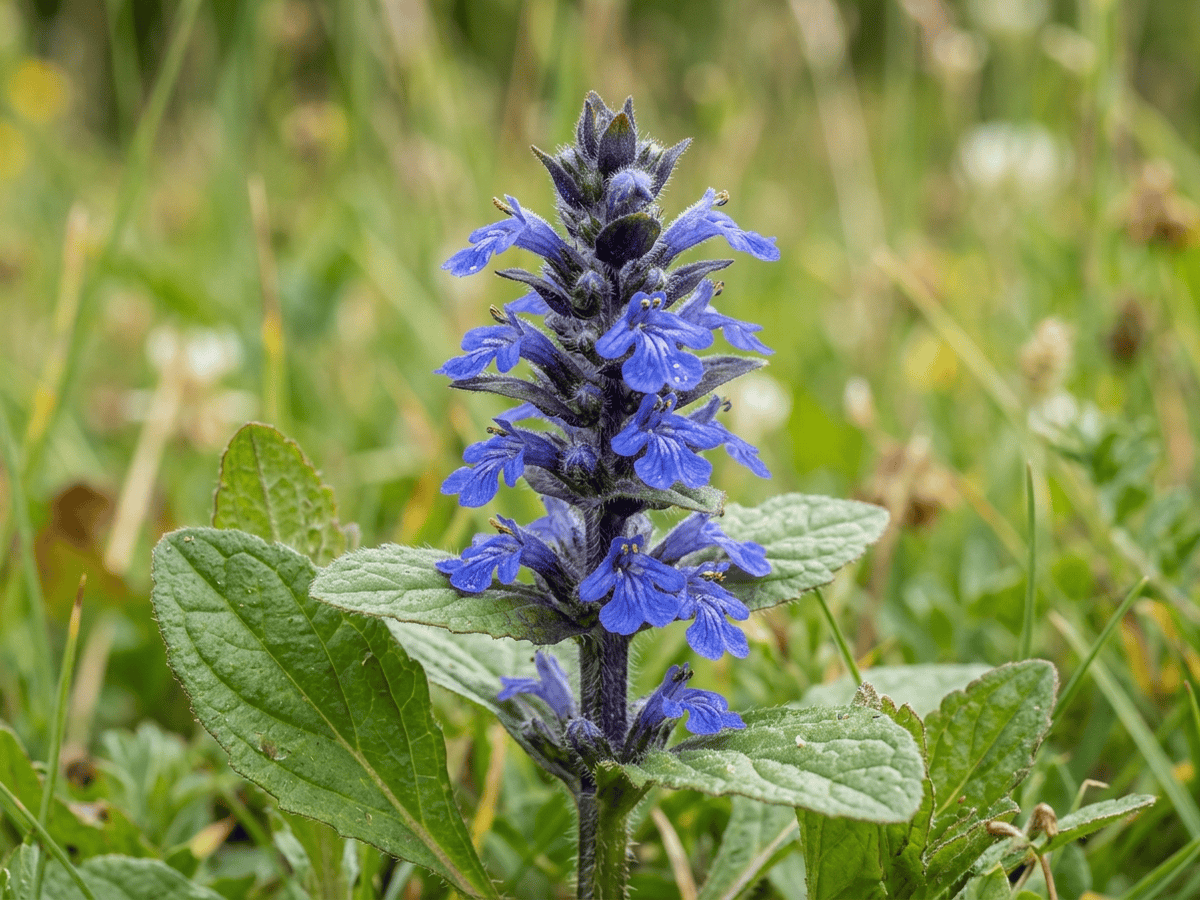
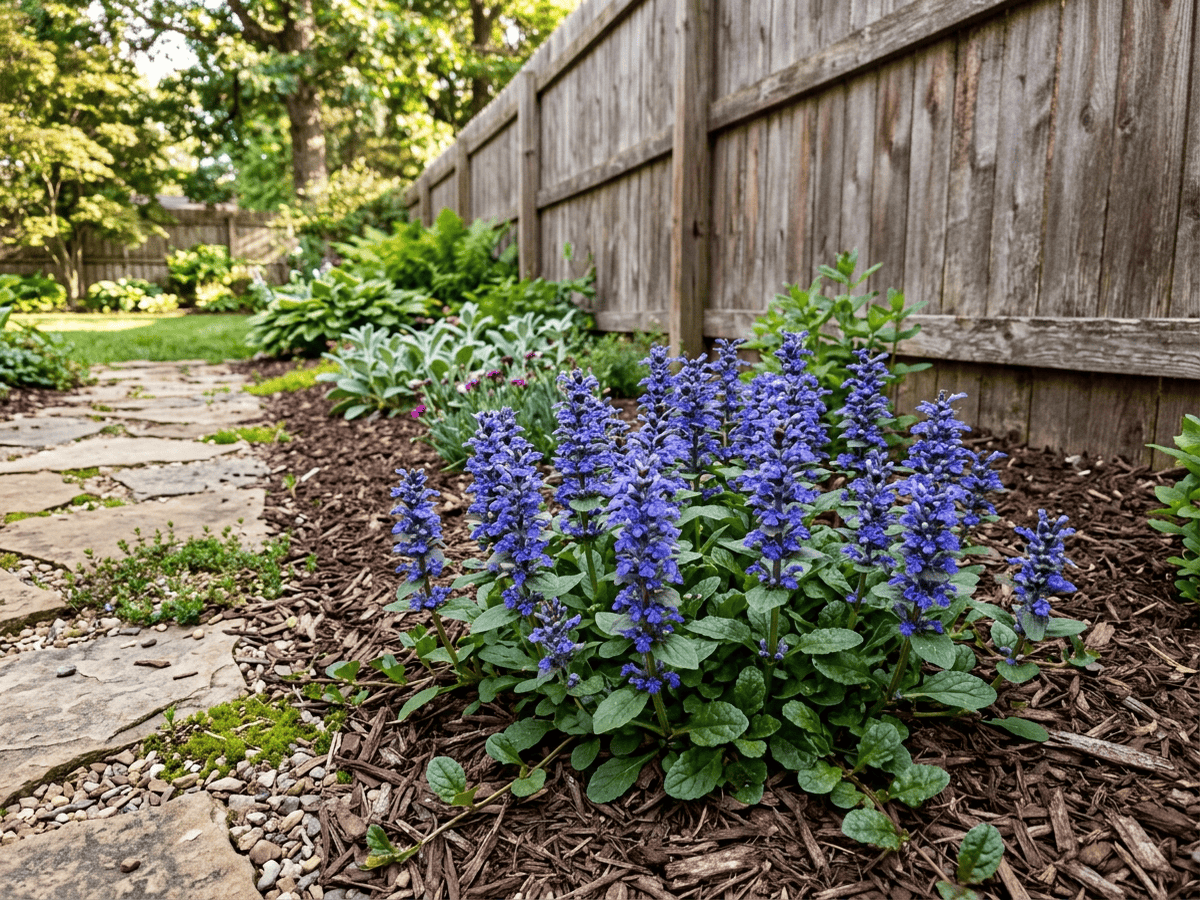
Geneva Bugle is a European groundcover reaching 4-10 inches tall with clumping rosettes of hairy green leaves and upright spikes of bright blue flowers in late spring. Unlike aggressive A. reptans, it forms non-running clumps suitable for formal edging. Native to the Swiss Alps region and named for Geneva, it offers refined color for cool-climate US rock gardens and perennial borders without spreading concerns.
- Shade-tolerant
- Groundcover
- Pollinator-friendly
How to care for Blue Bugle
Watering
- Springevery 7 days
- Summerevery 7 days
- Fallevery 10 days
- Winterevery 21 days
Soil · Well-draining
- Top dressingPine bark mulch10%
- Main mixPotting soil + perlite 2:170%
- DrainageLECA / gravel20%
Never skip the drainage layer — standing water is the top cause of root rot.
FERTILIZER
Balanced Feed 14-14-14
An even feed covers all three needs at once, keeping leaves, roots and blooms moving together with nothing pushed out of balance.
- Nitrogen · Leaves
- Phosphorus · Roots + Blooms
- Potassium · Strength
- Springevery 45 days
At a Glance
- NativeEurope, Western Asia
- Height0.3–0.7 ft (0.1–0.2 m)
- Spread1–2 ft (0.3–0.6 m)
- Flower colorBlue, Pink, White
- Foliage colorGreen
- SoilLoamy, Well-drained, Moisture-retentive
- LocationsYard
Bloom time
BLOOM CYCLE
Peak bloom
May–Jun
Bright blue flower spikes May to June
Toxicity
Humans Slight
iridoid glycosides and phytoecdysones
Slight
- Leaf
- Ingestion
EXPOSURE Eating leaves.
EFFECT Mild gastrointestinal upset.
NOTE Documented concern for humans: Mild gastrointestinal upset.
Not reported
EXPOSURE No exposure route is reported.
EFFECT No toxic effect is reported.
NOTE No toxicity is reported for dogs in this catalog; this is not evidence that the plant is edible or harmless.
Not reported
EXPOSURE No exposure route is reported.
EFFECT No toxic effect is reported.
NOTE No toxicity is reported for cats in this catalog; this is not evidence that the plant is edible or harmless.
Educational information, not medical or veterinary advice. If exposure is suspected, contact a doctor or veterinarian.
DISTRIBUTION

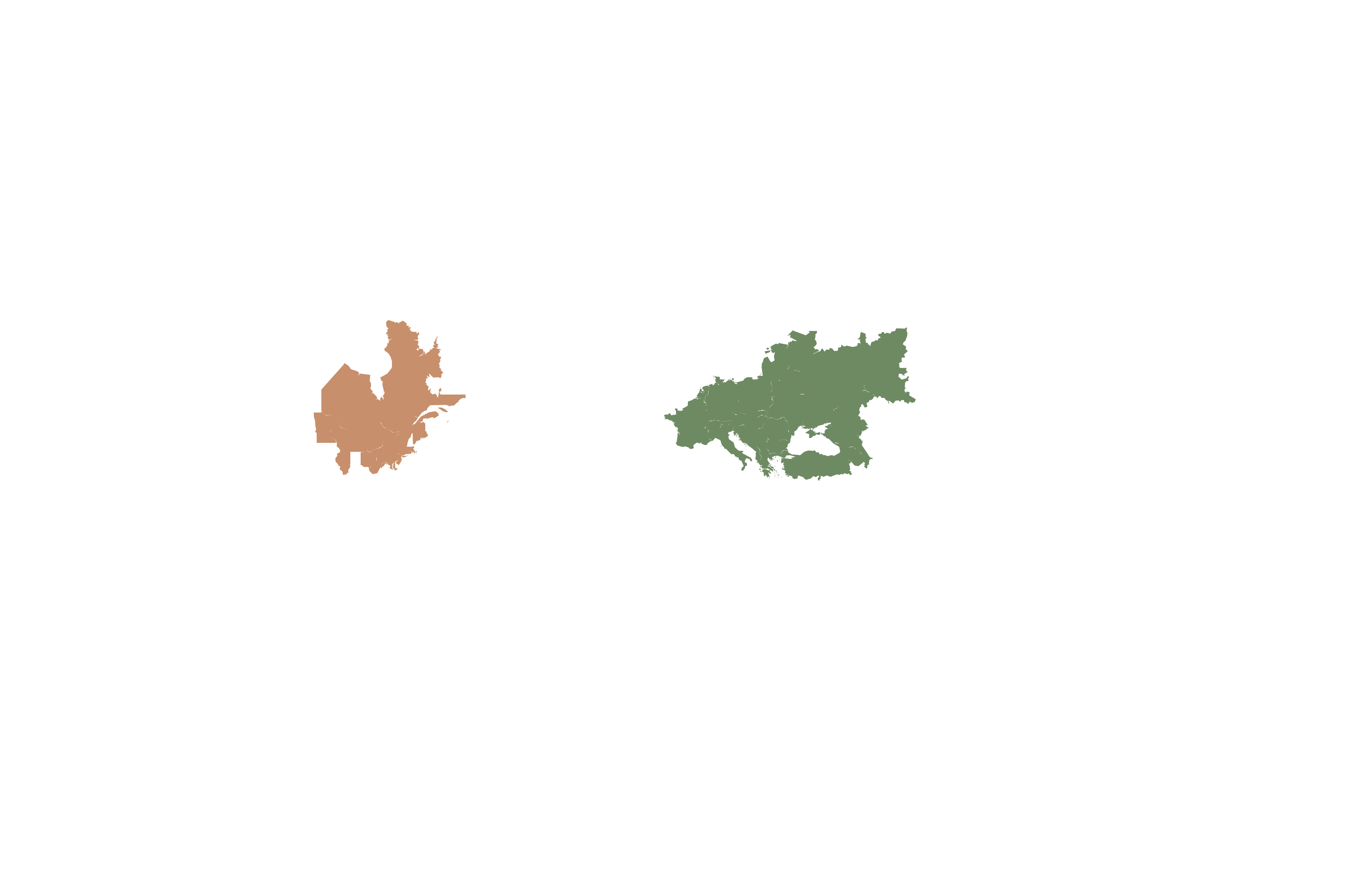
- Native
- Introduced
- Europe
- Western Asia
History
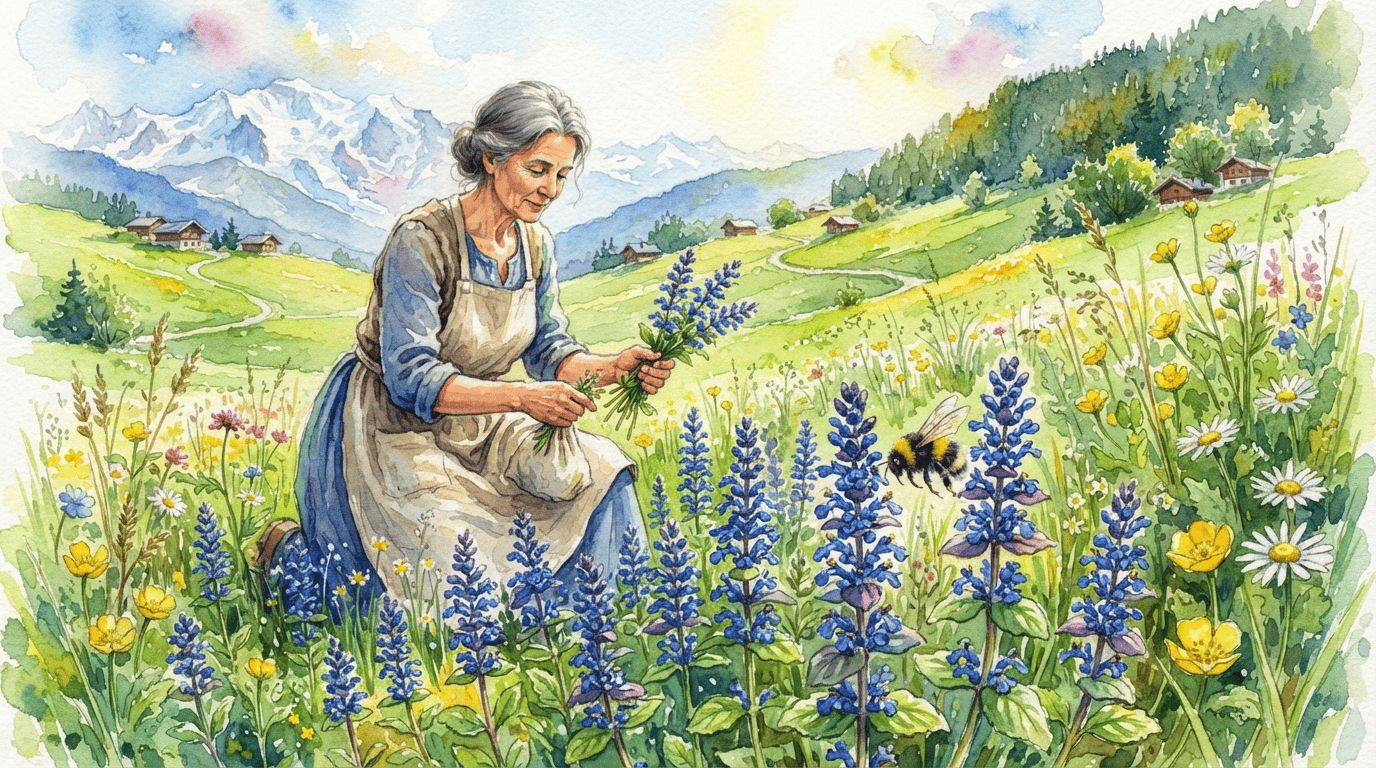
Ajuga genevensis, commonly called Geneva bugle or blue bugle, is native to much of continental Europe, Turkey, and the Caucasus, with naturalized populations in parts of eastern North America. Linnaeus described it in Species Plantarum in 1753; the epithet genevensis points to Geneva, Switzerland, where it grows in meadows and open woodlands. Unlike the more aggressive Ajuga reptans, this species forms clumping rosettes without stolons and spreads slowly, making it a better-behaved choice for gardens.
Its upright 15-25 cm stems carry whorls of blue, occasionally pink or white, flowers in late spring and early summer, drawing bumblebees. European folk medicine used it for wounds, sore throats, and inflammation, but its modern appeal is simpler: bugle color without the creeping takeover.
Symbolism & meaning
What It Symbolizes
Blue Bugle suggests alpine friendship, a Swiss meadow companion that follows hikers' boots up through cow pasture and limestone scree. Unlike its wandering cousins it keeps to tidy clumps, an example of restraint in a family known for spreading. Its short blue spires feel like a quiet hand offered at altitude — modest, dependable, and entirely at ease among the mountain wildflowers it has always grown beside.
- Alpine friendship — swiss meadow companion
- Restraint — tidy clumping habit
Where the Name Comes From
The common name highlights its blue coloring. 'Genevensis' means of Geneva.
Uses & Fun Facts
- Non-running clumps edge paths and rock garden pockets
- Bright blue spring spikes pull bumblebees and small native bees
- Tidy clumping habit suits formal shaded borders
Related plants
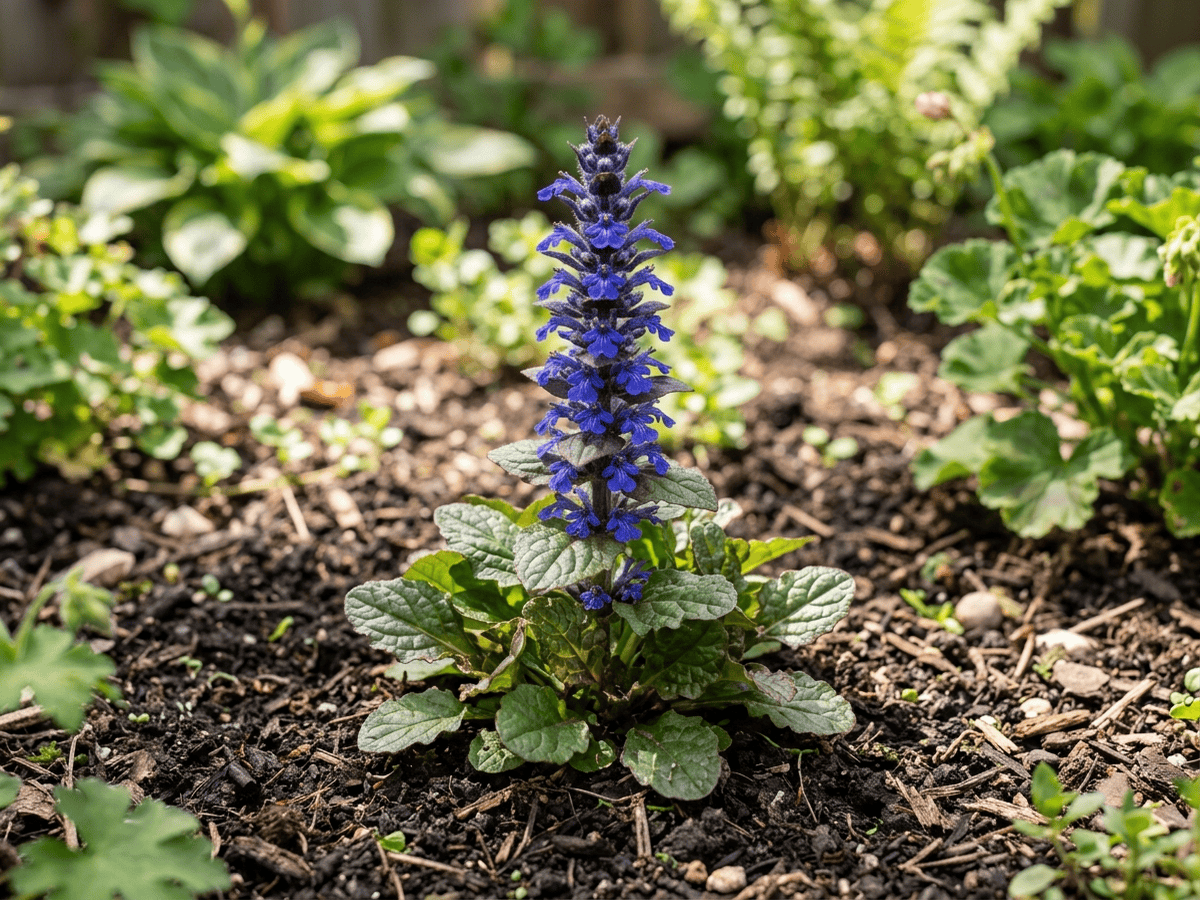
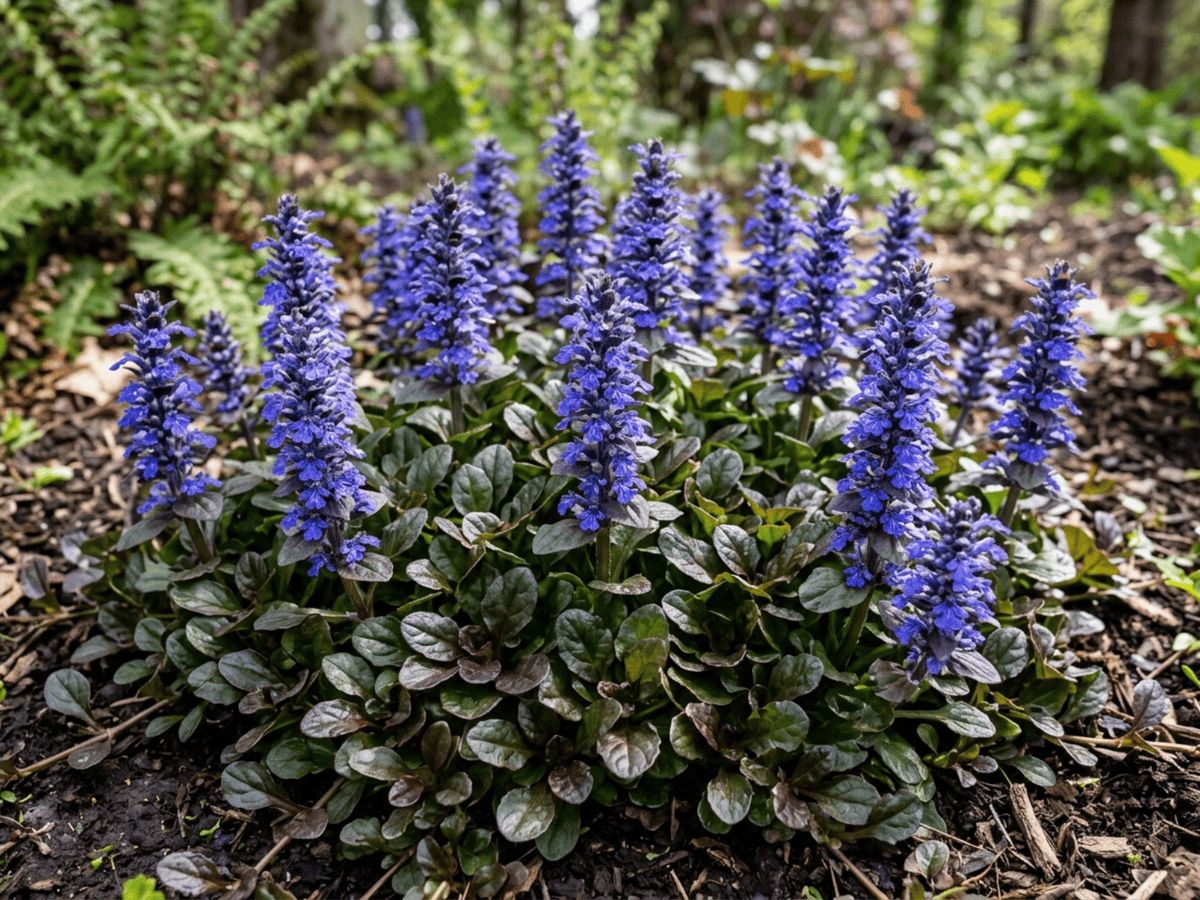
More Ajuga plants
Plants with similar care
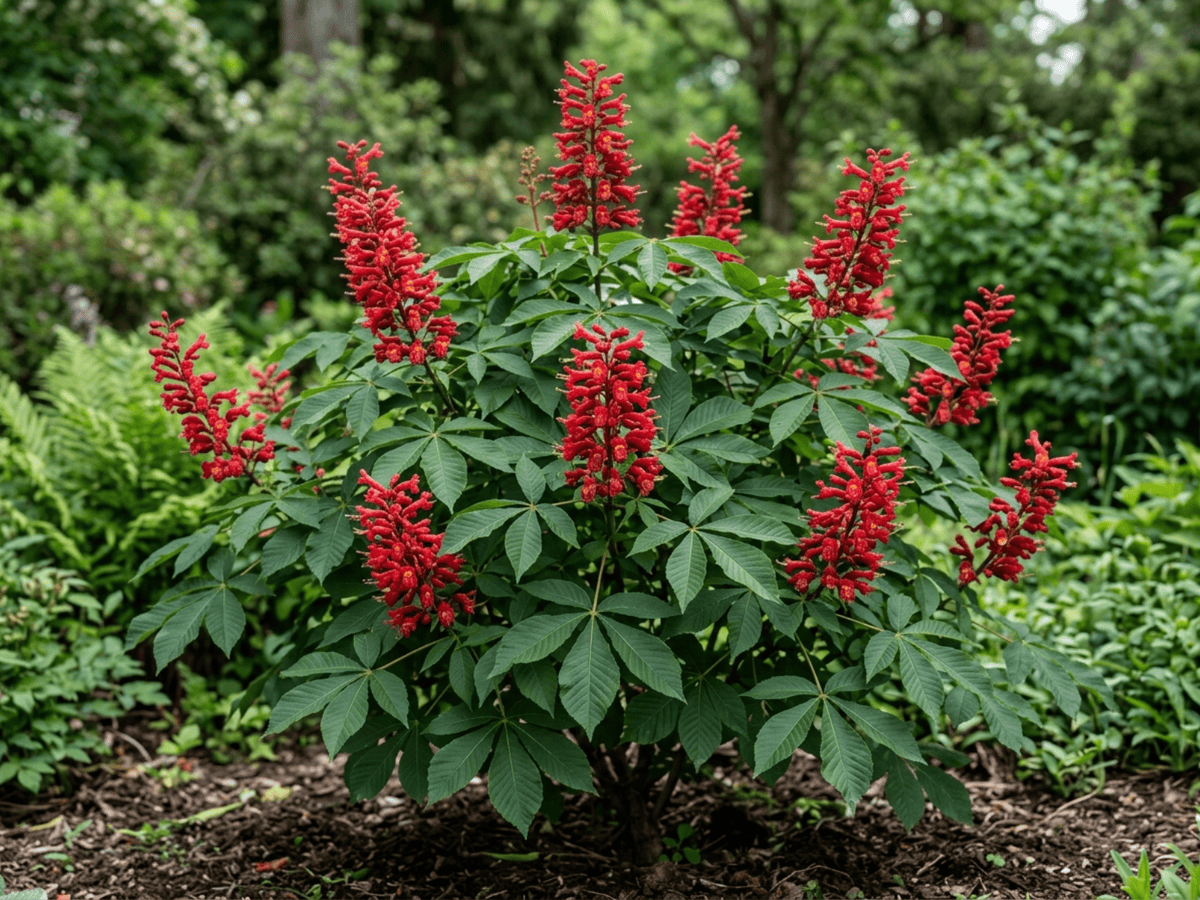 Red BuckeyeAesculus pavia
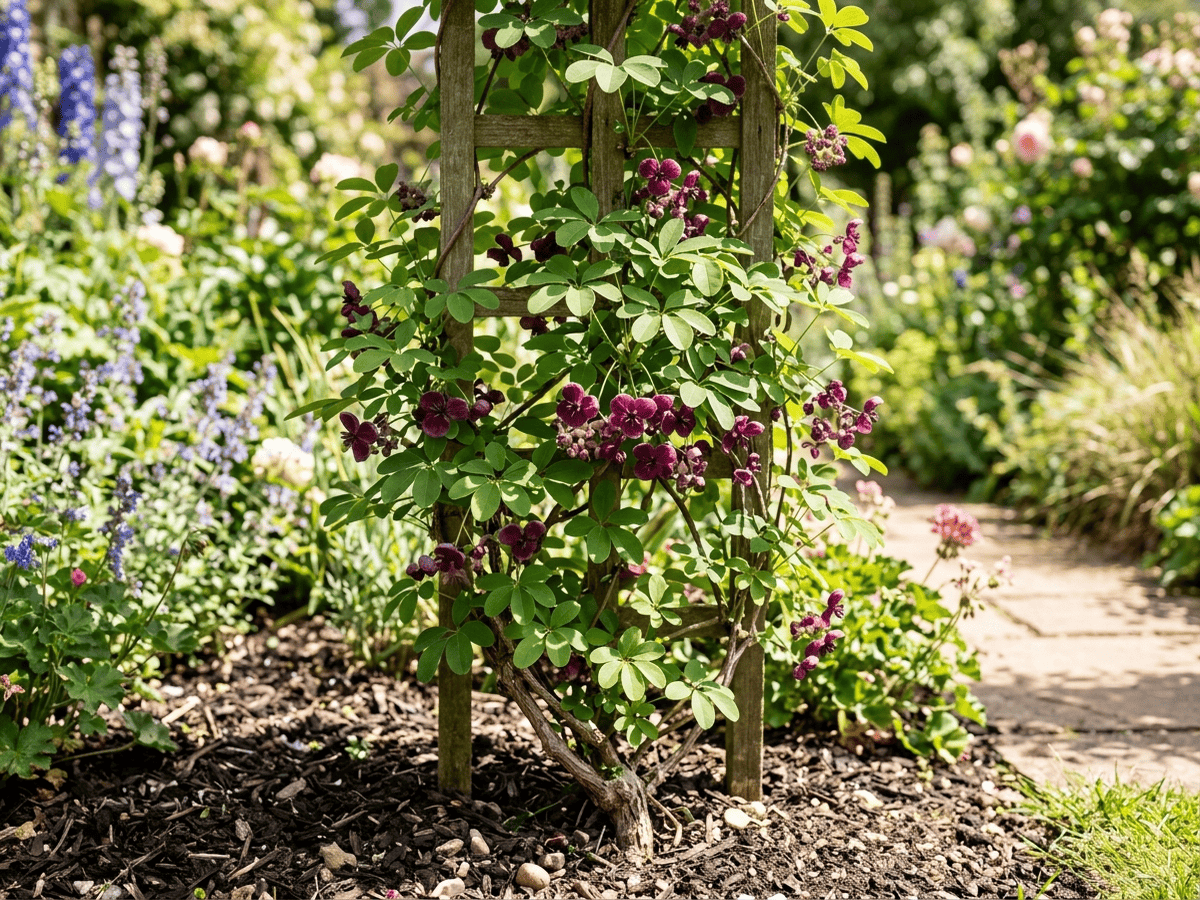 Five-Leaf AkebiaAkebia quinata
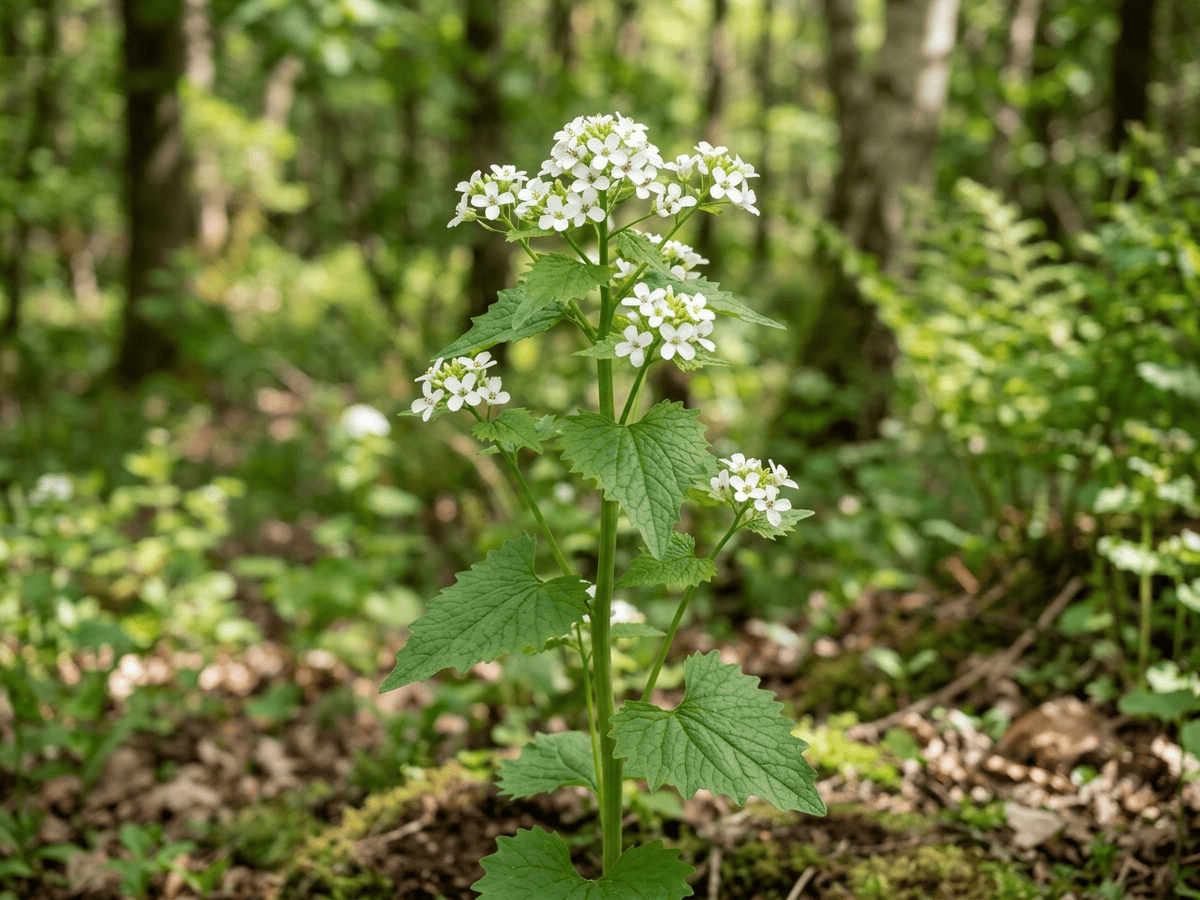 Garlic MustardAlliaria petiolata
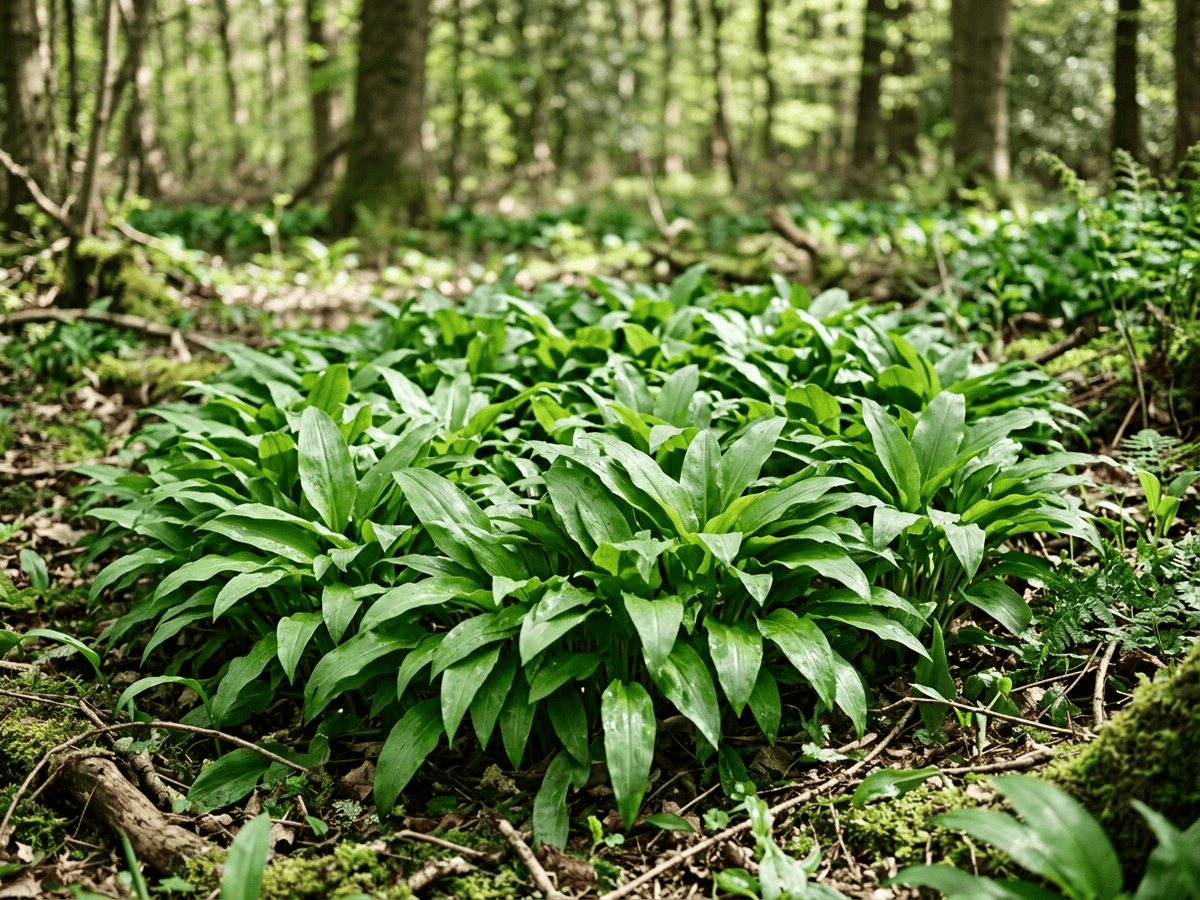 RamsonsAllium ursinum
Frequently asked questions
How often should I water Blue Bugle?
In summer, water about every 7 days; in winter, about every 21 days. Adjust for heat, pot size and drainage.
How much light does Blue Bugle need?
Part shade: 2–4 hrs direct. Watch the leaves — scorching or stretching means the light needs adjusting.
Is Blue Bugle toxic to cats or dogs?
Pets Not reported (Dogs Not reported · Cats Not reported) Educational information, not medical or veterinary advice. If exposure is suspected, contact a doctor or veterinarian.
Is Blue Bugle easy to grow?
Yes — it is considered an easy, beginner-friendly plant.
When does Blue Bugle bloom?
It typically blooms May–Jun in the Northern Hemisphere.
YardMate
Identify any plant in seconds
Snap a photo — YardMate names the plant, diagnoses problems, and reminds you when to water.
Download on the App Store