 YardMate
Tall Kangaroo Paw
Anigozanthos flavidus
Hard · Experienced growersAbout Tall Kangaroo Paw
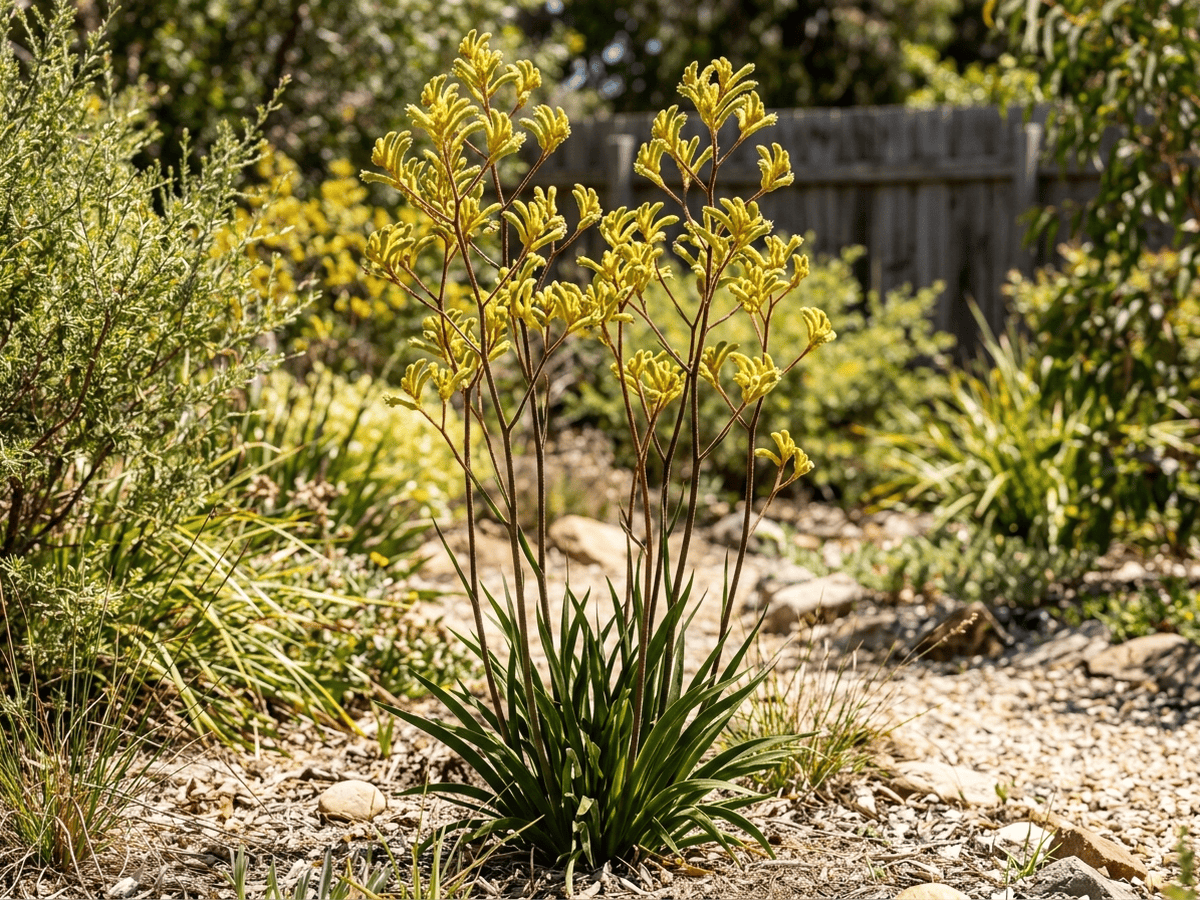
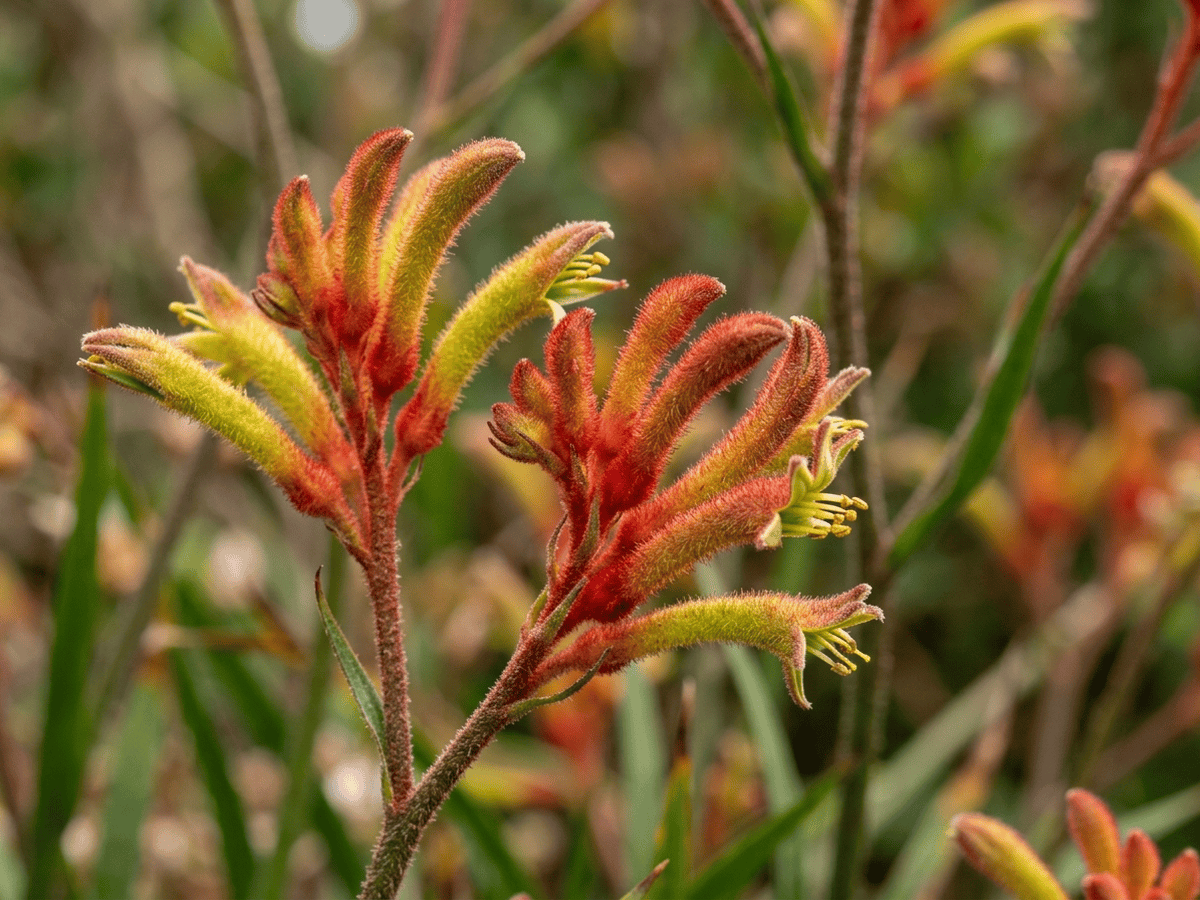
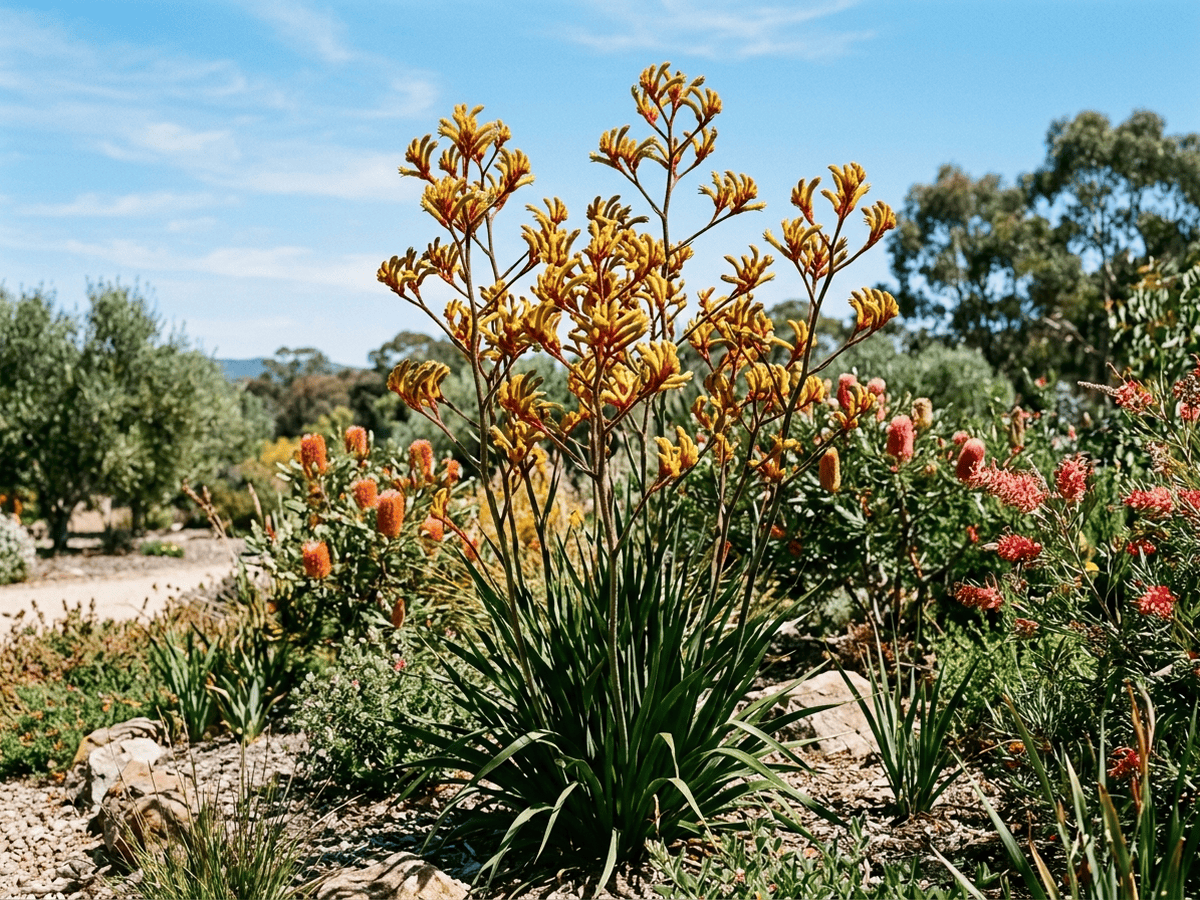
Anigozanthos flavidus, Tall Kangaroo Paw, is the largest and most robust of Western Australia's kangaroo paw species—reaching 4–6 feet in flower—and the most widely cultivated worldwide. Its tall wiry stems bear clusters of tubular flowers densely covered in velvet-like woolly hairs, typically yellow-green to red-orange and shaped unmistakably like an open paw at the tip. This drought-tolerant perennial from southwestern Australia's kwongan heathlands thrives in full sun with excellent drainage, making it ideal for Mediterranean-climate gardens globally and a mainstay of the Australian cut flower trade.
- Drought-tolerant
- Pollinator-friendly
- Showy-fruit
- Evergreen
- Fast-growing
How to care for Tall Kangaroo Paw
Watering
- Springevery 10 days
- Summerevery 7 days
- Fallevery 15 days
- Winterevery 30 days
Soil · Well-draining
- Top dressingPine bark mulch10%
- Main mixPotting soil + perlite 2:170%
- DrainageLECA / gravel20%
Never skip the drainage layer — standing water is the top cause of root rot.
FERTILIZER
Balanced Feed 14-14-14
An even feed covers all three needs at once, keeping leaves, roots and blooms moving together with nothing pushed out of balance.
- Nitrogen · Leaves
- Phosphorus · Roots + Blooms
- Potassium · Strength
- Springevery 60 days
- Summerevery 30 days
- Fallevery 30 days
At a Glance
- NativeAustralia
- Height4–6 ft (1.2–1.8 m)
- Spread2–3 ft (0.6–0.9 m)
- Flower colorRed, Yellow
- Foliage colorGreen
- SoilWell-drained, Loamy, Sandy
- LocationsYard · Balcony
Bloom time
BLOOM CYCLE
Peak bloom
Jun–Aug
This plant produces vibrant flowers during mid-summer, attracting pollinators.
Fragrance
NO FRAGRANCE
Unscented flowers; pollinated by honeyeating birds rather than fragrance-seeking insects.
Toxicity
No toxicity has been reported for this plant. Still, it is wise to keep pets from chewing on any houseplant.
Educational information, not medical or veterinary advice. If exposure is suspected, contact a doctor or veterinarian.
DISTRIBUTION


- Native
- Introduced
- Australia
History
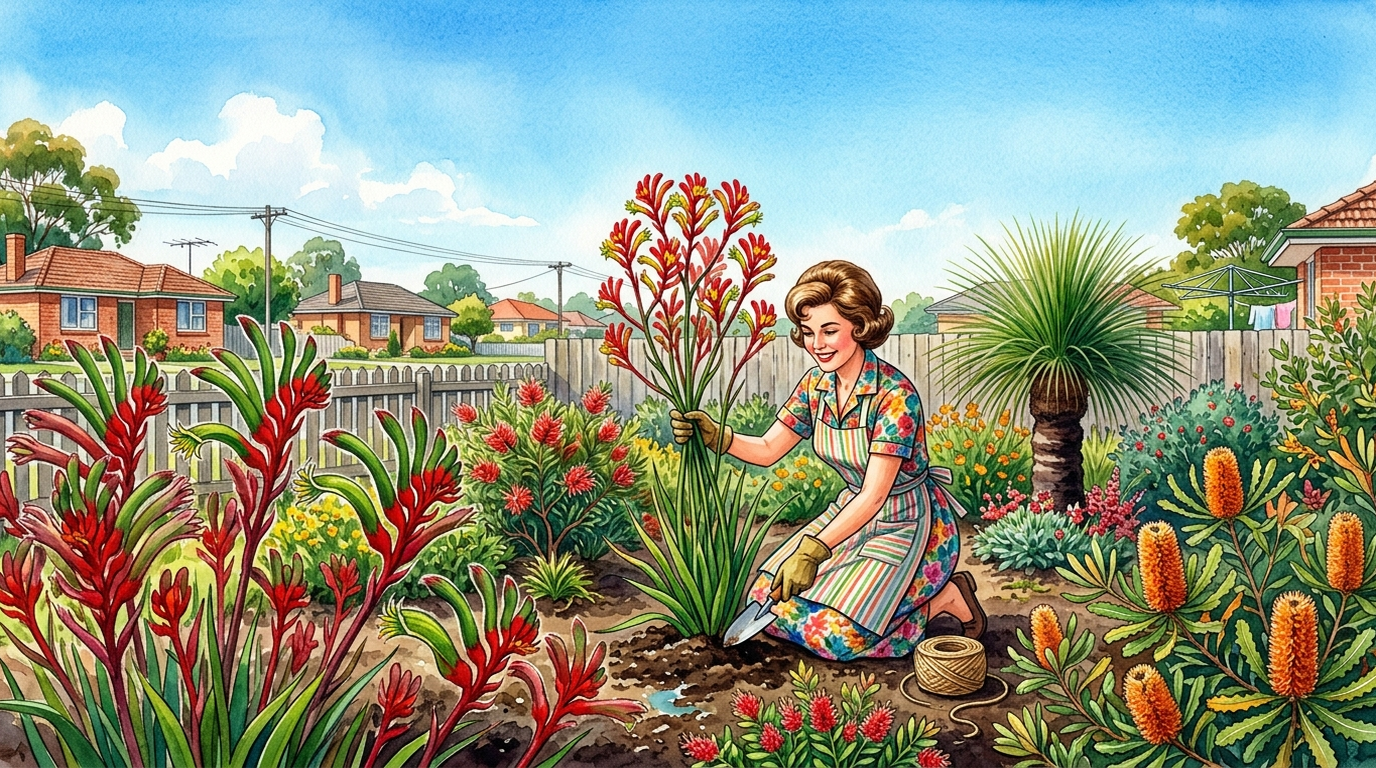
Anigozanthos flavidus is native to the southwestern corner of Western Australia, one of the world's 36 recognized biodiversity hotspots. This corner of Australia was among the last areas systematically documented by European botanists—Scottish naturalist Robert Brown catalogued much of its flora during the Flinders expedition (1801–1805), and the kangaroo paws were among the most distinctive plants he encountered.
The genus name Anigozanthos reflects the Greek for 'unequal flower,' referring to the asymmetric division of the six petals at the flower's tip—the shape that gives the plant its vernacular name. The species epithet flavidus is Latin for 'yellowish,' referring to the typically yellow-green coloration of A. flavidus flowers, though garden selections span red, orange, and bicolor.
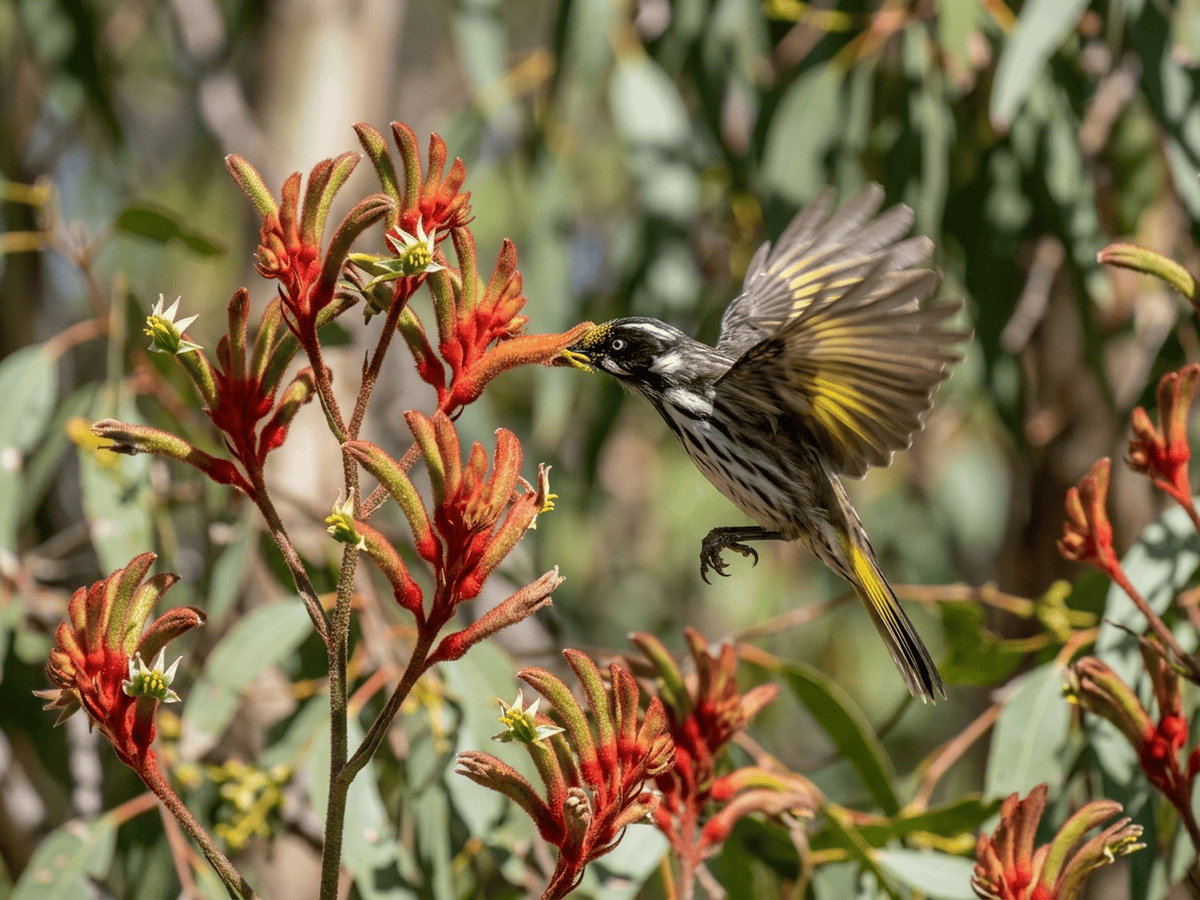
The tubular woolly flowers are exquisitely co-evolved with Australian honeyeaters—nectar-feeding birds including the New Holland Honeyeater—whose heads become dusted with pollen as they probe deep into the tubes. The vivid colors are adapted to bird vision, not insect vision, and the flowers produce no fragrance because birds do not require it.
In the early twentieth century, kangaroo paws remained curiosities in European botanical gardens but were rarely cultivated in their homeland. The turning point came in 1960 when Western Australia officially declared Anigozanthos manglesii its state floral emblem—sparking a wave of pride in native plants. A. flavidus, the tallest and most adaptable species, became the centerpiece of the growing native plant movement. By the 1980s, it was a staple of the global cut flower trade, prized for stems that hold color for weeks. Today, Australian plant breeders have produced over 100 hybrid cultivars of kangaroo paw, many derived from A. flavidus.
Symbolism & meaning
What It Symbolizes
It looks like a paw because that's what works for a bird. The tubular shape, the velvet surface, the color visible to bird eyes—every feature is a negotiation with the honeyeaters that pollinate it. Tall Kangaroo Paw is a flower built for Australia, and it shows.
- Australian identity — Born in a biodiversity hotspot at the far corner of Australia, shaped like nothing in European gardens—kangaroo paw became a symbol of the Australian native garden movement.
- bird alliance — Every detail—the velvet hairs, the shape, the color—evolved for birds, not insects. A flower that chose a different pollinator and built itself around that relationship entirely.
Where the Name Comes From
Anigozanthos derives from Greek anisos (unequal) and anthos (flower), referring to the asymmetrically split petals at the flower tip that form the paw shape. The species epithet flavidus is Latin for 'yellowish' or 'pale yellow,' describing the characteristic yellow-green flower color of this species.
Uses & Fun Facts
- Tall stems with velvety textured flowers last weeks in vases; a staple of the Australian and international cut flower trade, prized for unusual shape and long vase life
- Tubular flowers co-evolved with Australian honeyeaters—nectar-feeding birds whose heads collect pollen while probing deep into the tubes; excellent for bird gardens
- Striking vertical accent for Mediterranean-climate gardens; extremely drought-tolerant once established; sold worldwide as a garden perennial and container plant
Related plants
Plants with similar care
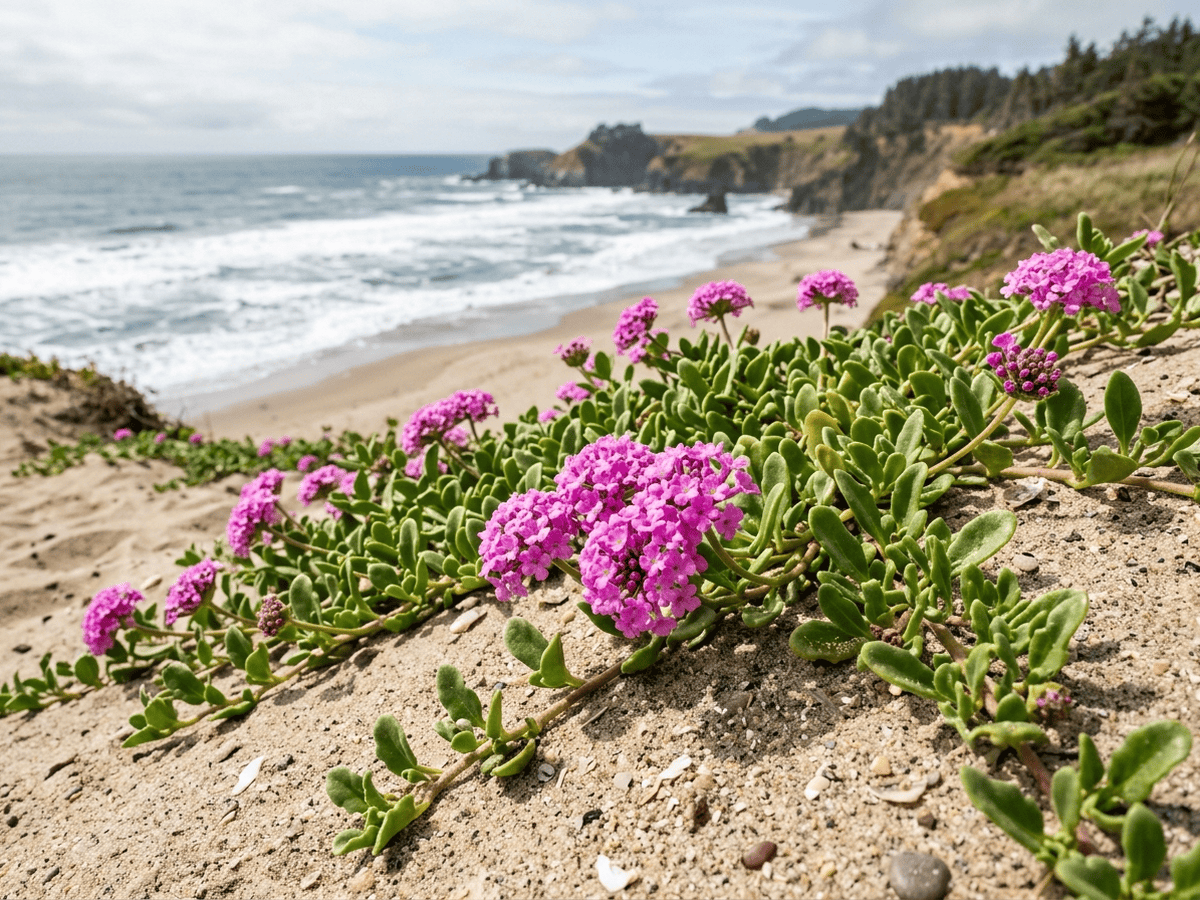 Pink Sand VerbenaAbronia umbellata
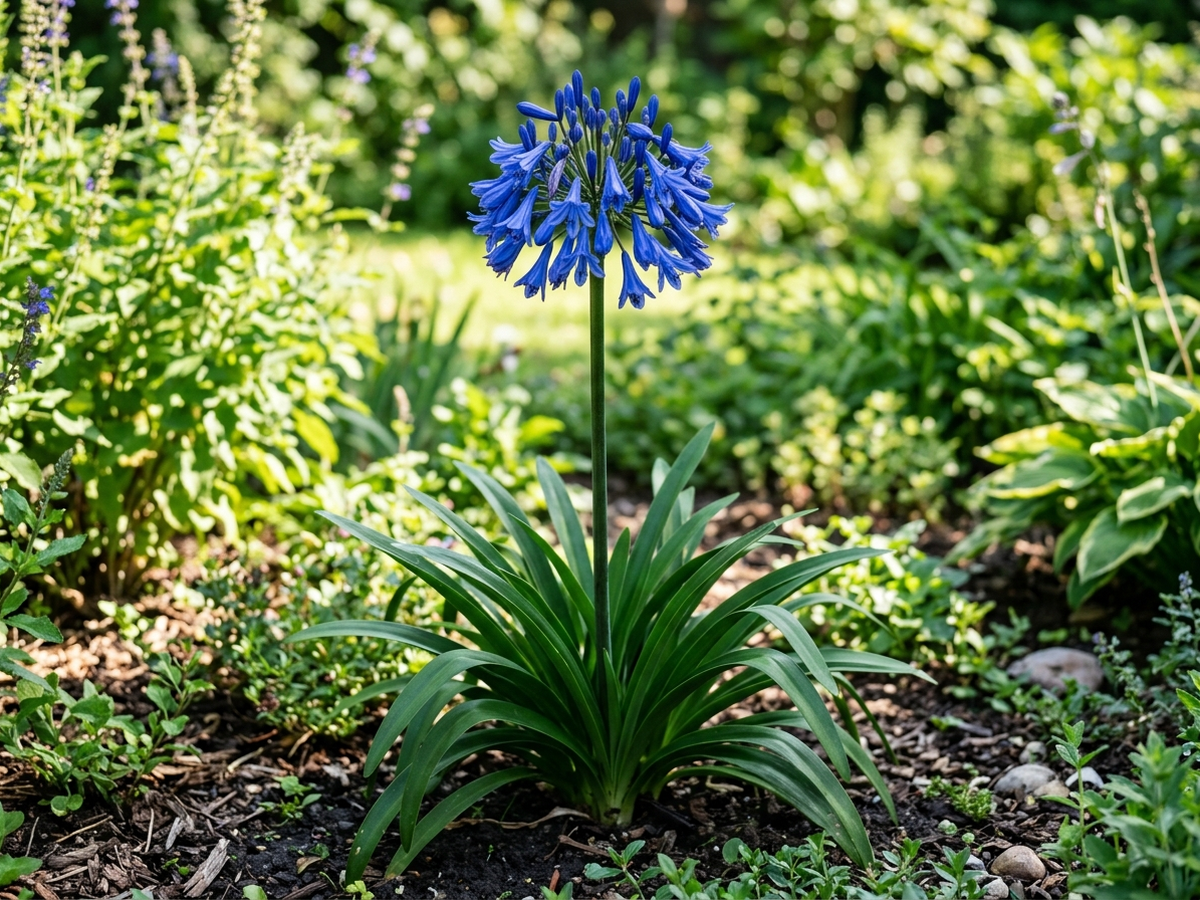 Drooping AgapanthusAgapanthus inapertus
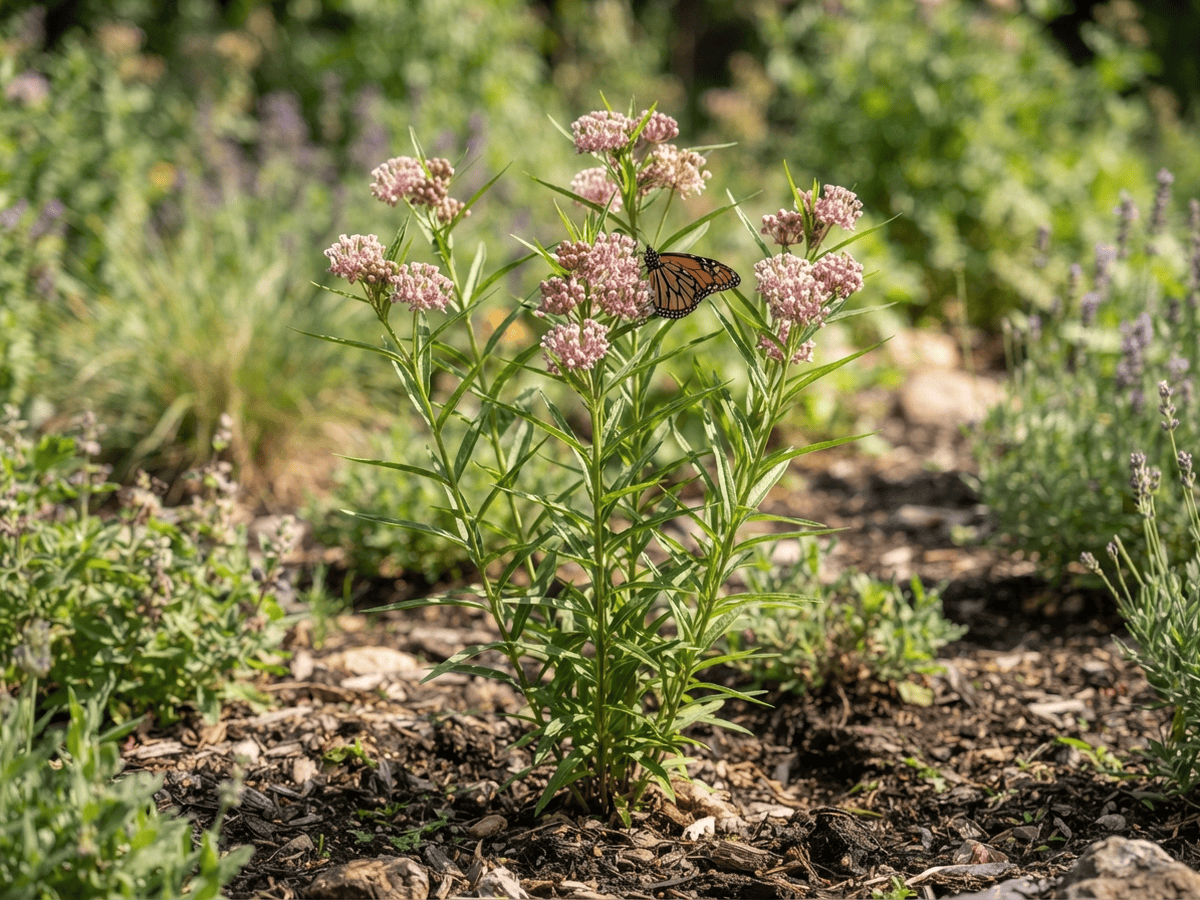 Narrowleaf MilkweedAsclepias fascicularis
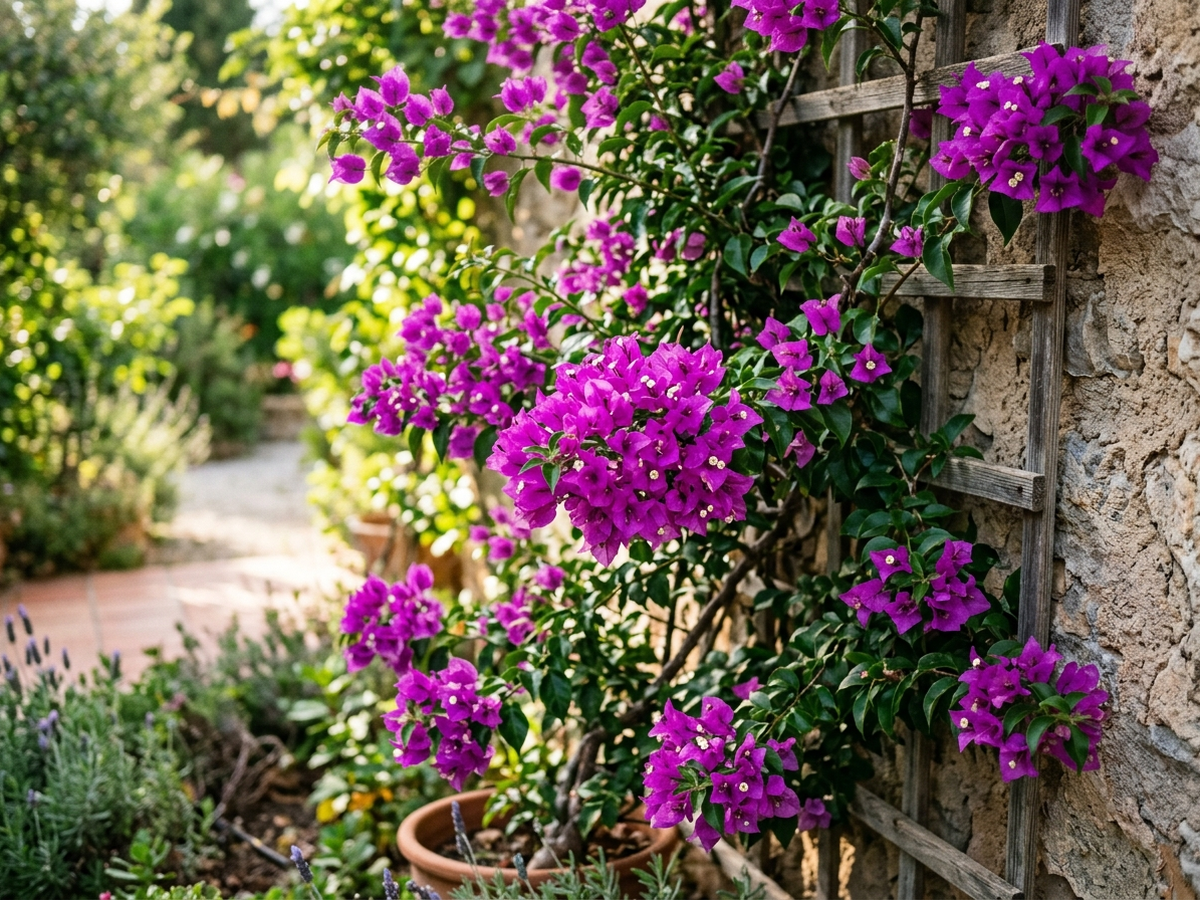 Scarlet BougainvilleaBougainvillea × buttiana
Frequently asked questions
How often should I water Tall Kangaroo Paw?
In summer, water about every 7 days; in winter, about every 30 days. Adjust for heat, pot size and drainage.
How much light does Tall Kangaroo Paw need?
Full sun: 6+ hrs direct. Watch the leaves — scorching or stretching means the light needs adjusting.
Is Tall Kangaroo Paw toxic to cats or dogs?
No toxicity has been reported for this plant. Still, it is wise to keep pets from chewing on any houseplant. Educational information, not medical or veterinary advice. If exposure is suspected, contact a doctor or veterinarian.
Is Tall Kangaroo Paw easy to grow?
It is considered challenging and rewards experienced growers.
When does Tall Kangaroo Paw bloom?
It typically blooms Jun–Aug in the Northern Hemisphere.
YardMate
Identify any plant in seconds
Snap a photo — YardMate names the plant, diagnoses problems, and reminds you when to water.
Download on the App Store