 YardMate

Narrowleaf Milkweed
Asclepias fascicularis
Hard · Experienced growersAbout Narrowleaf Milkweed
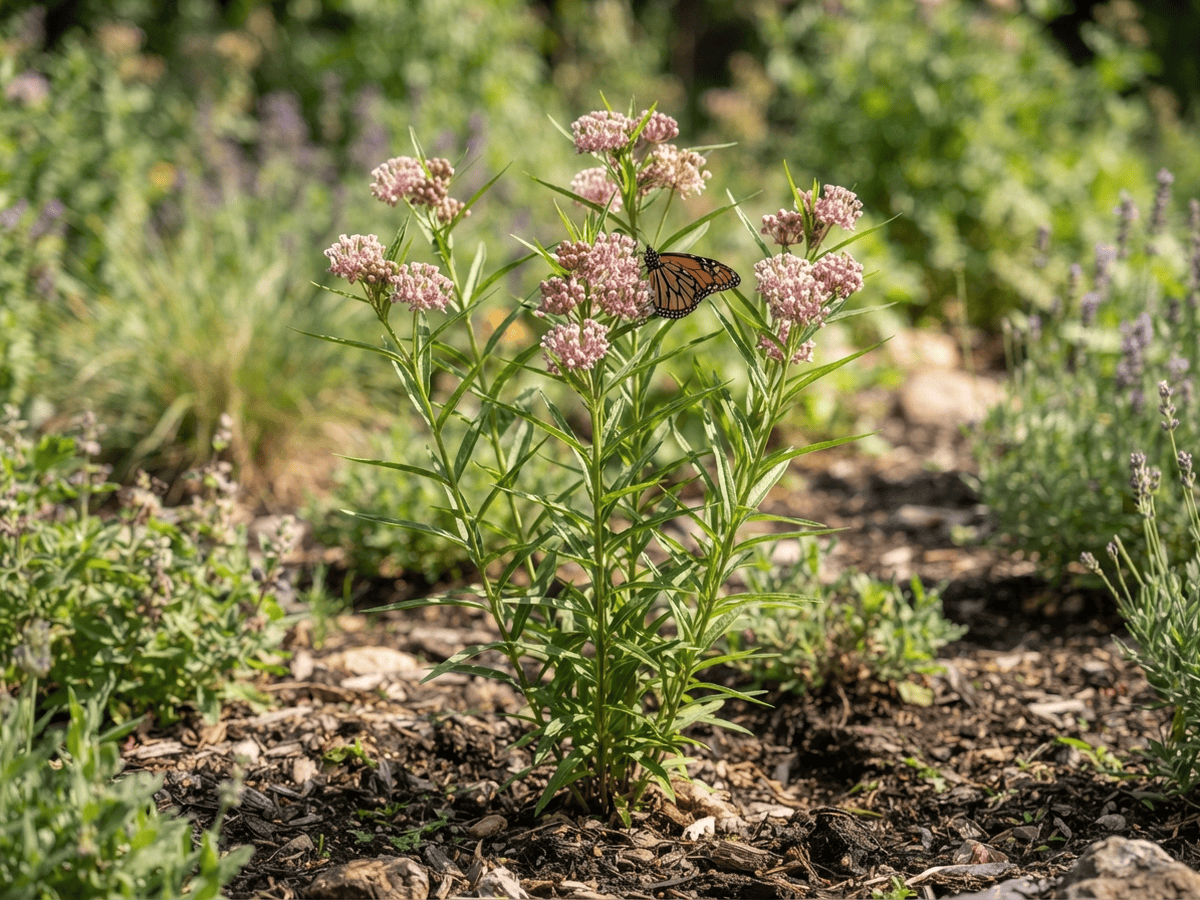
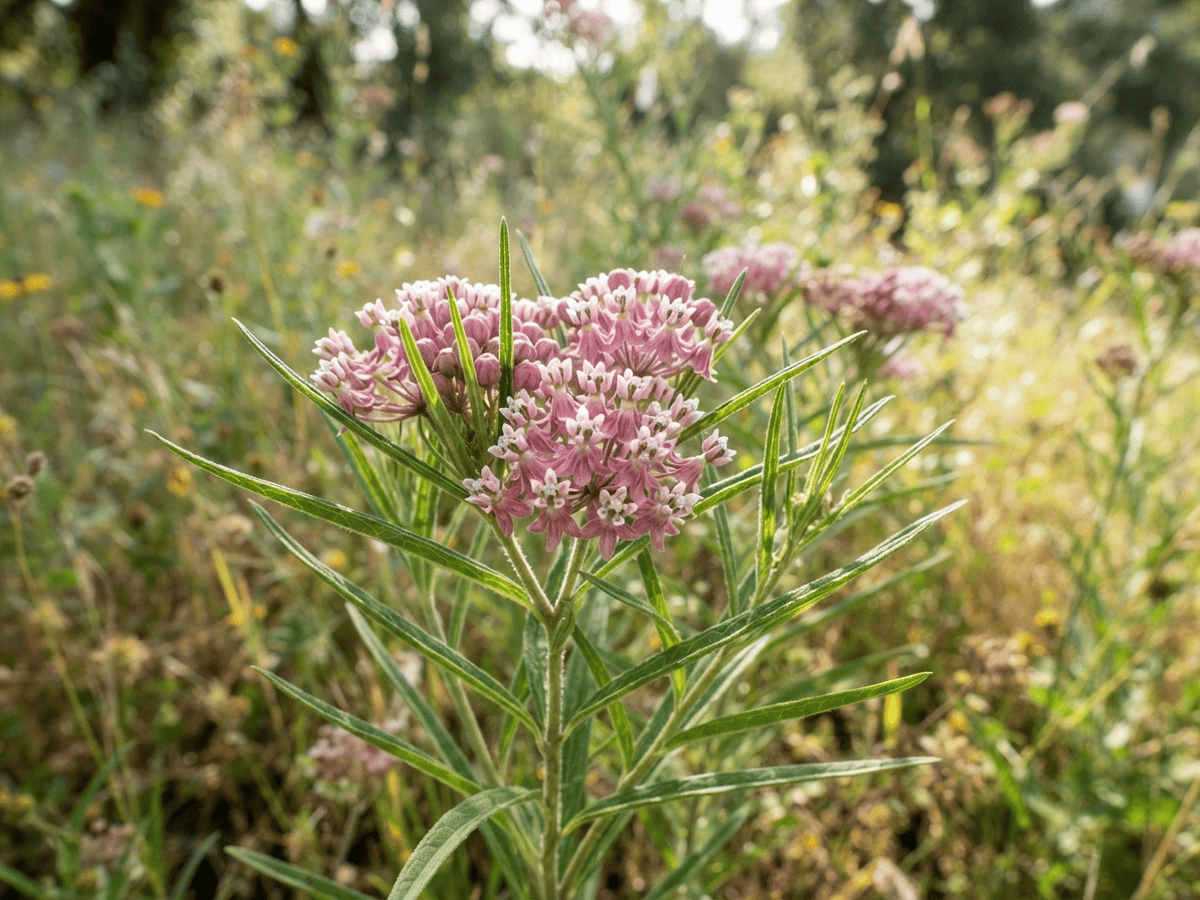
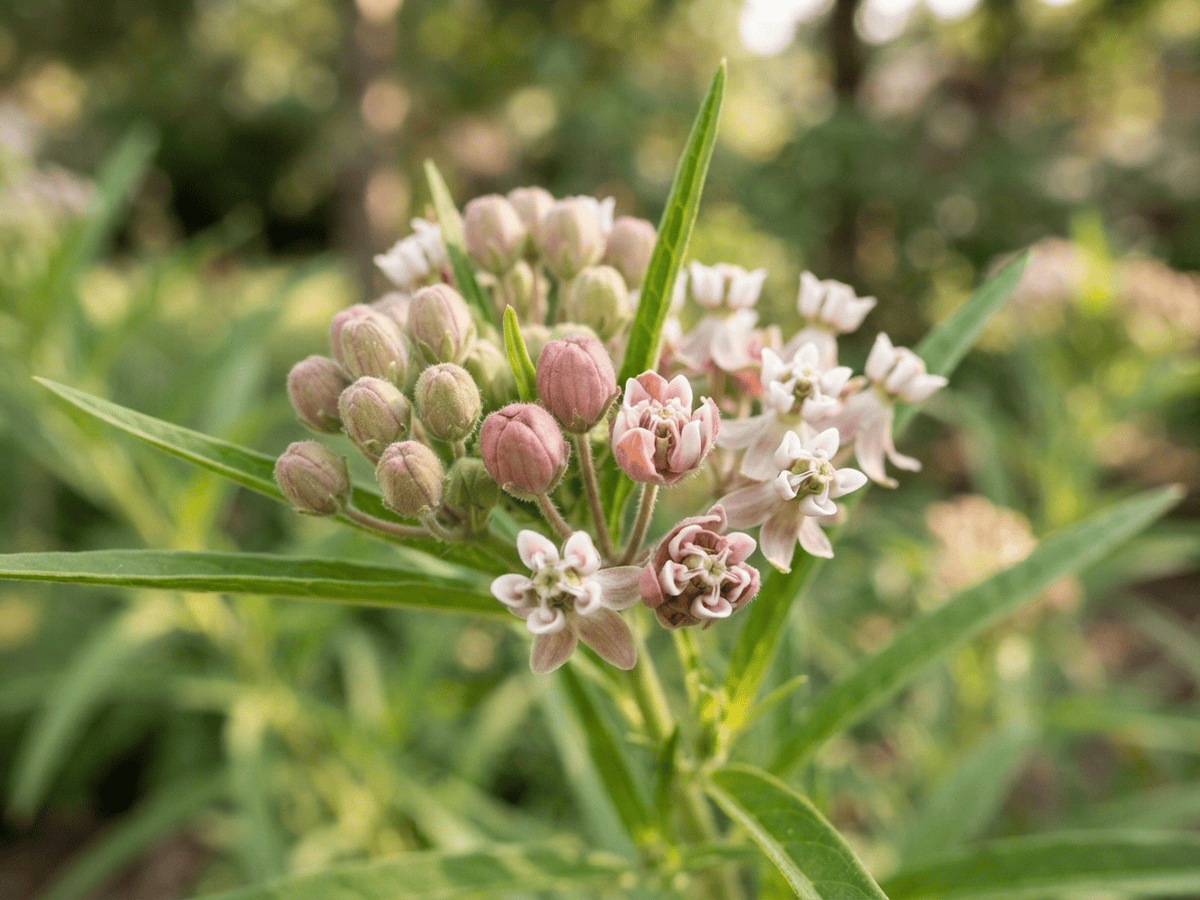
Narrowleaf Milkweed is a slender perennial wildflower native to the dry hillsides, streambanks, and open grasslands of California and the American Southwest. Its thin, willow-like leaves grow in whorled clusters along upright stems, topped by loose umbels of small, pale pink to lavender flowers from late spring through summer. Snapping a stem releases a milky, bitter sap that has long deterred grazing animals. Beyond its garden appeal, Narrowleaf Milkweed is the primary host plant for Monarch butterfly caterpillars along the Pacific Flyway, making it a cornerstone of California habitat-restoration plantings and a magnet for native bees and butterflies alike.
- Pollinator-friendly
- Drought-tolerant
- Deciduous
- Spreading
How to care for Narrowleaf Milkweed
Watering
- Springevery 10 days
- Summerevery 7 days
- Fallevery 15 days
- Winterpause watering
Soil · Well-draining
- Top dressingPine bark mulch10%
- Main mixPotting soil + perlite 2:170%
- DrainageLECA / gravel20%
Never skip the drainage layer — standing water is the top cause of root rot.
FERTILIZER
- Springevery 30 days
- Summerevery 30 days
At a Glance
- NativeNorth America
- Height2–3 ft (0.6–0.9 m)
- Spread2–3 ft (0.6–0.9 m)
- Flower colorPink, Purple
- Foliage colorGreen
- Fruit colorBrown
- SoilWell-drained, Loamy
- LocationsYard · Patio
Bloom time
BLOOM CYCLE
Peak bloom
Apr–Aug
The flowers of this plant attract many pollinators, blooming from April to August.
Fragrance
LIGHT FRAGRANCE
A faint, sweet honey-like scent from the flower clusters, most noticeable on warm afternoons.
Toxicity
Pets Moderate
cardenolides (cardiac glycosides)
Unknown
EXPOSURE No exposure route is reported.
EFFECT No toxic effect is reported.
NOTE Toxicity for humans is not well documented; use caution until verified.
Moderate
- All
- Ingestion
EXPOSURE Eating any part of the plant.
EFFECT Vomiting, diarrhea, hypersalivation, weakness, and cardiac arrhythmia in large doses.
NOTE All parts contain toxic cardenolides; the milky sap can also irritate skin and eyes on contact.
Moderate
- All
- Ingestion
EXPOSURE Eating any part of the plant.
EFFECT Vomiting, diarrhea, hypersalivation, weakness, and cardiac arrhythmia in large doses.
NOTE All parts contain toxic cardenolides; the milky sap can also irritate skin and eyes on contact.
Educational information, not medical or veterinary advice. If exposure is suspected, contact a doctor or veterinarian.
DISTRIBUTION


- Native
- North America
History
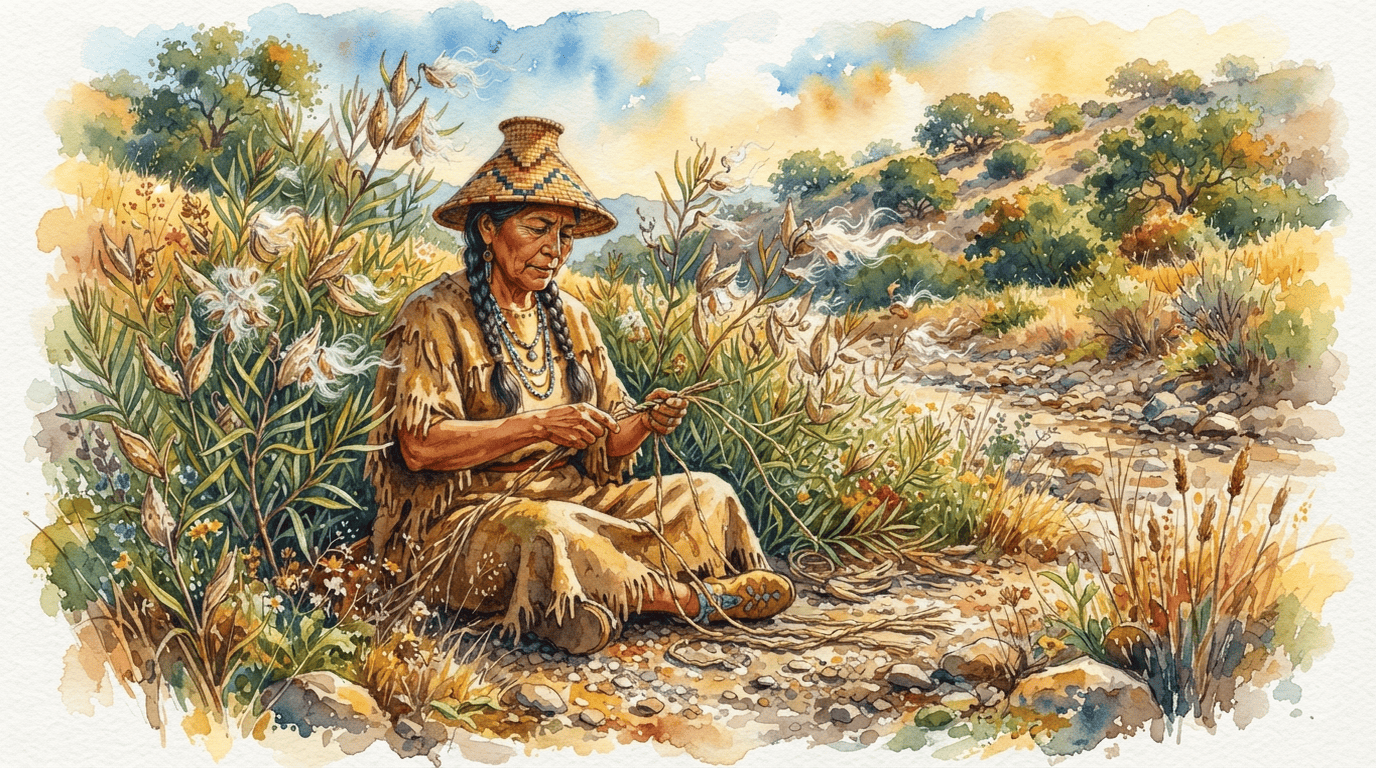
Long before Narrowleaf Milkweed became a favorite of habitat gardeners, California's Indigenous peoples relied on it as a source of fiber. After the stalks dried in late summer, harvesters would split them open and strip out the tough inner fibers, twisting the strands by hand into cordage strong enough for fishing nets, snares, and sandals. Chumash, Miwok, and other Native Californian communities passed this skill down for generations, prizing Narrowleaf Milkweed alongside other native fiber plants for its abundance along streambanks and disturbed open ground.
The plant's more widely known role emerged much later. As Monarch butterfly populations began a steep decline through the twentieth century, biologists confirmed that milkweed is the caterpillars' only food source — female Monarchs will lay their eggs on no other plant. Narrowleaf Milkweed, native and widespread across the West, became a centerpiece of restoration work along the Pacific Flyway, the migratory corridor Western Monarchs follow between California's coastal overwintering groves and inland breeding grounds. Today, community seed-collection projects and native habitat gardens deliberately plant Narrowleaf Milkweed to rebuild the broken link between butterfly and flower, turning what was once an overlooked wayside plant into a quiet symbol of ecological repair.
Symbolism & meaning
What It Symbolizes
Because Monarch butterflies lay their eggs exclusively on milkweed, Narrowleaf Milkweed has come to symbolize transformation and rebirth. Conservationists planting it across California see each new stand as a small act of restoring an ancient, fragile partnership between plant and butterfly.
- Transformation — As the sole host plant for Monarch caterpillars, Narrowleaf Milkweed has become a living symbol of metamorphosis and renewal in California's restoration gardens.
- Resilience — Thriving in dry, disturbed soils where little else takes hold, it quietly represents endurance and recovery.
Where the Name Comes From
The genus name Asclepias honors Asklepios, the Greek god of medicine, a nod to the milkweed family's long history in folk remedies. The species name fascicularis comes from the Latin fasciculus, meaning 'small bundle,' describing how the narrow leaves cluster in whorled bundles along the stem.
Uses & Fun Facts
- Primary host plant for Monarch butterfly caterpillars along the Pacific Flyway
- Nectar source for native bees, butterflies, and other pollinators
- Stem fibers were traditionally twisted into cordage, nets, and sandals by California Indigenous peoples
Related plants
More Asclepias plants

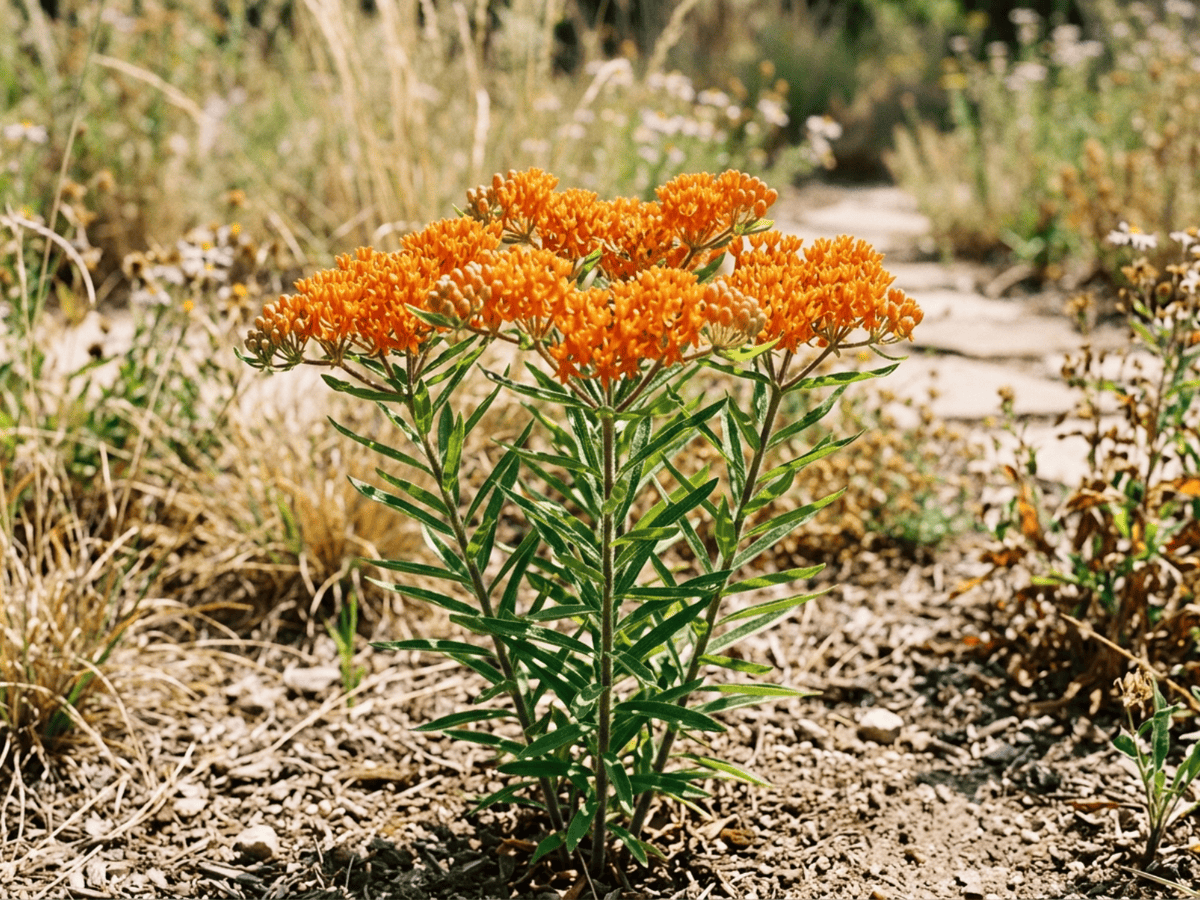
Plants with similar care
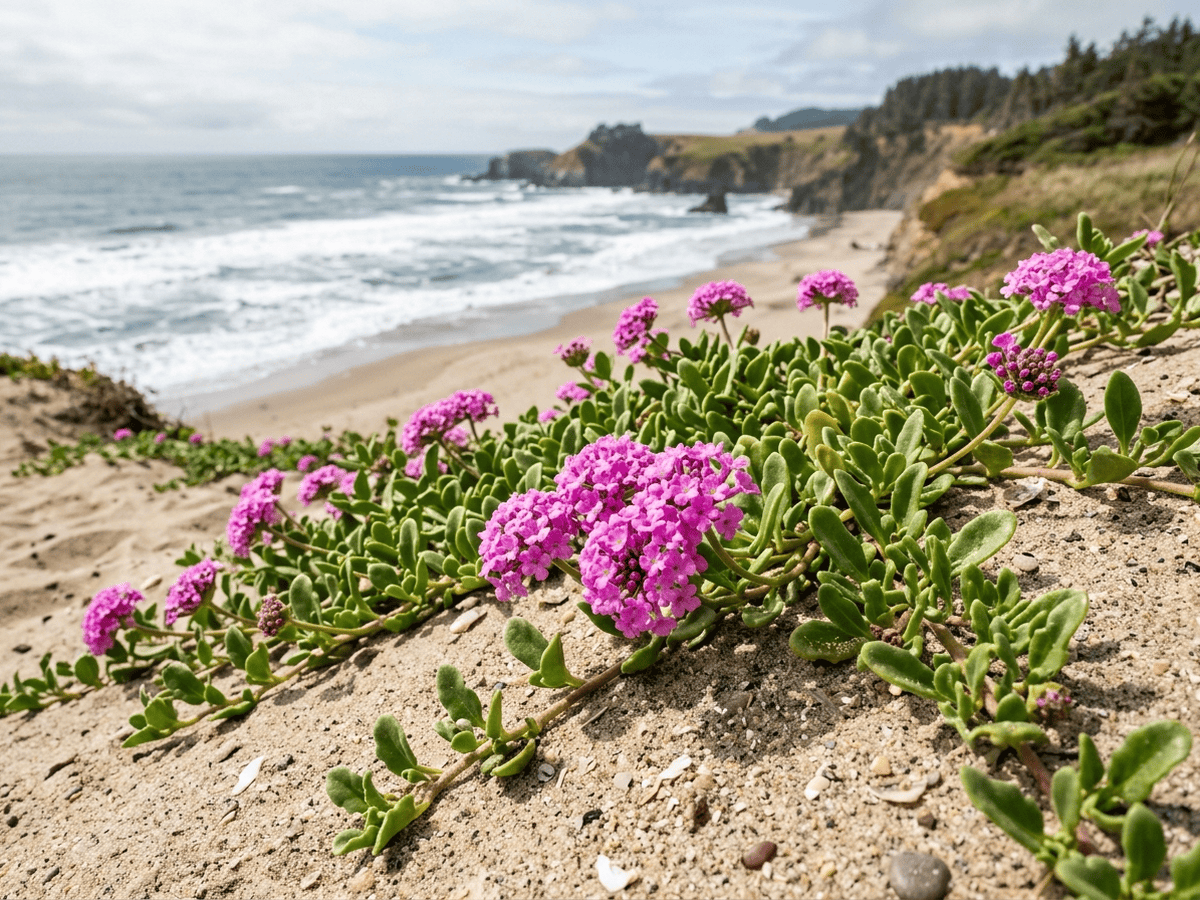 Pink Sand VerbenaAbronia umbellata
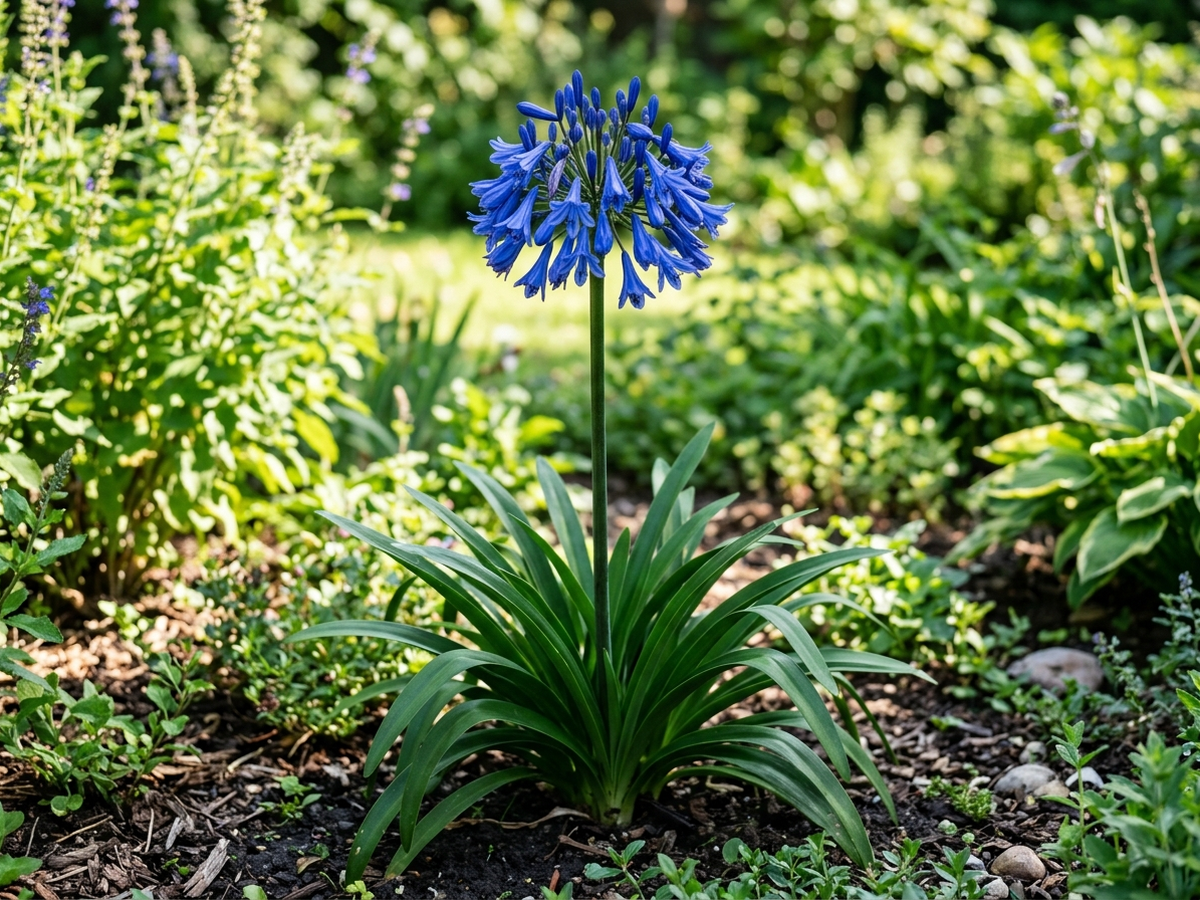 Drooping AgapanthusAgapanthus inapertus
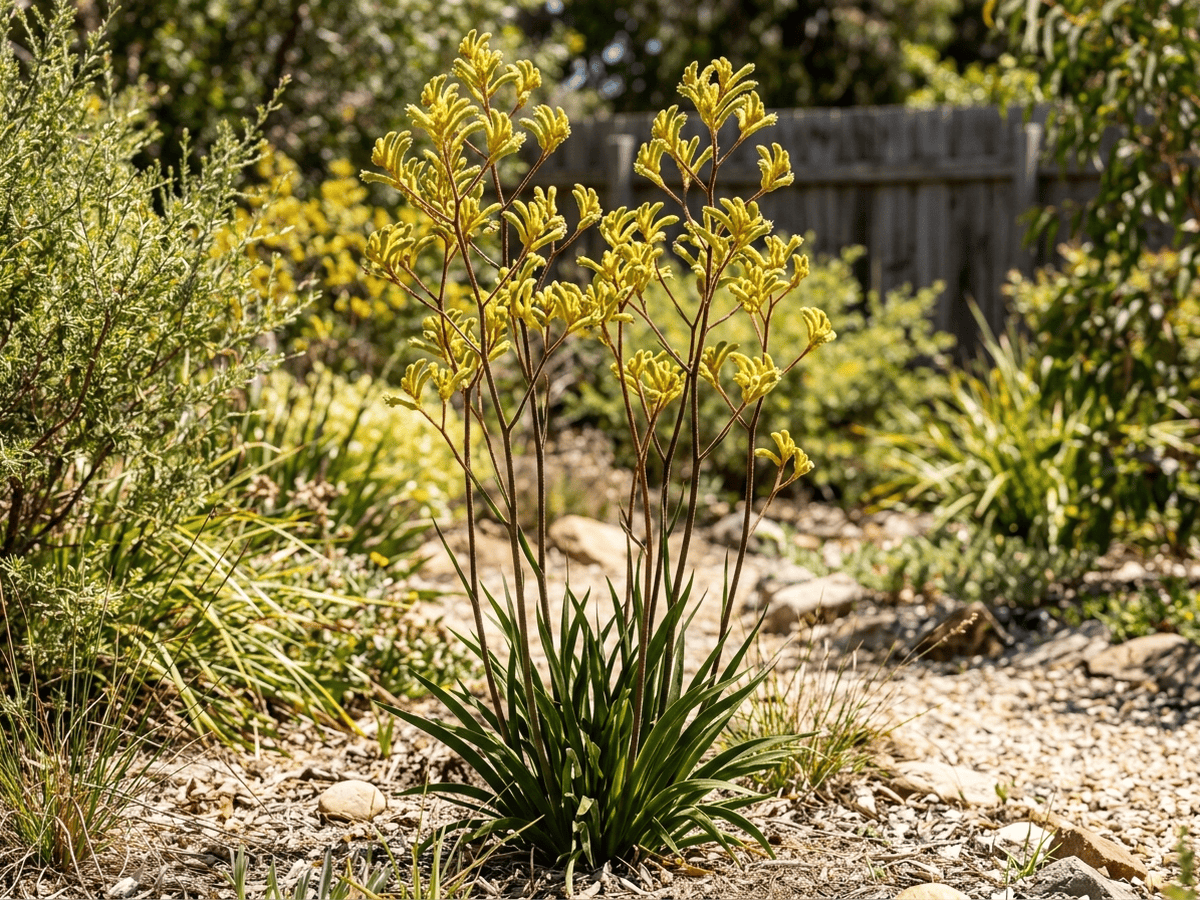 Tall Kangaroo PawAnigozanthos flavidus
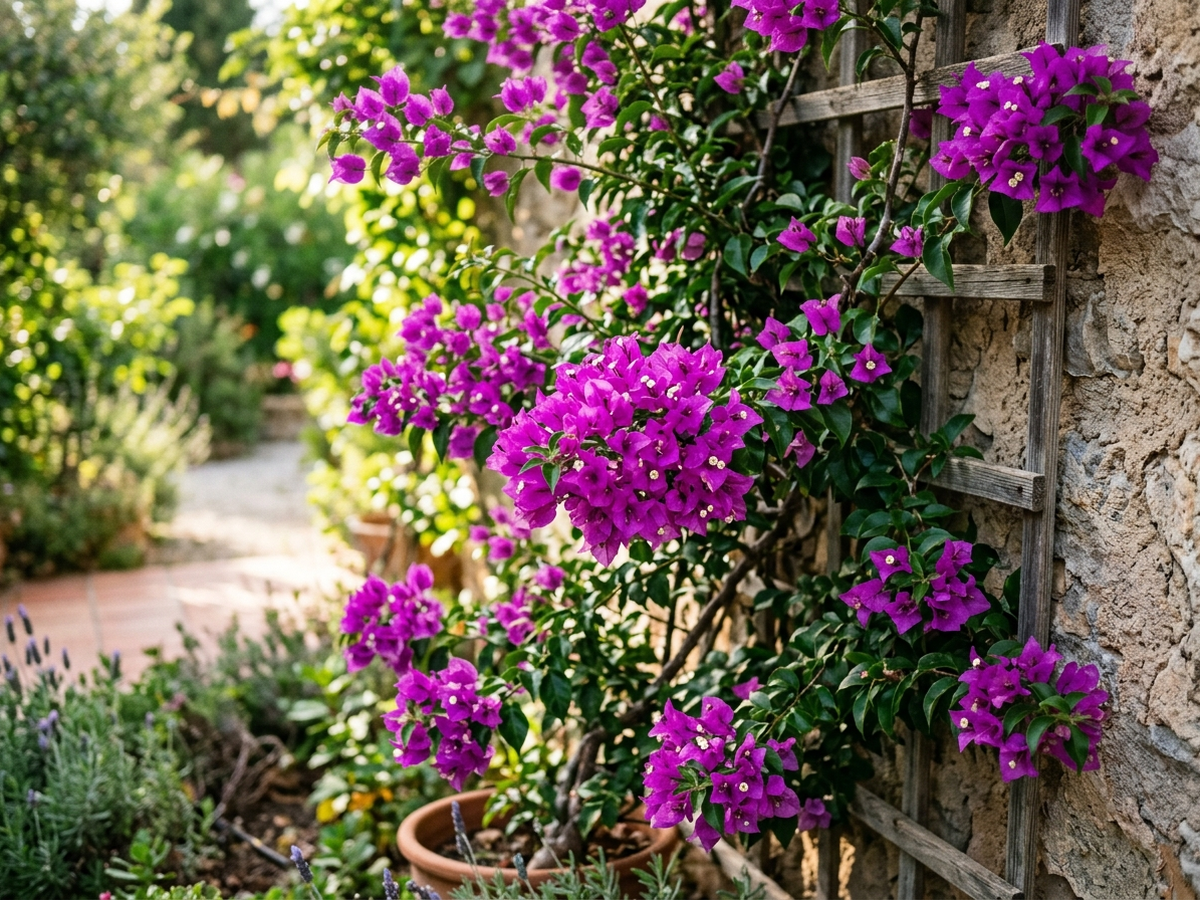 Scarlet BougainvilleaBougainvillea × buttiana
Frequently asked questions
How often should I water Narrowleaf Milkweed?
Water about every 10 days during the growing season, and always let excess water drain away.
How much light does Narrowleaf Milkweed need?
Full sun: 6+ hrs direct. Watch the leaves — scorching or stretching means the light needs adjusting.
Is Narrowleaf Milkweed toxic to cats or dogs?
Pets Moderate (Dogs Moderate · Cats Moderate) Educational information, not medical or veterinary advice. If exposure is suspected, contact a doctor or veterinarian.
Is Narrowleaf Milkweed easy to grow?
It is considered challenging and rewards experienced growers.
When does Narrowleaf Milkweed bloom?
It typically blooms Apr–Aug in the Northern Hemisphere.
YardMate
Identify any plant in seconds
Snap a photo — YardMate names the plant, diagnoses problems, and reminds you when to water.
Download on the App Store