 YardMate

Drooping Agapanthus
Agapanthus inapertus
Hard · Experienced growersAbout Drooping Agapanthus
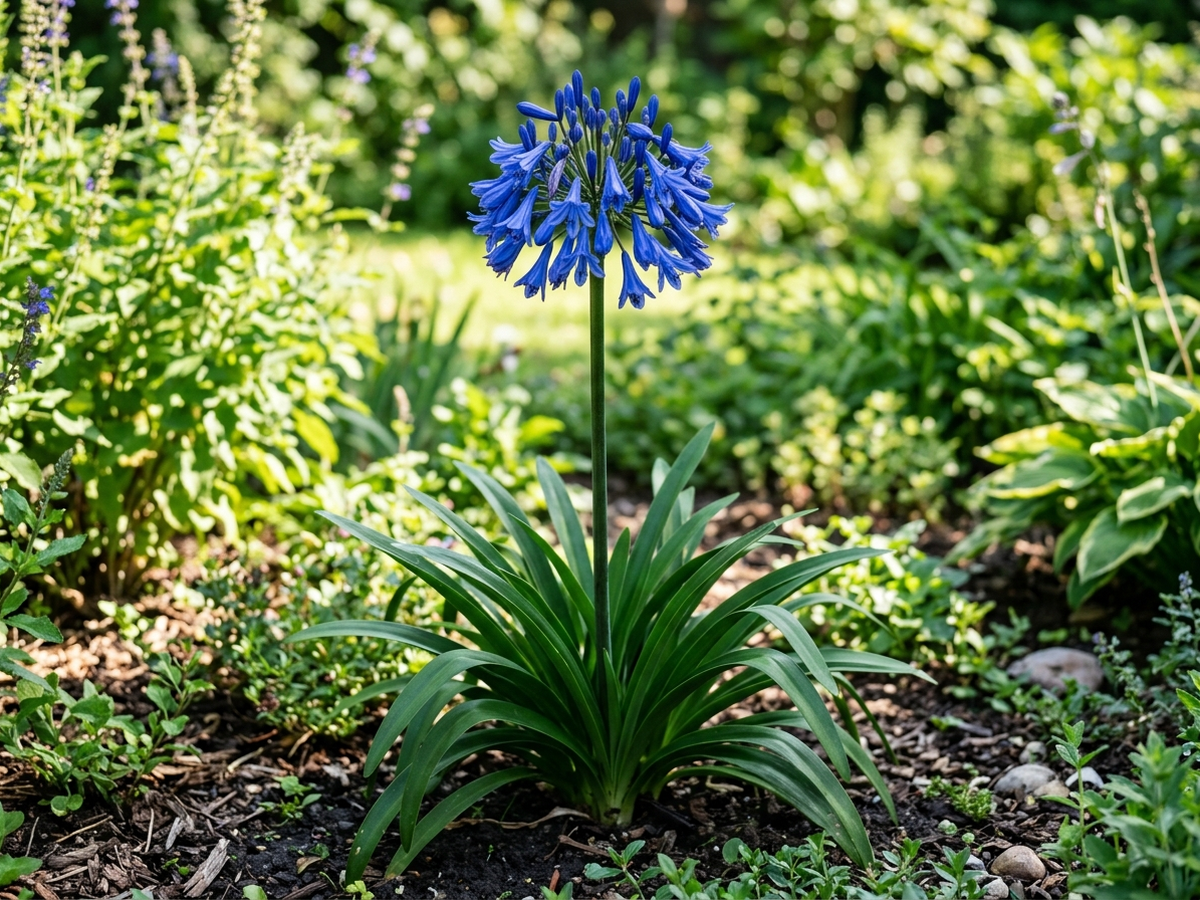
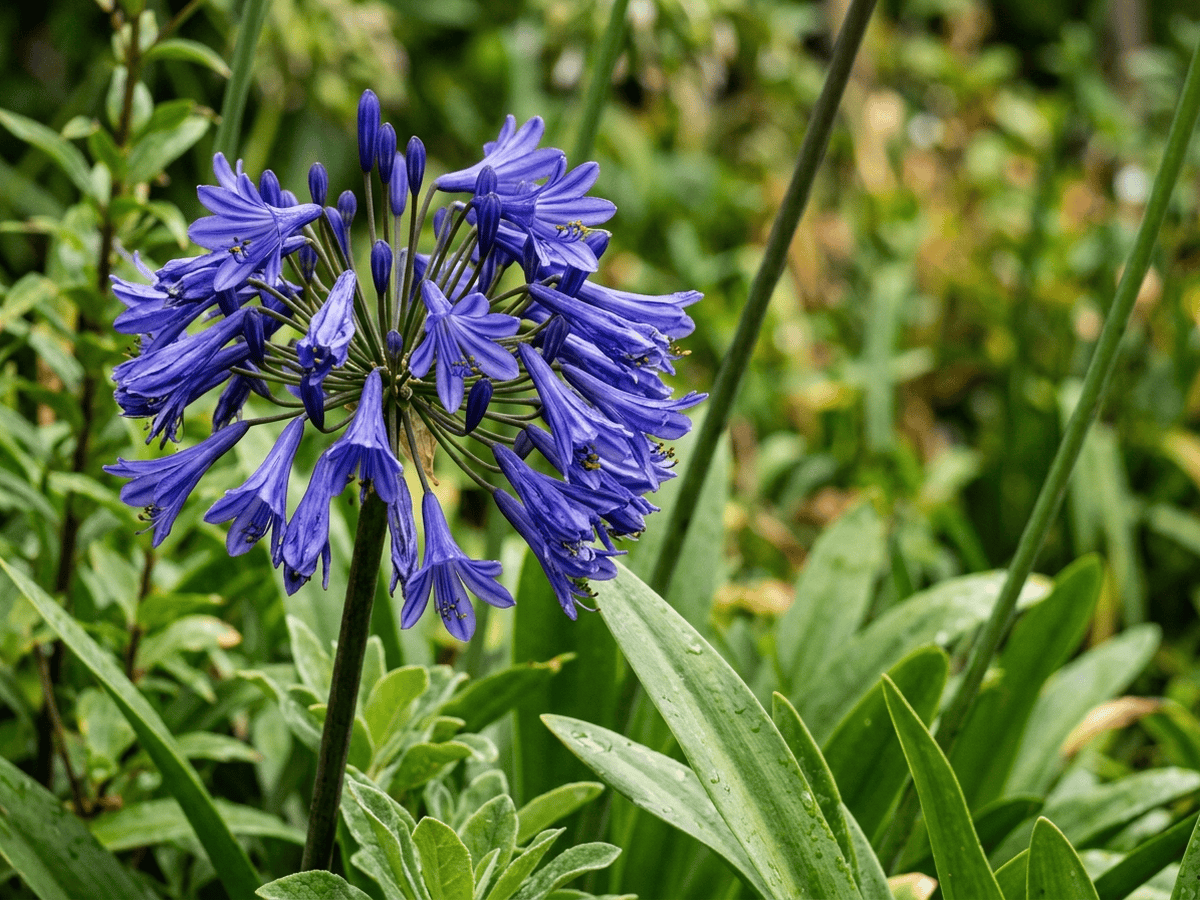
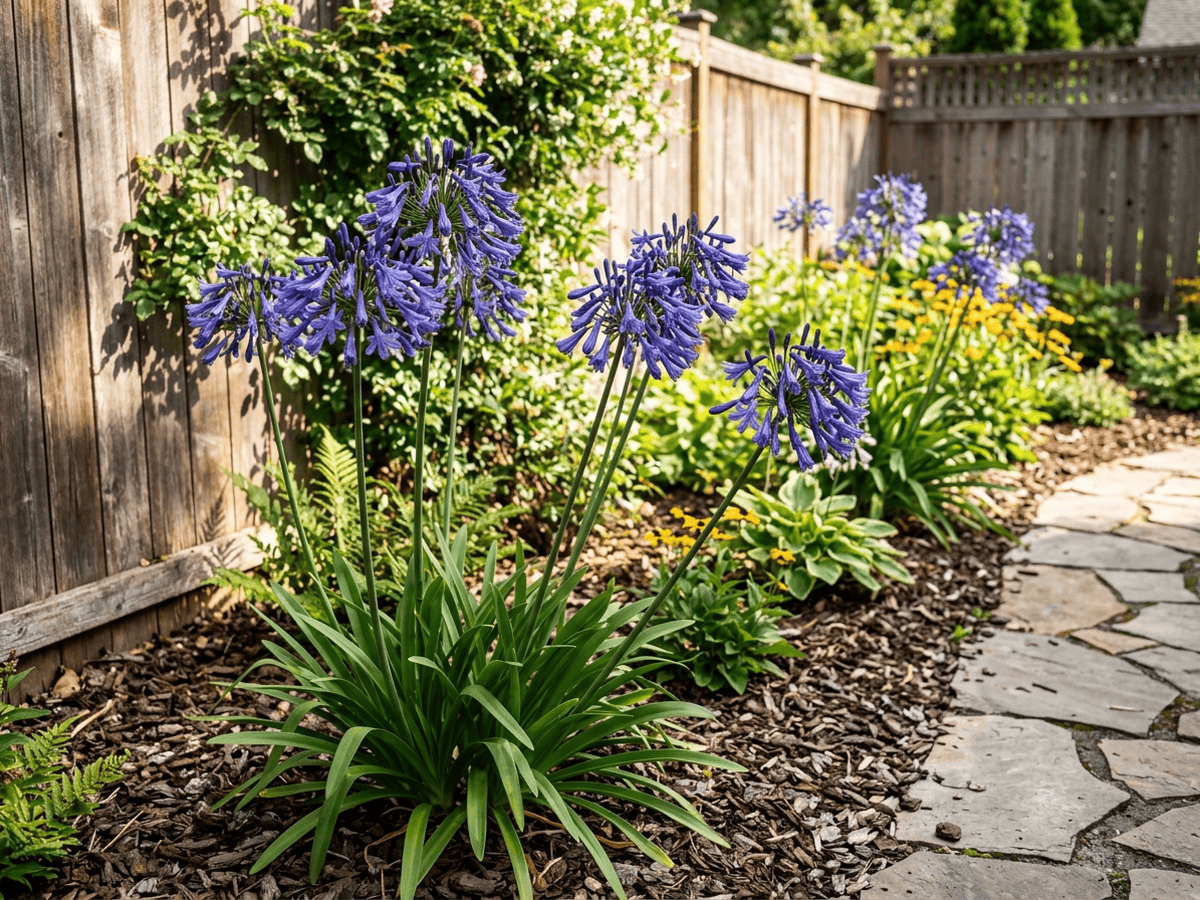
Agapanthus inapertus, the Drooping Agapanthus, is a graceful South African perennial prized for its pendant flower clusters. Unlike most agapanthus, it produces tightly tubular, deep violet-blue to indigo flowers that hang downward in pendulous umbels atop tall stems from June through August. Its strap-like foliage forms tidy clumps, and ornamental black seed pods provide autumn interest. An elegant choice for sunny borders and containers in zones 7–10.
- Showy-fruit
- Pollinator-friendly
- Fragrant
- Long-blooming
How to care for Drooping Agapanthus
Watering
- Springevery 10 days
- Summerevery 7 days
- Fallevery 15 days
- Winterpause watering
Soil · Well-draining
- Main mixLoam + coarse sand 3:175%
- DrainageGravel25%
Sharp drainage matters most — bulbs rot in wet soil while dormant.
FERTILIZER
Bloom Booster 10-52-10
A phosphorus-forward feed fuels abundant blooms, with just enough nitrogen and potassium to keep foliage and roots steady.
- Nitrogen · Leaves
- Phosphorus · Roots + Blooms
- Potassium · Strength
- Springevery 30 days
- Summerevery 30 days
- Fallevery 30 days
At a Glance
- NativeSouth Africa
- Height2–3 ft (0.6–0.9 m)
- Spread2–3 ft (0.6–0.9 m)
- Flower colorBlue, Purple
- Foliage colorGreen
- Fruit colorBlack
- SoilLoamy, Well-drained
- LocationsYard · Balcony
Bloom time
BLOOM CYCLE
Peak bloom
Jun–Aug
The flowers of this plant bloom in summer, vibrant and eye-catching.
Fragrance
LIGHT FRAGRANCE
Faint sweet scent from tubular flowers
Toxicity
Humans Moderate
saponins
Moderate
- Sap
- Root
- Contact
- Ingestion
EXPOSURE Touching sap and roots. Eating sap and roots.
EFFECT Skin irritation, mouth and throat irritation, and nausea.
NOTE Contains saponins; sap irritates skin and mucous membranes, ingestion causes GI upset.
Unknown
EXPOSURE No exposure route is reported.
EFFECT No toxic effect is reported.
NOTE Toxicity for dogs is not well documented; use caution until verified.
Unknown
EXPOSURE No exposure route is reported.
EFFECT No toxic effect is reported.
NOTE Toxicity for cats is not well documented; use caution until verified.
Educational information, not medical or veterinary advice. If exposure is suspected, contact a doctor or veterinarian.
DISTRIBUTION


- Native
- South Africa
History

Agapanthus inapertus belongs to a genus whose name derives from the Greek agape (love) and anthos (flower), a poetic tribute bestowed by botanists captivated by the plant's beauty. While Agapanthus africanus reached European gardens in the 17th century, the mountain species A. inapertus remained largely unknown to Western horticulture until later expeditions into the montane grasslands of Mpumalanga, KwaZulu-Natal, and Zimbabwe.
What distinguishes A. inapertus from its relatives is its unique tubular flower morphology. The species name inapertus—Latin for 'not opening'—refers to the pendant, closed tubular flowers that form dangling clusters on arching stems, quite unlike the wide-open trumpet flowers of A. africanus. The deep indigo to violet-blue coloration is among the richest in the genus, prized by gardeners working with cool color palettes.
The species thrives in the summer-rainfall grasslands of southern Africa, growing alongside grasses on rocky hillsides and stream margins. In Zulu tradition, related agapanthus species are known as isicakathi and used in pregnancy ceremonies to ensure healthy children, symbolizing love and fertility. The ornamental black seed pods persist well into autumn, adding a second season of visual interest and attracting birds. Today, A. inapertus is recognized as one of the most garden-worthy agapanthus species, earning admirers in specialty gardens across Europe, Australasia, and North America.
Symbolism & meaning
What It Symbolizes
In South African Zulu tradition, agapanthus represents love, fertility, and protection. The plant is woven into pregnancy rituals, worn as a blessing for healthy children. The uniquely pendant flowers of inapertus—held close, never fully opening—carry a meaning of quiet devotion and gentle reserve, beauty turned inward rather than outward, a reminder that not all love announces itself loudly.
- Love — The genus name from Greek agape (love) and anthos (flower) enshrines affection in the plant's identity
- Elegance — The pendant drooping clusters embody refined, understated beauty
- Devotion — Persists and returns reliably season after season, symbolizing steadfast commitment
Where the Name Comes From
From Greek agape (love) and anthos (flower), reflecting the genus's exceptional ornamental beauty. The species epithet inapertus is Latin for 'not open' or 'not opening,' describing the uniquely pendant tubular flowers that hang downward without widely spreading—a characteristic that sets this species apart from other agapanthus.
Uses & Fun Facts
- Pendant violet-blue clusters on tall stems suit sunny borders and containers
- Tubular flowers attract sunbirds natively and hummingbirds in cultivation
- Long stems with pendulous flower heads make striking arrangements
Related plants
More Agapanthus plants
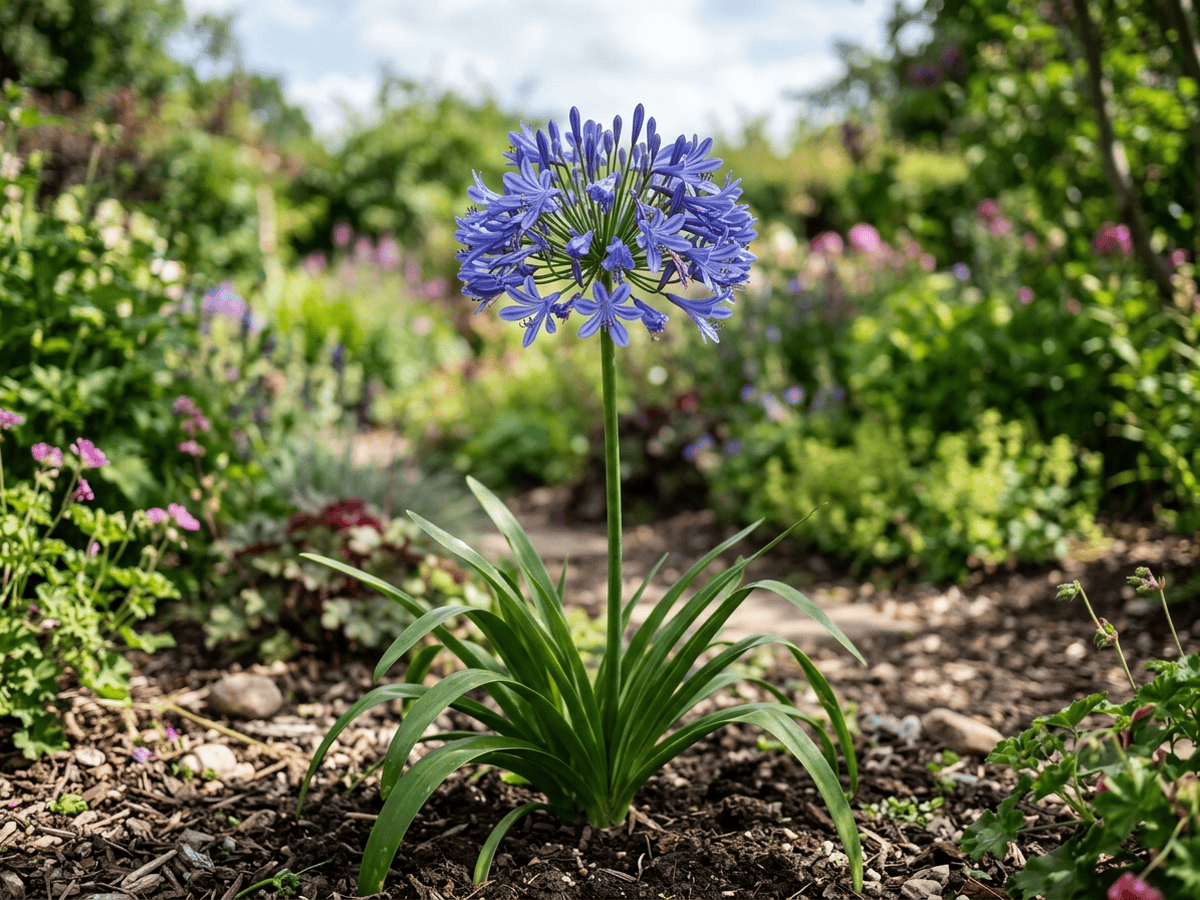 African LilyAgapanthus africanus
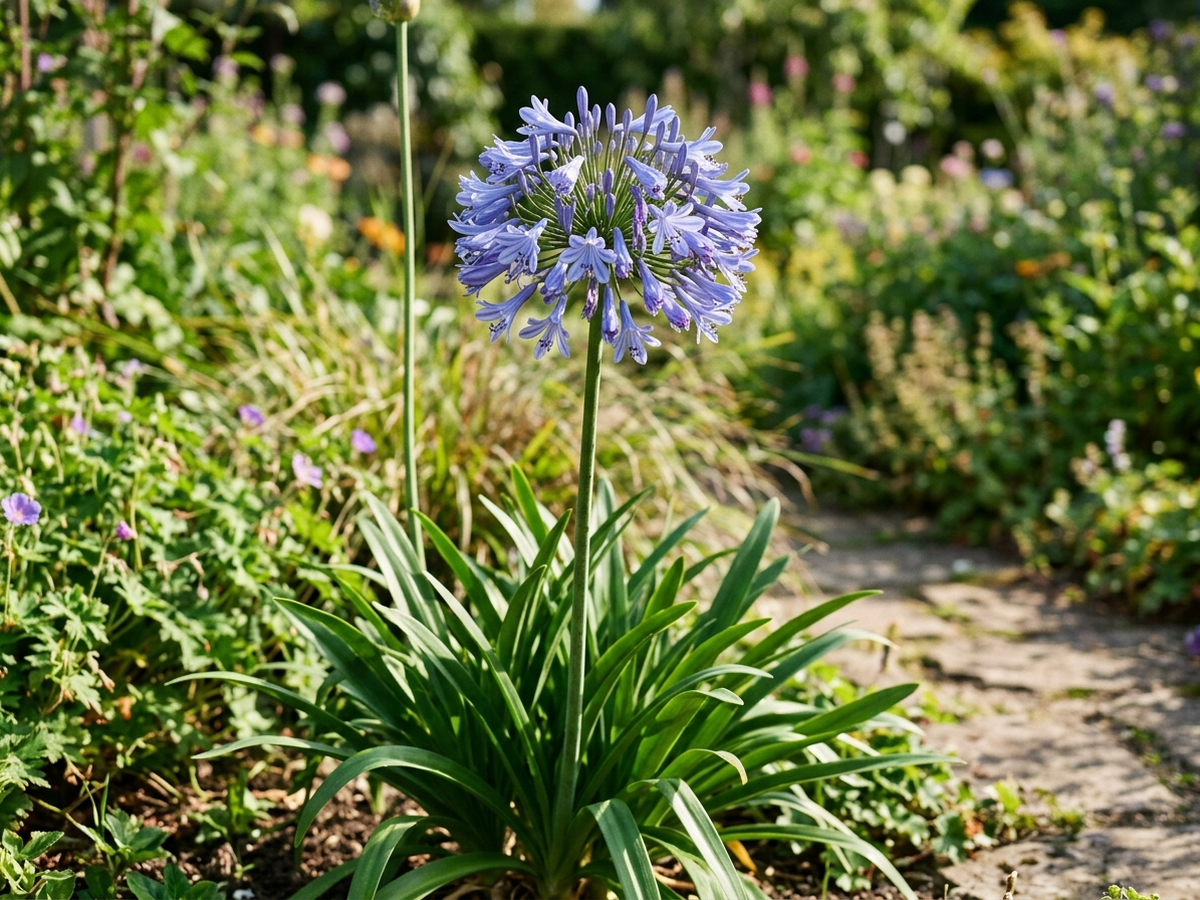 Bell AgapanthusAgapanthus campanulatus
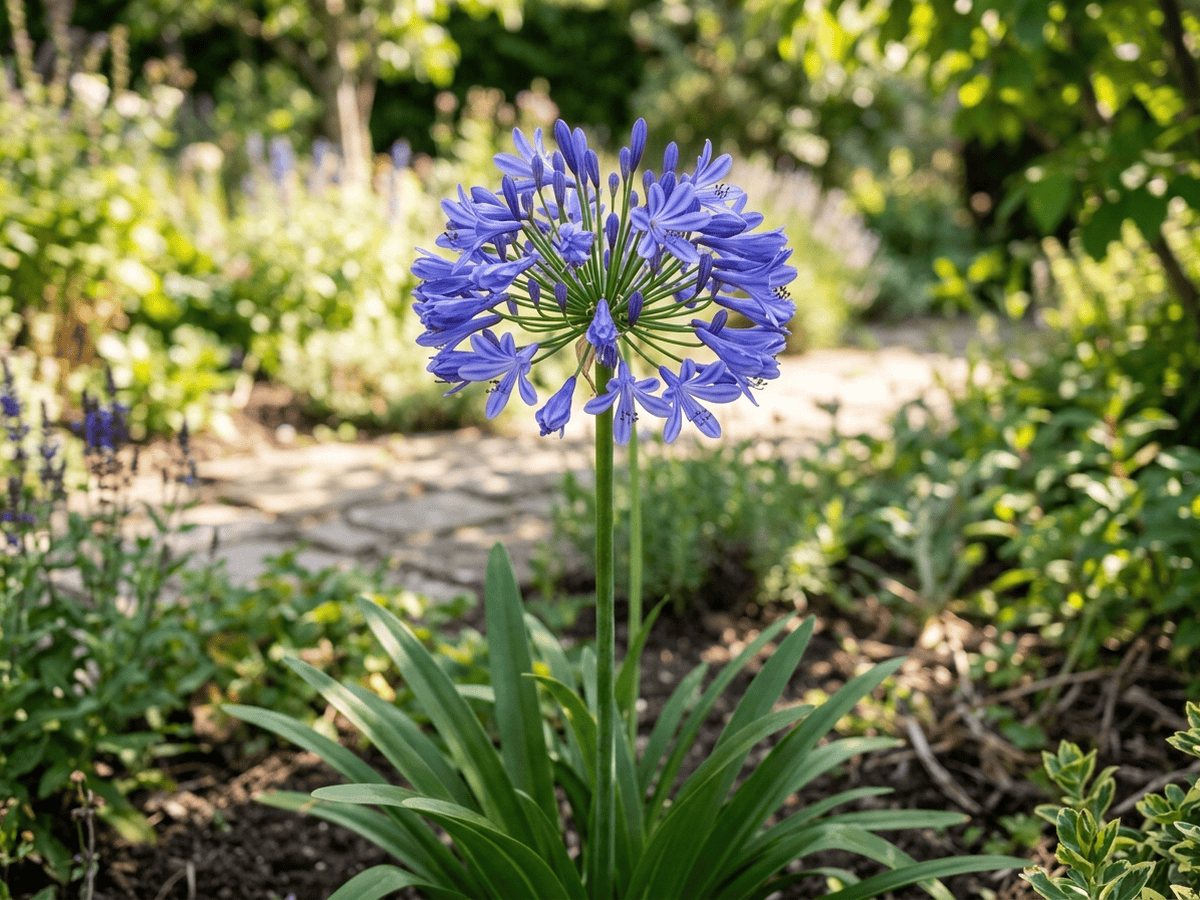 Common AgapanthusAgapanthus praecox
Plants with similar care
 Pink Sand VerbenaAbronia umbellata
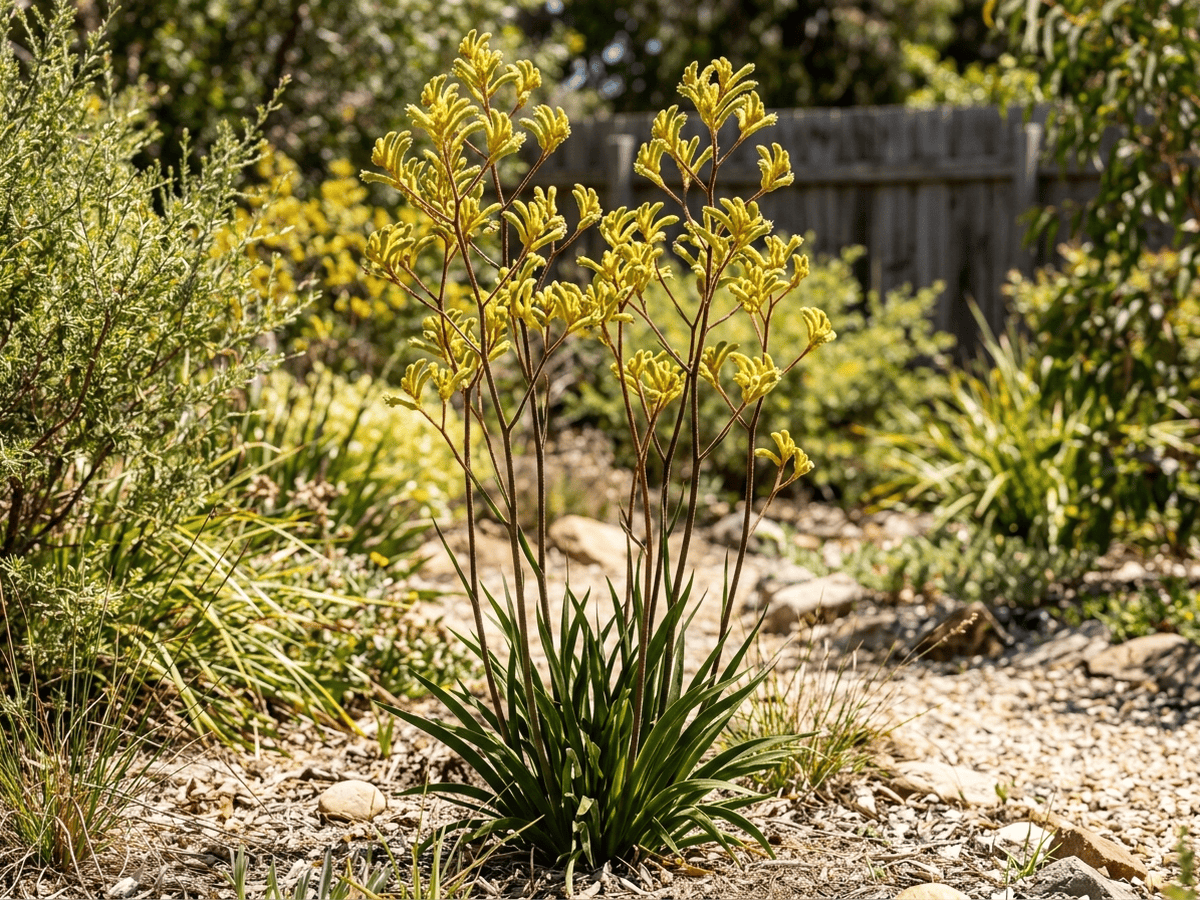 Tall Kangaroo PawAnigozanthos flavidus
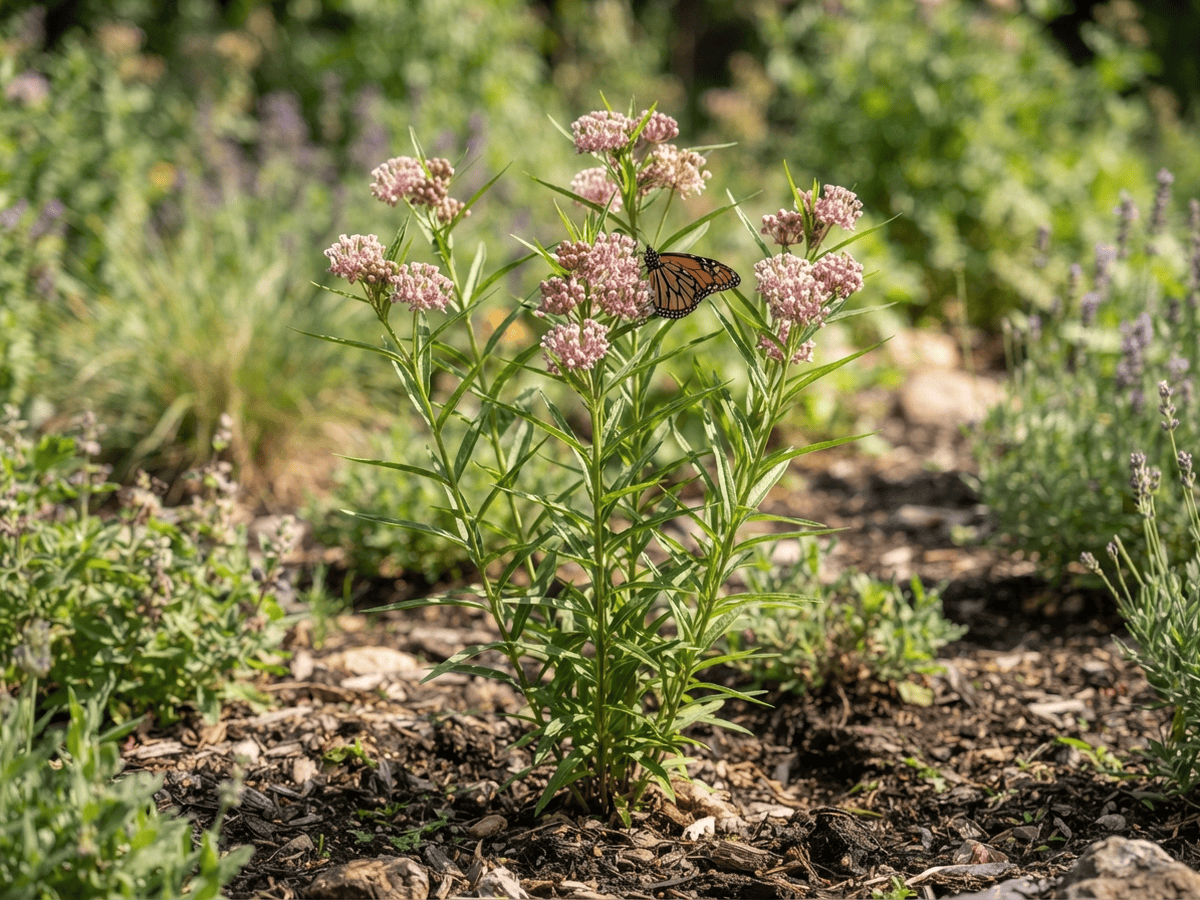 Narrowleaf MilkweedAsclepias fascicularis
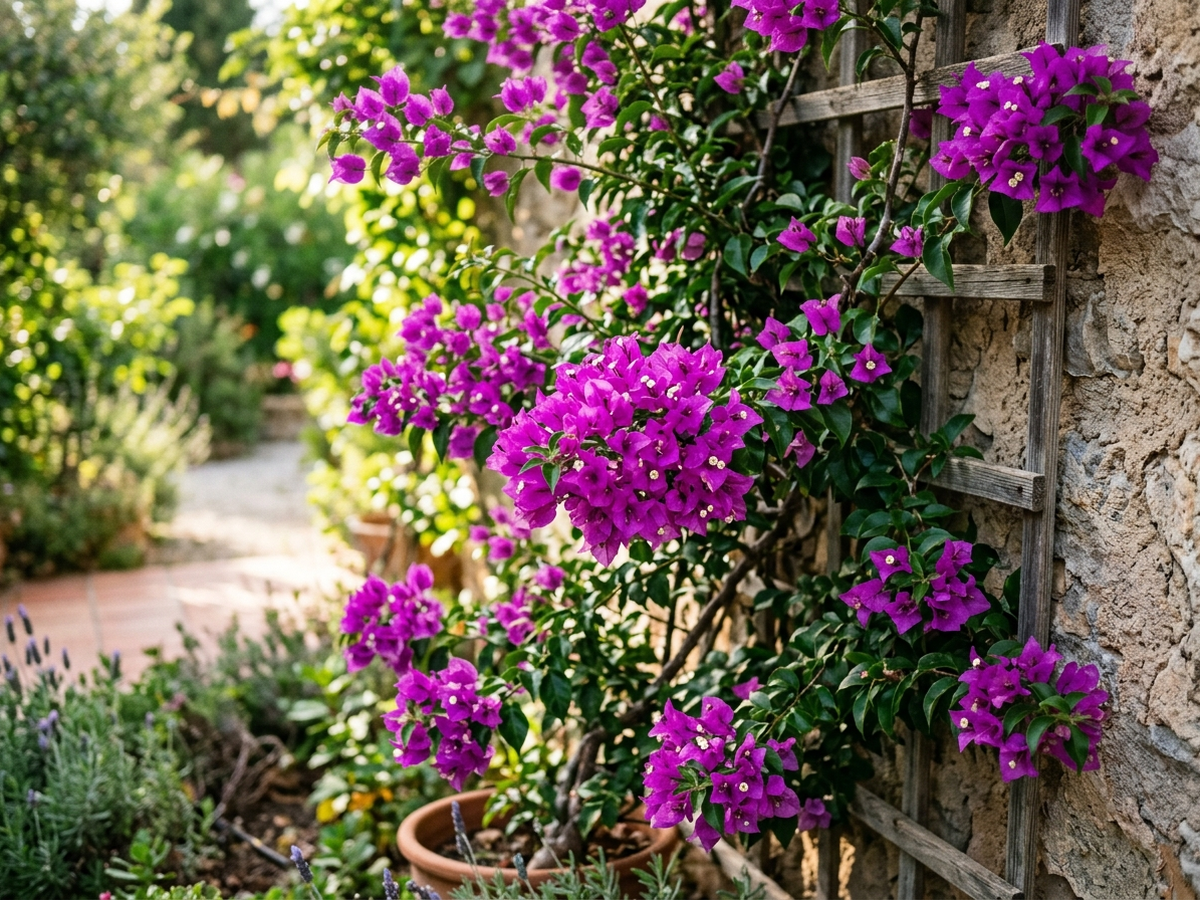 Scarlet BougainvilleaBougainvillea × buttiana
Frequently asked questions
How often should I water Drooping Agapanthus?
Water about every 10 days during the growing season, and always let excess water drain away.
How much light does Drooping Agapanthus need?
Full sun: 6+ hrs direct. Watch the leaves — scorching or stretching means the light needs adjusting.
Is Drooping Agapanthus toxic to cats or dogs?
Pets Unknown (Dogs Unknown · Cats Unknown) Educational information, not medical or veterinary advice. If exposure is suspected, contact a doctor or veterinarian.
Is Drooping Agapanthus easy to grow?
It is considered challenging and rewards experienced growers.
When does Drooping Agapanthus bloom?
It typically blooms Jun–Aug in the Northern Hemisphere.
YardMate
Identify any plant in seconds
Snap a photo — YardMate names the plant, diagnoses problems, and reminds you when to water.
Download on the App Store