 YardMate


Goatsbeard
Aruncus dioicus
Easy · Beginner friendlyAbout Goatsbeard
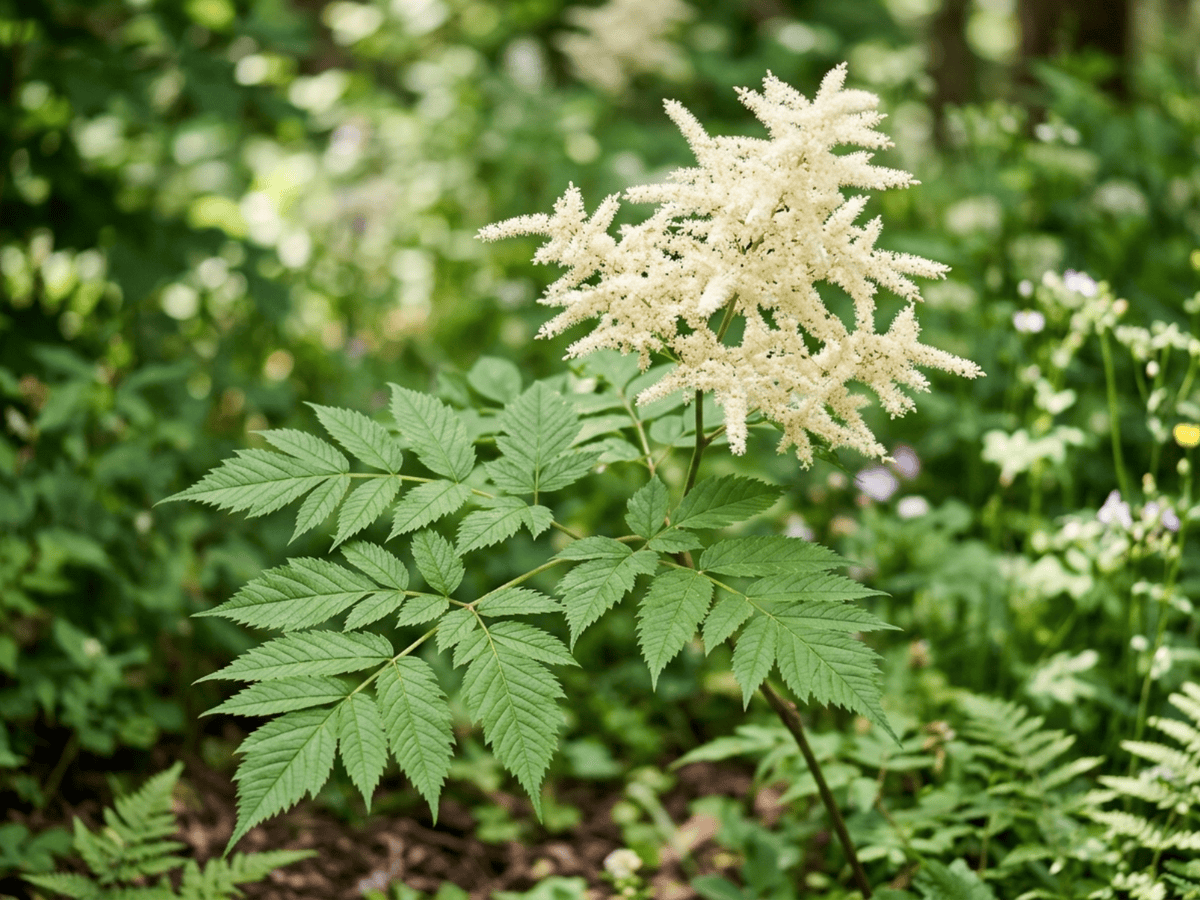
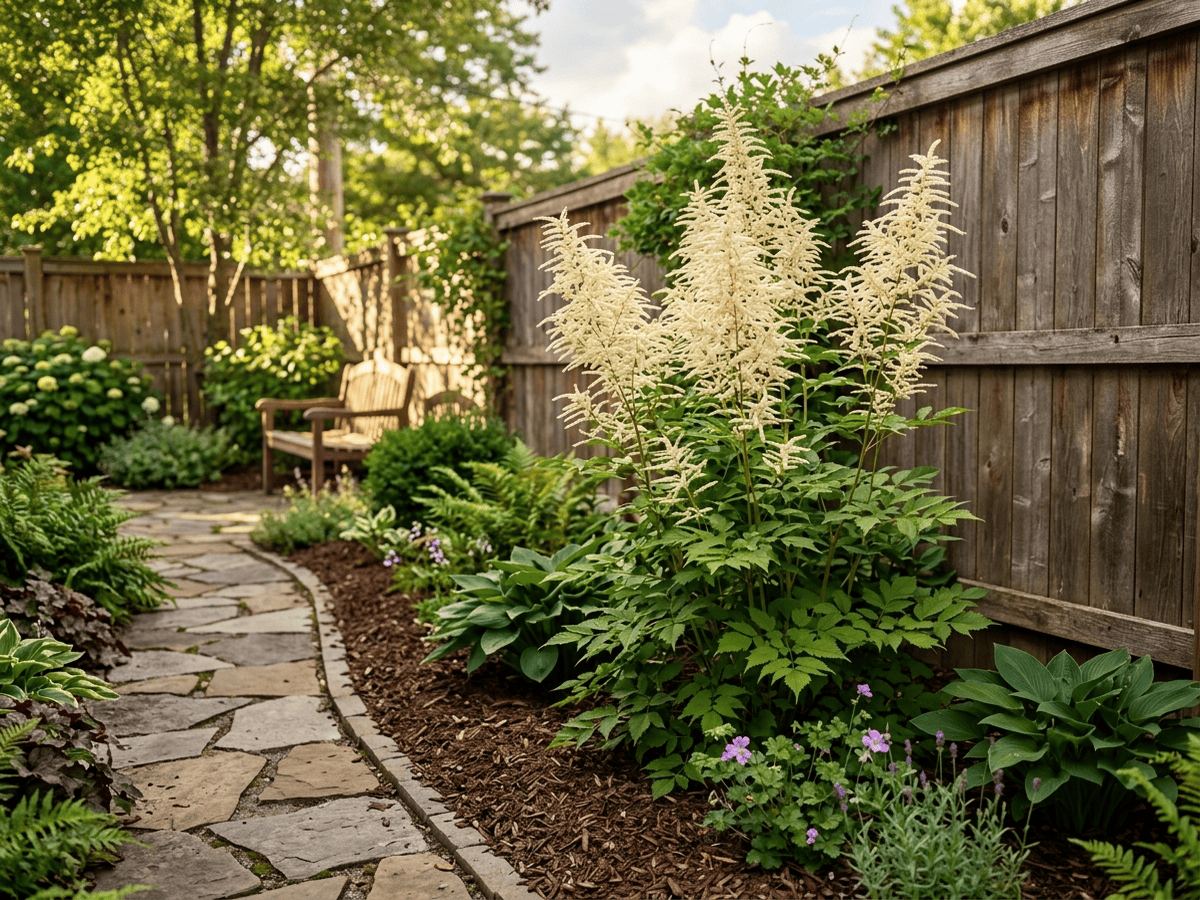
Goatsbeard is a stately perennial native to moist woodlands across the Northern Hemisphere, including eastern North America, Europe, and Asia. Growing 4-6 feet tall, it forms bold clumps of ferny deeply divided foliage topped with massive feathery plumes of creamy-white flowers in early summer. A shade garden workhorse and architectural specimen, well-suited to American woodland edges from the Appalachians to the Pacific Northwest.
- Cold-hardy
- Shade-tolerant
- Deer-resistant
- Architectural
How to care for Goatsbeard
Watering
- Springevery 4 days
- Summerevery 3 days
- Fallevery 5 days
- Winterpause watering
Soil · Moisture-retentive
- Top dressingSphagnum moss10%
- Main mixPeat + coco coir 1:180%
- DrainagePerlite / gravel10%
Keep it evenly moist — but the drainage layer still matters.
FERTILIZER
Balanced Feed 14-14-14
An even feed covers all three needs at once, keeping leaves, roots and blooms moving together with nothing pushed out of balance.
- Nitrogen · Leaves
- Phosphorus · Roots + Blooms
- Potassium · Strength
- Springevery 30 days
- Summerevery 30 days
At a Glance
- NativeNorth America, Europe, East Asia
- Height4–6 ft (1.2–1.8 m)
- Spread3–4 ft (0.9–1.2 m)
- Flower colorWhite, Cream
- Foliage colorGreen
- SoilLoamy, Moisture-retentive, Rich
- LocationsYard
Bloom time
BLOOM CYCLE
Peak bloom
Jun–Jul
Creamy-white plumes June to July
Fragrance
LIGHT FRAGRANCE
The flowers have a mild sweet scent.
Toxicity
No toxicity has been reported for this plant. Still, it is wise to keep pets from chewing on any houseplant.
Educational information, not medical or veterinary advice. If exposure is suspected, contact a doctor or veterinarian.
DISTRIBUTION


- Native
- Introduced
- North America
- Europe
- East Asia
History
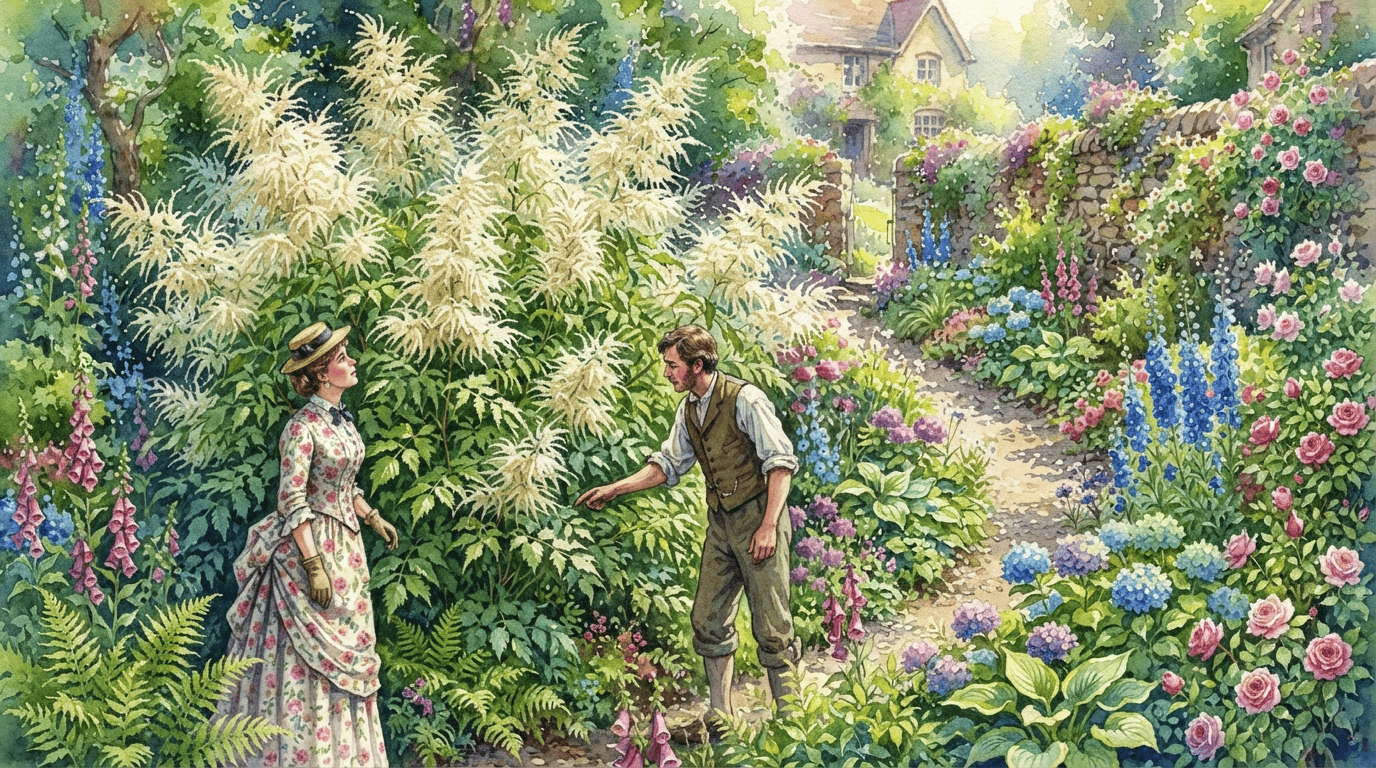
Aruncus dioicus has a circumboreal distribution across mountain forests of Europe, Asia, and North America. Linnaeus initially placed it in Spiraea (1753); Linnaeus's son transferred it to Aruncus in 1782. Its common name goatsbeard references the long arching cream-white flower plumes.
The plant is dioecious (separate male and female plants)—the specific epithet refers to this—with showier feathery male inflorescences. Although known since the 18th century, it became a garden staple through its inclusion in Gertrude Jekyll's shade borders and William Robinson's The Wild Garden (1870). Cultivars include the dwarf 'Kneiffii' with deeply dissected foliage.
Asian forms once considered varieties have been reclassified as separate species A. aethusifolius and A. sinensis, parents of modern hybrids like 'Misty Lace'. One of a rare group of circumboreal native plants occurring naturally across North America, Europe, and Asia. Native populations grow from Alaska through Appalachia. Used by some Pacific Northwest Indigenous peoples as a poultice for wounds. The cultivar 'Kneiffii' is a compact finely-cut form popular in smaller American shade gardens.
Symbolism & meaning
What It Symbolizes
Goatsbeard evokes abundance through the massive creamy plumes that crown early summer, foaming above the foliage like sea spray frozen mid-air. Its tall architectural presence lends quiet strength to woodland edges, anchoring shadier corners with confident scale. Where most shade plants whisper, Goatsbeard simply stands tall — proof that abundance and restraint can share a single root.
- Abundance — massive creamy plumes of early summer
- Strength — tall architectural presence
Where the Name Comes From
'Aruncus' from Greek 'aryngos' (goat's beard), describing the plume; 'dioicus' means 'two houses', referring to separate male and female plants.
Uses & Fun Facts
- Plumy cream flower spires anchor moist shaded borders
- Frothy summer plumes attract small native bees and beetles
- Goatsbeard naturalizes in woodland and stream-side plantings
Related plants
Plants with similar care
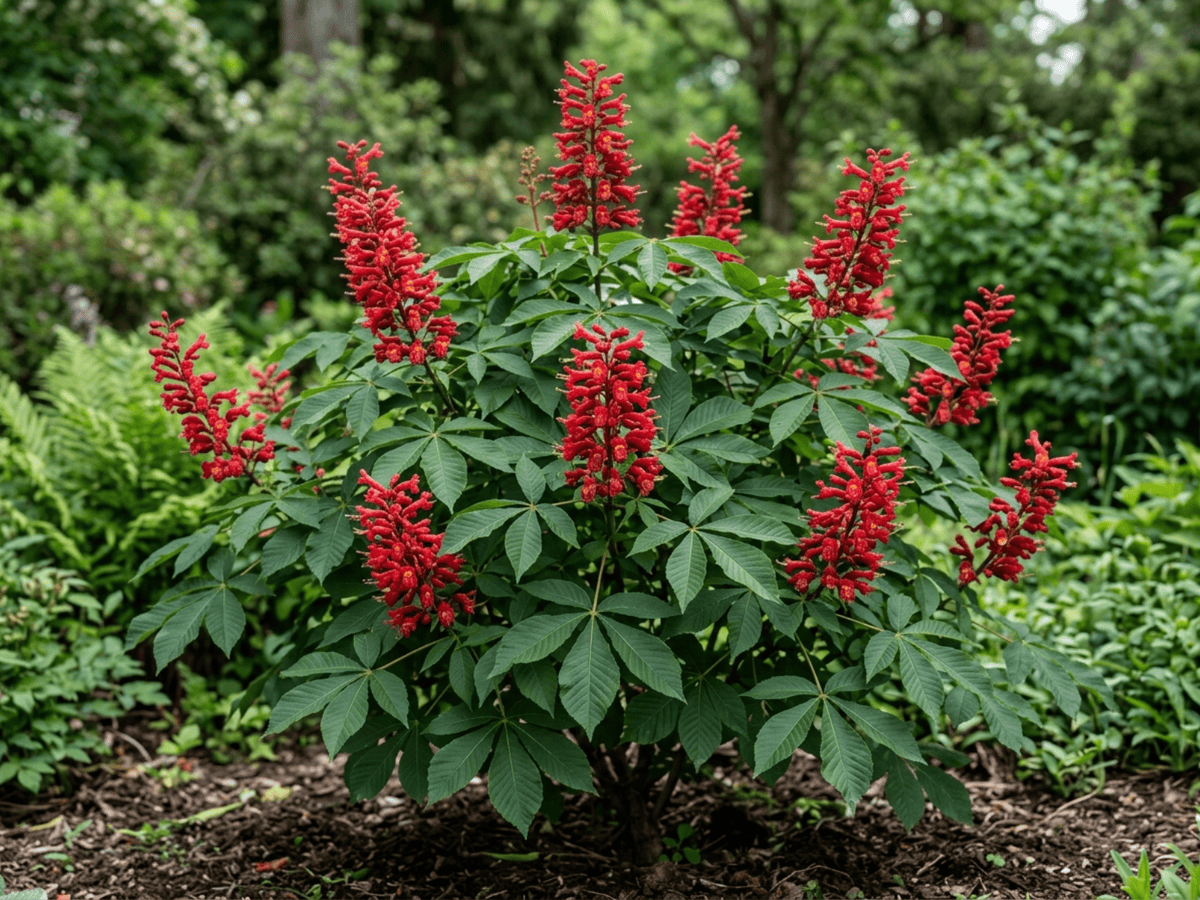 Red BuckeyeAesculus pavia
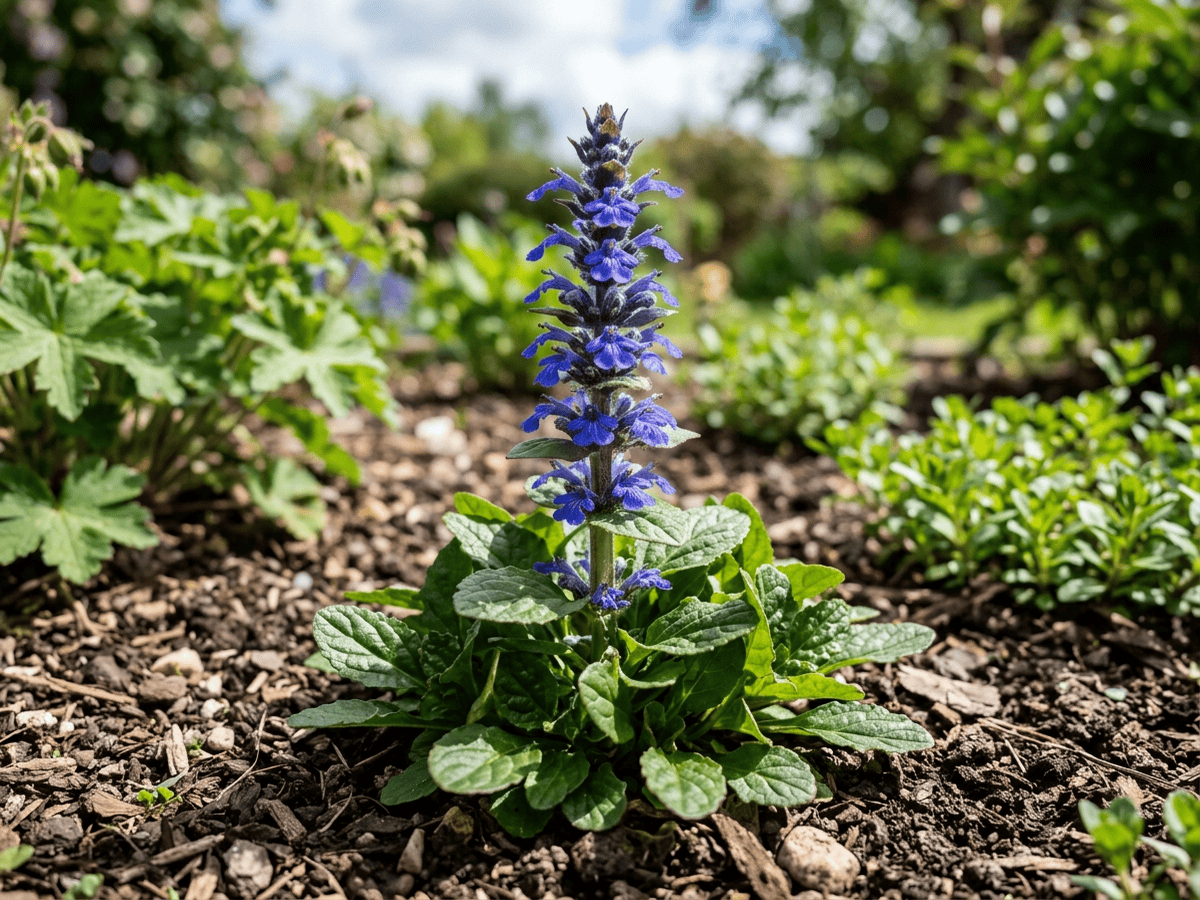 Blue BugleAjuga genevensis
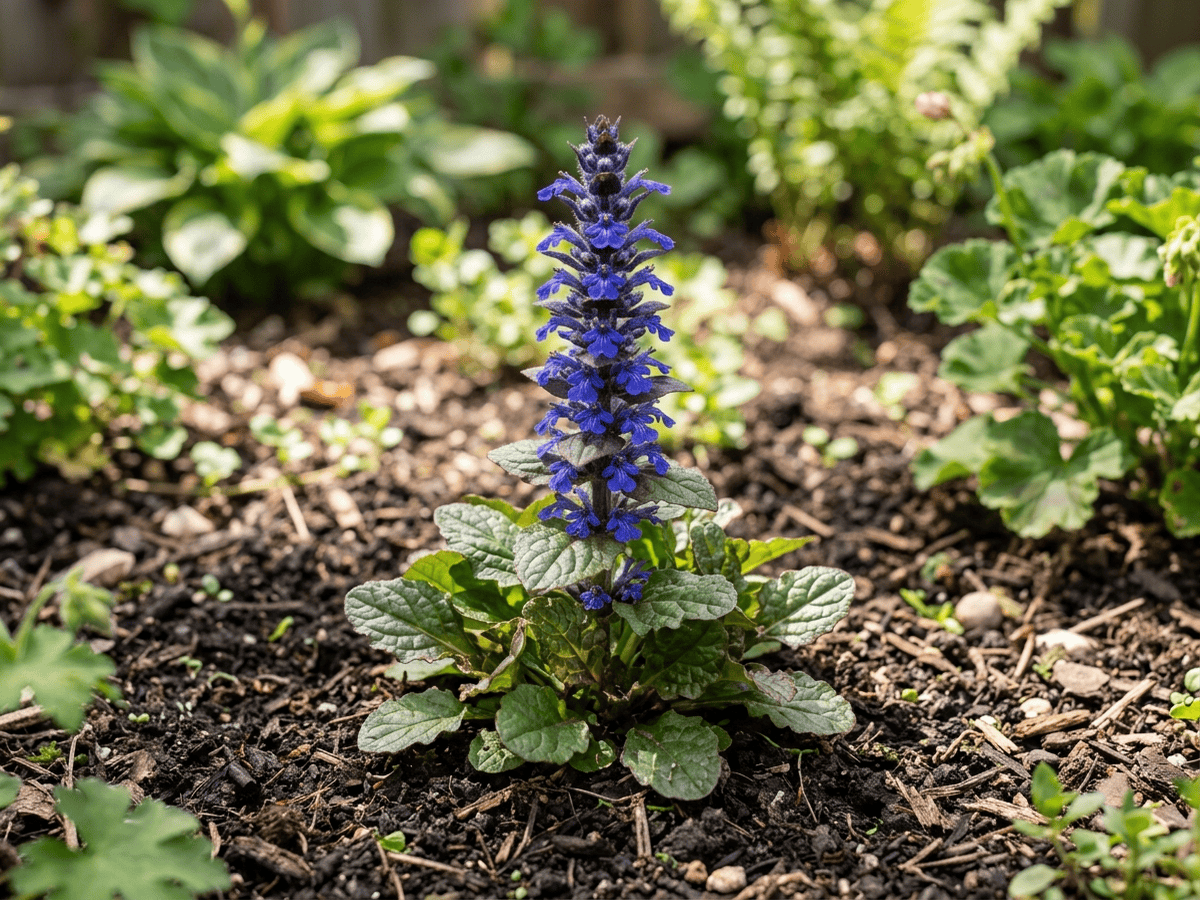 Pyramidal BugleAjuga pyramidalis
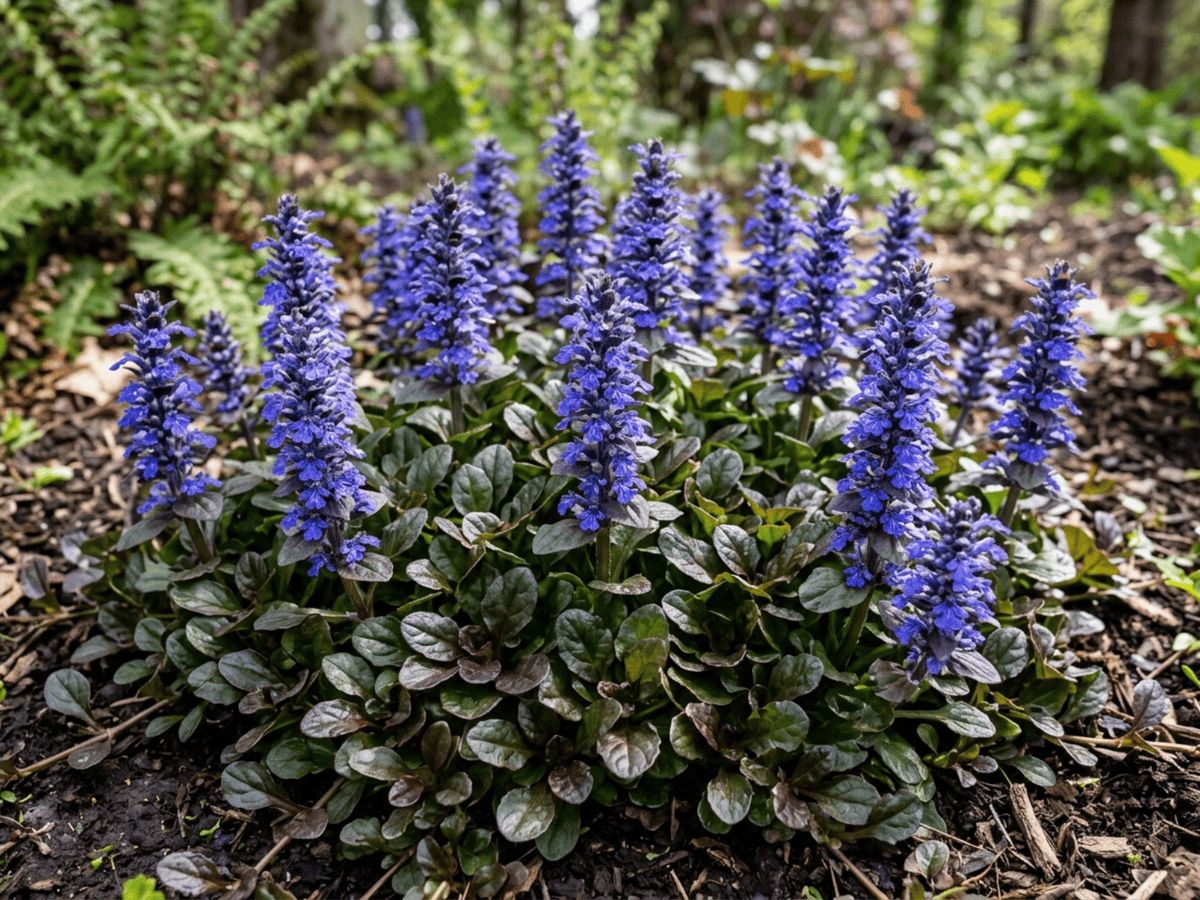 Carpet BugleAjuga reptans
Frequently asked questions
How often should I water Goatsbeard?
Water about every 4 days during the growing season, and always let excess water drain away.
How much light does Goatsbeard need?
Part shade: 2–4 hrs direct. Watch the leaves — scorching or stretching means the light needs adjusting.
Is Goatsbeard toxic to cats or dogs?
No toxicity has been reported for this plant. Still, it is wise to keep pets from chewing on any houseplant. Educational information, not medical or veterinary advice. If exposure is suspected, contact a doctor or veterinarian.
Is Goatsbeard easy to grow?
Yes — it is considered an easy, beginner-friendly plant.
When does Goatsbeard bloom?
It typically blooms Jun–Jul in the Northern Hemisphere.
YardMate
Identify any plant in seconds
Snap a photo — YardMate names the plant, diagnoses problems, and reminds you when to water.
Download on the App Store