 YardMate

Ponytail Palm
Beaucarnea recurvata
Easy · Beginner friendlyAbout Ponytail Palm
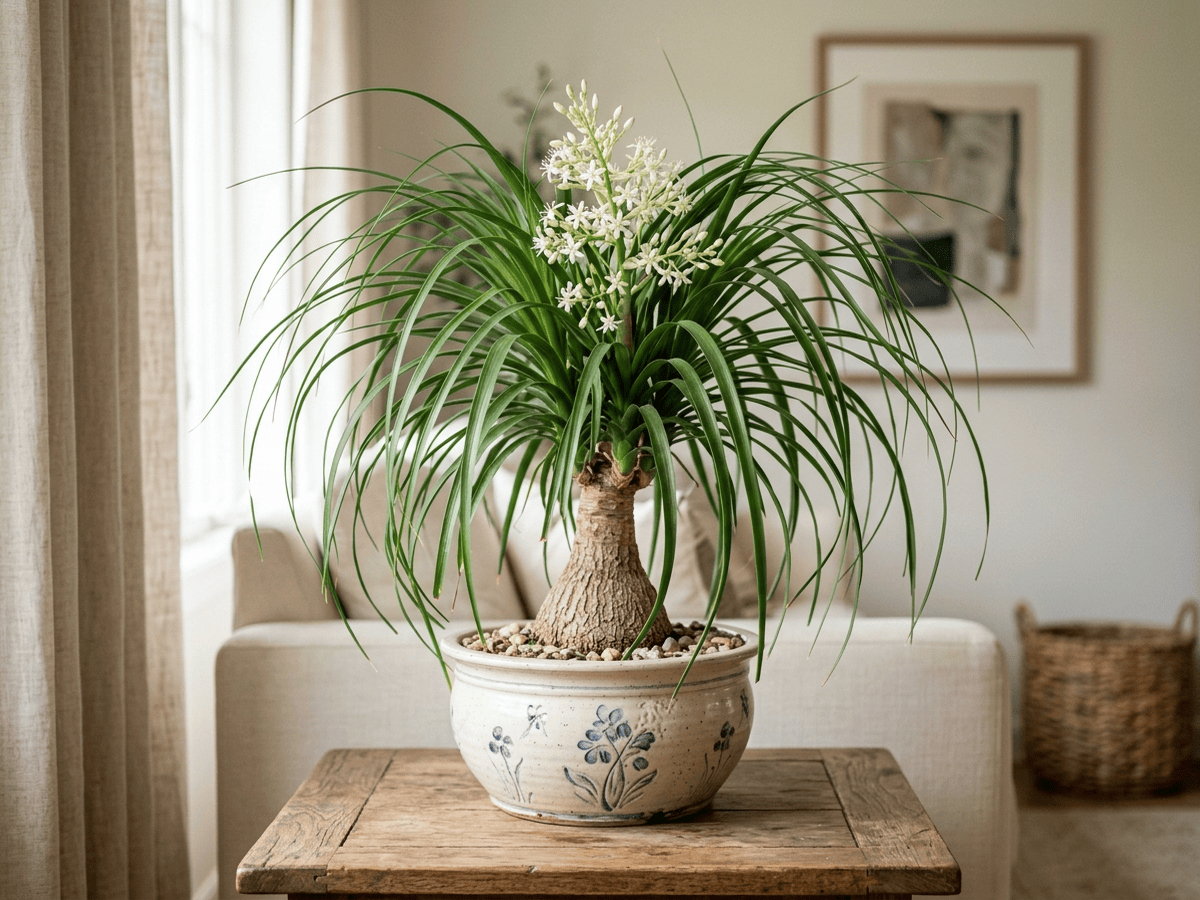
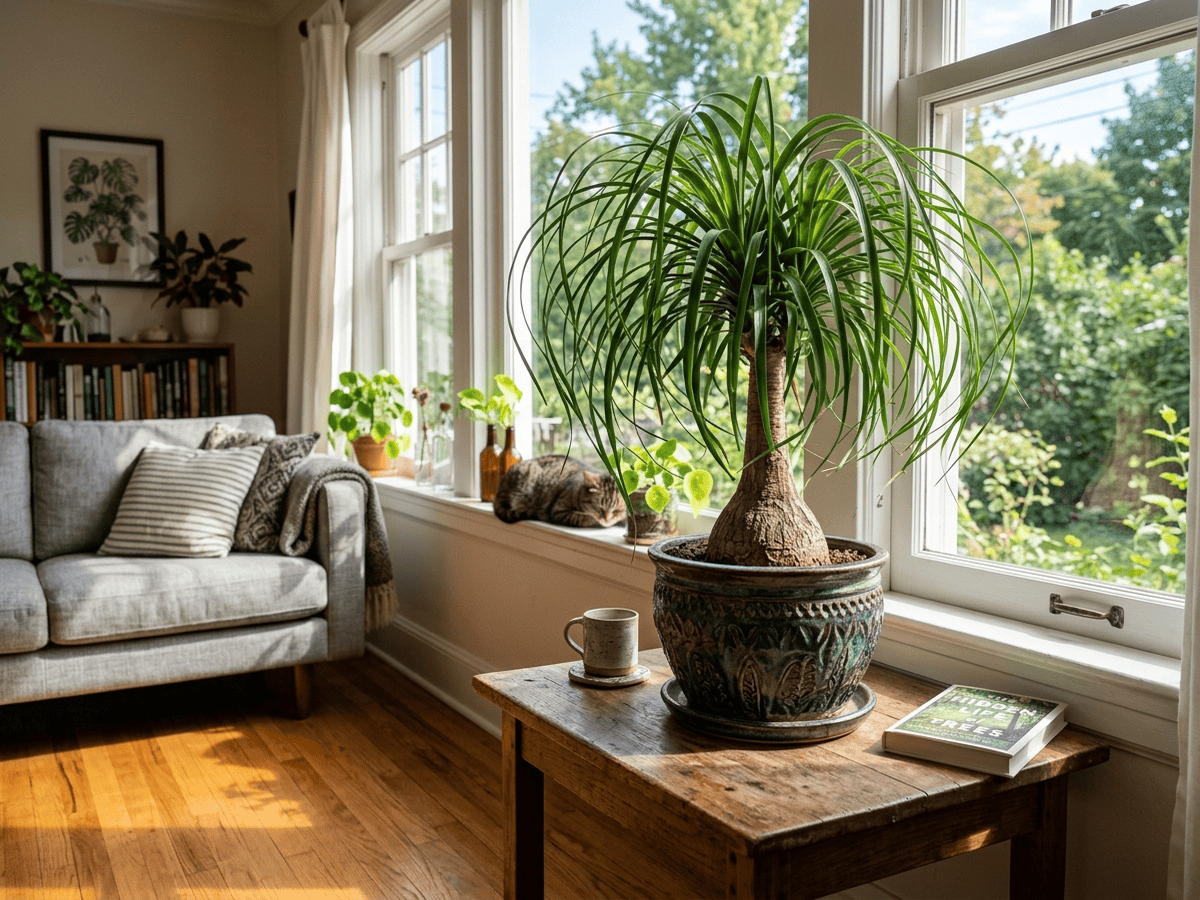
The Ponytail Palm is not a true palm but a succulent tree in the asparagus family, native to the semi-desert regions of eastern Mexico. Its swollen, bulbous base — which can reach several feet in diameter — stores water like a camel's hump, allowing it to survive long droughts. From this elephantine trunk, a tuft of long, thin, curly leaves cascades like a ponytail, giving the plant its playful common name. In the wild it grows into a tree up to thirty feet tall, but as a houseplant it remains a manageable tabletop to floor specimen for decades, growing very slowly. It is exceptionally low-maintenance, tolerating irregular watering, low humidity, and a wide range of light conditions. Old specimens in their native habitat develop deeply fissured bark and can live for hundreds of years. Its whimsical silhouette and nearly indestructible nature have made it one of the most popular indoor trees worldwide, especially for beginners and forgetful waterers.
- Low-maintenance
- Drought-tolerant
How to care for Ponytail Palm
Watering
- Springevery 14 days
- Summerevery 10 days
- Fallevery 21 days
- Winterevery 30 days
Soil · Fast-draining
- Main mixSand + pumice + soil 1:1:150%
- DrainagePumice / gravel50%
Keep grit at half the mix or more — this soil is meant to dry out fast.
FERTILIZER
Balanced Feed 14-14-14
An even feed covers all three needs at once, keeping leaves, roots and blooms moving together with nothing pushed out of balance.
- Nitrogen · Leaves
- Phosphorus · Roots + Blooms
- Potassium · Strength
- Springevery 60 days
- Summerevery 60 days
At a Glance
- NativeNorth America
- Height15–30 ft (4.6–9.1 m)
- Spread8–12 ft (2.4–3.7 m)
- Flower colorCream, White
- Foliage colorGreen
- SoilSandy, Well-drained
- LocationsIndoor · Yard
Bloom time
BLOOM CYCLE
Peak bloom
Jun–Aug
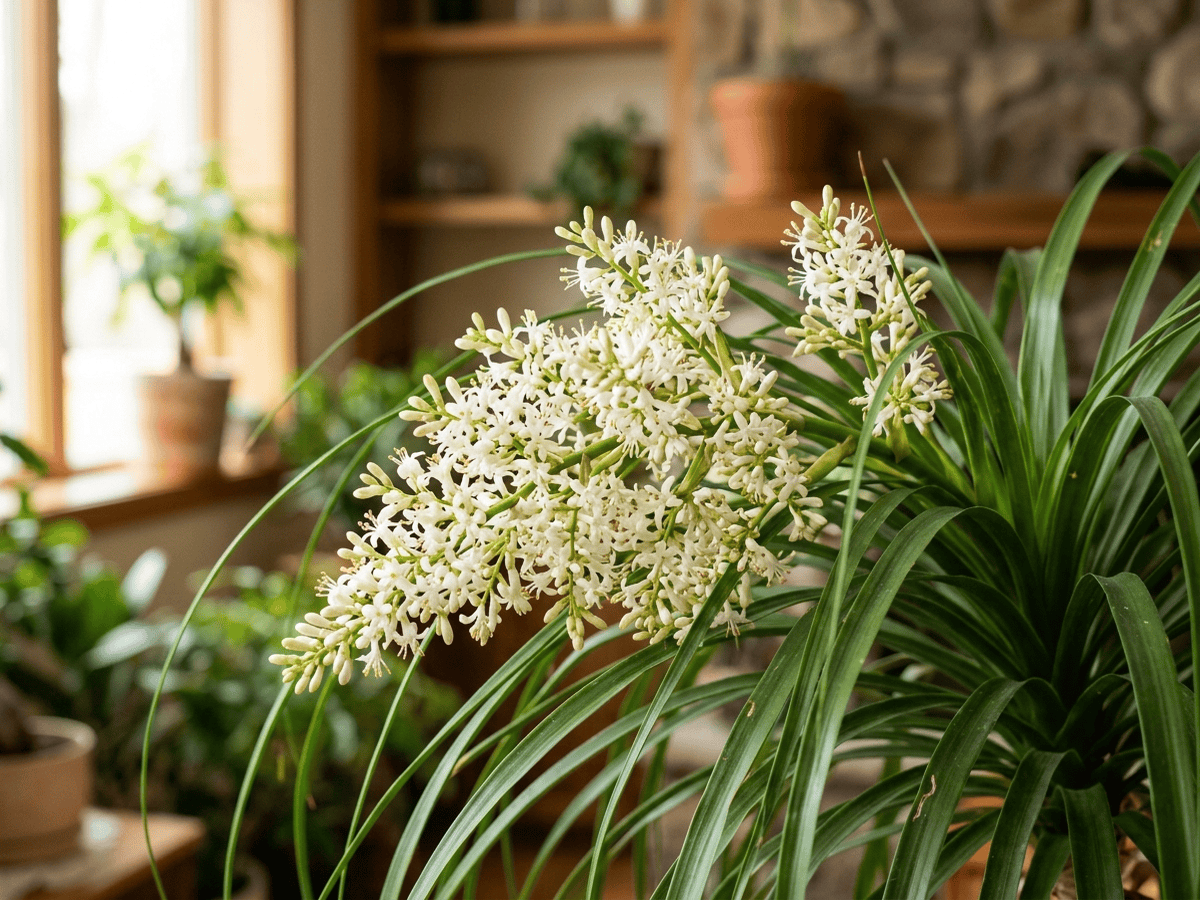
Cream flower plumes on mature outdoor specimens only; extremely rare indoors
Fragrance
NO FRAGRANCE
No notable fragrance.
Toxicity
Pets Safe
None reported
Not reported
EXPOSURE No exposure route is reported.
EFFECT No significant toxicity.
NOTE No human toxicity is reported in this catalog; avoid eating ornamental plants unless confirmed edible.
Safe
EXPOSURE No exposure route is reported.
EFFECT Not listed as toxic by ASPCA.
NOTE Listed as non-toxic for dogs; avoid eating ornamental plants unless confirmed edible.
Safe
EXPOSURE No exposure route is reported.
EFFECT Not listed as toxic by ASPCA.
NOTE Listed as non-toxic for cats; avoid eating ornamental plants unless confirmed edible.
Educational information, not medical or veterinary advice. If exposure is suspected, contact a doctor or veterinarian.
DISTRIBUTION


- Native
- North America
History
Beaucarnea recurvata is native to the semi-desert of Tamaulipas, Veracruz, and San Luis Potosí in eastern Mexico. It was long classified with palms and yuccas before modern taxonomy placed it in Asparagaceae. The swollen, corky trunk base — evolved to store water through extended drought — gives it the common names "elephant foot tree" and "ponytail palm."
Wild specimens are Critically Endangered in Mexico due to habitat loss and illegal collection for ornamental trade; the species is protected under Mexican NOM-059 conservation law and CITES Appendix II. Individual plants can live for several hundred years, and mature specimens reach 10 meters tall. It has been a popular indoor and outdoor ornamental worldwide since the 1980s, valued for its tolerance of neglect (it stores enough water to survive months of drought) and its sculptural form.
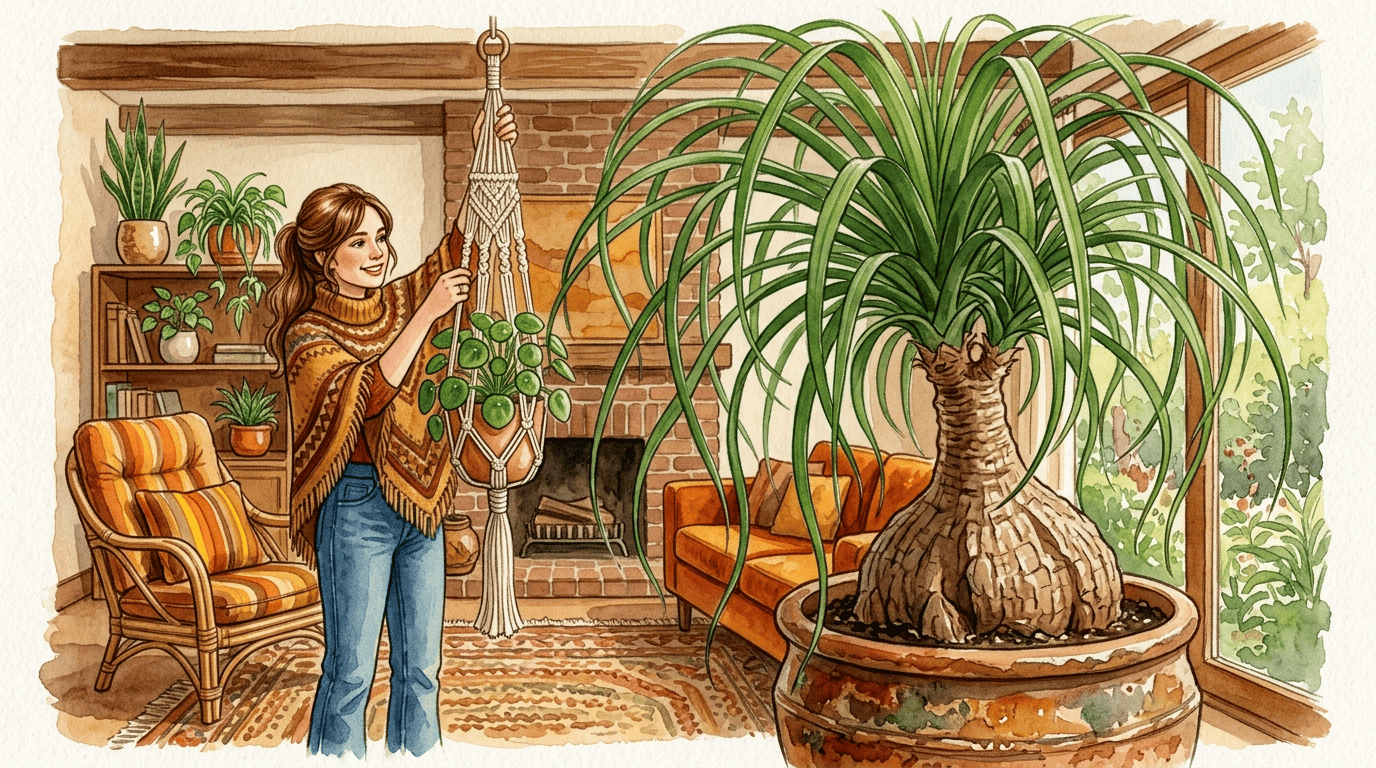
First described by Charles Lemaire in 1861, the Ponytail Palm was originally classified in the genus Nolina before being moved to Beaucarnea. In its native state of Tamaulipas, Mexico, ancient specimens with massive swollen trunks are considered natural monuments. The plant became a popular houseplant in the 1970s and 80s, during the macramé and earth-tone interior design era, and has remained a beloved indoor tree ever since. Wild populations in Mexico face pressure from habitat conversion to agriculture, though the species is widely propagated commercially.
Symbolism & meaning
What It Symbolizes
The elephant's-foot, or ponytail palm, brings playfulness to any room — its bulbous trunk and tousled spray of leaves looks like a botanical joke that grew its own punchline. Yet beneath the whimsy lies remarkable longevity; specimens have lived for centuries, witnessing generations of human carelessness and care alike. It is a plant for the long, lighthearted view: take your work seriously, but never yourself.
- Playfulness — its quirky ponytail silhouette brings joy and lightheartedness
- Longevity — can live for centuries, symbolizing a long and carefree life
Where the Name Comes From
'Beaucarnea' honors Jean-Baptiste Beaucarne, a 19th-century Belgian plant collector. 'Recurvata' means 'curved backward' in Latin, describing the gracefully recurving leaf tips.
Uses & Fun Facts
- Swollen caudex and ponytail crown as sculptural houseplant focal point
- Long-lived tabletop succulent tolerating deep neglect and drought
Related plants
Plants with similar care
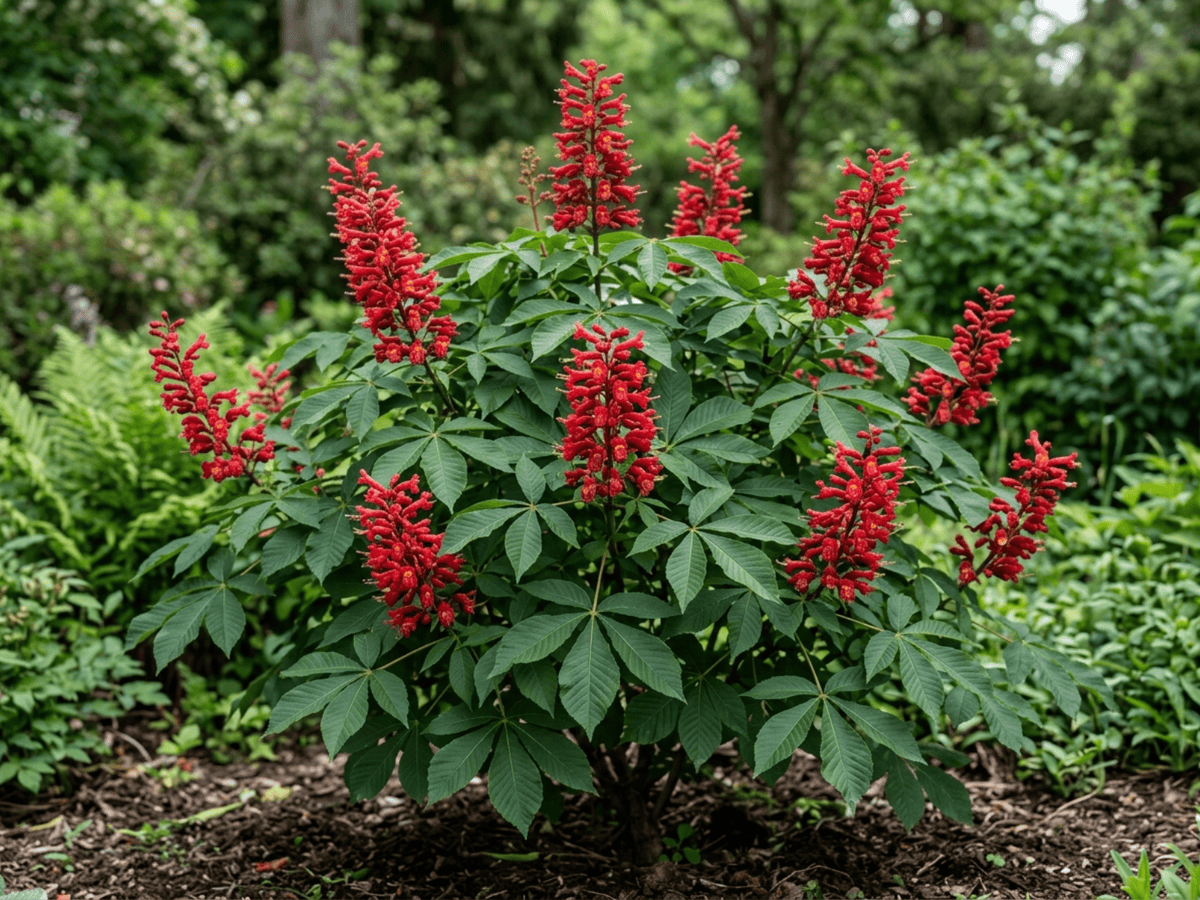 Red BuckeyeAesculus pavia
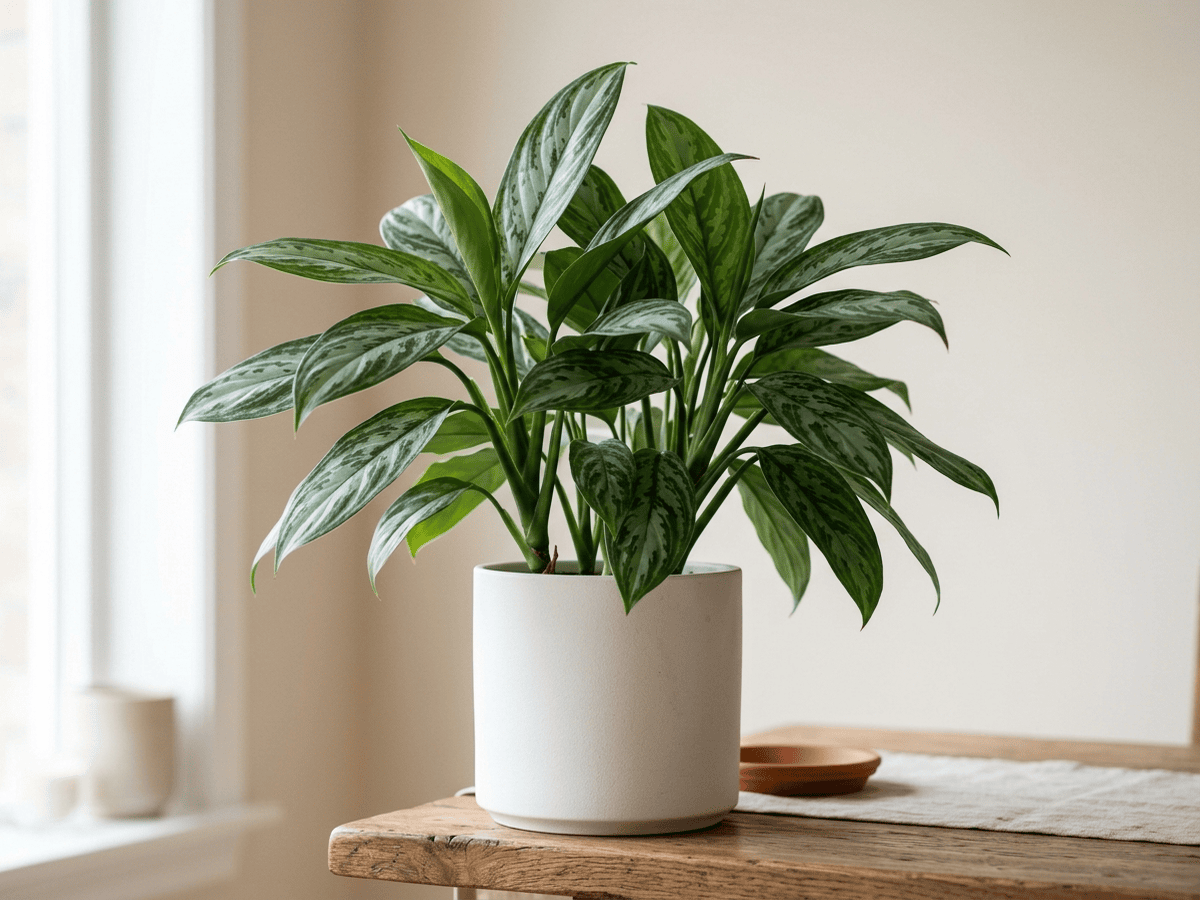 Philippine EvergreenAglaonema commutatum
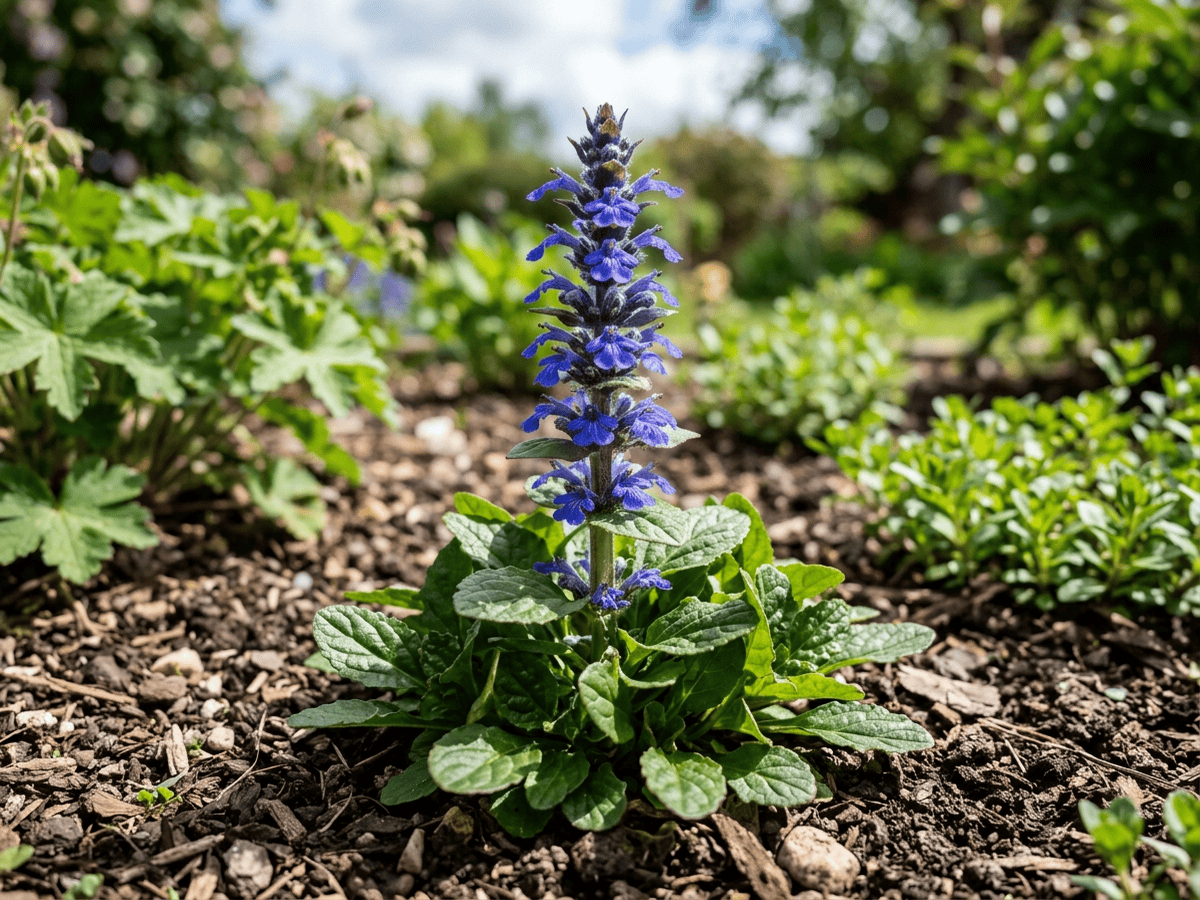 Blue BugleAjuga genevensis
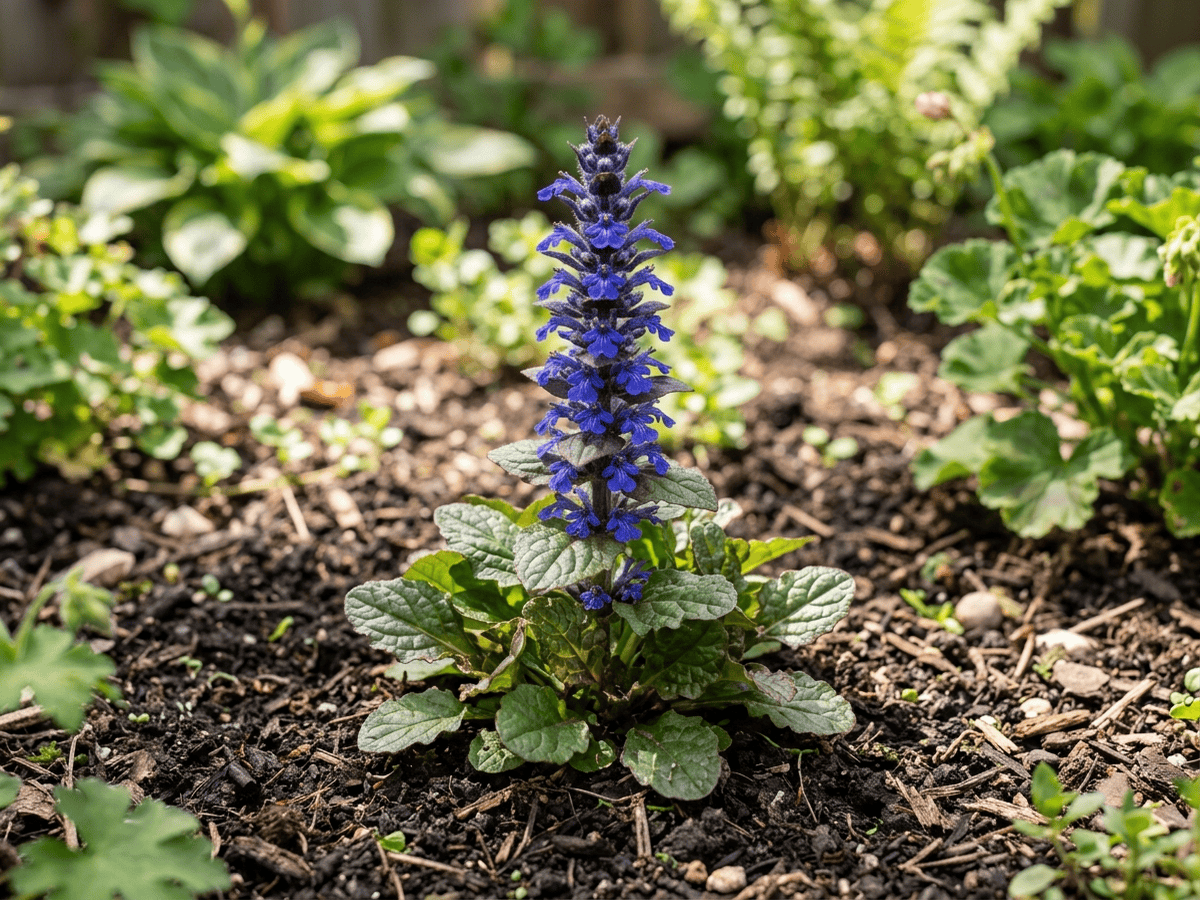 Pyramidal BugleAjuga pyramidalis
Frequently asked questions
How often should I water Ponytail Palm?
In summer, water about every 10 days; in winter, about every 30 days. Adjust for heat, pot size and drainage.
How much light does Ponytail Palm need?
Part shade: 2–4 hrs direct. Watch the leaves — scorching or stretching means the light needs adjusting.
Is Ponytail Palm toxic to cats or dogs?
Pets Safe (Dogs Safe · Cats Safe) Educational information, not medical or veterinary advice. If exposure is suspected, contact a doctor or veterinarian.
Is Ponytail Palm easy to grow?
Yes — it is considered an easy, beginner-friendly plant.
Can Ponytail Palm be grown indoors?
Yes, it adapts well to indoor growing given the right light.
When does Ponytail Palm bloom?
It typically blooms Jun–Aug in the Northern Hemisphere.
YardMate
Identify any plant in seconds
Snap a photo — YardMate names the plant, diagnoses problems, and reminds you when to water.
Download on the App Store