 YardMate
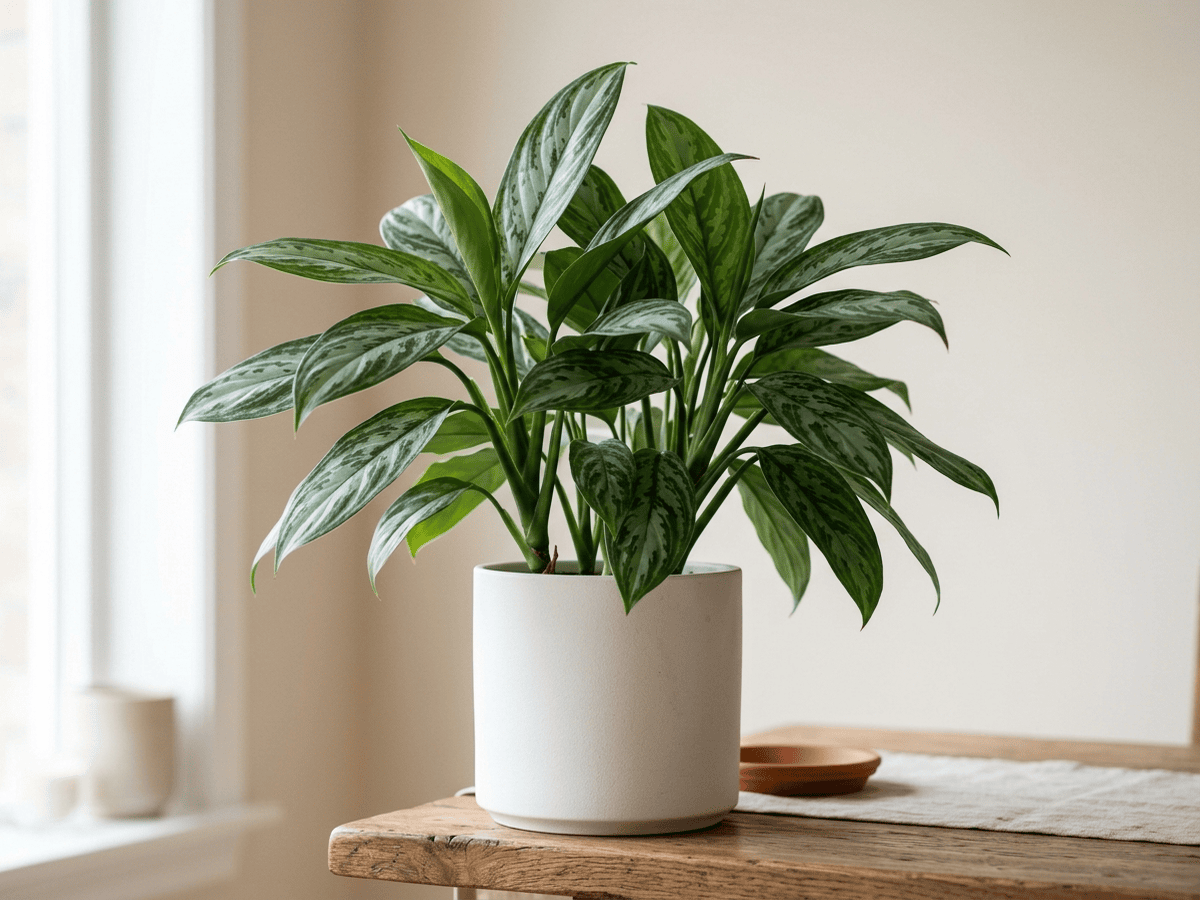


Philippine Evergreen
Aglaonema commutatum
Easy · Beginner friendlyAbout Philippine Evergreen
Aglaonema commutatum, the Chinese evergreen, is a compact, bushy houseplant prized for its beautifully patterned leaves in shades of green, silver, pink, and red. Native to the tropical forests of Southeast Asia, it thrives in low-light conditions that would stress most other plants. Growth is slow and steady, forming a dense clump of lance-shaped leaves on short stems. Modern cultivars like 'Silver Queen' and 'Red Valentine' have dramatically expanded the color palette. It is one of the easiest houseplants to maintain, requiring minimal care beyond occasional watering.
- Air-purifying
How to care for Philippine Evergreen
Watering
- Springevery 7 days
- Summerevery 5 days
- Fallevery 10 days
- Winterevery 14 days
Soil · Chunky & airy
- Top dressingBark chips10%
- Main mixBark + potting soil + perlite 1:1:170%
- DrainageLECA20%
Chunky pieces hold air pockets open so thick roots don't suffocate.
FERTILIZER
Balanced Feed 14-14-14
An even feed covers all three needs at once, keeping leaves, roots and blooms moving together with nothing pushed out of balance.
- Nitrogen · Leaves
- Phosphorus · Roots + Blooms
- Potassium · Strength
- Springevery 30 days
- Summerevery 30 days
- Fallevery 60 days
At a Glance
- NativeSoutheast Asia
- Height1–3 ft (0.3–0.9 m)
- Spread1–3 ft (0.3–0.9 m)
- Flower colorWhite, Cream
- Foliage colorGreen, Silver, Red, Variegated
- Fruit colorRed
- SoilLoamy, Well-drained
- LocationsIndoor
Bloom time
BLOOM CYCLE
Peak bloom
Jun–Aug
Small white spathe; insignificant
Fragrance
NO FRAGRANCE
Flowers have no significant fragrance.
Toxicity
Humans Slight · Pets Moderate
insoluble calcium oxalate crystals (raphides)
Slight
- Leaf
- Stem
- Sap
- Contact
- Ingestion
EXPOSURE Touching leaves, stems, and sap. Eating leaves, stems, and sap.
EFFECT Oral burning, lip and tongue swelling, drooling, skin dermatitis from sap.
NOTE Typical aroid oxalate toxicity; severity depends on amount chewed.
Moderate
- Leaf
- Stem
- Ingestion
EXPOSURE Eating leaves and stems.
EFFECT Oral irritation, intense burning of mouth, drooling, vomiting, difficulty swallowing and per ASPCA.
NOTE Typical aroid oxalate toxicity; severity depends on amount chewed.
Moderate
- Leaf
- Stem
- Ingestion
EXPOSURE Eating leaves and stems.
EFFECT Oral irritation, intense burning and swelling, drooling, vomiting, difficulty swallowing and per ASPCA.
NOTE Typical aroid oxalate toxicity; severity depends on amount chewed.
Educational information, not medical or veterinary advice. If exposure is suspected, contact a doctor or veterinarian.
DISTRIBUTION


- Native
- Introduced
- Southeast Asia
History

Aglaonema commutatum is native to the Philippines and Sulawesi, but the larger Chinese evergreen tradition belongs to household culture across East Asia, where these plants have long symbolized endurance, prosperity, and a long life. In Chinese homes they are often given for business openings and Lunar New Year because their evergreen leaves suggest fortune that does not fade. Western cultivation began in the 19th century with silver-striped foliage forms, and for most of the 20th century Aglaonema was a reliable but quiet office plant.
That changed in the 1990s and 2000s, when Thai, Indonesian, and Dutch breeders transformed the genus with pink, red, and speckled cultivars such as 'Siam Aurora', 'Red Valentine', and 'Sparkling Sarah'. A plant once valued for surviving dim rooms became one of the most colorful houseplant groups in the trade.
Symbolism & meaning
What It Symbolizes
The Philippine Evergreen has long carried the meaning of luck, particularly in Chinese tradition where it is welcomed into homes and businesses as a quiet bringer of fortune. Its lacquered, painterly leaves seem to hold light even in dim corners, transforming the most ordinary room into a place of gentle prosperity. Few houseplants have served so faithfully as a humble emblem of good fortune.
- Luck — A traditional symbol of good fortune and prosperity in Chinese culture
Where the Name Comes From
The common name highlights its green coloring. Aglaonema from Greek 'aglaos' (bright) and 'nema' (thread), referring to the stamens. Commutatum means 'changeable,' for its variable leaf patterns.
Uses & Fun Facts
- Patterned leaves brighten desks and shaded interiors year-round
- Compact foliage tolerates indoor pots where light is gentle
Related plants
More Aglaonema plants


Plants with similar care
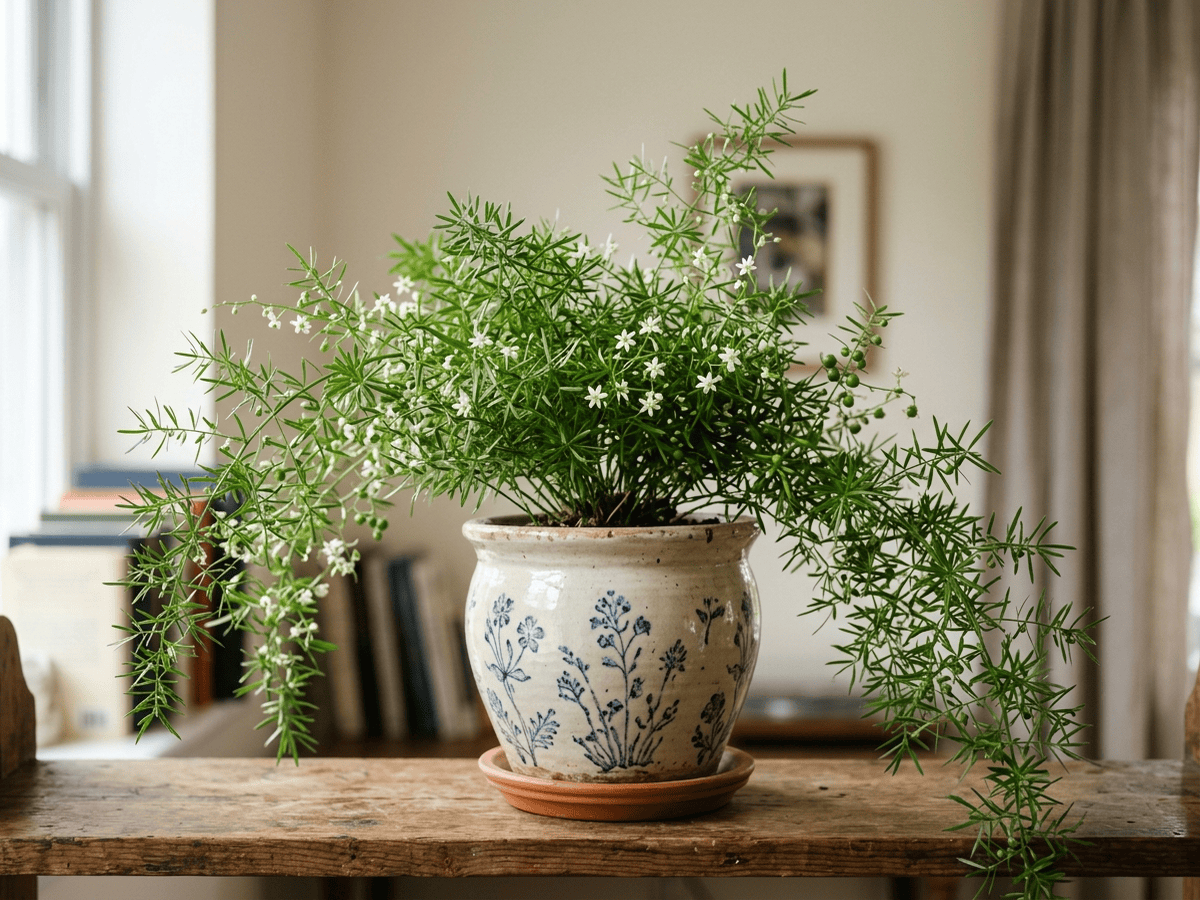 Sprenger's AsparagusAsparagus densiflorus
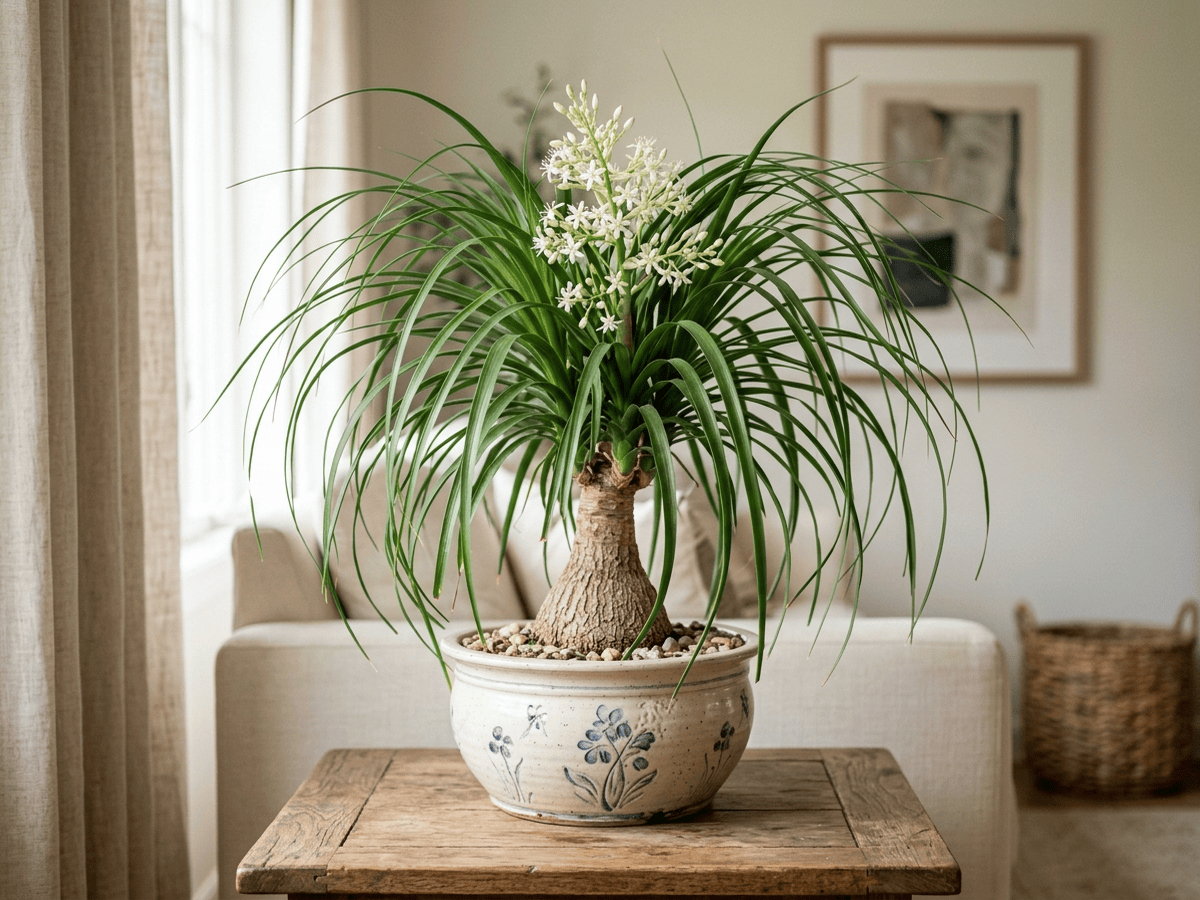 Ponytail PalmBeaucarnea recurvata
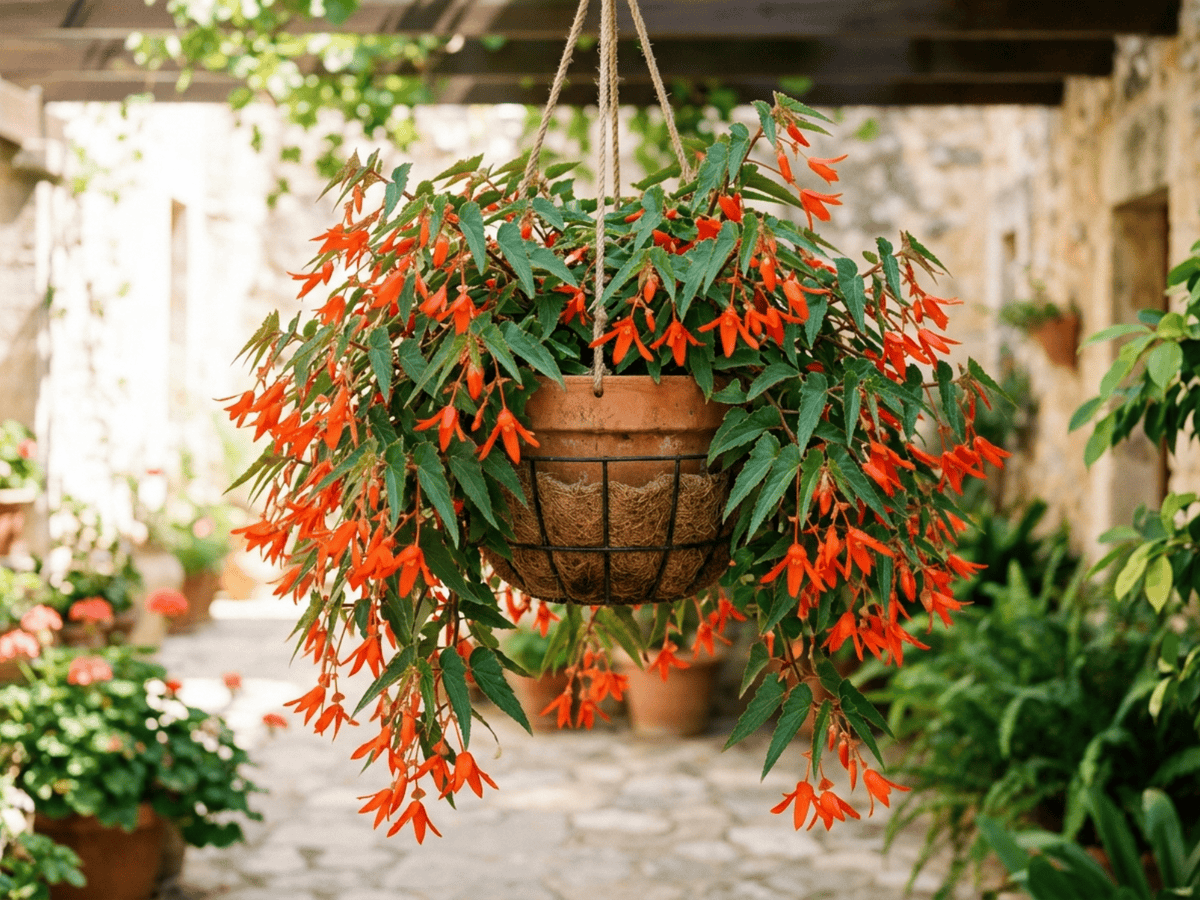 Tuberous BegoniaBegonia boliviensis
 Amethyst FlowerBrowallia speciosa
Frequently asked questions
How often should I water Philippine Evergreen?
In summer, water about every 5 days; in winter, about every 14 days. Adjust for heat, pot size and drainage.
How much light does Philippine Evergreen need?
Part shade: 2–4 hrs direct. Watch the leaves — scorching or stretching means the light needs adjusting.
Is Philippine Evergreen toxic to cats or dogs?
Pets Moderate (Dogs Moderate · Cats Moderate) Educational information, not medical or veterinary advice. If exposure is suspected, contact a doctor or veterinarian.
Is Philippine Evergreen easy to grow?
Yes — it is considered an easy, beginner-friendly plant.
Can Philippine Evergreen be grown indoors?
Yes, it adapts well to indoor growing given the right light.
When does Philippine Evergreen bloom?
It typically blooms Jun–Aug in the Northern Hemisphere.
YardMate
Identify any plant in seconds
Snap a photo — YardMate names the plant, diagnoses problems, and reminds you when to water.
Download on the App Store