 YardMate


Heart-Leaved Bergenia
Bergenia cordifolia
Easy · Beginner friendlyAbout Heart-Leaved Bergenia
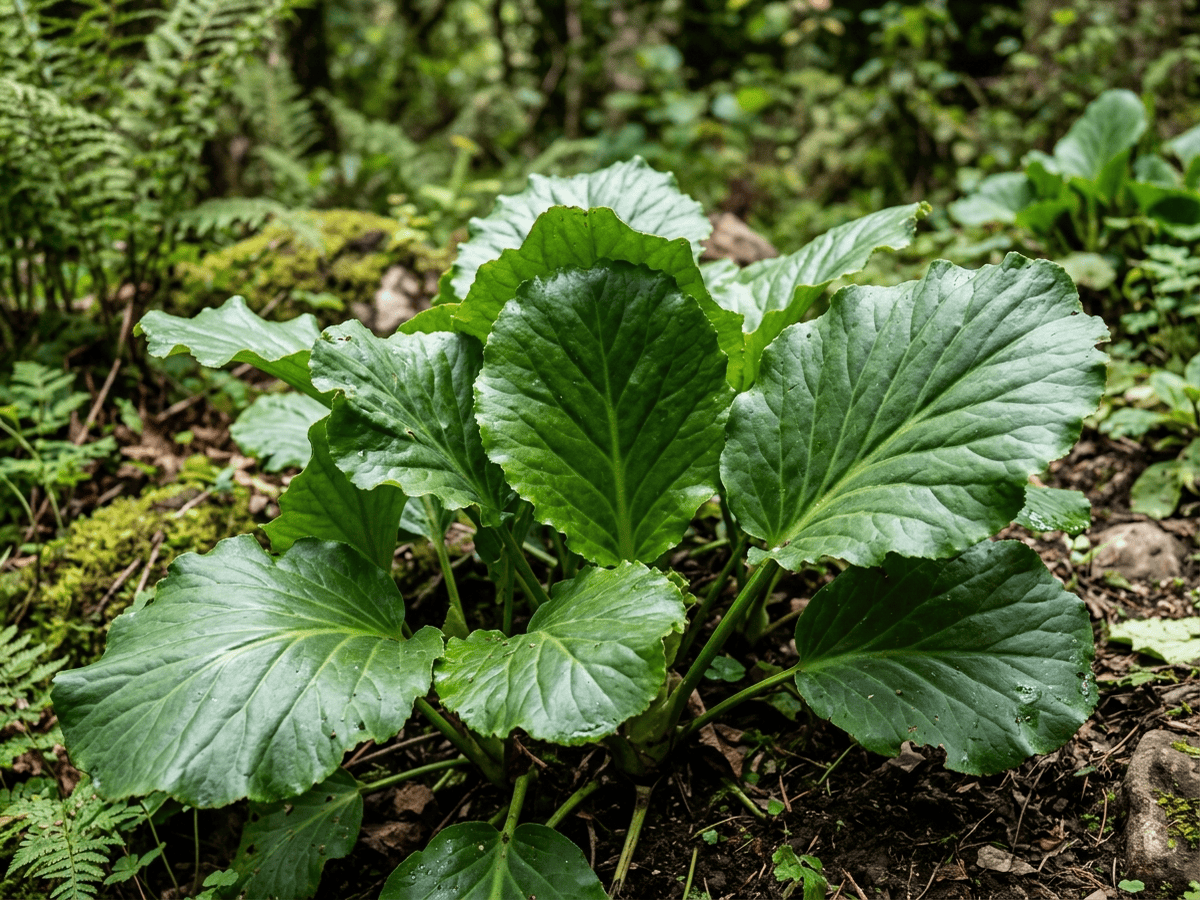
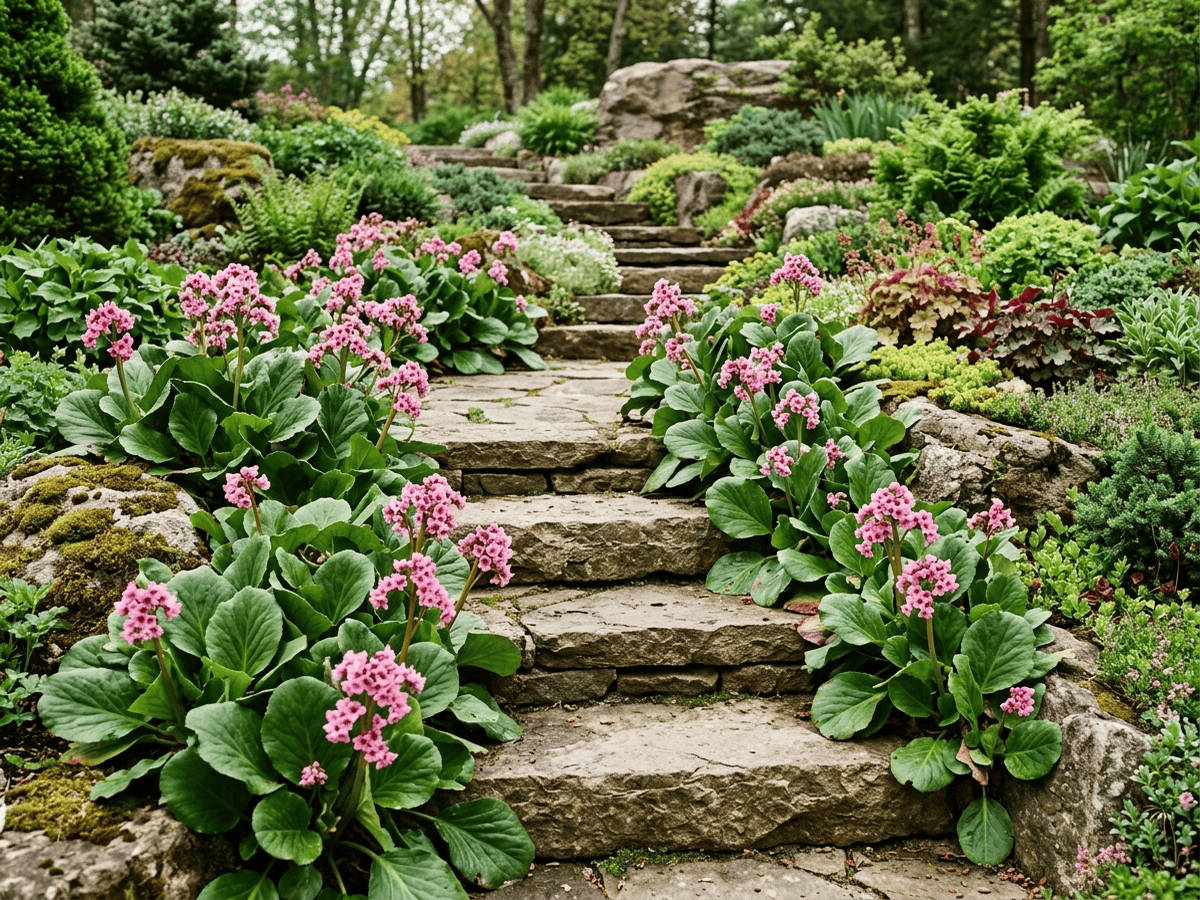
Heart-leaved Bergenia or Pigsqueak is a tough Siberian evergreen perennial valued for large glossy paddle-shaped leaves that turn bronze-red in fall and winter. Growing 12 to 18 inches tall and spreading by thick rhizomes, it produces clusters of pink bell-shaped flowers on red stems in early spring. A workhorse groundcover for American shade gardens, famously tolerant of poor soil, deep shade, and neglect.
- Low-maintenance
- Shade-tolerant
- Deer-resistant
- Groundcover
How to care for Heart-Leaved Bergenia
Watering
- Springevery 5 days
- Summerevery 3 days
- Fallevery 7 days
- Winterevery 14 days
Soil · Well-draining
- Top dressingPine bark mulch10%
- Main mixPotting soil + perlite 2:170%
- DrainageLECA / gravel20%
Never skip the drainage layer — standing water is the top cause of root rot.
FERTILIZER
Balanced Feed 14-14-14
An even feed covers all three needs at once, keeping leaves, roots and blooms moving together with nothing pushed out of balance.
- Nitrogen · Leaves
- Phosphorus · Roots + Blooms
- Potassium · Strength
- Springevery 45 days
- Summerevery 60 days
At a Glance
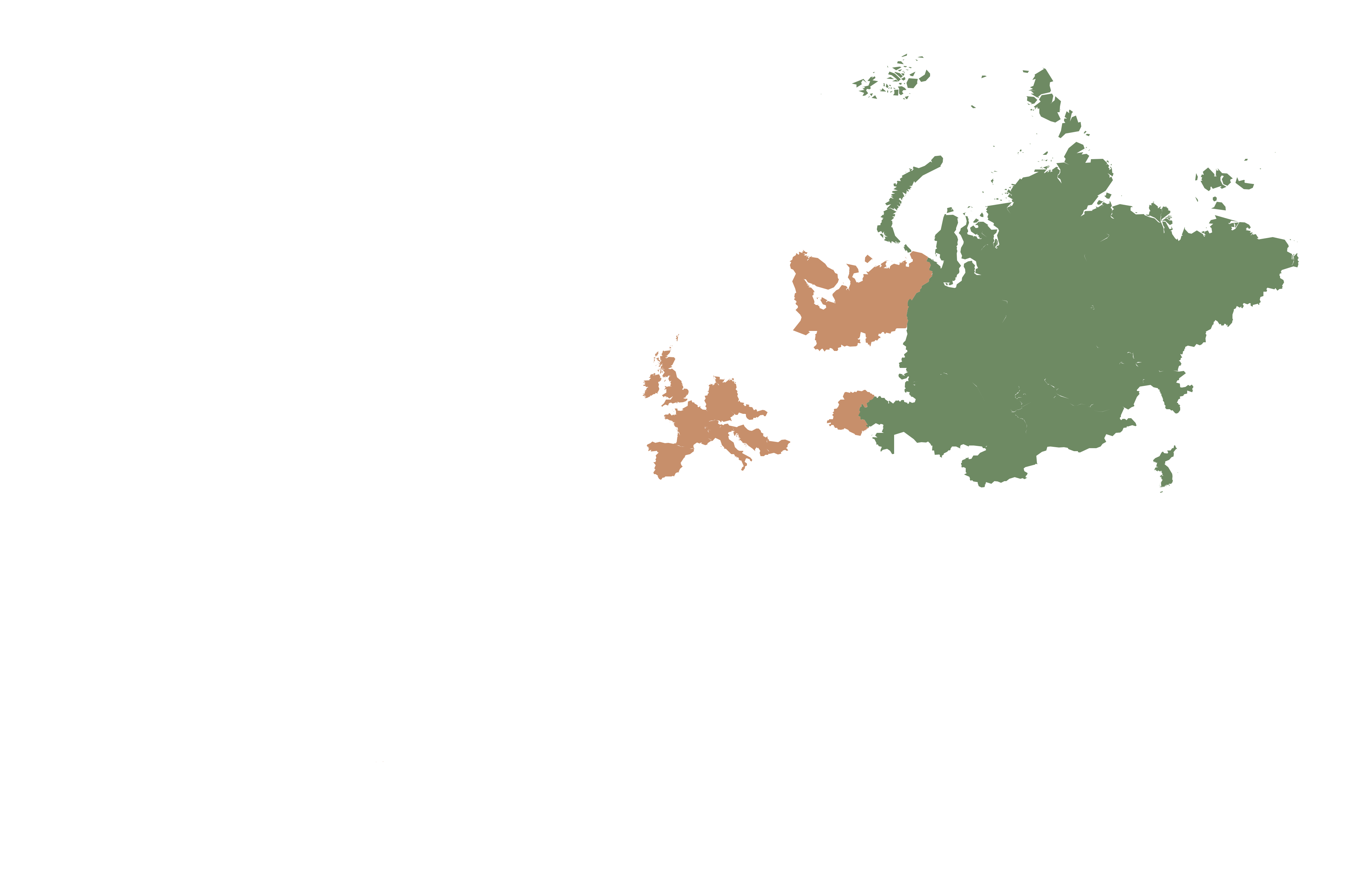
- NativeMediterranean, East Asia
- Height1–2 ft (0.3–0.6 m)
- Spread1–2 ft (0.3–0.6 m)
- Flower colorPink, Purple, White
- Foliage colorGreen, Red, Bronze
- SoilLoamy, Moisture-retentive, Well-drained
- LocationsYard
Bloom time
BLOOM CYCLE
Peak bloom
Mar–Apr
Pink bell clusters on red stems in early spring
Toxicity
No toxicity has been reported for this plant. Still, it is wise to keep pets from chewing on any houseplant.
Educational information, not medical or veterinary advice. If exposure is suspected, contact a doctor or veterinarian.
DISTRIBUTION

- Native
- Introduced
- Mediterranean
- East Asia
History
Bergenia cordifolia grows wild across the Altai mountains, Mongolia, and southern Siberia. The German botanist Konrad Moench established the genus Bergenia in 1794 to honor Karl August von Bergen, professor of medicine at Frankfurt an der Oder. This species was described by Haworth in 1804.
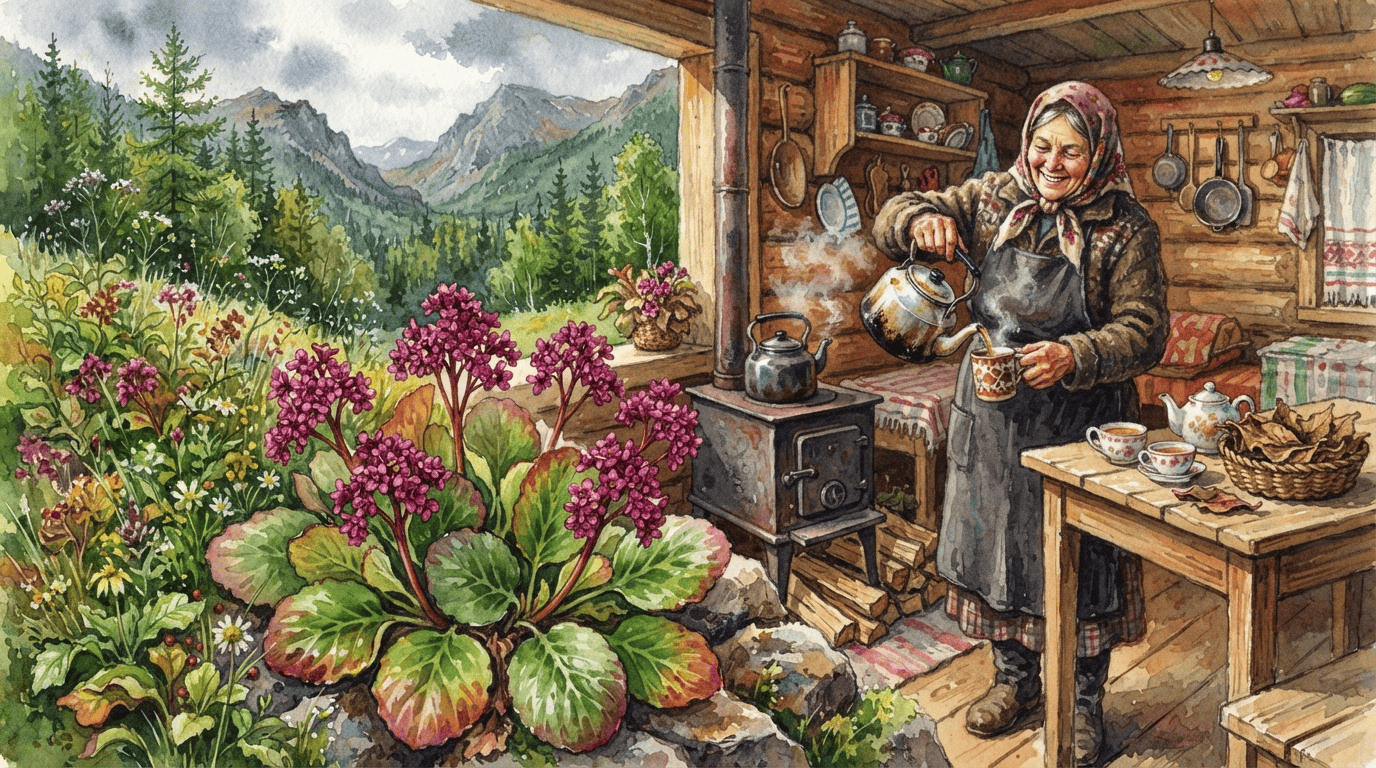
Siberian peoples fermented and dried aged leaves to produce a caffeine-free beverage called 'Mongolian tea' or 'Chagir tea', still sold regionally. Seeds reached European botanical gardens by the 1770s, and cultivation spread rapidly during the Victorian era, with Gertrude Jekyll famously using massed bergenias at the feet of perennial borders. Modern cultivars such as 'Bressingham White', 'Eroica', and the deep-pink 'Overture' extend the palette of this tough, leathery-leaved shade plant.
Symbolism & meaning
What It Symbolizes
Heart-Leaved Bergenia can symbolize enduring affection in leaves that stay broad and glossy through the harshest winters, refusing to retreat. Among the very first perennials to bloom in spring, it is also an early herald, lifting pink flower clusters above leaves that have just survived the snow. In the cottage garden, bergenia suggests love that does not vanish in the cold months but holds its ground, ready to bloom the moment the light returns.
- Enduring grace — evergreen leaves persist through harshest winters
- Early herald — among the first perennials to bloom in spring
Where the Name Comes From
'Bergenia' honors Karl August von Bergen (1704-1759), German physician and botanist; 'cordifolia' from Latin means heart-leaved.
Uses & Fun Facts
- Bold leathery rosettes carpet shaded bed edges
- Glossy evergreen leaves redden through cold winters
- Pink spring flower spikes work in arrangements
Related plants
Plants with similar care
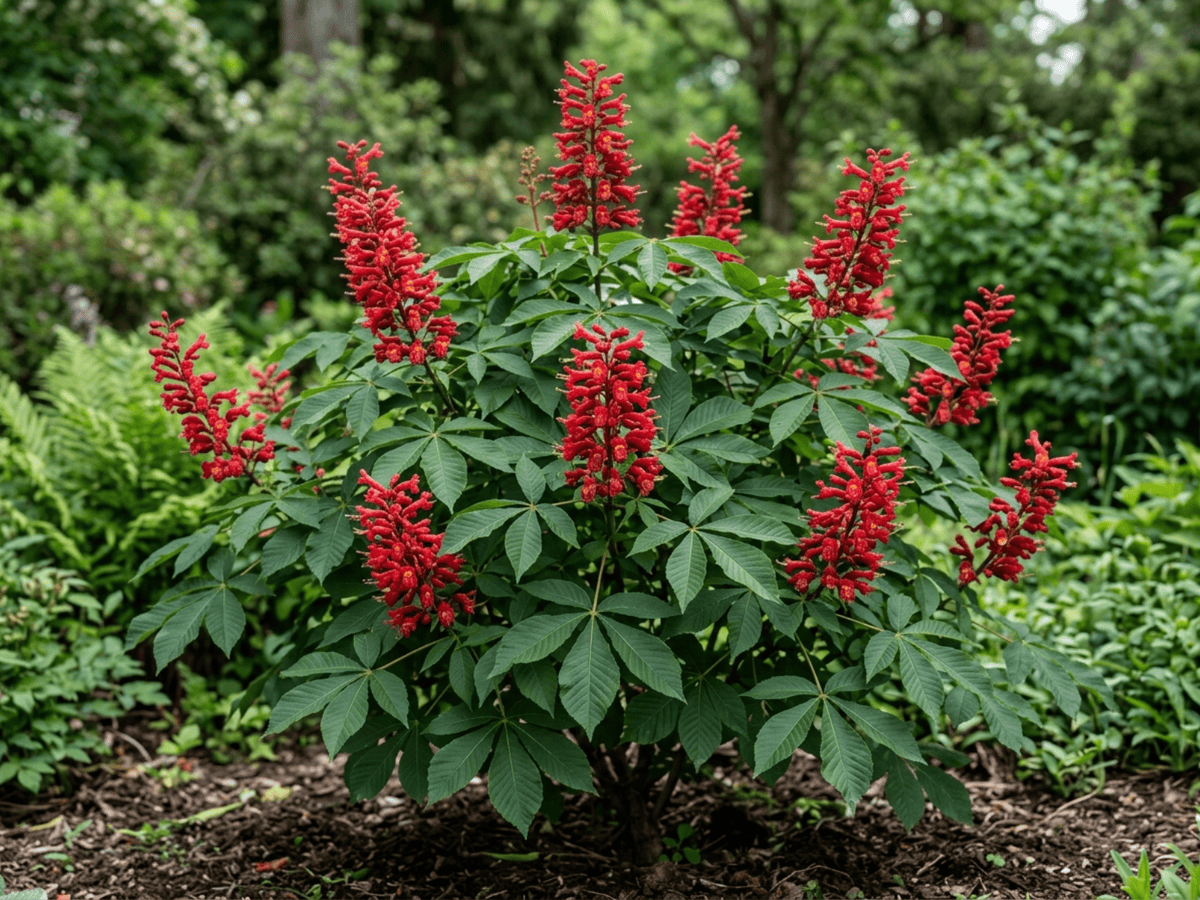 Red BuckeyeAesculus pavia
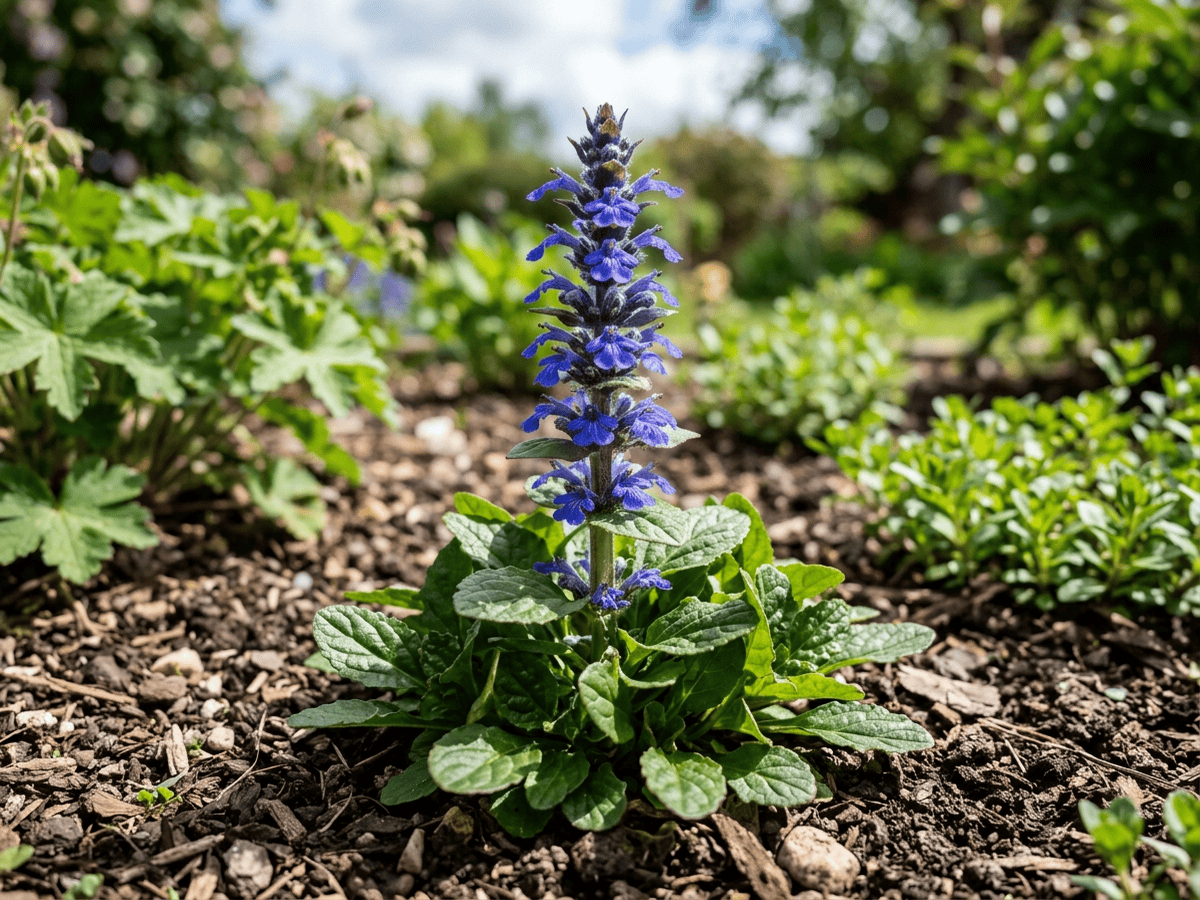 Blue BugleAjuga genevensis
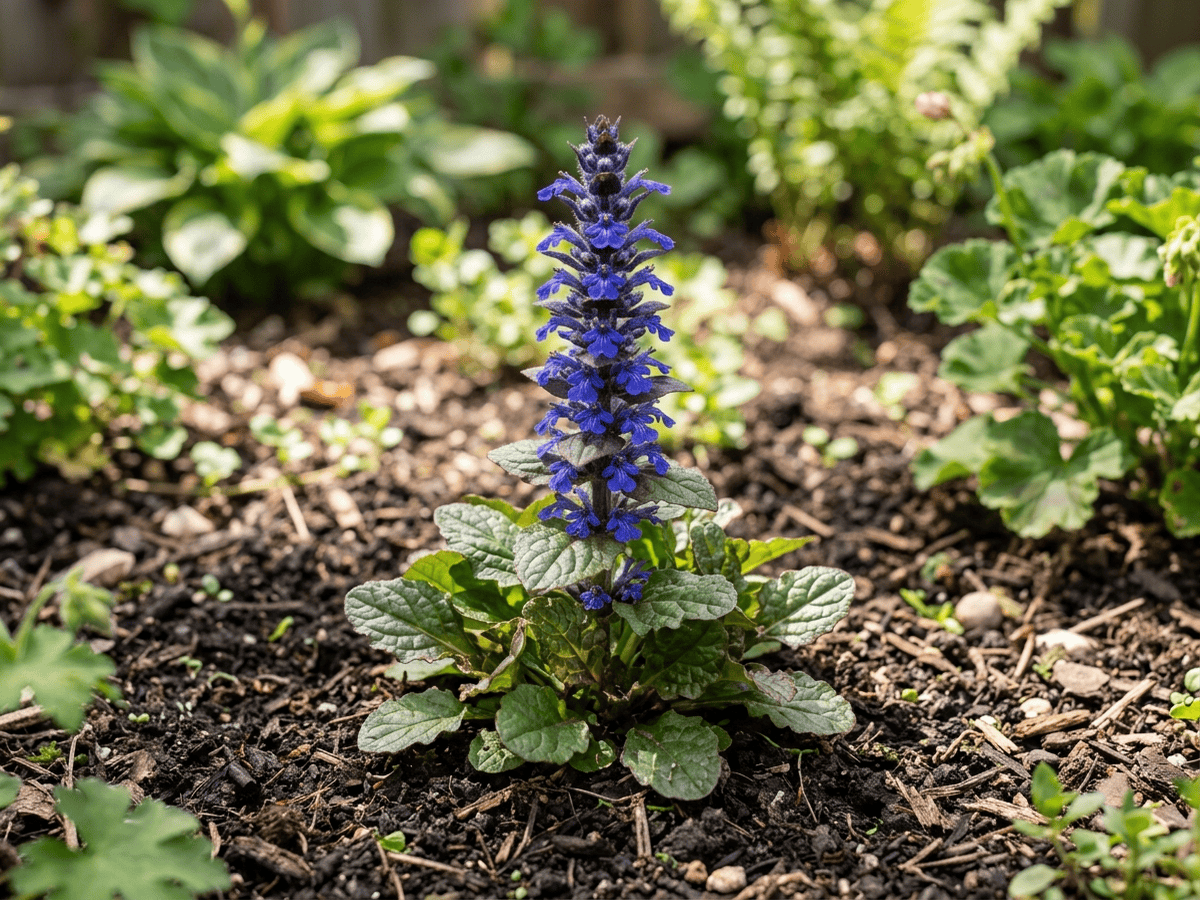 Pyramidal BugleAjuga pyramidalis
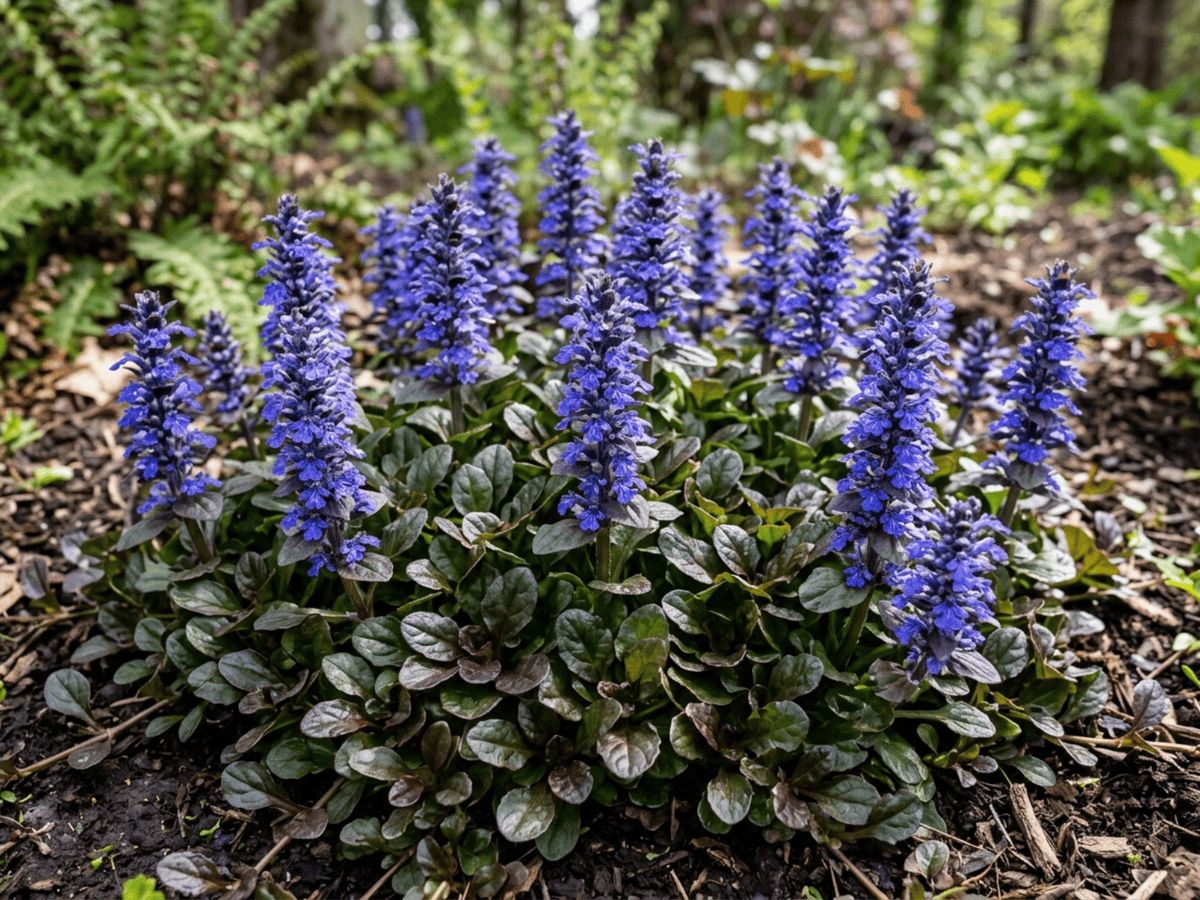 Carpet BugleAjuga reptans
Frequently asked questions
How often should I water Heart-Leaved Bergenia?
In summer, water about every 3 days; in winter, about every 14 days. Adjust for heat, pot size and drainage.
How much light does Heart-Leaved Bergenia need?
Part shade: 2–4 hrs direct. Watch the leaves — scorching or stretching means the light needs adjusting.
Is Heart-Leaved Bergenia toxic to cats or dogs?
No toxicity has been reported for this plant. Still, it is wise to keep pets from chewing on any houseplant. Educational information, not medical or veterinary advice. If exposure is suspected, contact a doctor or veterinarian.
Is Heart-Leaved Bergenia easy to grow?
Yes — it is considered an easy, beginner-friendly plant.
When does Heart-Leaved Bergenia bloom?
It typically blooms Mar–Apr in the Northern Hemisphere.
YardMate
Identify any plant in seconds
Snap a photo — YardMate names the plant, diagnoses problems, and reminds you when to water.
Download on the App Store