 YardMate


Siberian Bugloss
Brunnera macrophylla
Easy · Beginner friendlyAbout Siberian Bugloss
Heartleaf Brunnera or Siberian Bugloss is a Eurasian perennial beloved for its large heart-shaped leaves and sprays of tiny bright blue forget-me-not-like flowers in spring. Growing 12 to 18 inches tall, it forms a spreading clump in shade gardens. Silver-variegated cultivars like 'Jack Frost' and 'Looking Glass' have made it one of the most popular shade foliage plants in American gardens.
- Cold-hardy
- Shade-tolerant
- Deer-resistant
How to care for Siberian Bugloss
Watering
- Springevery 3 days
- Summerevery 2 days
- Fallevery 5 days
- Winterevery 10 days
Soil · Well-draining
- Top dressingPine bark mulch10%
- Main mixPotting soil + perlite 2:170%
- DrainageLECA / gravel20%
Never skip the drainage layer — standing water is the top cause of root rot.
FERTILIZER
Balanced Feed 14-14-14
An even feed covers all three needs at once, keeping leaves, roots and blooms moving together with nothing pushed out of balance.
- Nitrogen · Leaves
- Phosphorus · Roots + Blooms
- Potassium · Strength
- Springevery 30 days
- Summerevery 45 days
At a Glance
- NativeWestern Asia, Mediterranean
- Height1–1.5 ft (0.3–0.5 m)
- Spread1.5–2 ft (0.5–0.6 m)
- Flower colorBlue
- Foliage colorGreen, Silver, Variegated
- SoilLoamy, Moisture-retentive, Rich
- LocationsYard
Bloom time
BLOOM CYCLE
Peak bloom
Mar–May
Sprays of sky-blue forget-me-not flowers in spring
Toxicity
No toxicity has been reported for this plant. Still, it is wise to keep pets from chewing on any houseplant.
Educational information, not medical or veterinary advice. If exposure is suspected, contact a doctor or veterinarian.
DISTRIBUTION


- Native
- Introduced
- Western Asia
- Mediterranean
History

Brunnera macrophylla grows in damp deciduous forests of the Caucasus, northern Turkey, and western Siberia. It was first described as Anchusa myosotidiflora in 1801 and later transferred to Brunnera; the genus honors Swiss botanist Samuel Brunner. The plant entered European gardens in the 19th century as a spring woodland perennial with heart-shaped leaves and sprays of true-blue forget-me-not-like flowers.
Its modern fame came from foliage rather than flowers. In the 1990s and 2000s, silver-marbled sports turned Brunnera into a premier shade plant, with Walters Gardens introducing 'Jack Frost' in 2000. That cultivar won Perennial Plant of the Year in 2012 and made the genus common in American gardens. Later forms such as 'Looking Glass', 'Silver Heart', and 'Alexander's Great' expanded the silver-leaf palette for cool, moist shade.
Symbolism & meaning
What It Symbolizes
Siberian Bugloss carries true love in its tiny blue flowers, near-twins of forget-me-nots and bearing the same romantic weight in the language of flowers. Beneath those clouds of bloom rest its frosted hearts — silver-etched, heart-shaped leaves that hold their beauty long after spring fades. A plant for those who believe devotion deserves both flowers and foliage.
- True love — forget-me-not flowers carry romantic meaning
- Frosted heart — silver-etched heart-shaped leaves
Where the Name Comes From
The name Siberian Bugloss points to Siberia or cold northern Asia. 'Brunnera' honors Swiss botanist Samuel Brunner (1790-1844); 'macrophylla' from Greek means large-leaved.
Uses & Fun Facts
- Silver-veined heart leaves and forget-me-not sprays for shade gardens
- Spreading clumps brighten dry shade beneath deciduous trees
Related plants
Plants with similar care
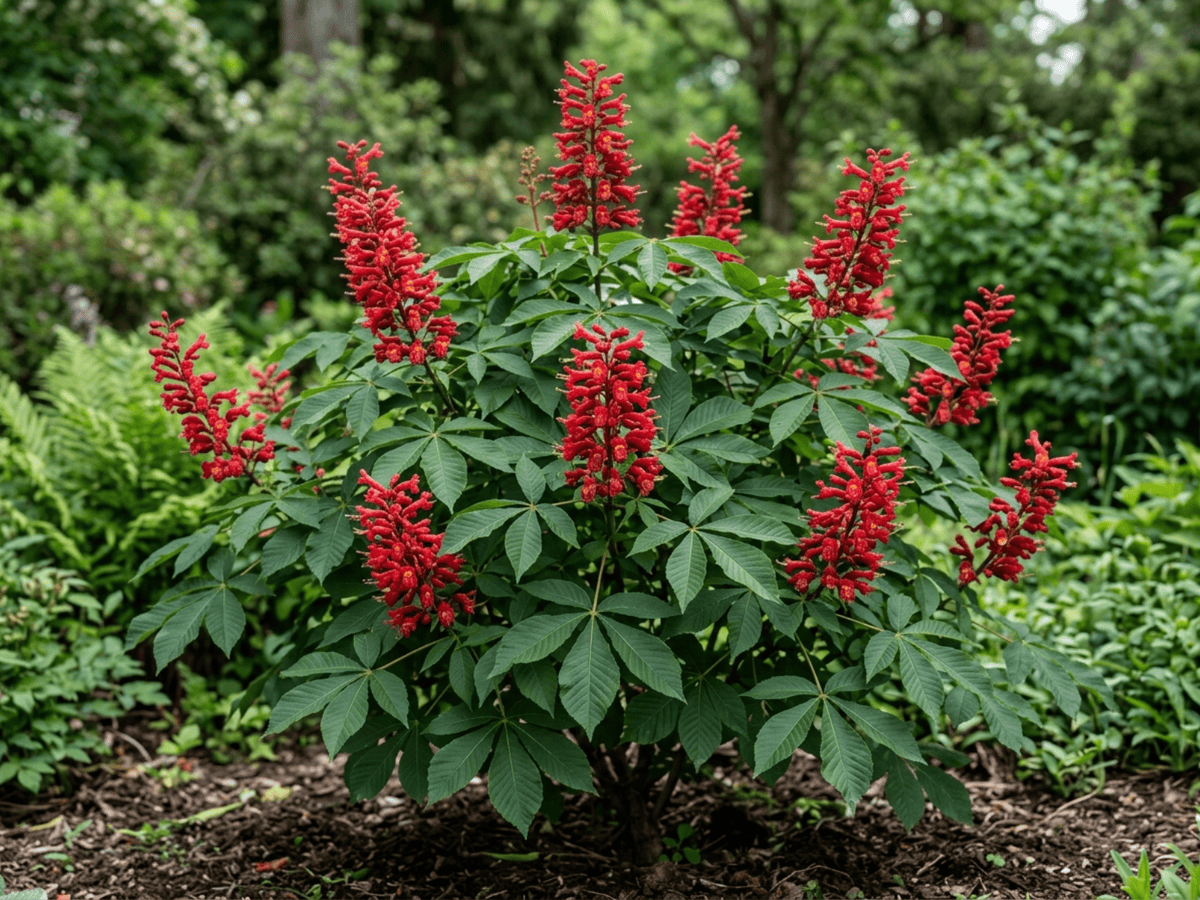 Red BuckeyeAesculus pavia
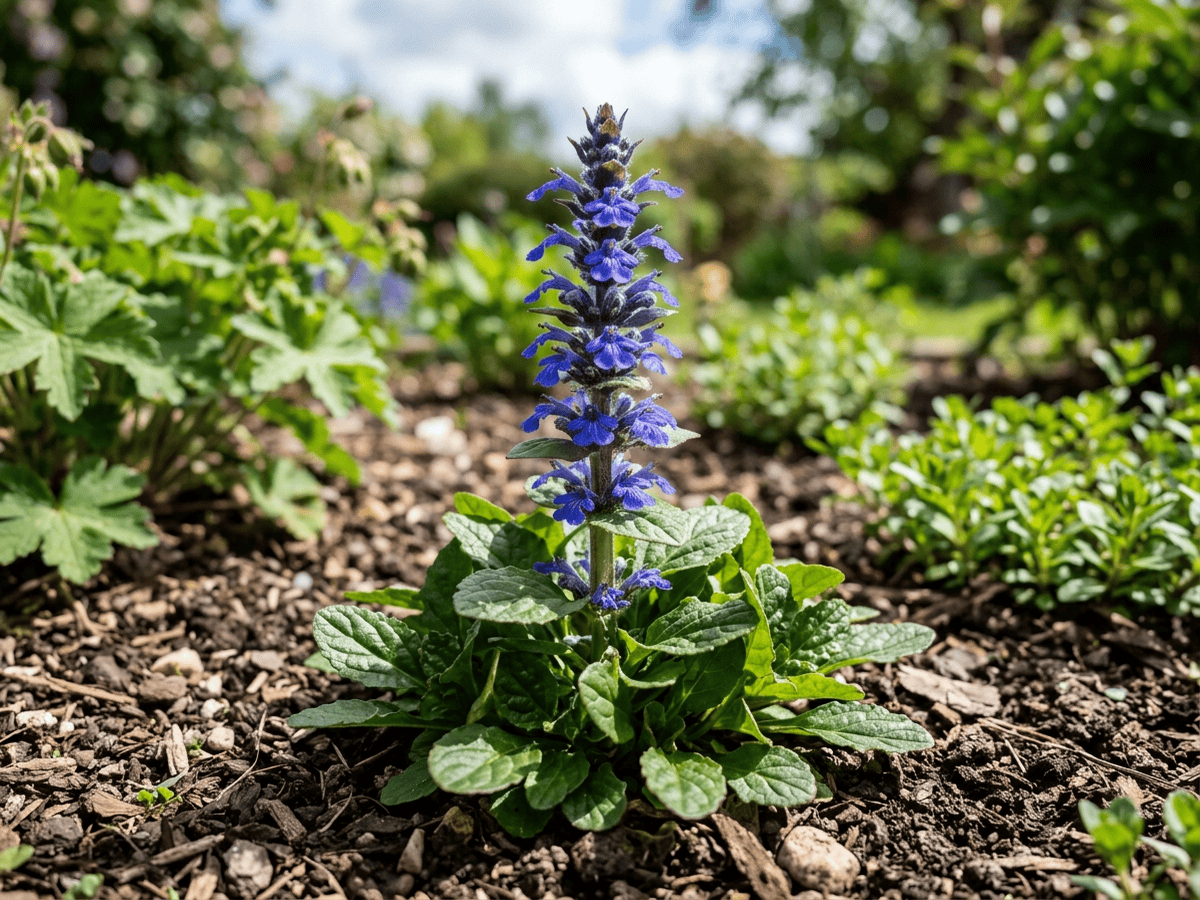 Blue BugleAjuga genevensis
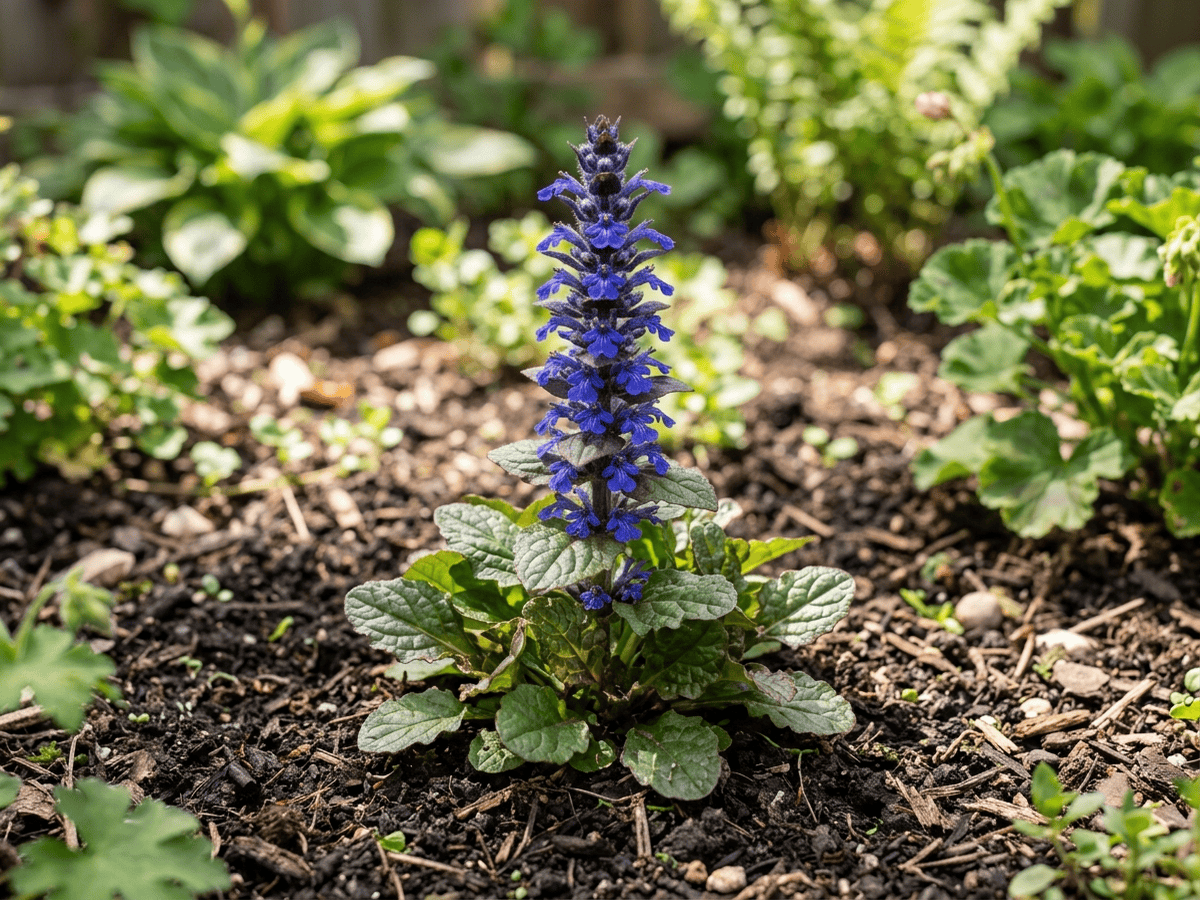 Pyramidal BugleAjuga pyramidalis
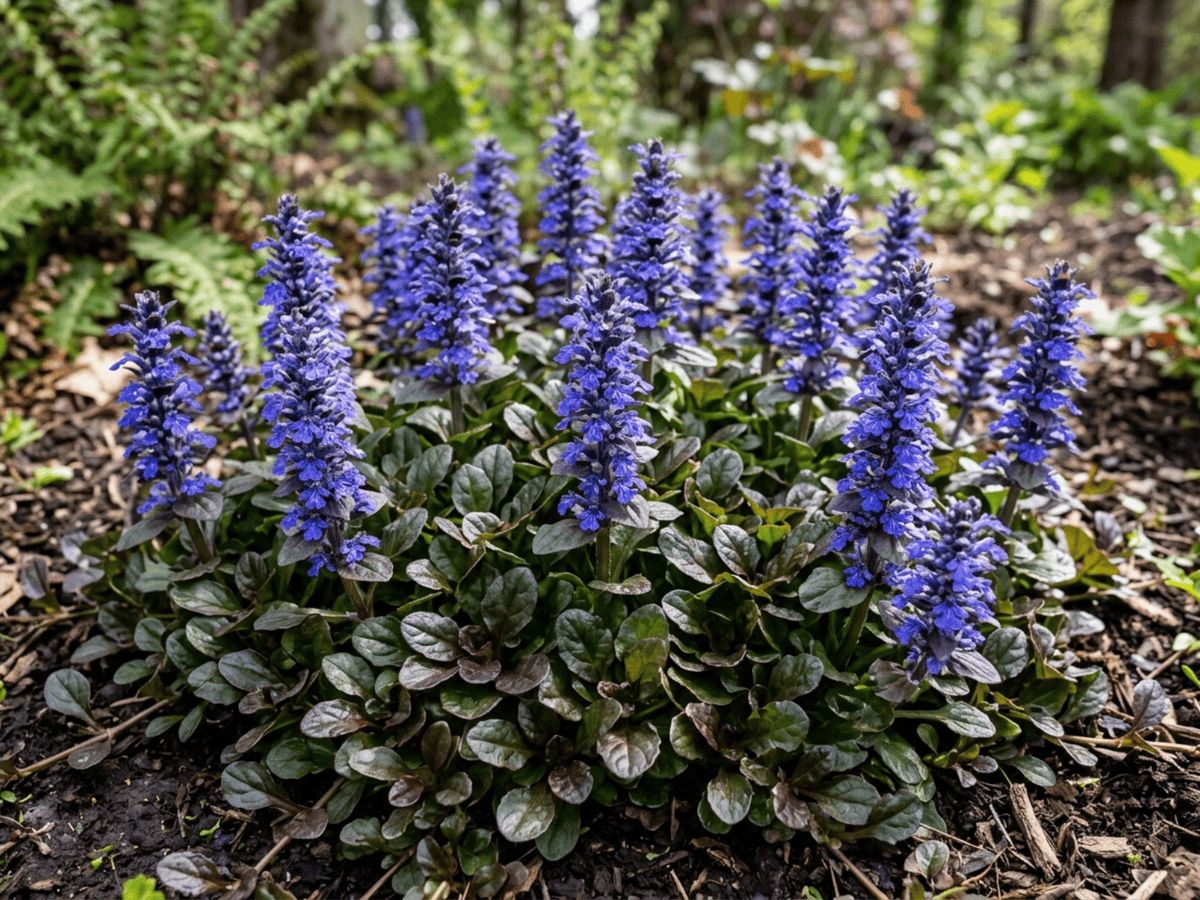 Carpet BugleAjuga reptans
Frequently asked questions
How often should I water Siberian Bugloss?
In summer, water about every 2 days; in winter, about every 10 days. Adjust for heat, pot size and drainage.
How much light does Siberian Bugloss need?
Part shade: 2–4 hrs direct. Watch the leaves — scorching or stretching means the light needs adjusting.
Is Siberian Bugloss toxic to cats or dogs?
No toxicity has been reported for this plant. Still, it is wise to keep pets from chewing on any houseplant. Educational information, not medical or veterinary advice. If exposure is suspected, contact a doctor or veterinarian.
Is Siberian Bugloss easy to grow?
Yes — it is considered an easy, beginner-friendly plant.
When does Siberian Bugloss bloom?
It typically blooms Mar–May in the Northern Hemisphere.
YardMate
Identify any plant in seconds
Snap a photo — YardMate names the plant, diagnoses problems, and reminds you when to water.
Download on the App Store