 YardMate
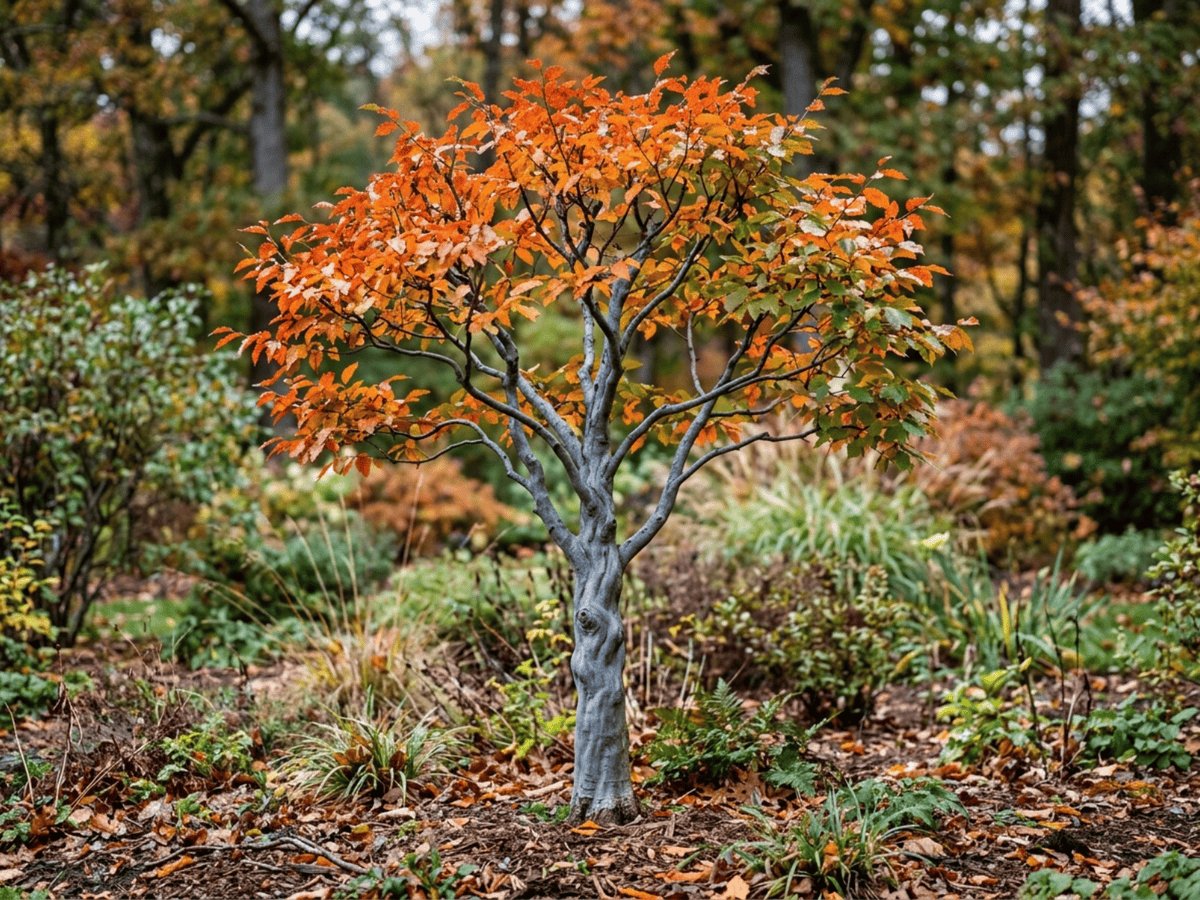


American Hornbeam
Carpinus caroliniana
Easy · Beginner friendlyAbout American Hornbeam
American Hornbeam is a small deciduous understory tree native to eastern North America, reaching 20-30 feet, known for its smooth gray muscled trunk that resembles flexed sinew—earning the names 'musclewood' and 'ironwood'. Finely serrated oval leaves turn yellow, orange, and red in autumn. A graceful shade-tolerant tree for woodland edges, streambanks, and small yards throughout the eastern US.
- Shade-tolerant
- Fall-color
- Native
- Wildlife-friendly
How to care for American Hornbeam
Watering
- Springevery 5 days
- Summerevery 4 days
- Fallevery 7 days
- Winterpause watering
Soil · Well-draining
- Top dressingPine bark mulch10%
- Main mixPotting soil + perlite 2:170%
- DrainageLECA / gravel20%
Never skip the drainage layer — standing water is the top cause of root rot.
FERTILIZER
- Springevery 60 days
- Summerevery 60 days
At a Glance
- NativeNorth America
- Height20–35 ft (6.1–10.7 m)
- Spread20–30 ft (6.1–9.1 m)
- Flower colorGreen
- Foliage colorGreen, Bronze
- Fruit colorGreen, Brown
- SoilLoamy, Moisture-retentive, Neutral
- LocationsYard
Bloom time
BLOOM CYCLE
Peak bloom
Mar–May
Hanging catkins in spring
Toxicity
No toxicity has been reported for this plant. Still, it is wise to keep pets from chewing on any houseplant.
Educational information, not medical or veterinary advice. If exposure is suspected, contact a doctor or veterinarian.
DISTRIBUTION


- Native
- North America
History
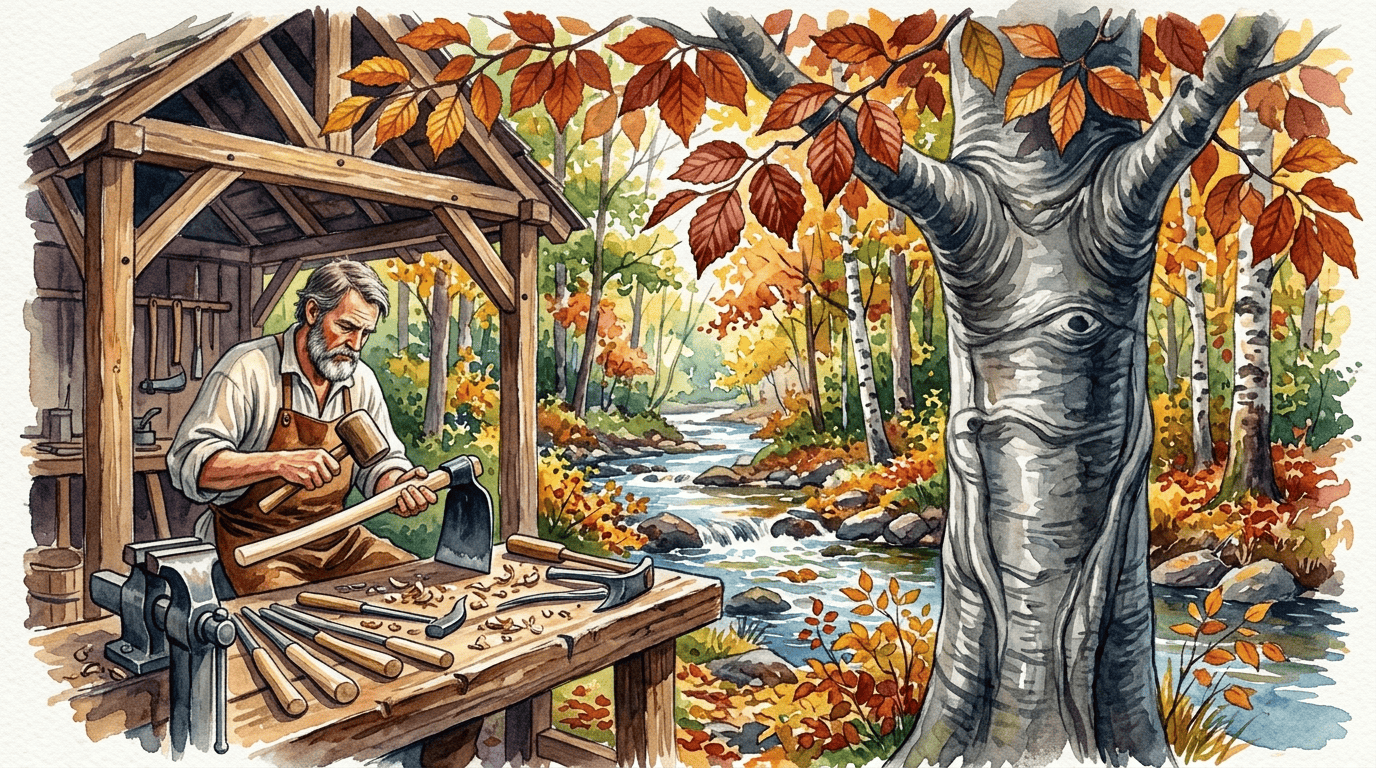
Carpinus caroliniana grows as an understory tree in moist woodlands and stream bottoms across eastern North America from Nova Scotia to Florida and west to Minnesota and Texas. English botanist Thomas Walter formally described it in 1788 in his Flora Caroliniana. The species's most distinctive feature—reflected in common names musclewood, ironwood, and blue beech—is the smooth gray trunk that appears rippled and sinewy like a flexed arm, composed of longitudinal ridges suggesting muscles under skin.
The fine-grained dense wood is among the hardest and heaviest of any eastern tree and was traditionally used by colonial Americans and Indigenous peoples for tool handles, mallet heads, levers, wedges, and similar objects requiring extreme toughness. Reaching only 20-35 feet, it makes an excellent specimen for small shade gardens, naturalized woodland areas, and stream edges.
Attractive bronze-to-red autumn color supplements year-round bark interest. The extremely hard, dense wood was used by Native Americans and colonists for tool handles, wedges, ox yokes, and mallets—earning the name 'ironwood'. Blue Jays and other songbirds rely on the winter nutlets for food.
Symbolism & meaning
What It Symbolizes
American Hornbeam suggests strength, nicknamed ironwood for timber so dense early settlers used it for tool handles and ox yokes. Yet its form carries an unexpected grace, a slender understory tree with rippled muscular bark and delicately ribbed leaves. It signals the quiet power that does not advertise itself, hardness wrapped in elegance, the flower of those whose strength is discovered only at close range.
- Strength — nicknamed 'ironwood' for hard dense wood
- Grace — elegant small understory tree
Where the Name Comes From
'Carpinus' is classical Latin for hornbeam; 'caroliniana' refers to the Carolinas.
Uses & Fun Facts
- Dense ironwood for tool handles and small turnings
- Understory tree provides dappled shade in woodlands
- Seeds and cover support songbirds and small mammals
- Muscled gray trunk and fall color season-long interest
Related plants
Plants with similar care
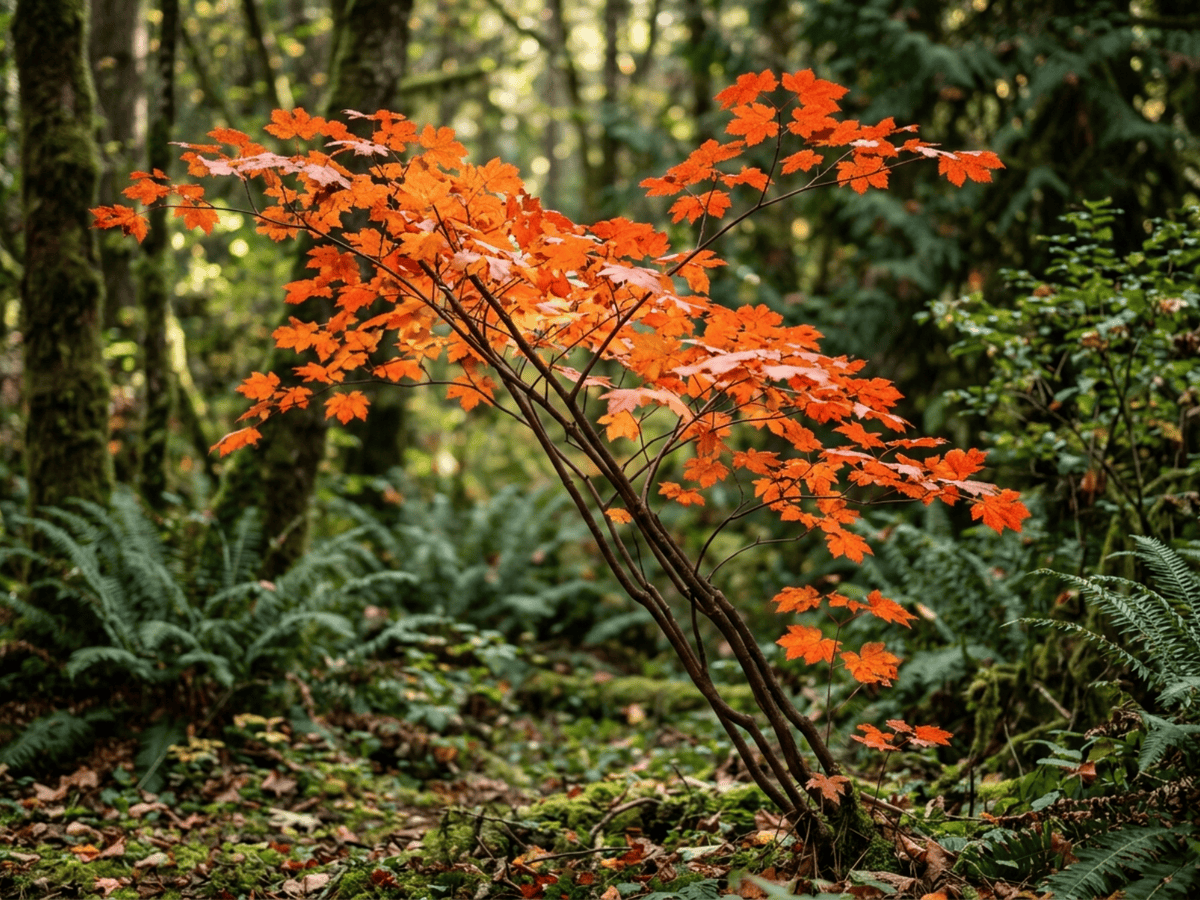 Vine MapleAcer circinatum
 Smooth ShadbushAmelanchier laevis
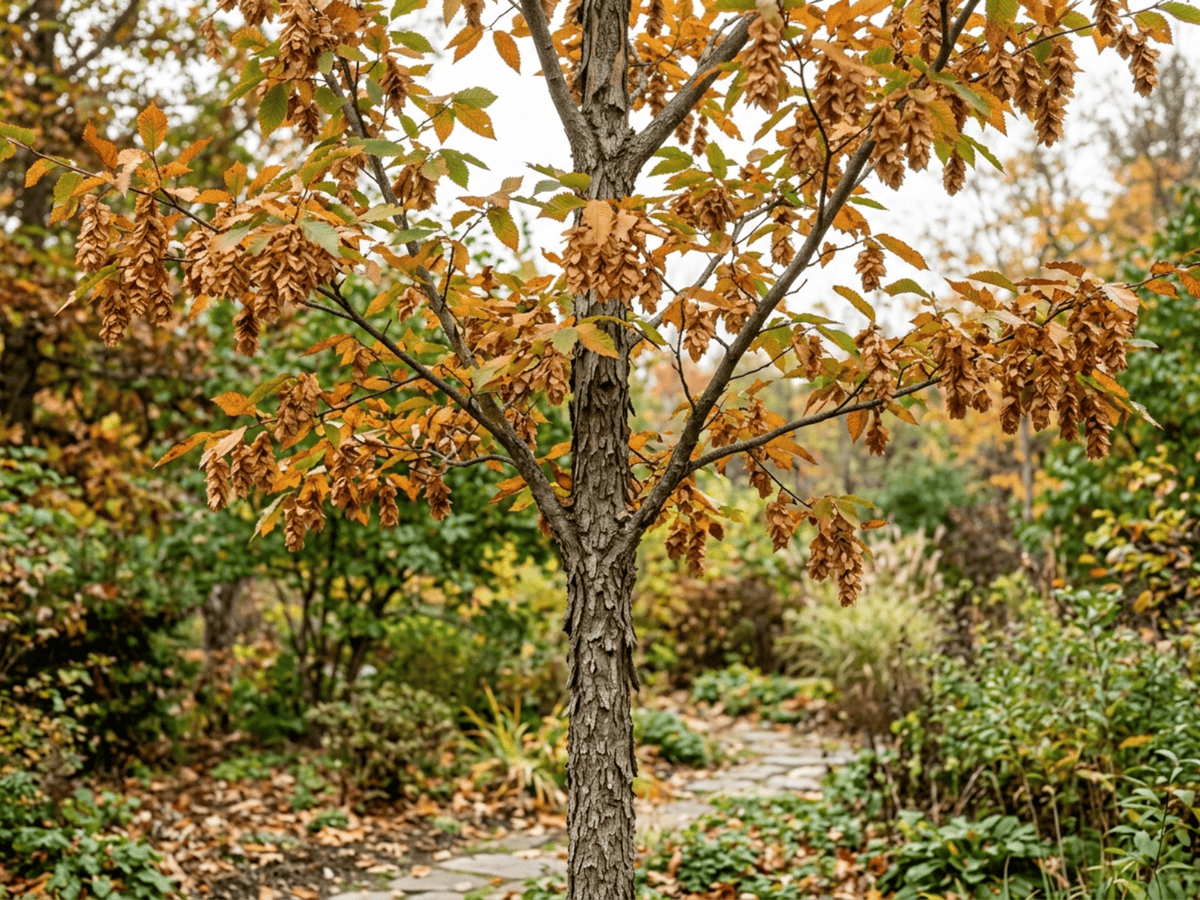 American HophornbeamOstrya virginiana
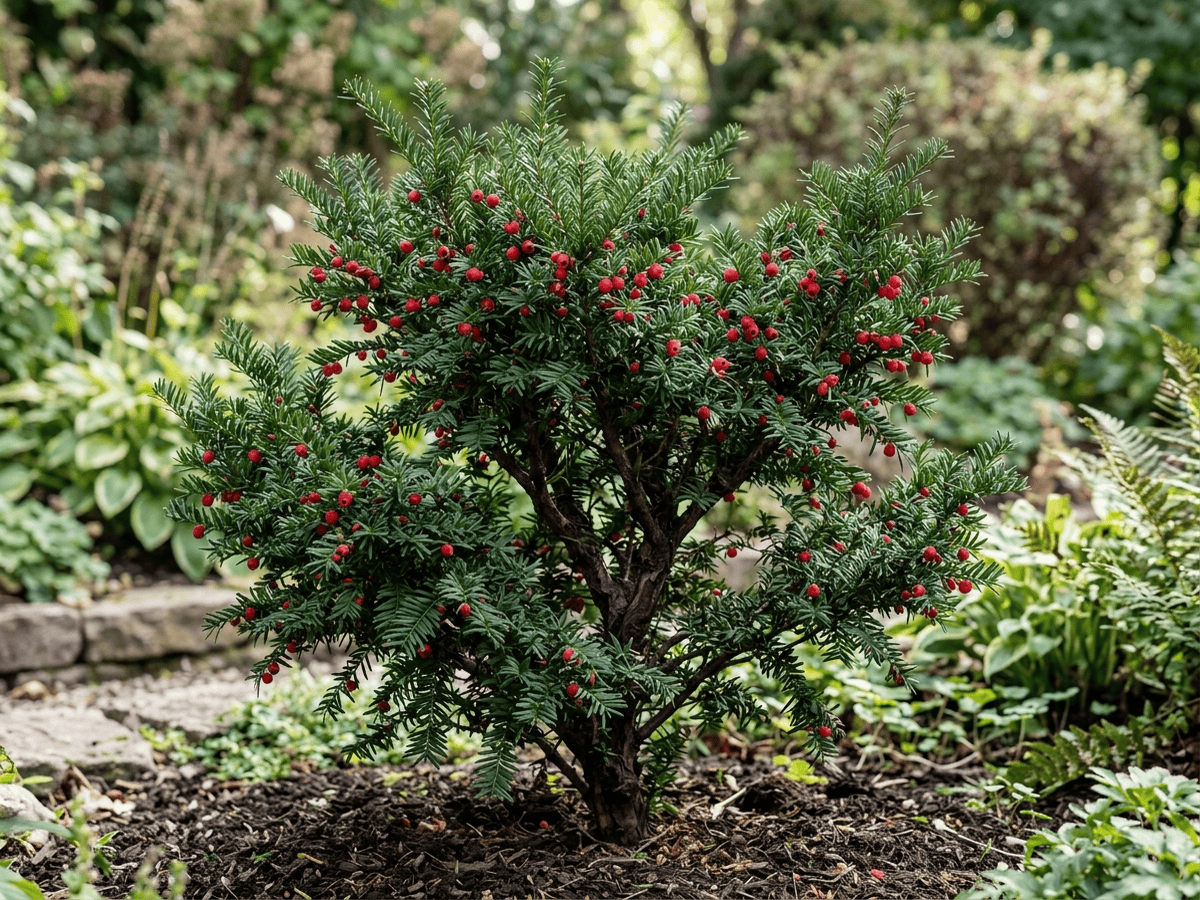 Japanese YewTaxus cuspidata
Frequently asked questions
How often should I water American Hornbeam?
Water about every 5 days during the growing season, and always let excess water drain away.
How much light does American Hornbeam need?
Part sun: 4–6 hrs direct. Watch the leaves — scorching or stretching means the light needs adjusting.
Is American Hornbeam toxic to cats or dogs?
No toxicity has been reported for this plant. Still, it is wise to keep pets from chewing on any houseplant. Educational information, not medical or veterinary advice. If exposure is suspected, contact a doctor or veterinarian.
Is American Hornbeam easy to grow?
Yes — it is considered an easy, beginner-friendly plant.
When does American Hornbeam bloom?
It typically blooms Mar–May in the Northern Hemisphere.
YardMate
Identify any plant in seconds
Snap a photo — YardMate names the plant, diagnoses problems, and reminds you when to water.
Download on the App Store