 YardMate



Smooth Shadbush
Amelanchier laevis
Easy · Beginner friendlyAbout Smooth Shadbush
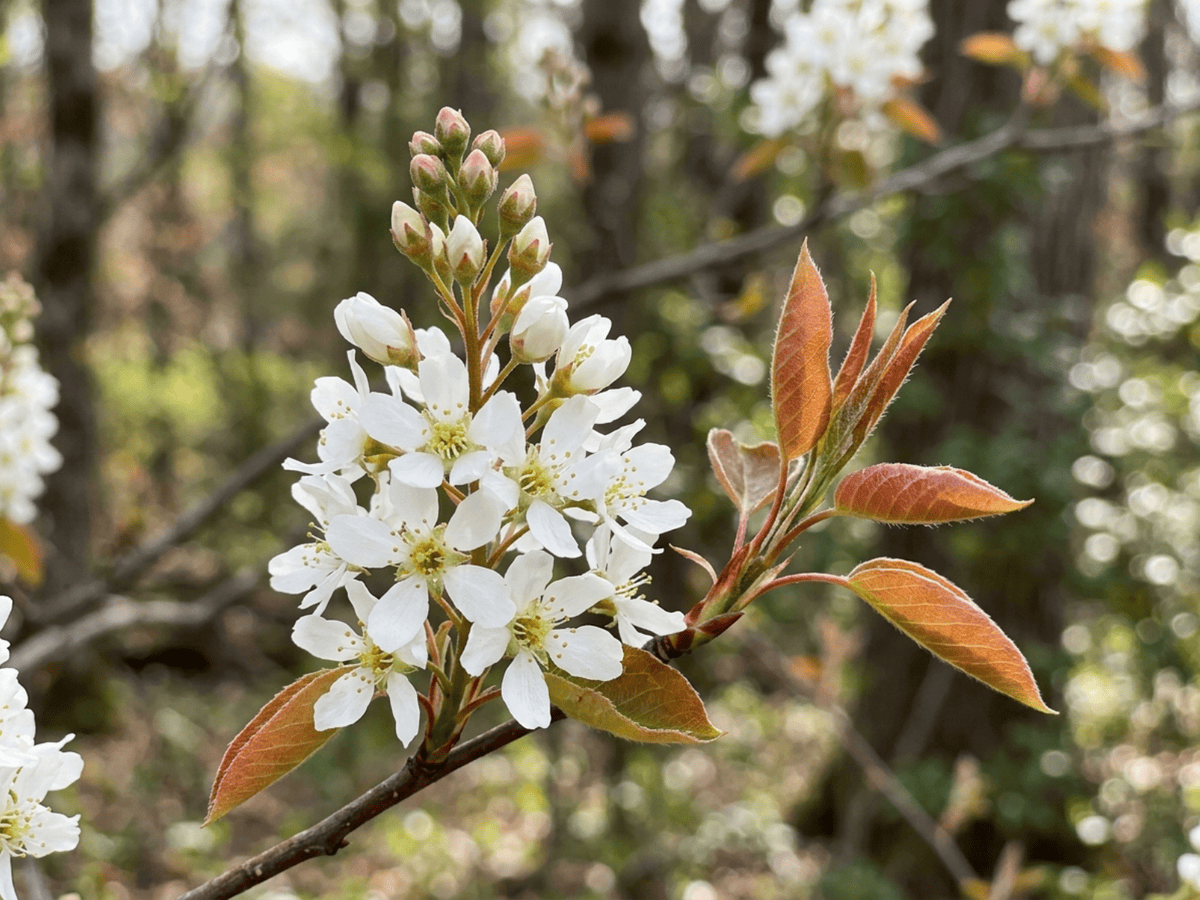
Allegheny Serviceberry is a graceful deciduous tree native to eastern North America, reaching 15-25 feet. In early spring it bursts into clouds of delicate white flowers just as the emerging leaves show a coppery-bronze tint. Summer brings edible purple-black berries beloved by birds, followed by brilliant orange-red fall foliage. A four-season ornamental ideal for woodland edges and small yards across the Northeast and Midwest.
- Edible
- Native
- Pollinator-friendly
- Wildlife-friendly
How to care for Smooth Shadbush
Watering
- Springevery 5 days
- Summerevery 4 days
- Fallevery 7 days
- Winterpause watering
Soil · Well-draining
- Top dressingPine bark mulch10%
- Main mixPotting soil + perlite 2:170%
- DrainageLECA / gravel20%
Never skip the drainage layer — standing water is the top cause of root rot.
FERTILIZER
Balanced Feed 14-14-14
An even feed covers all three needs at once, keeping leaves, roots and blooms moving together with nothing pushed out of balance.
- Nitrogen · Leaves
- Phosphorus · Roots + Blooms
- Potassium · Strength
- Springevery 60 days
- Summerevery 60 days
At a Glance
- NativeNorth America
- Height15–25 ft (4.6–7.6 m)
- Spread15–25 ft (4.6–7.6 m)
- Flower colorWhite
- Foliage colorGreen, Bronze
- Fruit colorPurple, Black
- SoilLoamy, Well-drained, Acidic
- LocationsYard
Bloom time
BLOOM CYCLE
Peak bloom
Apr–May
White flowers April to May
Fragrance
LIGHT FRAGRANCE
The flowers have a mild almond scent.
Toxicity
Humans Safe · Pets Safe
None reported
Safe
EXPOSURE No exposure route is reported.
EFFECT No toxic effect is reported.
NOTE Listed as non-toxic for humans; avoid eating ornamental plants unless confirmed edible.
Safe
EXPOSURE No exposure route is reported.
EFFECT No toxic effect is reported.
NOTE Listed as non-toxic for dogs; avoid eating ornamental plants unless confirmed edible.
Safe
EXPOSURE No exposure route is reported.
EFFECT No toxic effect is reported.
NOTE Listed as non-toxic for cats; avoid eating ornamental plants unless confirmed edible.
Educational information, not medical or veterinary advice. If exposure is suspected, contact a doctor or veterinarian.
DISTRIBUTION


- Native
- North America
History
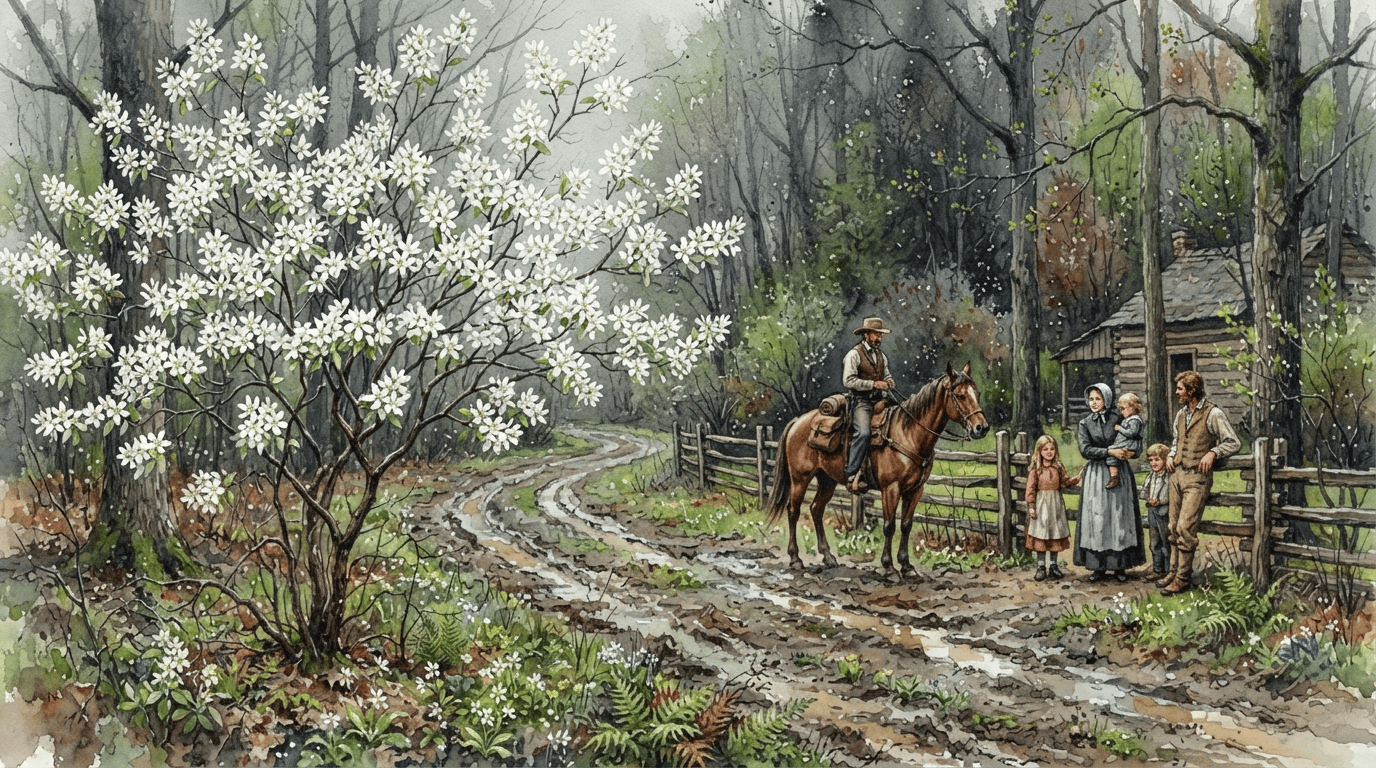
Amelanchier laevis grows in eastern North American woodlands and forest edges from Newfoundland to Georgia and west through the Great Lakes states. American botanists Nathaniel Lord Britton and Joseph Nelson Rose formally distinguished it from other serviceberries in 1903, though the taxonomy remains complex due to hybridization across the genus. The specific epithet laevis (smooth) refers to smooth leaf undersides, distinguishing it from the hairy A. arborea.
White star-shaped flowers in April before leaves emerge produce sweet blueberry-like dark purple 'Juneberries' or 'Saskatoons' in June, an important wildlife food and edible human crop. Brilliant orange-red autumn foliage rivals the best maples. Indigenous peoples across its range consumed fruit in pemmican.
Popular garden cultivars include 'Cumulus' (upright) and 'Snowcloud' (profuse bloom). It is a cornerstone plant of ecological landscaping throughout its range. Native Americans and early settlers prized serviceberries for their sweet, blueberry-like fruit, used in pies, jams, and pemmican. The name 'serviceberry' is said to come from the plant blooming when roads thawed enough for circuit preachers to resume services. Also called Juneberry for its early-summer harvest.
Symbolism & meaning
What It Symbolizes
The Smooth Shadbush flowers among the very first trees of spring, its white blossoms opening as the shad run upriver and the woods begin to wake. To Indigenous peoples and early settlers alike, it signaled new beginnings and the abundance of summer fruit to come. In garden language this serviceberry stands for fresh starts and generous harvest, a tree that feeds birds and bears alike each June.
- New beginnings — among the first trees to flower each spring
- Abundance — generous wildlife fruit harvest
Where the Name Comes From
'Amelanchier' is a French Provençal name for the medlar; 'laevis' means smooth, referring to the hairless young leaves.
Uses & Fun Facts
- Sweet serviceberries eaten fresh, dried, baked into pies, or cooked into jam
- Clouds of white spring flowers and edible berries suit naturalistic small-tree plantings
- Smooth Shadbush flowers nourish foraging bees and pollinators
- Smooth Shadbush berries and cover sustain songbirds through autumn
Related plants
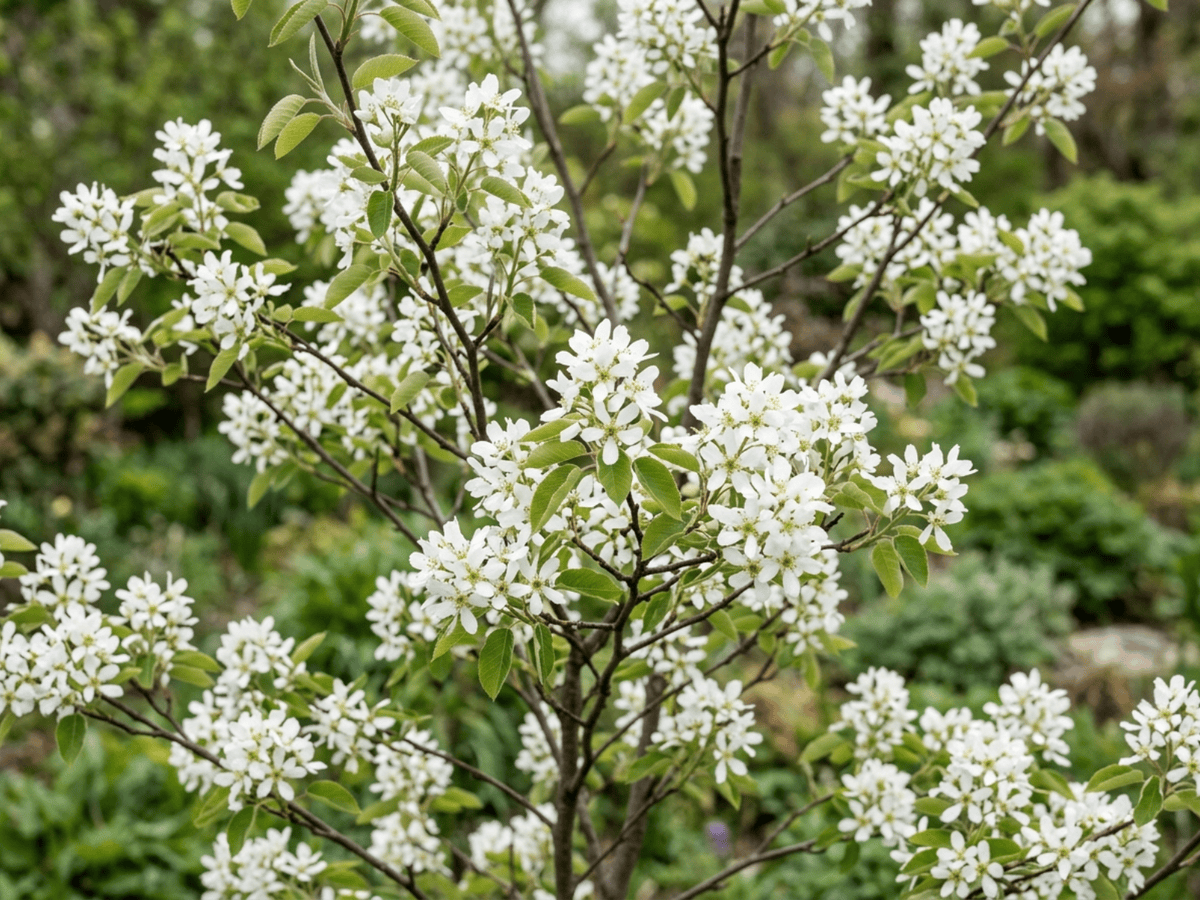
More Amelanchier plants
Plants with similar care
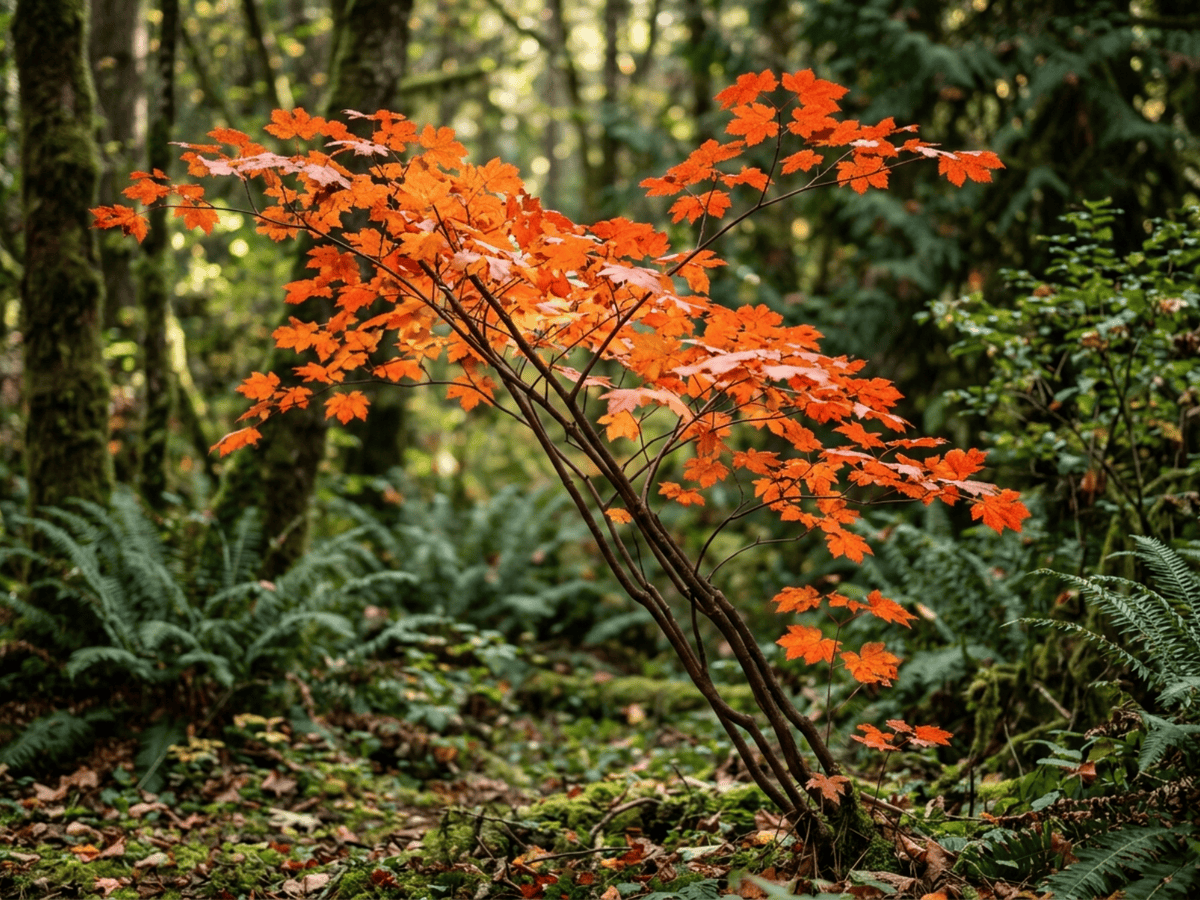 Vine MapleAcer circinatum
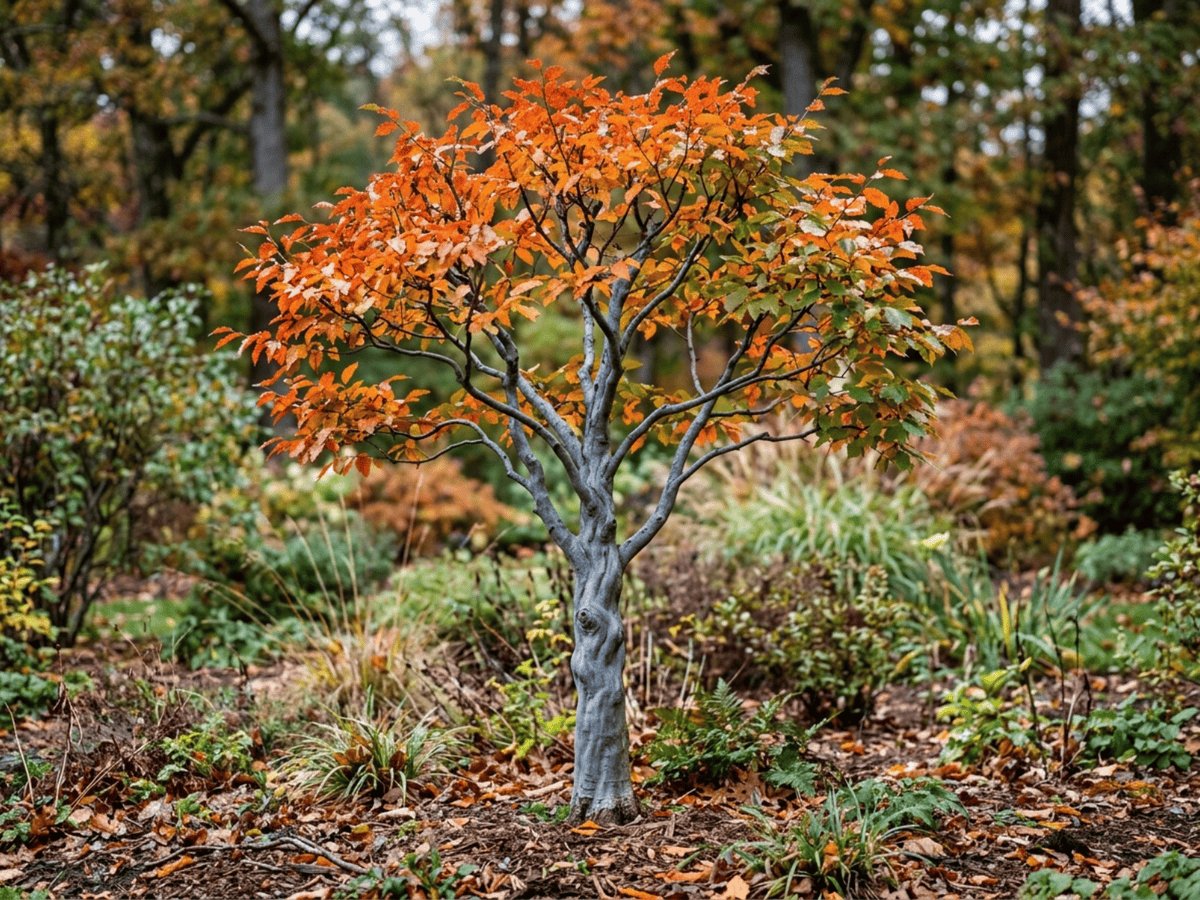 American HornbeamCarpinus caroliniana
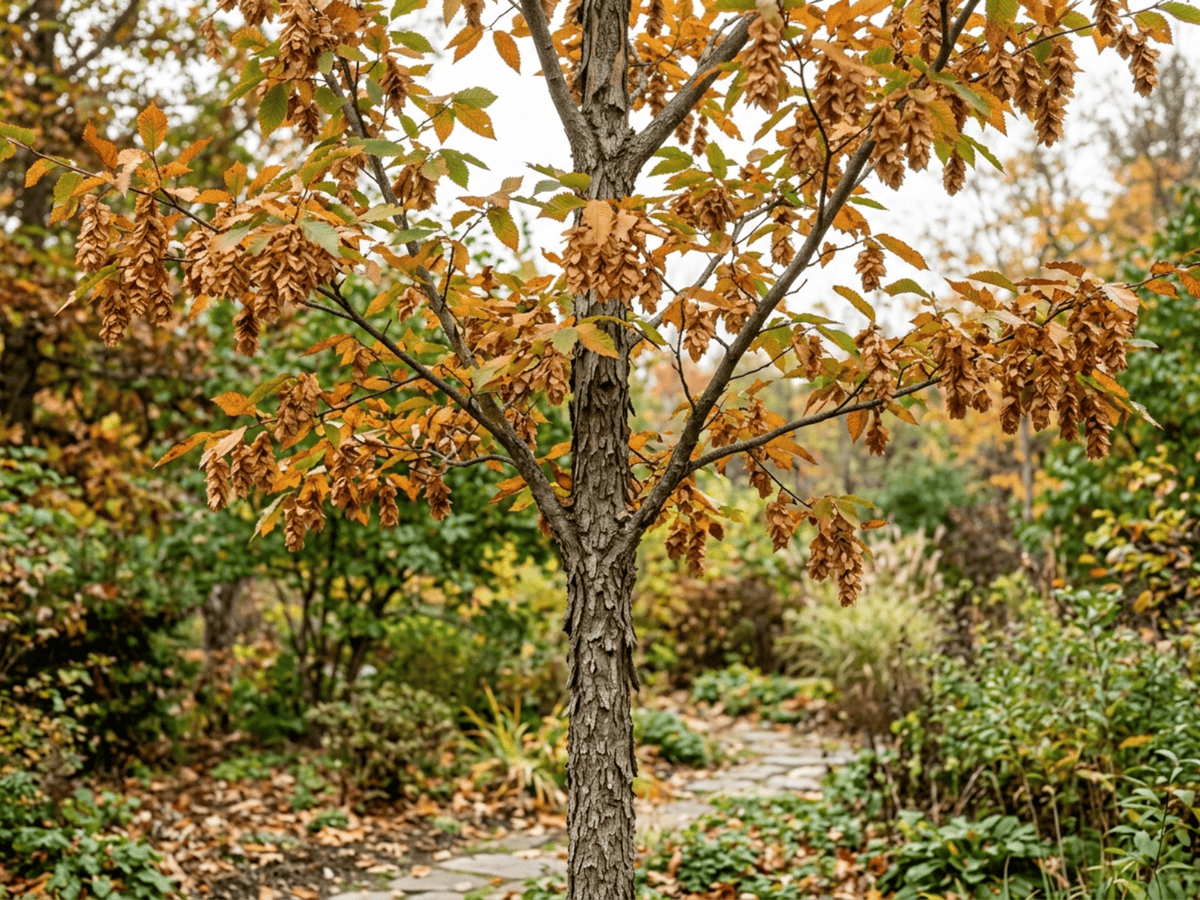 American HophornbeamOstrya virginiana
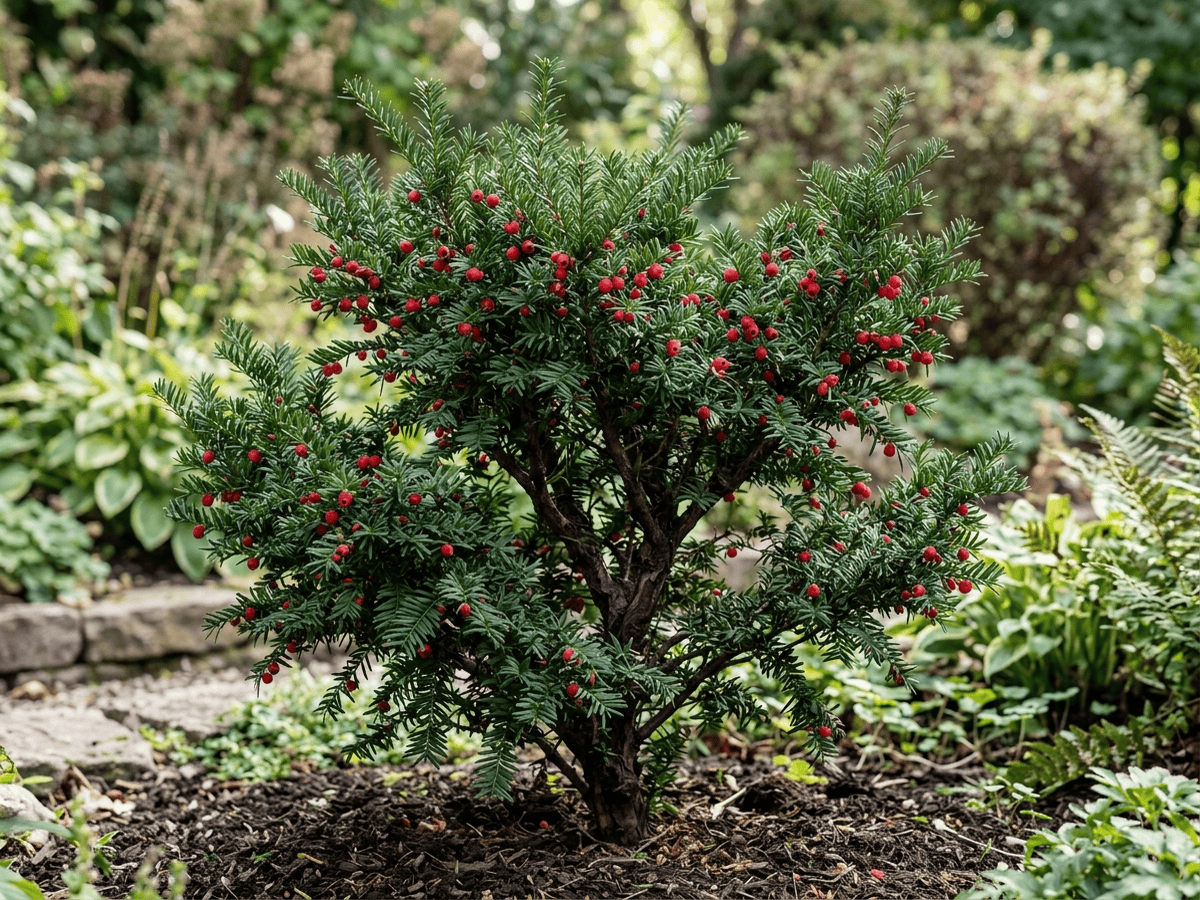 Japanese YewTaxus cuspidata
Frequently asked questions
How often should I water Smooth Shadbush?
Water about every 5 days during the growing season, and always let excess water drain away.
How much light does Smooth Shadbush need?
Part sun: 4–6 hrs direct. Watch the leaves — scorching or stretching means the light needs adjusting.
Is Smooth Shadbush toxic to cats or dogs?
Pets Safe (Dogs Safe · Cats Safe) Educational information, not medical or veterinary advice. If exposure is suspected, contact a doctor or veterinarian.
Is Smooth Shadbush easy to grow?
Yes — it is considered an easy, beginner-friendly plant.
When does Smooth Shadbush bloom?
It typically blooms Apr–May in the Northern Hemisphere.
YardMate
Identify any plant in seconds
Snap a photo — YardMate names the plant, diagnoses problems, and reminds you when to water.
Download on the App Store