 YardMate
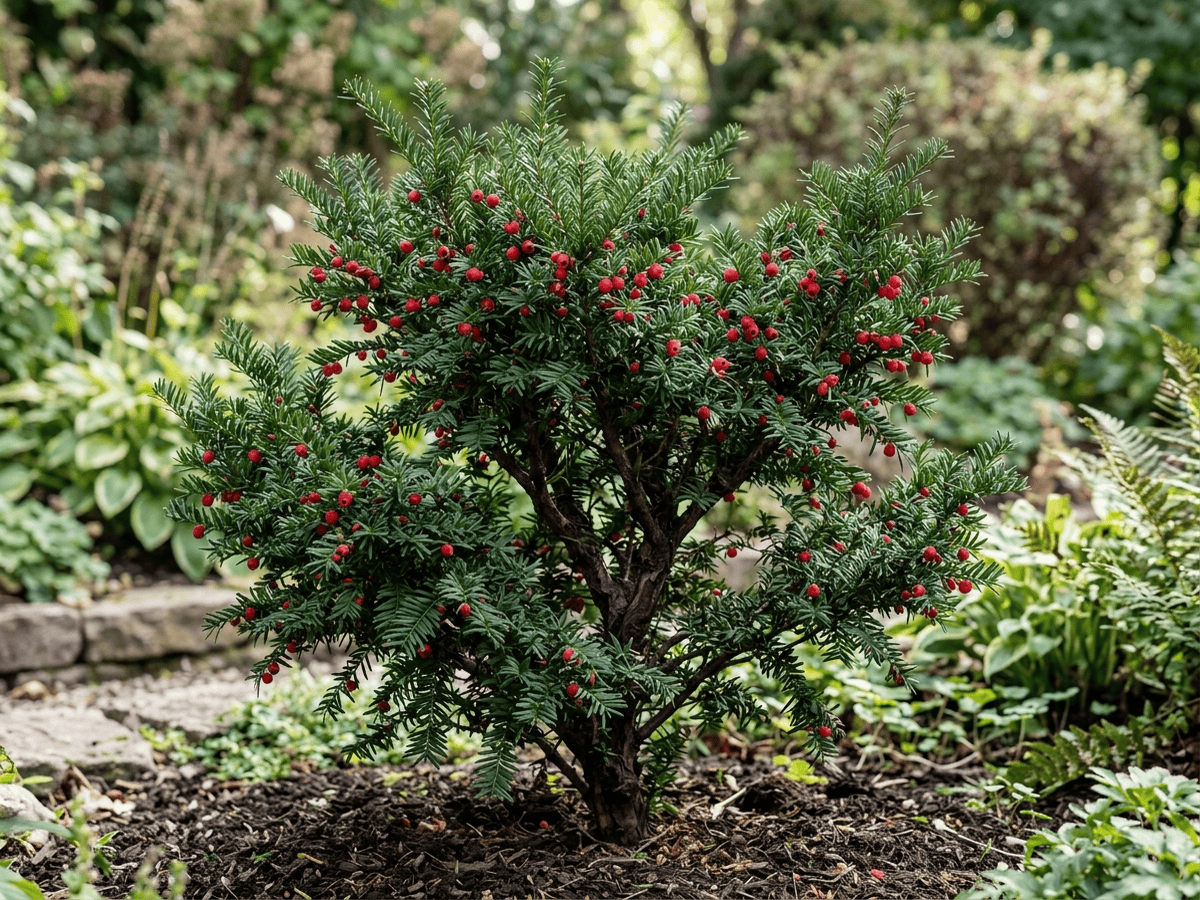



Japanese Yew
Taxus cuspidata
Easy · Beginner friendlyAbout Japanese Yew
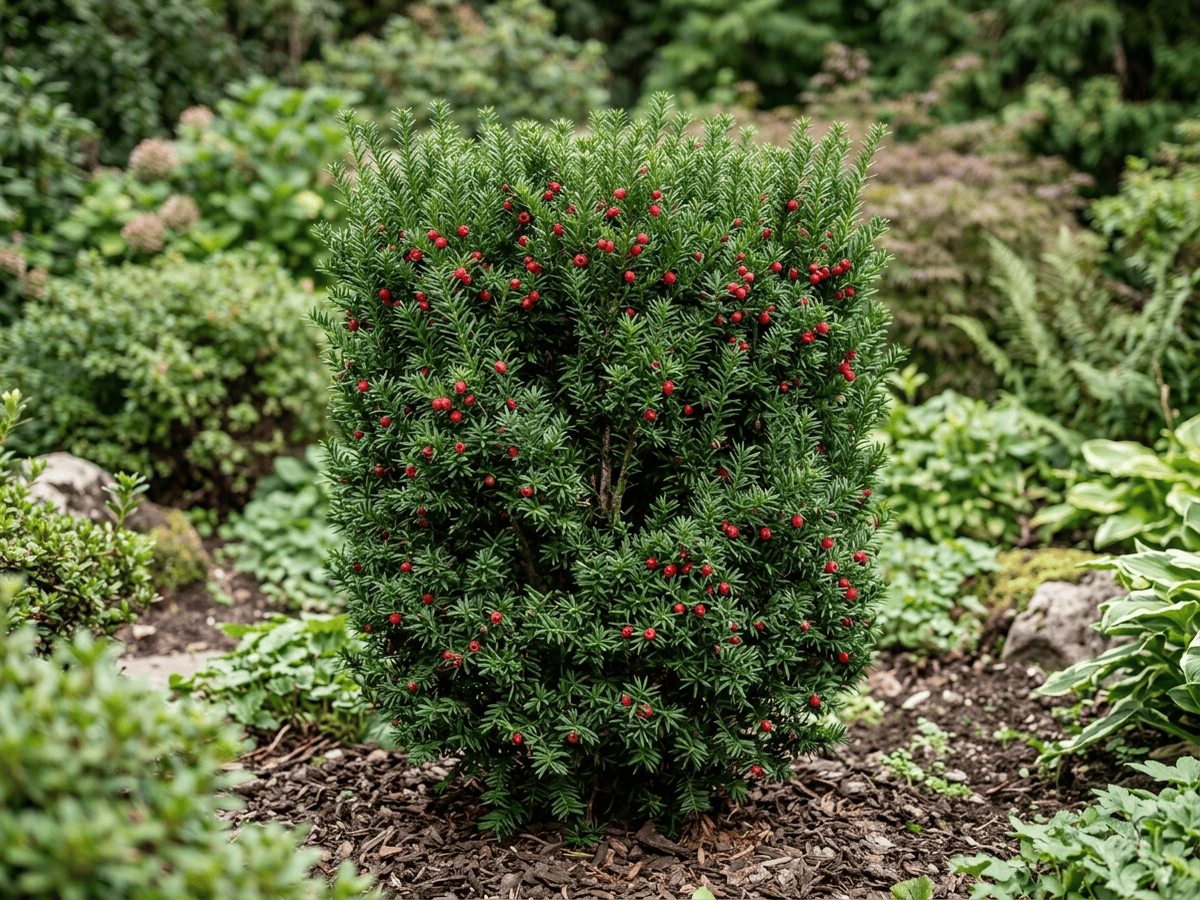
Japanese Yew is an adaptable evergreen shrub or small tree native to Japan, Korea, and eastern China, reaching 10-40 feet. Dark green flat needles, flexible upright habit, and tolerance of heavy pruning make it the backbone of American foundation plantings from the Midwest to New England. Female plants produce striking red fleshy arils. Extremely shade-tolerant and long-lived, it is among the most versatile of landscape evergreens.
- Shade-tolerant
- Evergreen
How to care for Japanese Yew
Watering
- Springevery 10 days
- Summerevery 7 days
- Fallevery 14 days
- Winterevery 30 days
Soil · Well-draining
- Top dressingPine bark mulch10%
- Main mixPotting soil + perlite 2:170%
- DrainageLECA / gravel20%
Never skip the drainage layer — standing water is the top cause of root rot.
FERTILIZER
Balanced Feed 14-14-14
An even feed covers all three needs at once, keeping leaves, roots and blooms moving together with nothing pushed out of balance.
- Nitrogen · Leaves
- Phosphorus · Roots + Blooms
- Potassium · Strength
- Springevery 60 days
At a Glance
- NativeEast Asia
- Height15–40 ft (4.6–12.2 m)
- Spread10–20 ft (3–6.1 m)
- Flower colorYellow, Green
- Foliage colorDark-green, Green
- Fruit colorRed
- SoilLoamy, Well-drained, Neutral
- LocationsYard
Bloom time
BLOOM CYCLE
Inconspicuous male cones in spring
Toxicity
Humans Toxic · Pets Toxic
taxine A and B alkaloids and paclitaxel precursors
Toxic
- Leaf
- Seed
- Stem
- Root
- Ingestion
EXPOSURE Eating leaves, seeds, stems, and roots.
EFFECT Cardiac arrhythmia, respiratory failure, sudden death; onset within hours.
NOTE Documented concern for humans: Cardiac arrhythmia, respiratory failure, sudden death; onset within hours.
Toxic
- Leaf
- Seed
- Stem
- Ingestion
EXPOSURE Eating leaves, seeds, and stems.
EFFECT Tremors, difficulty breathing, cardiac failure, sudden death.
NOTE ASPCA lists all Taxus species as toxic to dogs, cats, horses, and livestock. A small amount of needles or seeds can be fatal. Only the red aril (berry flesh) is non-toxic, but seeds inside are deadly. Emergency veterinary care required.
Toxic
- Leaf
- Seed
- Stem
- Ingestion
EXPOSURE Eating leaves, seeds, and stems.
EFFECT Tremors, difficulty breathing, cardiac failure, sudden death.
NOTE ASPCA lists all Taxus species as toxic to dogs, cats, horses, and livestock. A small amount of needles or seeds can be fatal. Only the red aril (berry flesh) is non-toxic, but seeds inside are deadly. Emergency veterinary care required.
Educational information, not medical or veterinary advice. If exposure is suspected, contact a doctor or veterinarian.
DISTRIBUTION

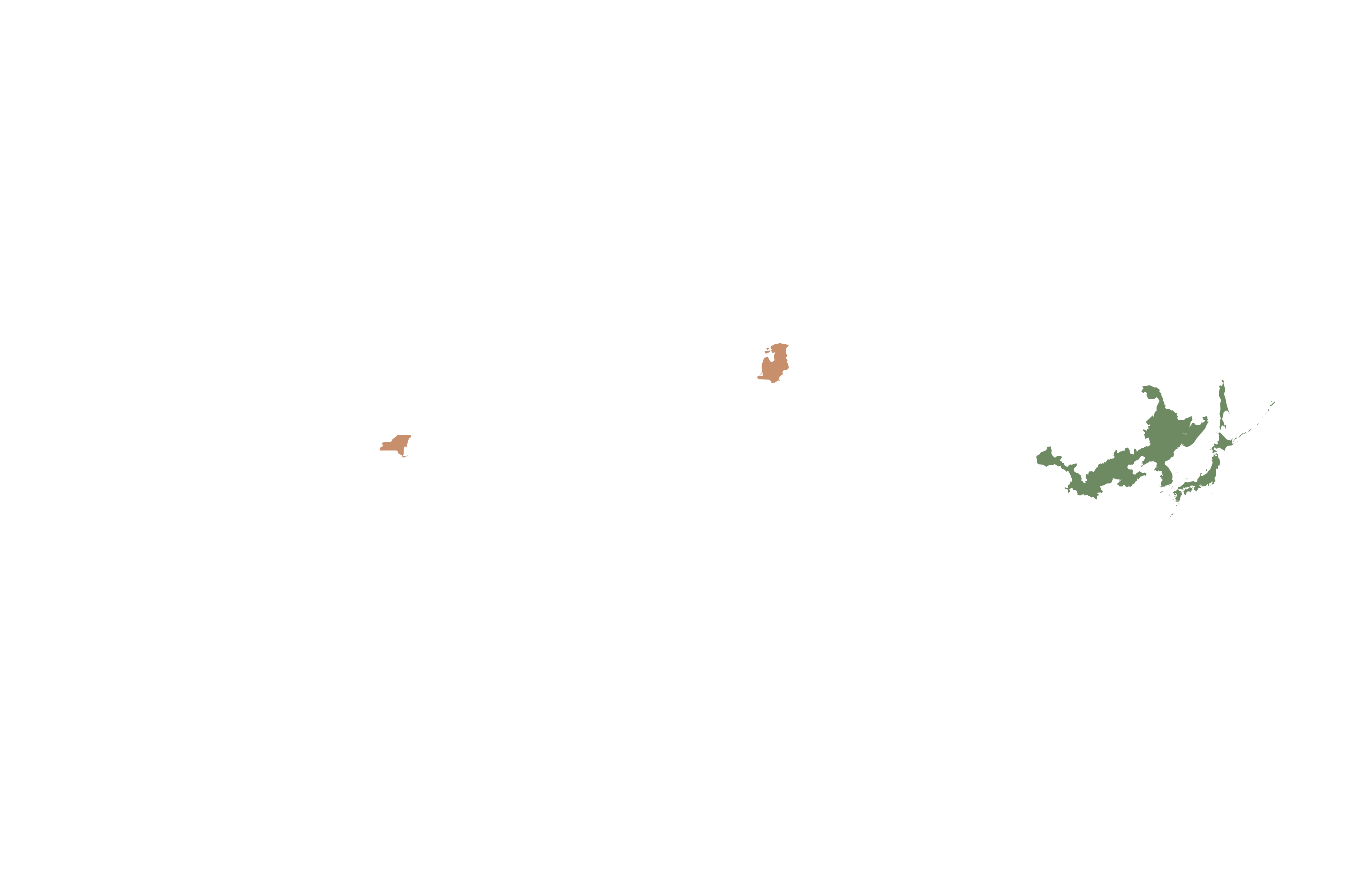
- Native
- Introduced
- East Asia
History
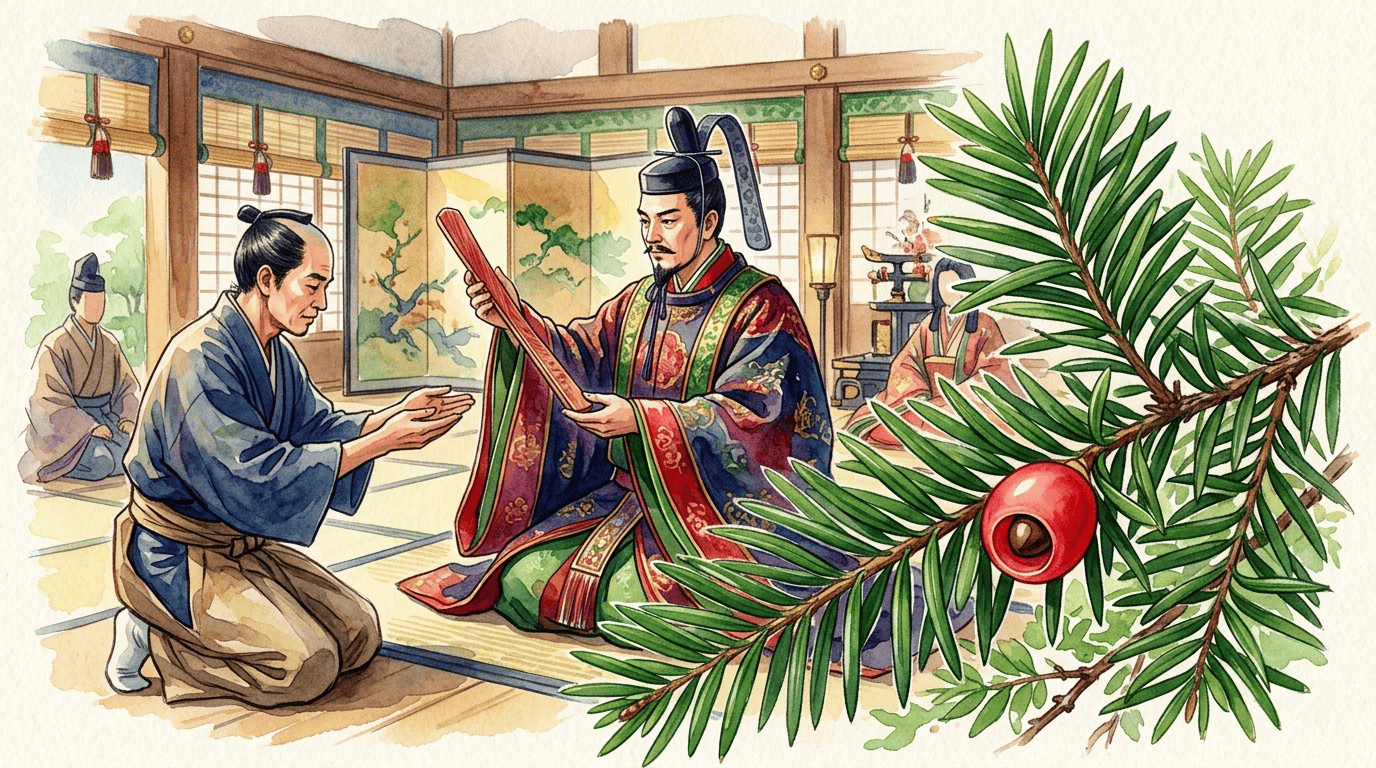
Taxus cuspidata is native to Japan, Korea, northeastern China, and the Russian Far East. Siebold and Zuccarini described it in 1846, and the epithet cuspidata refers to the sharp needle tips. In Japan it is called ichii, or first rank, because the wood was historically reserved for ceremonial shaku scepters carried by high court officials.
The species is hardier than English yew and became foundational in cold-climate Japanese and North American gardens, where upright, dwarf, and globe cultivars are used as hedges and foundation shrubs. Since the 1990s it has also mattered to cancer medicine: compounds extracted from yew needles can be converted into taxane chemotherapy agents including paclitaxel-related drugs.
The red fleshy aril surrounding the seed is the only non-toxic part; needles, seeds, and other tissues are highly poisonous. Few shrubs combine court ritual, garden structure, and modern oncology so starkly.
Symbolism & meaning
What It Symbolizes
Japanese Yew carries solemn endurance in a compact, adaptable form. Dark needles, red arils, and tolerance of clipping make it a plant of thresholds, screens, and winter structure. Its symbolism is disciplined permanence: evergreen beauty that asks to be respected, shaped carefully, and never taken lightly.
- Resilience — ages gracefully for centuries
- Medicine — source of anti-cancer taxane compounds
Where the Name Comes From
The name Japanese Yew points to Japan. 'Taxus' is classical Latin for yew; 'cuspidata' means 'with a sharp point', for the needle tips.
Uses & Fun Facts
- Backbone evergreen for sheared foundation hedges
- Tolerates heavy pruning into formal topiary shapes
- Red arils feed songbirds in autumn
Related plants
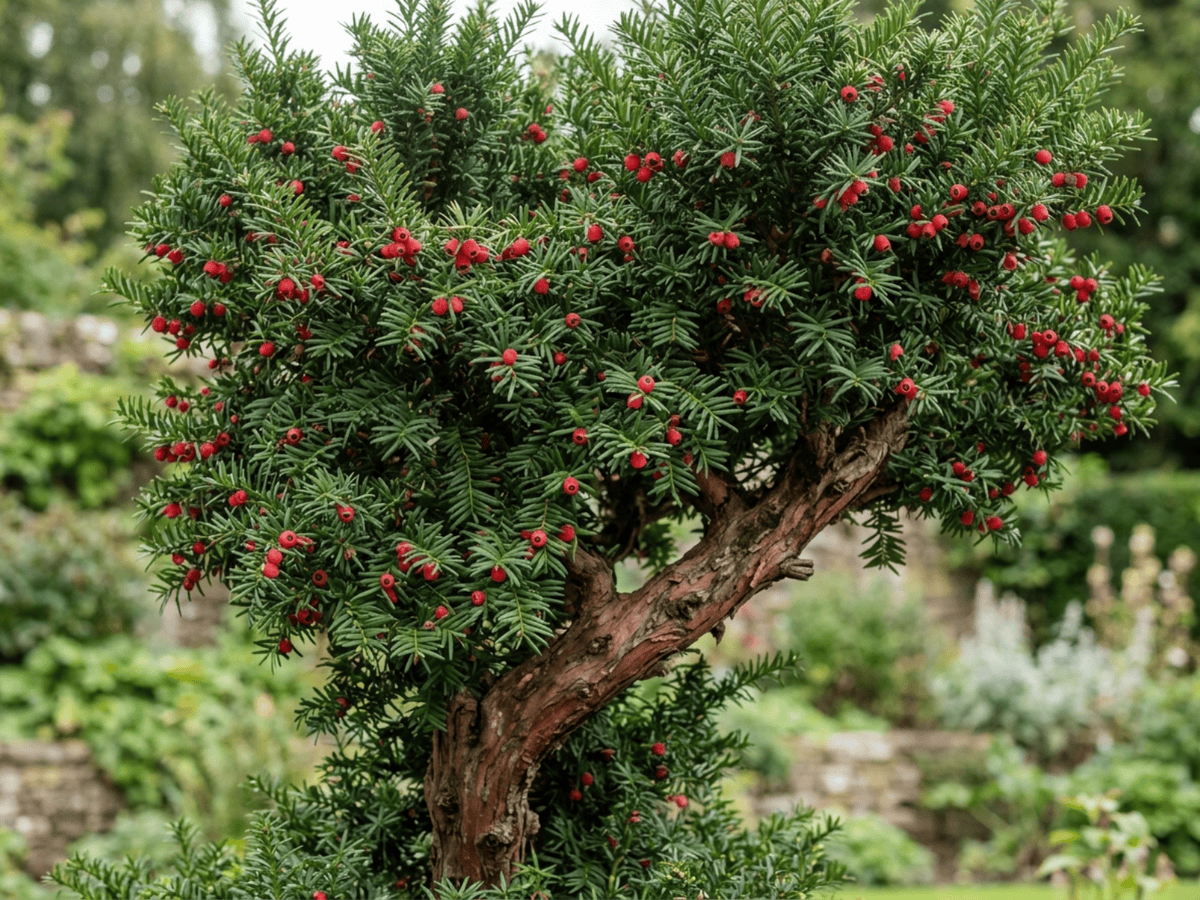
More Taxus plants
Plants with similar care
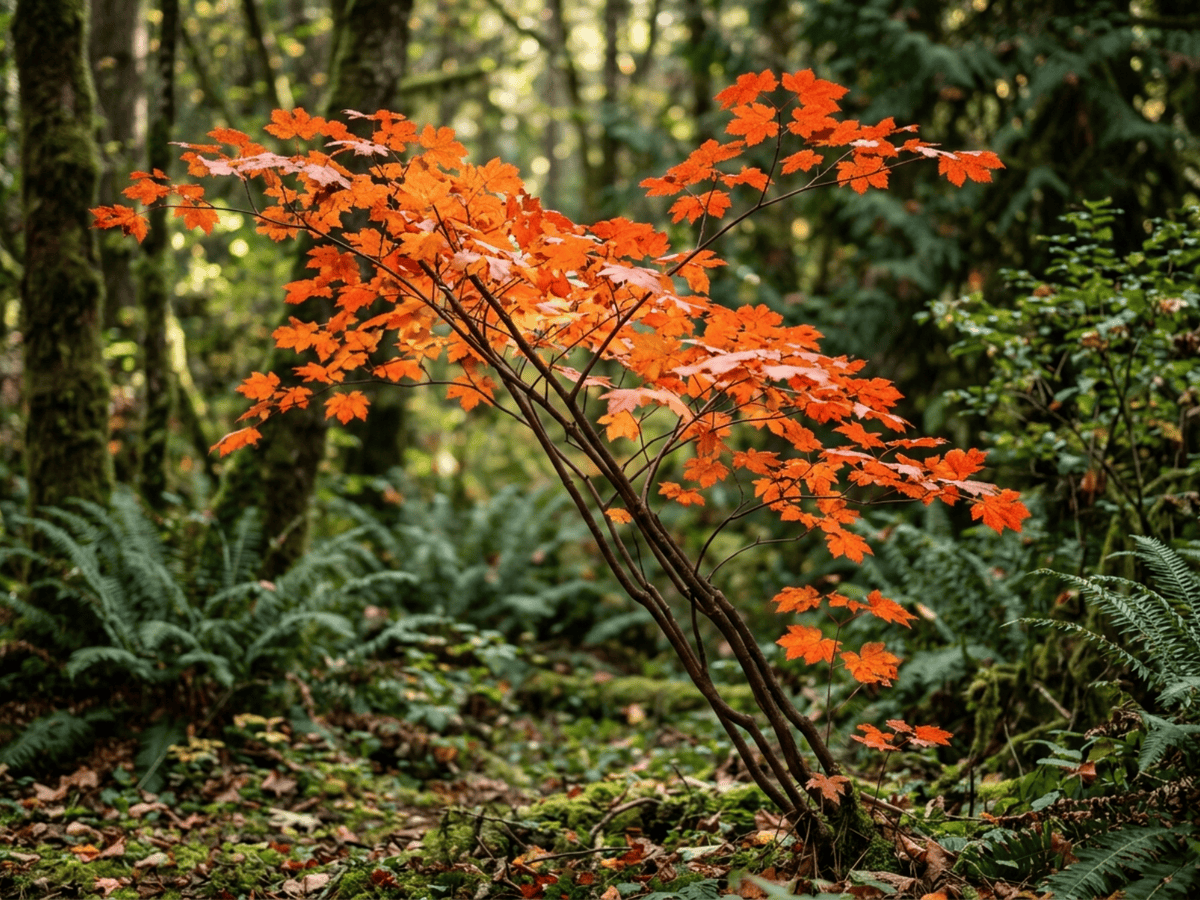 Vine MapleAcer circinatum
 Smooth ShadbushAmelanchier laevis
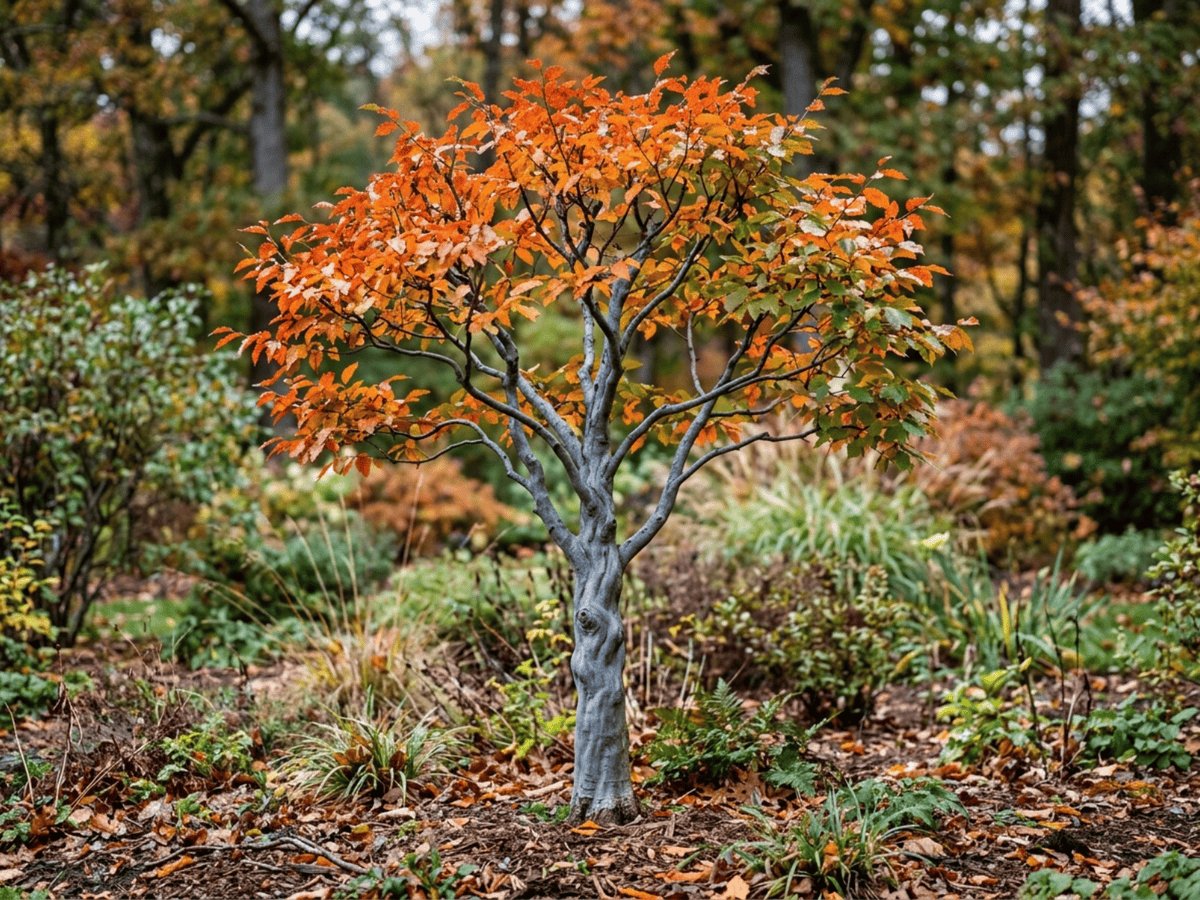 American HornbeamCarpinus caroliniana
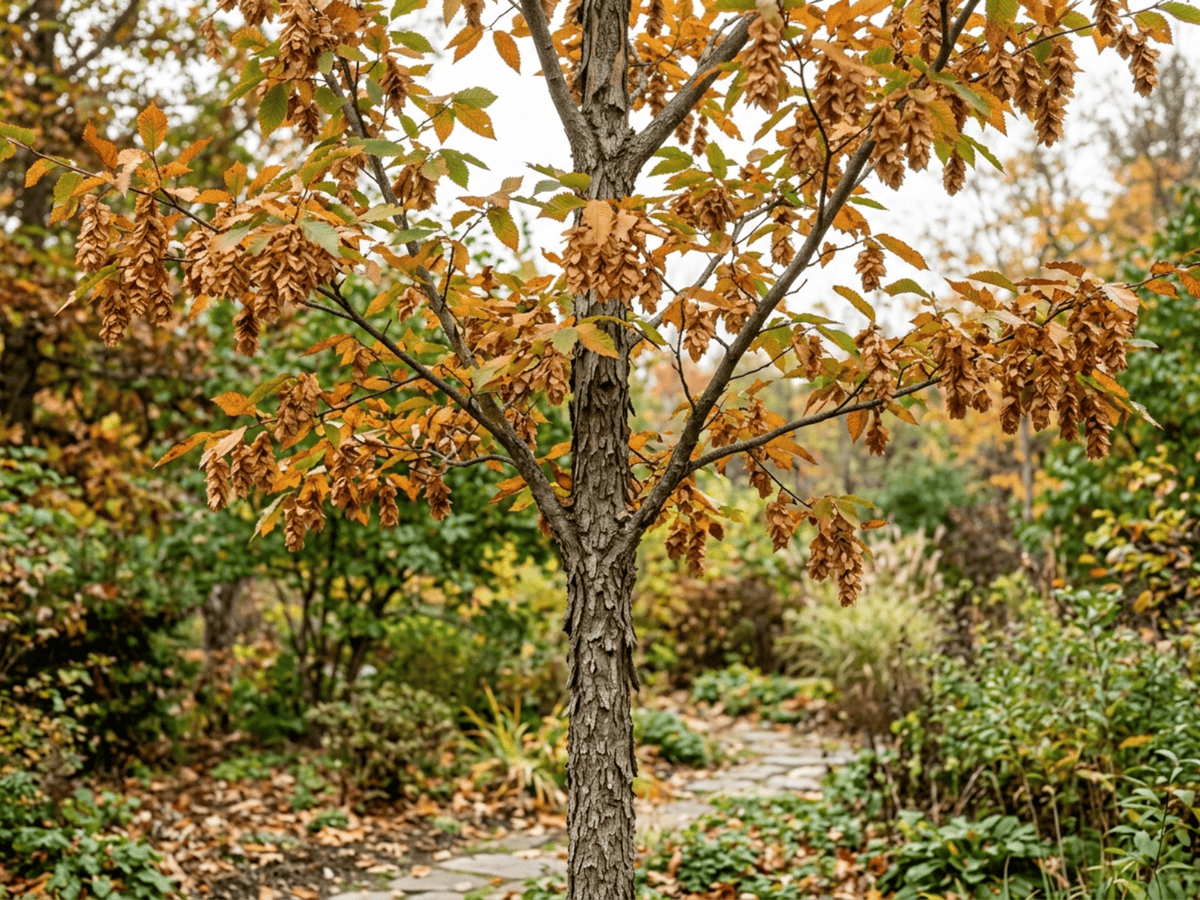 American HophornbeamOstrya virginiana
Frequently asked questions
How often should I water Japanese Yew?
In summer, water about every 7 days; in winter, about every 30 days. Adjust for heat, pot size and drainage.
How much light does Japanese Yew need?
Part sun: 4–6 hrs direct. Watch the leaves — scorching or stretching means the light needs adjusting.
Is Japanese Yew toxic to cats or dogs?
Pets Toxic (Dogs Toxic · Cats Toxic) Educational information, not medical or veterinary advice. If exposure is suspected, contact a doctor or veterinarian.
Is Japanese Yew easy to grow?
Yes — it is considered an easy, beginner-friendly plant.
YardMate
Identify any plant in seconds
Snap a photo — YardMate names the plant, diagnoses problems, and reminds you when to water.
Download on the App Store