 YardMate

American Hophornbeam
Ostrya virginiana
Easy · Beginner friendlyAbout American Hophornbeam
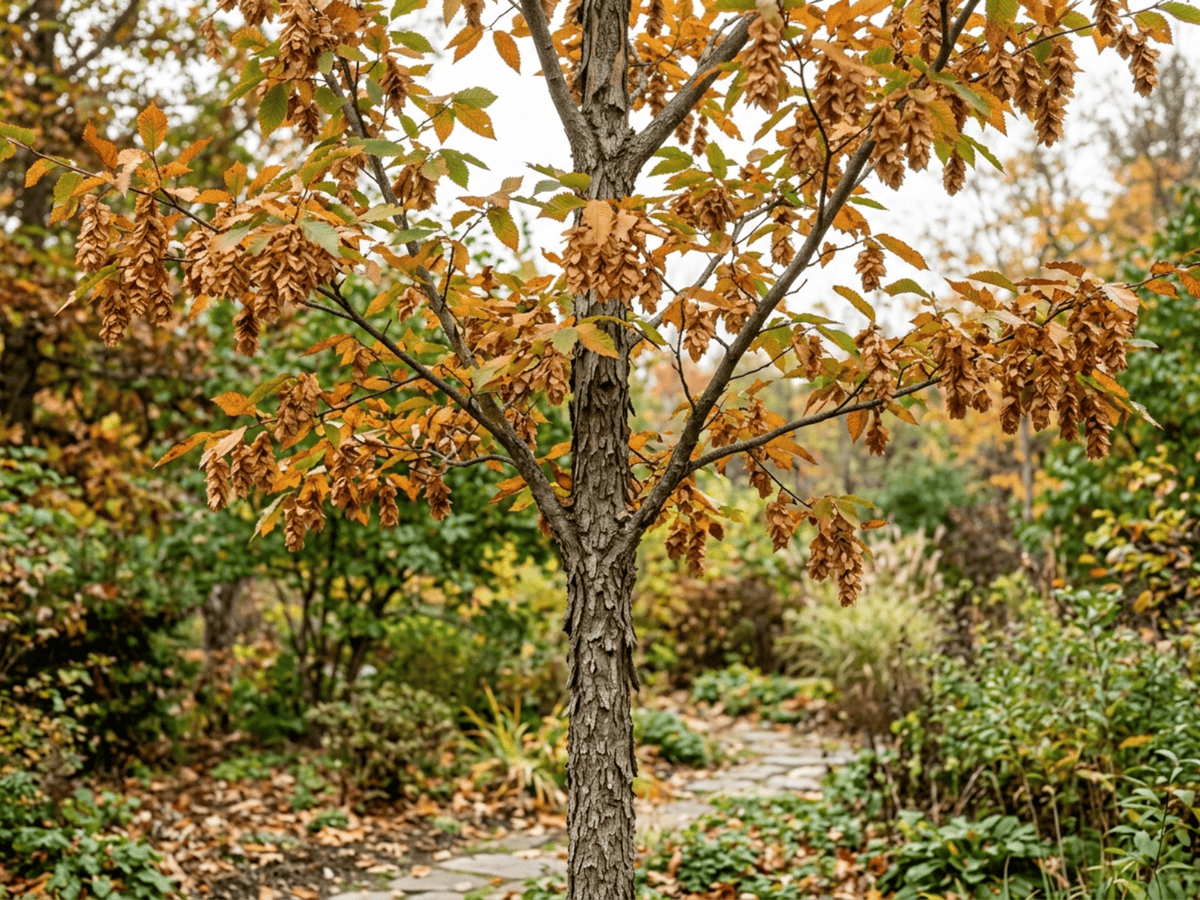
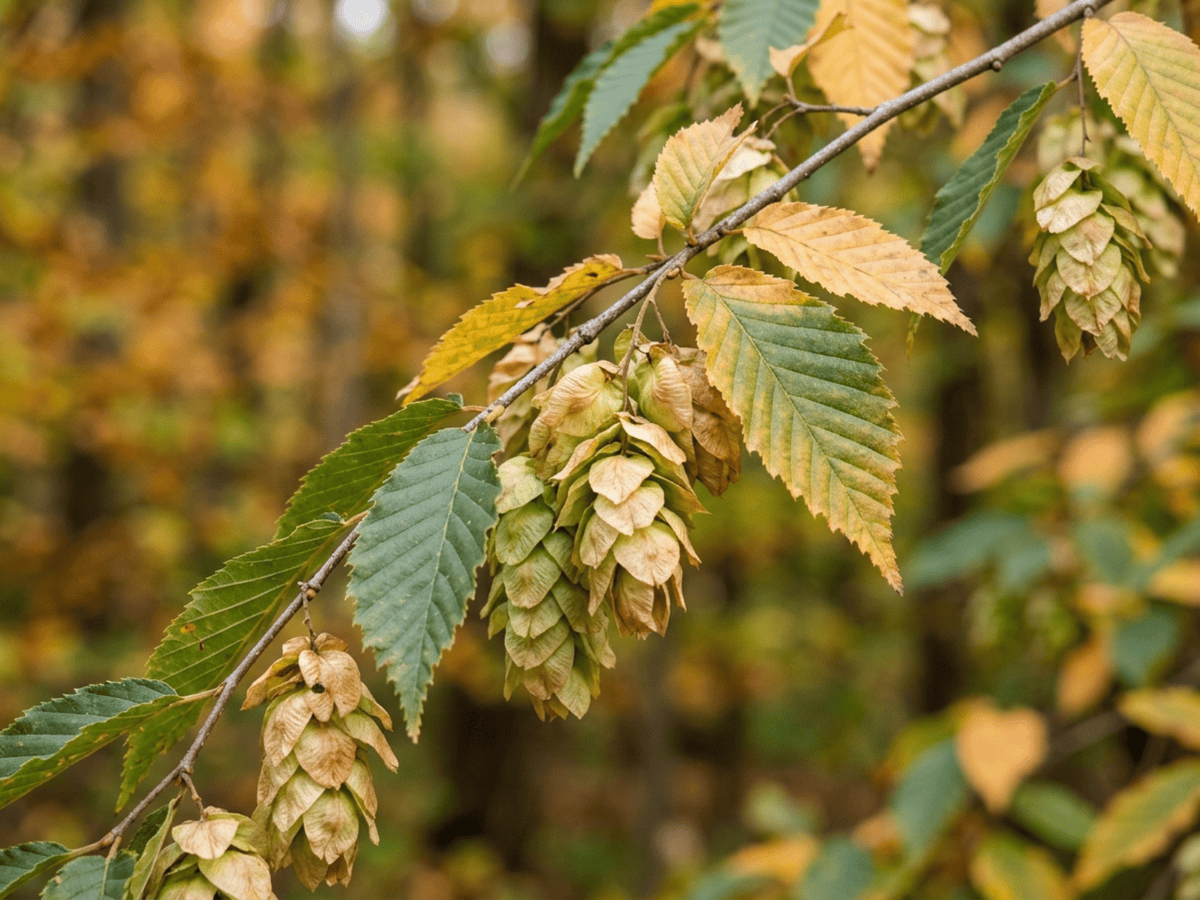
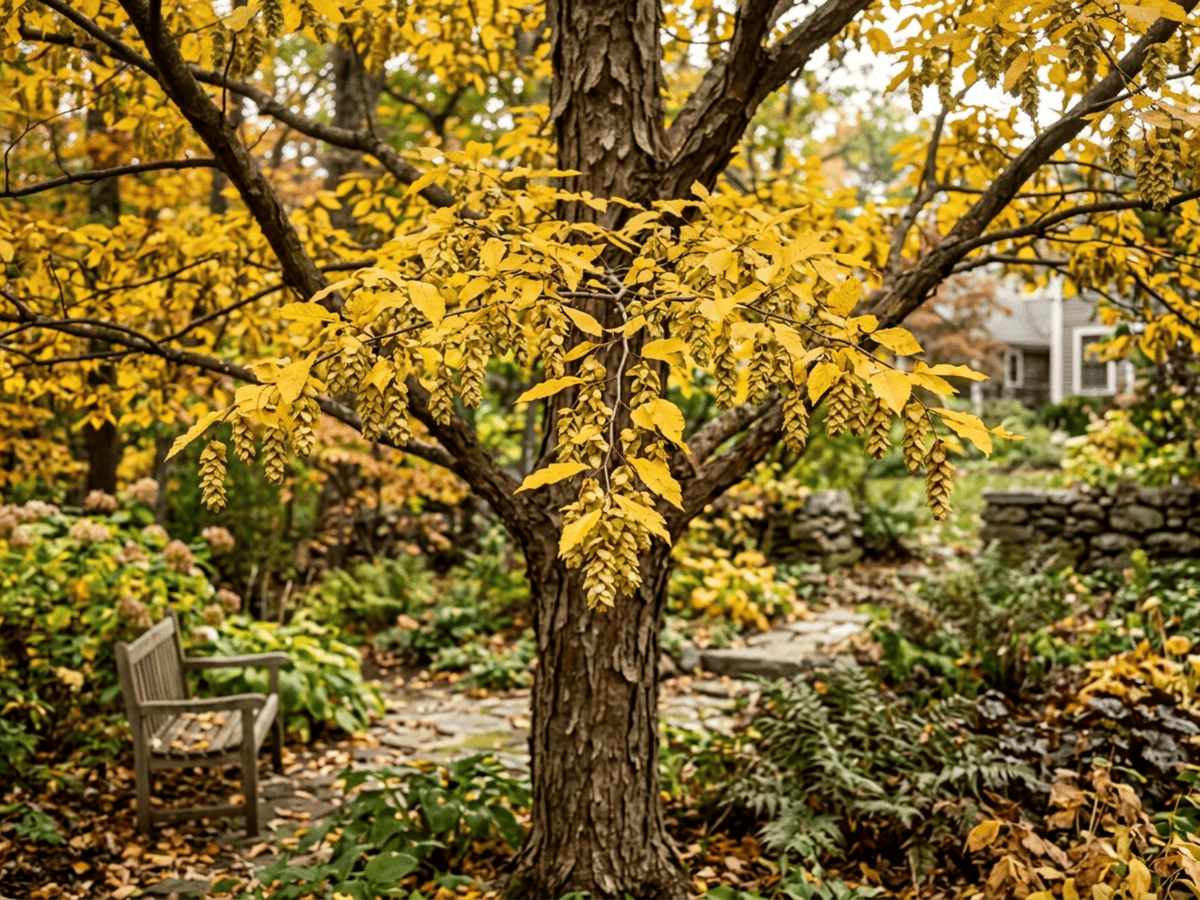
American Hop Hornbeam is a small deciduous understory tree native to eastern North America, reaching 25-40 feet, characterized by shaggy, shreddy bark and distinctive hop-like clusters of papery seed pouches that persist through winter. Birch-like leaves turn soft yellow in autumn. Extremely hard wood earned it the alternate name 'ironwood'. A graceful, trouble-free small tree ideal for yards and naturalistic plantings across the eastern US.
- Drought-tolerant
- Native
How to care for American Hophornbeam
Watering
- Springevery 14 days
- Summerevery 10 days
- Fallevery 14 days
- Winterevery 30 days
Soil · Well-draining
- Top dressingPine bark mulch10%
- Main mixPotting soil + perlite 2:170%
- DrainageLECA / gravel20%
Never skip the drainage layer — standing water is the top cause of root rot.
FERTILIZER
- Springevery 60 days
At a Glance
- NativeNorth America, Central America
- Height25–40 ft (7.6–12.2 m)
- Spread20–30 ft (6.1–9.1 m)
- Flower colorYellow, Green
- Foliage colorGreen, Yellow
- Fruit colorBrown
- SoilLoamy, Well-drained
- LocationsYard
Bloom time
BLOOM CYCLE
Peak bloom
Mar–May
Catkins in early spring
Toxicity
No toxicity has been reported for this plant. Still, it is wise to keep pets from chewing on any houseplant.
Educational information, not medical or veterinary advice. If exposure is suspected, contact a doctor or veterinarian.
DISTRIBUTION


- Native
- North America
- Central America
History

Ostrya virginiana occurs naturally across eastern North America from Nova Scotia and Manitoba south to Florida and eastern Texas, with disjunct populations in Mexico and Central America. Giovanni Antonio Scopoli established the genus Ostrya in 1760, borrowing the ancient Greek word ostrua used by Pliny the Elder for a tree with hard wood. Scottish gardener Philip Miller published the species name in the eighth edition of his Gardeners Dictionary in 1768.
The common name hophornbeam references the hop-like clusters of papery bladder-enclosed nutlets resembling brewing hops (Humulus lupulus). Another common name, ironwood, reflects the wood's extreme hardness and density—American colonists and settlers used it for tool handles, wooden wheel cogs, ox yokes, sleigh runners, mallets, and other applications requiring toughness. Native peoples employed bark decoctions medicinally.
Today it is valued as a small understory ornamental with catkins, ridged bark, and golden fall color. The extraordinarily hard wood was the traditional material for sled runners, mallets, and wagon axles across the northeastern woodlands. Native Americans used the inner bark as a tonic. The tree is long-lived but slow-growing, often overlooked despite its year-round beauty.
Symbolism & meaning
What It Symbolizes
The American Hophornbeam makes visible durability, with wood among the hardest of any tree native to North America. As a slow-growing, long-lived understory species, it also can symbolize patience — quietly beneath the canopy giants, doing its work over a century or more. Few trees so neatly embody both physical strength and the unhurried temperament that makes such strength possible in the first place.
- Durability — among hardest woods in North America
- Patience — slow-growing long-lived understory tree
Where the Name Comes From
The name American Hophornbeam points to North America. 'Ostrya' is Greek for a tree with hard wood; 'virginiana' means of Virginia.
Uses & Fun Facts
- Small understory canopy tree casting filtered shade in suburban yards
- Exceptionally hard ironwood used for tool handles and fence posts
- Hop-like seed clusters feed grouse, finches, and small mammals
Related plants
Plants with similar care
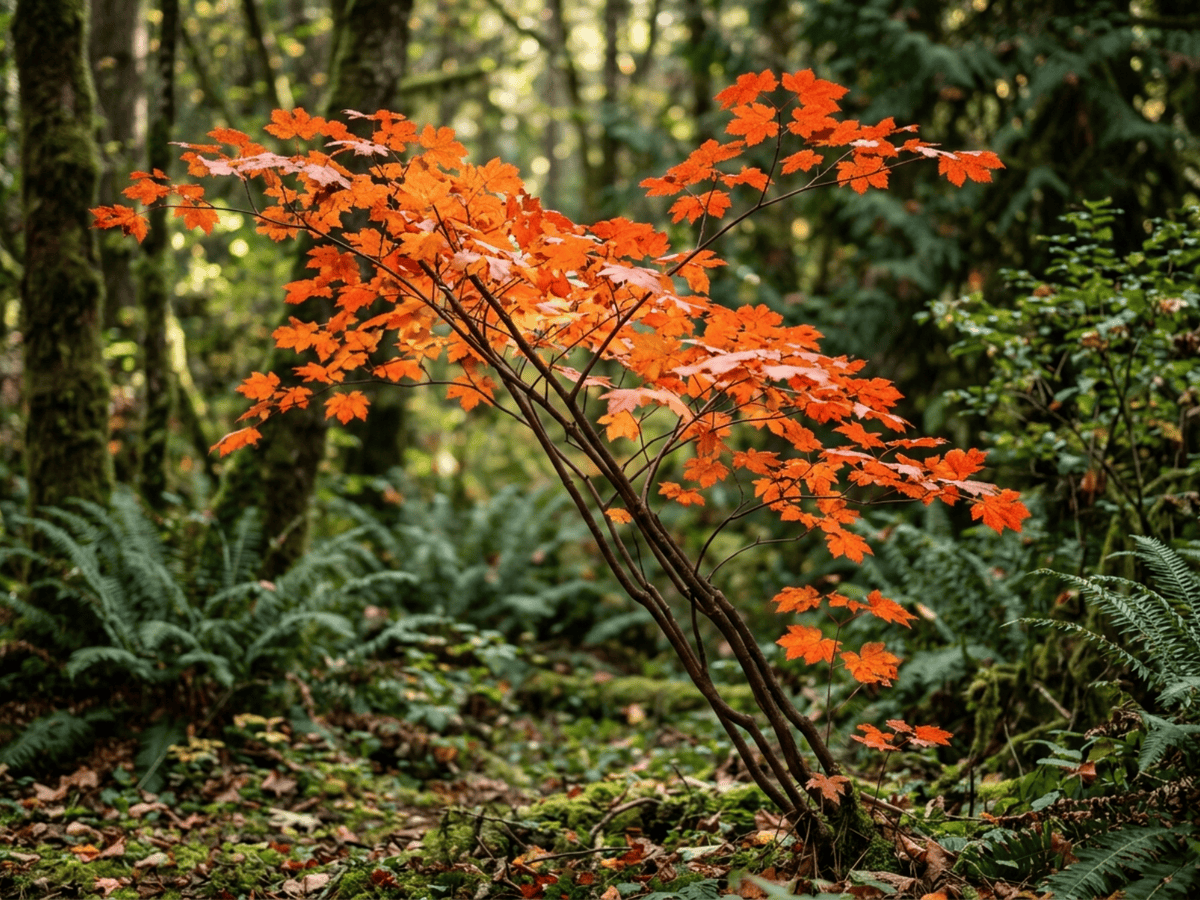 Vine MapleAcer circinatum
 Smooth ShadbushAmelanchier laevis
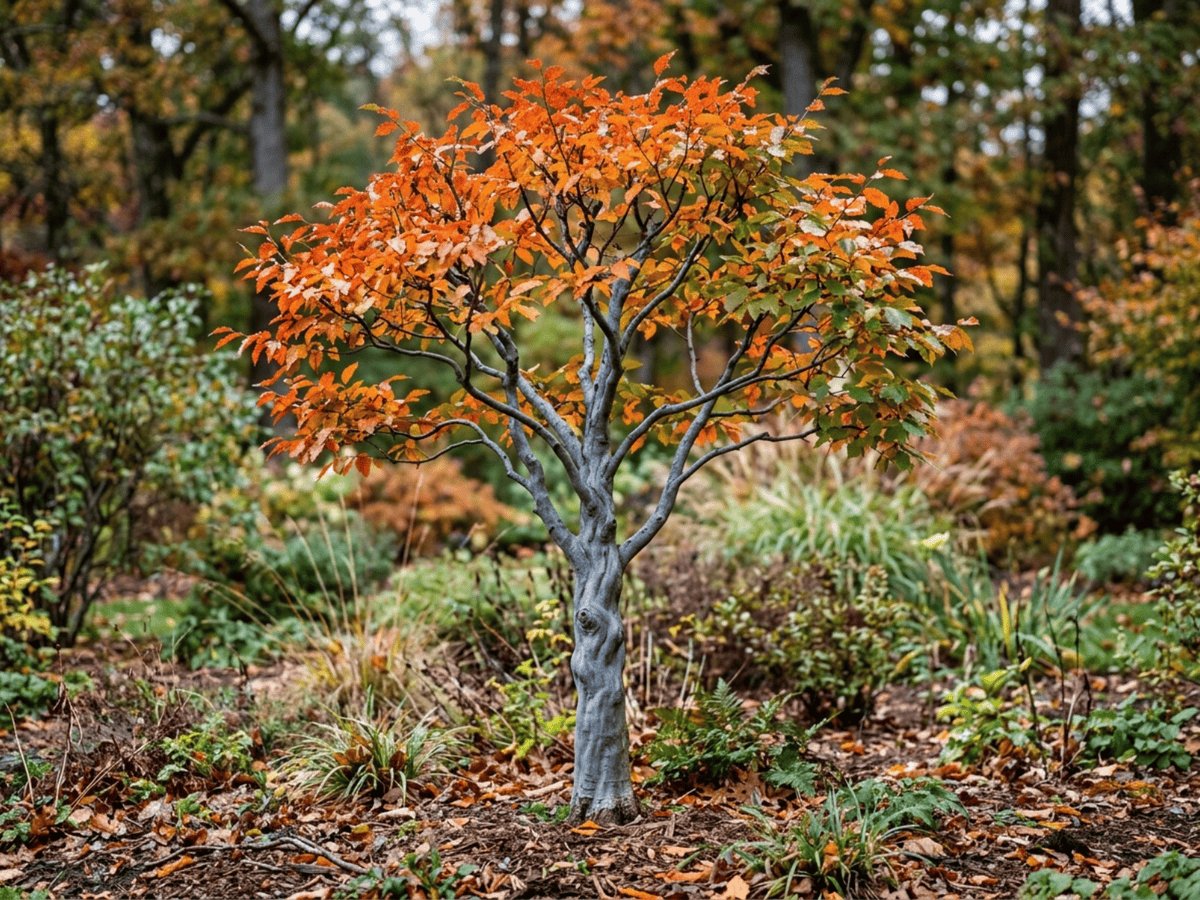 American HornbeamCarpinus caroliniana
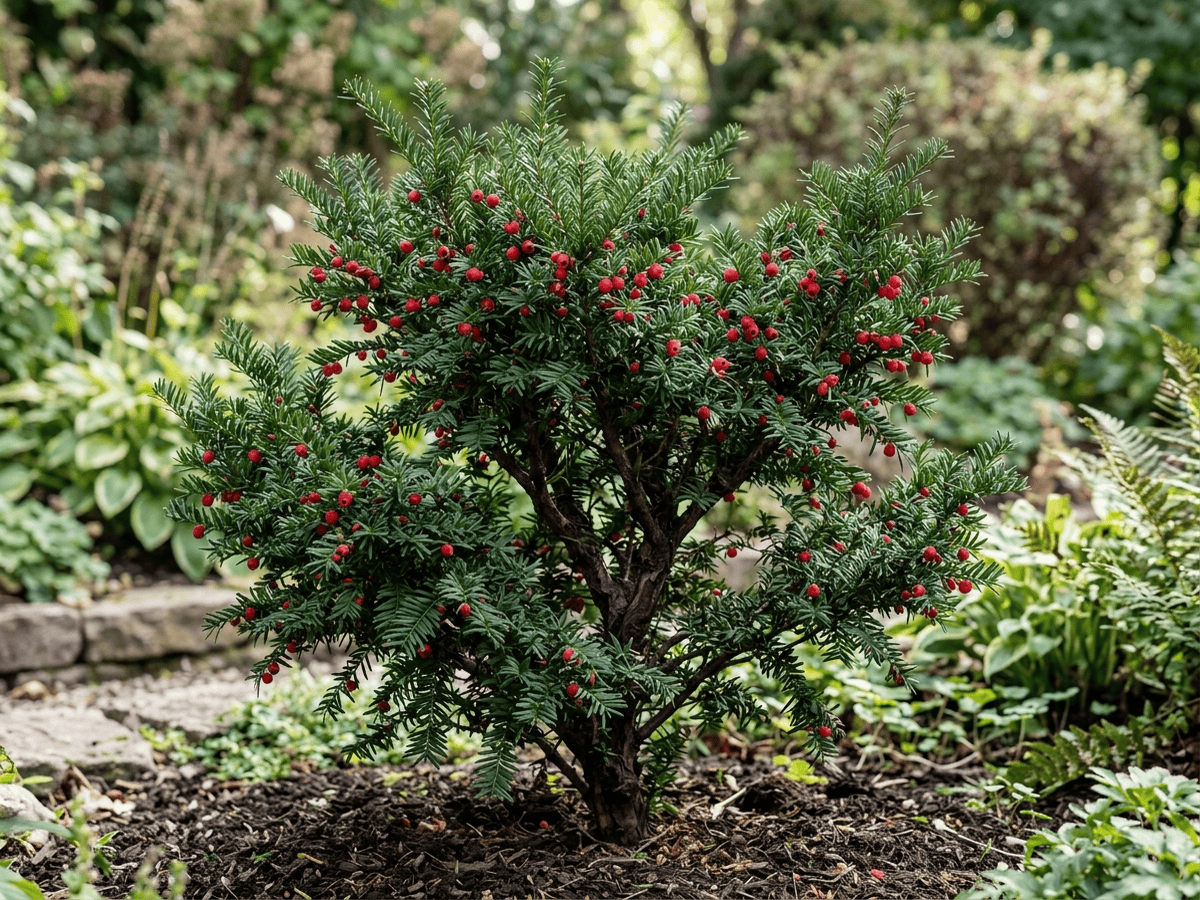 Japanese YewTaxus cuspidata
Frequently asked questions
How often should I water American Hophornbeam?
In summer, water about every 10 days; in winter, about every 30 days. Adjust for heat, pot size and drainage.
How much light does American Hophornbeam need?
Part sun: 4–6 hrs direct. Watch the leaves — scorching or stretching means the light needs adjusting.
Is American Hophornbeam toxic to cats or dogs?
No toxicity has been reported for this plant. Still, it is wise to keep pets from chewing on any houseplant. Educational information, not medical or veterinary advice. If exposure is suspected, contact a doctor or veterinarian.
Is American Hophornbeam easy to grow?
Yes — it is considered an easy, beginner-friendly plant.
When does American Hophornbeam bloom?
It typically blooms Mar–May in the Northern Hemisphere.
YardMate
Identify any plant in seconds
Snap a photo — YardMate names the plant, diagnoses problems, and reminds you when to water.
Download on the App Store