 YardMate


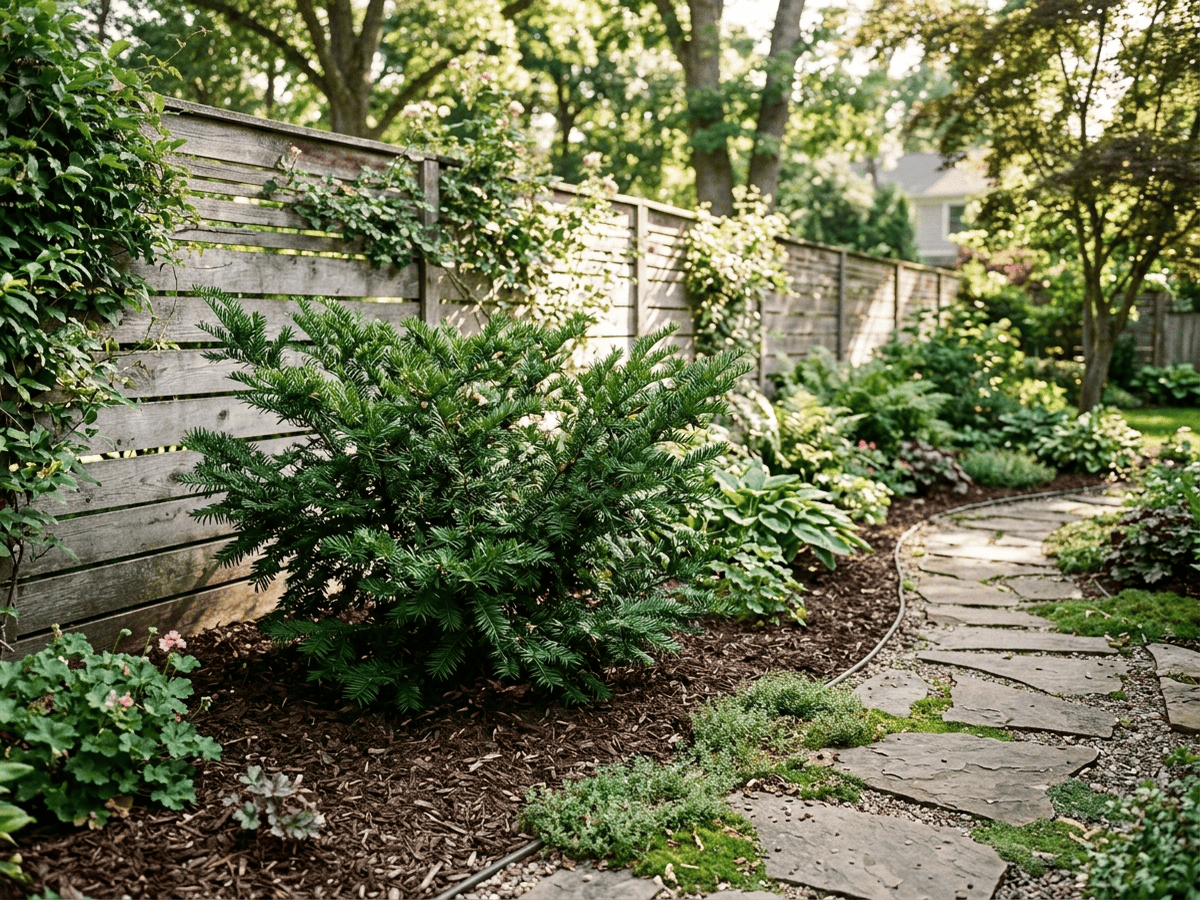
Japanese Plum-Yew
Cephalotaxus harringtonii
Easy · Beginner friendlyAbout Japanese Plum-Yew
Japanese Plum Yew is a graceful evergreen shrub or small tree reaching 5-10 feet, with dark green needle-like leaves arranged in two flat ranks resembling a yew. Native to Japan and Korea, it thrives in deep shade where few other evergreens survive. The fleshy olive-like seeds ripen to purple-brown in autumn. Exceptionally deer-resistant, it has become a go-to replacement for disease-prone yews and boxwoods across the eastern United States.
- Low-maintenance
- Shade-tolerant
- Deer-resistant
- Evergreen
How to care for Japanese Plum-Yew
Watering
- Springevery 10 days
- Summerevery 7 days
- Fallevery 14 days
- Winterevery 30 days
Soil · Well-draining
- Top dressingPine bark mulch10%
- Main mixPotting soil + perlite 2:170%
- DrainageLECA / gravel20%
Never skip the drainage layer — standing water is the top cause of root rot.
FERTILIZER
Balanced Feed 14-14-14
An even feed covers all three needs at once, keeping leaves, roots and blooms moving together with nothing pushed out of balance.
- Nitrogen · Leaves
- Phosphorus · Roots + Blooms
- Potassium · Strength
- Springevery 60 days
At a Glance
- NativeEast Asia
- Height5–10 ft (1.5–3 m)
- Spread5–10 ft (1.5–3 m)
- Flower colorYellow, Green
- Foliage colorDark-green, Green
- Fruit colorPurple, Brown
- SoilLoamy, Well-drained
- LocationsYard
Bloom time
BLOOM CYCLE
Inconspicuous; grown for evergreen foliage
Toxicity
Humans Moderate · Pets Moderate
cephalotaxine, harringtonine, and homoharringtonine
Moderate
- Leaf
- Seed
- Ingestion
EXPOSURE Eating leaves and seeds.
EFFECT GI distress, possible neurological effects from cephalotaxine alkaloids.
NOTE Contains cytotoxic alkaloids. Less acutely cardiotoxic than Taxus but still should not be ingested. Pet ingestion warrants veterinary evaluation.
Moderate
- Leaf
- Seed
- Ingestion
EXPOSURE Eating leaves and seeds.
EFFECT Vomiting, lethargy.
NOTE Contains cytotoxic alkaloids. Less acutely cardiotoxic than Taxus but still should not be ingested. Pet ingestion warrants veterinary evaluation.
Moderate
- Leaf
- Seed
- Ingestion
EXPOSURE Eating leaves and seeds.
EFFECT Vomiting, lethargy.
NOTE Contains cytotoxic alkaloids. Less acutely cardiotoxic than Taxus but still should not be ingested. Pet ingestion warrants veterinary evaluation.
Educational information, not medical or veterinary advice. If exposure is suspected, contact a doctor or veterinarian.
DISTRIBUTION


- Native
- East Asia
History

Cephalotaxus harringtonii occurs naturally in Japan, Korea, and eastern China. German botanist Karl Heinrich Emil Koch named the species in 1873 (after earlier names Cephalotaxus harringtonia of Knight and Cephalotaxus drupacea of Siebold & Zuccarini), honoring Charles Stanhope, 4th Earl of Harrington (1753-1829), in whose gardens in Britain the plant was first grown in Europe. The genus name Cephalotaxus means head-yew for the characteristic clustering of male cones.
Like Taxus, the tree bears individual needles with a poisonous alkaloid chemistry (cephalotaxine and harringtonine), but unlike the small red arils of yew, Cephalotaxus produces large olive-shaped fleshy drupes 2-3 cm long enclosing a single seed. In the early 2000s semisynthetic derivatives of harringtonine—particularly omacetaxine mepesuccinate—received FDA approval for treatment of chronic myeloid leukemia. In horticulture the species has become a prized deer-proof shade-tolerant evergreen, especially in the southeastern US where Taxus struggles with heat.
Unlike true yews (Taxus), which are highly toxic, Cephalotaxus is considerably safer. The species gained popularity in American gardens after deer-browse devastated traditional yew plantings across the eastern US. The cultivar 'Prostrata' is widely grown as a spreading groundcover form.
Symbolism & meaning
What It Symbolizes
Japanese Plum-Yew embodies endurance, holding its dark green needles where deep shade and dry soil would discourage any other evergreen. Adaptable to Southern heat and Northern cold alike, it has become the reliable understudy where true yews refuse to grow. In its quiet, lawful presence, a difficult corner of the garden finds an evergreen at last.
- Endurance — thrives in deep shade where few evergreens survive
- Adaptability — reliable substitute in challenging conditions
Where the Name Comes From
The name Japanese Plum-Yew points to Japan. 'Cephalotaxus' from Greek 'kephale' (head) and 'taxus' (yew), referring to its yew-like appearance; 'harringtonii' honors Charles Harrington.
Uses & Fun Facts
- Deer-resistant evergreen alternative to yew for deep shade
- Soft dark needles bring fine texture to woodland gardens
- Graceful small tree thrives where few other evergreens survive
Related plants
Plants with similar care
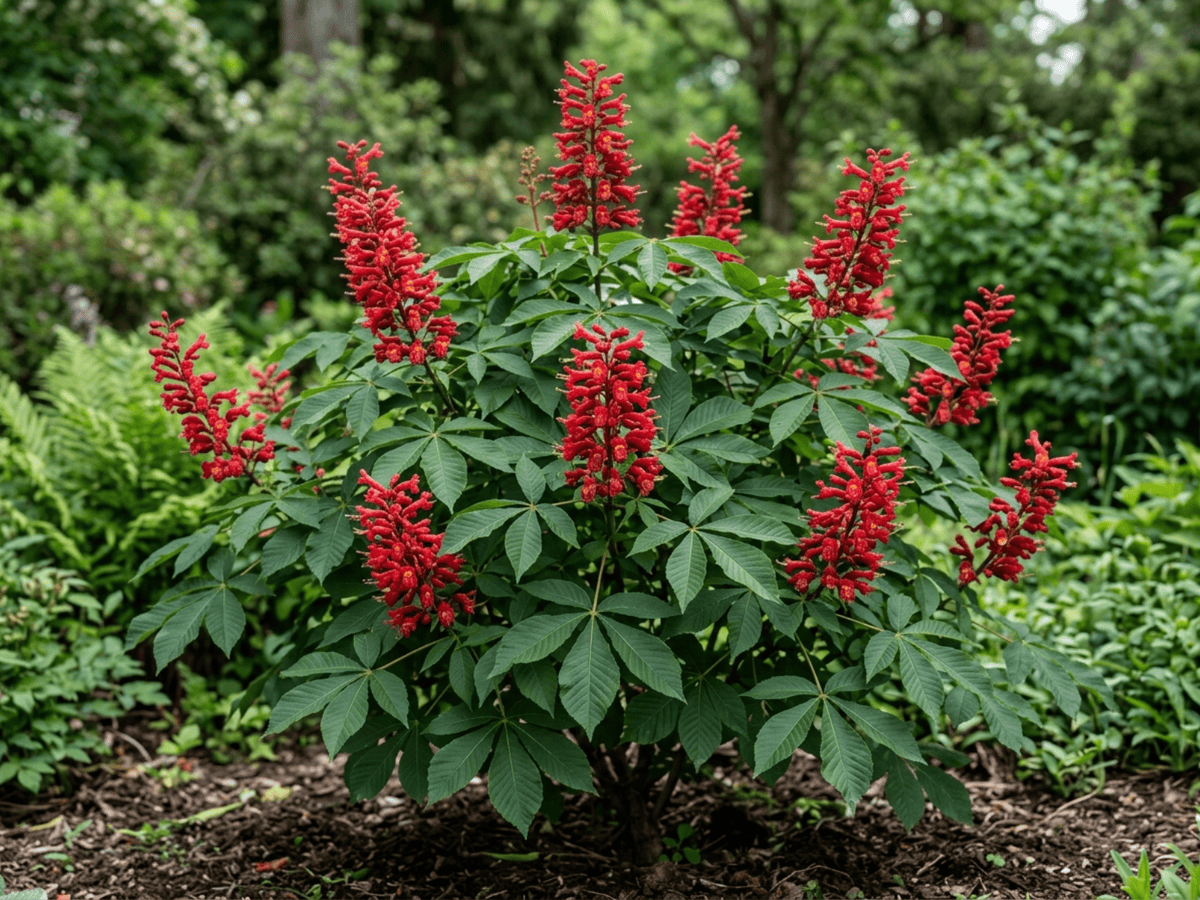 Red BuckeyeAesculus pavia
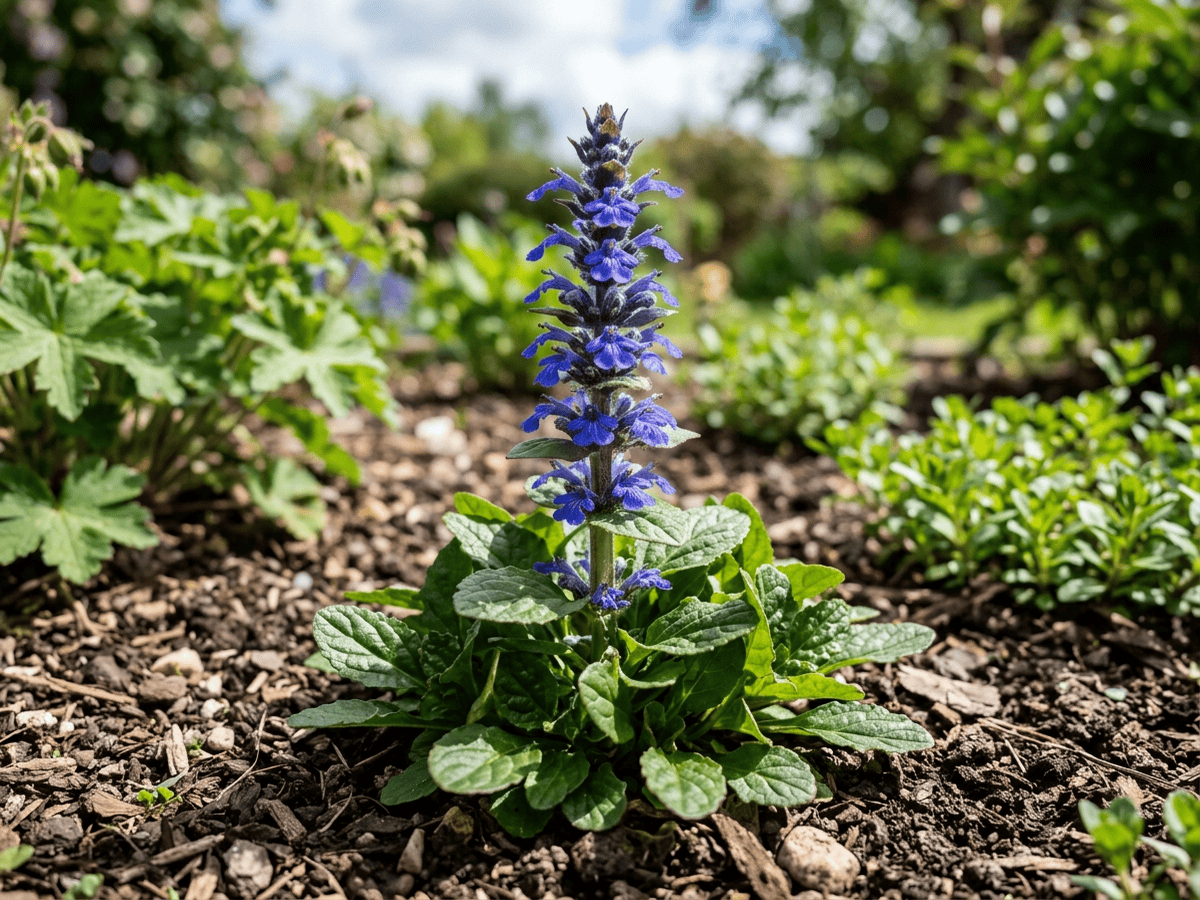 Blue BugleAjuga genevensis
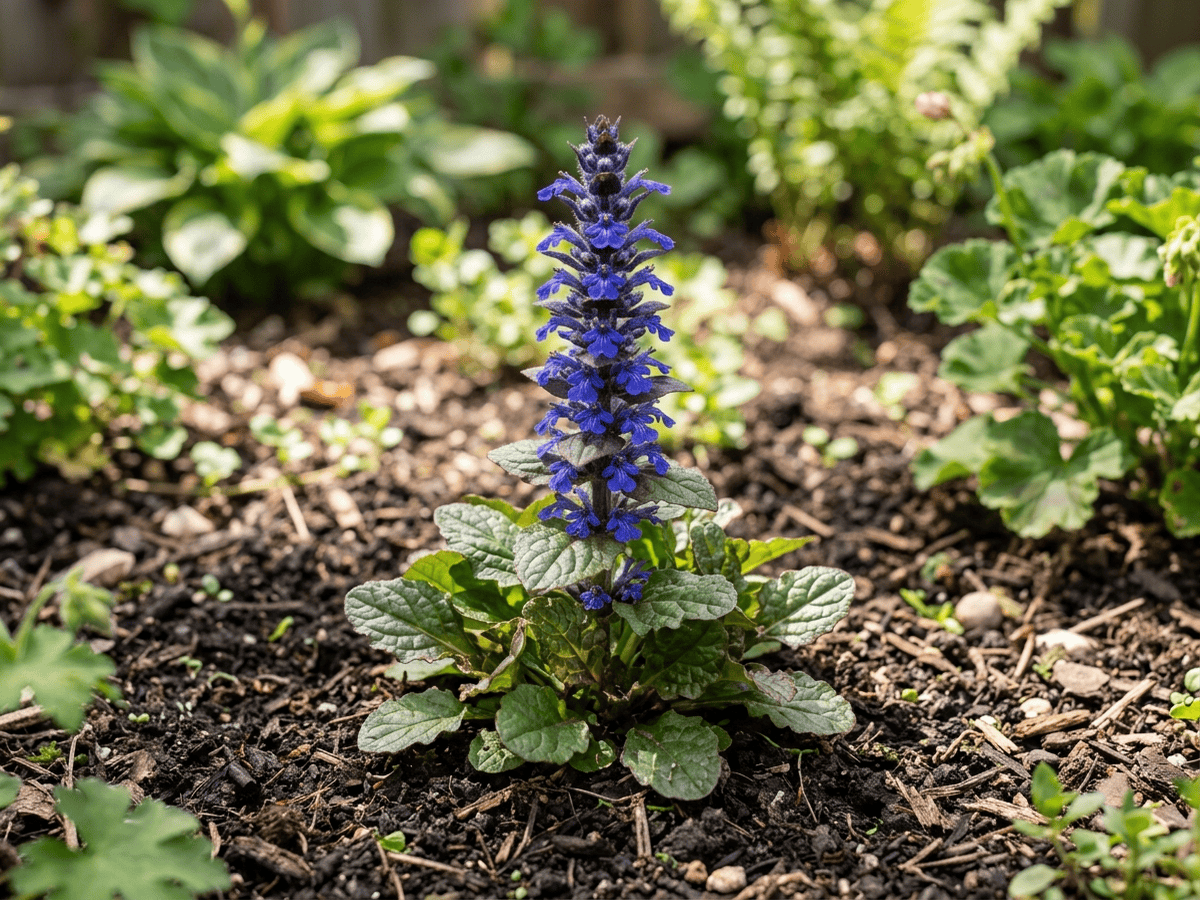 Pyramidal BugleAjuga pyramidalis
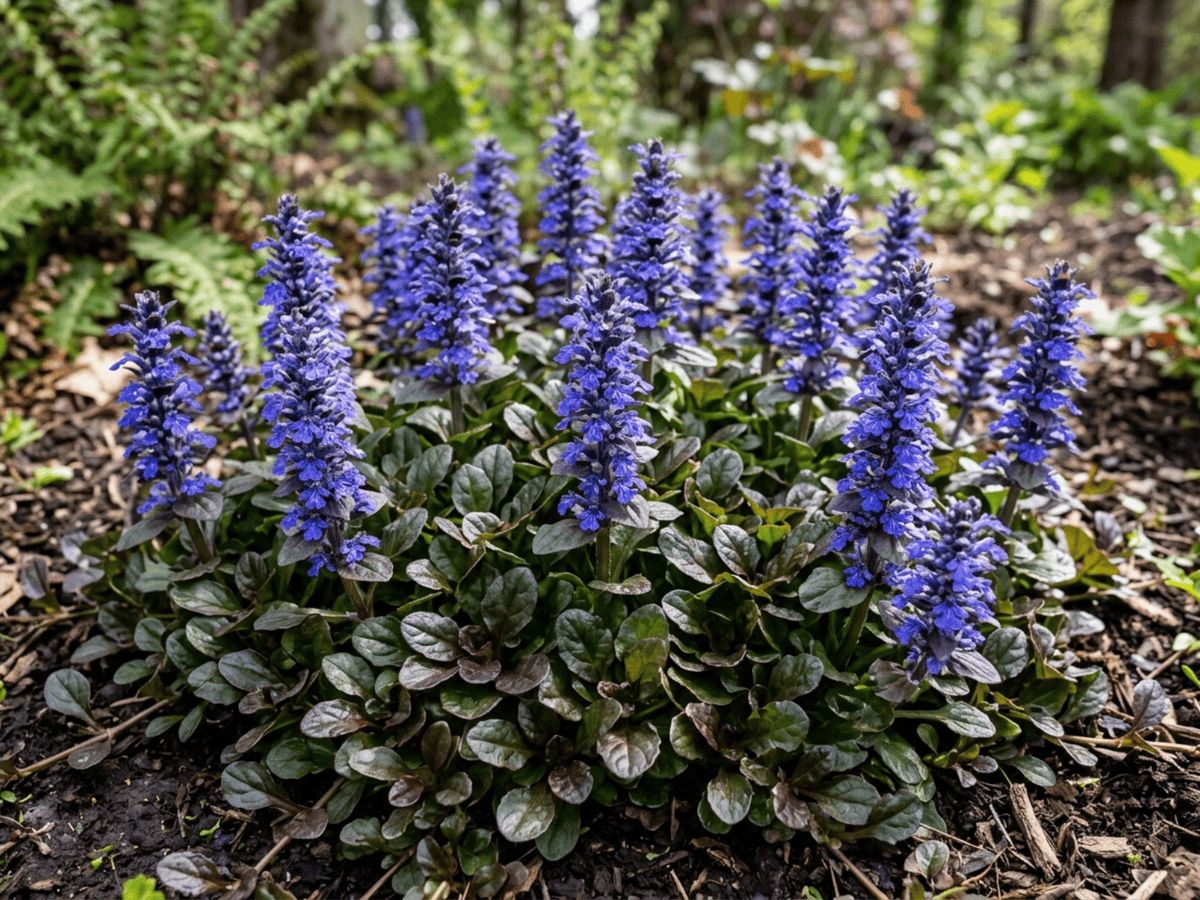 Carpet BugleAjuga reptans
Frequently asked questions
How often should I water Japanese Plum-Yew?
In summer, water about every 7 days; in winter, about every 30 days. Adjust for heat, pot size and drainage.
How much light does Japanese Plum-Yew need?
Part shade: 2–4 hrs direct. Watch the leaves — scorching or stretching means the light needs adjusting.
Is Japanese Plum-Yew toxic to cats or dogs?
Pets Moderate (Dogs Moderate · Cats Moderate) Educational information, not medical or veterinary advice. If exposure is suspected, contact a doctor or veterinarian.
Is Japanese Plum-Yew easy to grow?
Yes — it is considered an easy, beginner-friendly plant.
YardMate
Identify any plant in seconds
Snap a photo — YardMate names the plant, diagnoses problems, and reminds you when to water.
Download on the App Store