 YardMate
String of Hearts
Ceropegia woodii
Medium · Some experienceAbout String of Hearts
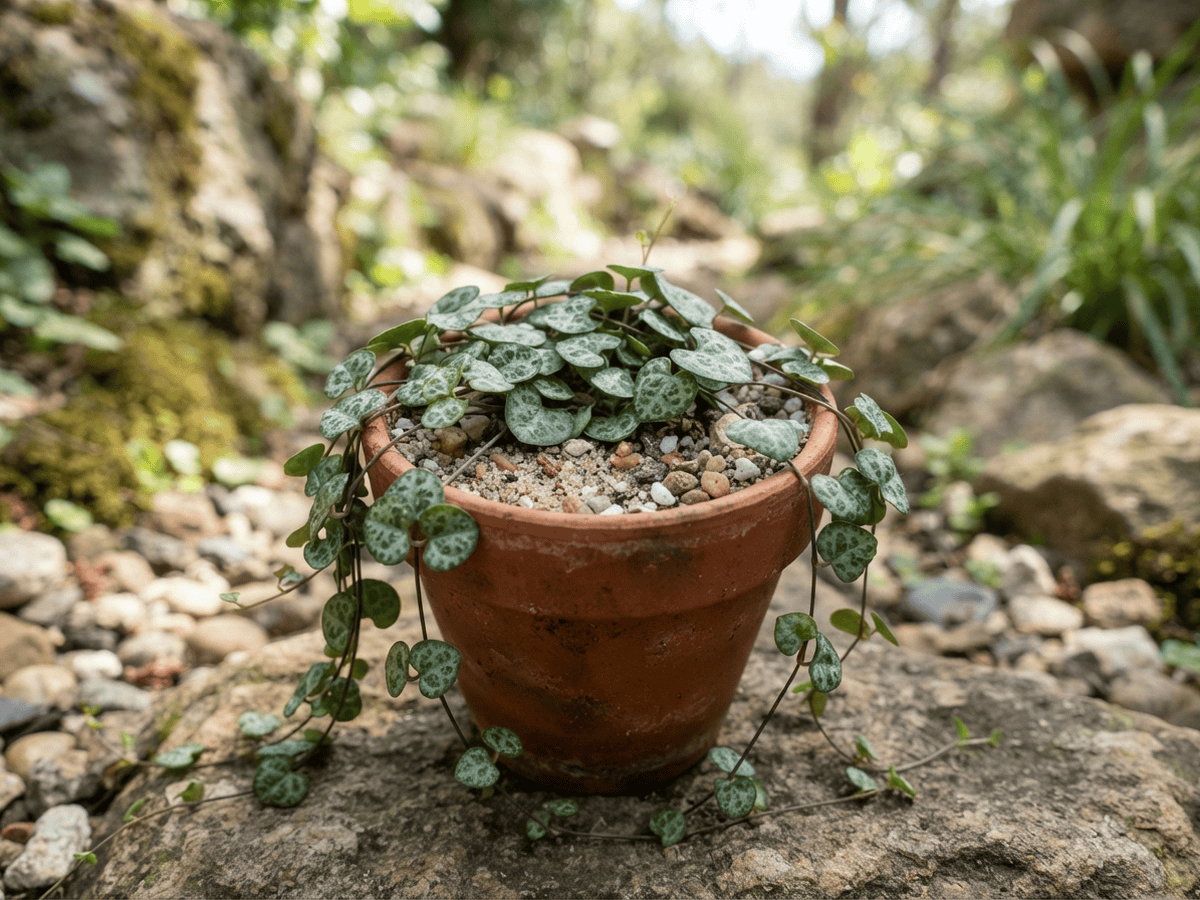
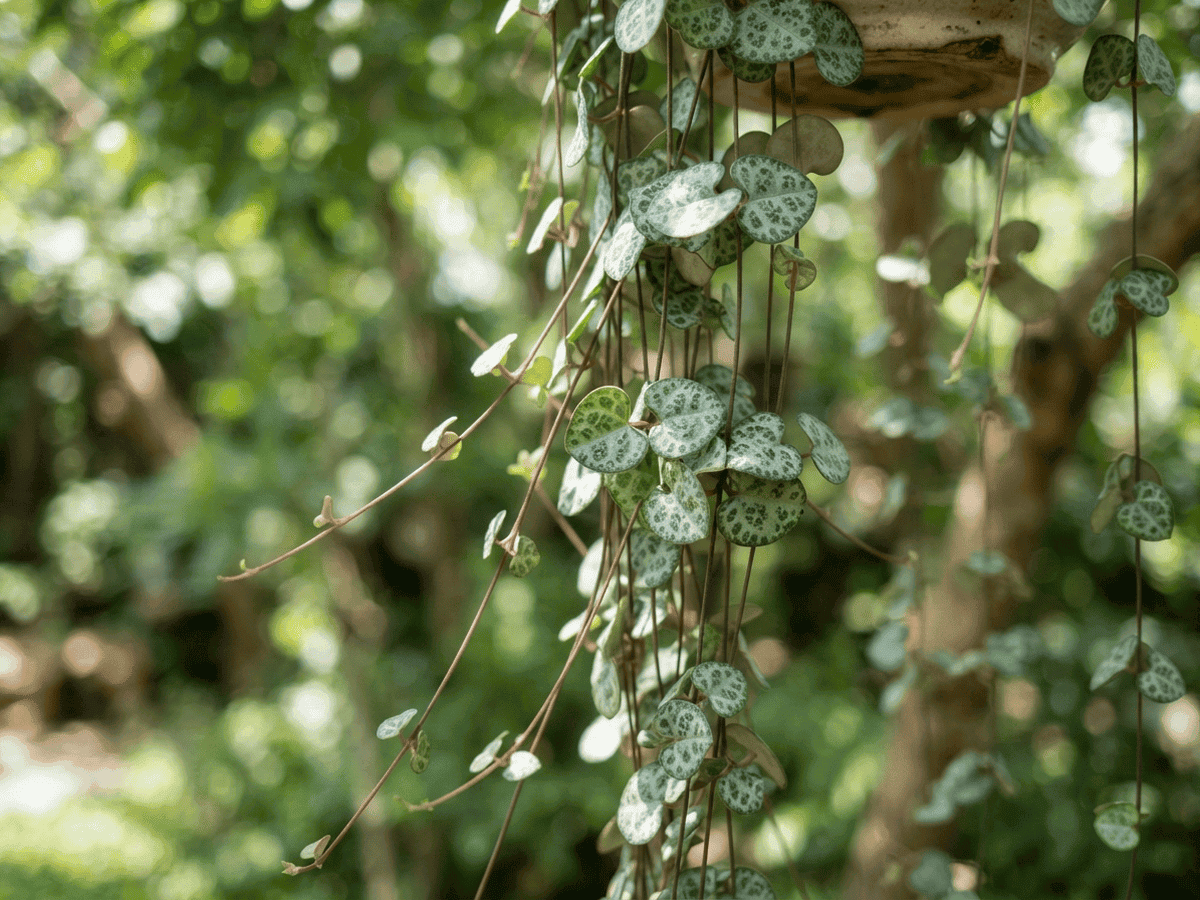
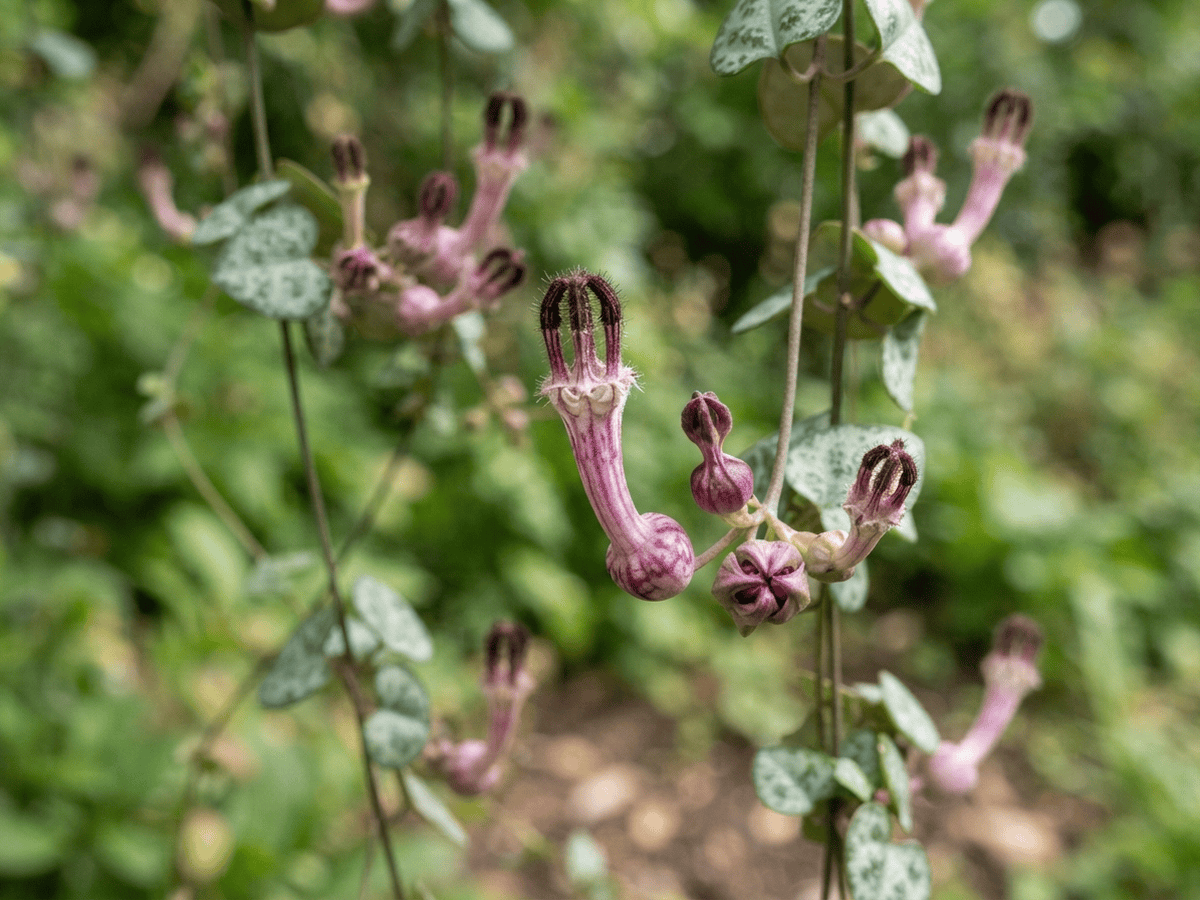
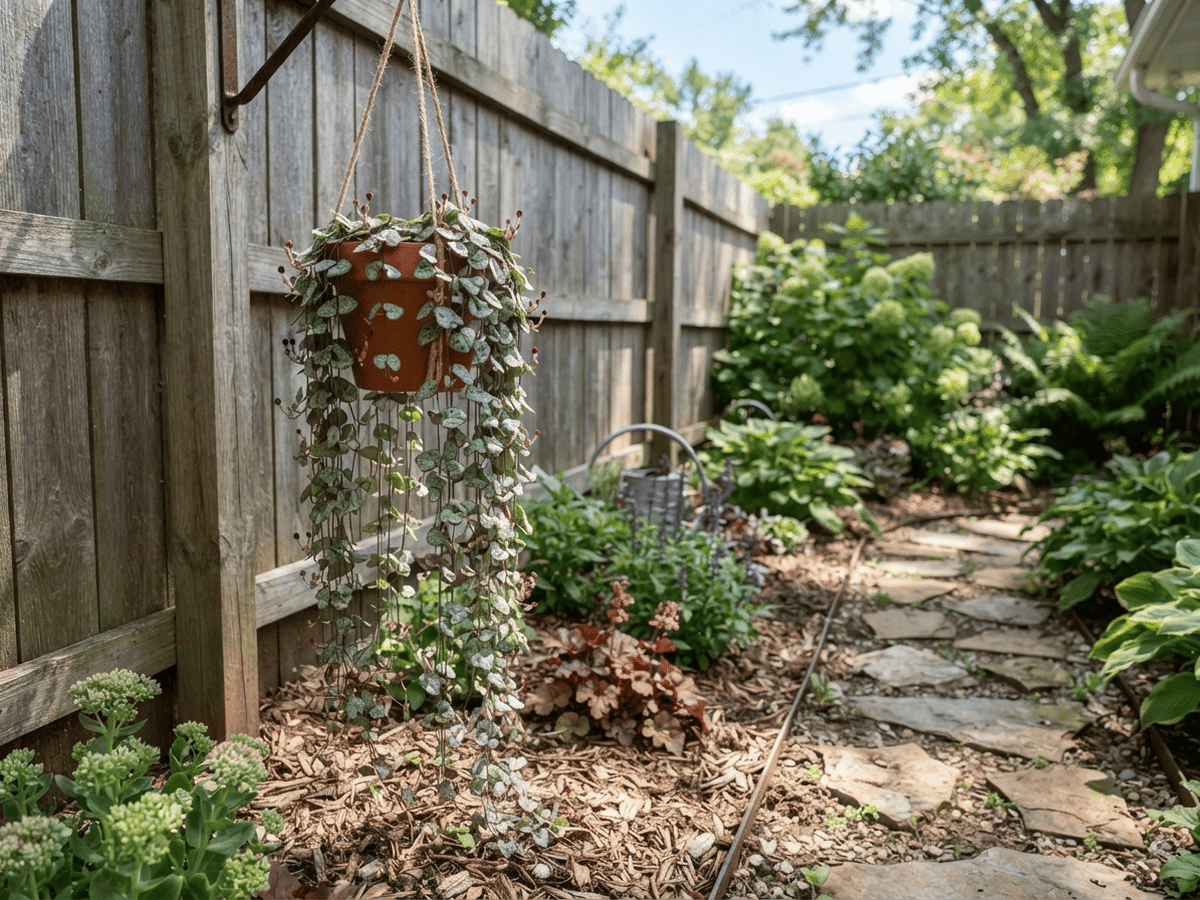
The String of Hearts is a trailing succulent from South Africa's KwaZulu-Natal grasslands, grown for its wiry stems strung with pairs of heart-shaped leaves marbled silvery-green above and flushed purple beneath. Small pea-sized tubers form along the stems, storing water through dry spells and rooting easily wherever they touch soil. In summer it opens slender, inflated pink flowers shaped like tiny cages, part of a trap-pollination mechanism shared across the genus Ceropegia. Undemanding and drought-tolerant, it thrives in bright, indirect light and is a favorite for hanging baskets, where its trailing strands can reach several feet.
- Drought-tolerant
- Climbing
- Container-friendly
- Deciduous
How to care for String of Hearts
Watering
- Springevery 7 days
- Summerevery 7 days
- Fallevery 14 days
- Winterevery 30 days
Soil · Fast-draining
- Main mixSand + pumice + soil 1:1:150%
- DrainagePumice / gravel50%
Keep grit at half the mix or more — this soil is meant to dry out fast.
FERTILIZER
Cactus & Succulent Feed 2-7-7
Hold the nitrogen back and growth stays compact instead of soft and stretched. Phosphorus and potassium carry the roots and the flowering.
- Nitrogen · Leaves
- Phosphorus · Roots + Blooms
- Potassium · Strength
- Springevery 30 days
- Summerevery 30 days
- Fallevery 30 days
At a Glance
- NativeSouthern Africa
- Height1–1.5 ft (0.3–0.5 m)
- Spread2–3 ft (0.6–0.9 m)
- Foliage colorGreen, Variegated
- SoilWell-drained, Loamy
- LocationsYard · Patio · Indoor
Fragrance
NO FRAGRANCE
The flowers are essentially unscented.
Toxicity
No toxicity has been reported for this plant. Still, it is wise to keep pets from chewing on any houseplant.
Educational information, not medical or veterinary advice. If exposure is suspected, contact a doctor or veterinarian.
DISTRIBUTION


- Native
- Introduced
- Southern Africa
History
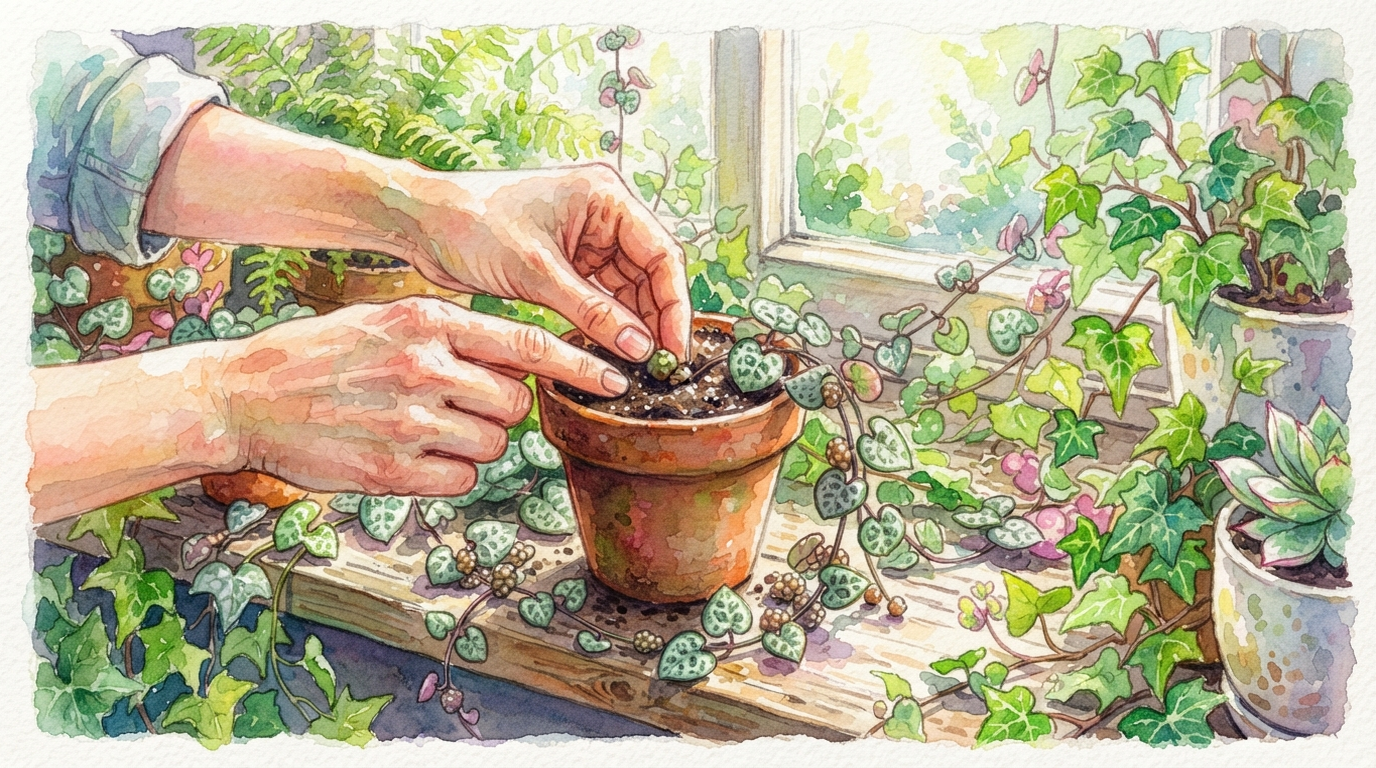
The String of Hearts grows wild across the grasslands and rocky outcrops of KwaZulu-Natal, where it was collected and described in the late nineteenth century as botanists cataloged the region's succulent flora; the species name woodii honors John Medley Wood, a prolific British-South African botanist and first curator of the Durban Botanic Gardens, who gathered thousands of specimens from the province's grasslands and forests. In the wild the plant scrambles through grass tussocks and over rocks, anchored by a swollen basal tuber and further tubers strung along its stems like knots on a cord. It was this beaded, thread-like habit that gave rise to its other common name, Rosary Vine, evoking the small hardened beads of a prayer rosary passed through the fingers, while the paired heart-shaped leaves along the same stems gave the plant the name it is best known by today. Introduced to Western greenhouses as a curiosity succulent in the early twentieth century, it remained a minor specialty plant for decades before houseplant growers rediscovered it, prizing the trailing vine for the ease with which a single pea-sized tuber, pinned into a new pot, roots into an entirely new plant. Today the practice of propagating the plant from its strung tubers is central to how it is passed between growers, echoing the very beads that gave it its older name.
Symbolism & meaning
What It Symbolizes
Because its trailing stems are strung with small tubers like beads on a rosary, the String of Hearts has come to stand for quiet devotion, its heart-shaped leaves adding a second layer of meaning as a token of affection passed between friends who trade cuttings to grow their own.
- Devotion — The bead-like tubers strung along its stems recall rosary prayer beads, linking the plant to quiet devotion and mindfulness.
- Connection — Its heart-shaped leaves and easily shared cuttings have made it a common gift symbolizing affection between friends.
Where the Name Comes From
The genus name Ceropegia comes from the Greek keros (wax) and pege (fountain), describing the waxy, fountain-like form of its flowers. The species name woodii honors John Medley Wood, the South African botanist who collected it in KwaZulu-Natal. Its common name String of Hearts comes from the pairs of heart-shaped leaves strung at intervals along its trailing stems. The plant is also known as Rosary Vine, after the small bead-like tubers threaded along those same stems, reminiscent of rosary prayer beads.
Uses & Fun Facts
- Trailing succulent grown in hanging baskets and on shelves for its cascading, beaded stems.
- Trap-shaped flowers attract and briefly hold small flies, which carry pollen between blooms.
Related plants
Plants with similar care
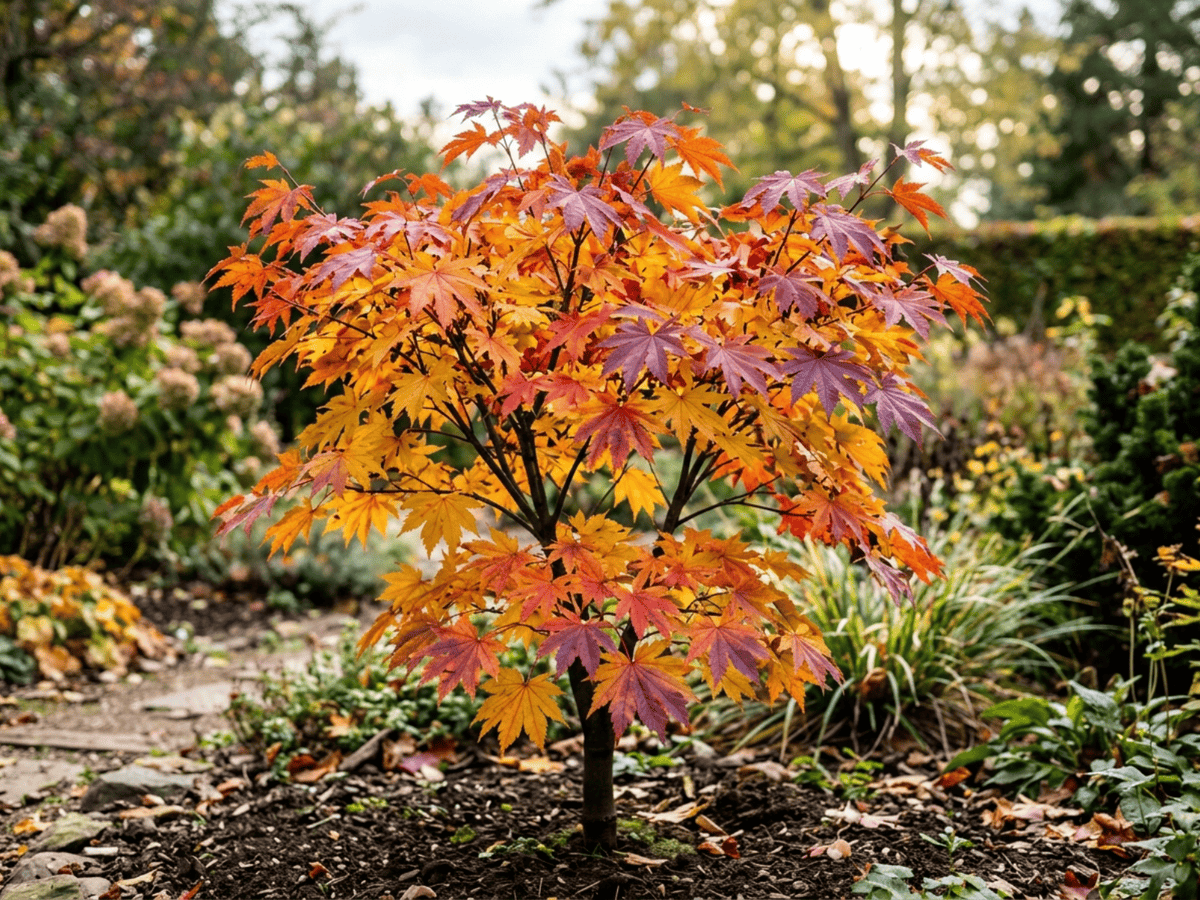 Downy Japanese MapleAcer japonicum
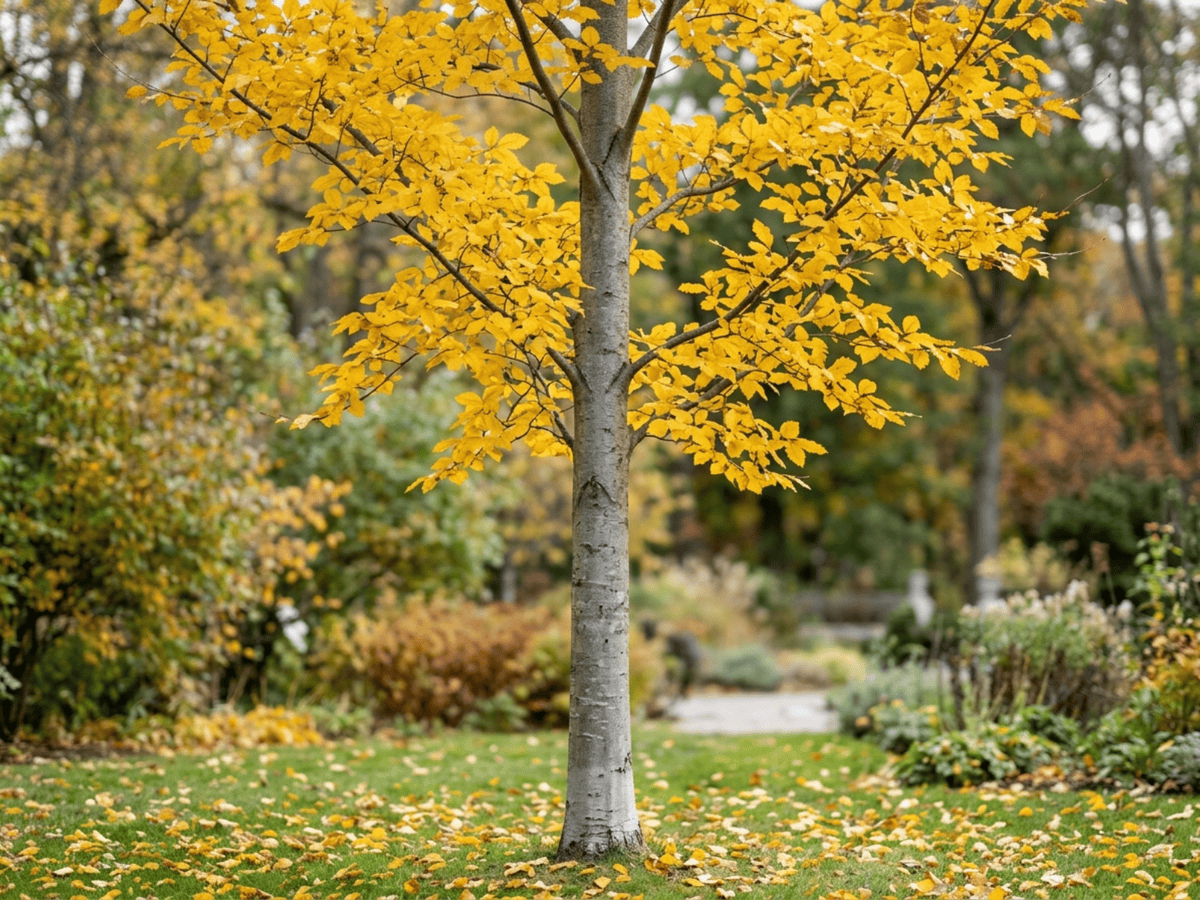 American BeechFagus grandifolia
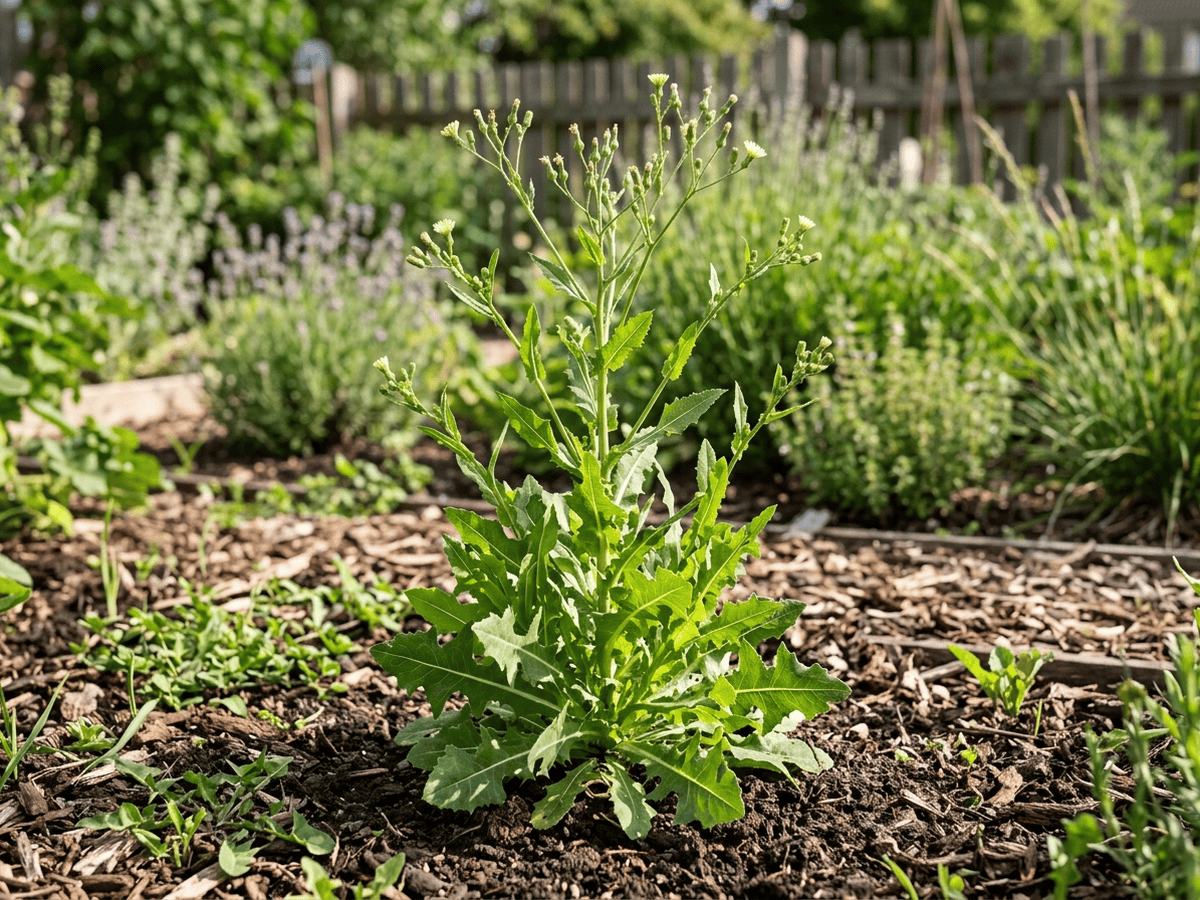 Pliant LettuceLactuca viminea
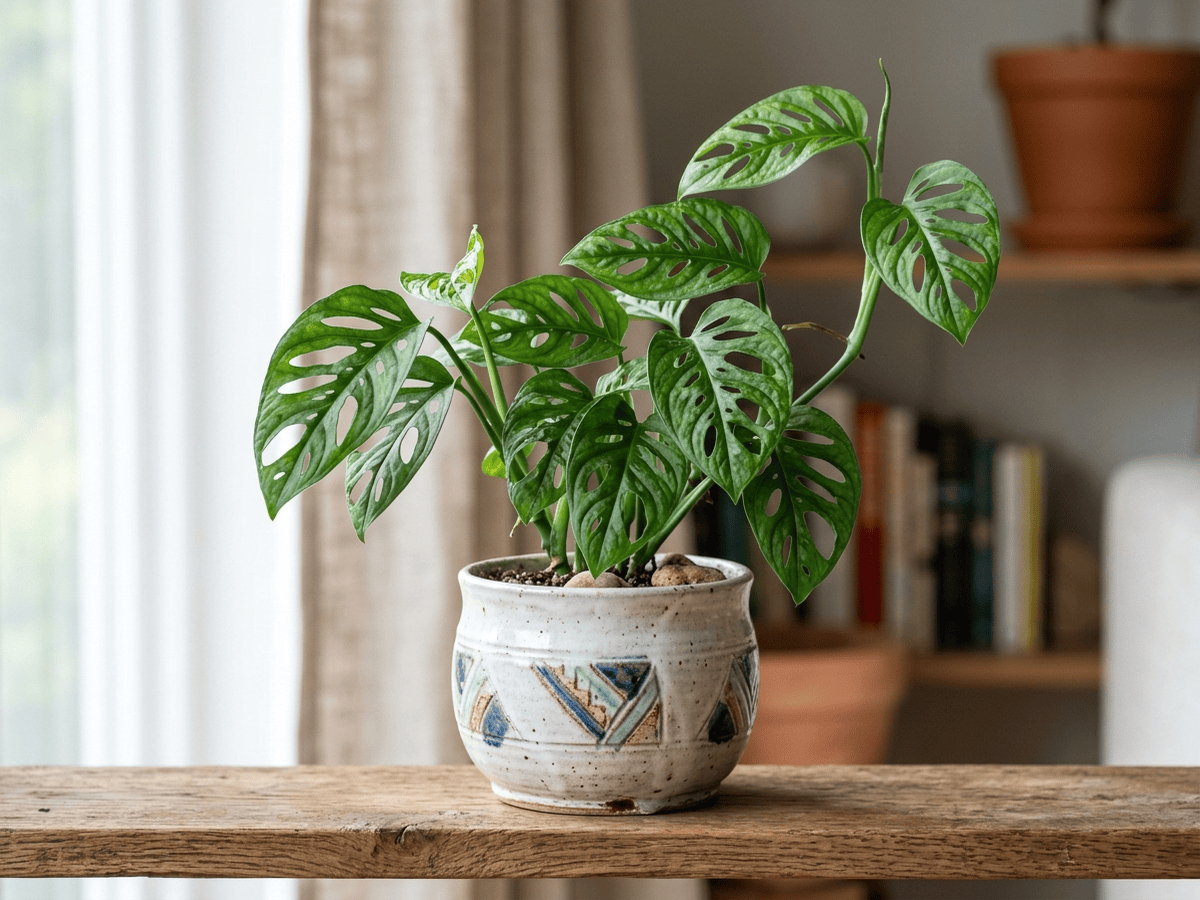 Blanchet's Swiss Cheese VineMonstera adansonii blanchetii
Frequently asked questions
How often should I water String of Hearts?
In summer, water about every 7 days; in winter, about every 30 days. Adjust for heat, pot size and drainage.
How much light does String of Hearts need?
Part sun: 4–6 hrs direct. Watch the leaves — scorching or stretching means the light needs adjusting.
Is String of Hearts toxic to cats or dogs?
No toxicity has been reported for this plant. Still, it is wise to keep pets from chewing on any houseplant. Educational information, not medical or veterinary advice. If exposure is suspected, contact a doctor or veterinarian.
Is String of Hearts easy to grow?
It is moderately demanding: a good choice once you have a little experience.
Can String of Hearts be grown indoors?
Yes, it adapts well to indoor growing given the right light.
YardMate
Identify any plant in seconds
Snap a photo — YardMate names the plant, diagnoses problems, and reminds you when to water.
Download on the App Store