 YardMate

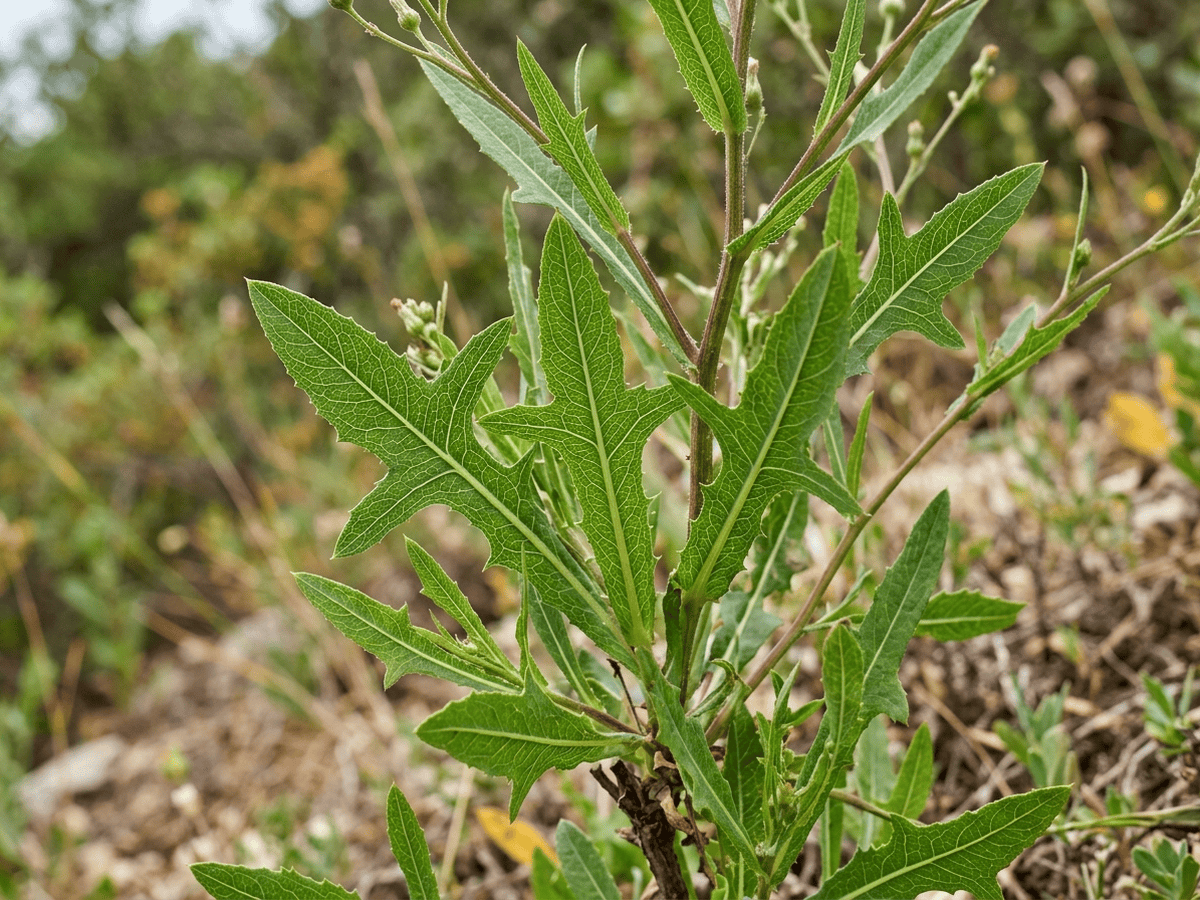


Pliant Lettuce
Lactuca viminea
Medium · Some experienceAbout Pliant Lettuce
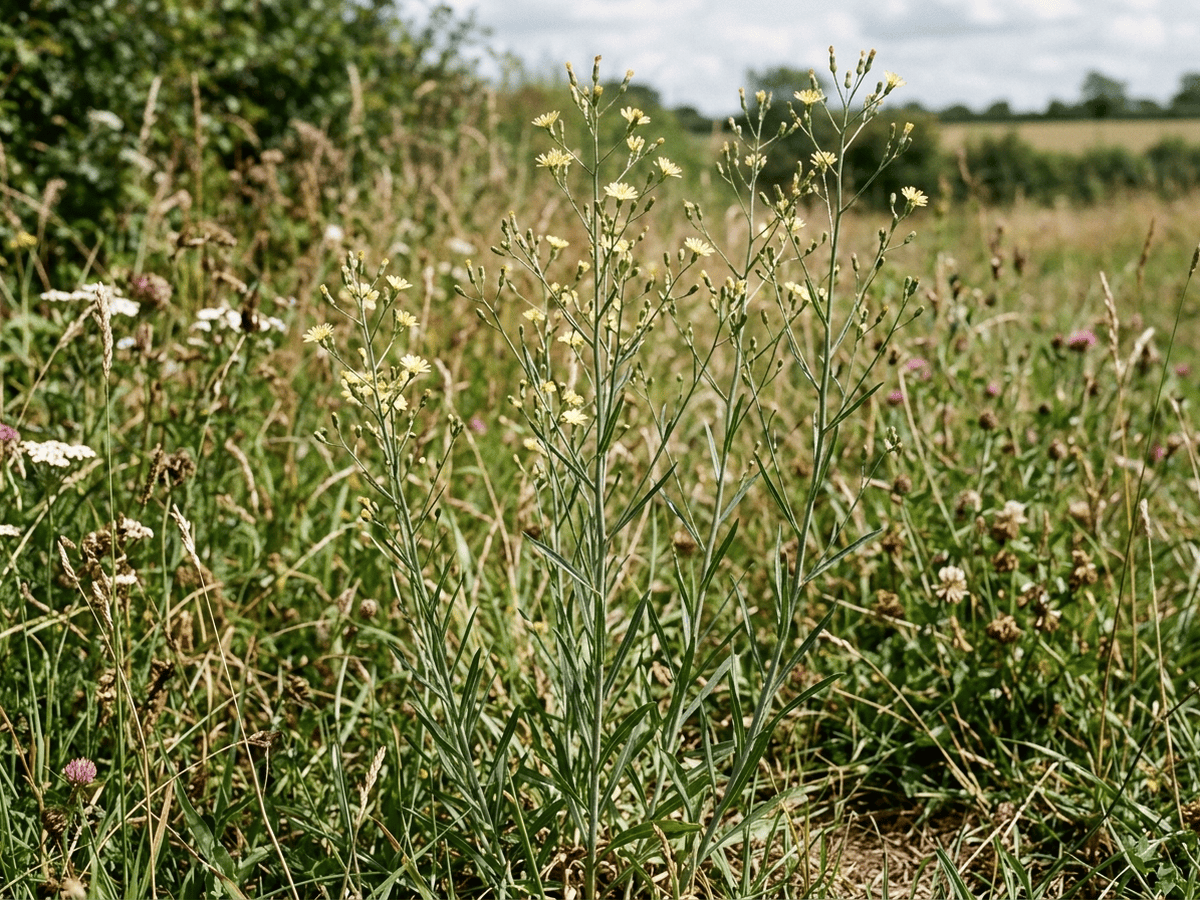
Lactuca viminea, the Pliant Lettuce, is a slender biennial herb native to dry, rocky, and calcareous habitats across southern and central Europe. Its rod-like, almost leafless stems reach 1–3 feet, bearing very narrow lance-shaped leaves and small pale yellow flowers in loose panicles during summer. The species epithet viminea means 'osier-like' in Latin, describing the plant's pliant, rush-like stems. A close relative of cultivated lettuce, it inhabits cliff faces, stony banks, and sun-baked field margins.
- Drought-tolerant
- Edible
How to care for Pliant Lettuce
Watering
- Springevery 7 days
- Summerevery 7 days
- Fallpause watering
- Winterpause watering
Soil · Rich & well-draining
- Top dressingCompost10%
- Main mixPotting soil + compost 3:180%
- DrainageGravel10%
Top up the compost layer each season.
FERTILIZER
- Springevery 30 days
- Summerevery 30 days
At a Glance
- NativeNorth America
- Height1–3 ft (0.3–0.9 m)
- Spread1–2 ft (0.3–0.6 m)
- Foliage colorGreen
- SoilMoist, Well-drained
- LocationsYard · Balcony
Toxicity
Toxicity unknown
None reported
Unknown
EXPOSURE No exposure route is reported.
EFFECT No toxic effect is reported.
NOTE Toxicity for humans is not well documented; use caution until verified.
Unknown
EXPOSURE No exposure route is reported.
EFFECT No toxic effect is reported.
NOTE Toxicity for dogs is not well documented; use caution until verified.
Unknown
EXPOSURE No exposure route is reported.
EFFECT No toxic effect is reported.
NOTE Toxicity for cats is not well documented; use caution until verified.
Educational information, not medical or veterinary advice. If exposure is suspected, contact a doctor or veterinarian.
DISTRIBUTION


- Native
- North America
History

Lactuca viminea is one of several wild lettuce species native to Europe that share a genus with cultivated lettuce (Lactuca sativa). Like its relatives L. saligna and L. serriola, L. viminea has been part of the European flora since antiquity, growing in dry, sunny habitats—cliff ledges, rocky banks, old walls, and calcareous grasslands—particularly around the Mediterranean basin.
The species name viminea derives from the Latin vimen (osier shoot or pliant twig), describing the plant's slender, almost leafless flowering stems that bend gracefully in the wind, resembling the flexible shoots of willow or osier. Classical and medieval herbalists who catalogued wild lettuces used the milky sap (from which the genus takes its name—lactuca from lac, milk) for sedative preparations, though L. viminea was rarely the primary medicinal species.
Lactuca viminea has attracted scientific interest as a potential genetic resource for crop improvement. Wild Lactuca species carry resistance genes to downy mildew (Bremia lactucae) and other diseases that threaten lettuce cultivation globally. L. viminea contributes to the genetic diversity that breeders draw on to protect modern salad crops.
The species is uncommon in cultivation and mainly encountered as a botanical curiosity or wild plant of Mediterranean landscapes.
Symbolism & meaning
What It Symbolizes
Lactuca viminea grows on cliff faces and stony banks across southern Europe—places of bare rock and blazing sun where richer plants cannot take hold. Its pliant, rod-like stems bend without breaking in the dry summer winds, a quiet symbol of resilience through flexibility and modest expectations.
- Resilience — Grows on cliff faces and stony banks where little else survives
- Humility — A modest botanical relic that lives at the margins of human notice
Where the Name Comes From
From Latin lactuca (lettuce, itself from lac meaning milk, for the milky sap) and the species epithet viminea from vimen (osier shoot or pliant twig), describing the plant's slender, flexible stems that bend like osier shoots in the wind.
Uses & Fun Facts
- Young leaves occasionally gathered as a bitter wild salad green
- Milky sap of wild lettuces used historically as a mild sedative
- Small yellow flowers provide nectar for small insects and hoverflies
Related plants
More Lactuca plants

Plants with similar care
 Downy Japanese MapleAcer japonicum
 String of HeartsCeropegia woodii
 American BeechFagus grandifolia
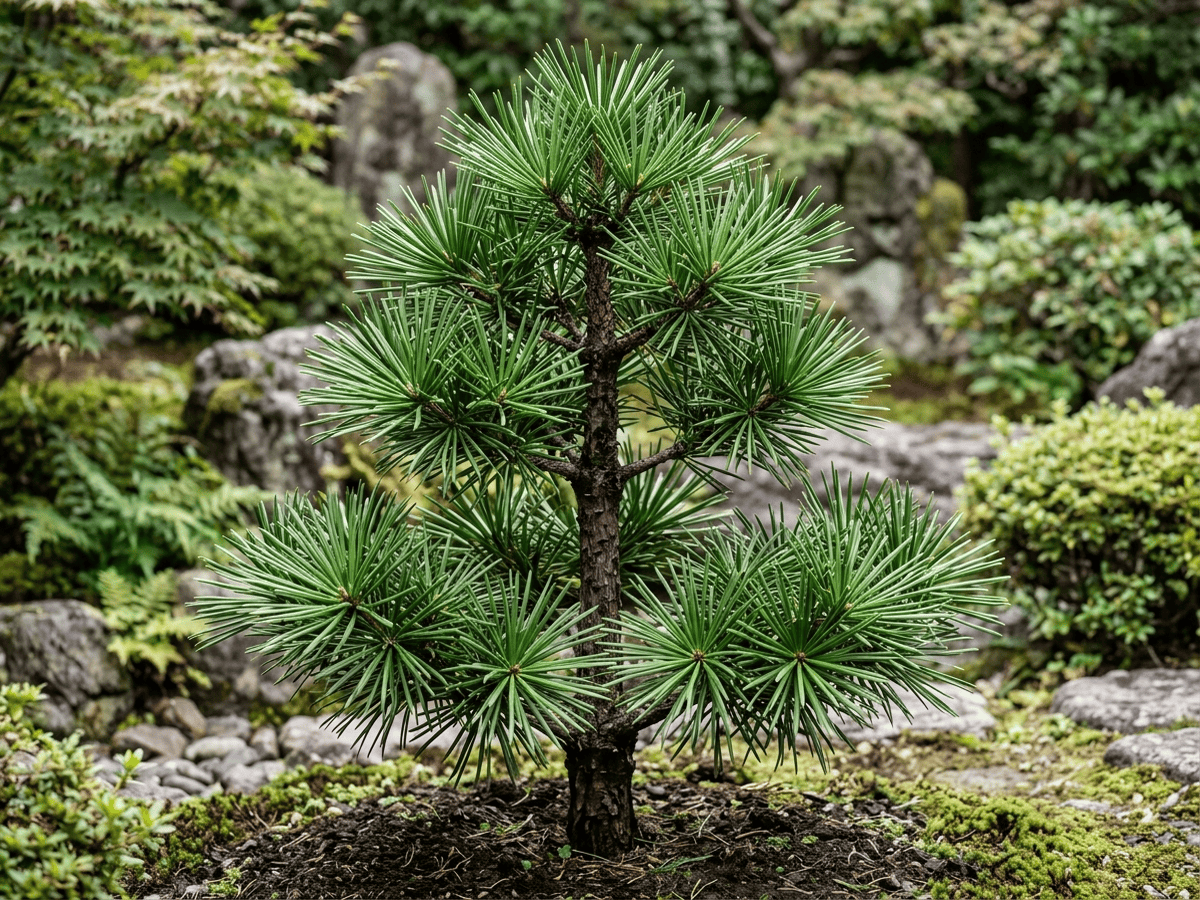 KoyamakiSciadopitys verticillata
Frequently asked questions
How often should I water Pliant Lettuce?
Water about every 7 days during the growing season, and always let excess water drain away.
How much light does Pliant Lettuce need?
Part sun: 4–6 hrs direct. Watch the leaves — scorching or stretching means the light needs adjusting.
Is Pliant Lettuce toxic to cats or dogs?
Pets Unknown (Dogs Unknown · Cats Unknown) Educational information, not medical or veterinary advice. If exposure is suspected, contact a doctor or veterinarian.
Is Pliant Lettuce easy to grow?
It is moderately demanding: a good choice once you have a little experience.
YardMate
Identify any plant in seconds
Snap a photo — YardMate names the plant, diagnoses problems, and reminds you when to water.
Download on the App Store