 YardMate

American Beech
Fagus grandifolia
Medium · Some experienceAbout American Beech
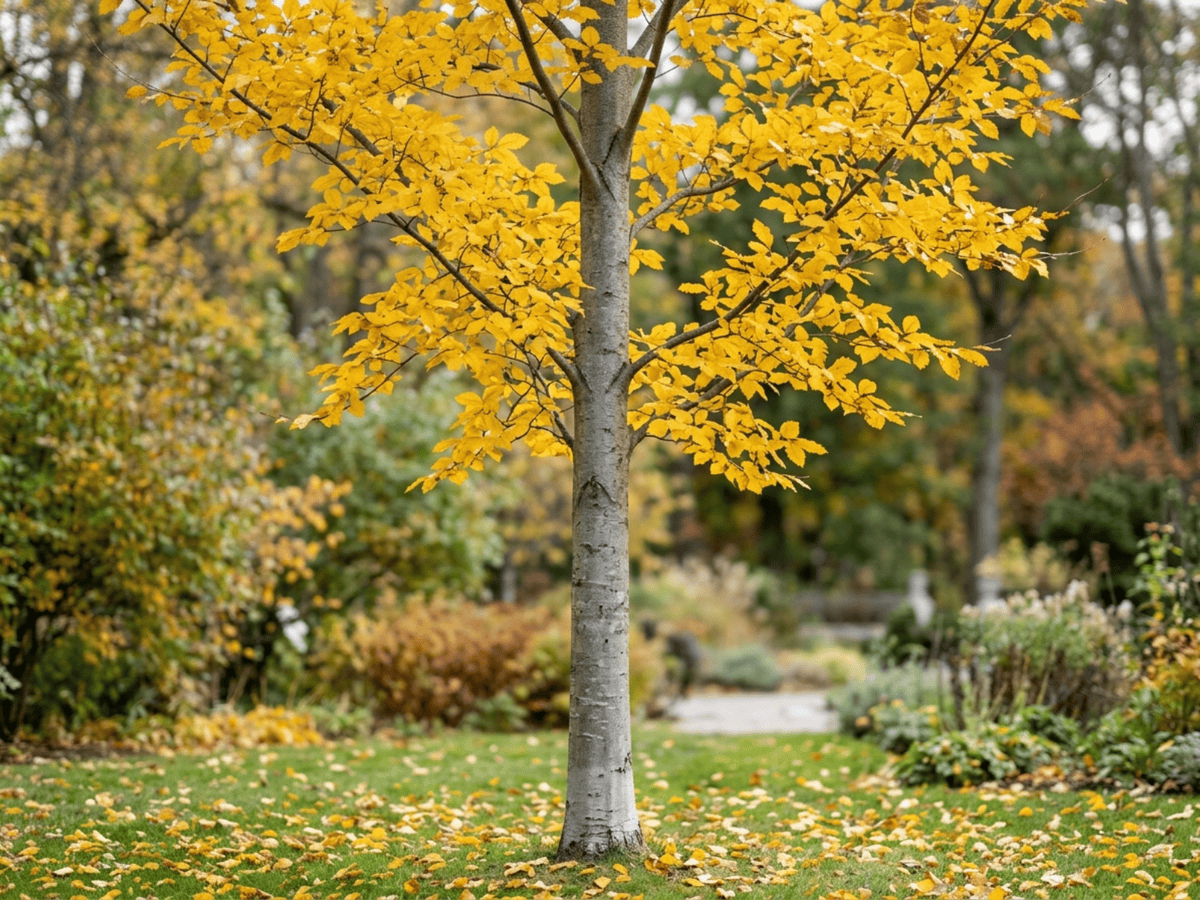
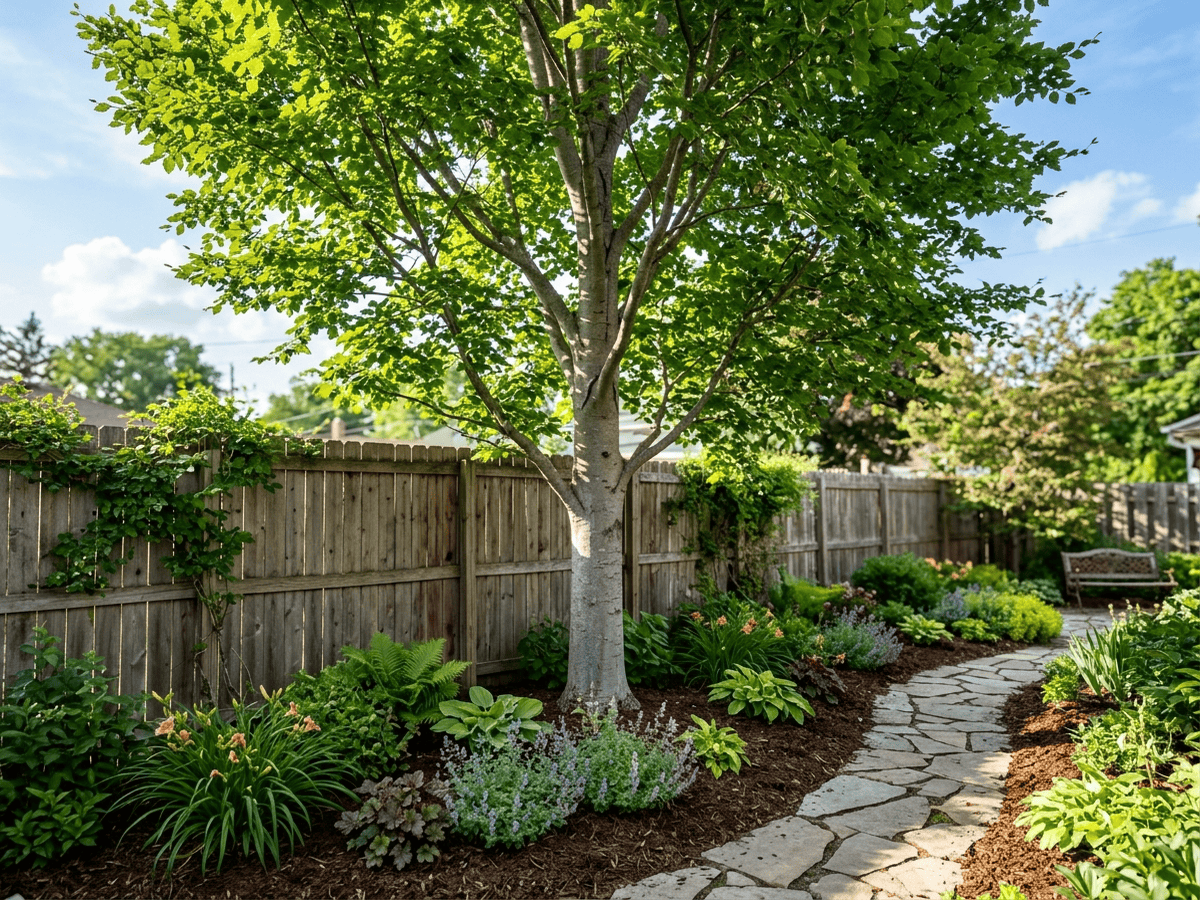
American Beech is a majestic deciduous tree native to eastern North America, reaching 60-80 feet, celebrated for its smooth silvery-gray bark that stays elegant throughout its long life. Glossy dark green leaves turn clear golden-bronze in autumn and often persist through winter in a papery, luminous display. A stately specimen of eastern forests whose slowness to mature rewards generations with unmatched woodland grandeur.
- Native
How to care for American Beech
Watering
- Springevery 7 days
- Summerevery 5 days
- Fallevery 10 days
- Winterpause watering
Soil · Well-draining
- Top dressingPine bark mulch10%
- Main mixPotting soil + perlite 2:170%
- DrainageLECA / gravel20%
Never skip the drainage layer — standing water is the top cause of root rot.
FERTILIZER
- Springevery 60 days
- Summerevery 60 days
At a Glance
- NativeNorth America
- Height50–80 ft (15.2–24.4 m)
- Spread40–60 ft (12.2–18.3 m)
- Flower colorGreen
- Foliage colorGreen, Bronze
- Fruit colorBrown
- SoilLoamy, Well-drained, Acidic
- LocationsYard
Bloom time
BLOOM CYCLE
Peak bloom
Mar–May
Inconspicuous flowers in spring
Toxicity
Humans Slight · Pets Slight
fagin and saponins
Slight
- Nut
- Ingestion
EXPOSURE Eating nut.
EFFECT Mild GI in quantity due to saponins.
NOTE Nuts edible in moderation; large quantities may cause GI upset.
Slight
- Nut
- Ingestion
EXPOSURE Eating nut.
EFFECT Mild vomiting.
NOTE Nuts edible in moderation; large quantities may cause GI upset.
Slight
- Nut
- Ingestion
EXPOSURE Eating nut.
EFFECT Mild vomiting.
NOTE Nuts edible in moderation; large quantities may cause GI upset.
Educational information, not medical or veterinary advice. If exposure is suspected, contact a doctor or veterinarian.
DISTRIBUTION


- Native
- North America
History
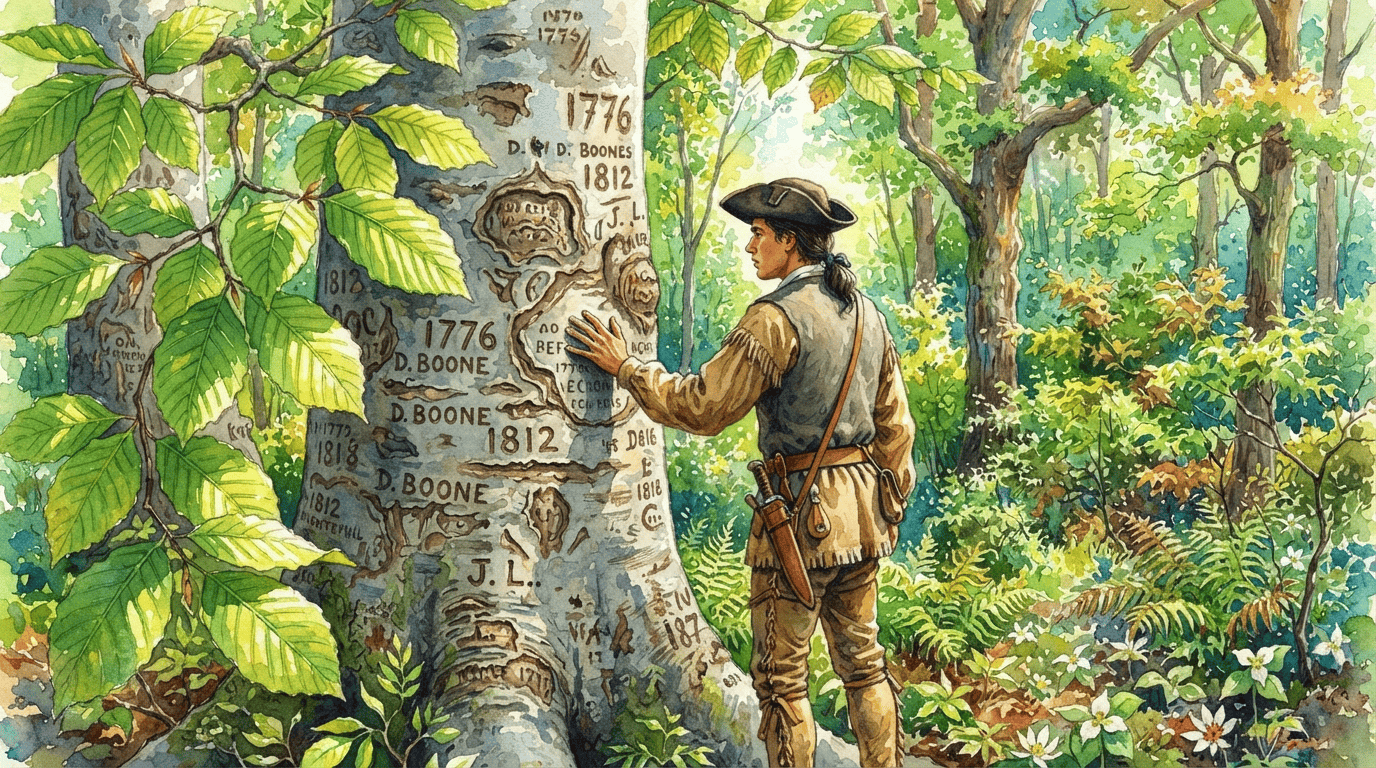
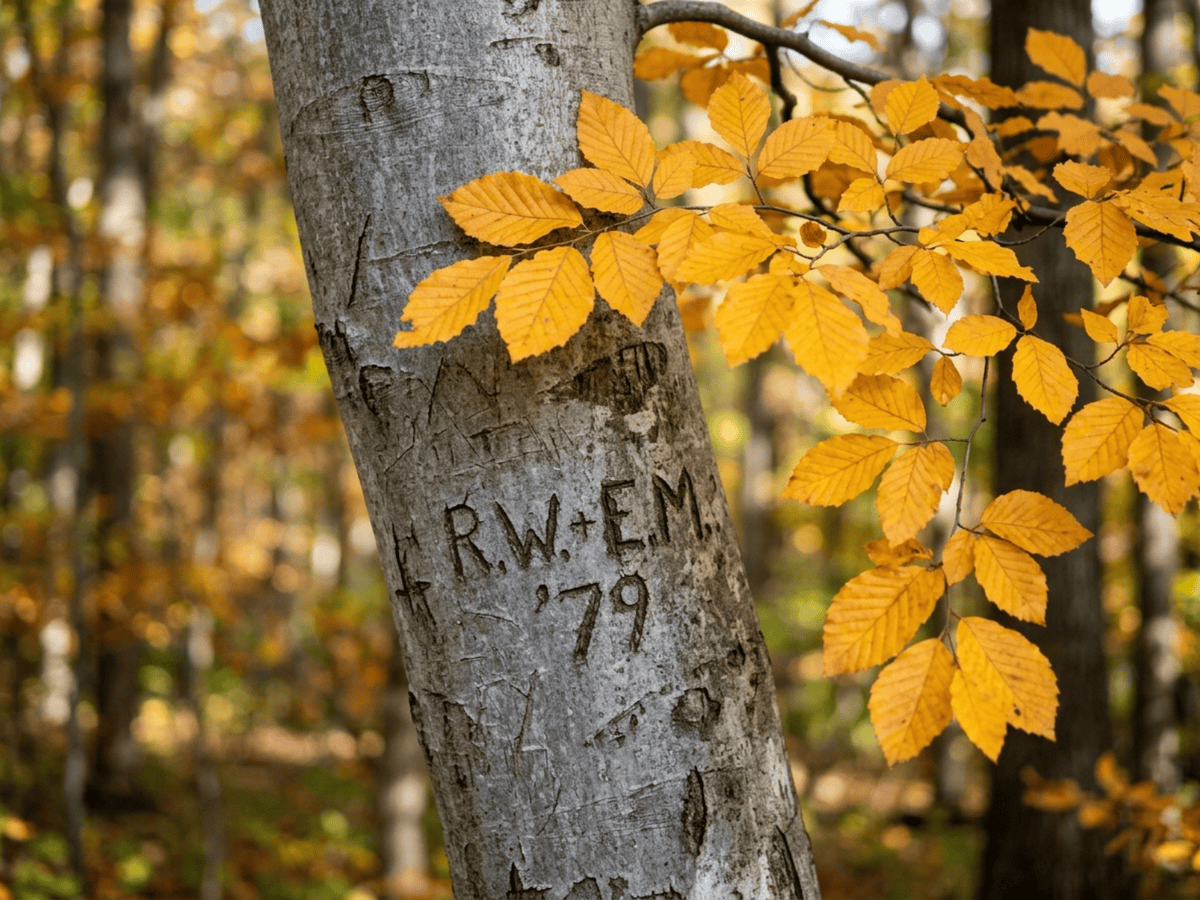
Fagus grandifolia ranges across eastern North America from Nova Scotia and Ontario south to northern Florida and west to eastern Texas. German botanist Joseph Ehrhart formally described it in 1788. Mature trees develop massive silvery-smooth gray trunks that can live 300-400 years, resistant to scars carved into the bark that persist indefinitely—making old beech groves famous for initials of generations past.
Beechnuts were a critical fall food for Indigenous peoples and continue to be gathered; their collapse in mast production years once supported billion-strong flocks of the passenger pigeon that went extinct around 1914. A fungal pathogen introduced from Europe in the 1890s, beech bark disease, has caused widespread mortality of mature beech forests. More recently beech leaf disease caused by a nematode has accelerated decline since the 2010s.
Despite disease challenges it remains one of the most majestic eastern American trees where healthy. Sacred to many eastern Native American tribes; beechnuts were gathered and pressed for oil. The smooth bark made it a favorite for carved initials—some inscriptions from the 18th century remain visible today. The species is increasingly threatened by beech leaf disease and beech bark disease across its range.
Symbolism & meaning
What It Symbolizes
American Beech stands for prosperity, a traditional symbol of abundance whose smooth gray bark has long been associated with plenty in northeastern woodlands. That same bark also carries memory — carved initials and dates last for centuries, turning each tree into a living journal of those who passed beneath. A forest giant patient enough to keep our marks long after we are gone.
- Prosperity — traditional symbol of abundance
- Memory — bark holds carved inscriptions for centuries
Where the Name Comes From
'Fagus' is classical Latin for beech; 'grandifolia' means large-leaved.
Uses & Fun Facts
- Triangular beech nuts eaten by humans and wildlife
- Broad smooth-barked canopy casts deep cooling forest shade
- Stately Eastern hardwood as long-lived estate tree
- Hard pale wood used for flooring, tool handles, and furniture
Related plants
More Fagus plants
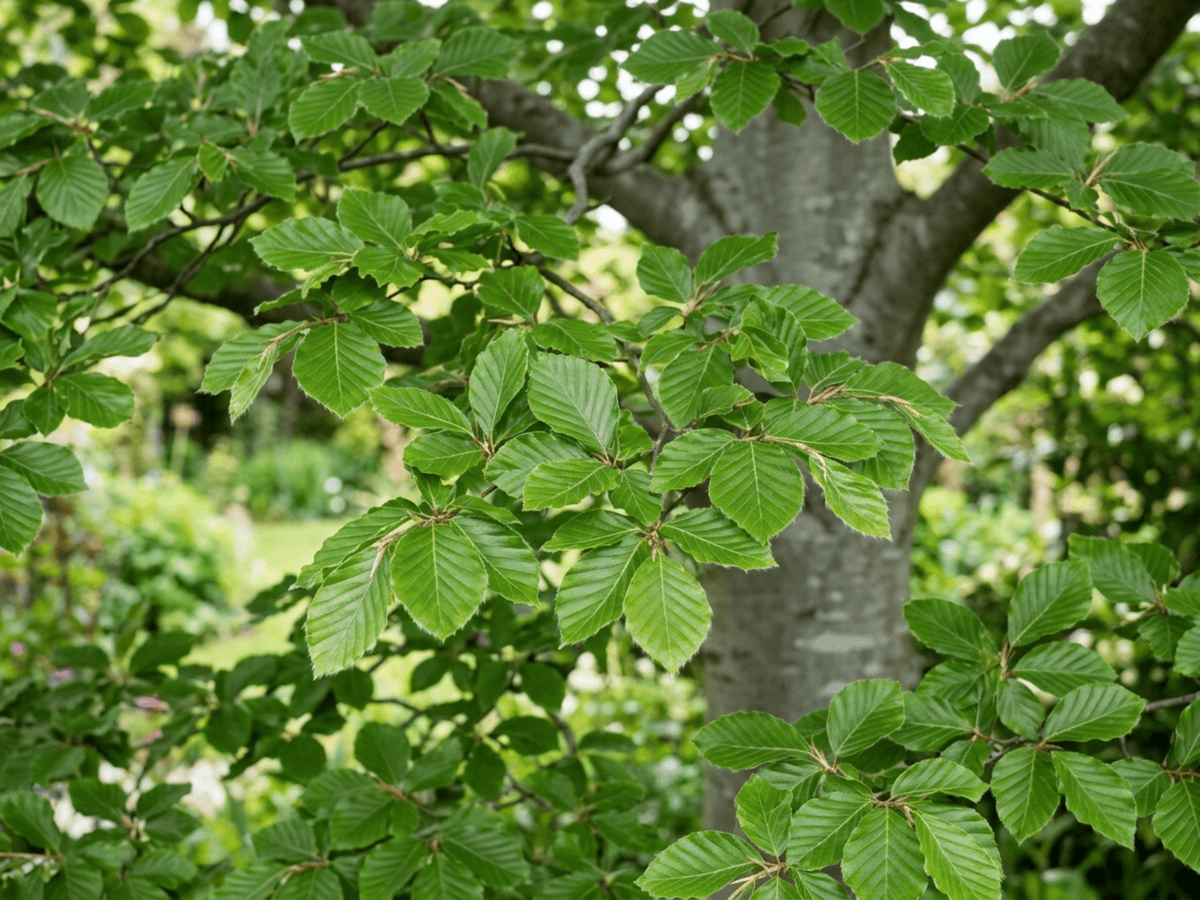
Plants with similar care
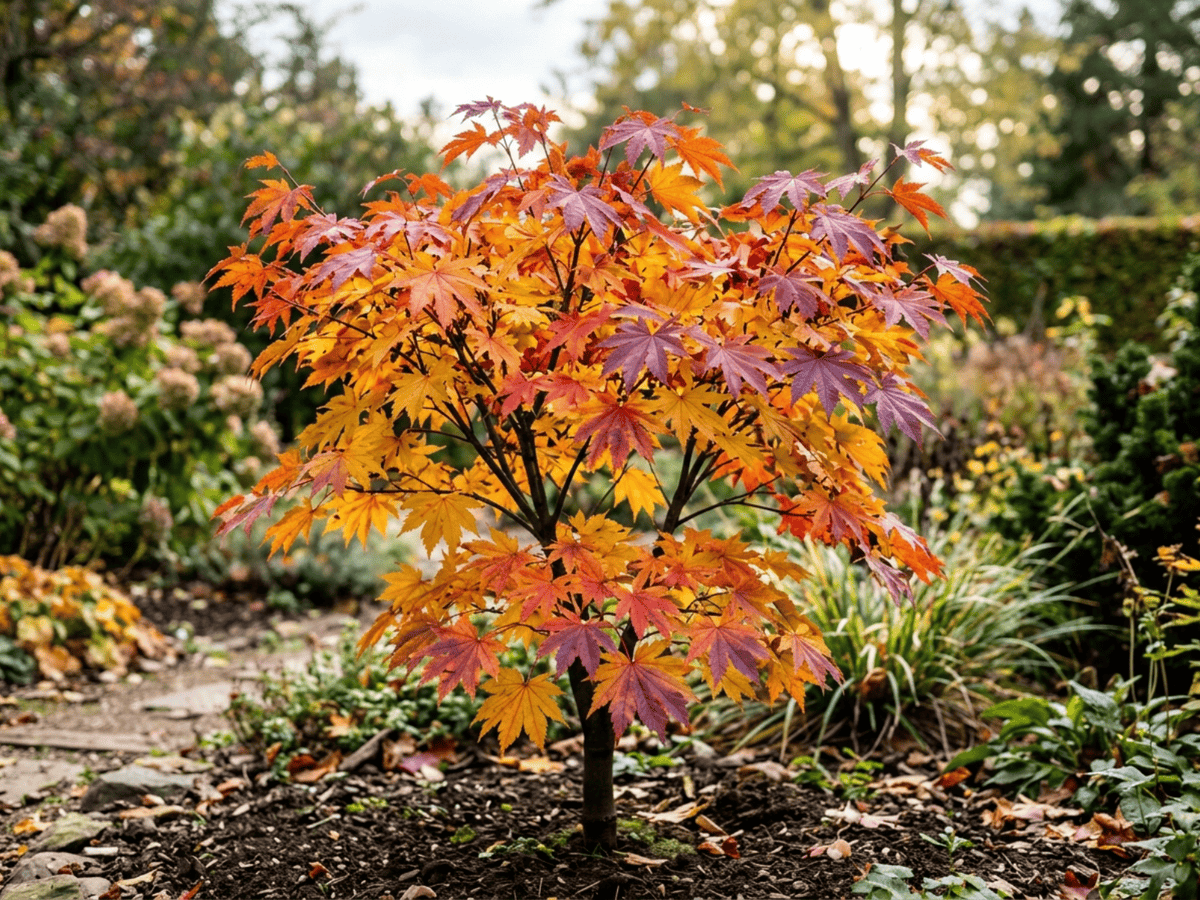 Downy Japanese MapleAcer japonicum
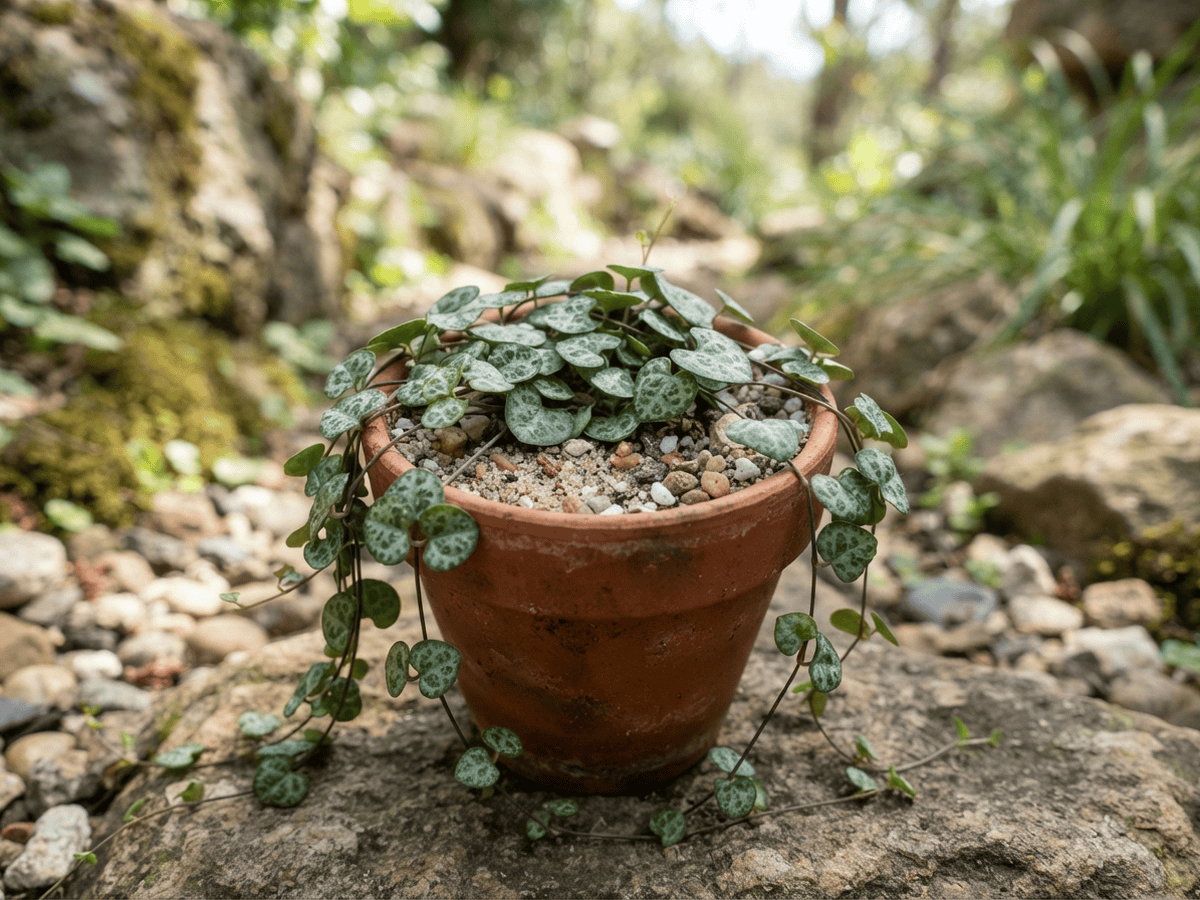 String of HeartsCeropegia woodii
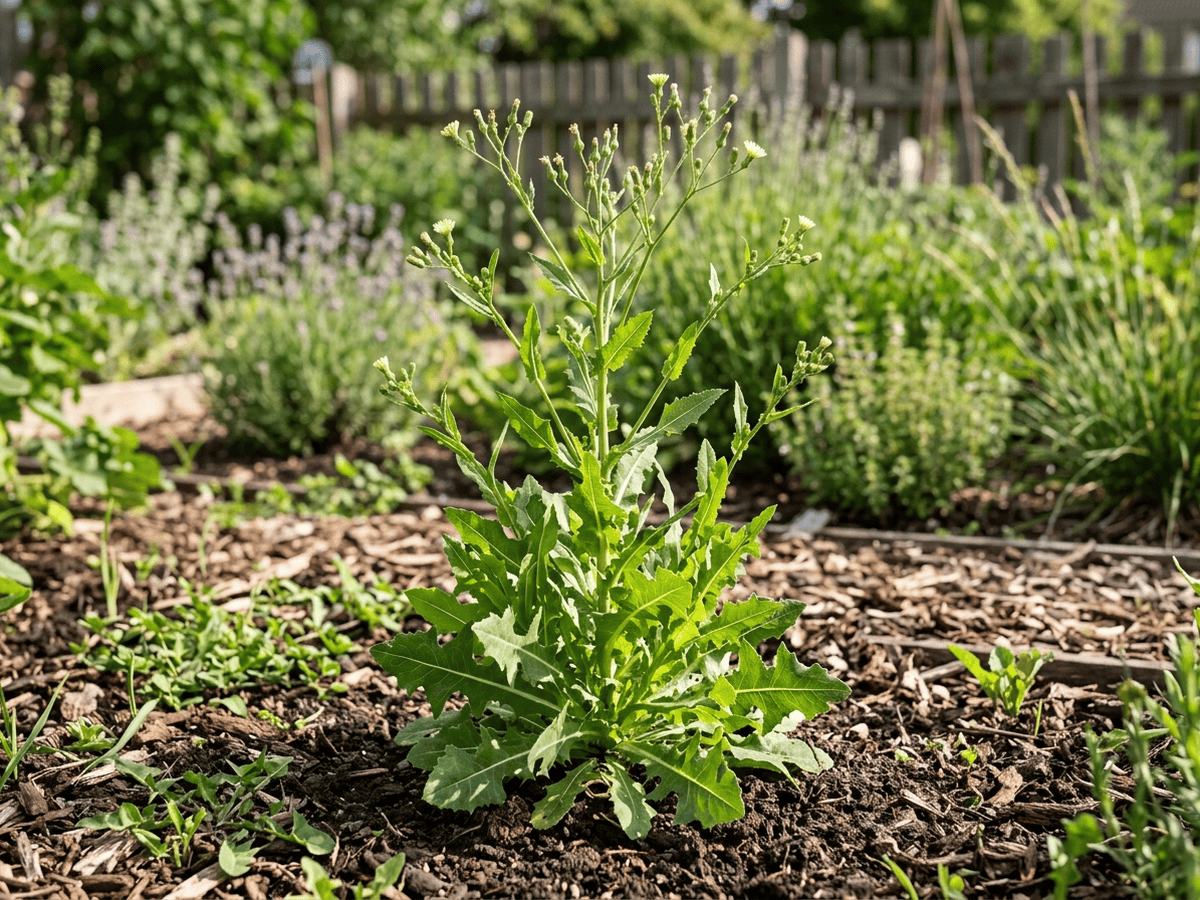 Pliant LettuceLactuca viminea
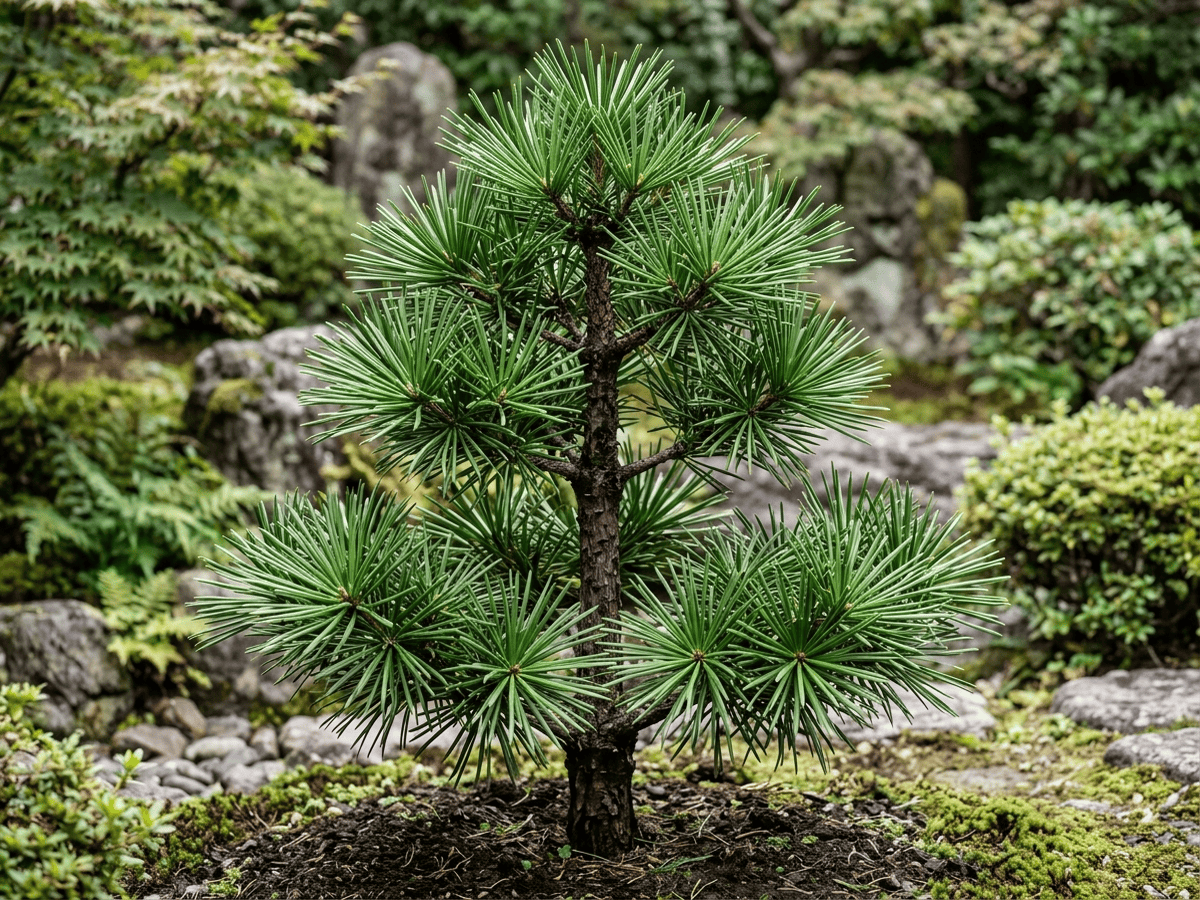 KoyamakiSciadopitys verticillata
Frequently asked questions
How often should I water American Beech?
Water about every 7 days during the growing season, and always let excess water drain away.
How much light does American Beech need?
Part sun: 4–6 hrs direct. Watch the leaves — scorching or stretching means the light needs adjusting.
Is American Beech toxic to cats or dogs?
Pets Slight (Dogs Slight · Cats Slight) Educational information, not medical or veterinary advice. If exposure is suspected, contact a doctor or veterinarian.
Is American Beech easy to grow?
It is moderately demanding: a good choice once you have a little experience.
When does American Beech bloom?
It typically blooms Mar–May in the Northern Hemisphere.
YardMate
Identify any plant in seconds
Snap a photo — YardMate names the plant, diagnoses problems, and reminds you when to water.
Download on the App Store