 YardMate


Slender Spikegrass
Chasmanthium laxum
Easy · Beginner friendlyAbout Slender Spikegrass
Slender Wood Oats is a Southeastern native cool-season grass reaching 2-3 feet tall, with arching green foliage and delicate slender flat seed heads that nod gracefully on slender stems through fall. A more refined relative of Northern Sea Oats, it is well-adapted to woodland edges and partial shade across the southeastern United States. Increasingly used in native shade-garden plantings as an alternative to invasive ornamental grasses.
- Shade-tolerant
- Native
How to care for Slender Spikegrass
Watering
- Springevery 10 days
- Summerevery 14 days
- Fallevery 14 days
- Winterevery 30 days
Soil · Well-draining
- Top dressingPine bark mulch10%
- Main mixPotting soil + perlite 2:170%
- DrainageLECA / gravel20%
Never skip the drainage layer — standing water is the top cause of root rot.
FERTILIZER
This plant needs little to no feeding.
At a Glance
- NativeNorth America
- Height2–4 ft (0.6–1.2 m)
- Spread1–2 ft (0.3–0.6 m)
- Flower colorWhite, Cream
- Foliage colorGreen, Bronze
- SoilLoamy, Moisture-retentive
- LocationsYard
Bloom time
BLOOM CYCLE
Peak bloom
Sep–Nov
Slender flat nodding seed heads through fall
Toxicity
Humans Safe · Pets Safe
None reported
Safe
EXPOSURE No exposure route is reported.
EFFECT No toxic effect is reported.
NOTE Listed as non-toxic for humans; avoid eating ornamental plants unless confirmed edible.
Safe
EXPOSURE No exposure route is reported.
EFFECT No toxic effect is reported.
NOTE Listed as non-toxic for dogs; avoid eating ornamental plants unless confirmed edible.
Safe
EXPOSURE No exposure route is reported.
EFFECT No toxic effect is reported.
NOTE Listed as non-toxic for cats; avoid eating ornamental plants unless confirmed edible.
Educational information, not medical or veterinary advice. If exposure is suspected, contact a doctor or veterinarian.
DISTRIBUTION


- Native
- North America
History
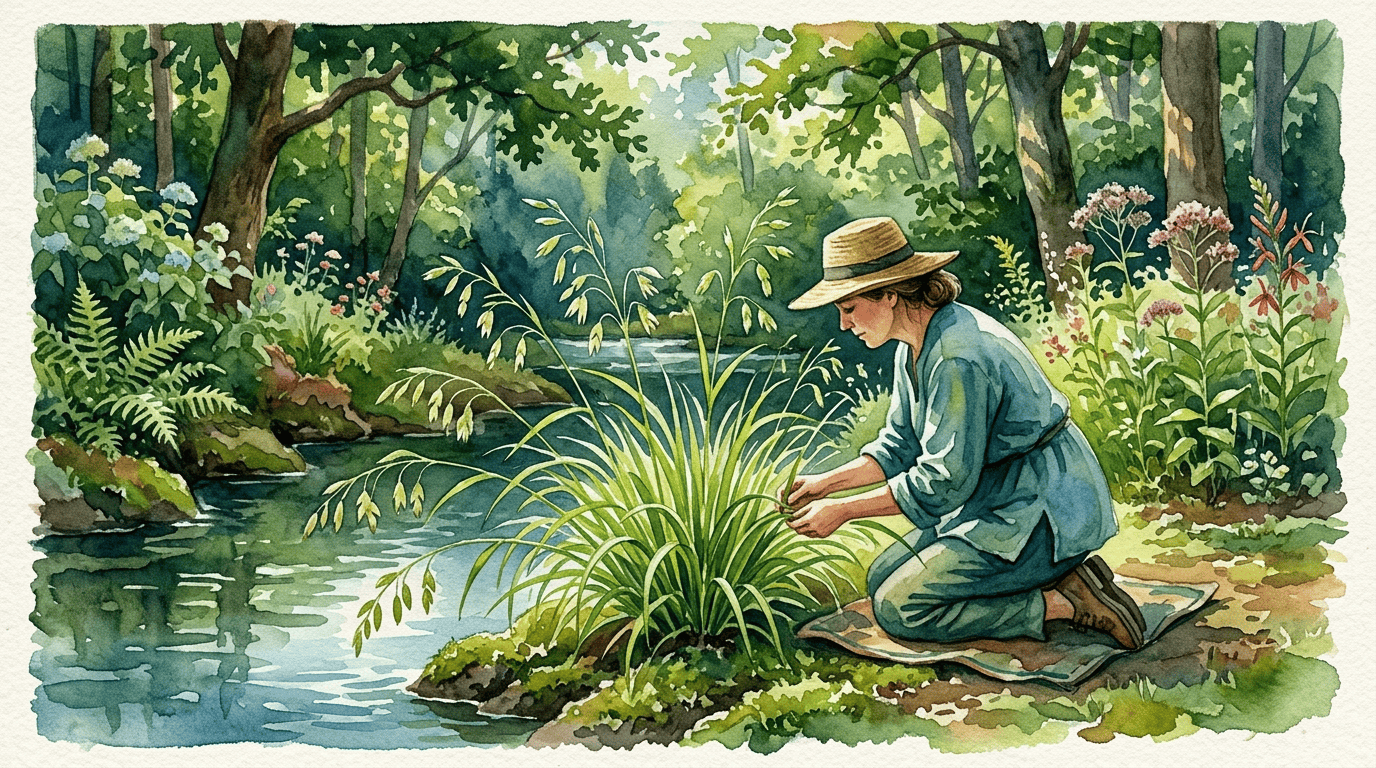
Chasmanthium laxum, commonly called slender spike grass or slender woodoats, is a cool-season clumping perennial grass in the family Poaceae native to moist woodland edges, stream banks, and mesic forests of the southeastern United States from New Jersey and Pennsylvania south through Florida and west through Texas. Carl Linnaeus described it as Uniola laxa in Species Plantarum in 1753; American botanist Harris Oliver Yates resurrected and transferred it to Chasmanthium in 1966 based on morphological characters separating this group from true Uniola. The species differs from the better-known river oats (C. latifolium) by being more slender, finer-textured, with smaller seeds and greater shade tolerance.
Plants form 60-90 cm tall clumps of narrow bright green arching leaves with delicate open panicles of small flat spikelets in late summer and fall, resembling miniature oats. Foliage turns amber-tan in fall.
An excellent fine-textured native grass for shaded and woodland-edge plantings where few other grasses thrive. A more refined alternative to its larger cousin Chasmanthium latifolium, it has gained popularity in modern Southeastern shade gardens for its delicate woodland presence.
Symbolism & meaning
What It Symbolizes
Slender Spikegrass embodies grace through its delicate nodding seed heads, swaying in dappled light at the edges of woodland. Its is a meaning of subtlety, an understated grass that asks to be looked at twice rather than once. It stands for the quiet beauty of transitional places, the soft border where forest gives way to meadow and where the loudest plants no longer dominate.
- Grace — delicate nodding seed heads in shade
- Subtlety — understated woodland-edge grass
Where the Name Comes From
The name Slender Spikegrass describes its grasslike foliage. 'Chasmanthium' from Greek meaning gaping flower; 'laxum' means loose, for the open seed heads.
Uses & Fun Facts
- Nodding seed heads add motion to shade borders
- Refined native grass for woodland edge plantings
Related plants
Plants with similar care
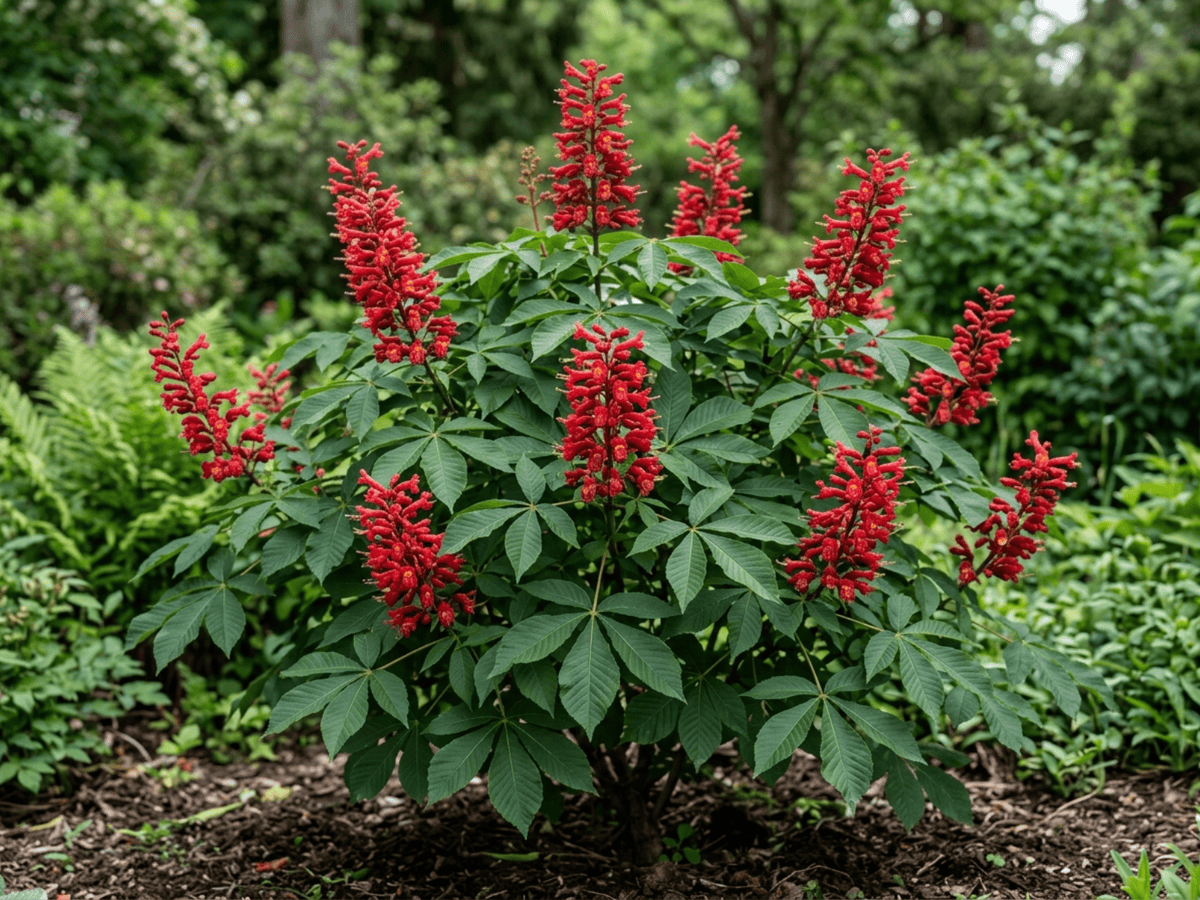 Red BuckeyeAesculus pavia
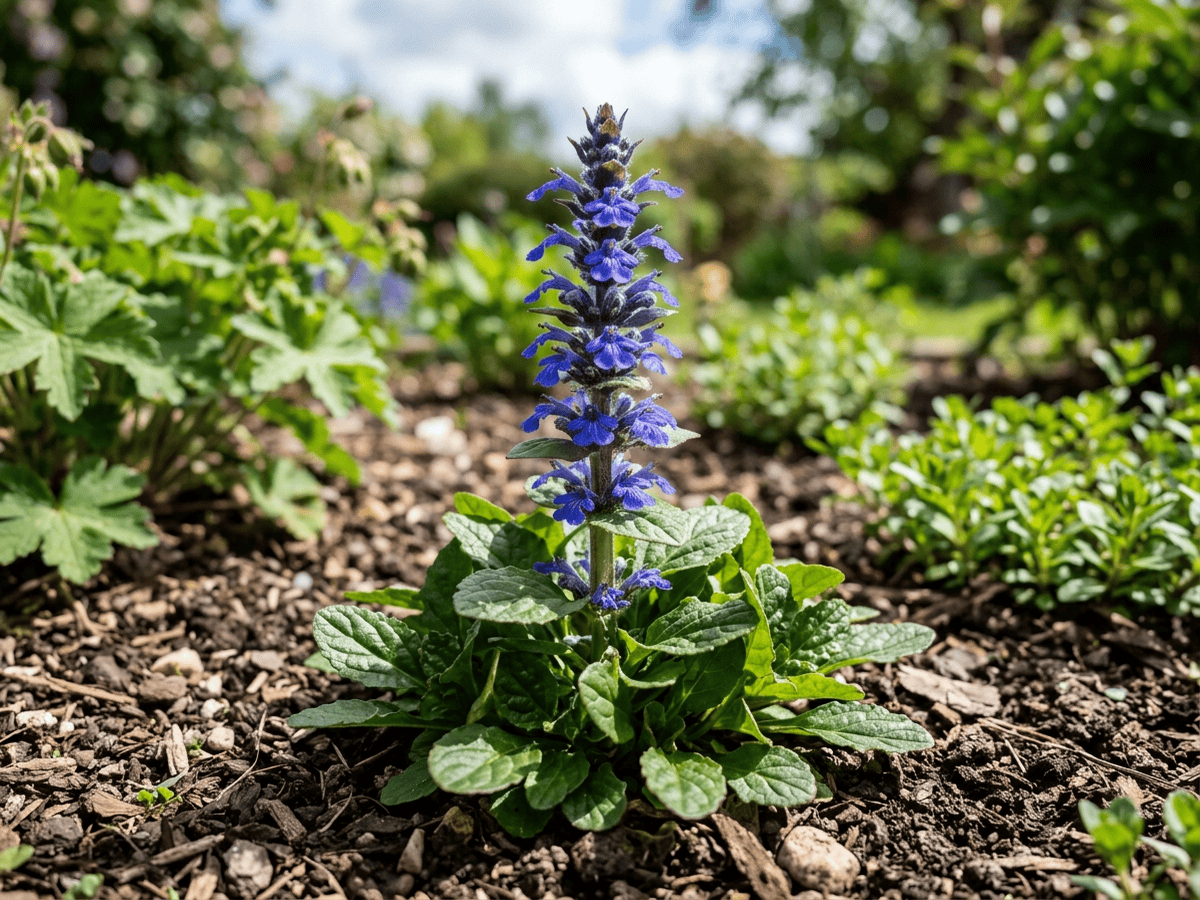 Blue BugleAjuga genevensis
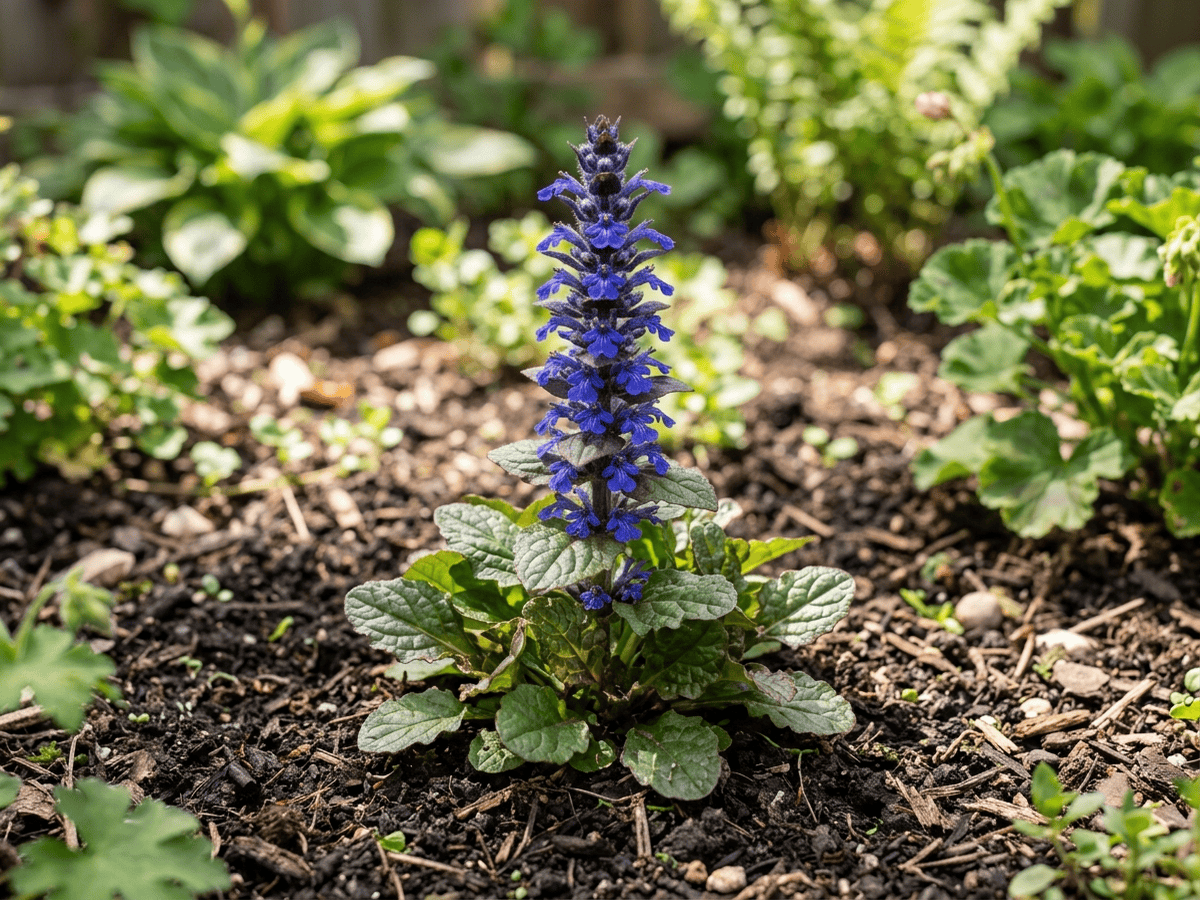 Pyramidal BugleAjuga pyramidalis
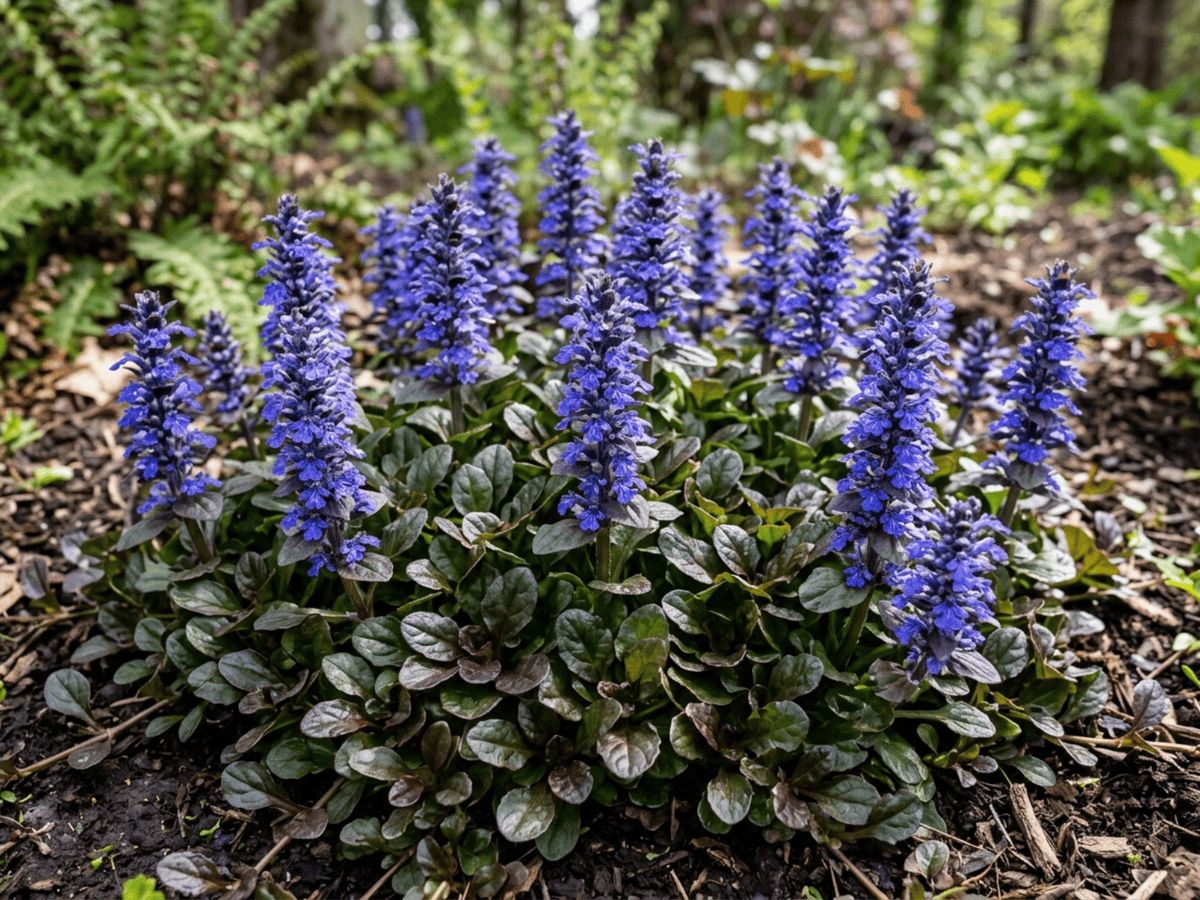 Carpet BugleAjuga reptans
Frequently asked questions
How often should I water Slender Spikegrass?
In summer, water about every 14 days; in winter, about every 30 days. Adjust for heat, pot size and drainage.
How much light does Slender Spikegrass need?
Part shade: 2–4 hrs direct. Watch the leaves — scorching or stretching means the light needs adjusting.
Is Slender Spikegrass toxic to cats or dogs?
Pets Safe (Dogs Safe · Cats Safe) Educational information, not medical or veterinary advice. If exposure is suspected, contact a doctor or veterinarian.
Is Slender Spikegrass easy to grow?
Yes — it is considered an easy, beginner-friendly plant.
When does Slender Spikegrass bloom?
It typically blooms Sep–Nov in the Northern Hemisphere.
YardMate
Identify any plant in seconds
Snap a photo — YardMate names the plant, diagnoses problems, and reminds you when to water.
Download on the App Store