 YardMate


Northern Green-And-Gold
Chrysogonum virginianum
Easy · Beginner friendlyAbout Northern Green-And-Gold
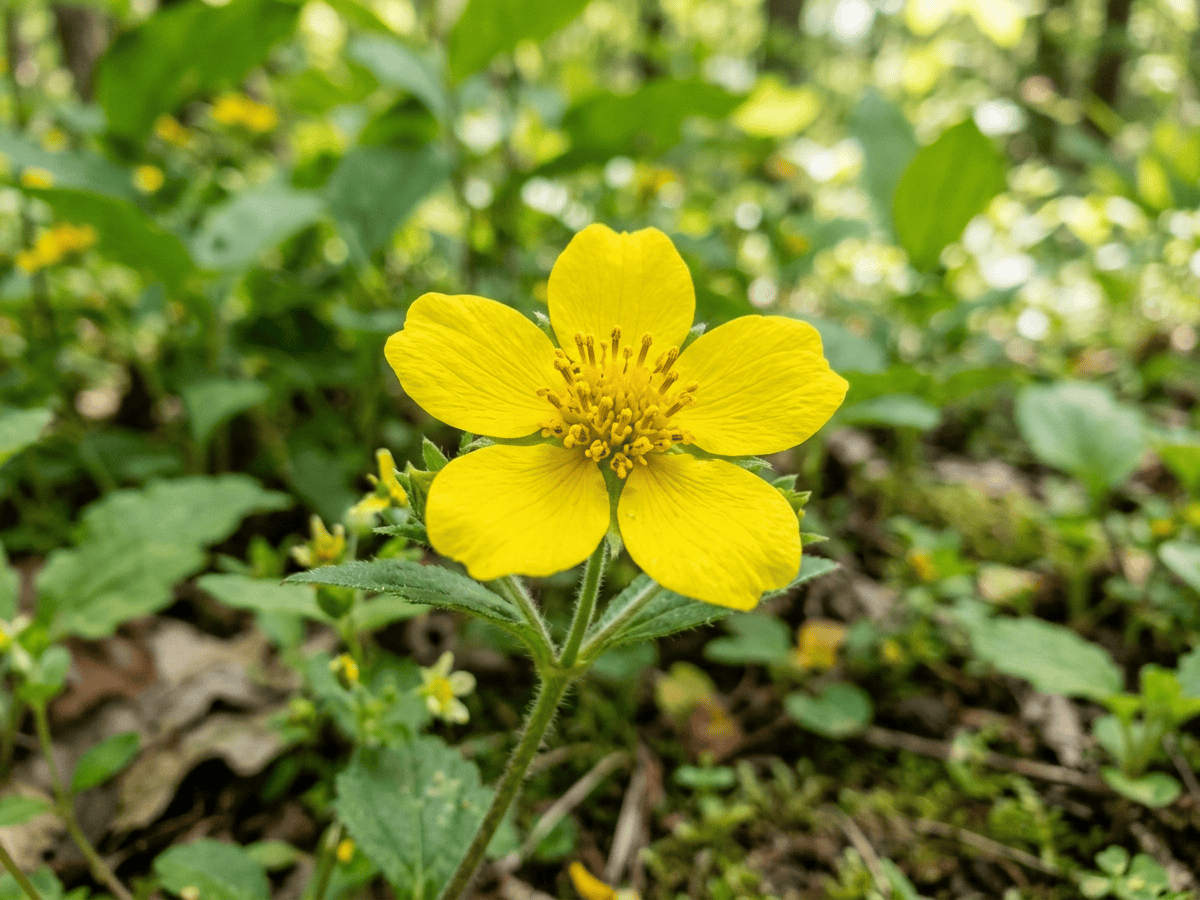
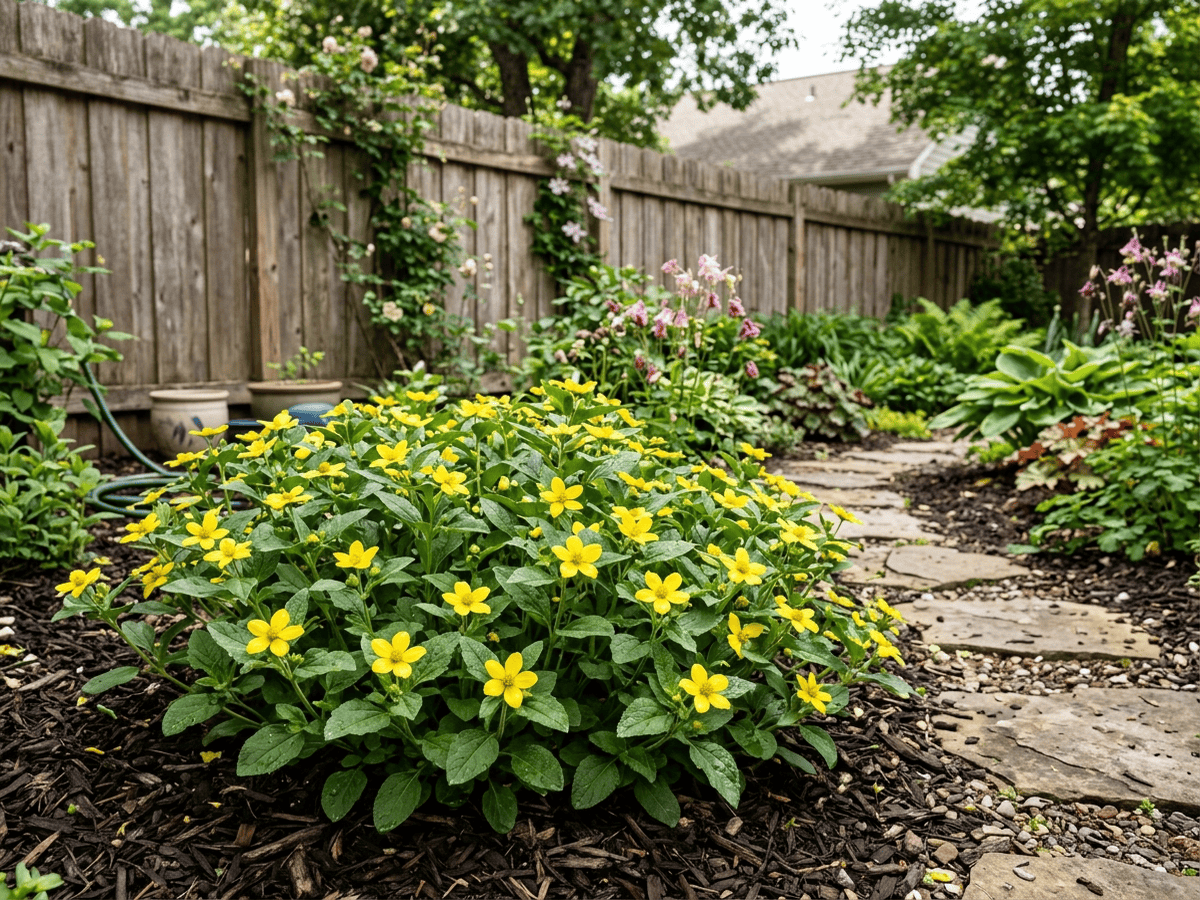
Green-and-Gold is an eastern US native groundcover reaching 4-8 inches tall with bright green hairy leaves and cheerful yellow daisy flowers appearing from spring through fall. Native to woodland edges and slopes from Pennsylvania to Florida, it is a superb native alternative to non-native groundcovers, spreading slowly to form colonies that support pollinators for much of the growing season.
- Shade-tolerant
- Groundcover
- Long-blooming
- Native
How to care for Northern Green-And-Gold
Watering
- Springevery 10 days
- Summerevery 10 days
- Fallevery 14 days
- Winterevery 30 days
Soil · Well-draining
- Top dressingPine bark mulch10%
- Main mixPotting soil + perlite 2:170%
- DrainageLECA / gravel20%
Never skip the drainage layer — standing water is the top cause of root rot.
FERTILIZER
- Springevery 60 days
At a Glance
- NativeNorth America
- Height0.5–1 ft (0.2–0.3 m)
- Spread1–1.5 ft (0.3–0.5 m)
- Flower colorYellow
- Foliage colorGreen
- SoilWell-drained, Loamy
- LocationsYard
Bloom time
BLOOM CYCLE
Peak bloom
Apr–Oct
Yellow daisy flowers April to October
Toxicity
No toxicity has been reported for this plant. Still, it is wise to keep pets from chewing on any houseplant.
Educational information, not medical or veterinary advice. If exposure is suspected, contact a doctor or veterinarian.
DISTRIBUTION


- Native
- Introduced
- North America
History
Chrysogonum virginianum, commonly called green-and-gold or goldenstar, is a low-growing perennial wildflower in the aster family (Asteraceae) native to open woodlands and forest edges of the eastern United States from Pennsylvania and Ohio south through the Appalachians to Georgia, Florida, and Louisiana. Carl Linnaeus described the species in Species Plantarum in 1753, based on colonial American specimens sent to Europe. The name Chrysogonum derives from Greek chrysos (gold) and gony (knee or joint), referring to the yellow flowers borne at the stem nodes.
Plants form 10-25 cm tall mats of hairy opposite triangular leaves, spreading by short rhizomes and stolons in var. australe. Brilliant golden-yellow 3 cm ray flowers with five broad petals open in mid-spring and continue sporadically into summer and again in fall.
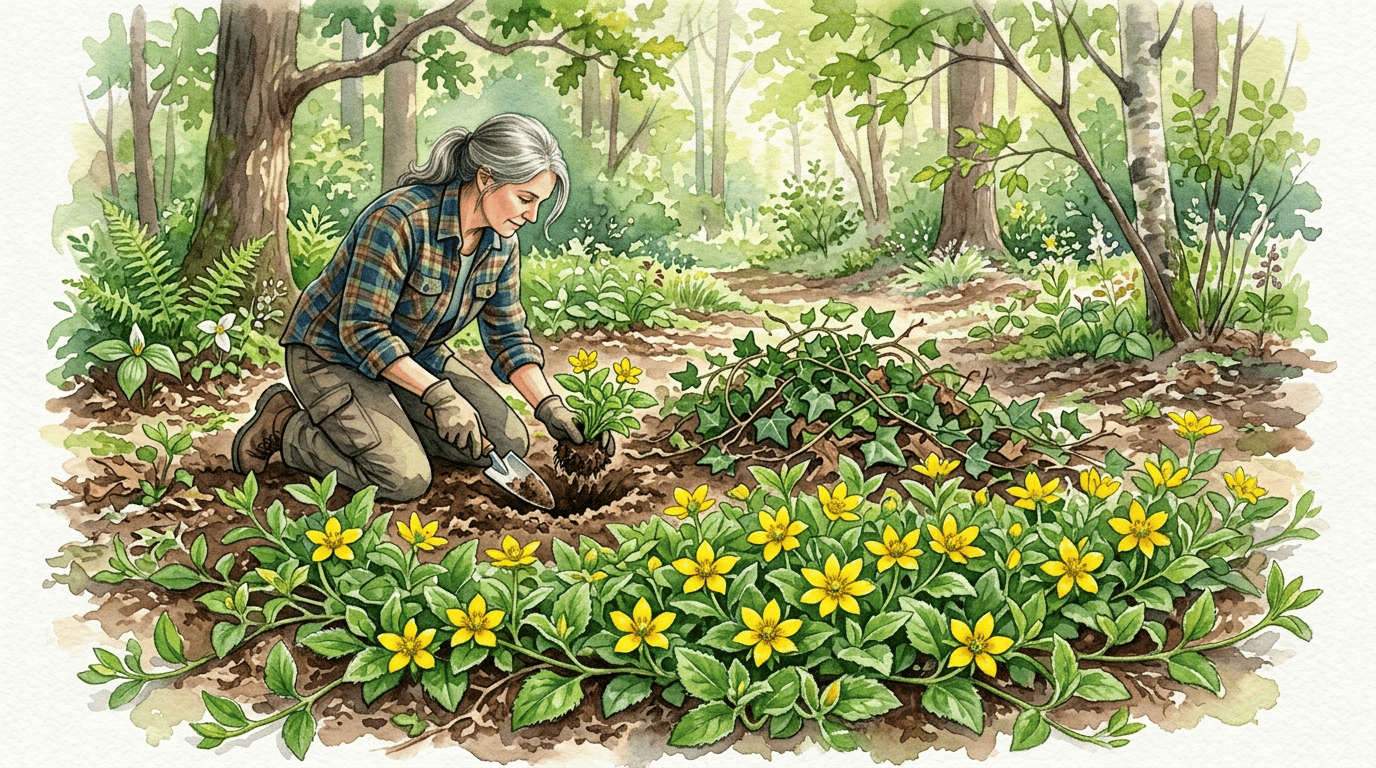
Increasingly promoted as a native alternative to invasive groundcovers in eastern US woodland gardens, tolerating dry shade and deer-resistant. A prized Southeastern US native long recommended by native plant societies as a non-invasive groundcover alternative to English Ivy and Vinca. The cultivar 'Superstar' is especially popular for its extra-long bloom period stretching nearly six months.
Symbolism & meaning
What It Symbolizes
Northern Green-and-Gold offers cheerful endurance, sending up bright yellow blooms from spring straight through fall along the woodland edge. Native to the Southeast, it carries a quiet native spirit — a low groundcover that asks little and gives much. Its meaning is the steady, unforced cheer of a wildflower content to bloom long after showier plants have moved on.
- Cheerful endurance — yellow blooms from spring to fall
- Native spirit — Southeast US native groundcover
Where the Name Comes From
The name Northern Green-And-Gold points to the northern part of its range. From Greek 'chrysos' (gold) and 'gony' (knee), referring to jointed stems; 'virginianum' for its Virginia type locality.
Uses & Fun Facts
- Low spreading mats brighten woodland edges with yellow stars
- Long-blooming yellow flowers feed early native bees
Related plants
Plants with similar care
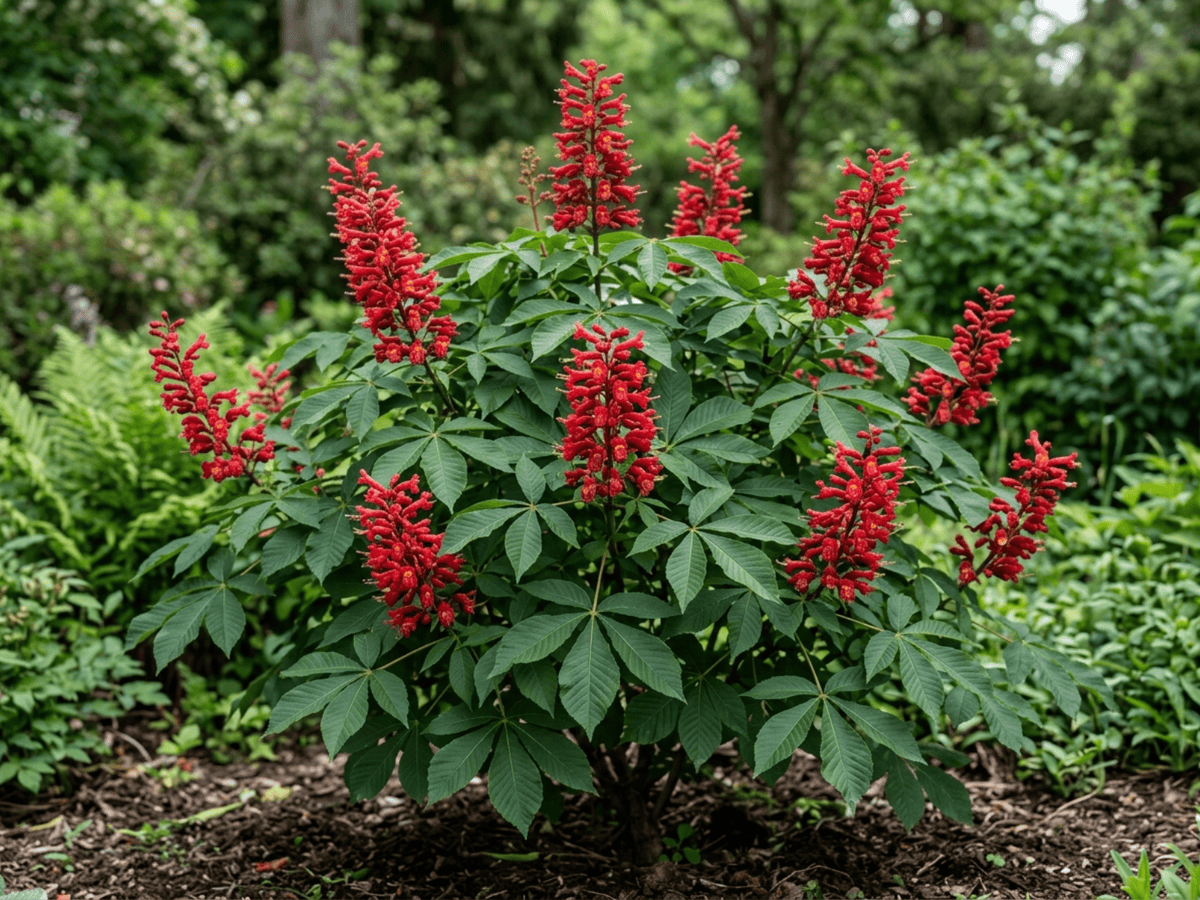 Red BuckeyeAesculus pavia
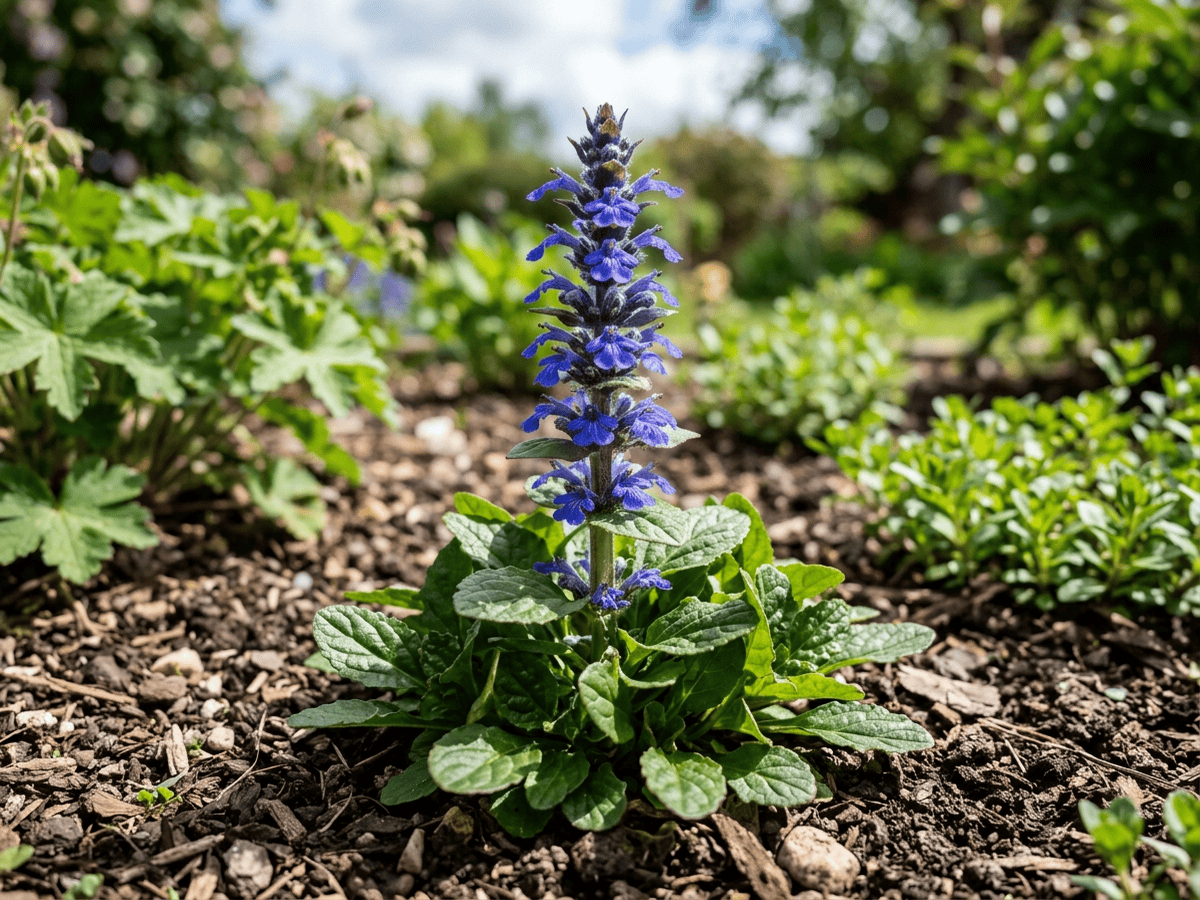 Blue BugleAjuga genevensis
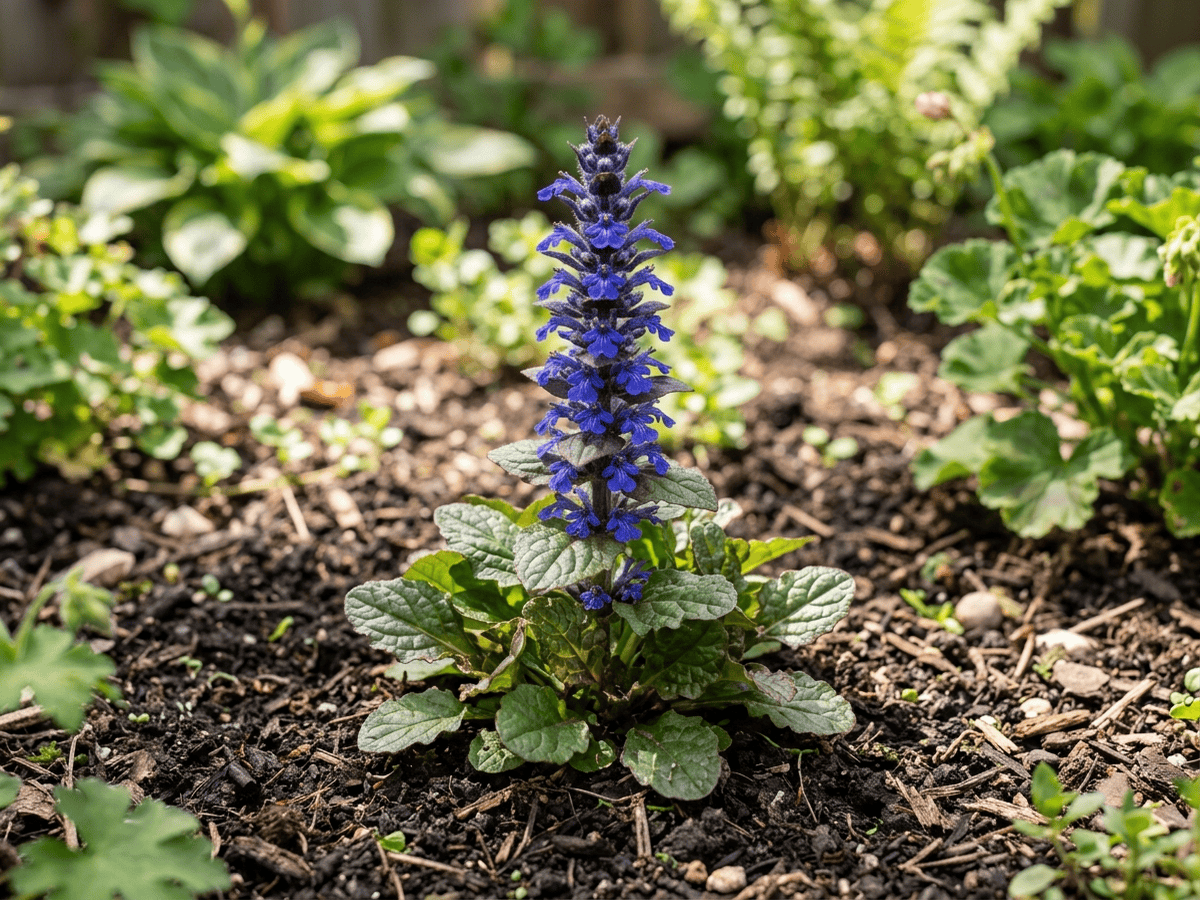 Pyramidal BugleAjuga pyramidalis
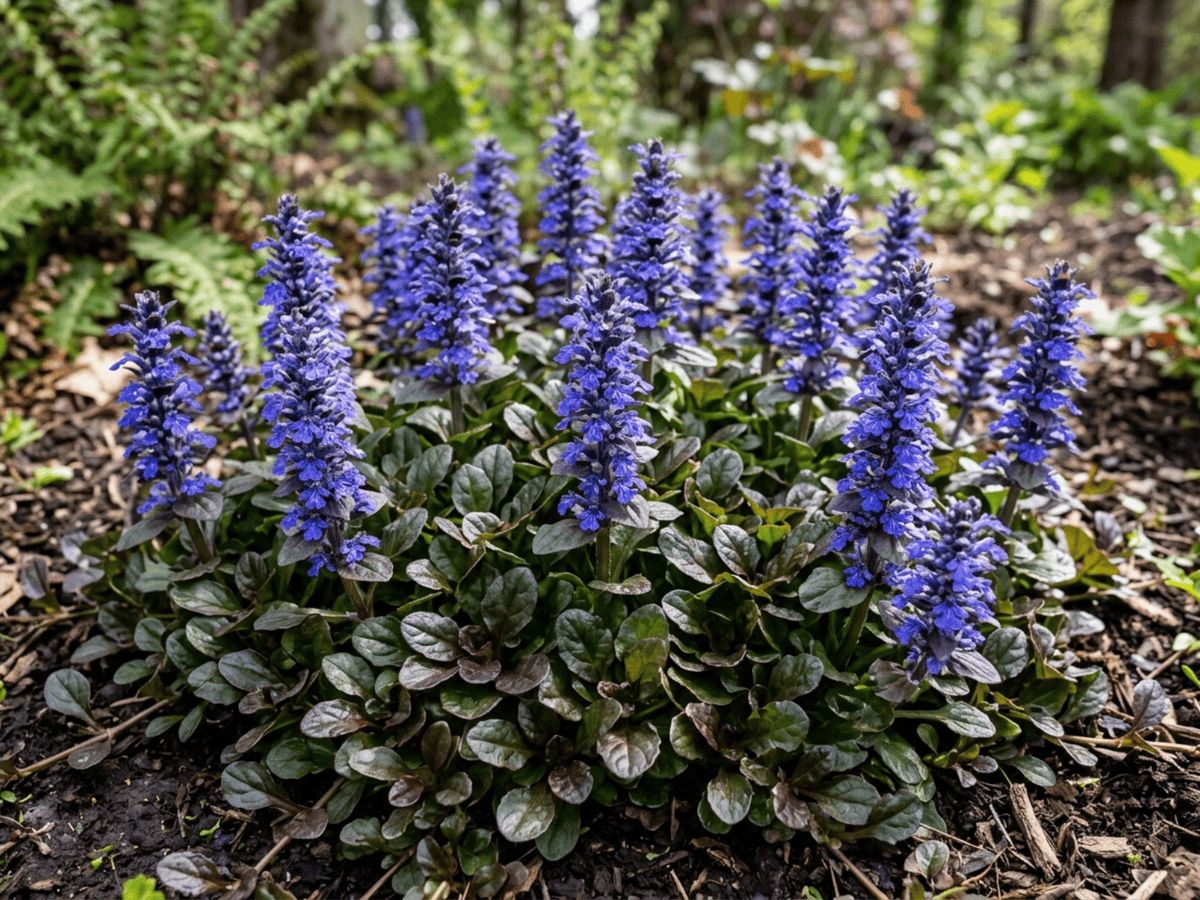 Carpet BugleAjuga reptans
Frequently asked questions
How often should I water Northern Green-And-Gold?
In summer, water about every 10 days; in winter, about every 30 days. Adjust for heat, pot size and drainage.
How much light does Northern Green-And-Gold need?
Part shade: 2–4 hrs direct. Watch the leaves — scorching or stretching means the light needs adjusting.
Is Northern Green-And-Gold toxic to cats or dogs?
No toxicity has been reported for this plant. Still, it is wise to keep pets from chewing on any houseplant. Educational information, not medical or veterinary advice. If exposure is suspected, contact a doctor or veterinarian.
Is Northern Green-And-Gold easy to grow?
Yes — it is considered an easy, beginner-friendly plant.
When does Northern Green-And-Gold bloom?
It typically blooms Apr–Oct in the Northern Hemisphere.
YardMate
Identify any plant in seconds
Snap a photo — YardMate names the plant, diagnoses problems, and reminds you when to water.
Download on the App Store