 YardMate


Bush Lily
Clivia nobilis
Hard · Experienced growersAbout Bush Lily
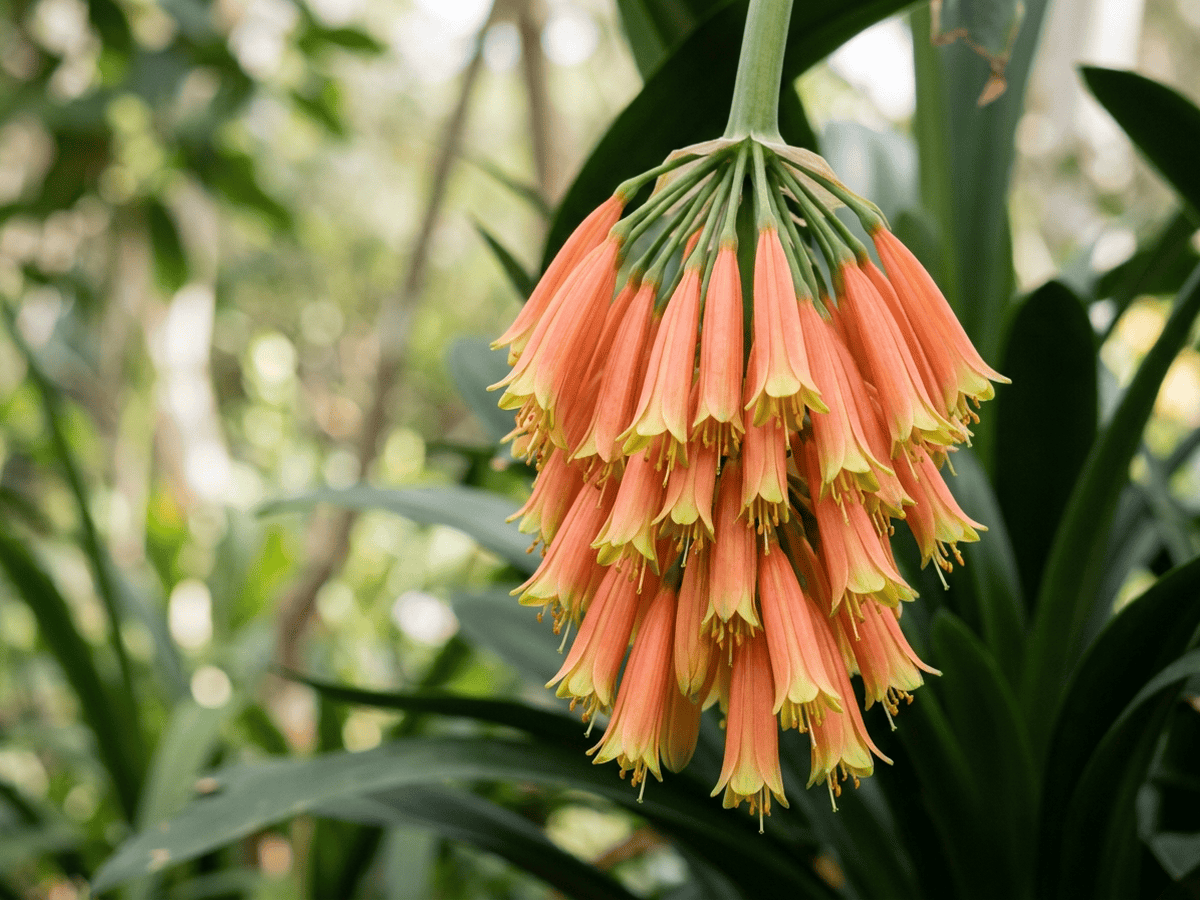
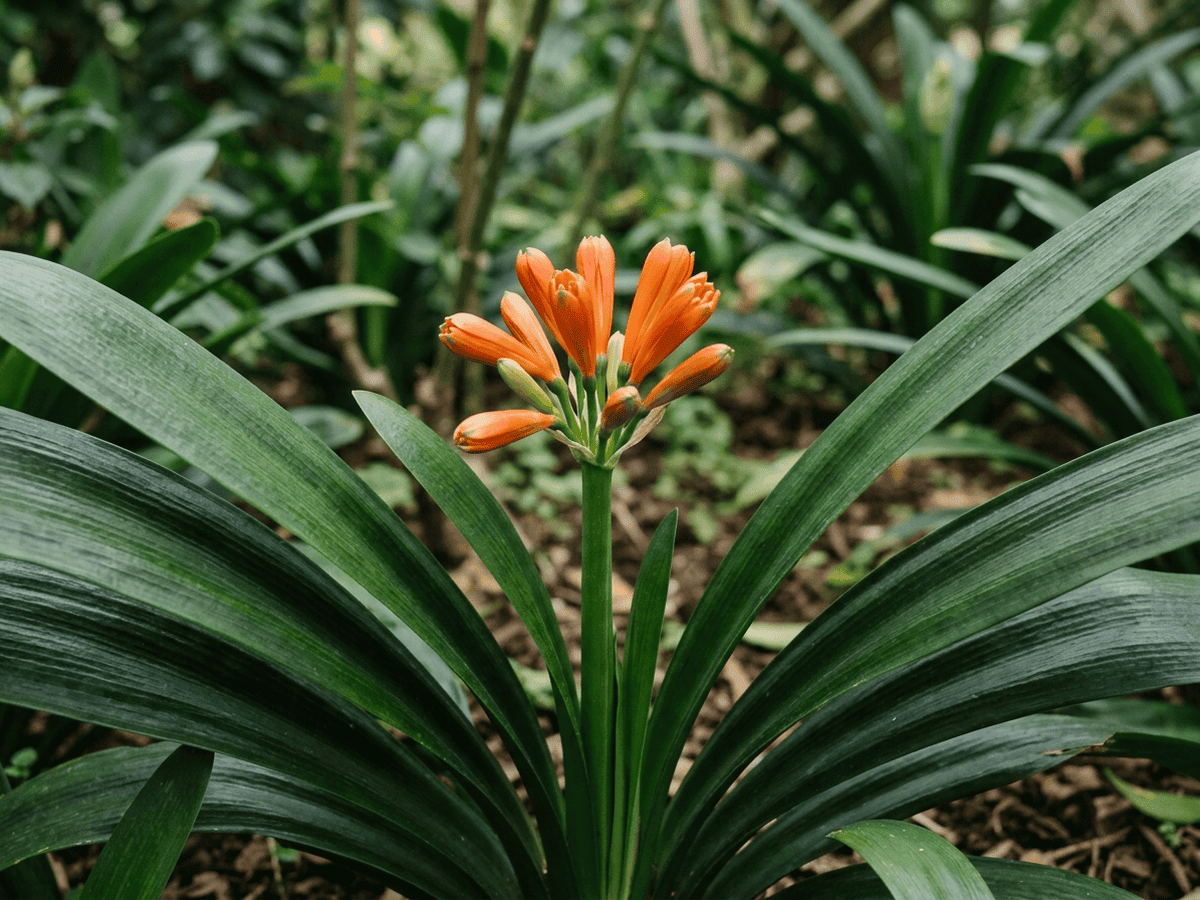
Clivia nobilis, the Bush Lily, is a shade-loving evergreen perennial native to the forests and cliff faces of South Africa's Eastern Cape, bearing pendant clusters of narrow tubular flowers in salmon-orange with distinctive yellow-green tips from late winter through spring. Its long, strap-like dark-green leaves arch gracefully and remain attractive year-round. Growing 2–3 feet tall, it is a superb shade-garden and container plant, tolerating deep shade where most flowering plants fail, and requiring minimal care once established.
- Evergreen
- Container-friendly
- Shade-tolerant
- Long-blooming
How to care for Bush Lily
Watering
- Springevery 10 days
- Summerevery 7 days
- Fallevery 15 days
- Winterevery 21 days
Soil · Well-draining
- Top dressingPine bark mulch10%
- Main mixPotting soil + perlite 2:170%
- DrainageLECA / gravel20%
Never skip the drainage layer — standing water is the top cause of root rot.
FERTILIZER
Bloom Booster 10-52-10
A phosphorus-forward feed fuels abundant blooms, with just enough nitrogen and potassium to keep foliage and roots steady.
- Nitrogen · Leaves
- Phosphorus · Roots + Blooms
- Potassium · Strength
- Springevery 30 days
- Summerevery 30 days
- Fallevery 30 days
At a Glance
- NativeSouth Africa
- Height2–3 ft (0.6–0.9 m)
- Spread2–3 ft (0.6–0.9 m)
- Flower colorOrange
- Foliage colorGreen
- SoilWell-drained, Moist, Neutral
- LocationsYard · Balcony · Indoor
Bloom time
BLOOM CYCLE
Peak bloom
Mar–May
Clivia nobilis produces clusters of vibrant blooms in spring, attracting pollinators.
Fragrance
NO FRAGRANCE
Not fragrant.
Toxicity
Humans Moderate · Pets Moderate
lycorine and cliviamine
Moderate
- All
- Root
- Leaf
- Ingestion
EXPOSURE Eating any part of the plant, roots, and leaves.
EFFECT Vomiting, diarrhea, salivation, low blood pressure, and tremors.
NOTE All parts are toxic, containing Amaryllidaceae alkaloids including lycorine. Ingestion causes vomiting, diarrhea, salivation, and may cause tremors, weakness, and hypotension. Roots are particularly concentrated. Keep away from pets and children.
Moderate
- All
- Root
- Leaf
- Ingestion
EXPOSURE Eating any part of the plant, roots, and leaves.
EFFECT Vomiting, diarrhea, salivation, weakness, and tremors.
NOTE All parts are toxic, containing Amaryllidaceae alkaloids including lycorine. Ingestion causes vomiting, diarrhea, salivation, and may cause tremors, weakness, and hypotension. Roots are particularly concentrated. Keep away from pets and children.
Moderate
- All
- Root
- Leaf
- Ingestion
EXPOSURE Eating any part of the plant, roots, and leaves.
EFFECT Vomiting, diarrhea, salivation, weakness, and tremors.
NOTE All parts are toxic, containing Amaryllidaceae alkaloids including lycorine. Ingestion causes vomiting, diarrhea, salivation, and may cause tremors, weakness, and hypotension. Roots are particularly concentrated. Keep away from pets and children.
Educational information, not medical or veterinary advice. If exposure is suspected, contact a doctor or veterinarian.
DISTRIBUTION


- Native
- South Africa
History

Clivia nobilis holds the distinction of being the first member of its genus to reach Europe, introduced to Britain around 1823 from the moist forests and sandstone cliff faces of the Eastern Cape of South Africa. Botanist John Lindley described and formally named it in 1828, christening the new genus Clivia in honor of Lady Charlotte Florentina Clive, Duchess of Northumberland (1787–1866), who cultivated the plant in the grand conservatories of Syon House on the Thames near London. It was a common practice of the era to honor aristocratic patrons of botany by naming plants after them, and Lady Charlotte, an enthusiastic gardener, was deemed a fitting namesake for this elegant South African novelty.
The pendant, tubular orange-and-green-tipped flowers of Clivia nobilis—quite distinct from the upright open blooms of the more familiar Clivia miniata—excited Victorian botanists and collectors. Specimens were eagerly cultivated in the heated conservatories that became status symbols of the Victorian middle and upper classes.
Clivia in general became enormously significant in Chinese horticulture. Clivia miniata was introduced to China and became so prized in the 1980s that during the post-reform 'Clivia fever' (君子兰热), rare varieties sold for the equivalent of a year's average wages, and organized crime networks reportedly became involved in the trade. Though C. nobilis inspired that fever less directly than C. miniata, they share the family legacy.
Today Clivia nobilis is valued by gardeners worldwide for its ability to bloom in deep shade and its long-lived, undemanding nature. A well-established clump can live for decades, dividing slowly into a dense colony.
Symbolism & meaning
What It Symbolizes
Few plants have been named with such deliberate honor—the genus Clivia exists to immortalize a duchess in botanical Latin. But what makes Clivia nobilis truly noble is its quiet refusal to demand attention. It grows slowly, blooms reliably in conditions other plants reject, and lives for decades. There is dignity in that—the nobility not of spectacle, but of lasting grace.
- nobility — Named for a duchess and described as 'nobilis'—the Bush Lily carries an air of quiet aristocratic elegance, blooming with poise in the shadows.
- endurance — A clump thriving in deep shade for decades, dividing and spreading without fuss, embodies patient persistence and longevity.
Where the Name Comes From
The genus Clivia was named in 1828 by botanist John Lindley to honor Lady Charlotte Florentina Clive, Duchess of Northumberland, who cultivated the first specimens in Britain. The species epithet nobilis is Latin for 'noble' or 'distinguished,' reflecting both the plant's elegant appearance and its aristocratic patronage.
Uses & Fun Facts
- Exceptional shade-garden perennial with long strap leaves and pendant orange-green flower clusters in late winter to spring
- Long-lived container plant for patios, atriums, and indoor spaces in frost-prone climates; tolerates neglect and low light
Related plants
Plants with similar care
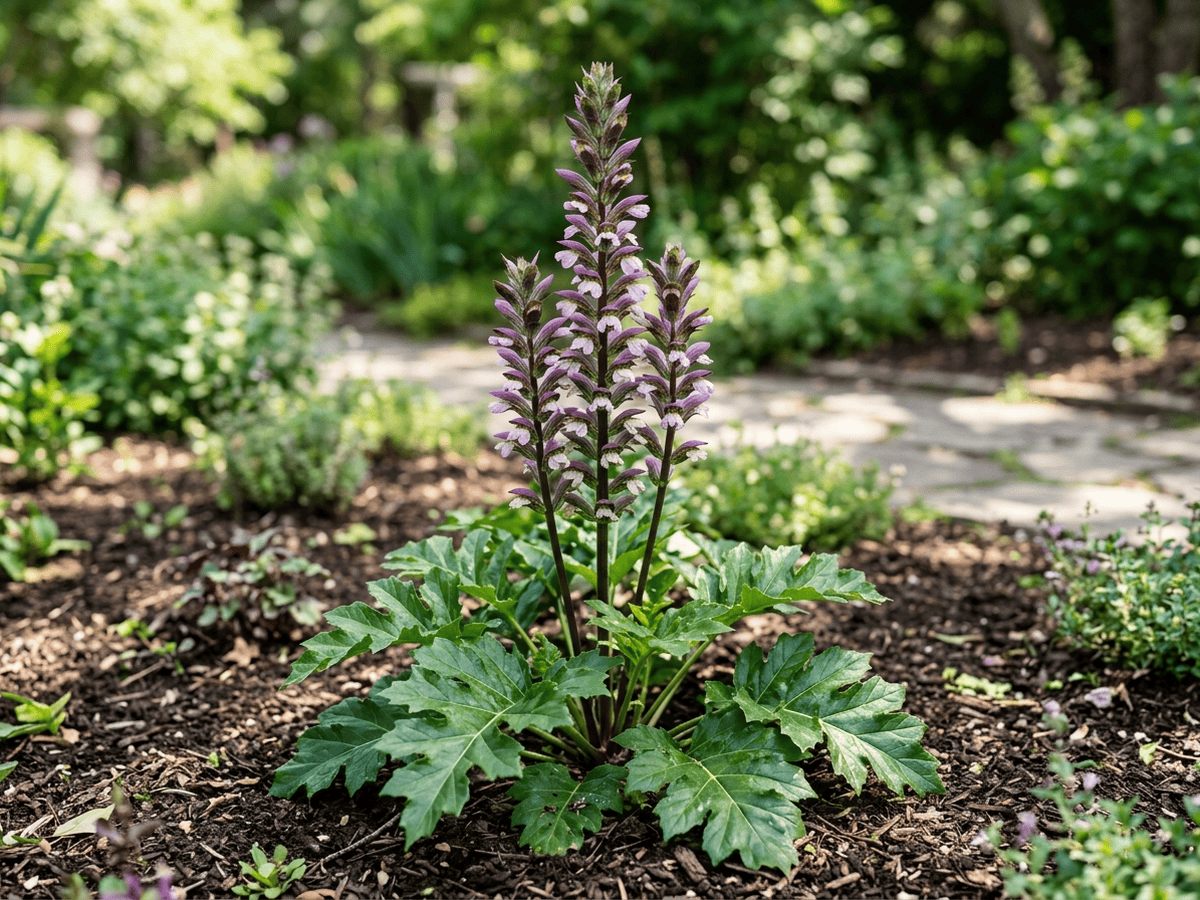 Bear's BreechesAcanthus mollis
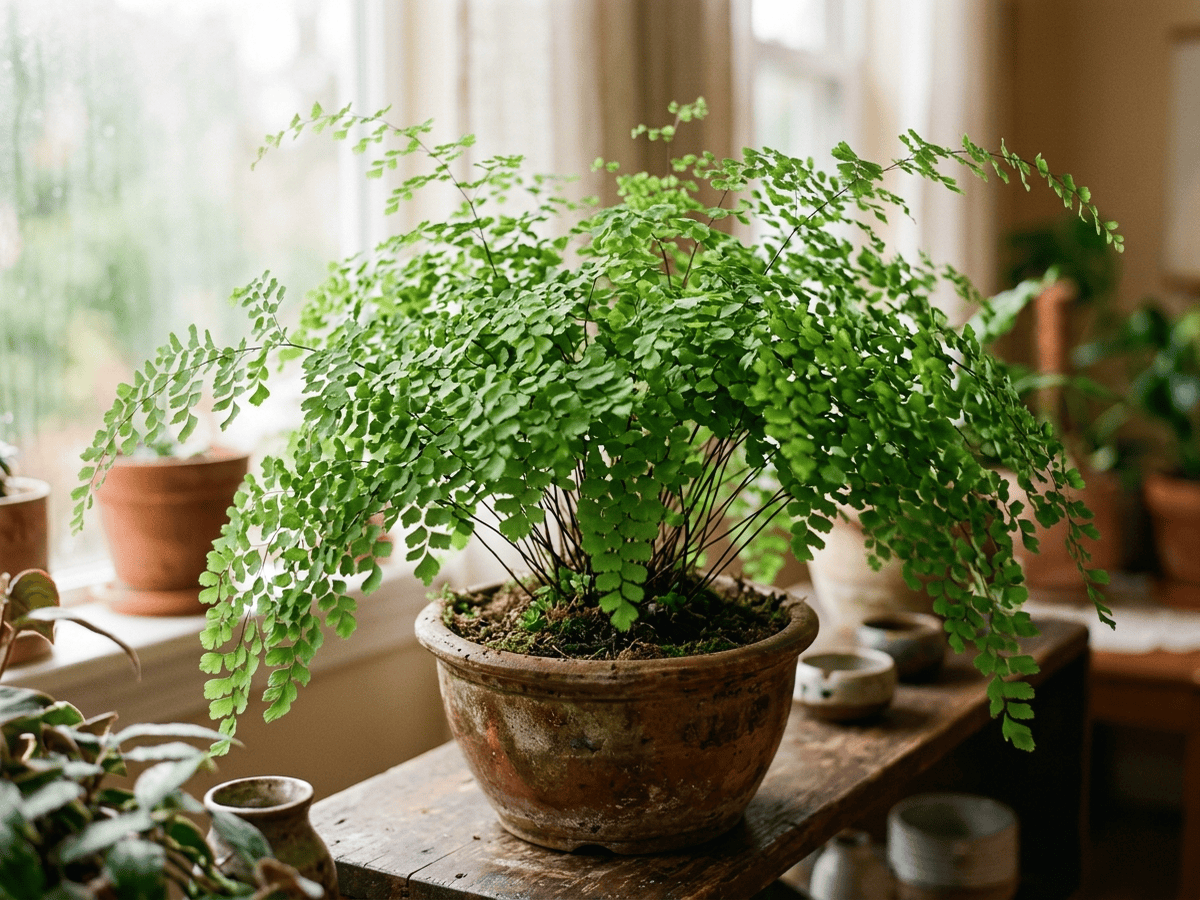 Delta Maidenhair FernAdiantum raddianum
 African Mask PlantAlocasia amazonica
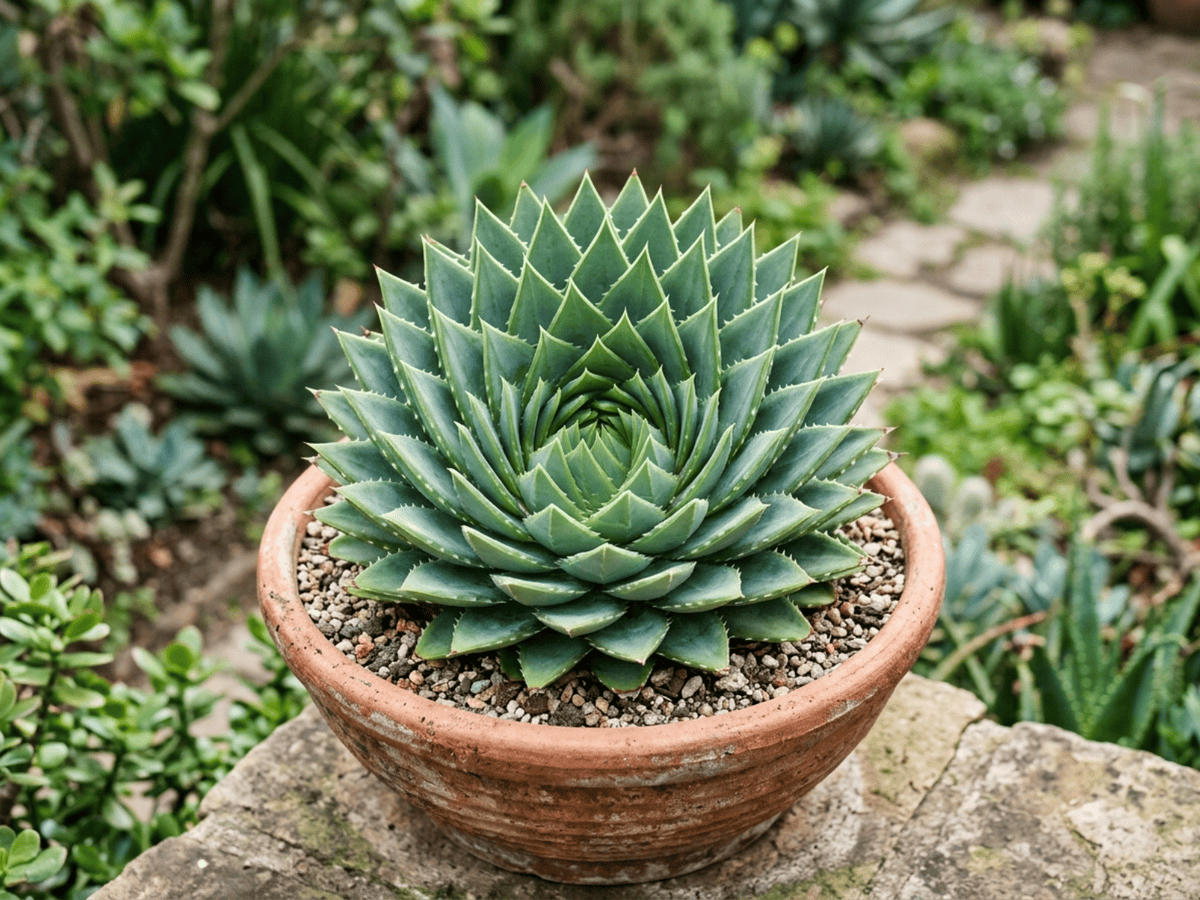 Spiral AloeAloe polyphylla
Frequently asked questions
How often should I water Bush Lily?
In summer, water about every 7 days; in winter, about every 21 days. Adjust for heat, pot size and drainage.
How much light does Bush Lily need?
Part shade: 2–4 hrs direct. Watch the leaves — scorching or stretching means the light needs adjusting.
Is Bush Lily toxic to cats or dogs?
Pets Moderate (Dogs Moderate · Cats Moderate) Educational information, not medical or veterinary advice. If exposure is suspected, contact a doctor or veterinarian.
Is Bush Lily easy to grow?
It is considered challenging and rewards experienced growers.
Can Bush Lily be grown indoors?
Yes, it adapts well to indoor growing given the right light.
When does Bush Lily bloom?
It typically blooms Mar–May in the Northern Hemisphere.
YardMate
Identify any plant in seconds
Snap a photo — YardMate names the plant, diagnoses problems, and reminds you when to water.
Download on the App Store