 YardMate


African Mask Plant
Alocasia amazonica
Hard · Experienced growersAbout African Mask Plant
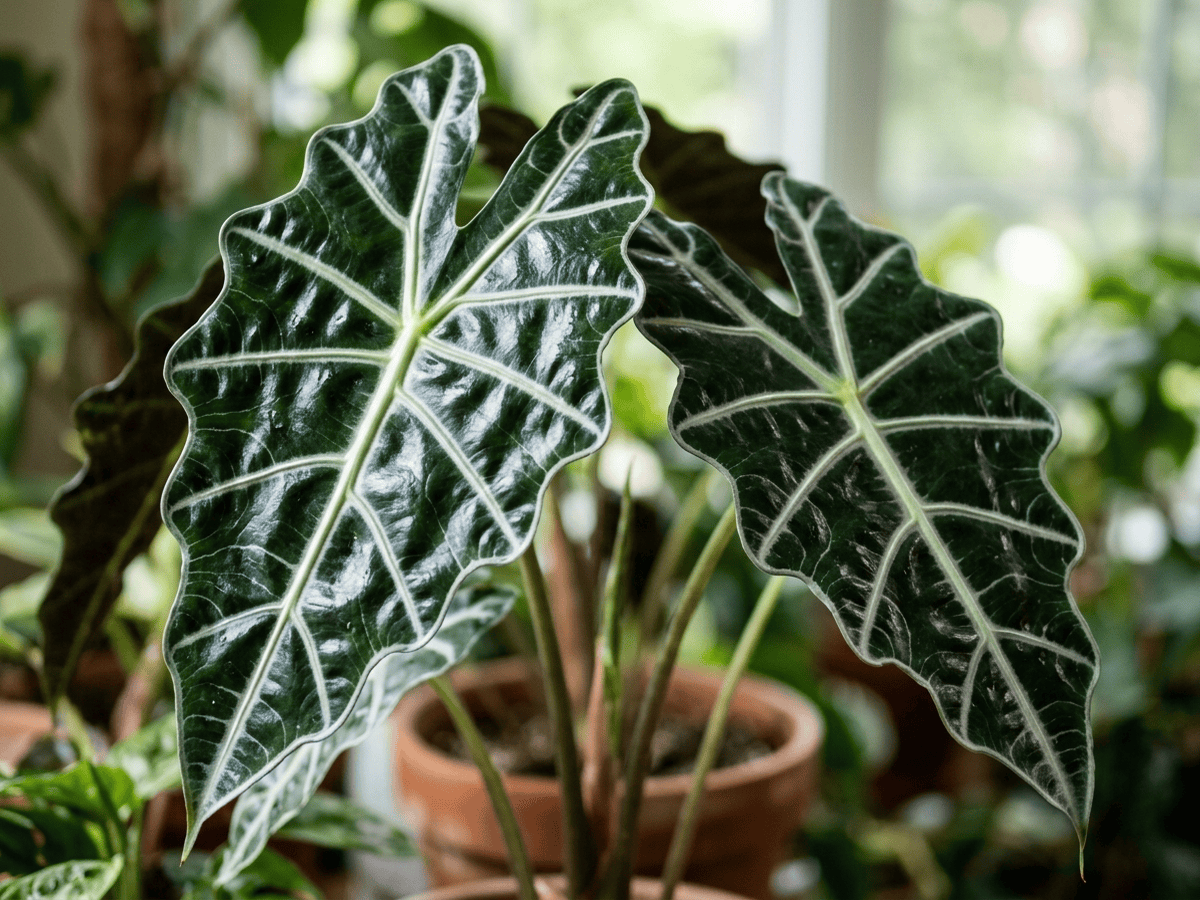
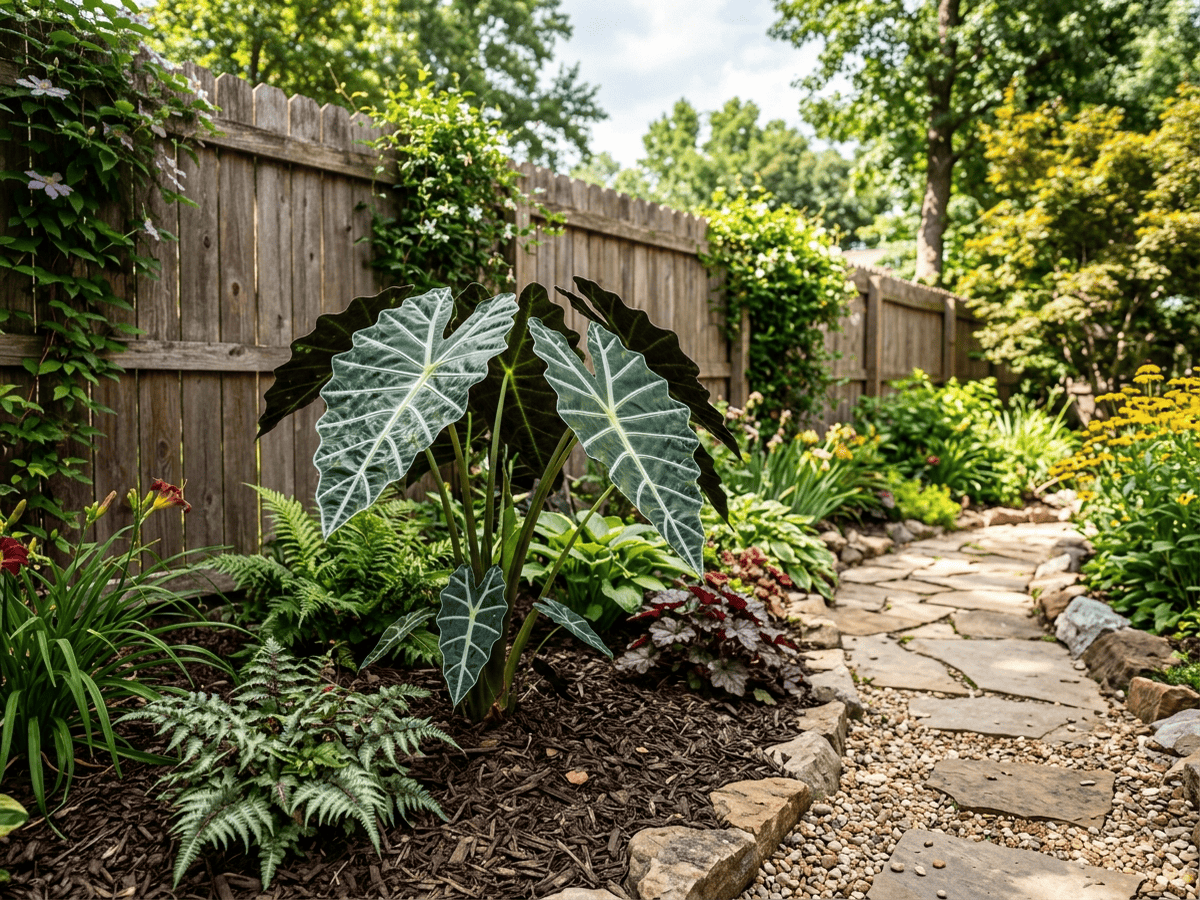
Alocasia amazonica, the African mask plant, is a dramatic hybrid with large arrow-shaped leaves of deep emerald green, dramatically outlined by thick silvery-white veins. Despite its name, it is not from the Amazon — it was created in a Florida nursery in the 1950s. The sculptural, almost alien appearance of its leaves makes it a statement piece. It requires bright indirect light, warm temperatures, and high humidity. Alocasia goes dormant in winter, sometimes losing all leaves before resprouting in spring — a normal cycle that alarms new owners.
- Tropical
- Architectural
- Shade-tolerant
- Container-friendly
How to care for African Mask Plant
Watering
- Springevery 5 days
- Summerevery 4 days
- Fallevery 7 days
- Winterevery 14 days
Soil · Chunky & airy
- Top dressingBark chips10%
- Main mixBark + potting soil + perlite 1:1:170%
- DrainageLECA20%
Chunky pieces hold air pockets open so thick roots don't suffocate.
FERTILIZER
Balanced Feed 14-14-14
An even feed covers all three needs at once, keeping leaves, roots and blooms moving together with nothing pushed out of balance.
- Nitrogen · Leaves
- Phosphorus · Roots + Blooms
- Potassium · Strength
- Springevery 30 days
- Summerevery 30 days
- Fallevery 60 days
At a Glance
- NativeSoutheast Asia
- Height1–2 ft (0.3–0.6 m)
- Spread1–2 ft (0.3–0.6 m)
- Foliage colorGreen, Silver
- SoilLoamy, Well-drained, Moisture-retentive
- LocationsIndoor
Fragrance
NO FRAGRANCE
Flowers are very rarely produced indoors and are not fragrant.
Toxicity
Humans Moderate · Pets Moderate
insoluble calcium oxalate crystals (raphides) and proteolytic enzymes
Moderate
- Leaf
- Stem
- Sap
- Contact
- Ingestion
EXPOSURE Touching leaves, stems, and sap. Eating leaves, stems, and sap.
EFFECT Intense oral burning, lip and tongue swelling, drooling, and difficulty swallowing, skin contact can cause dermatitis, and eye contact causes severe irritation.
NOTE Alocasia species generally have higher oxalate concentrations than Philodendron or Pothos; symptoms can persist for days.
Moderate
- Leaf
- Stem
- Ingestion
EXPOSURE Eating leaves and stems.
EFFECT Oral irritation, intense burning of mouth, lips and tongue, excessive drooling, vomiting, difficulty swallowing and per ASPCA Alocasia listing.
NOTE Alocasia species generally have higher oxalate concentrations than Philodendron or Pothos; symptoms can persist for days.
Moderate
- Leaf
- Stem
- Ingestion
EXPOSURE Eating leaves and stems.
EFFECT Oral irritation, intense burning of mouth, lips and tongue, excessive drooling, vomiting, difficulty swallowing and per ASPCA Alocasia listing.
NOTE Alocasia species generally have higher oxalate concentrations than Philodendron or Pothos; symptoms can persist for days.
Educational information, not medical or veterinary advice. If exposure is suspected, contact a doctor or veterinarian.
DISTRIBUTION


- Native
- Southeast Asia
History

Alocasia 'Amazonica' is not a wild species at all but a hybrid cultivar developed at Amazon Nursery in Miami, Florida in the 1950s, reportedly by crossing two Southeast Asian Alocasia species (probably A. longiloba and A. sanderiana). The 'amazonica' name was a commercial choice referencing the nursery, not its origin, and has confused gardeners ever since. Both parent species come from the Philippines and Borneo rather than South America.
The hybrid's bold black-green leaves with bright silvery veins made it an instant hit and a steady seller through the 1960s and 70s, followed by a dramatic second boom during the Instagram houseplant revival of the late 2010s. Like all Alocasias it contains concentrated calcium oxalate and is significantly more toxic than the mild Philodendron-type aroids.
It is a hybrid created in the 1950s by Salvadore Mauro at his nursery called 'Amazon Nursery' in Miami, Florida — the plant was named after the business, not the rainforest. The African mask nickname comes from the leaf's resemblance to ceremonial masks. In Southeast Asian culture, Alocasia species are associated with protection — large leaves are seen as shields against misfortune.
Symbolism & meaning
What It Symbolizes
Polly Alocasia is mystery in leaf form, its arrowhead foliage etched with bone-white veins against deep emerald, almost too dramatic to seem real. Despite its common name it is no Amazon native but a 1950s Florida nursery hybrid — even its origins carry the enigma it symbolizes. To live with it is to keep something faintly otherworldly indoors, a houseplant that always looks like it knows a secret.
- Mystery — Its dramatic, almost otherworldly appearance evokes enigma and fascination
Where the Name Comes From
Alocasia derives from a resemblance to Colocasia (taro). Amazonica misleadingly references Amazon Nursery in Miami, not the Amazon region.
Uses & Fun Facts
- Statement houseplant for bright indirect light in living rooms
- Silver-veined arrow leaves create dramatic tropical interior accents
Related plants
More Alocasia plants
 Giant TaroAlocasia macrorrhizos
 AlocasiaAlocasia polly
 Black Velvet AlocasiaAlocasia reginula
 Kris-PlantAlocasia sanderiana
Plants with similar care
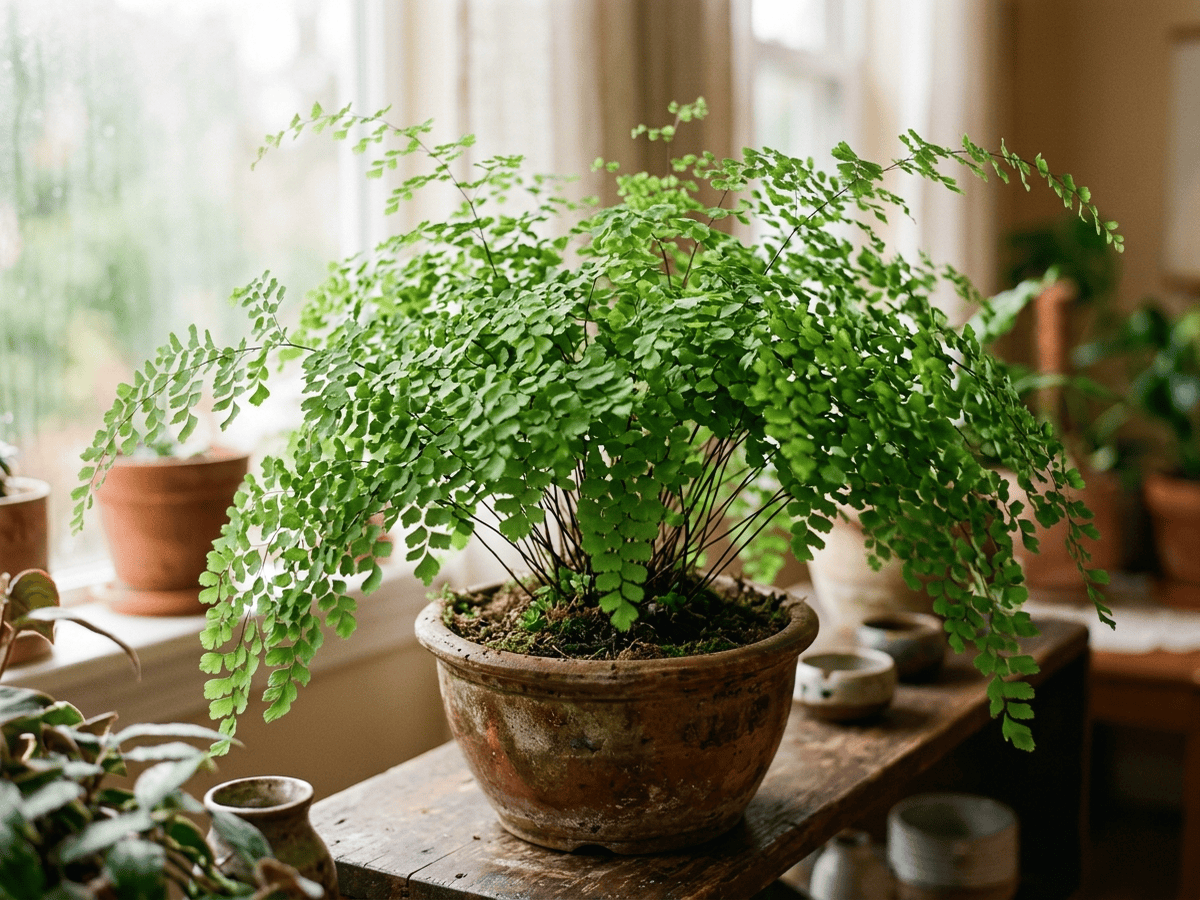 Delta Maidenhair FernAdiantum raddianum
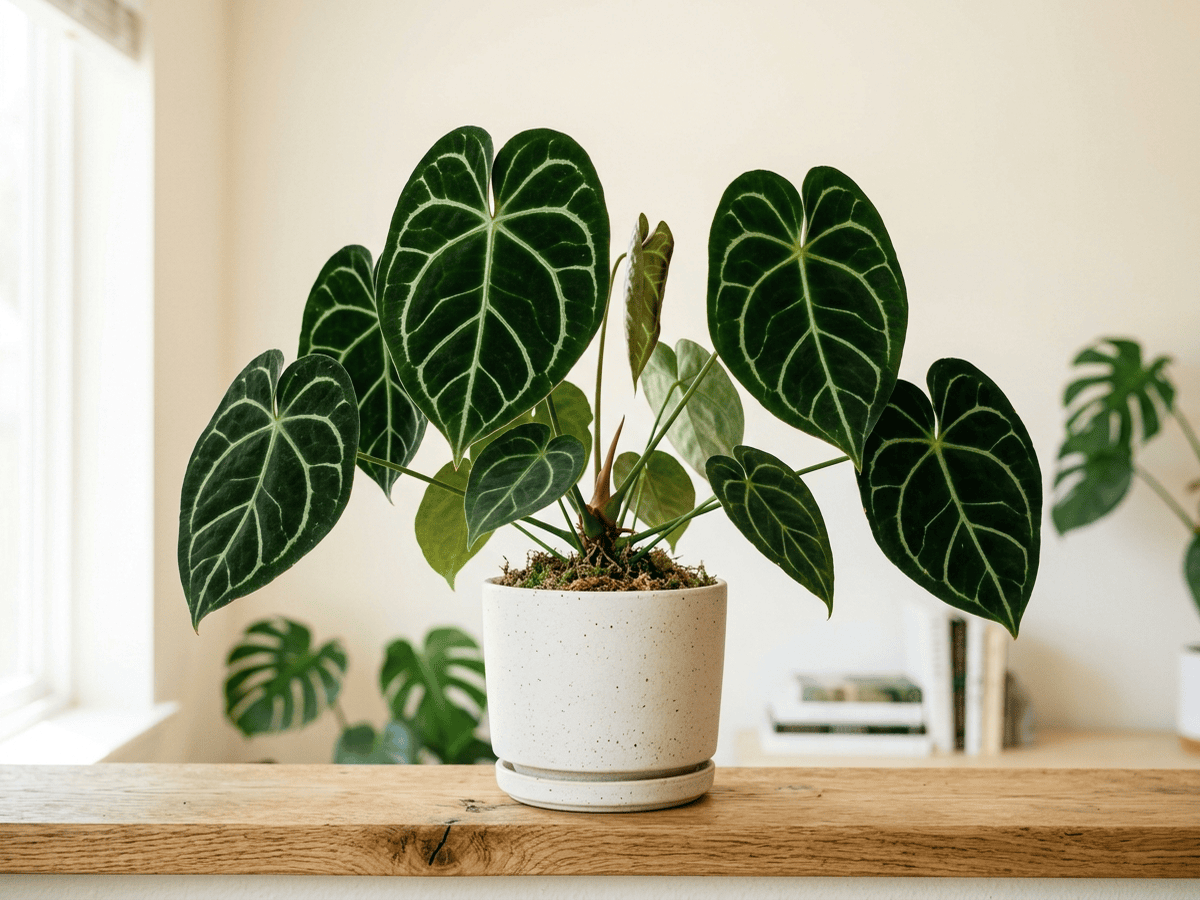 Anthurium clarinerviumAnthurium clarinervium
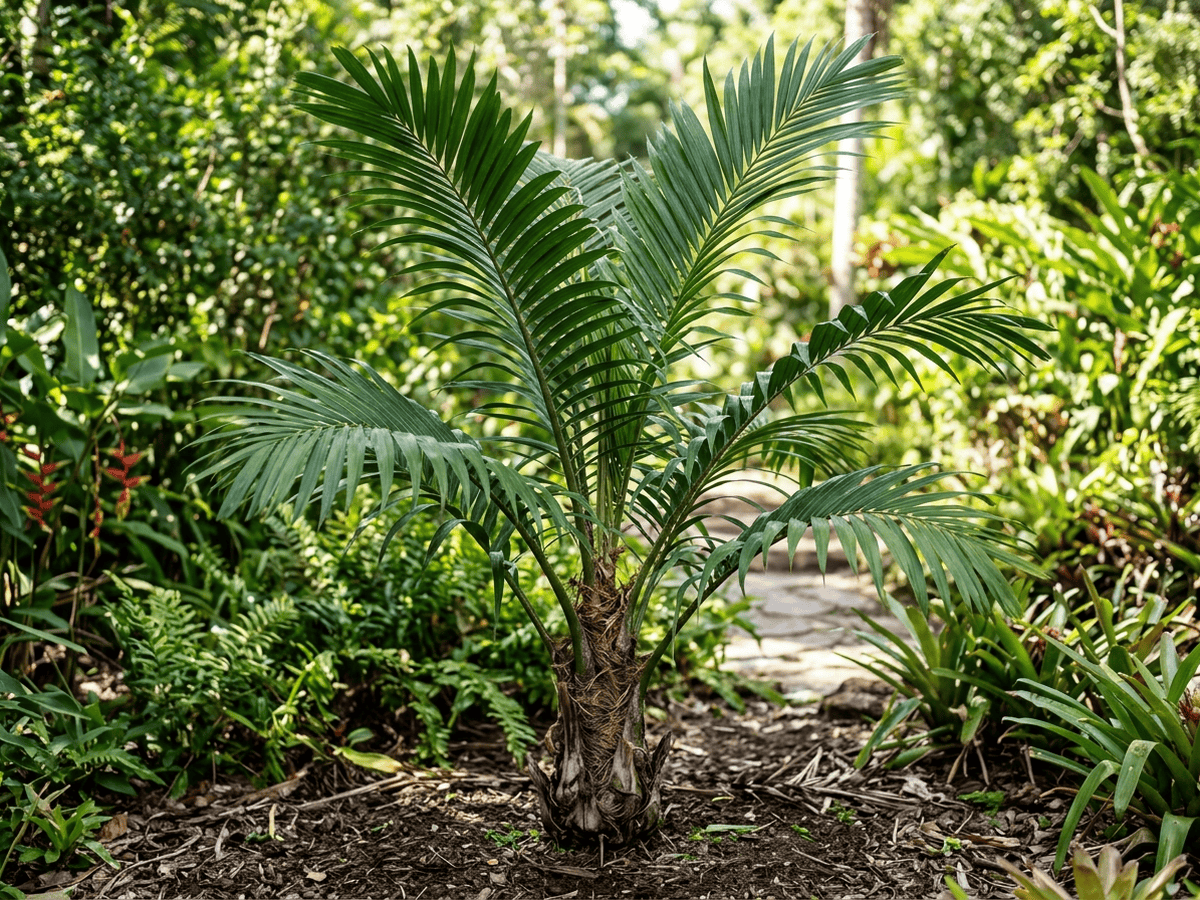 Formosa PalmArenga engleri
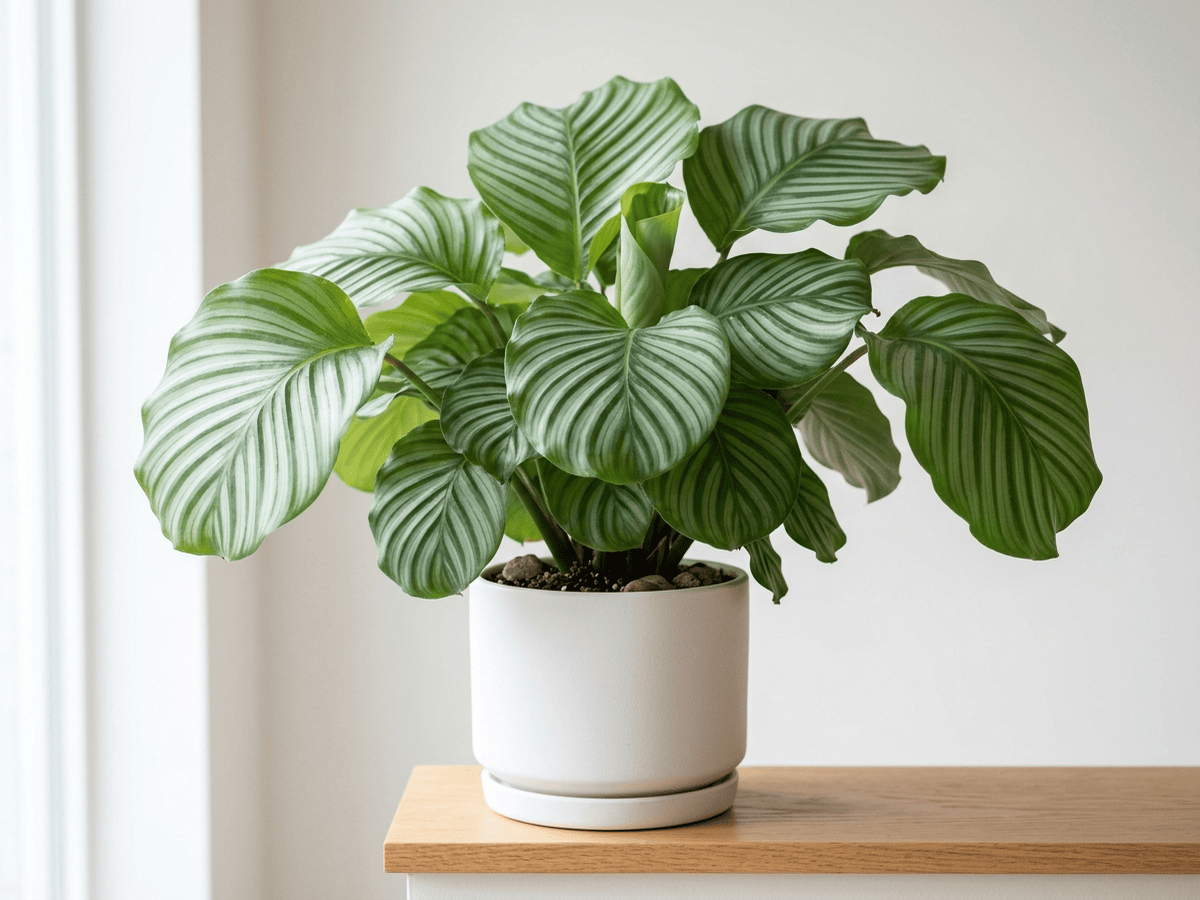 Goeppertia OrbifoliaCalathea orbifolia
Frequently asked questions
How often should I water African Mask Plant?
In summer, water about every 4 days; in winter, about every 14 days. Adjust for heat, pot size and drainage.
How much light does African Mask Plant need?
Part shade: 2–4 hrs direct. Watch the leaves — scorching or stretching means the light needs adjusting.
Is African Mask Plant toxic to cats or dogs?
Pets Moderate (Dogs Moderate · Cats Moderate) Educational information, not medical or veterinary advice. If exposure is suspected, contact a doctor or veterinarian.
Is African Mask Plant easy to grow?
It is considered challenging and rewards experienced growers.
Can African Mask Plant be grown indoors?
Yes, it adapts well to indoor growing given the right light.
YardMate
Identify any plant in seconds
Snap a photo — YardMate names the plant, diagnoses problems, and reminds you when to water.
Download on the App Store