 YardMate
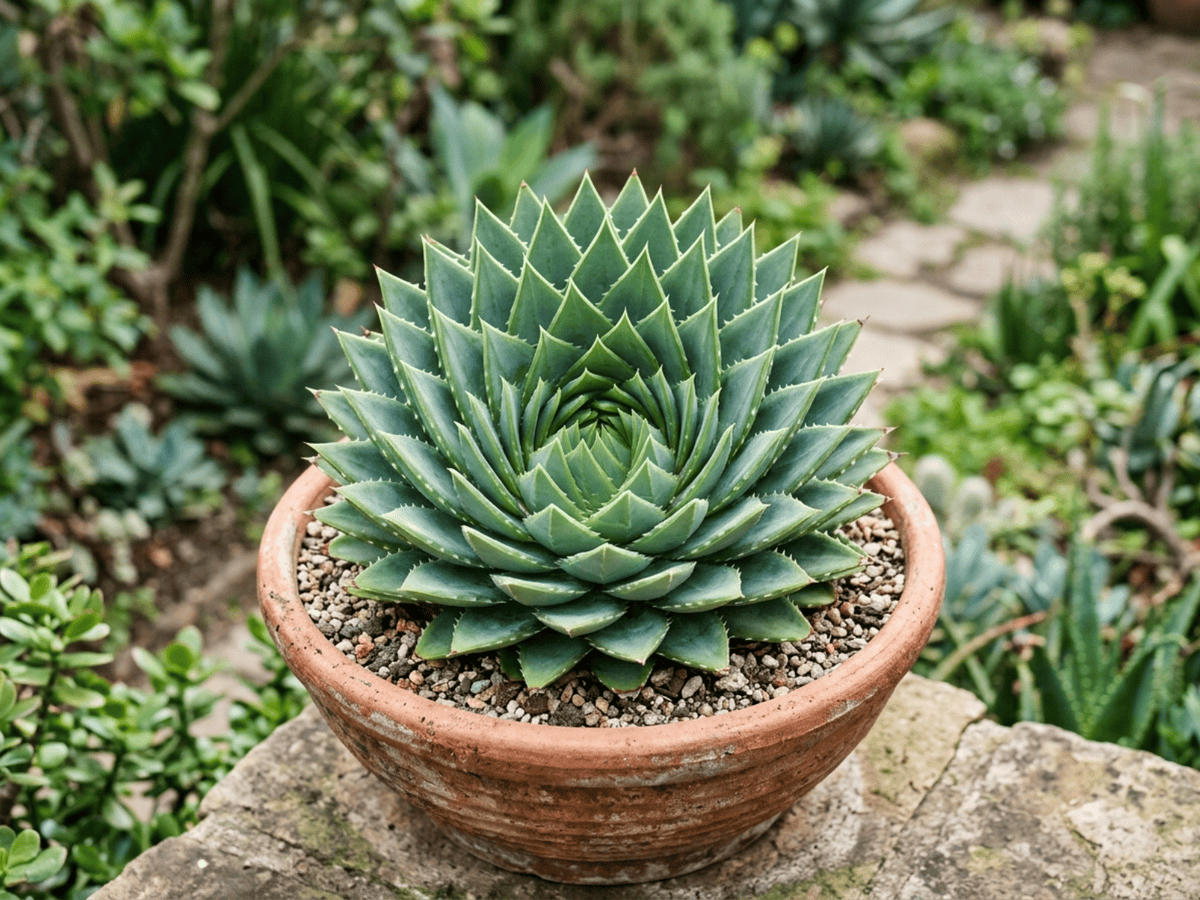


Spiral Aloe
Aloe polyphylla
Hard · Experienced growersAbout Spiral Aloe
The Spiral Aloe is one of the most breathtaking plants on earth, native exclusively to the high Drakensberg mountains of Lesotho in southern Africa. Its rosette of thick, gray-green leaves arranges itself into a perfect Fibonacci spiral — either clockwise or counterclockwise — creating a mesmerizing geometric pattern found nowhere else in the Aloe genus. Growing at elevations above 6,500 feet, it endures snow, frost, and harsh mountain winds, yet paradoxically struggles in typical garden conditions because it requires cool summers and excellent drainage. It is listed as Vulnerable by IUCN and is legally protected in Lesotho, where unauthorized collection carries heavy penalties. Despite this, poaching remains a serious threat. The spiral pattern does not emerge until the plant has about thirty leaves; young plants appear unremarkable. Mature rosettes reach about a foot across and produce tall branched spikes of salmon-pink to red flowers. Its almost supernatural geometric perfection has made it a grail plant among succulent collectors worldwide.
- Cold-hardy
- Architectural
How to care for Spiral Aloe
Watering
- Springevery 10 days
- Summerevery 7 days
- Fallevery 14 days
- Winterevery 21 days
Soil · Fast-draining
- Main mixSand + pumice + soil 1:1:150%
- DrainagePumice / gravel50%
Keep grit at half the mix or more — this soil is meant to dry out fast.
FERTILIZER
Balanced Feed 14-14-14
An even feed covers all three needs at once, keeping leaves, roots and blooms moving together with nothing pushed out of balance.
- Nitrogen · Leaves
- Phosphorus · Roots + Blooms
- Potassium · Strength
- Springevery 30 days
- Summerevery 45 days
- Fallevery 60 days
At a Glance
- NativeAfrica
- Height1–2 ft (0.3–0.6 m)
- Spread2–3 ft (0.6–0.9 m)
- Flower colorRed, Orange, Pink
- Foliage colorGreen, Blue-green
- SoilSandy, Well-drained
- LocationsYard
Bloom time
BLOOM CYCLE
Peak bloom
Mar–May
Salmon-pink to red flower spikes on mature plants in spring
Fragrance
NO FRAGRANCE
No notable fragrance.
Toxicity
Humans Slight · Pets Moderate
anthraquinone glycosides (aloin)
Slight
- Sap
- Ingestion
EXPOSURE Eating sap.
EFFECT Latex contains anthraquinone glycosides causing purgative effect and flesh generally safer.
NOTE Documented concern for humans: Latex contains anthraquinone glycosides causing purgative effect and flesh generally safer.
Moderate
- All
- Ingestion
EXPOSURE Eating any part of the plant.
EFFECT Vomiting, diarrhea, lethargy from anthraquinone latex (per ASPCA for Aloe genus).
NOTE ASPCA lists Aloe as toxic to dogs, cats due to latex anthraquinones.
Moderate
- All
- Ingestion
EXPOSURE Eating any part of the plant.
EFFECT Vomiting, diarrhea, lethargy.
NOTE ASPCA lists Aloe as toxic to dogs, cats due to latex anthraquinones.
Educational information, not medical or veterinary advice. If exposure is suspected, contact a doctor or veterinarian.
DISTRIBUTION


- Native
- Africa
History

Aloe polyphylla is endemic to the high Drakensberg of Lesotho at 2,000-2,500 meters. It was described by Sydney Schönland in 1908. The rosette forms a perfect geometric spiral of five ranks of leaves — approximately half of wild plants spiral clockwise, the other half counter-clockwise — a phyllotactic pattern unmatched by any other aloe. Because the plant is the national flower of Lesotho and extraordinarily photogenic, it has been collected illegally at catastrophic rates for over a century; the IUCN lists it Critically Endangered, and it is protected under CITES Appendix I with strict trade bans.
Cultivation from seed is slow but has developed commercially in South Africa, California, and the UK, producing legal nursery stock for collectors. Wild transplants rarely survive at lower elevations, and most lowland attempts have failed. Discovered by botanist Emil Schönland in 1908 in the mountains of Lesotho, Aloe polyphylla immediately captivated scientists with its perfect spiral phyllotaxis.
The spiral follows the Fibonacci sequence — each leaf sits at the golden angle (137.5°) from the next, creating five spirals in one direction and three in the other. The Basotho people of Lesotho traditionally used it medicinally and considered it a powerful charm. International demand from collectors led to severe poaching, prompting Lesotho's government to make collection a criminal offense. Tissue culture propagation has since made legally produced plants available, helping reduce pressure on wild populations.
Symbolism & meaning
What It Symbolizes
Spiral Aloe makes visible perfection — its leaves arrange themselves in a flawless Fibonacci spiral, mathematics made visible in living tissue. Endemic only to a few high basalt slopes of Lesotho's Maluti Mountains and now critically endangered, it stands also for rarity, a reminder that some beauties cannot be replaced. To cultivate its well is to keep faith with one of the most geometrically improbable plants on Earth.
- Perfection — its Fibonacci spiral embodies mathematical harmony in nature
- Rarity — its endangered status and singular beauty represent irreplaceable treasures
Where the Name Comes From
'Aloe' from Arabic 'alloeh' meaning bitter, referring to the sap. 'Polyphylla' from Greek 'poly' (many) and 'phyllon' (leaf), describing the numerous tightly packed leaves forming the spiral rosette.
Uses & Fun Facts
- Mesmerizing Fibonacci spiral rosette as rock garden centerpiece
- Cold-hardy collector succulent for gravelly mountain-style beds
Related plants
More Aloe plants

Plants with similar care
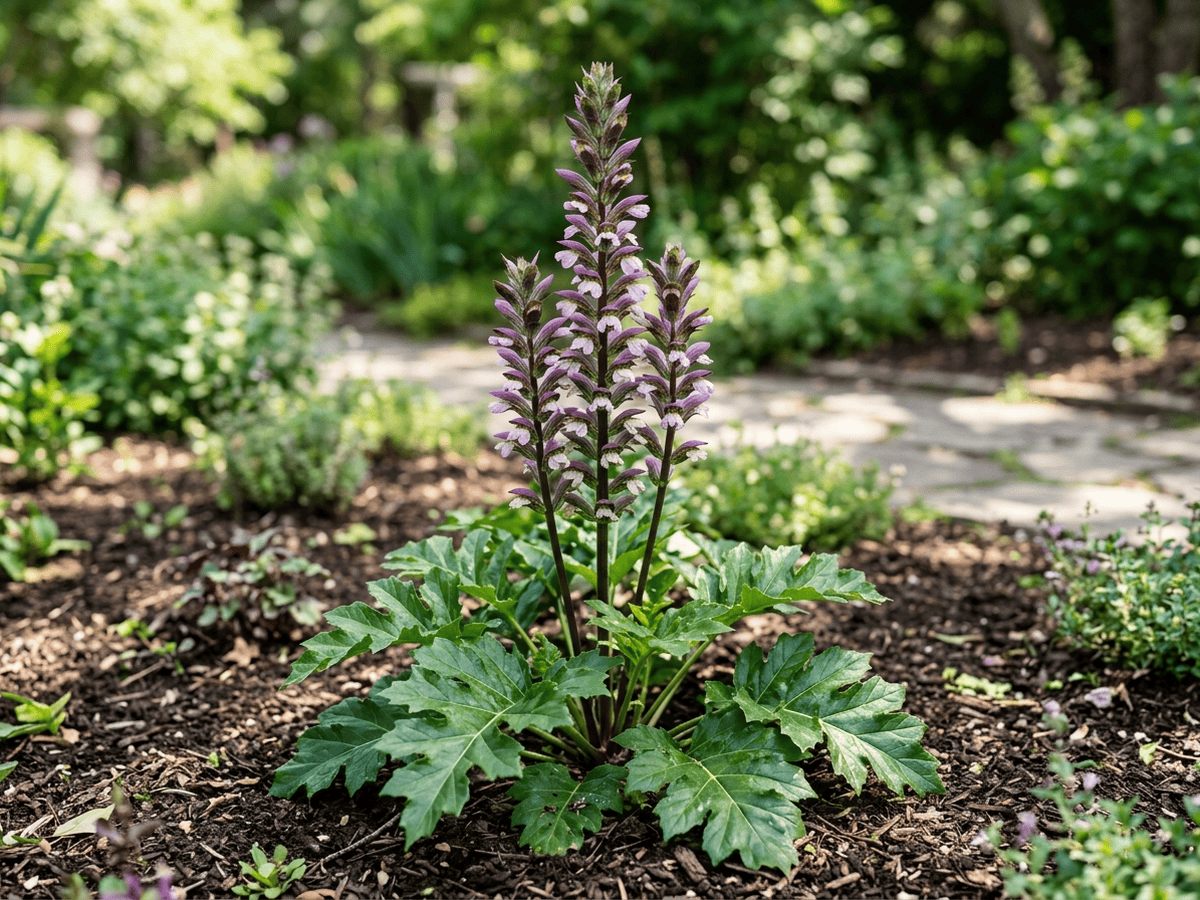 Bear's BreechesAcanthus mollis
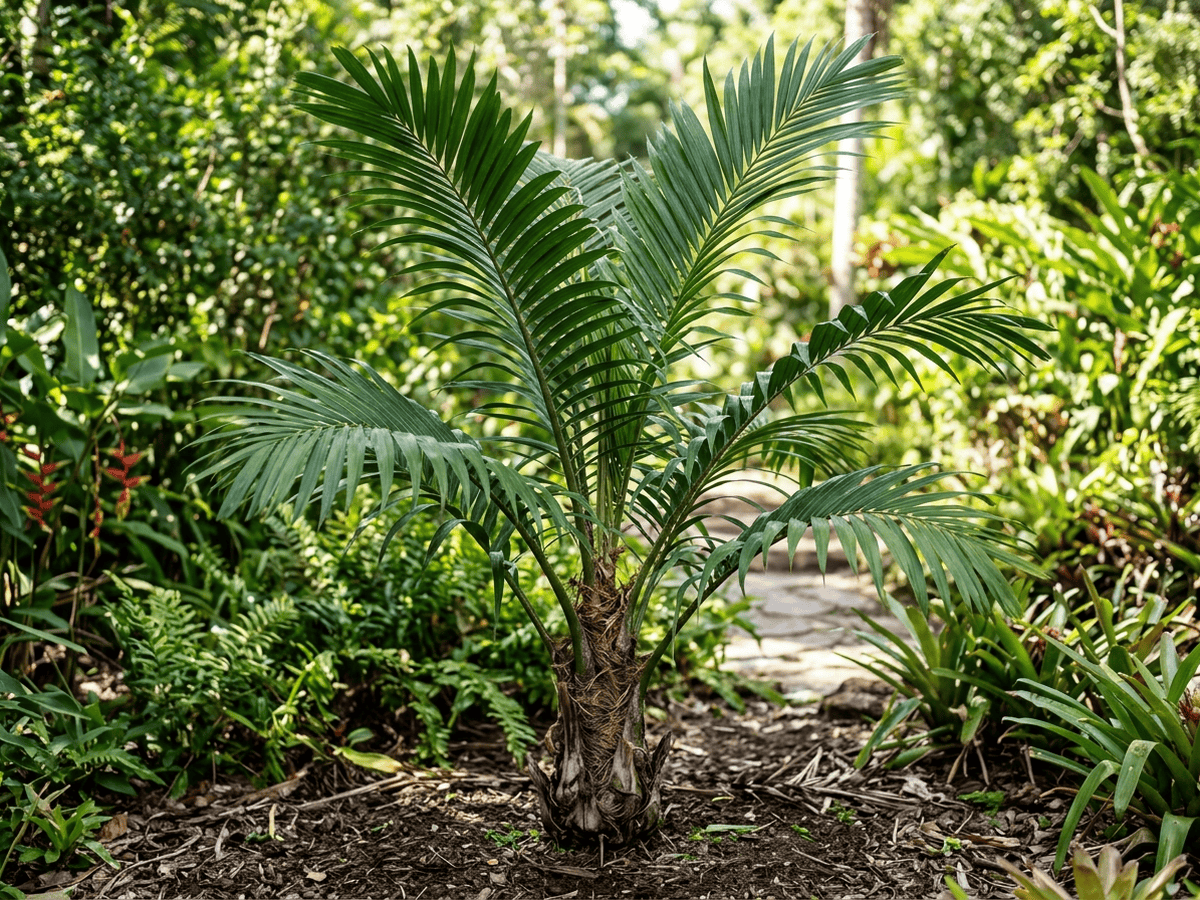 Formosa PalmArenga engleri
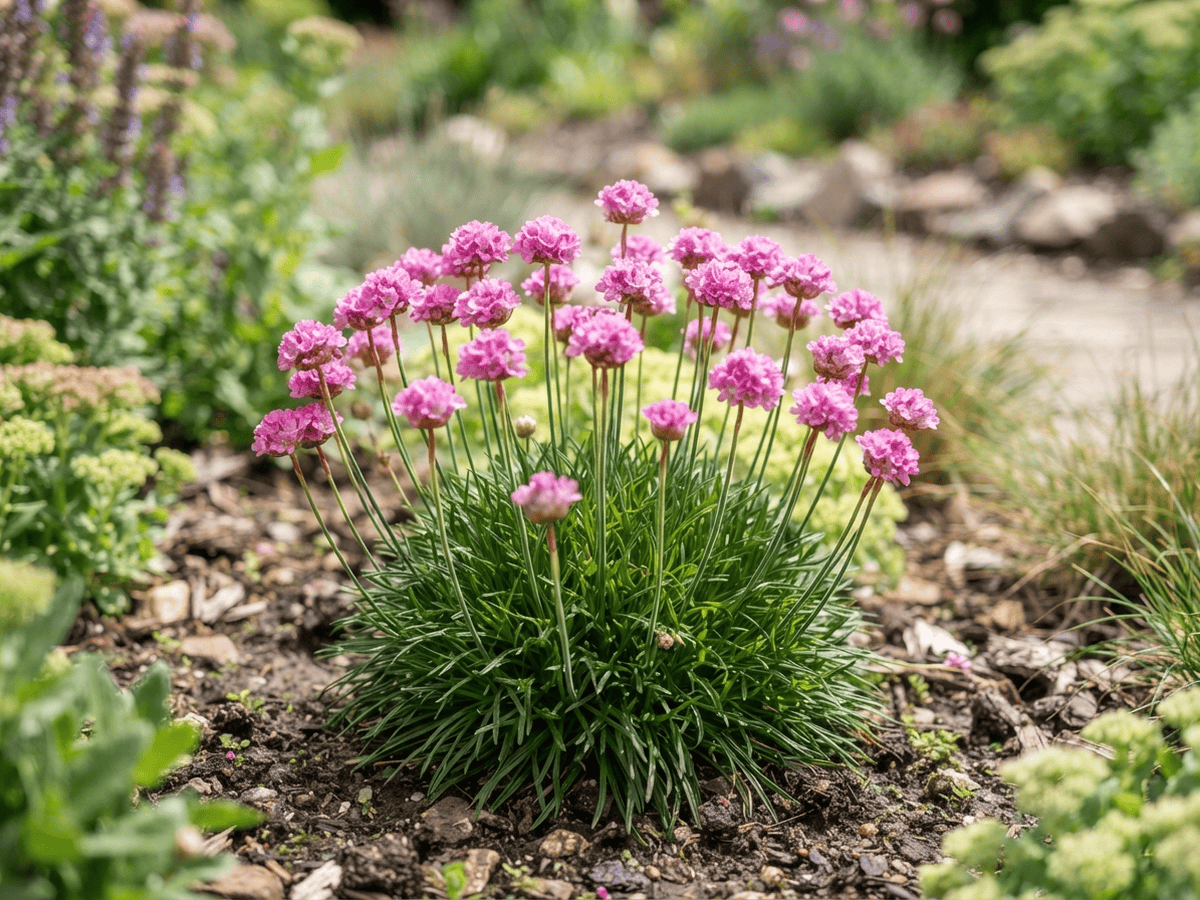 Sea ThriftArmeria maritima
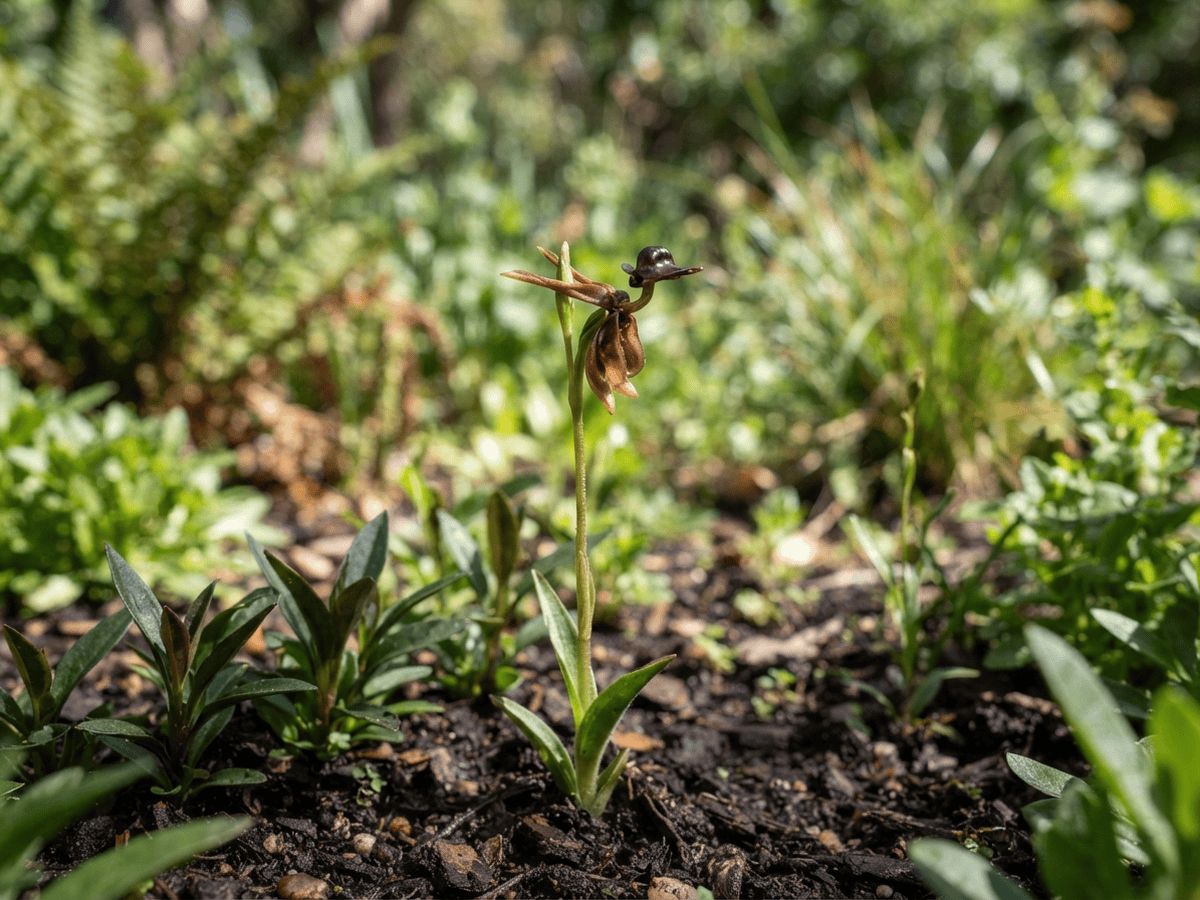 Flying Duck OrchidCaleana major
Frequently asked questions
How often should I water Spiral Aloe?
In summer, water about every 7 days; in winter, about every 21 days. Adjust for heat, pot size and drainage.
How much light does Spiral Aloe need?
Part shade: 2–4 hrs direct. Watch the leaves — scorching or stretching means the light needs adjusting.
Is Spiral Aloe toxic to cats or dogs?
Pets Moderate (Dogs Moderate · Cats Moderate) Educational information, not medical or veterinary advice. If exposure is suspected, contact a doctor or veterinarian.
Is Spiral Aloe easy to grow?
It is considered challenging and rewards experienced growers.
When does Spiral Aloe bloom?
It typically blooms Mar–May in the Northern Hemisphere.
YardMate
Identify any plant in seconds
Snap a photo — YardMate names the plant, diagnoses problems, and reminds you when to water.
Download on the App Store