 YardMate
Bear's Breeches
Acanthus mollis
Hard · Experienced growersAbout Bear's Breeches
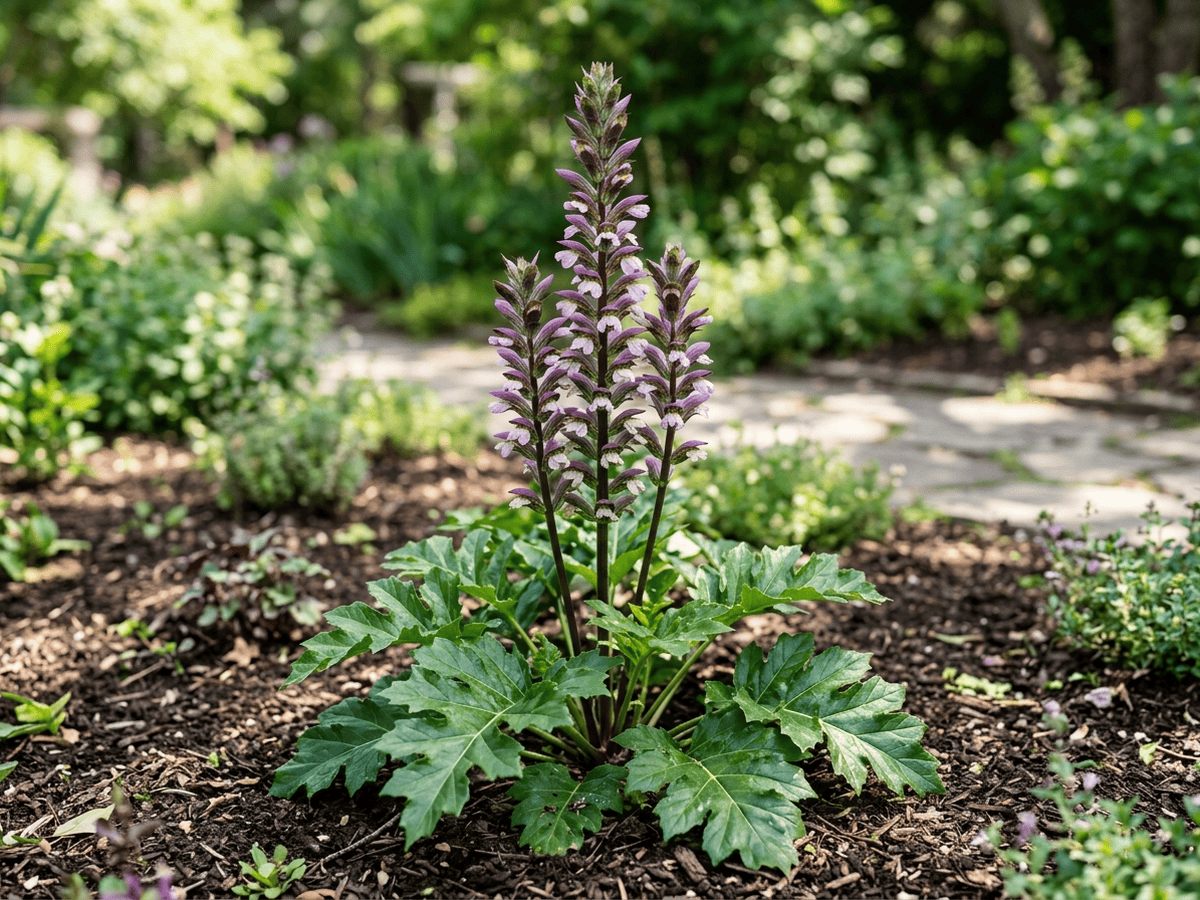
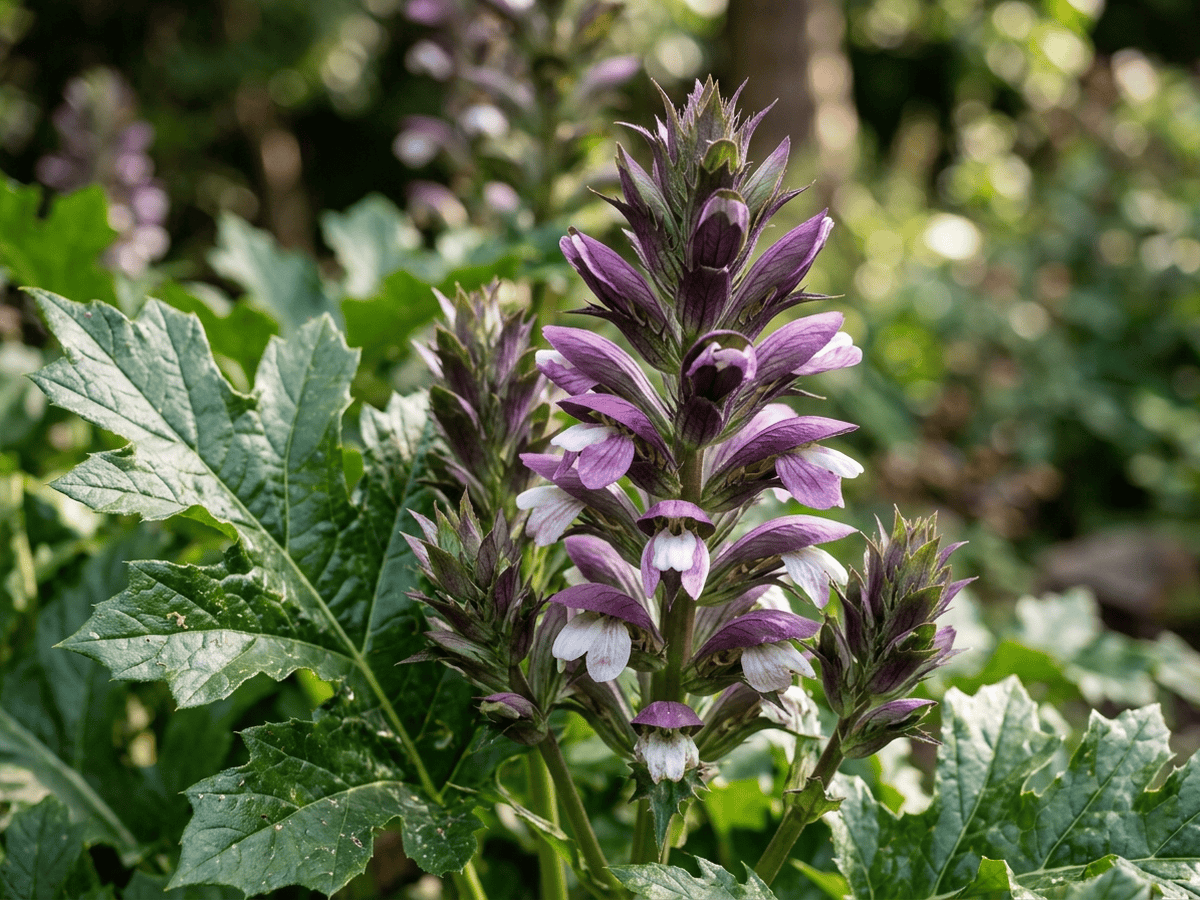
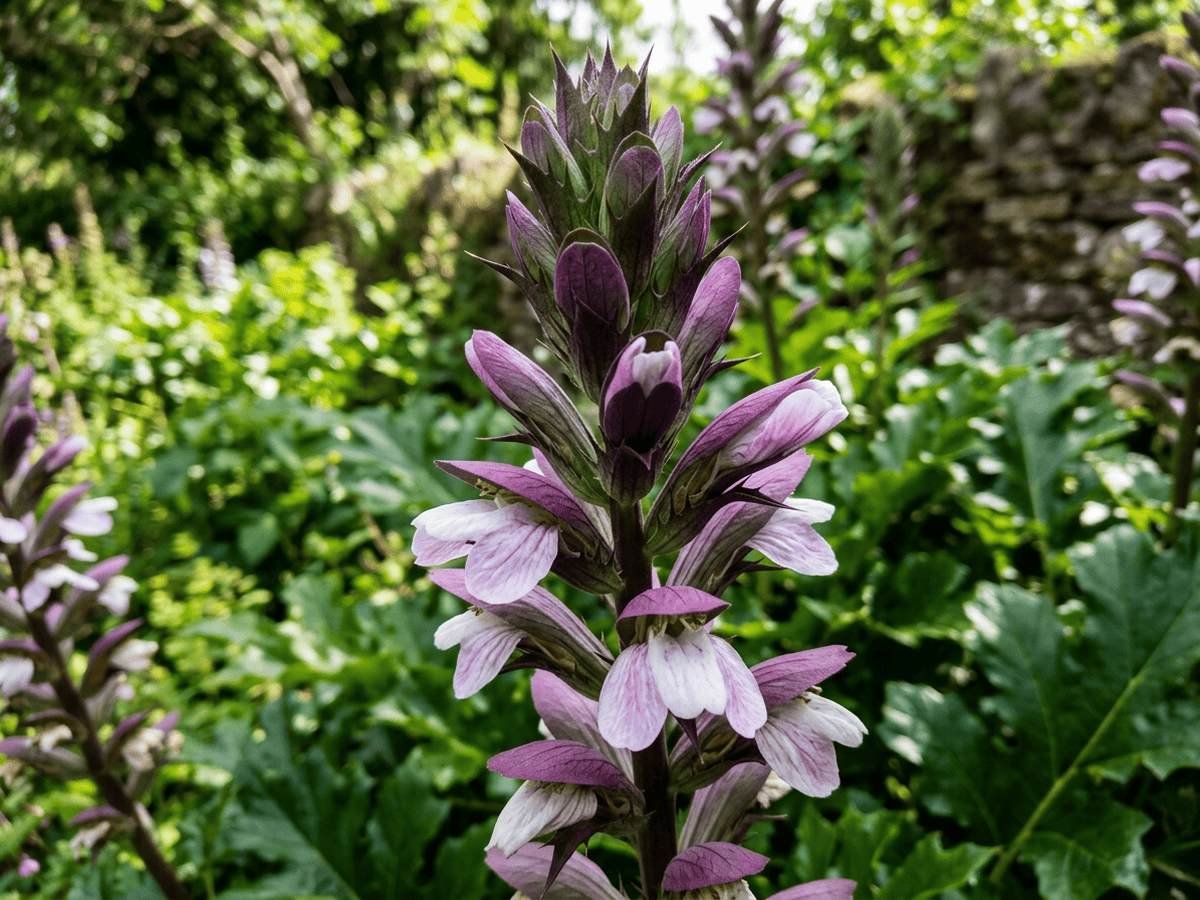
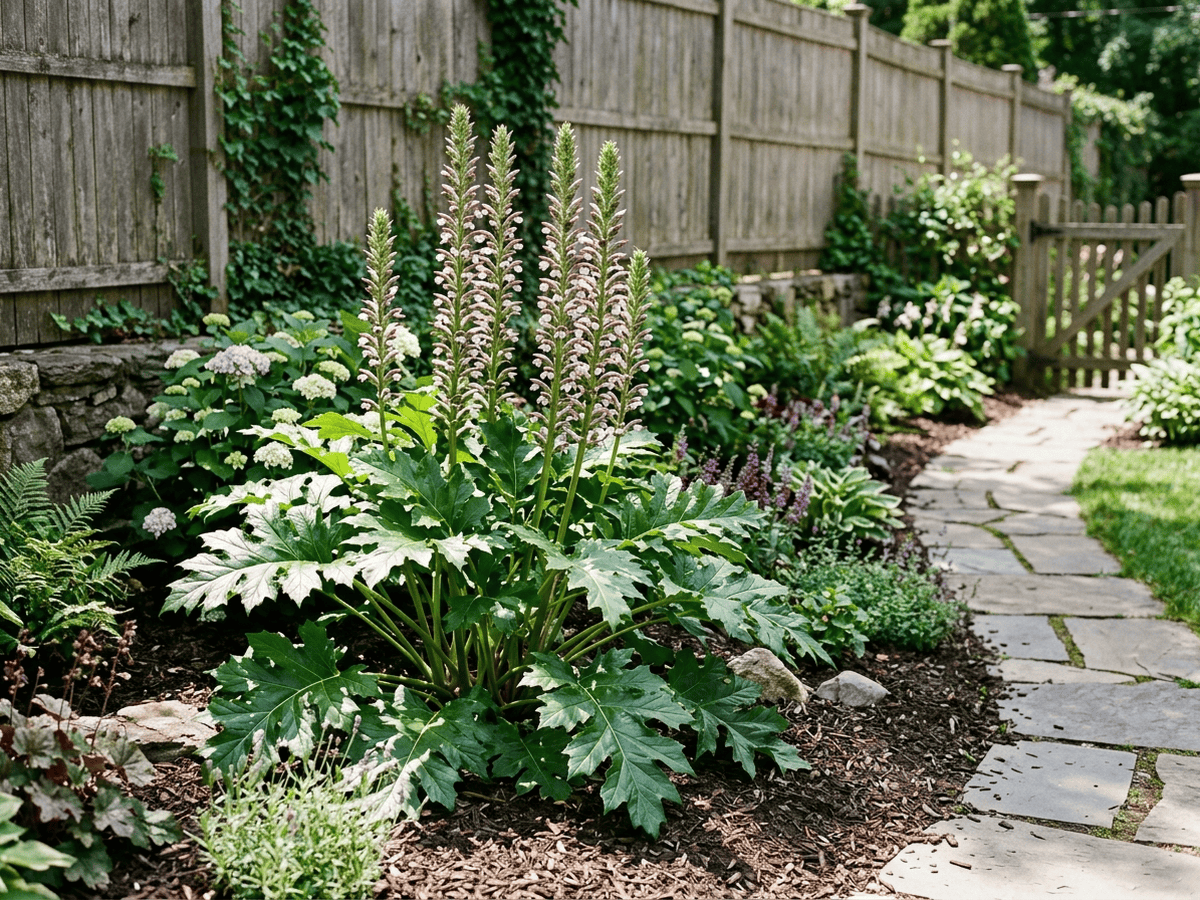
Bear's Breeches is a bold Mediterranean perennial grown for its glossy, deeply lobed dark green leaves, which arch outward in a dramatic rosette nearly two feet across. In late spring and summer, tall flower spikes rise three to four feet above the foliage, lined with white, hooded blossoms cupped by spiny, purple-tinged bracts that draw bees for weeks. It tolerates bright shade or full sun in cooler climates, shrugs off drought once established, and spreads by rhizome into dense, architectural clumps. Its sculptural leaves have inspired garden and building design alike, most famously as the model for the Corinthian column capital.
- Shade-tolerant
- Drought-tolerant
- Spreading
- Pollinator-friendly
How to care for Bear's Breeches
Watering
- Springevery 10 days
- Summerevery 7 days
- Fallevery 20 days
- Winterevery 30 days
Soil · Well-draining
- Top dressingPine bark mulch10%
- Main mixPotting soil + perlite 2:170%
- DrainageLECA / gravel20%
Never skip the drainage layer — standing water is the top cause of root rot.
FERTILIZER
Balanced Feed 14-14-14
An even feed covers all three needs at once, keeping leaves, roots and blooms moving together with nothing pushed out of balance.
- Nitrogen · Leaves
- Phosphorus · Roots + Blooms
- Potassium · Strength
- Springevery 60 days
- Summerevery 30 days
- Fallevery 30 days
At a Glance
- NativeMediterranean
- Height3–4 ft (0.9–1.2 m)
- Spread3–4 ft (0.9–1.2 m)
- Flower colorWhite, Purple
- Foliage colorGreen
- Fruit colorBrown
- SoilLoamy, Well-drained
- LocationsYard · Patio
Bloom time
BLOOM CYCLE
Peak bloom
Jun–Aug
Its flowers typically bloom in summer, attracting many pollinators.
Toxicity
No toxicity has been reported for this plant. Still, it is wise to keep pets from chewing on any houseplant.
Educational information, not medical or veterinary advice. If exposure is suspected, contact a doctor or veterinarian.
DISTRIBUTION


- Native
- Introduced
- Mediterranean
History
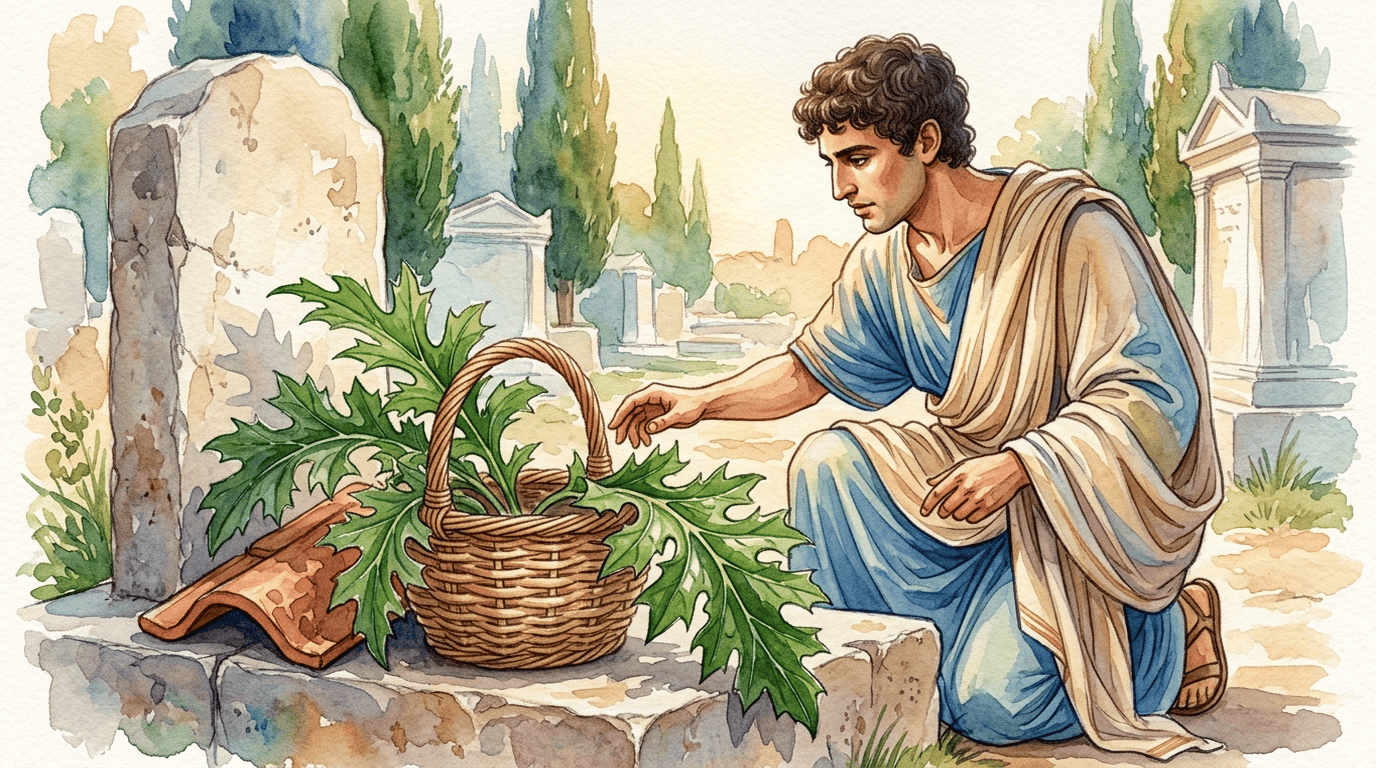
According to the Roman architect Vitruvius, the ornamental legacy of the Bear's Breeches began in ancient Corinth. A young girl died before her wedding, and her grieving nurse gathered the girl's favorite trinkets into a small basket, set it near her grave, and covered it with a roof tile to shield the contents from weather. The basket happened to rest directly over the root of a Bear's Breeches growing at the graveside, and by spring its broad, spiny leaves had pushed up around the basket, curling outward wherever they met the resistance of the tile's edge.
The sculptor Callimachus, known to his contemporaries for painstaking attention to detail, passed the grave and was struck by the graceful interplay of leaf and basket. He carried the image back to his workshop and translated it into stone, carving a new capital for the tops of columns: a ring of curling acanthus leaves cradling a shallow bowl-shaped abacus. Greek builders adopted the design, and Roman architects later carried it across their empire, where it became the defining feature of the Corinthian order, still visible today on temples, courthouses, and civic buildings descended from the leaves of a single graveside plant. Long after that first capital was carved, gardeners in Renaissance Italy and beyond began cultivating the plant itself, prizing its bold rosette of leaves as a living echo of classical architecture.
Symbolism & meaning
What It Symbolizes
Because its curling leaves gave shape to the Corinthian capital, Bear's Breeches has long stood for artistry and the enduring power of inspiration drawn from nature. Its habit of returning reliably from the same rootstock year after year, even after the foliage dies back, has also made it a quiet emblem of endurance.
- Artistry — leaves so elegant they became the pattern for the Corinthian capital
- Endurance — returns reliably from the same rootstock year after year, resilient in tough conditions
Where the Name Comes From
Acanthus comes from the Greek akantha, meaning "thorn" or "spine," a reference to the plant's spiny bracts and leaf margins; mollis is Latin for "soft," describing the texture of the broad leaf blades despite their prickly edges.
Uses & Fun Facts
- Bold, sculptural foliage anchors shaded borders and woodland-edge plantings.
- Tall summer flower spikes draw bees for weeks of bloom.
Related plants
Plants with similar care
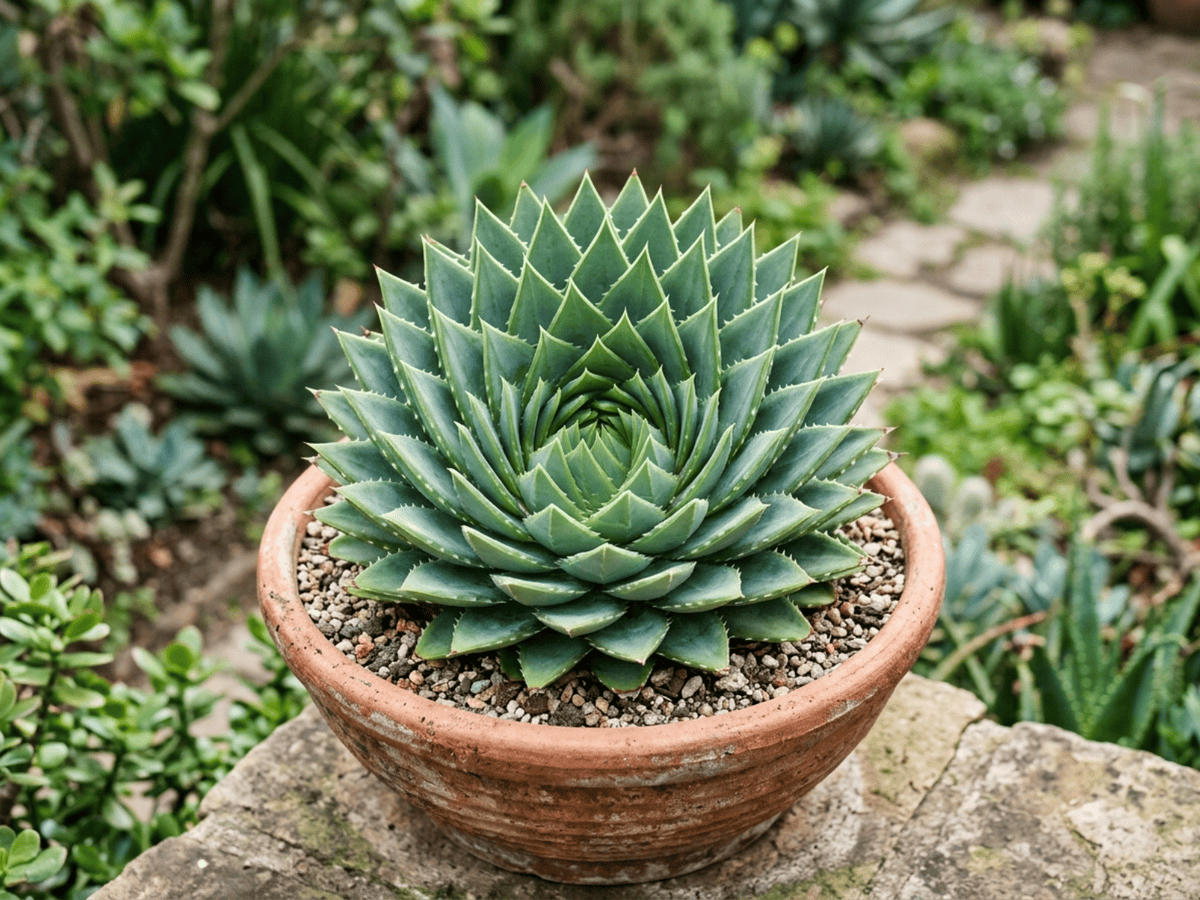 Spiral AloeAloe polyphylla
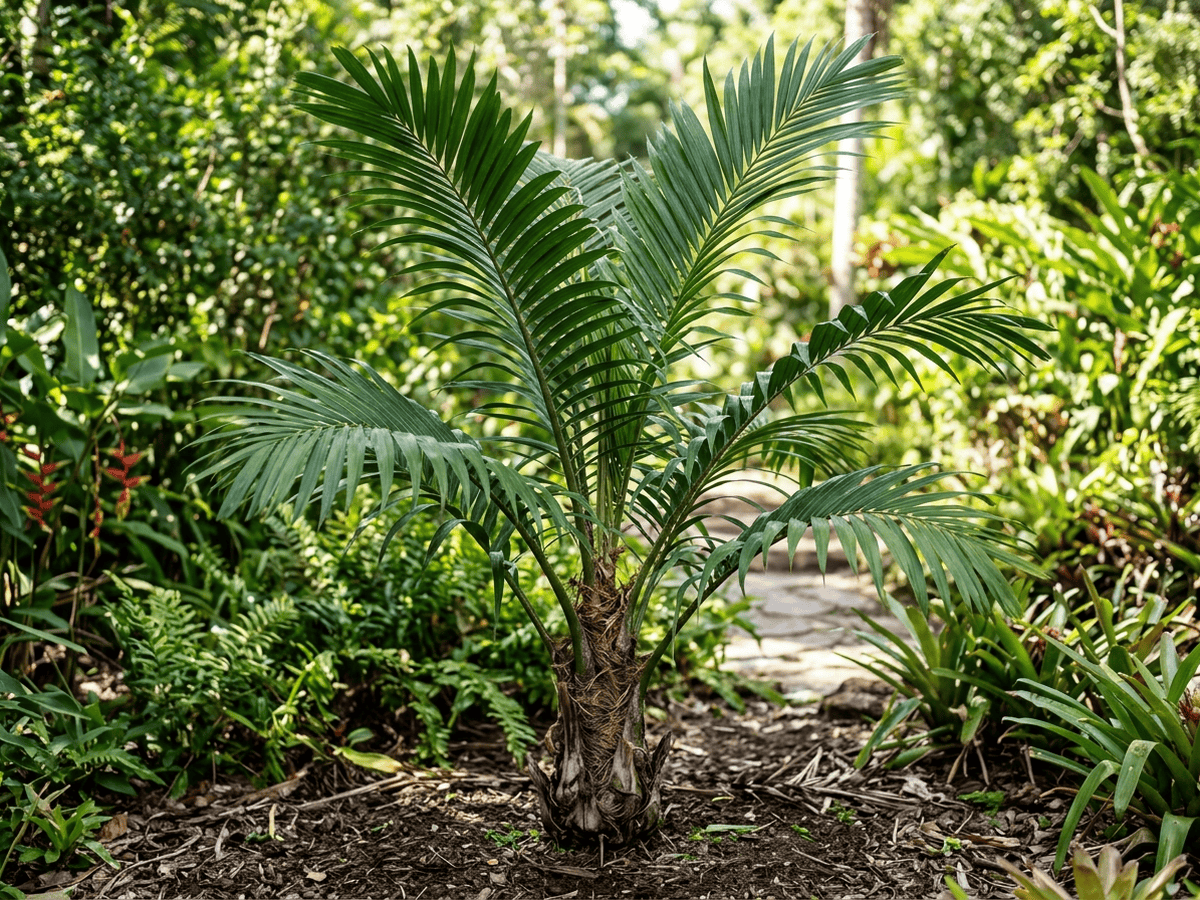 Formosa PalmArenga engleri
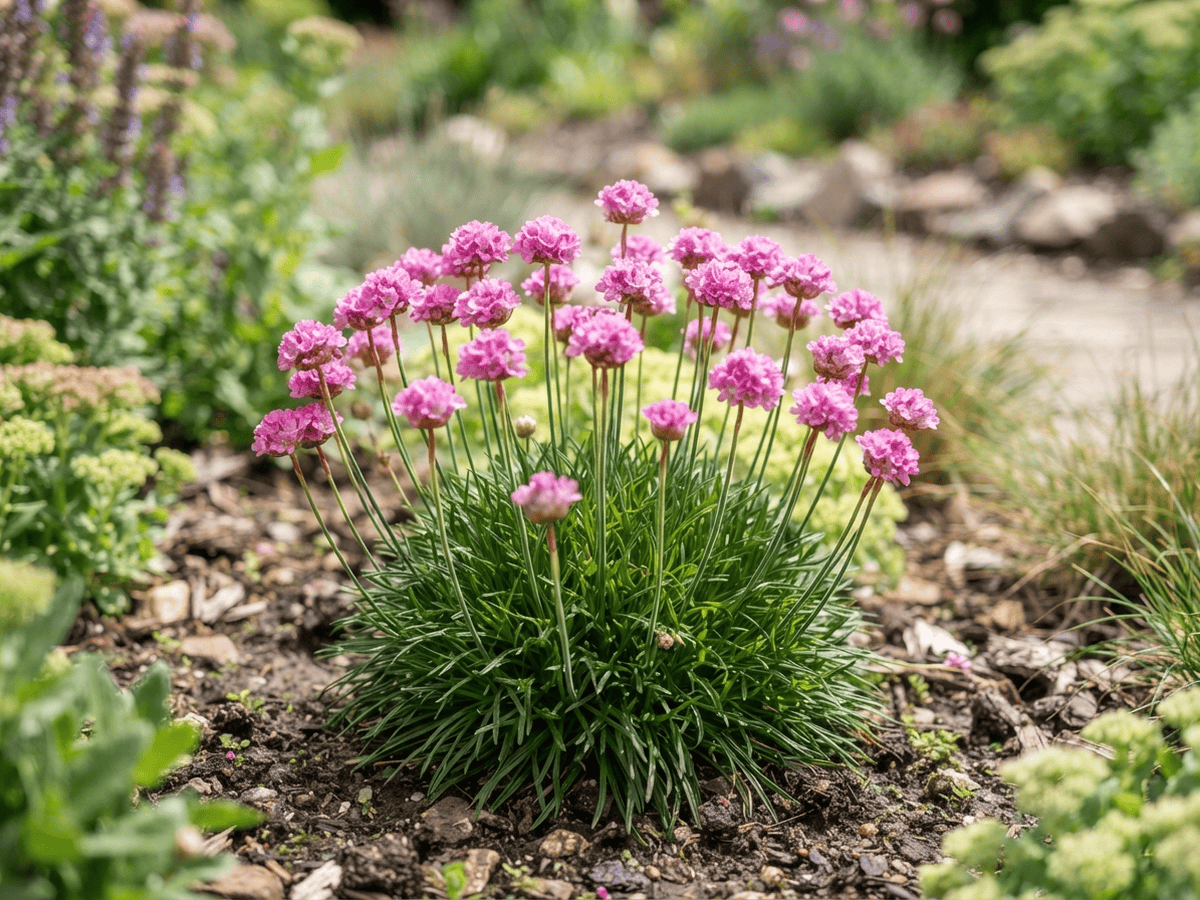 Sea ThriftArmeria maritima
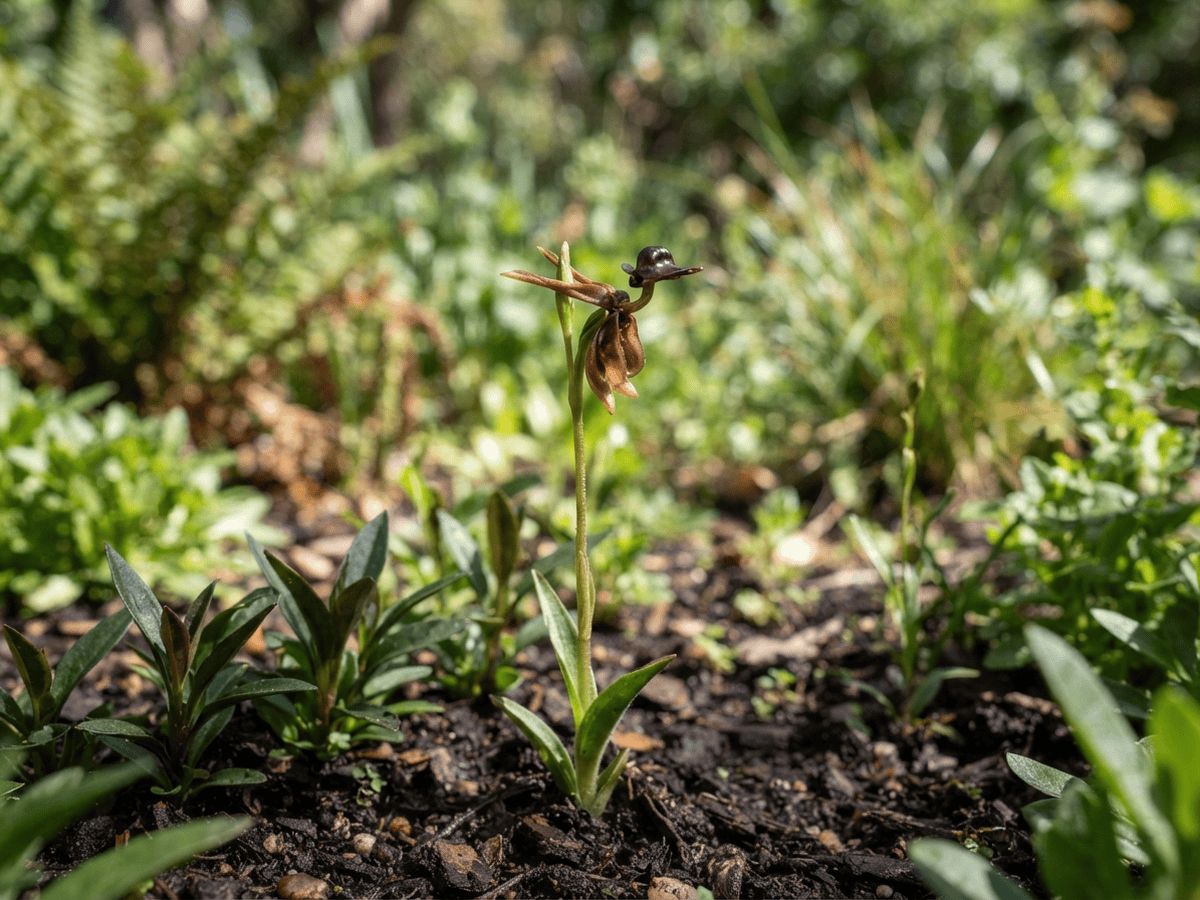 Flying Duck OrchidCaleana major
Frequently asked questions
How often should I water Bear's Breeches?
In summer, water about every 7 days; in winter, about every 30 days. Adjust for heat, pot size and drainage.
How much light does Bear's Breeches need?
Part shade: 2–4 hrs direct. Watch the leaves — scorching or stretching means the light needs adjusting.
Is Bear's Breeches toxic to cats or dogs?
No toxicity has been reported for this plant. Still, it is wise to keep pets from chewing on any houseplant. Educational information, not medical or veterinary advice. If exposure is suspected, contact a doctor or veterinarian.
Is Bear's Breeches easy to grow?
It is considered challenging and rewards experienced growers.
When does Bear's Breeches bloom?
It typically blooms Jun–Aug in the Northern Hemisphere.
YardMate
Identify any plant in seconds
Snap a photo — YardMate names the plant, diagnoses problems, and reminds you when to water.
Download on the App Store