 YardMate


Noble Orchid
Cymbidium goeringii
Hard · Experienced growersAbout Noble Orchid
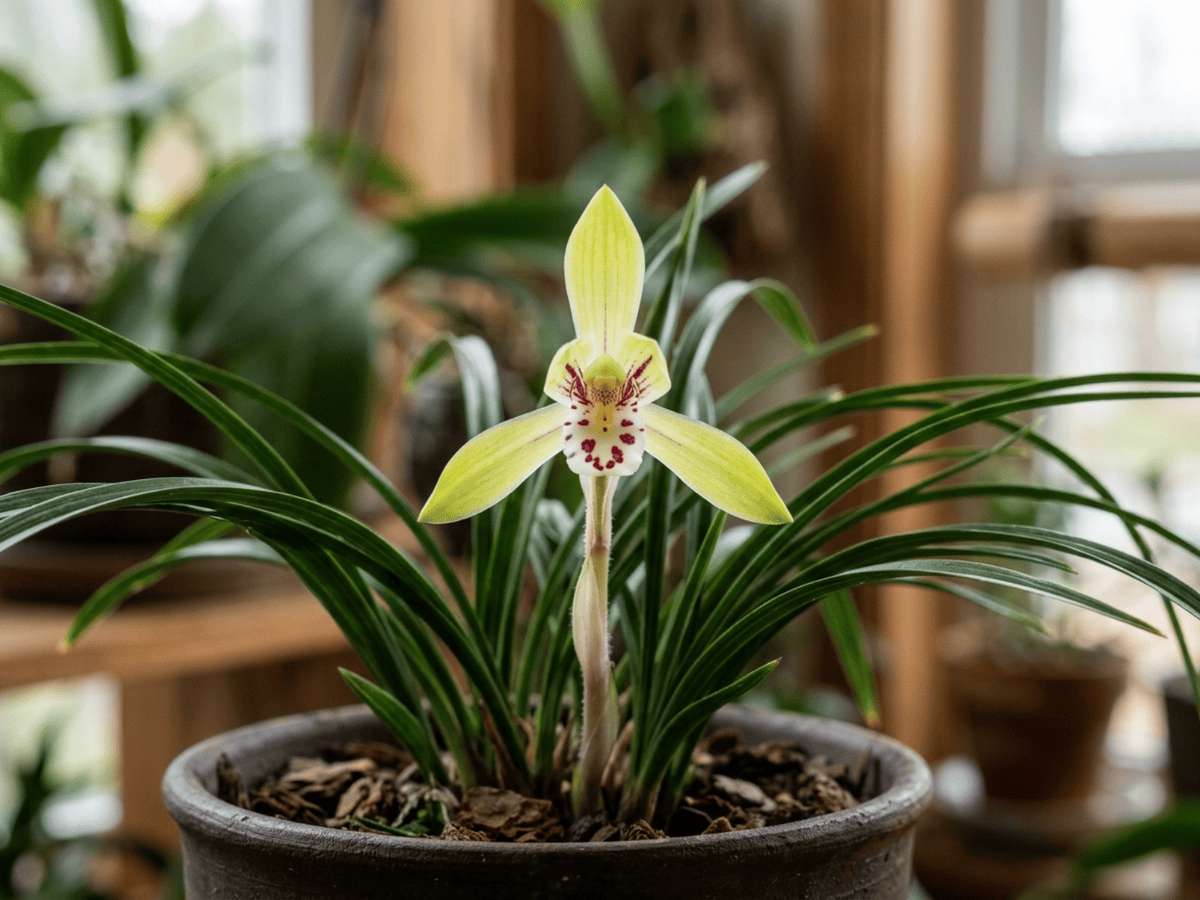
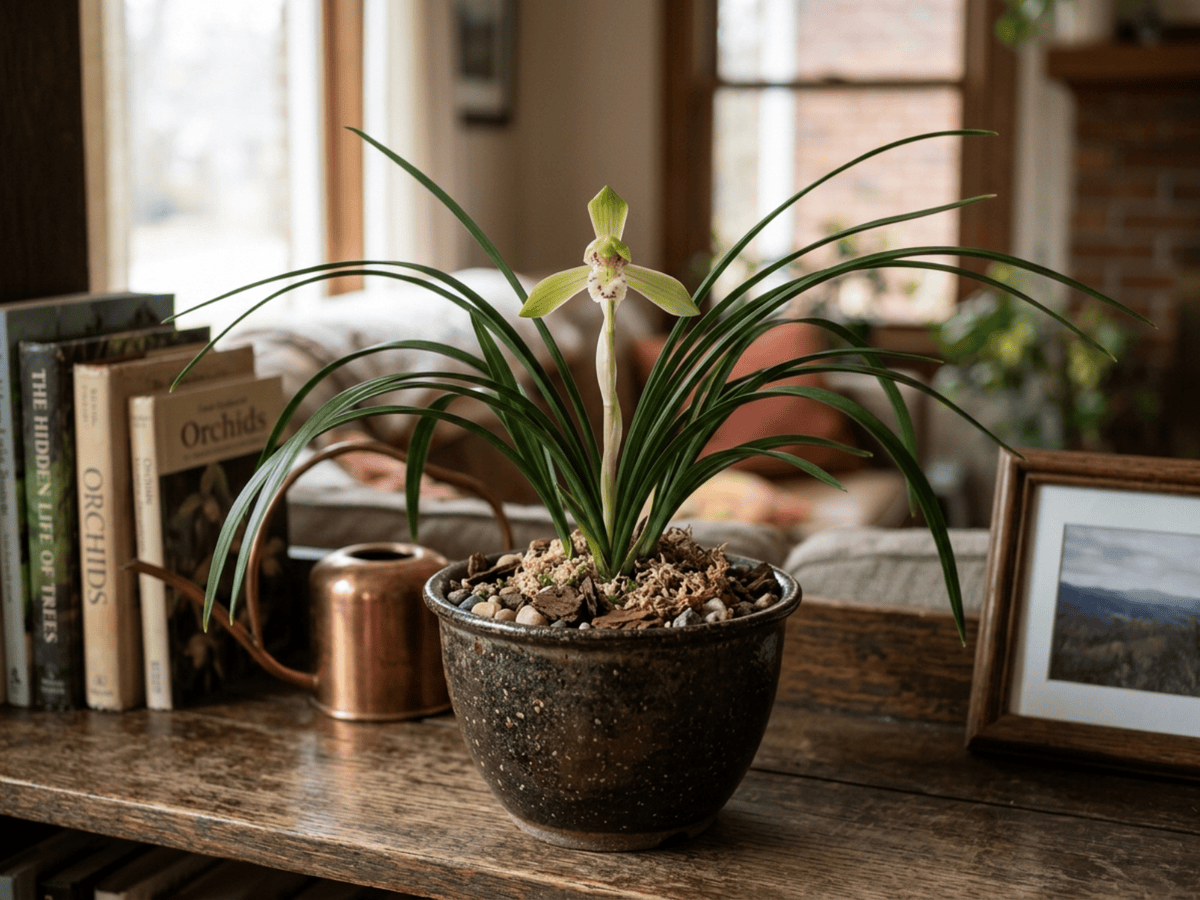
Cymbidium goeringii, the noble orchid or spring orchid, is a terrestrial orchid native to China, Japan, and Korea that holds extraordinary cultural significance as one of the 'Four Gentlemen' of Chinese painting alongside plum blossom, bamboo, and chrysanthemum. Growing in small clumps with long, grass-like arching leaves, it produces a single delicate flower per stem — typically green to yellowish with reddish-brown markings — that emits a refined, sweet fragrance described as the quintessence of elegance in Chinese aesthetics. Confucius himself praised the orchid's fragrance as the model of a noble person's character. In East Asian culture, collecting and cultivating noble orchids has been an elite pursuit for over 2,000 years, with rare varieties commanding extraordinary prices. It grows naturally in forest understories and thrives in cool temperatures with excellent air circulation.
- Fragrant
How to care for Noble Orchid
Watering
- Springevery 5 days
- Summerevery 3 days
- Fallevery 5 days
- Winterevery 10 days
Soil · Airy & open
- Single layerOrchid bark + charcoal100%
No soil at all — orchid roots need air moving around them.
FERTILIZER
Balanced Feed 14-14-14
An even feed covers all three needs at once, keeping leaves, roots and blooms moving together with nothing pushed out of balance.
- Nitrogen · Leaves
- Phosphorus · Roots + Blooms
- Potassium · Strength
- Springevery 30 days
- Summerevery 30 days
- Fallevery 30 days
At a Glance
- NativeEast Asia
- Height1–1.5 ft (0.3–0.5 m)
- Spread1–1.5 ft (0.3–0.5 m)
- Flower colorGreen, Yellow, Red
- Foliage colorGreen, Variegated
- SoilAcidic, Well-drained
- LocationsIndoor · Yard
Bloom time
BLOOM CYCLE
Peak bloom
Dec–May
Single fragrant flower per stem in late winter to spring; needs cool winter rest period (5–10°C) to trigger blooming
Fragrance
LIGHT FRAGRANCE
Subtle complex fragrance famously celebrated in Chinese literature — the "scent of the empty valley.".
Toxicity
No toxicity has been reported for this plant. Still, it is wise to keep pets from chewing on any houseplant.
Educational information, not medical or veterinary advice. If exposure is suspected, contact a doctor or veterinarian.
DISTRIBUTION


- Native
- East Asia
History
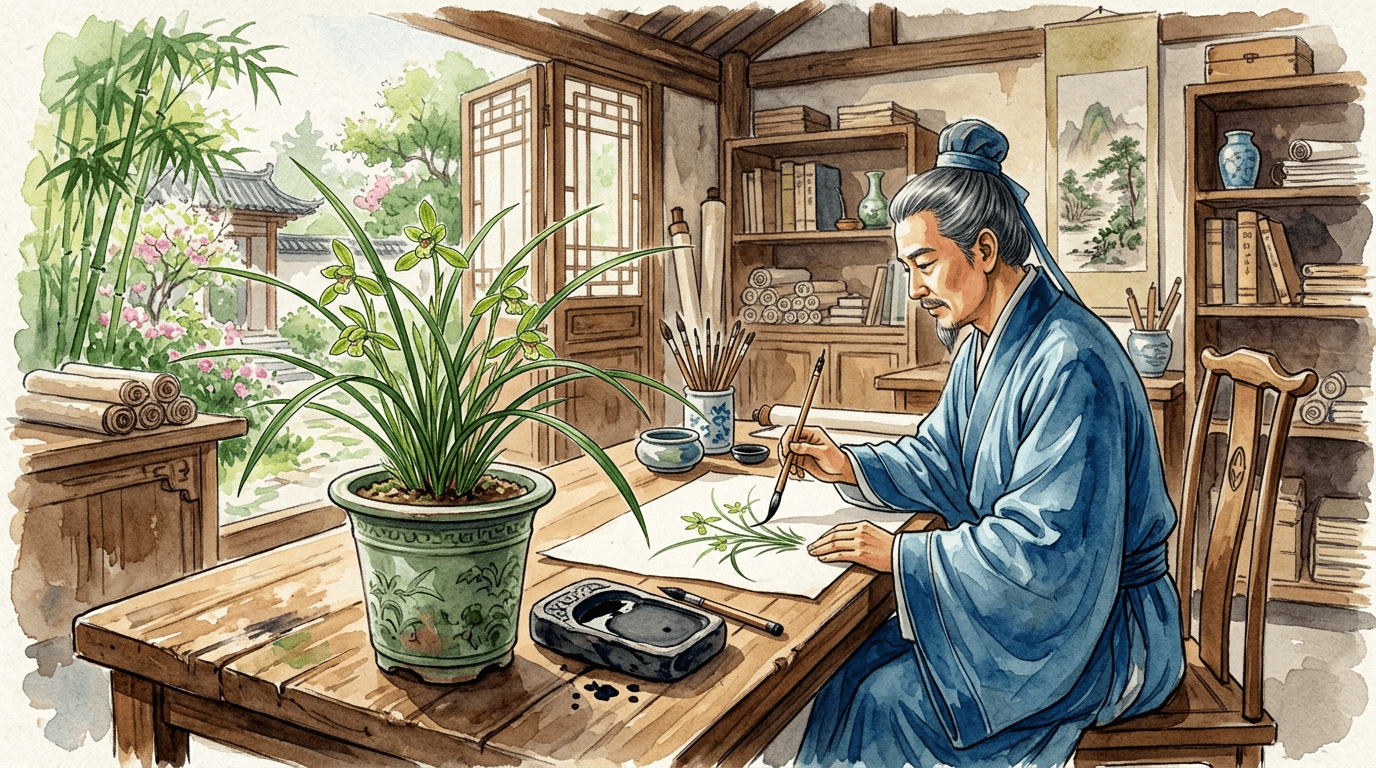
Cymbidium goeringii is the restrained spring orchid of classical East Asian culture, native to temperate forests of China, Japan, Korea, and Taiwan. Unlike the flamboyant tropical orchids that dominate Western floristry, it carries narrow grass-like leaves and small greenish flowers prized for subtle fragrance. In Chinese literature this is the orchid of the scholar-gentleman: a plant whose perfume in an empty valley became a metaphor for virtue that does not depend on applause.
It is one of the Four Gentlemen of brush painting, representing spring alongside bamboo, plum, and chrysanthemum in the classical moral landscape of Chinese art. Cultivation traditions in China and Japan produced named selections with variegated leaves, unusual flower forms, and intense fragrance, some commanding high prices among connoisseurs.
The plant is difficult outside its climate range, needing cool moist winters, dappled shade, and airy organic soil.
Symbolism & meaning
What It Symbolizes
The Noble Orchid is the orchid of integrity in Chinese tradition, its quiet fragrance compared by Confucius to the moral virtue of a noble person who needs no audience to remain upright. Refinement runs through every line of leaf and petal — a plant honored for centuries by scholars as a companion in their pursuit of inner cultivation. To keep one is to keep an old standard of grace nearby.
- Integrity — Confucius compared its quiet fragrance to a noble person's moral virtue
- Refinement — represents scholarly cultivation and the pursuit of inner beauty
Where the Name Comes From
'Cymbidium' from Greek 'kymbe' (boat), referring to the lip shape. 'Goeringii' honors Karl Goering, a 19th-century German plant collector in Japan.
Uses & Fun Facts
- Delicate blossoms prized for refined orchid fragrance
- Revered orchid in Chinese and Japanese literati traditions
- Cool-growing terrestrial orchid for shaded patio pots
Related plants
Plants with similar care
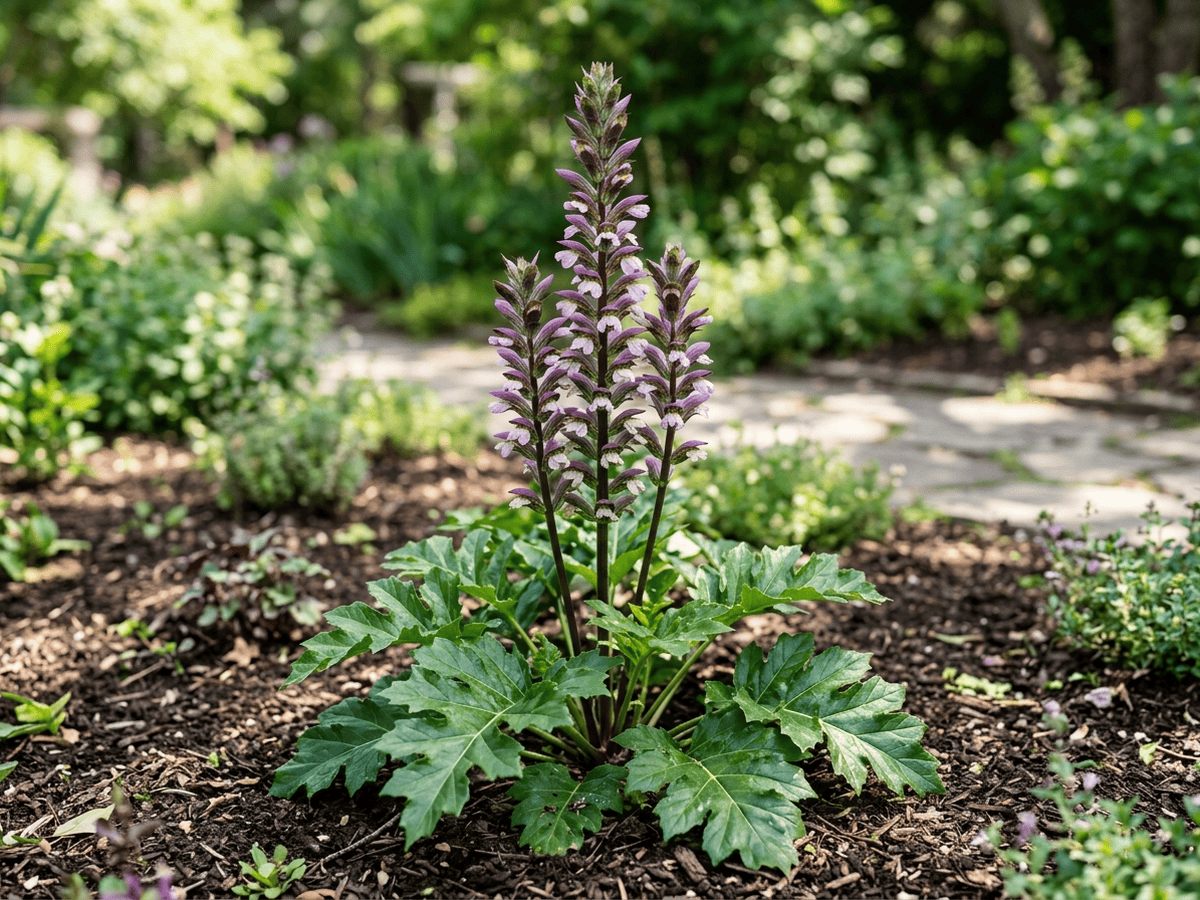 Bear's BreechesAcanthus mollis
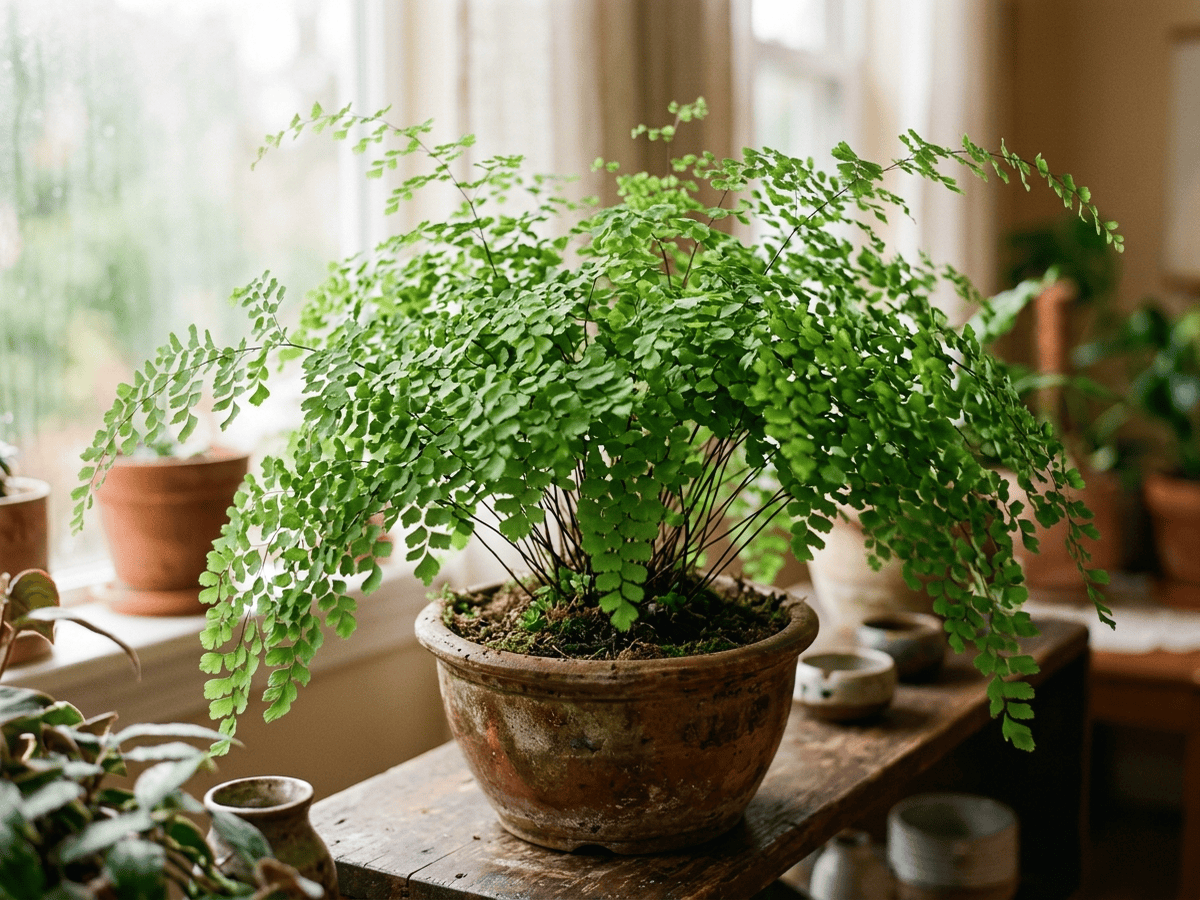 Delta Maidenhair FernAdiantum raddianum
 African Mask PlantAlocasia amazonica
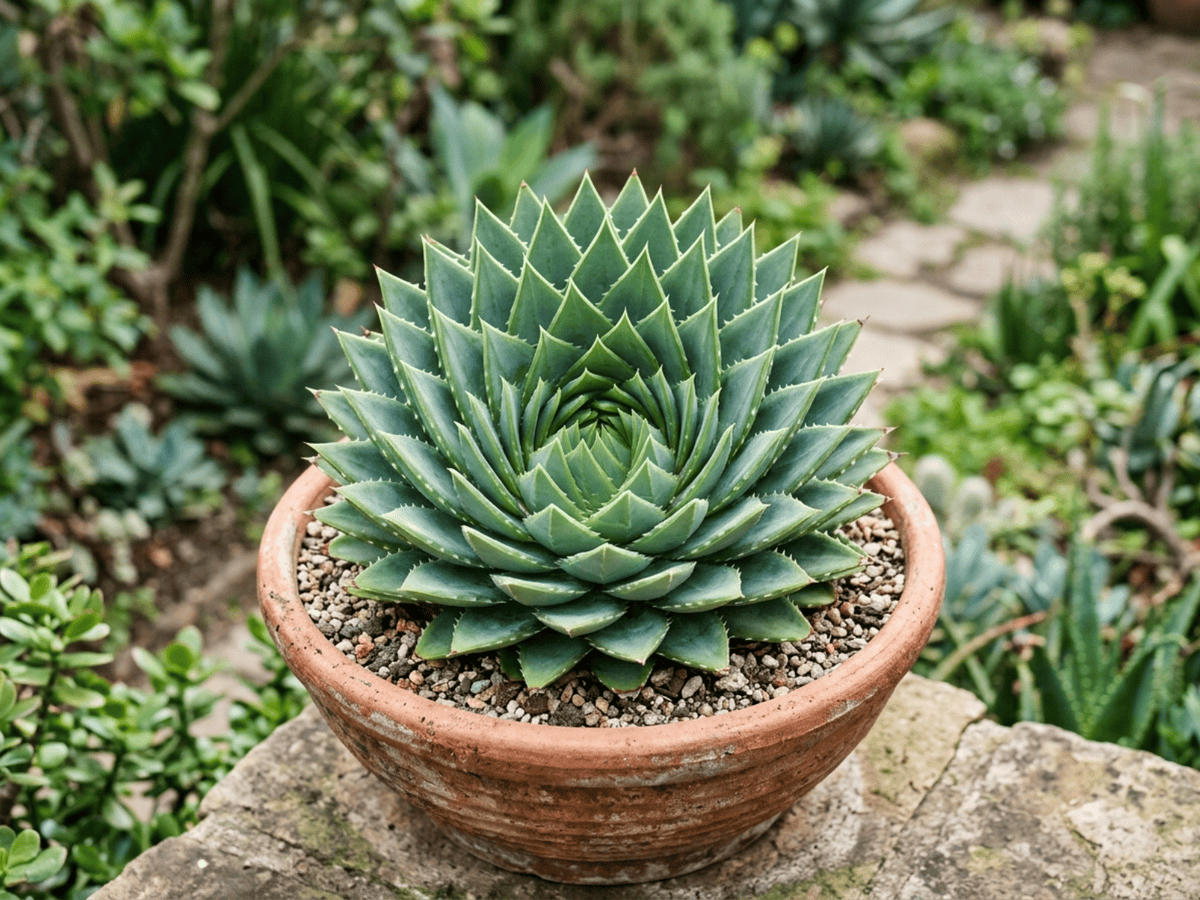 Spiral AloeAloe polyphylla
Frequently asked questions
How often should I water Noble Orchid?
In summer, water about every 3 days; in winter, about every 10 days. Adjust for heat, pot size and drainage.
How much light does Noble Orchid need?
Part shade: 2–4 hrs direct. Watch the leaves — scorching or stretching means the light needs adjusting.
Is Noble Orchid toxic to cats or dogs?
No toxicity has been reported for this plant. Still, it is wise to keep pets from chewing on any houseplant. Educational information, not medical or veterinary advice. If exposure is suspected, contact a doctor or veterinarian.
Is Noble Orchid easy to grow?
It is considered challenging and rewards experienced growers.
Can Noble Orchid be grown indoors?
Yes, it adapts well to indoor growing given the right light.
When does Noble Orchid bloom?
It typically blooms Dec–May in the Northern Hemisphere.
YardMate
Identify any plant in seconds
Snap a photo — YardMate names the plant, diagnoses problems, and reminds you when to water.
Download on the App Store