 YardMate


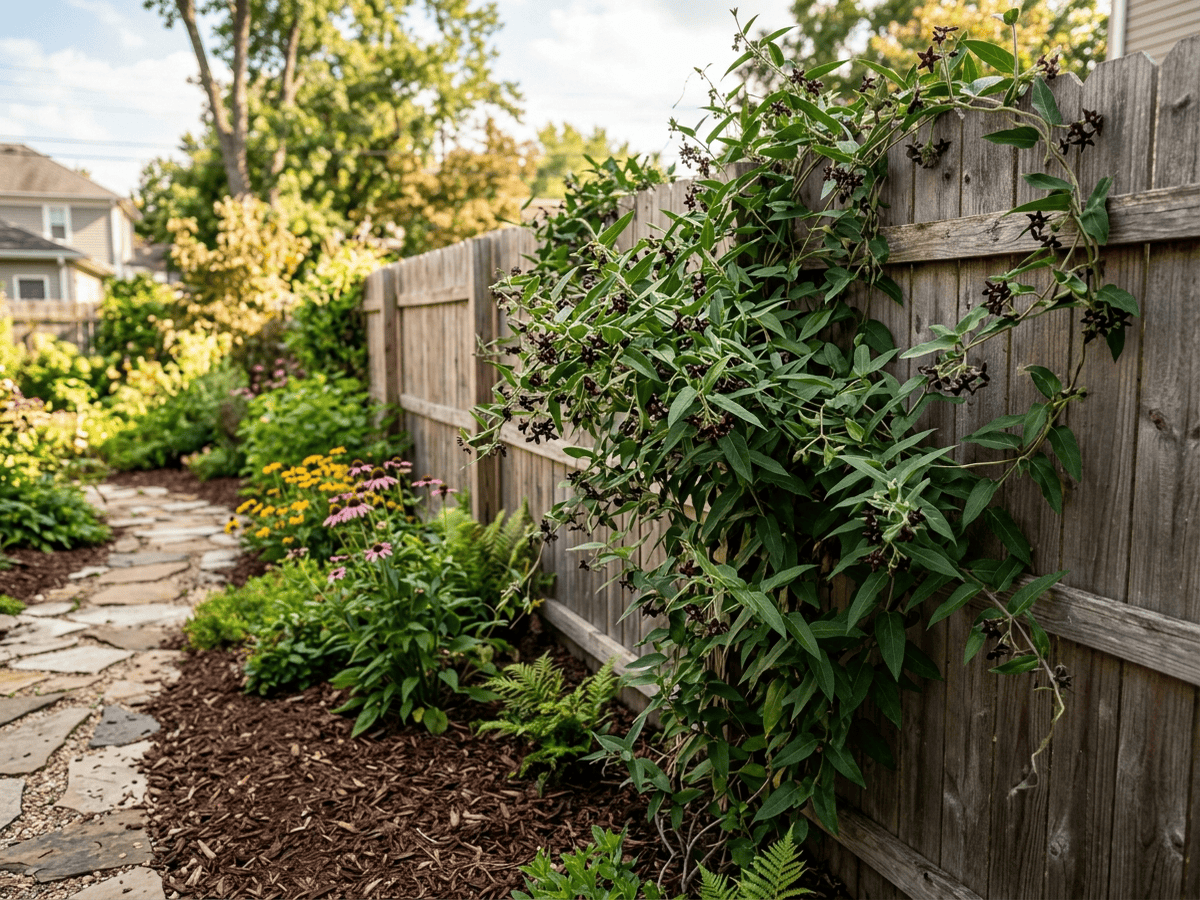
Black Swallow-Wort
Cynanchum louiseae
Easy · Beginner friendlyAbout Black Swallow-Wort
Black Swallow-wort is a European twining perennial vine increasingly invasive across the northeastern and midwestern US, forming dense mats in fields, forest edges, and along roadsides. Growing 3 to 6 feet long on twining stems with opposite oval leaves and small dark purple to nearly black star-shaped flowers, it lures female monarch butterflies to lay eggs on it, but the caterpillars die on the foliage. Listed as noxious in Massachusetts, New York, and Wisconsin.
- Climbing
How to care for Black Swallow-Wort
Watering
- Springevery 14 days
- Summerevery 10 days
- Fallevery 14 days
- Winterevery 30 days
Soil · Well-draining
- Top dressingPine bark mulch10%
- Main mixPotting soil + perlite 2:170%
- DrainageLECA / gravel20%
Never skip the drainage layer — standing water is the top cause of root rot.
FERTILIZER
This plant needs little to no feeding.
At a Glance
- NativeMediterranean
- Height6–15 ft (1.8–4.6 m)
- Spread6–10 ft (1.8–3 m)
- Flower colorPurple
- Foliage colorGreen
- SoilWell-drained, Loamy
- LocationsYard
Bloom time
BLOOM CYCLE
Peak bloom
May–Aug
Small dark purple-black star flowers early summer
Toxicity
Humans Moderate · Pets Moderate
antofine and vincetoxin
Moderate
- Leaf
- Stem
- Root
- Ingestion
EXPOSURE Eating leaves, stems, and roots.
EFFECT Vomiting and diarrhea.
NOTE Contains cardenolide-like compounds; livestock avoid it.
Moderate
- Leaf
- Stem
- Root
- Ingestion
EXPOSURE Eating leaves, stems, and roots.
EFFECT Vomiting and diarrhea.
NOTE Contains cardenolide-like compounds; livestock avoid it.
Moderate
- Leaf
- Stem
- Root
- Ingestion
EXPOSURE Eating leaves, stems, and roots.
EFFECT Vomiting and diarrhea.
NOTE Contains cardenolide-like compounds; livestock avoid it.
Educational information, not medical or veterinary advice. If exposure is suspected, contact a doctor or veterinarian.
DISTRIBUTION


- Native
- Introduced
- Mediterranean
History

Cynanchum louiseae (syn. Vincetoxicum nigrum), black swallow-wort, is a perennial twining vine in the milkweed subfamily native to the western Mediterranean basin of France, Spain, Italy, and Portugal. It first appeared in Massachusetts before 1867 as a cultivated ornamental at the Cambridge Botanical Garden and has since spread through the northeastern United States, southern Ontario, and southern Quebec. The plant climbs two meters by twining, and its small dark purple flowers produce milkweed-like pods that release wind-borne silk-plumed seeds.
Monarch butterflies sometimes lay eggs on the foliage, but the caterpillars cannot develop on it, creating a damaging ecological trap as dense swallow-wort colonies replace native milkweeds. Control is extremely difficult because mowing stimulates root regrowth.
Native to Mediterranean Europe, Black Swallow-wort escaped from a Massachusetts botanical garden in the 1850s and is now rapidly spreading across the northeastern US. Related to milkweed but toxic to monarch caterpillars that hatch on it, it creates a devastating ecological trap for the declining monarch butterfly population.
Symbolism & meaning
What It Symbolizes
Black Swallow-Wort is a dark lesson in mistaken welcome. Monarch butterflies may choose it as if it were milkweed, but their young cannot live on it. The vine's symbolism is false refuge: a green invitation that turns into ecological betrayal.
- Monarch's doom — ecological trap killing monarch caterpillars
- Dog strangler — historic use as canine poison
Where the Name Comes From
The common name highlights its dark coloring. 'Cynanchum' comes from Greek 'kyon-anchein' meaning to strangle dogs, a harsh old name tied to animal danger; 'louiseae' honors Louise Schrader Beebe (1863-1941).
Related plants
Plants with similar care
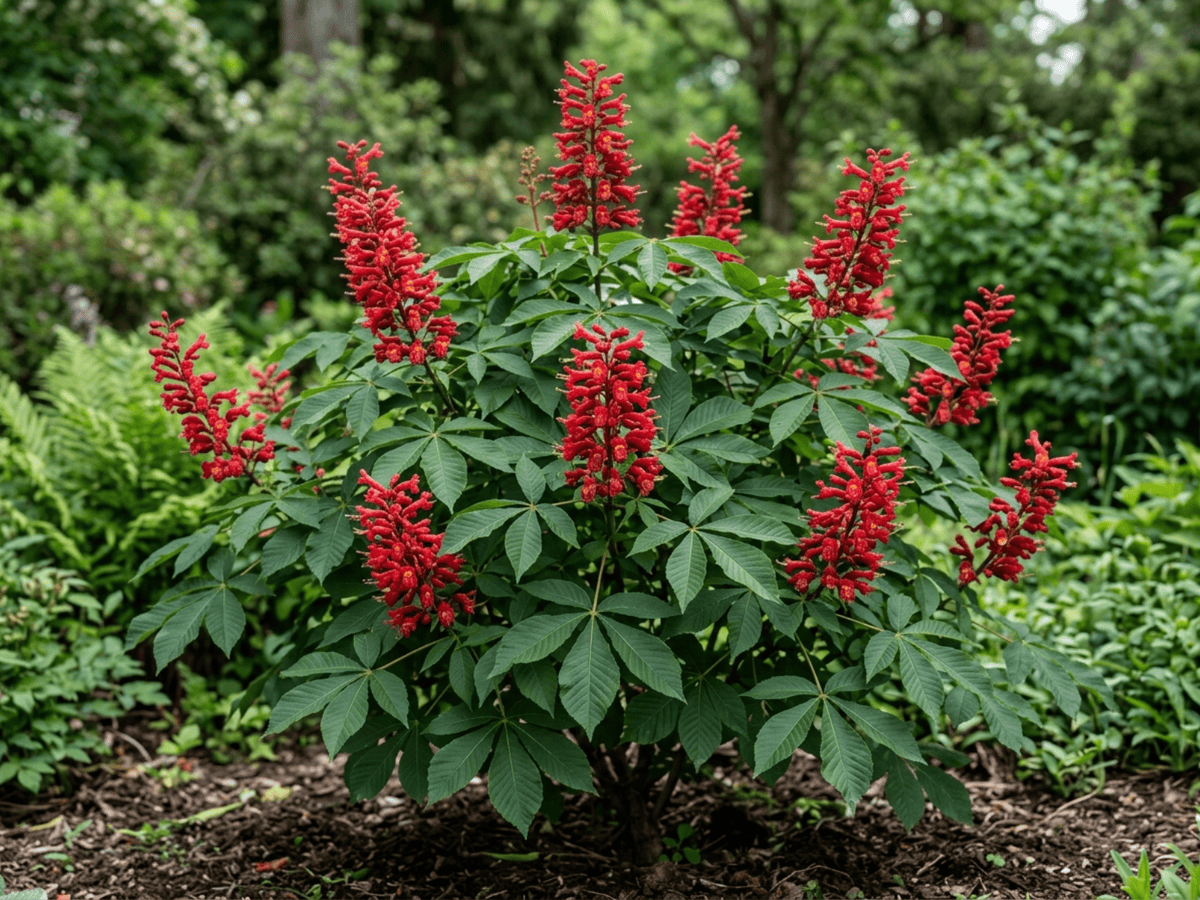 Red BuckeyeAesculus pavia
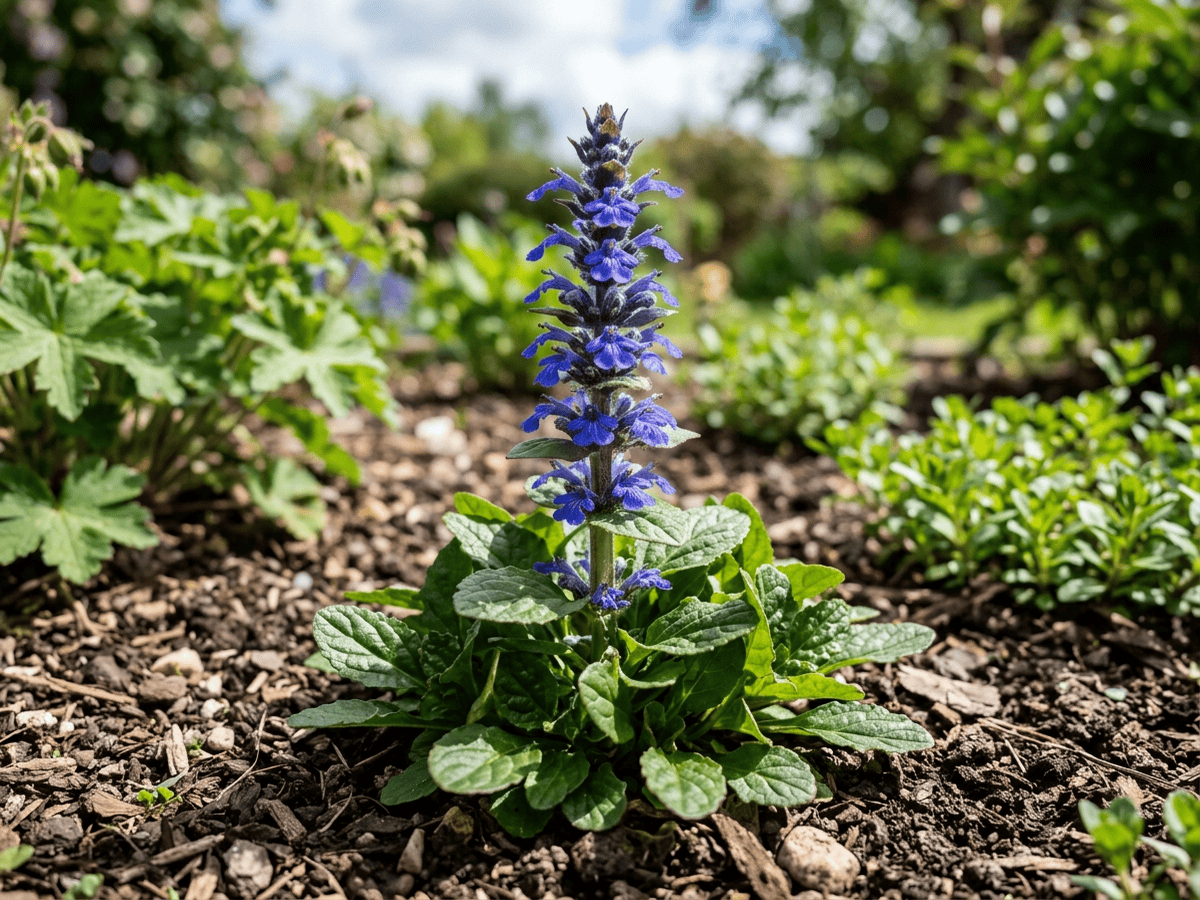 Blue BugleAjuga genevensis
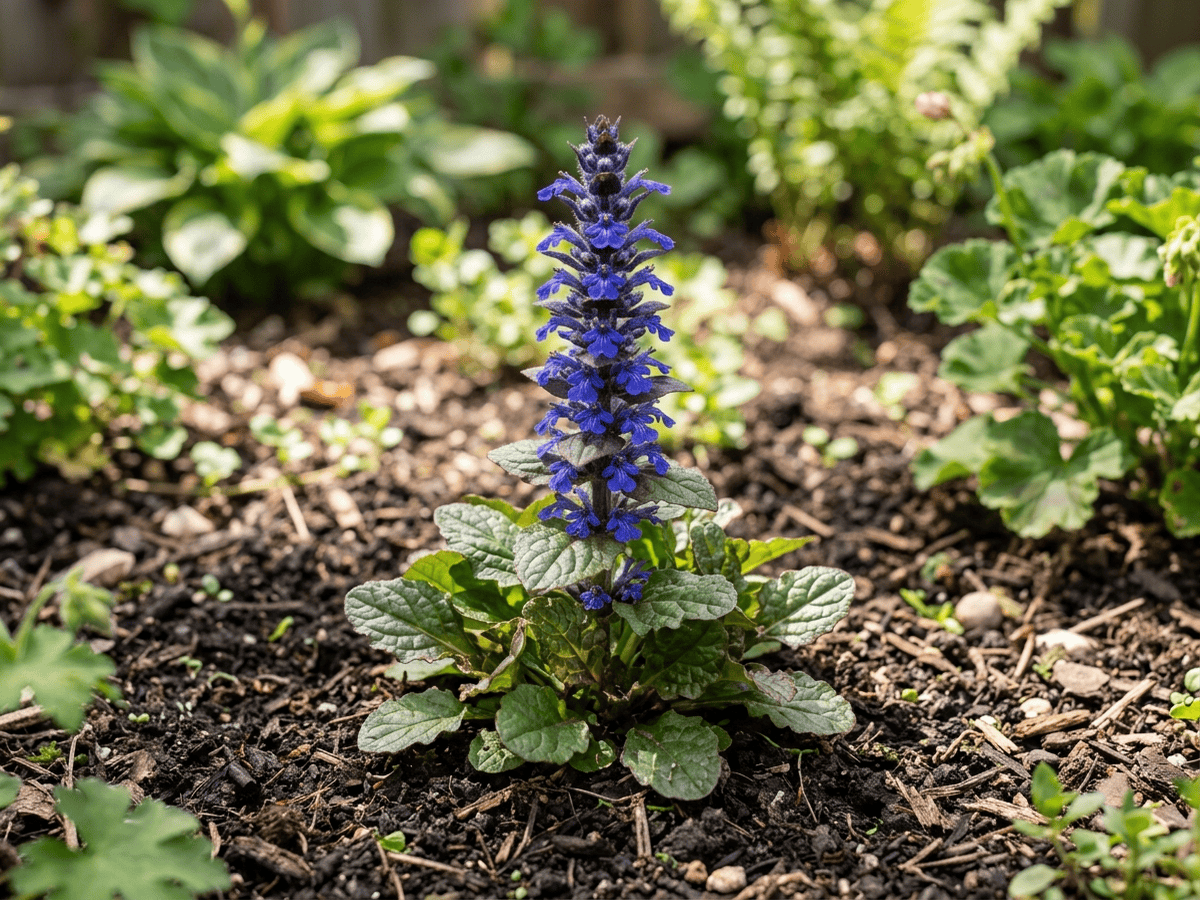 Pyramidal BugleAjuga pyramidalis
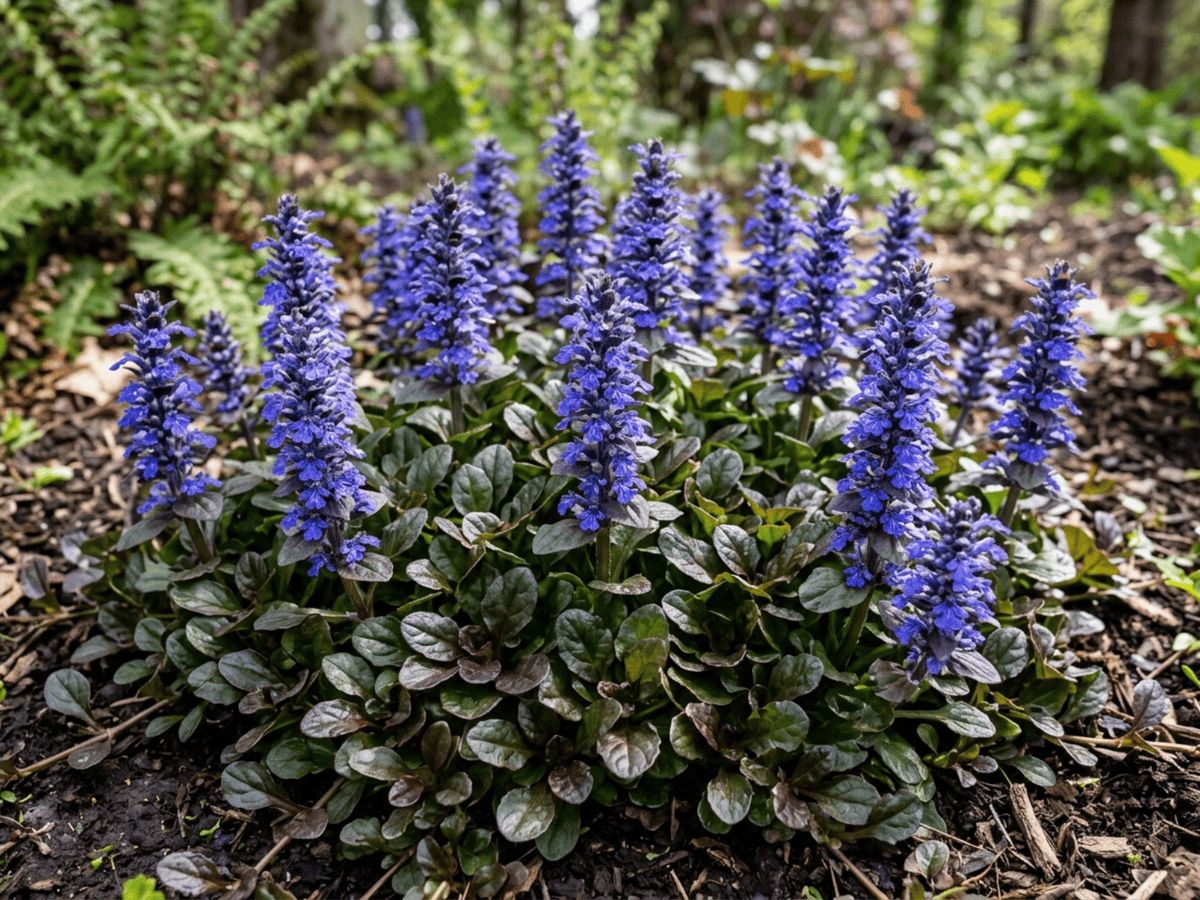 Carpet BugleAjuga reptans
Frequently asked questions
How often should I water Black Swallow-Wort?
In summer, water about every 10 days; in winter, about every 30 days. Adjust for heat, pot size and drainage.
How much light does Black Swallow-Wort need?
Part shade: 2–4 hrs direct. Watch the leaves — scorching or stretching means the light needs adjusting.
Is Black Swallow-Wort toxic to cats or dogs?
Pets Moderate (Dogs Moderate · Cats Moderate) Educational information, not medical or veterinary advice. If exposure is suspected, contact a doctor or veterinarian.
Is Black Swallow-Wort easy to grow?
Yes — it is considered an easy, beginner-friendly plant.
When does Black Swallow-Wort bloom?
It typically blooms May–Aug in the Northern Hemisphere.
YardMate
Identify any plant in seconds
Snap a photo — YardMate names the plant, diagnoses problems, and reminds you when to water.
Download on the App Store