 YardMate


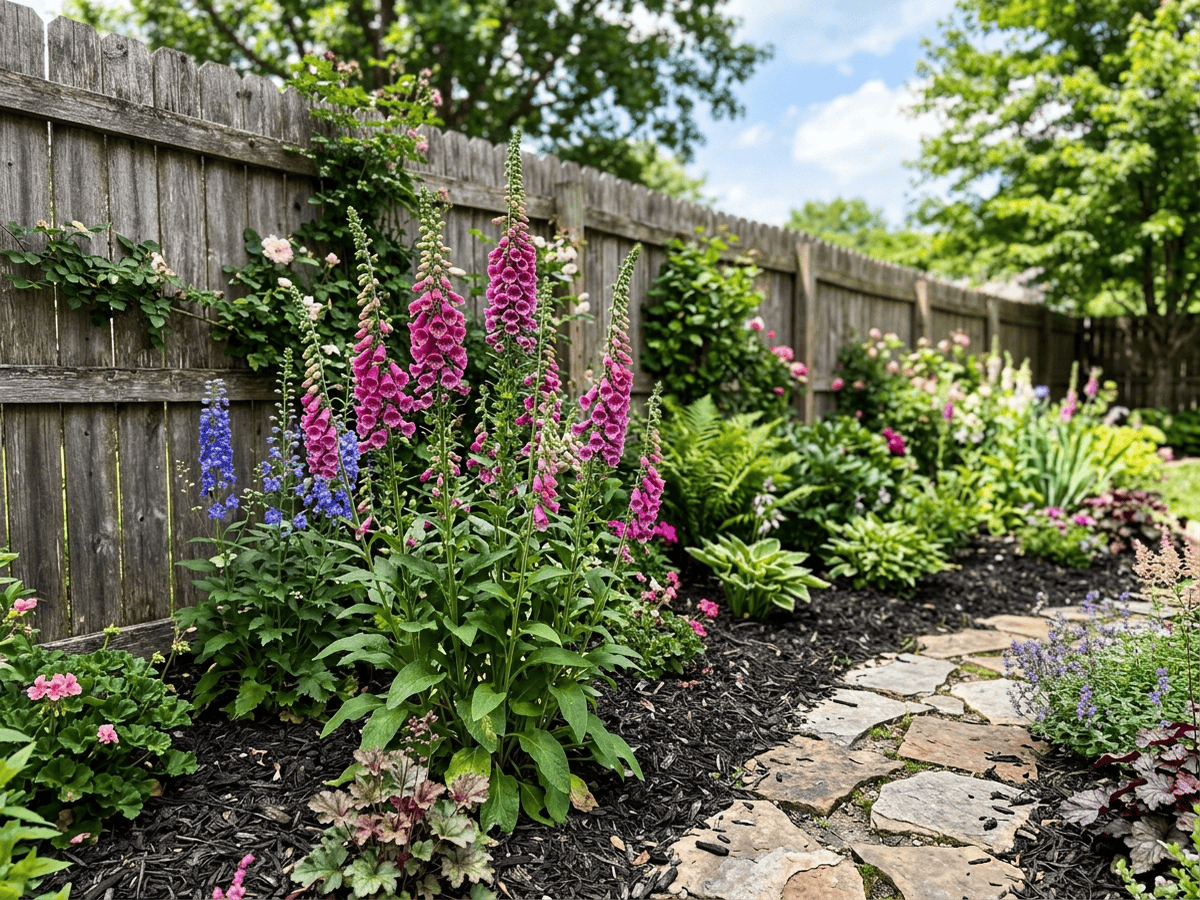
Common Foxglove
Digitalis purpurea
Easy · Beginner friendlyAbout Common Foxglove
Digitalis purpurea, the foxglove, is a majestic biennial producing tall spires of tubular, spotted flowers in purple, pink, white, and yellow. Each bell-shaped flower is speckled inside with dark spots that guide bee pollinators to the nectar. Native to western Europe, it grows 1–1.5 meters tall and naturalizes in woodland edges and cottage gardens. Despite its beauty, every part is dangerously toxic — it contains cardiac glycosides that are both deadly poison and life-saving medicine. The 'Excelsior' and 'Camelot' series are popular garden selections.
- Medicinal
- Shade-tolerant
How to care for Common Foxglove
Watering
- Springevery 5 days
- Summerevery 3 days
- Fallevery 7 days
- Winterevery 14 days
Soil · Well-draining
- Top dressingPine bark mulch10%
- Main mixPotting soil + perlite 2:170%
- DrainageLECA / gravel20%
Never skip the drainage layer — standing water is the top cause of root rot.
FERTILIZER
Balanced Feed 14-14-14
An even feed covers all three needs at once, keeping leaves, roots and blooms moving together with nothing pushed out of balance.
- Nitrogen · Leaves
- Phosphorus · Roots + Blooms
- Potassium · Strength
- Springevery 21 days
- Summerevery 21 days
At a Glance
- NativeEurope
- Height2–5 ft (0.6–1.5 m)
- Spread1–2 ft (0.3–0.6 m)
- Flower colorPurple, Pink, White, Yellow
- Foliage colorGreen
- SoilLoamy, Moisture-retentive, Acidic
- LocationsYard
Bloom time
BLOOM CYCLE
Peak bloom
Mar–Aug
Tall spires late spring to early summer; biennial — plant two years in a row for annual display
Fragrance
NO FRAGRANCE
No notable fragrance.
Toxicity
Humans Toxic · Pets Toxic
cardiac glycosides (digoxin, digitoxin, gitoxin)
Toxic
- All
- Ingestion
EXPOSURE Eating any part of the plant.
EFFECT Nausea, vomiting, visual disturbance (yellow halos), bradycardia, fatal arrhythmia and historically fatal to foragers mistaking it for comfrey.
NOTE Documented concern for humans: Nausea, vomiting, visual disturbance (yellow halos), bradycardia, fatal arrhythmia and historically fatal to foragers mistaking it for comfrey.
Toxic
- All
- Ingestion
EXPOSURE Eating any part of the plant.
EFFECT Vomiting, bloody diarrhea, cardiac arrhythmia, cardiac arrest.
NOTE All parts highly toxic. ASPCA lists Digitalis as toxic to dogs, cats, horses. Source of the cardiac drug digoxin — therapeutic window is narrow.
Toxic
- All
- Ingestion
EXPOSURE Eating any part of the plant.
EFFECT Vomiting, cardiac arrhythmia, cardiac arrest.
NOTE All parts highly toxic. ASPCA lists Digitalis as toxic to dogs, cats, horses. Source of the cardiac drug digoxin — therapeutic window is narrow.
Educational information, not medical or veterinary advice. If exposure is suspected, contact a doctor or veterinarian.
DISTRIBUTION

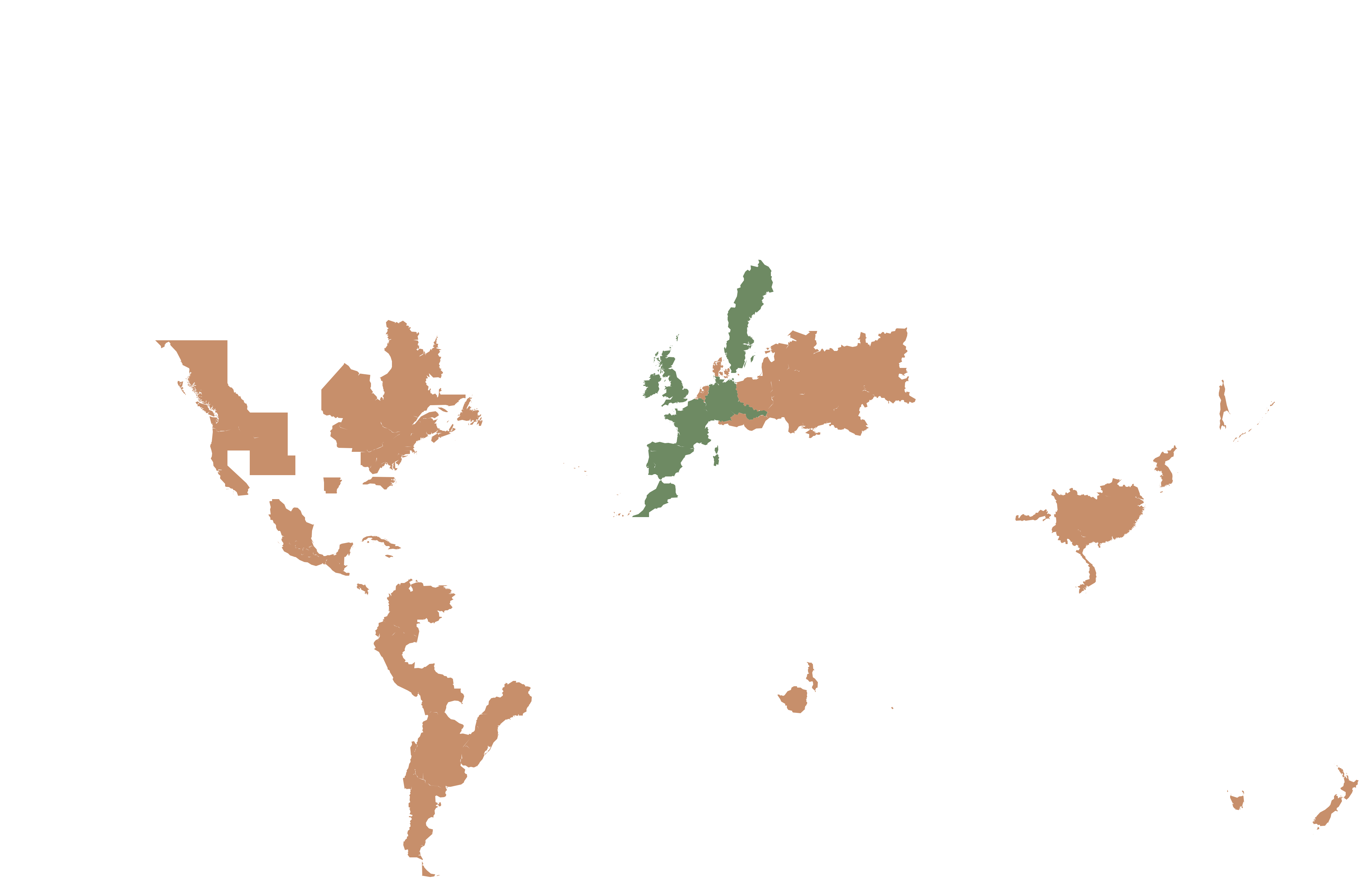
- Native
- Introduced
- Europe
History
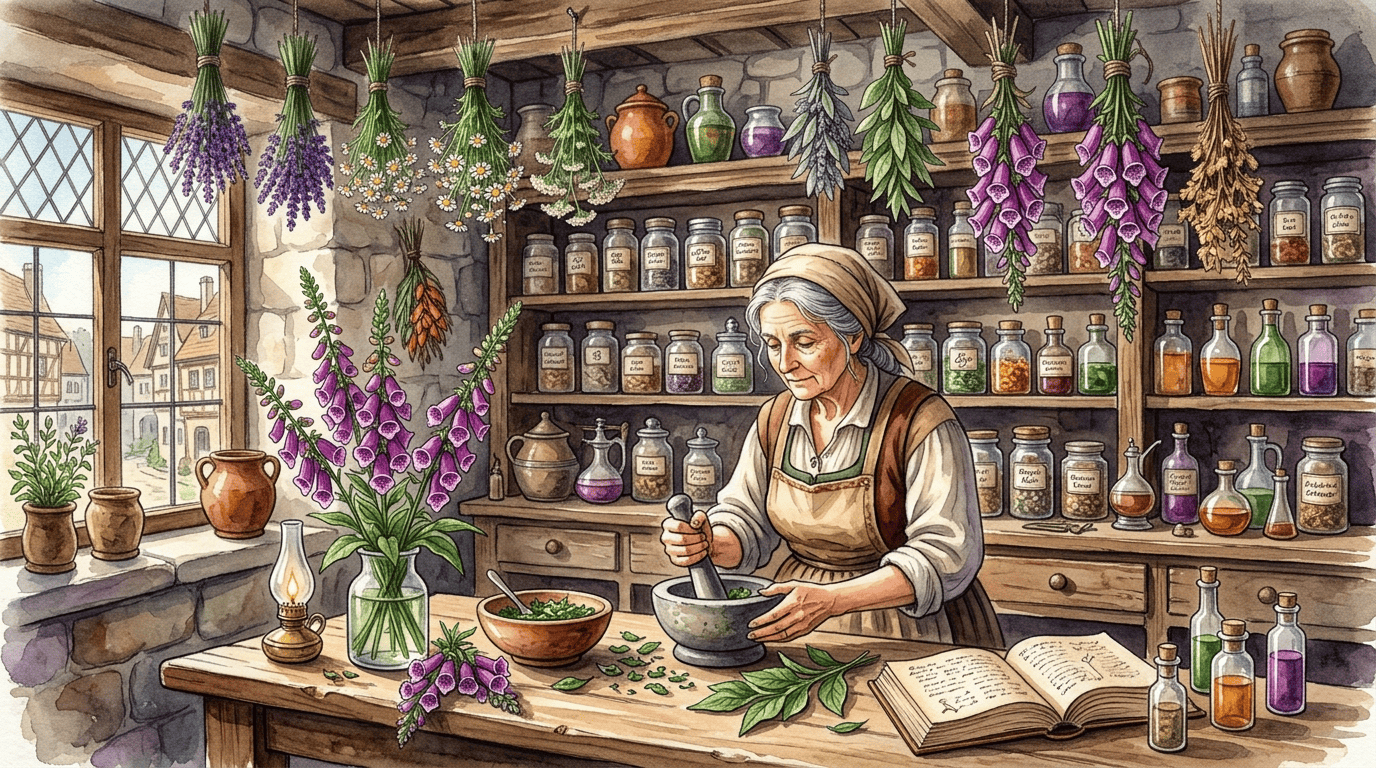
Digitalis purpurea is native to western Europe, from the British Isles through the Iberian Peninsula. Its English name foxglove appears in Anglo-Saxon herbals; the Latin name Digitalis ("finger-like") was coined by Leonhart Fuchs in 1542. The pivotal moment in its history came in 1775 when Birmingham physician William Withering learned from a Shropshire cunning-woman that a tea of foxglove leaves eased dropsy (congestive heart failure).
His 1785 monograph An Account of the Foxglove — documenting 163 cases, dosing, and the narrow therapeutic window — is considered a founding text of clinical pharmacology. The extracted glycosides digitoxin and digoxin became cornerstones of 20th-century cardiology. Vincent van Gogh's doctor Paul Gachet treated epilepsy with digitalis; some scholars attribute Van Gogh's yellow-vision period to its toxicity.
His systematic study, published in 1785, established digitalis as a cardiac medication — one of the most important drug discoveries in history. The common name 'foxglove' may derive from 'folk's glove' (fairy glove) — in Irish folklore, fairies gave the flowers to foxes to put on their paws so they could sneak silently into henhouses. Despite saving millions of lives, foxglove remains one of the most toxic garden plants.
Symbolism & meaning
What It Symbolizes
The foxglove is paradox in bloom. Tall spires of spotted bells look like woodland enchantment, yet the plant's cardiac chemistry made it one of history's most exacting botanical lessons. Its symbolism is precision: beauty that can help or harm depending on measure, context, and respect.
- Healing — Both deadly poison and life-saving medicine — representing the dual nature of powerful remedies
Where the Name Comes From
Digitalis from Latin 'digitabulum' (thimble), for the thimble-shaped flowers. Purpurea means 'purple.'
Uses & Fun Facts
- Source of cardiac glycosides digitoxin used historically for heart failure
- Spotted tubular flowers are favored bumblebee-pollinated cottage plants
- Stately flower spikes a defining vertical of cottage borders
Related plants
Plants with similar care
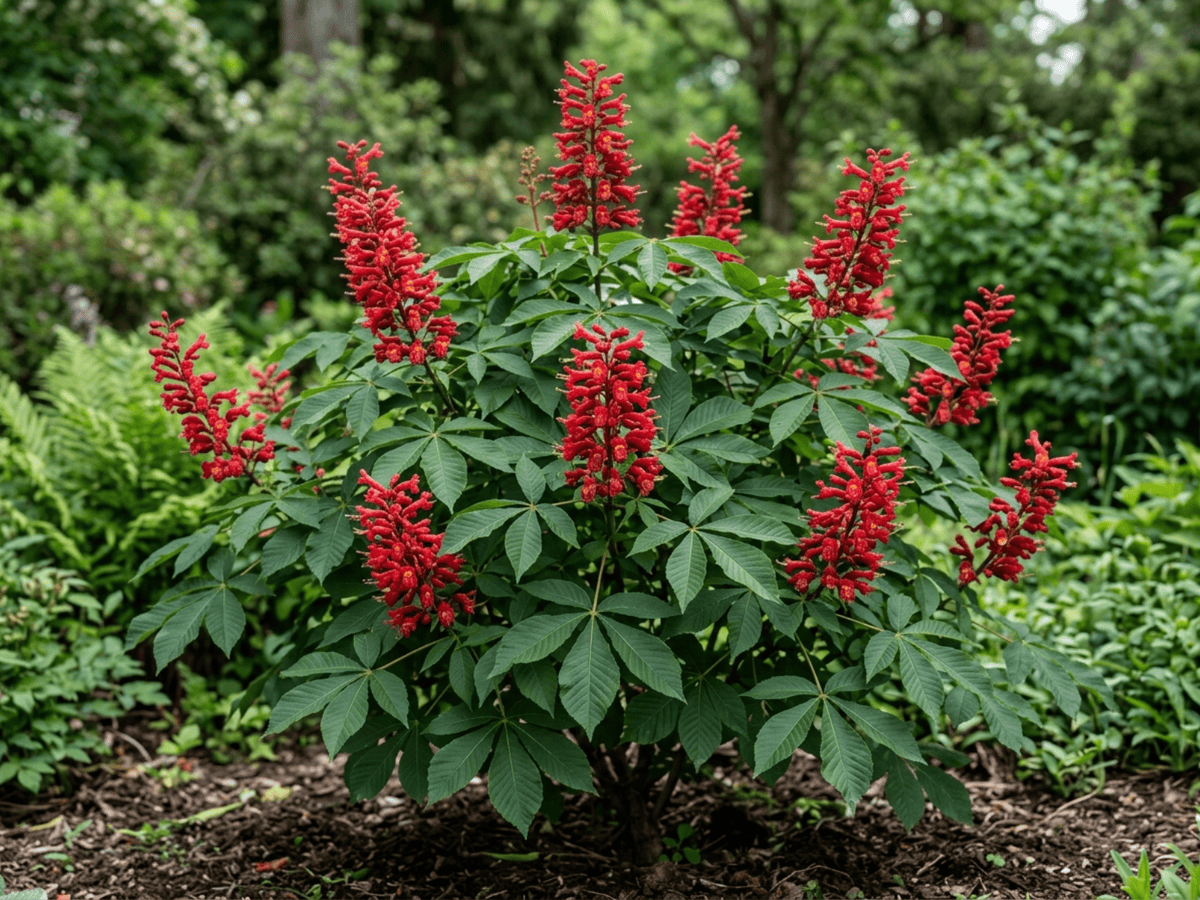 Red BuckeyeAesculus pavia
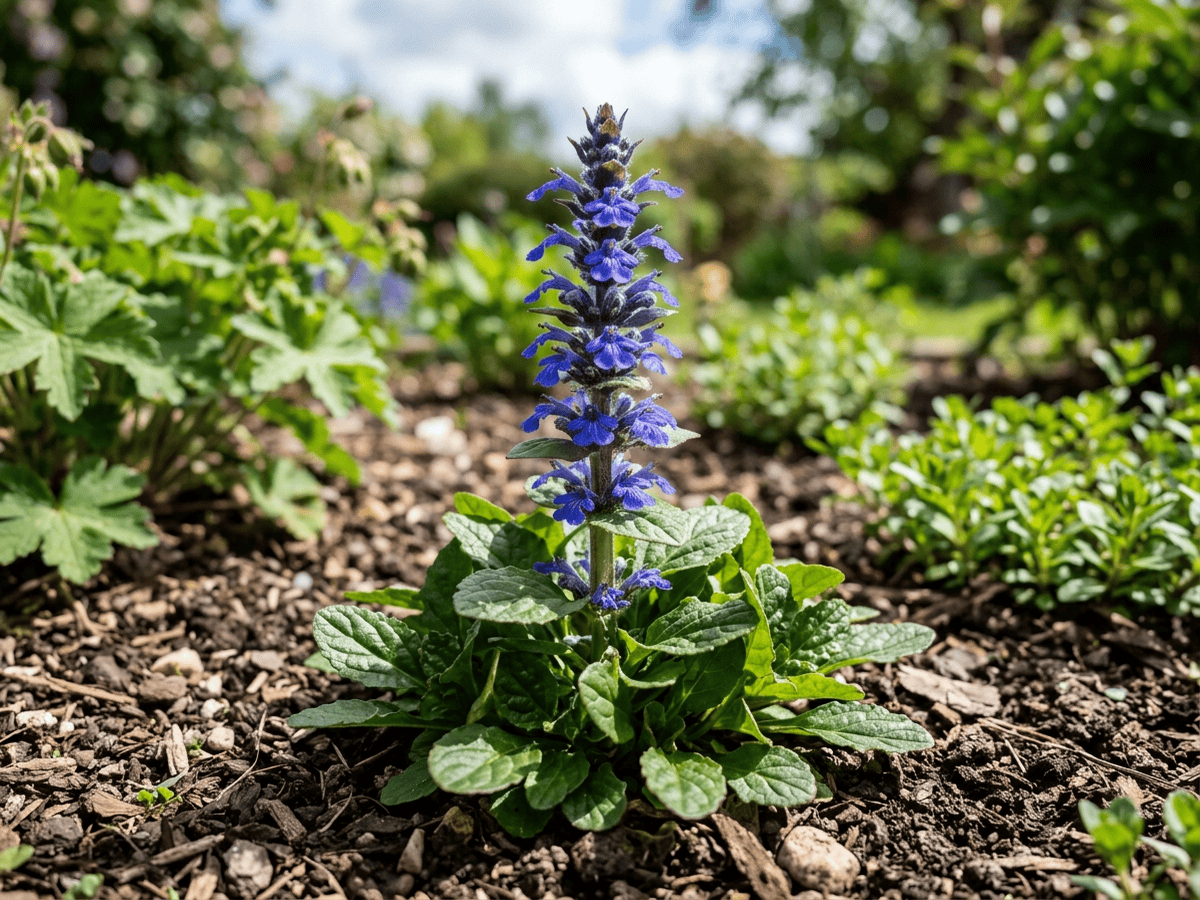 Blue BugleAjuga genevensis
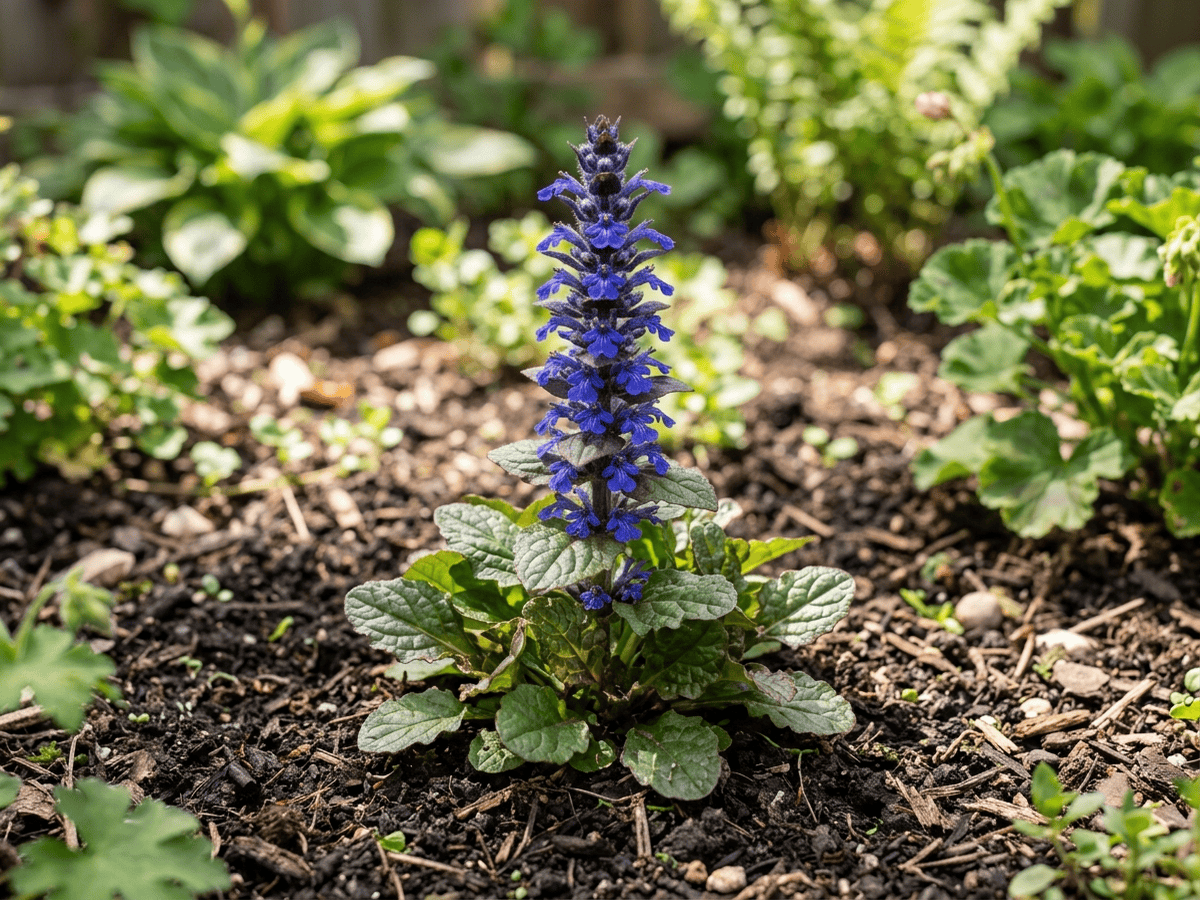 Pyramidal BugleAjuga pyramidalis
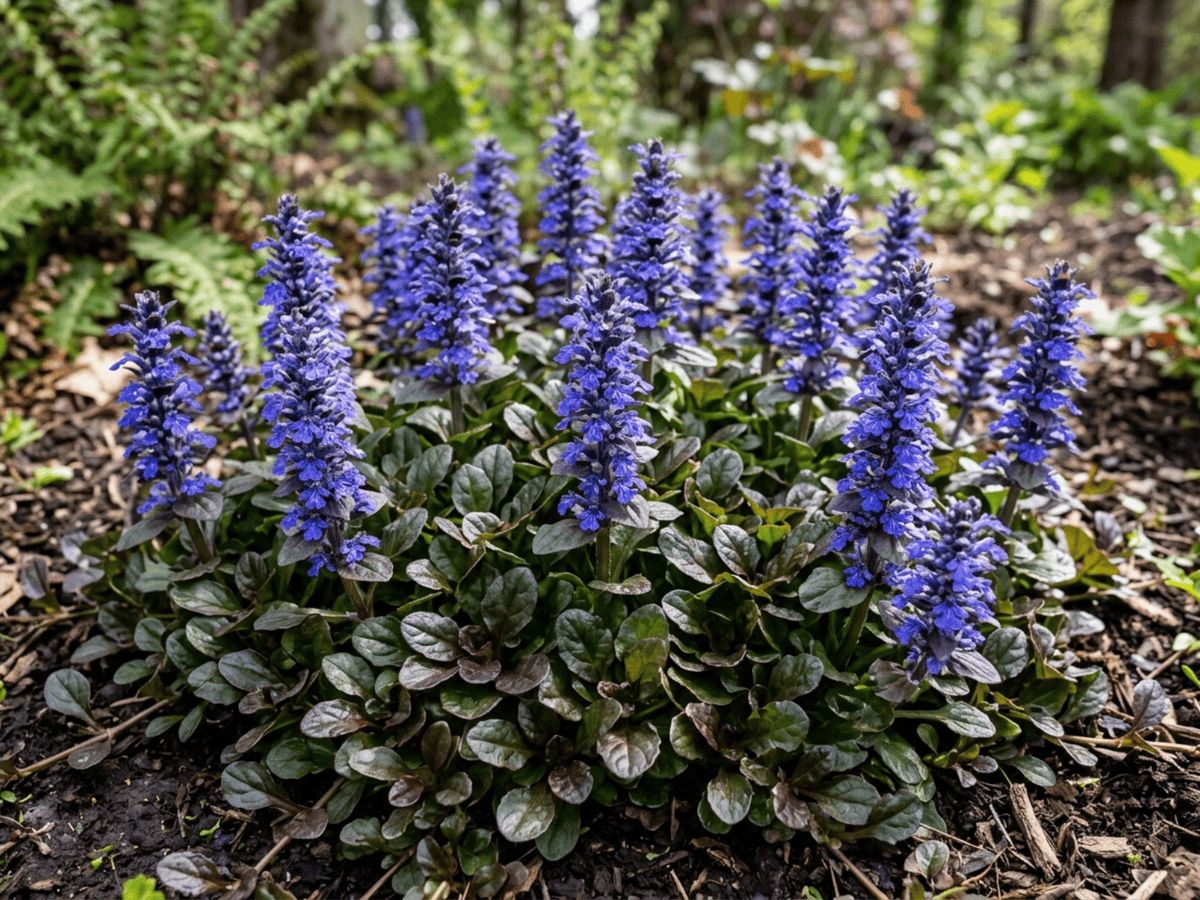 Carpet BugleAjuga reptans
Frequently asked questions
How often should I water Common Foxglove?
In summer, water about every 3 days; in winter, about every 14 days. Adjust for heat, pot size and drainage.
How much light does Common Foxglove need?
Part shade: 2–4 hrs direct. Watch the leaves — scorching or stretching means the light needs adjusting.
Is Common Foxglove toxic to cats or dogs?
Pets Toxic (Dogs Toxic · Cats Toxic) Educational information, not medical or veterinary advice. If exposure is suspected, contact a doctor or veterinarian.
Is Common Foxglove easy to grow?
Yes — it is considered an easy, beginner-friendly plant.
When does Common Foxglove bloom?
It typically blooms Mar–Aug in the Northern Hemisphere.
YardMate
Identify any plant in seconds
Snap a photo — YardMate names the plant, diagnoses problems, and reminds you when to water.
Download on the App Store