 YardMate


Umbrella Bamboo
Fargesia murielae
Easy · Beginner friendlyAbout Umbrella Bamboo
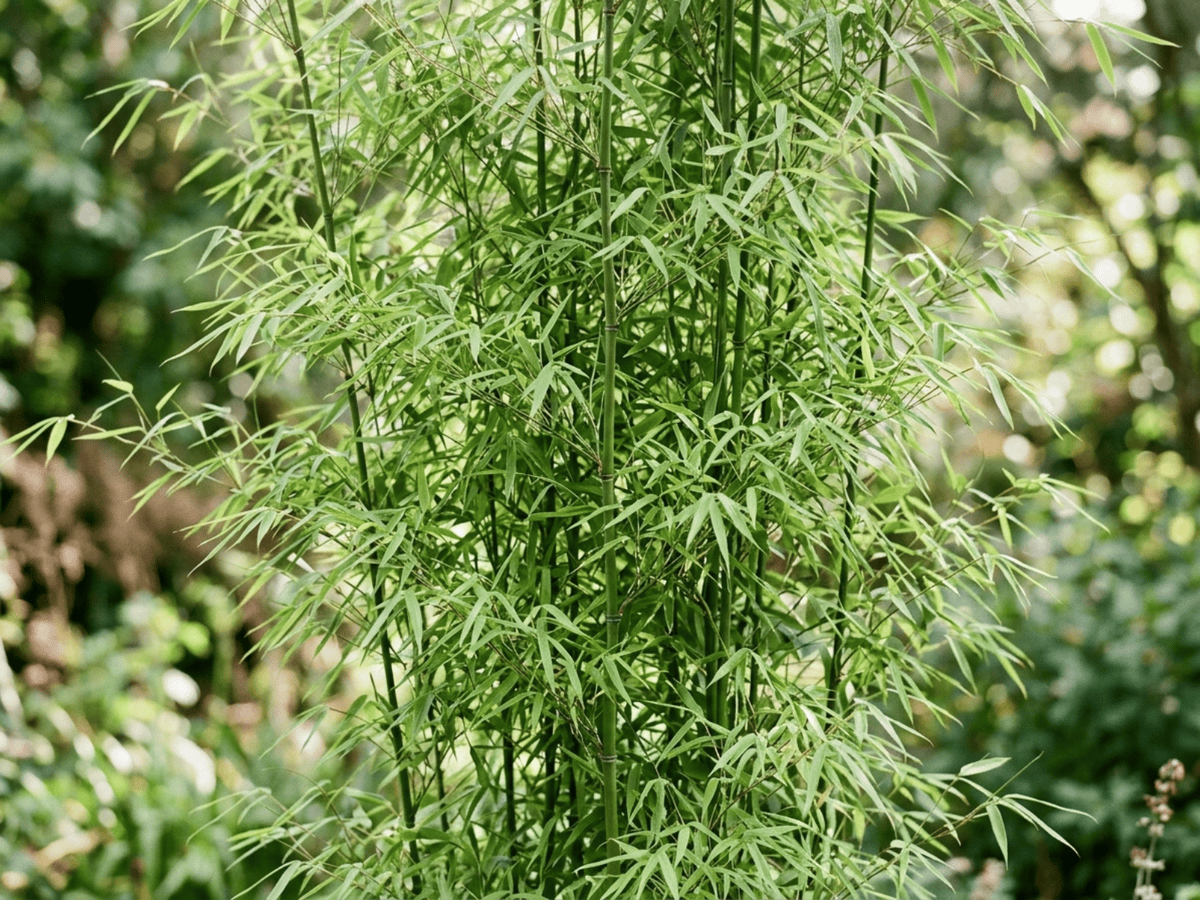
Fargesia murielae, the umbrella bamboo, is a graceful, non-invasive clumping bamboo native to the mountains of central China. It forms dense, arching clumps of slender green culms reaching 3–4 meters tall, with a cascading, fountain-like habit that gives it its common name. Unlike the running Phyllostachys species, Fargesia stays in a tight clump and never requires root barriers, making it the ideal bamboo for small gardens and urban settings. It is extremely cold-hardy, tolerating temperatures down to minus 29 degrees Celsius. The light, airy foliage provides gentle screening without the aggressive spread associated with other bamboos. It is a primary food source for the giant panda in its native habitat. It prefers partial shade and struggles in intense heat and direct afternoon sun in hot climates.
- Cold-hardy
How to care for Umbrella Bamboo
Watering
- Springevery 3 days
- Summerevery 2 days
- Fallevery 5 days
- Winterevery 14 days
Soil · Well-draining
- Top dressingPine bark mulch10%
- Main mixPotting soil + perlite 2:170%
- DrainageLECA / gravel20%
Never skip the drainage layer — standing water is the top cause of root rot.
FERTILIZER
Balanced Feed 14-14-14
An even feed covers all three needs at once, keeping leaves, roots and blooms moving together with nothing pushed out of balance.
- Nitrogen · Leaves
- Phosphorus · Roots + Blooms
- Potassium · Strength
- Springevery 45 days
- Summerevery 45 days
At a Glance
- NativeEast Asia
- Height8–13 ft (2.4–4 m)
- Spread4–6 ft (1.2–1.8 m)
- Foliage colorGreen
- SoilMoisture-retentive, Loamy, Well-drained
- LocationsYard · Indoor · Balcony
Bloom time
BLOOM CYCLE
Mass flowering occurs once every 80–100 years; individual plants die after flowering
Fragrance
NO FRAGRANCE
No notable fragrance.
Toxicity
Pets Safe
None reported
Not reported
EXPOSURE No exposure route is reported.
EFFECT No significant toxicity.
NOTE No human toxicity is reported in this catalog; avoid eating ornamental plants unless confirmed edible.
Safe
EXPOSURE No exposure route is reported.
EFFECT Not listed as toxic.
NOTE Listed as non-toxic for dogs; avoid eating ornamental plants unless confirmed edible.
Safe
EXPOSURE No exposure route is reported.
EFFECT Not listed as toxic.
NOTE Listed as non-toxic for cats; avoid eating ornamental plants unless confirmed edible.
Educational information, not medical or veterinary advice. If exposure is suspected, contact a doctor or veterinarian.
DISTRIBUTION


- Native
- Introduced
- East Asia
History

Fargesia murielae is native to a restricted mountainous area of central China, in Hubei and Sichuan provinces. It was collected by British plant hunter Ernest Henry "Chinese" Wilson during his 1907 expedition for the Arnold Arboretum; Wilson named the species after his then-four-year-old daughter Muriel. Its key horticultural virtue is that it is a clumping (pachymorph) bamboo — its rhizomes produce only tight, slowly-expanding clumps rather than the aggressive runners of Phyllostachys and other leptomorph genera — which, combined with its exceptional cold-hardiness (to USDA zone 4-5, among the hardiest bamboos), has made it the preferred bamboo for cold-climate gardens in Europe, Canada, and the northern US.
Fargesia is also the primary winter food of the giant panda in parts of its native range. All bamboos in a given cohort flower synchronously after decades of vegetative growth, then die after seeding ("mass flowering"); F. murielae mass-flowered worldwide from approximately 1992 through 1999, after about 100 years of exclusively vegetative growth, with all cultivated clones dying off simultaneously — seed from the mass flowering regenerated new planting stock.
The related F. nitida and F. robusta are the other main clumping bamboos in garden trade.
Symbolism & meaning
What It Symbolizes
Umbrella Bamboo carries grace in its arching, fountain-like canes, far gentler than the running bamboos so many gardeners fear. Its clumping growth makes visible a quiet Harmony, expanding slowly without overrunning its neighbors. Where ordinary bamboo conquers, Fargesia coexists — a green screen that asks for space rather than seizing it from everyone around.
- Grace — Its arching, fountain-like form embodies elegance and gentle beauty
- Harmony — Clumping growth that coexists peacefully with surrounding plants
Where the Name Comes From
The name Umbrella Bamboo describes umbrella-like whorls or canopy form. Fargesia honors Paul Guillaume Farges, a French missionary and plant collector in China. Murielae honors Muriel Wilson, daughter of plant hunter Ernest Henry Wilson.
Uses & Fun Facts
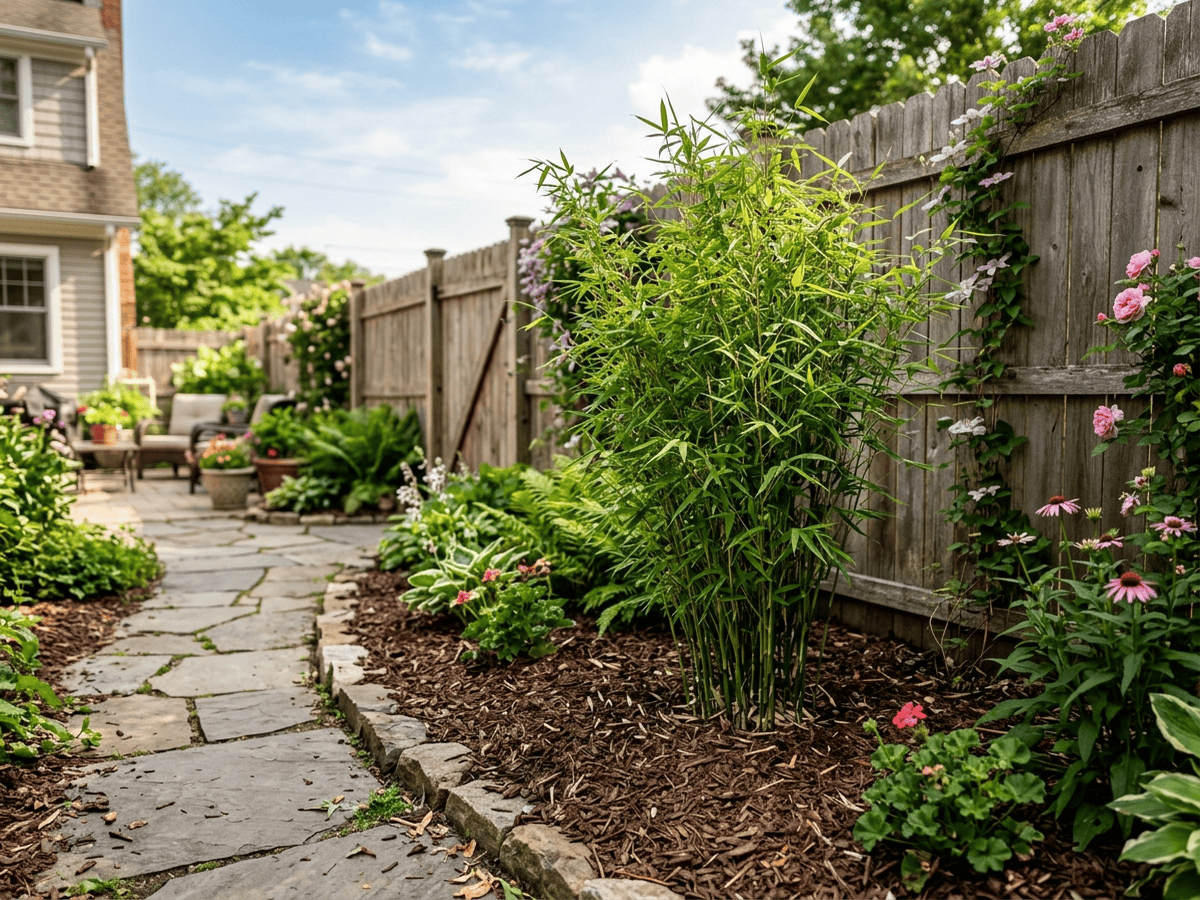
- Clumping non-invasive bamboo creates evergreen privacy screen
- Arching canes and fine foliage soften garden corners
- Tolerates large pots for courtyards and balconies
Related plants
Plants with similar care
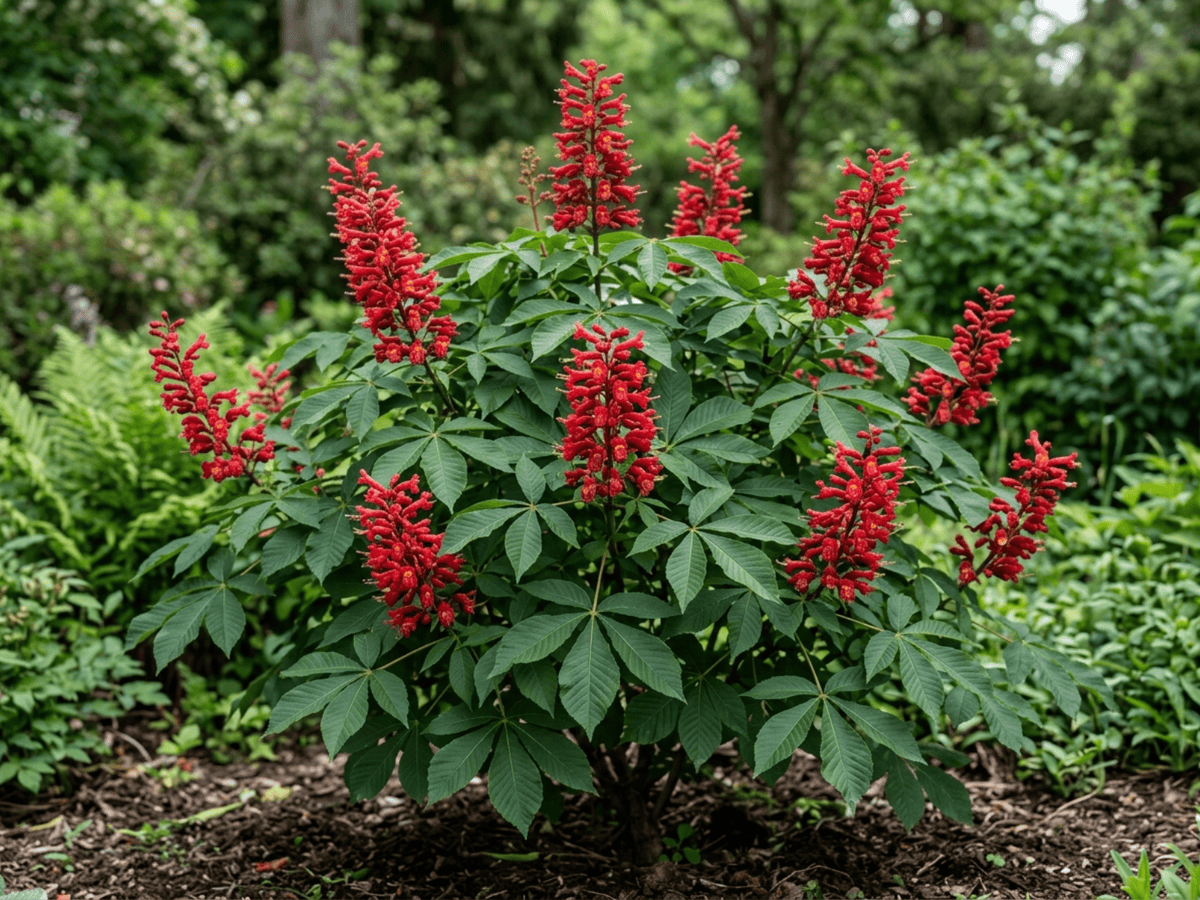 Red BuckeyeAesculus pavia
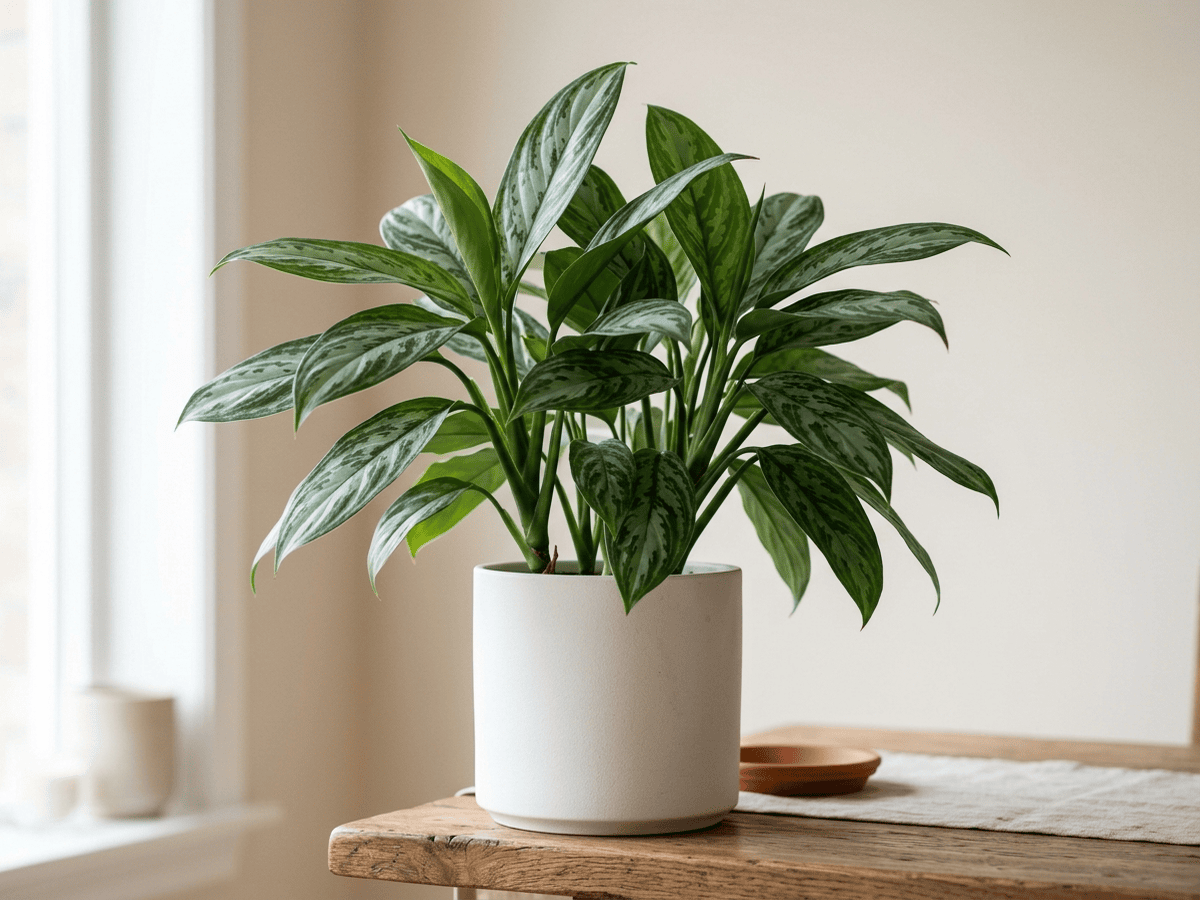 Philippine EvergreenAglaonema commutatum
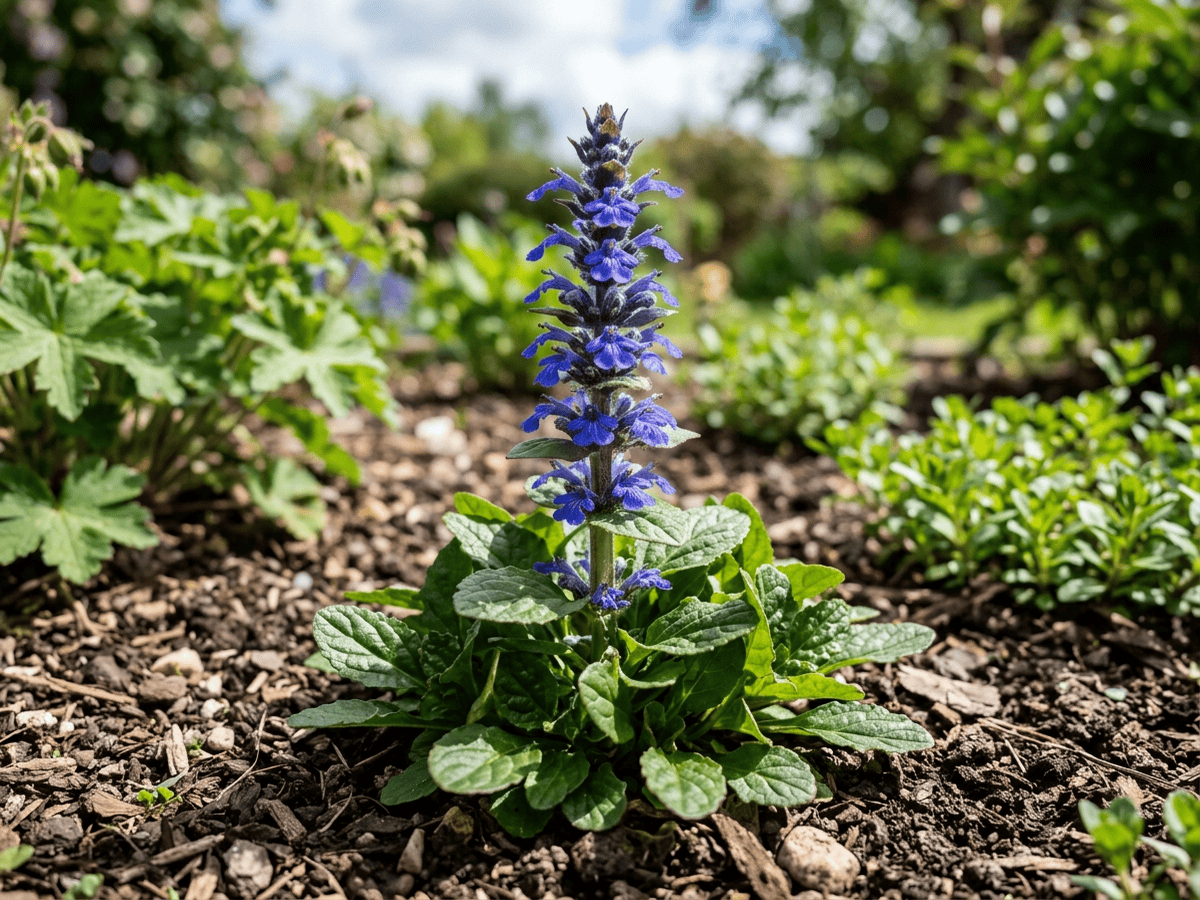 Blue BugleAjuga genevensis
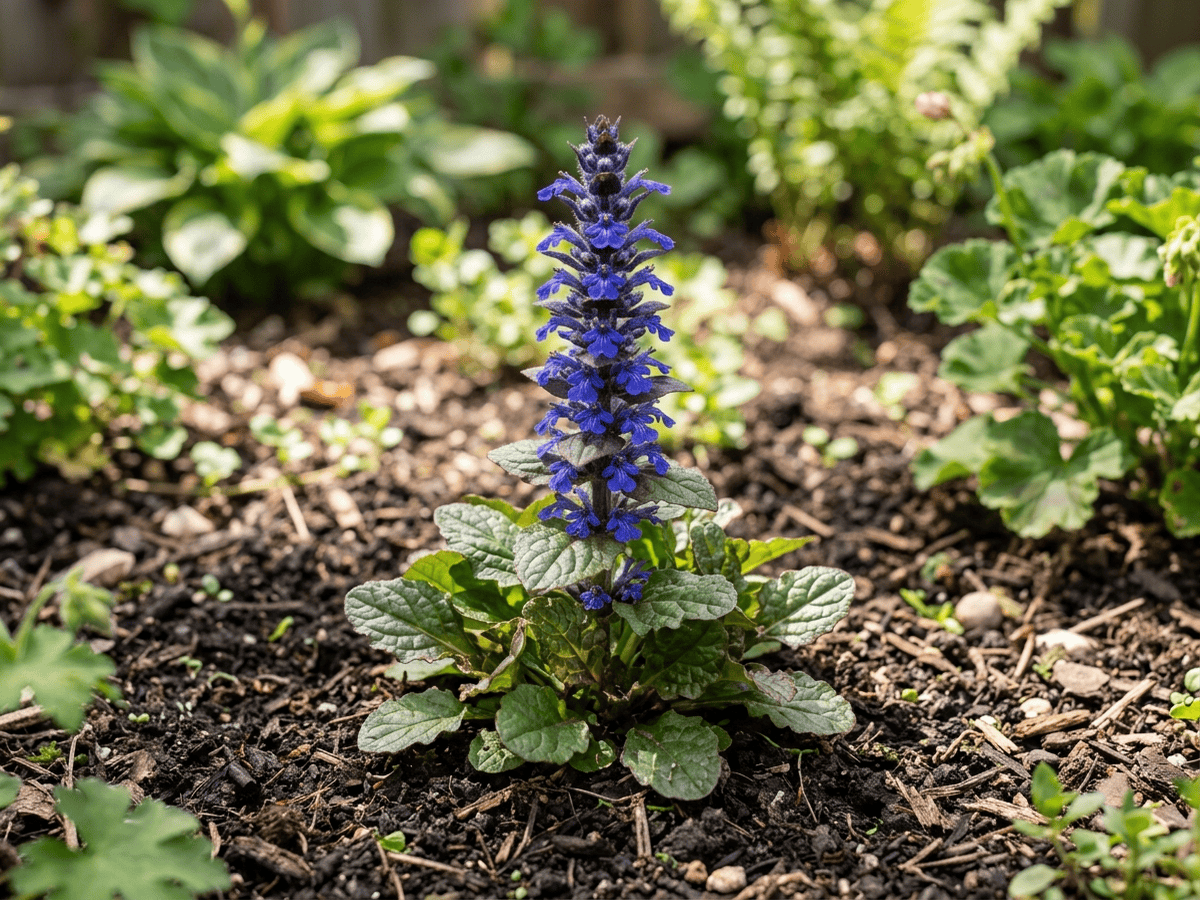 Pyramidal BugleAjuga pyramidalis
Frequently asked questions
How often should I water Umbrella Bamboo?
In summer, water about every 2 days; in winter, about every 14 days. Adjust for heat, pot size and drainage.
How much light does Umbrella Bamboo need?
Part shade: 2–4 hrs direct. Watch the leaves — scorching or stretching means the light needs adjusting.
Is Umbrella Bamboo toxic to cats or dogs?
Pets Safe (Dogs Safe · Cats Safe) Educational information, not medical or veterinary advice. If exposure is suspected, contact a doctor or veterinarian.
Is Umbrella Bamboo easy to grow?
Yes — it is considered an easy, beginner-friendly plant.
Can Umbrella Bamboo be grown indoors?
Yes, it adapts well to indoor growing given the right light.
YardMate
Identify any plant in seconds
Snap a photo — YardMate names the plant, diagnoses problems, and reminds you when to water.
Download on the App Store