 YardMate

Gallant Soldier
Galinsoga parviflora
Easy · Beginner friendlyAbout Gallant Soldier
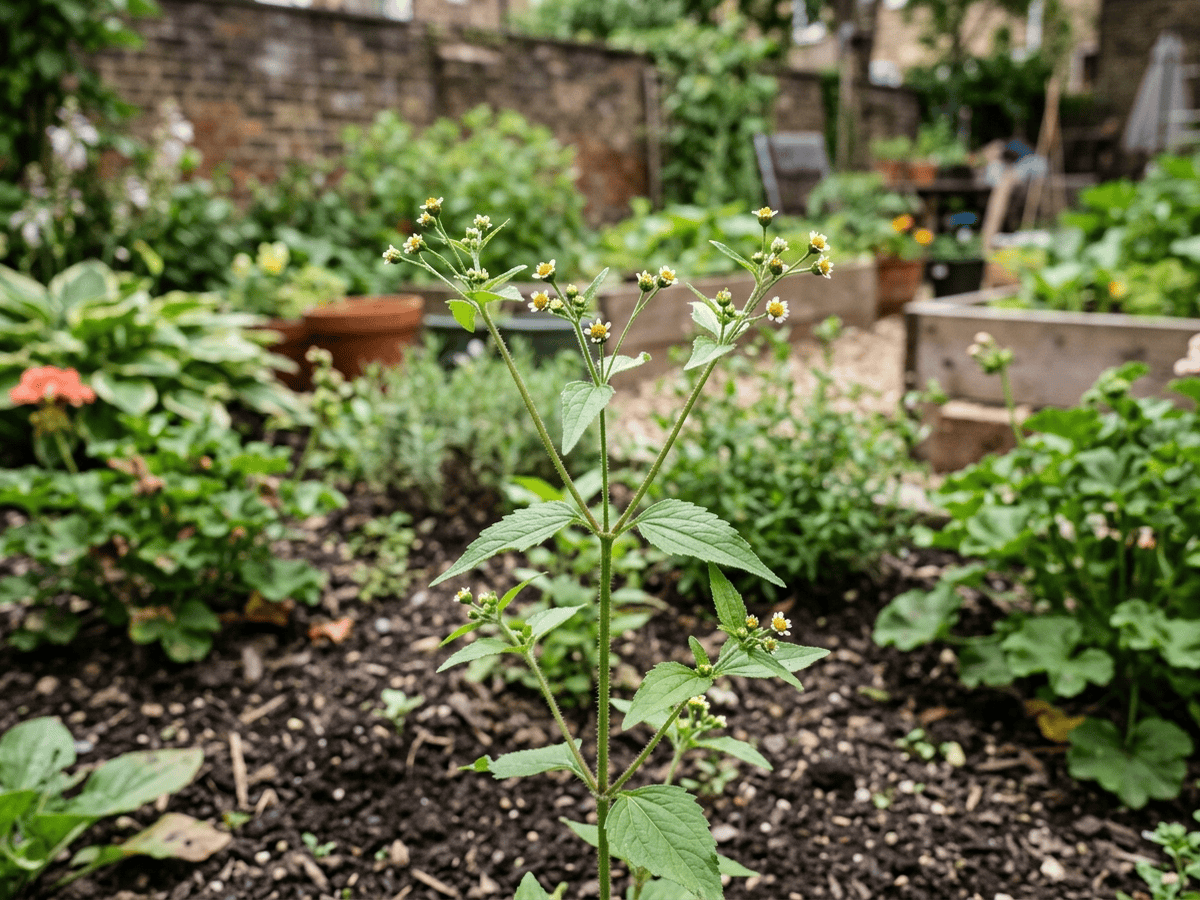
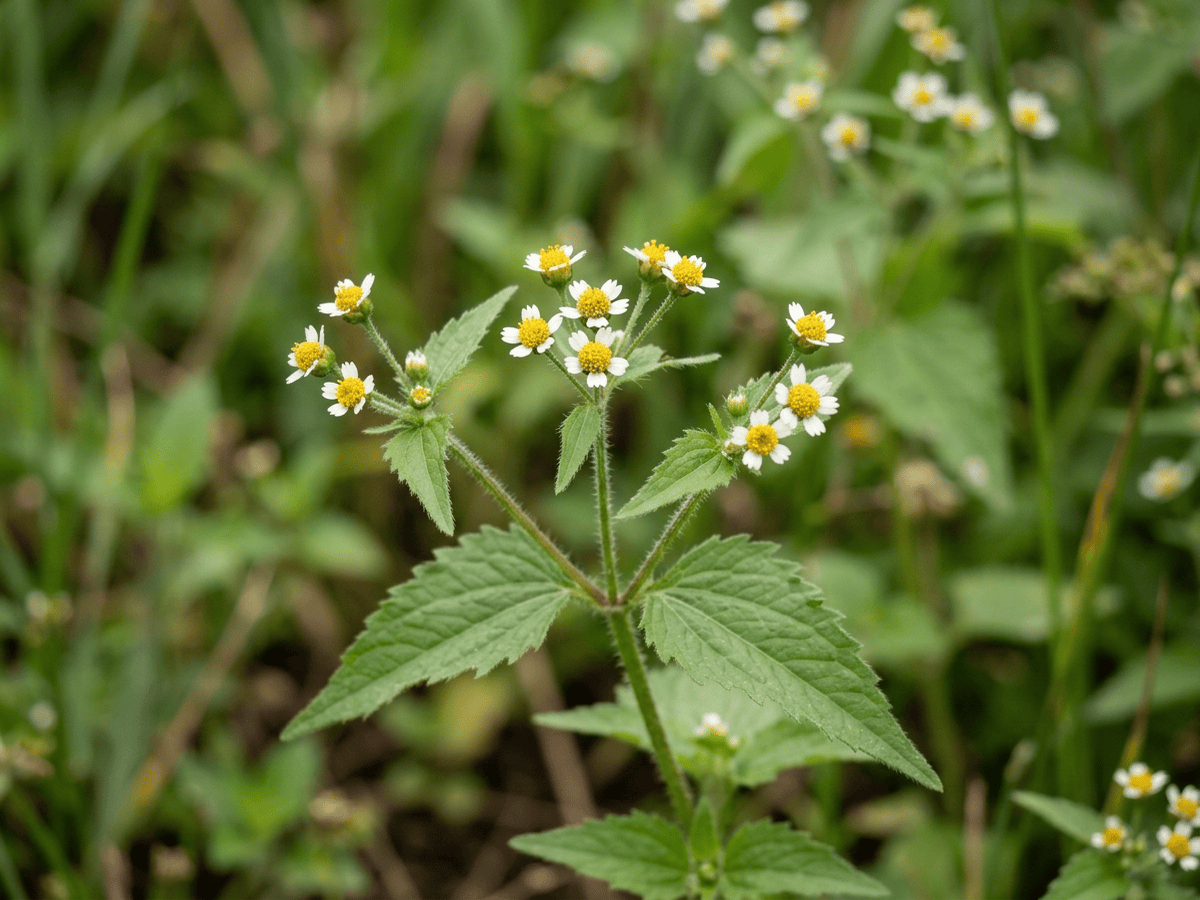
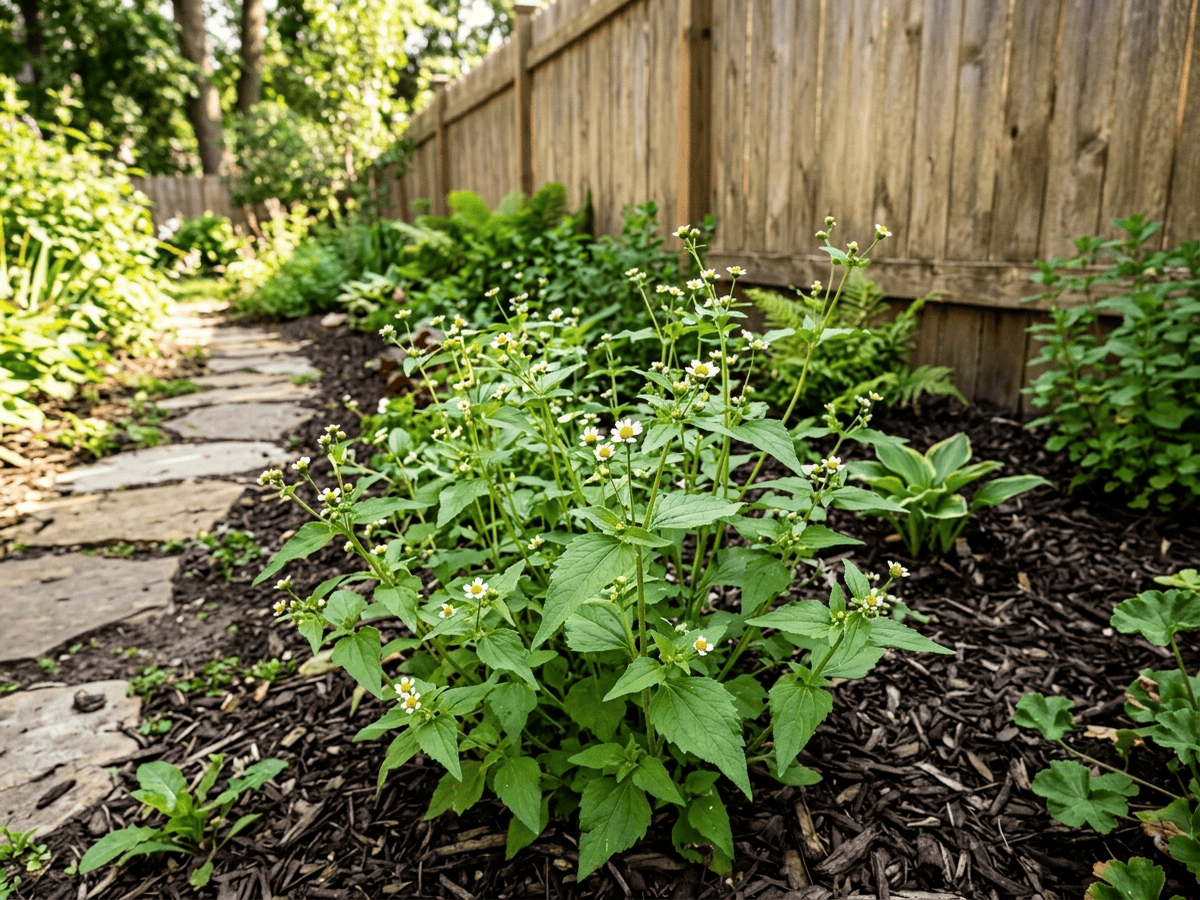
Gallant Soldier or Smallflower Galinsoga is a South American annual weed widely naturalized in US gardens, greenhouses, and disturbed ground. Growing 6 to 24 inches tall with small oval leaves and tiny daisy-like white-and-yellow flowers, it completes a generation in 6 weeks and self-sows prolifically. A persistent nuisance weed in American vegetable gardens, nurseries, and urban spaces.
- Shade-tolerant
- Fast-growing
How to care for Gallant Soldier
Watering
- Springevery 14 days
- Summerevery 7 days
- Fallevery 14 days
- Winterpause watering
Soil · Well-draining
- Top dressingPine bark mulch10%
- Main mixPotting soil + perlite 2:170%
- DrainageLECA / gravel20%
Never skip the drainage layer — standing water is the top cause of root rot.
FERTILIZER
This plant needs little to no feeding.
At a Glance
- NativeSouth America, Central America
- Height1–2 ft (0.3–0.6 m)
- Spread0.5–1 ft (0.2–0.3 m)
- Flower colorWhite, Yellow
- Foliage colorGreen
- SoilLoamy, Well-drained
- LocationsYard
Bloom time
BLOOM CYCLE
Peak bloom
Jun–Nov
Tiny white-and-yellow daisies summer to fall
Toxicity
No toxicity has been reported for this plant. Still, it is wise to keep pets from chewing on any houseplant.
Educational information, not medical or veterinary advice. If exposure is suspected, contact a doctor or veterinarian.
DISTRIBUTION

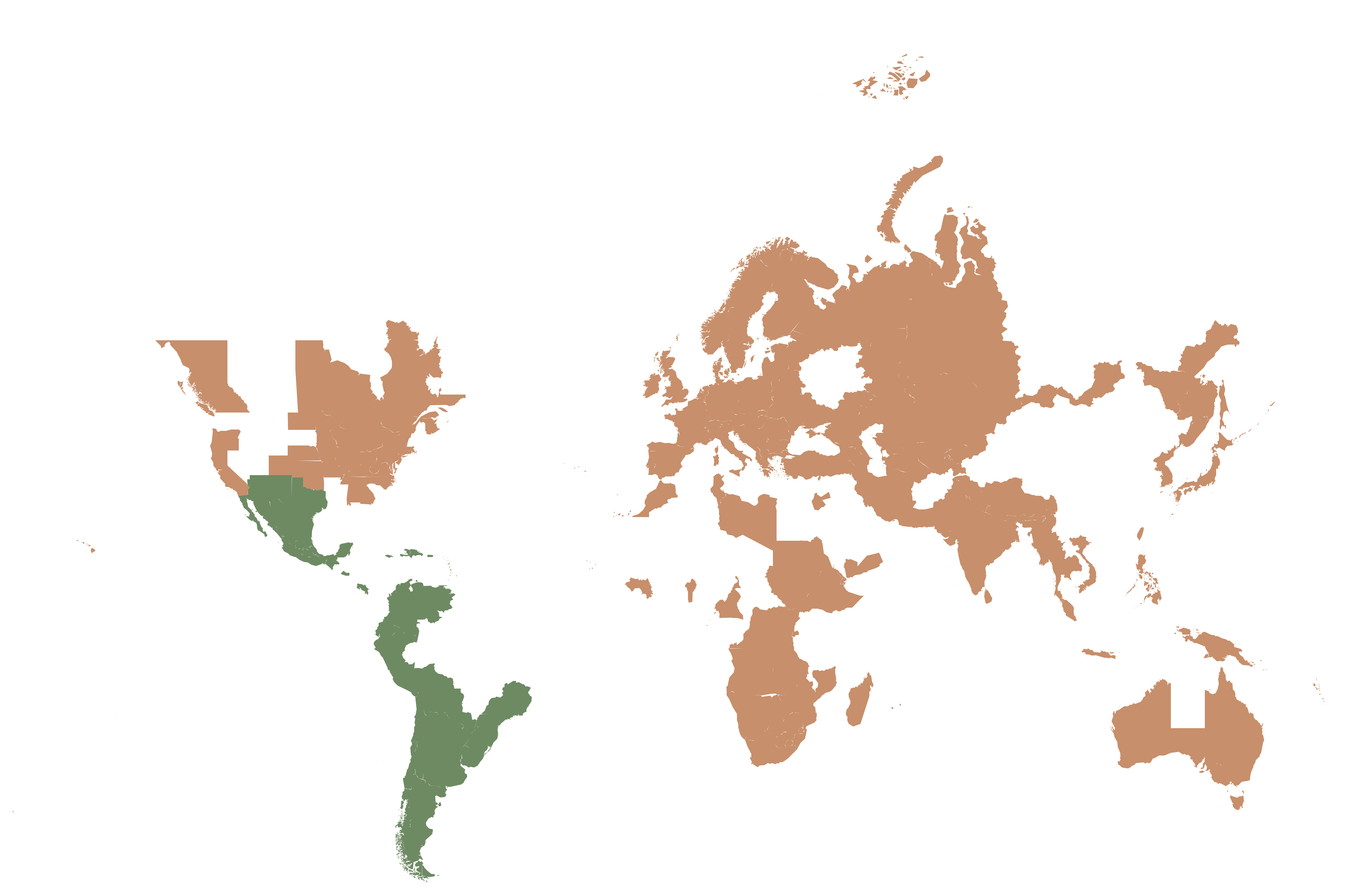
- Native
- Introduced
- South America
- Central America
History
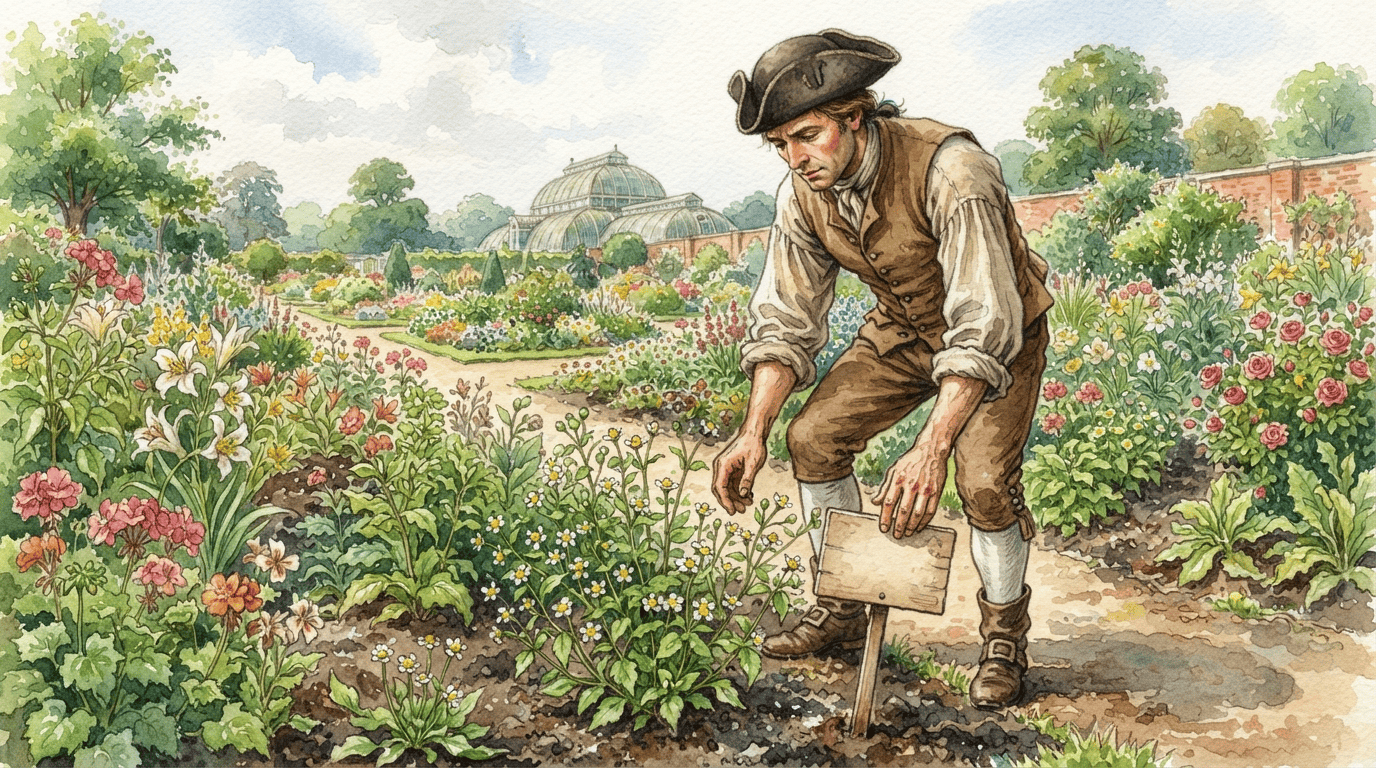
Galinsoga parviflora is native to the Peruvian Andes and parts of Central America. Spanish botanists Ruiz and Pavón collected it during their 1777-1788 South American expedition and brought living plants to the Royal Botanic Gardens of Madrid, where José Antonio Cavanilles described it in 1794, naming the genus for Dr. Mariano Martínez de Galinsoga, a physician at the Spanish court and promoter of botanical research. By 1796 it had escaped to the Royal Botanic Gardens Kew in London, and the unfamiliar Spanish name was mangled by English gardeners into 'gallant soldiers' and 'soldiers of the Queen'.
It spread through 19th-century European agriculture and reached North America in the 20th century. In its native South America and in East Africa it is still used as a leafy vegetable — in Kenya it is called mnavu or macdonald.
It is a top-10 vegetable-crop weed in European market gardens. Native to Peru and Colombia, Galinsoga parviflora escaped from European botanical gardens in the 1700s and is now a global weed, common in American urban gardens and greenhouses. The common name 'Gallant Soldier' is an English mispronunciation of Galinsoga.
Symbolism & meaning
What It Symbolizes
The Gallant Soldier owes its English name to a delightful mistake — 'Galinsoga' mispronounced into a heroic-sounding identity its small flowers never asked for. Yet in its native Colombia it is no weed at all but guascas, the essential herb of traditional ajiaco soup. The plant carries a double life: persistent intruder in northern gardens, treasured culinary heritage in the Andean kitchen.
- Mistaken name — 'Gallant Soldier' is a mispronunciation of Galinsoga
- Colombian spice — key ingredient in traditional ajiaco soup
Where the Name Comes From
'Galinsoga' honors Spanish botanist Mariano Martinez Galinsoga (1766-1797); 'parviflora' means small-flowered.
Related plants
More Galinsoga plants
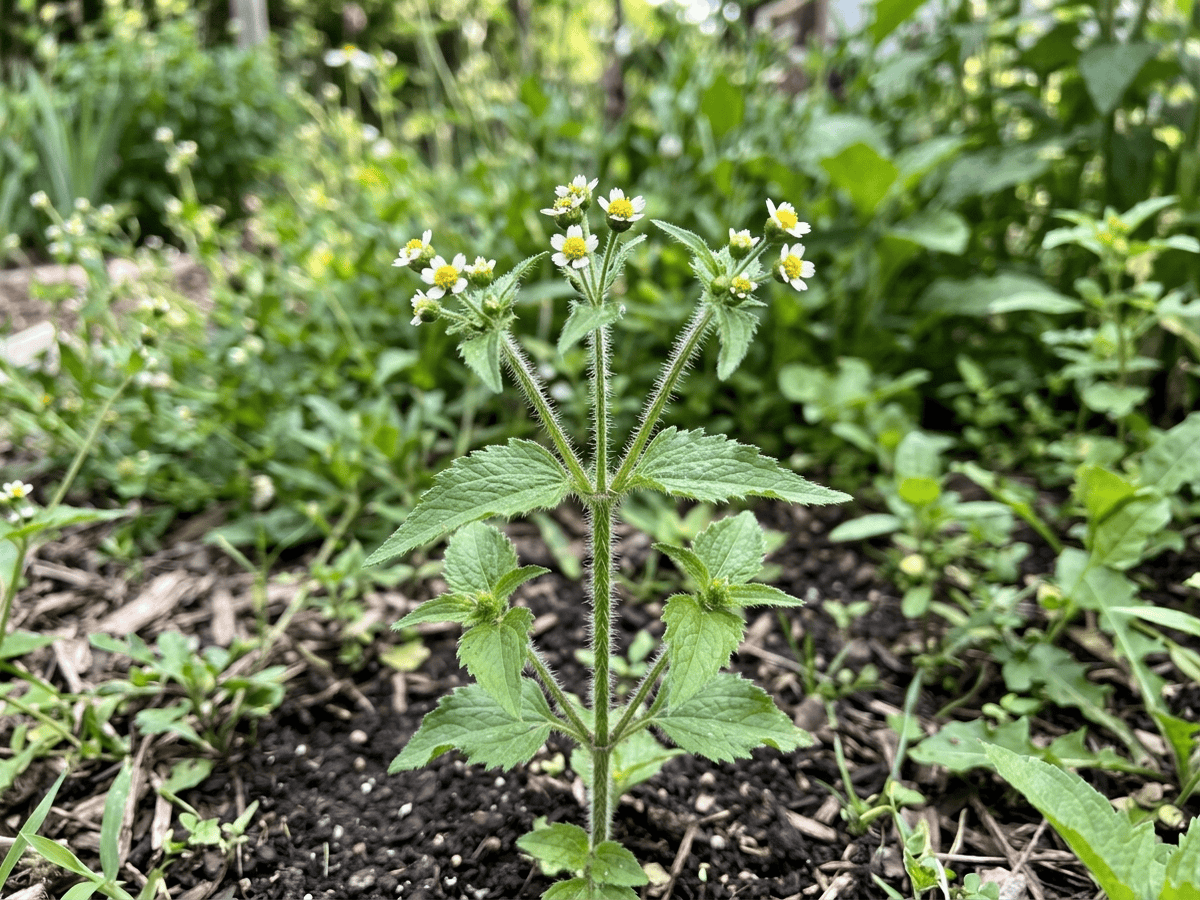
Plants with similar care
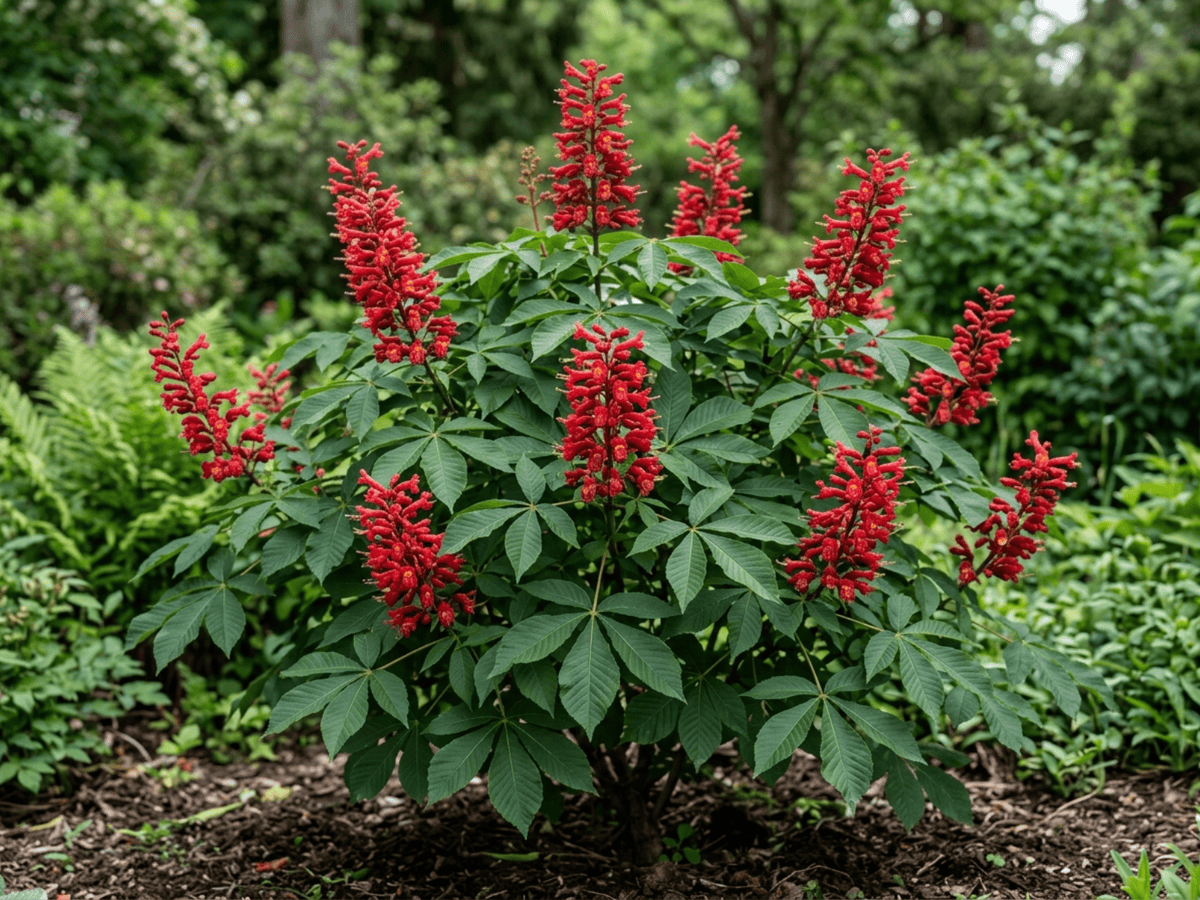 Red BuckeyeAesculus pavia
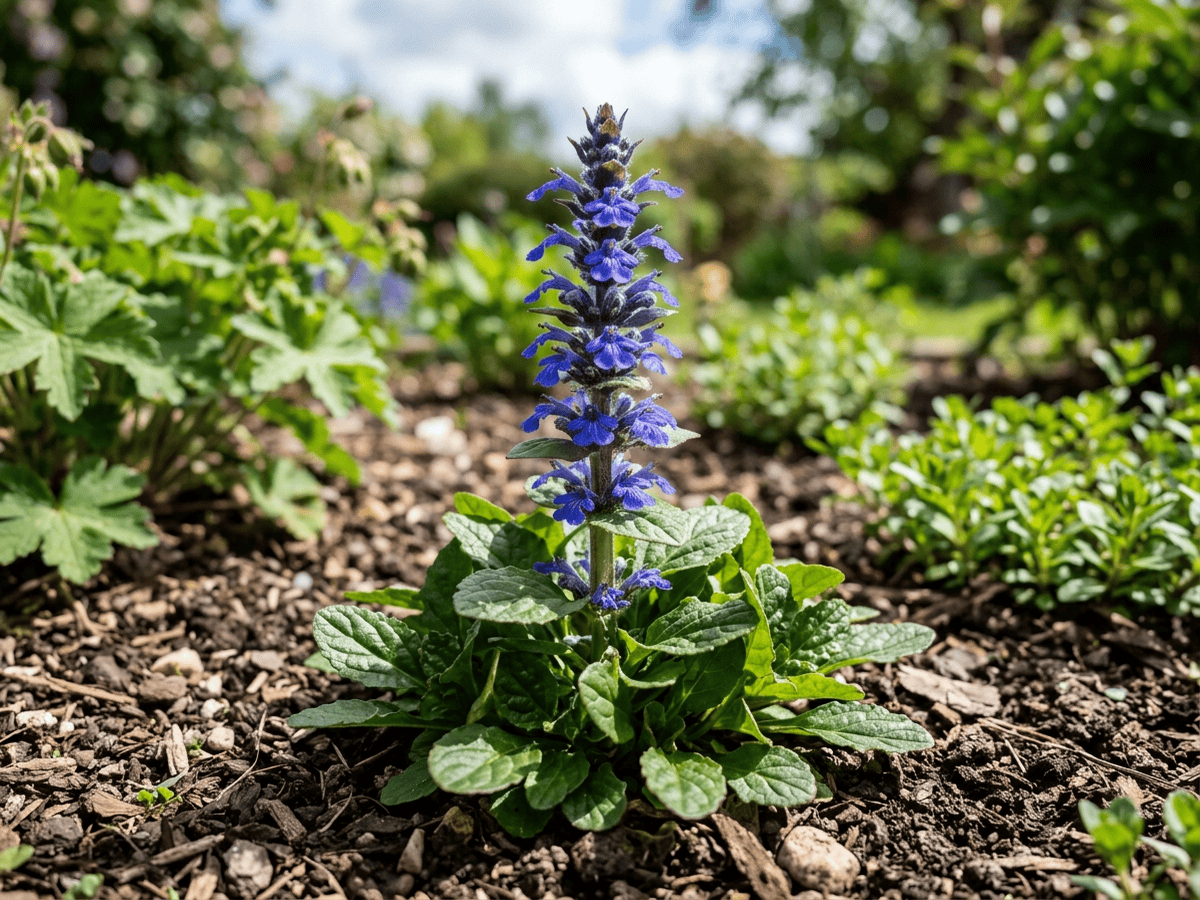 Blue BugleAjuga genevensis
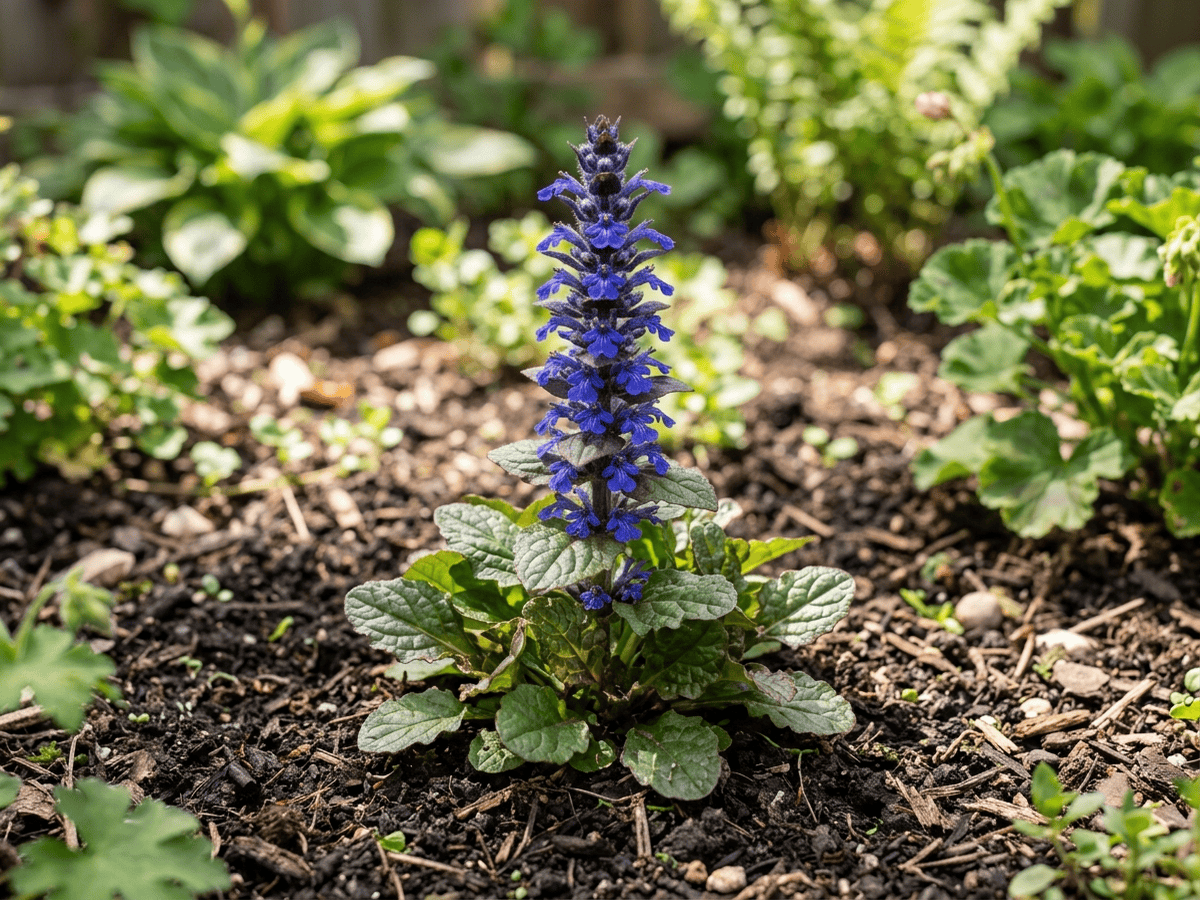 Pyramidal BugleAjuga pyramidalis
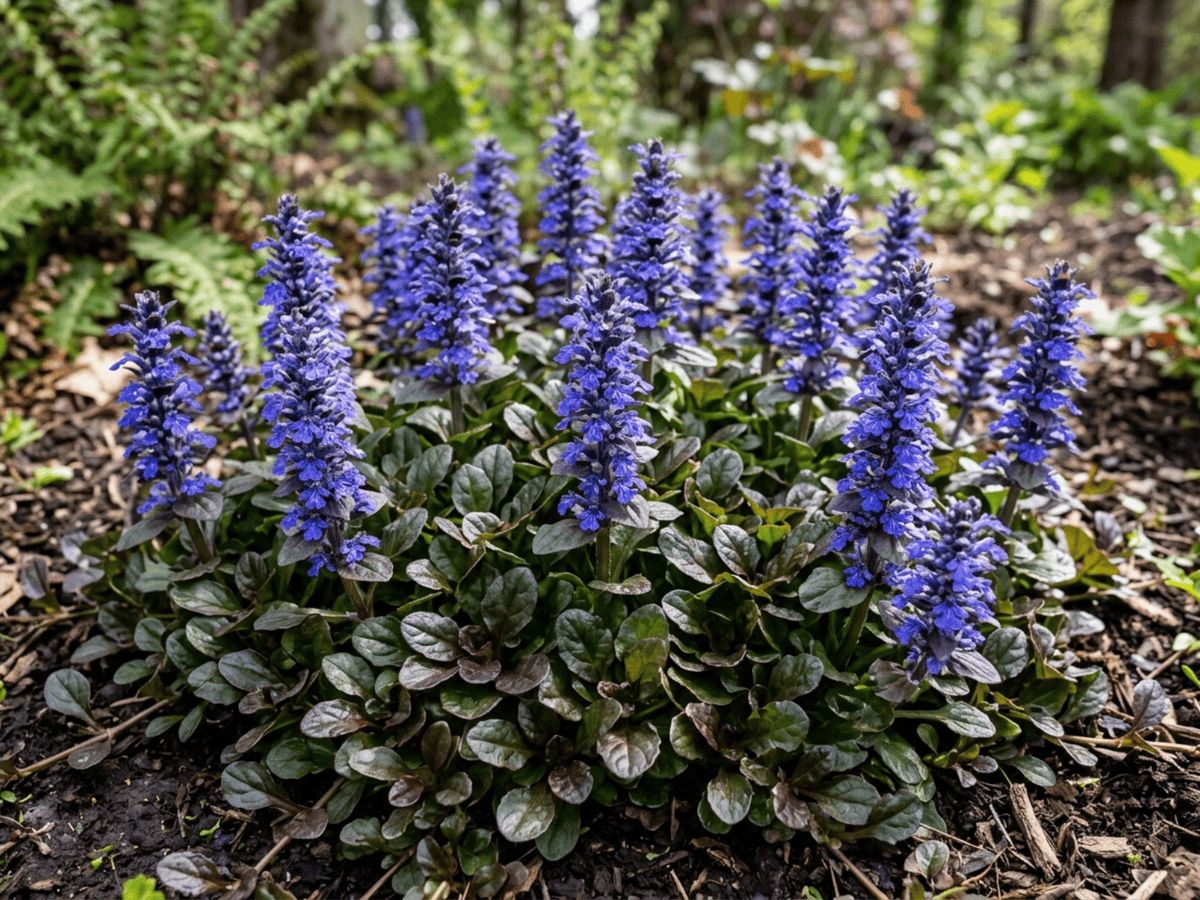 Carpet BugleAjuga reptans
Frequently asked questions
How often should I water Gallant Soldier?
Water about every 14 days during the growing season, and always let excess water drain away.
How much light does Gallant Soldier need?
Part shade: 2–4 hrs direct. Watch the leaves — scorching or stretching means the light needs adjusting.
Is Gallant Soldier toxic to cats or dogs?
No toxicity has been reported for this plant. Still, it is wise to keep pets from chewing on any houseplant. Educational information, not medical or veterinary advice. If exposure is suspected, contact a doctor or veterinarian.
Is Gallant Soldier easy to grow?
Yes — it is considered an easy, beginner-friendly plant.
When does Gallant Soldier bloom?
It typically blooms Jun–Nov in the Northern Hemisphere.
YardMate
Identify any plant in seconds
Snap a photo — YardMate names the plant, diagnoses problems, and reminds you when to water.
Download on the App Store