 YardMate


Common Gardenia
Gardenia jasminoides
Hard · Experienced growersAbout Common Gardenia
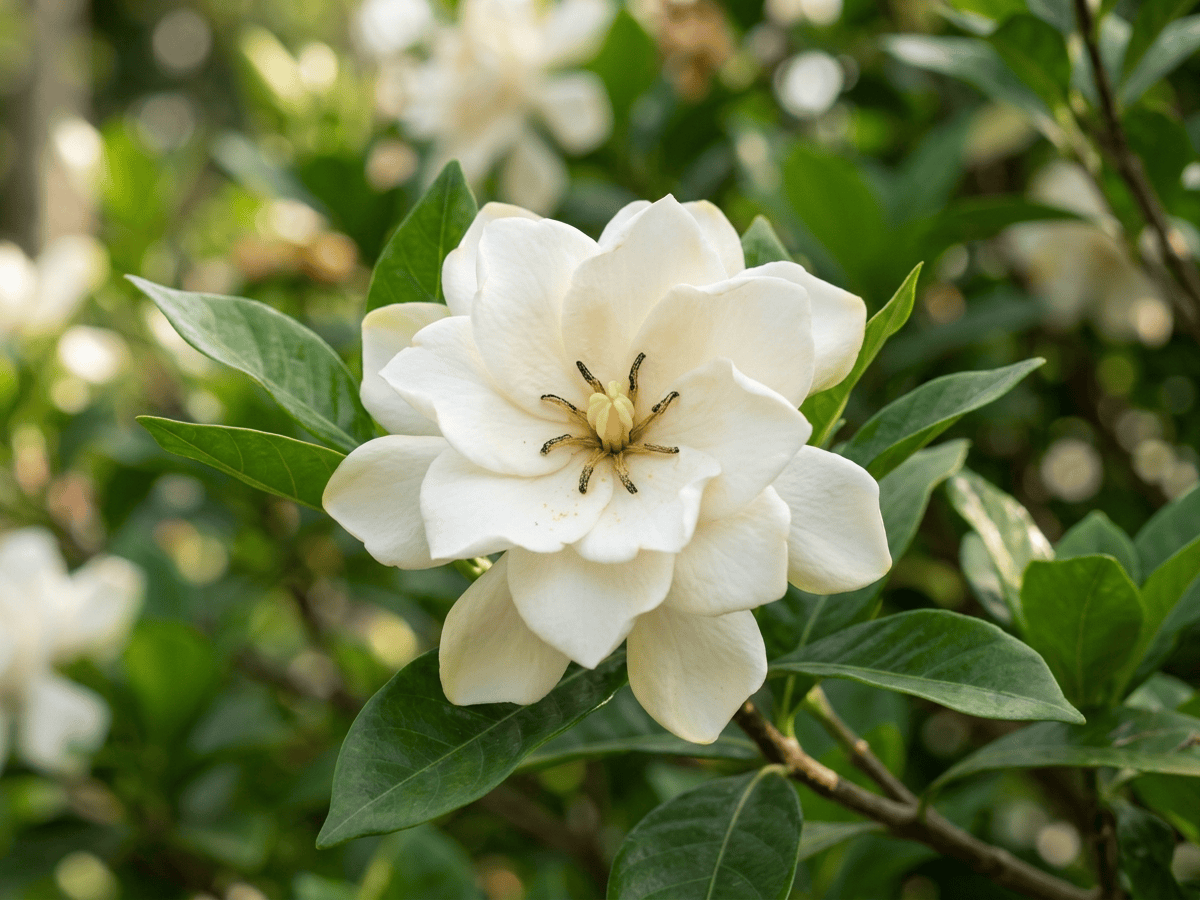
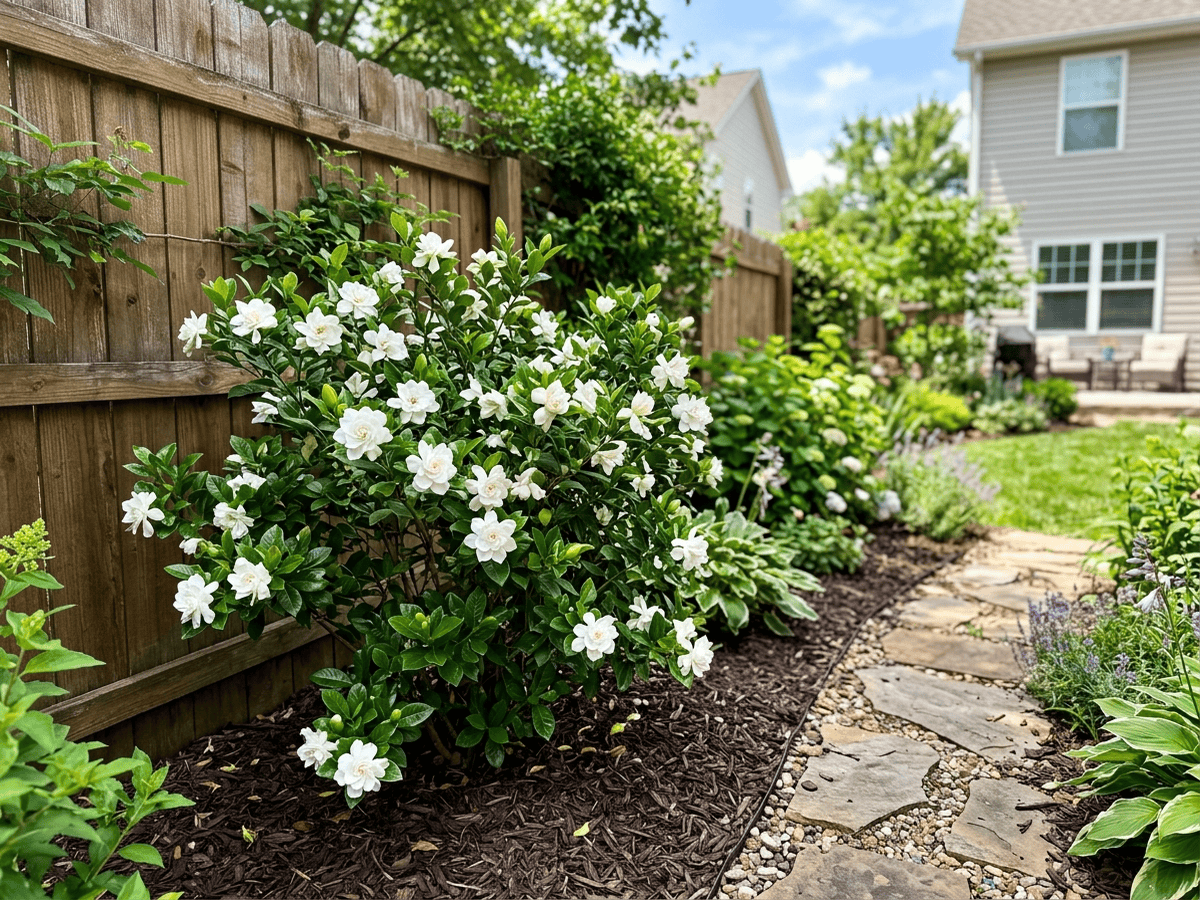
Gardenia jasminoides produces intensely fragrant, creamy-white, rose-like flowers among glossy, dark green evergreen leaves. The fragrance is one of the most iconic in the plant kingdom — rich, sweet, and intoxicating. Native to China, Japan, and Vietnam, it thrives in acidic soil with consistent moisture and high humidity. It is notoriously finicky indoors — brown leaves, bud drop, and yellowing are common complaints. Despite the difficulty, the fragrance rewards dedicated growers. The waxy flowers turn ivory-yellow with age. Gardenias are classic corsage and boutonnière flowers.
- Fragrant
- Evergreen
How to care for Common Gardenia
Watering
- Springevery 5 days
- Summerevery 3 days
- Fallevery 7 days
- Winterevery 10 days
Soil · Acidic · pH 4.5–6
- Top dressingPine needle mulch10%
- Main mixAcid-lover mix + peat 3:175%
- DrainageGravel15%
Never add lime or wood ash — it cancels out the acidity.
FERTILIZER
Acid-Loving Feed 4-3-4
One bag does both jobs. An acid feed carries the usual nitrogen, phosphorus and potassium, plus the sulfur and iron that keep the soil sour enough for the roots to take them up at all.
- Nitrogen · Leaves
- Phosphorus · Roots + Blooms
- Potassium · Strength
- Springevery 21 days
- Summerevery 21 days
- Fallevery 45 days
At a Glance
- NativeEast Asia, Southeast Asia
- Height2–4 ft (0.6–1.2 m)
- Spread2–3 ft (0.6–0.9 m)
- Flower colorWhite, Cream
- Foliage colorGreen
- Fruit colorOrange, Red
- SoilLoamy, Well-drained, Acidic
- LocationsIndoor · Balcony
Bloom time
BLOOM CYCLE
Peak bloom
Jun–Aug
Intensely fragrant white flowers; needs acidic soil, high humidity, and no temperature swings
Fragrance
STRONG FRAGRANCE
Iconic rich creamy-sweet white-floral fragrance; one of the most imitated notes in perfumery.
Toxicity
Pets Slight
geniposide and gardenoside (iridoid glycosides)
Not reported
EXPOSURE No exposure route is reported.
EFFECT Fruit used in traditional Chinese medicine and as food dye and generally regarded as safe.
NOTE No human toxicity is reported in this catalog; avoid eating ornamental plants unless confirmed edible.
Slight
- All
- Ingestion
EXPOSURE Eating any part of the plant.
EFFECT Vomiting, diarrhea, hives (per ASPCA).
NOTE ASPCA lists Gardenia as mildly toxic to pets.
Slight
- All
- Ingestion
EXPOSURE Eating any part of the plant.
EFFECT Vomiting, diarrhea, hives.
NOTE ASPCA lists Gardenia as mildly toxic to pets.
Educational information, not medical or veterinary advice. If exposure is suspected, contact a doctor or veterinarian.
DISTRIBUTION


- Native
- Introduced
- East Asia
- Southeast Asia
History

Gardenia jasminoides is native to southern China and has been cultivated across East Asia for at least a thousand years. Its orange fruit, known in Chinese medicine as zhizi, supplied both medicine and a yellow dye rich in crocin, the pigment also famous in saffron. The plant reached Europe on 18th-century trade routes, and Linnaeus named the genus for Alexander Garden, a Scottish physician-botanist in Charleston, South Carolina.
In Europe and America, gardenia became a greenhouse treasure and then a florist's icon. The 'Veitchii' cultivar helped turn it into the classic boutonniere and corsage flower of formal evening wear. Its white, waxy flowers became inseparable from jazz-age glamour and from Billie Holiday, who famously wore gardenias in her hair during performances. Few shrubs have moved so easily between medicine cabinet, dye pot, greenhouse, and stage light.
Symbolism & meaning
What It Symbolizes
Gardenia keeps its passion half-hidden. In Victorian flower language, its white blooms and intoxicating fragrance meant secret love, affection too strong to say aloud and too fragrant to fully conceal. Half tucked among glossy leaves, the flower still feels like a message slipped quietly into a hand: private, elegant, and unmistakable to the one meant to receive it.
- Secret love — Its hidden, intoxicating fragrance represents unspoken affection and passionate mystery
Where the Name Comes From
Gardenia honors Alexander Garden (1730–1791), Scottish physician in Charleston. Jasminoides means 'jasmine-like,' for the fragrance.
Uses & Fun Facts
- Iconic intoxicating sweet flowers perfume warm gardens
- Fruit (zhi zi) used in traditional Chinese medicine
- Cherished corsage and boutonniere flower for weddings
- Fruits yield traditional yellow textile and food dye
Related plants
Plants with similar care
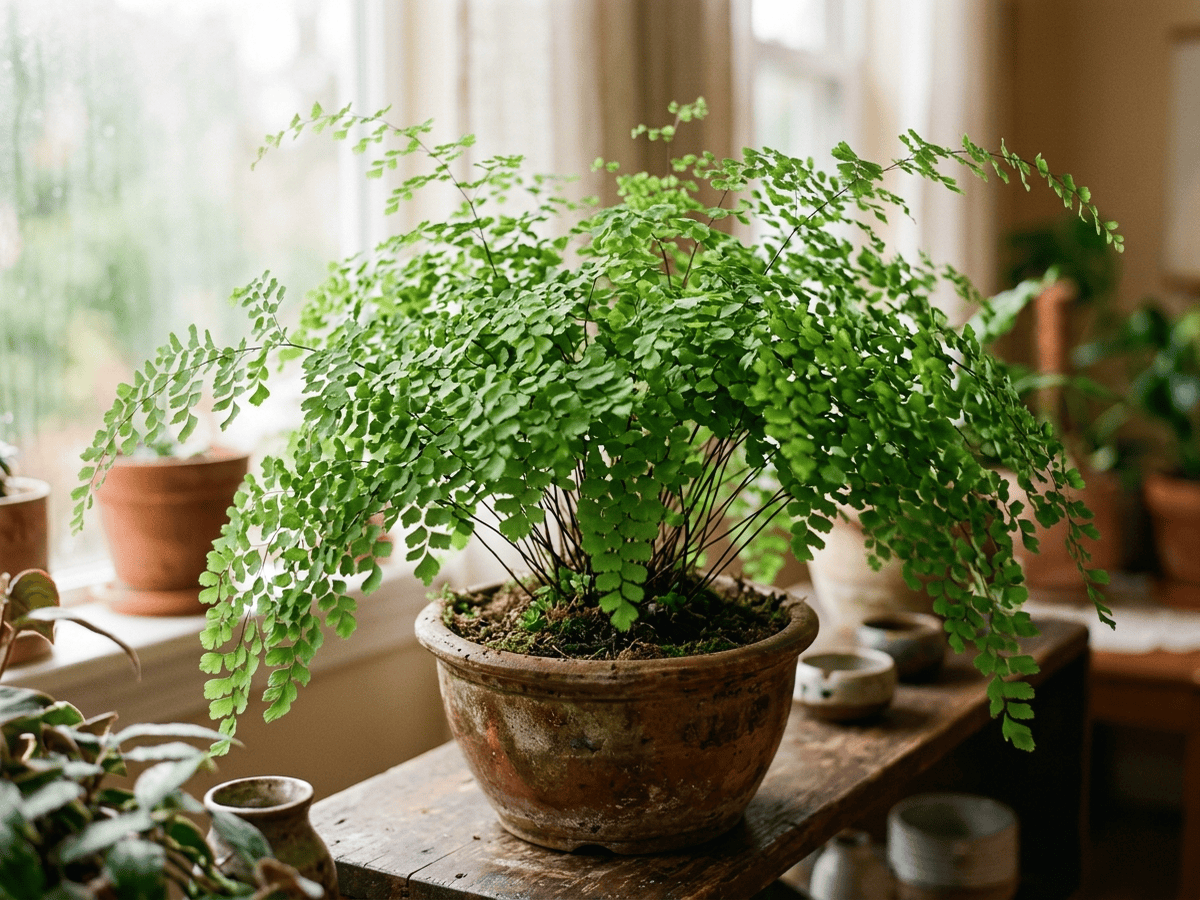 Delta Maidenhair FernAdiantum raddianum
 African Mask PlantAlocasia amazonica
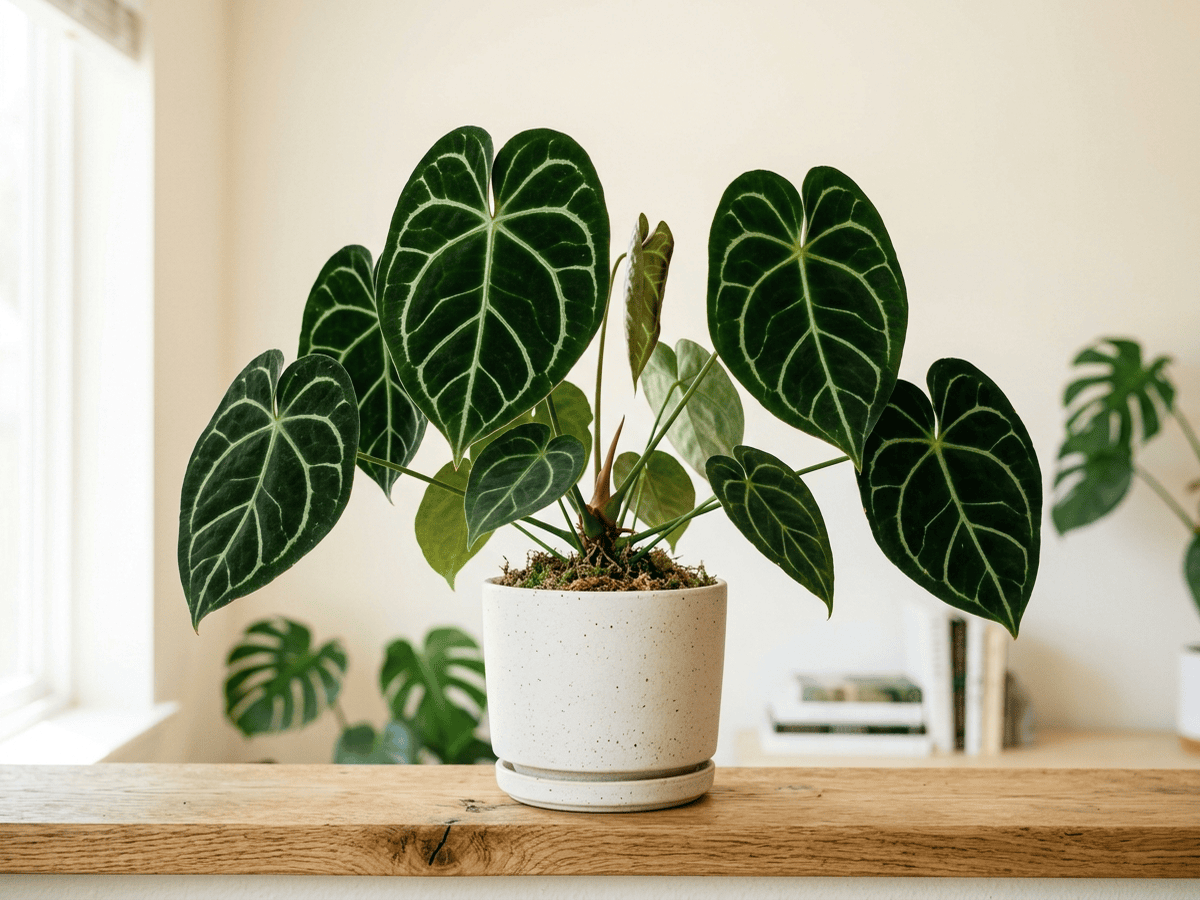 Anthurium clarinerviumAnthurium clarinervium
 Formosa PalmArenga engleri
Frequently asked questions
How often should I water Common Gardenia?
In summer, water about every 3 days; in winter, about every 10 days. Adjust for heat, pot size and drainage.
How much light does Common Gardenia need?
Part shade: 2–4 hrs direct. Watch the leaves — scorching or stretching means the light needs adjusting.
Is Common Gardenia toxic to cats or dogs?
Pets Slight (Dogs Slight · Cats Slight) Educational information, not medical or veterinary advice. If exposure is suspected, contact a doctor or veterinarian.
Is Common Gardenia easy to grow?
It is considered challenging and rewards experienced growers.
Can Common Gardenia be grown indoors?
Yes, it adapts well to indoor growing given the right light.
When does Common Gardenia bloom?
It typically blooms Jun–Aug in the Northern Hemisphere.
YardMate
Identify any plant in seconds
Snap a photo — YardMate names the plant, diagnoses problems, and reminds you when to water.
Download on the App Store