 YardMate
Formosa Palm
Arenga engleri
Hard · Experienced growersAbout Formosa Palm
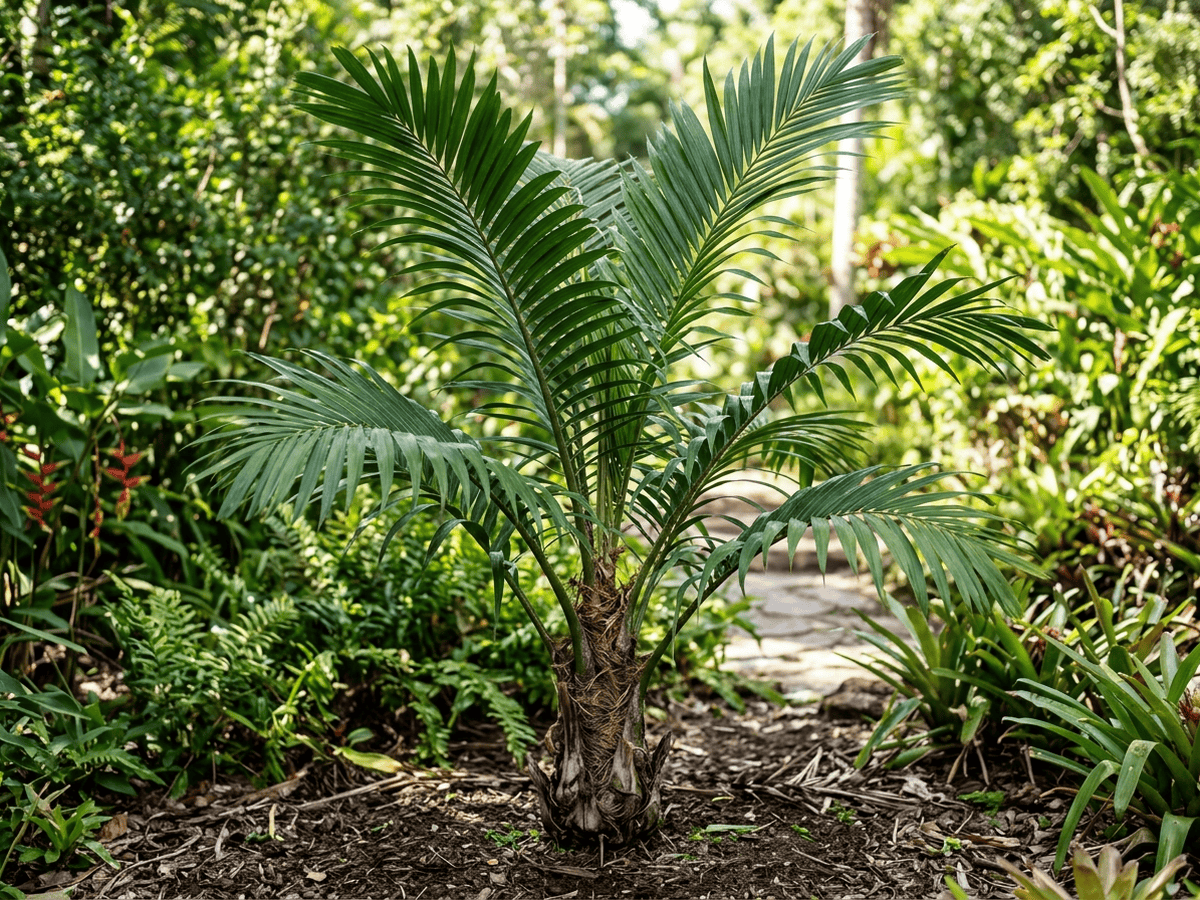
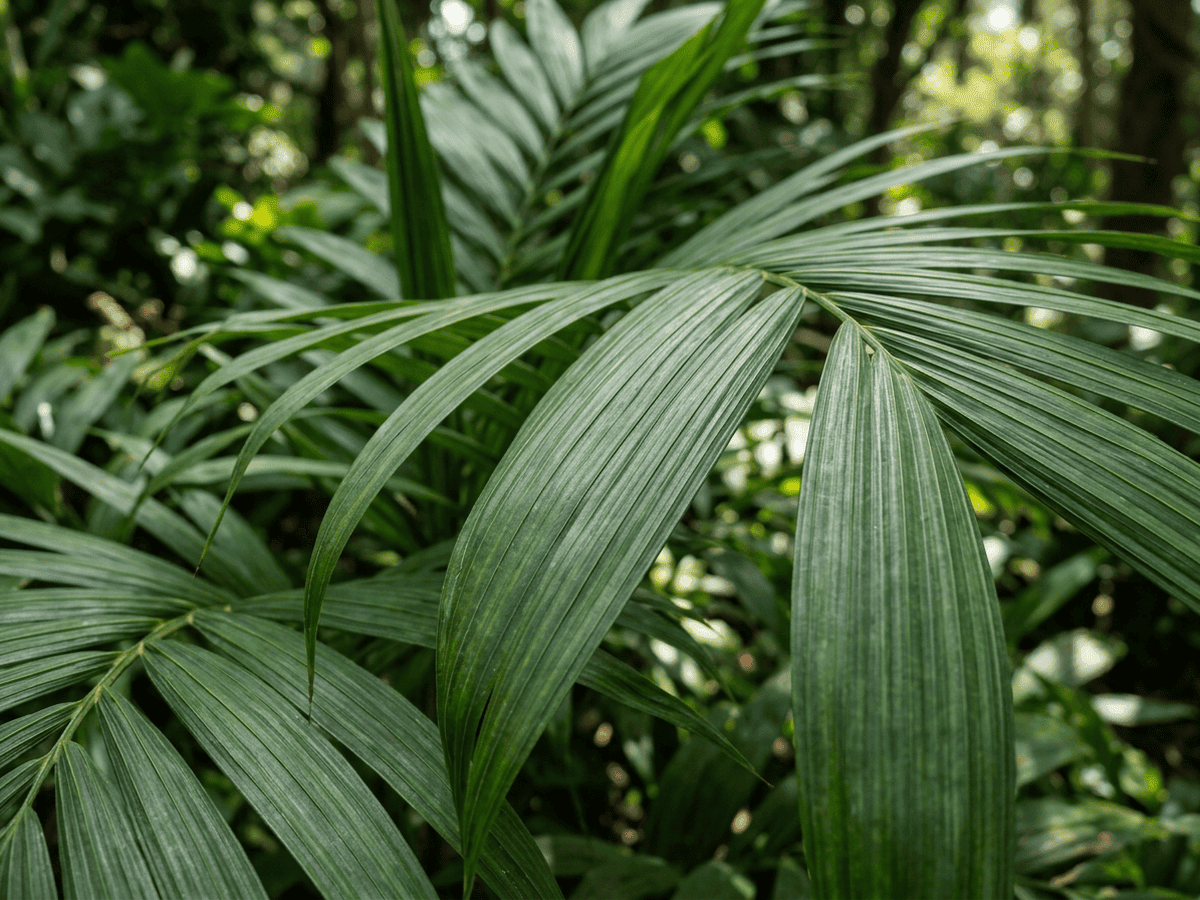
The Formosa Palm — known in Taiwanese as shan zong (山棕) — is a slow-growing, clustering palm native to shaded forest understories in Taiwan and Japan's Ryukyu Islands. Multiple slender trunks form a dense clump beneath dark green, feather-shaped fronds whose leaflets end in ragged, claw-like tips. It tolerates cooler winters better than most palms and rarely exceeds twenty feet, making it a popular understory specimen for shaded gardens and courtyards. Its tough leaf-sheath fibers have long been stripped and woven into rain capes and rope.
- Fragrant
- Cold-hardy
- Evergreen
- Slow-growing
- Shade-tolerant
- Container-friendly
How to care for Formosa Palm
Watering
- Springevery 10 days
- Summerevery 5 days
- Fallevery 10 days
- Winterpause watering
Soil · Well-draining
- Main mixLoam + bark + perlite 2:1:175%
- DrainageLECA25%
Bark keeps the mix from compacting under a heavy root ball.
FERTILIZER
Balanced Feed 14-14-14
An even feed covers all three needs at once, keeping leaves, roots and blooms moving together with nothing pushed out of balance.
- Nitrogen · Leaves
- Phosphorus · Roots + Blooms
- Potassium · Strength
- Springevery 30 days
- Summerevery 30 days
- Fallevery 30 days
At a Glance
- NativeEast Asia
- Height10–20 ft (3–6.1 m)
- Spread10–15 ft (3–4.6 m)
- Foliage colorGreen
- SoilWell-drained, Moist
- LocationsYard · Patio · Indoor
Fragrance
LIGHT FRAGRANCE
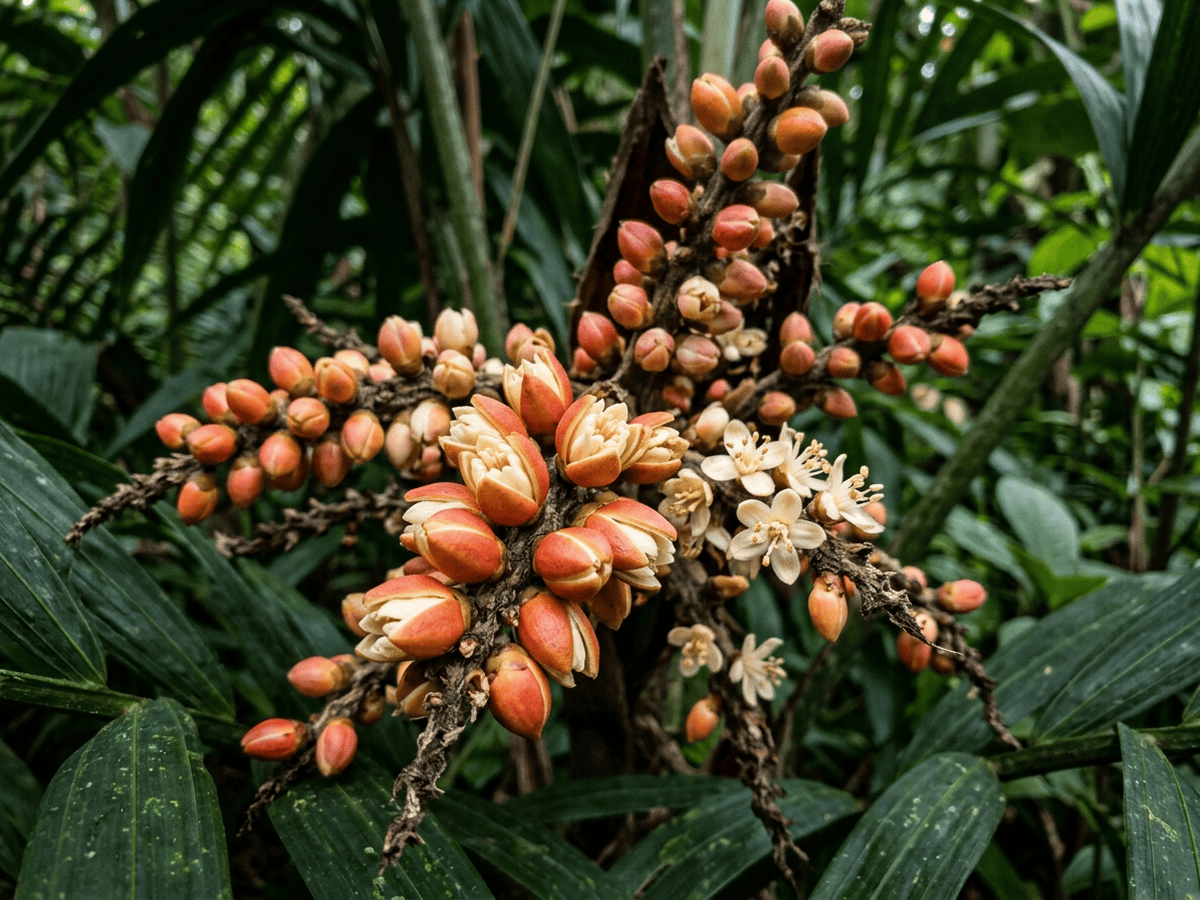
Flower clusters release a mild, sweet scent that draws pollinating insects.
Toxicity
Toxicity unknown
None reported
Unknown
EXPOSURE No exposure route is reported.
EFFECT No toxic effect is reported.
NOTE Toxicity for humans is not well documented; use caution until verified.
Unknown
EXPOSURE No exposure route is reported.
EFFECT No toxic effect is reported.
NOTE Toxicity for dogs is not well documented; use caution until verified.
Unknown
EXPOSURE No exposure route is reported.
EFFECT No toxic effect is reported.
NOTE Toxicity for cats is not well documented; use caution until verified.
Educational information, not medical or veterinary advice. If exposure is suspected, contact a doctor or veterinarian.
DISTRIBUTION


- Native
- Introduced
- East Asia
History
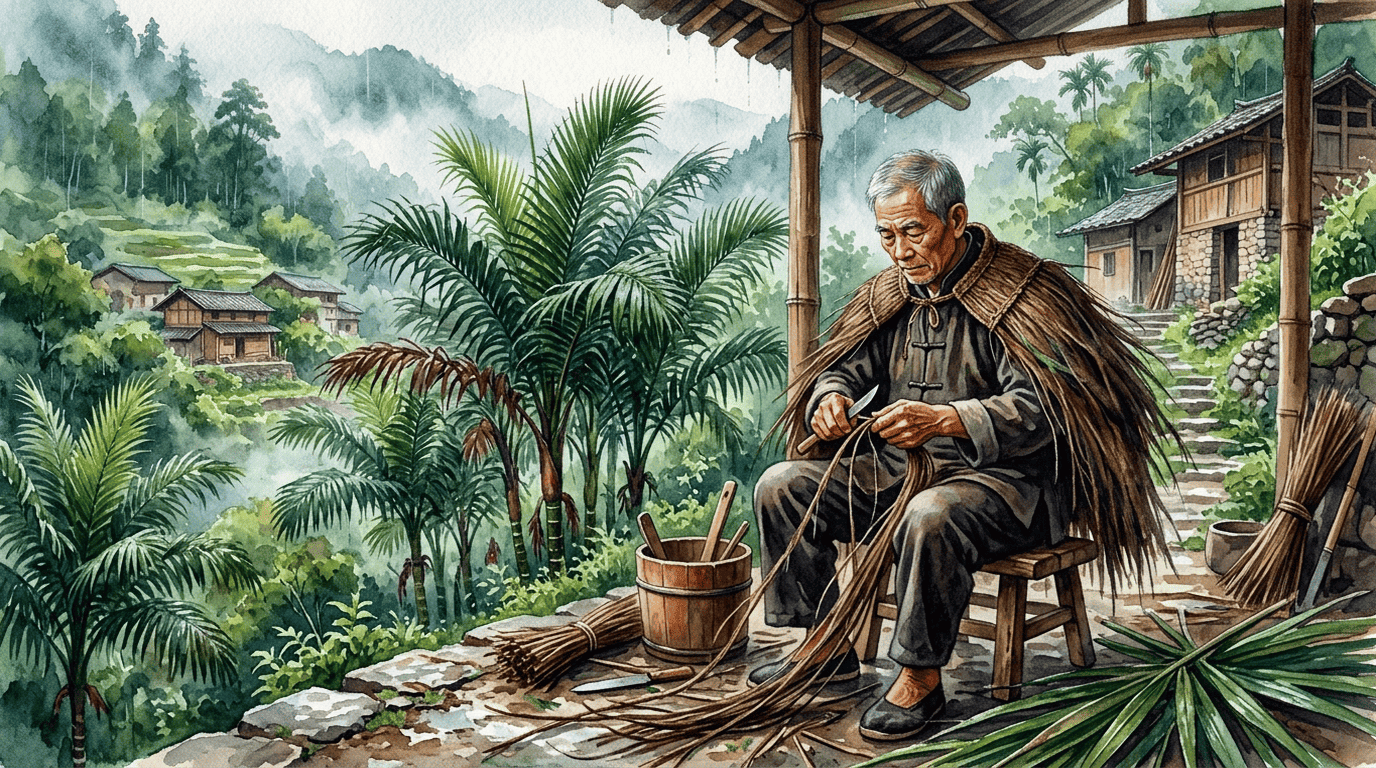
Long before Western botanists gave it a Latin name, the Formosa Palm was already indispensable to the mountain communities of Taiwan, who knew it as shan zong — "mountain palm." Along the fibrous sheaths that wrap each new frond at the base of the trunk, the plant grows a coarse, weather-resistant fiber. Indigenous peoples and Hakka farmers in Taiwan's foothills learned to strip and beat this fiber into long strands, then weave it into shan zong suo yi — rain capes shrugged over the shoulders during the island's frequent mountain downpours — along with rope, brushes, and brooms that held up far better than cotton or straw.
The palm itself grew wild in the shaded understory of Taiwan's forests and the neighboring Ryukyu Islands of Japan, its dense, multi-trunked clumps and dark, feather-shaped fronds with jagged, claw-tipped leaflets thriving in the low light beneath taller trees. Harvesters also learned to be cautious around its ripening fruit, whose pulp carries fine, needle-sharp crystals that sting on contact — a hazard shared with its larger relative, the sugar palm, tapped elsewhere in Asia for palm sugar and wine.
Formal botanical recognition came only in 1919, when the Italian palm specialist Odoardo Beccari classified the species and named it engleri, honoring the German botanist Adolf Engler. Today, hand-woven shan zong rain capes survive mostly as a revived craft skill in Taiwanese heritage workshops, but the palm that made them possible still grows readily in shaded courtyards and gardens far beyond its native mountains.
Symbolism & meaning
What It Symbolizes
For generations, Taiwanese mountain communities turned this palm's coarse leaf fiber into rain capes and rope, making the Formosa Palm a quiet symbol of resourcefulness — practical protection woven from what grew right at hand.
- Resourcefulness — Its coarse leaf fiber, once stripped and woven by Taiwanese mountain communities into rain capes and rope, has made the Formosa Palm a quiet symbol of resourcefulness — turning an ordinary forest plant into everyday protection from the elements.
Where the Name Comes From
The genus name Arenga comes from the Malay word 'areng', used for the sugar palm group; the species name engleri honors the German botanist Adolf Engler, though the plant was formally described by the Italian palm specialist Odoardo Beccari in 1919.
Uses & Fun Facts
- Fiber stripped from the leaf sheaths is traditionally woven into rain capes, rope, and brushes in Taiwan.
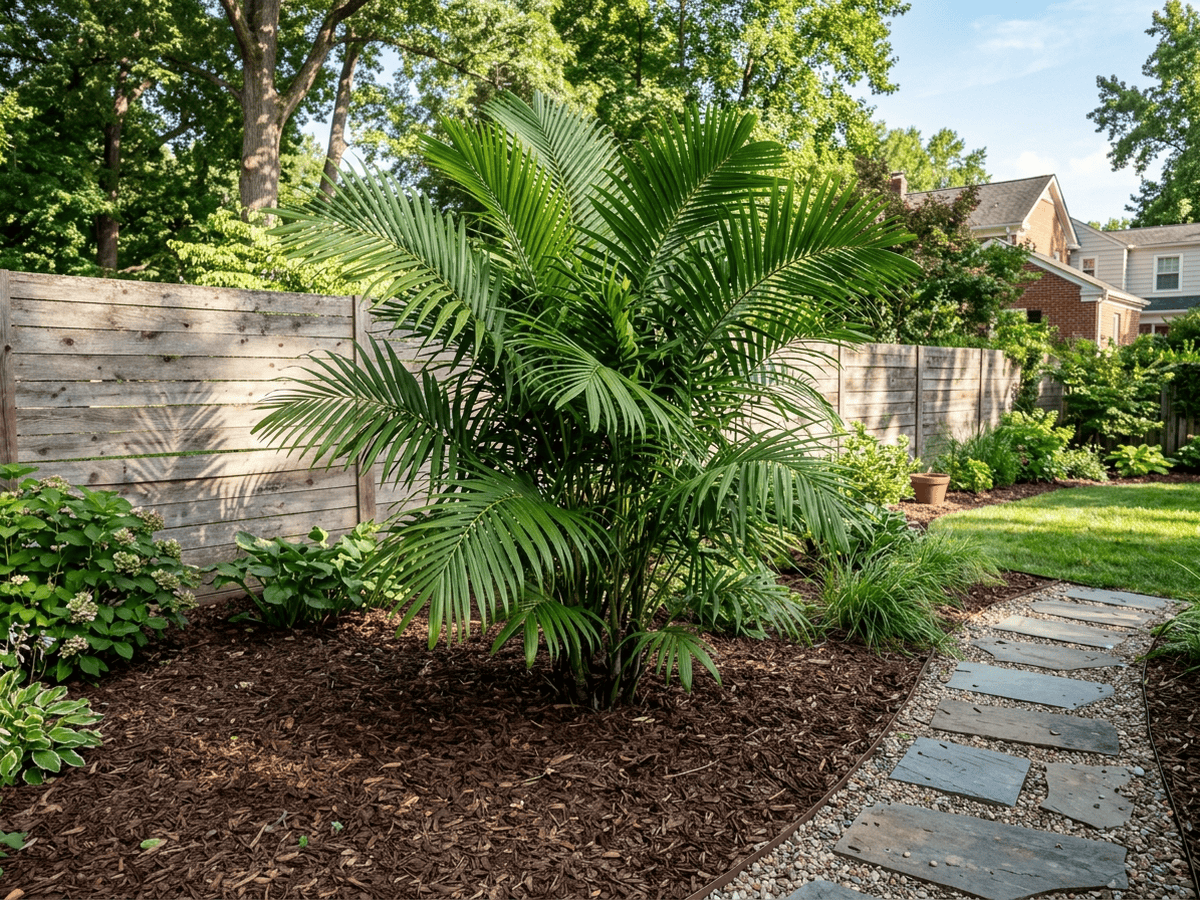
- Prized as a lush understory or courtyard specimen for its architectural, clustering form and cold tolerance.
- Ripening fruit clusters are eaten by birds, which help disperse the seeds.
Related plants
Plants with similar care
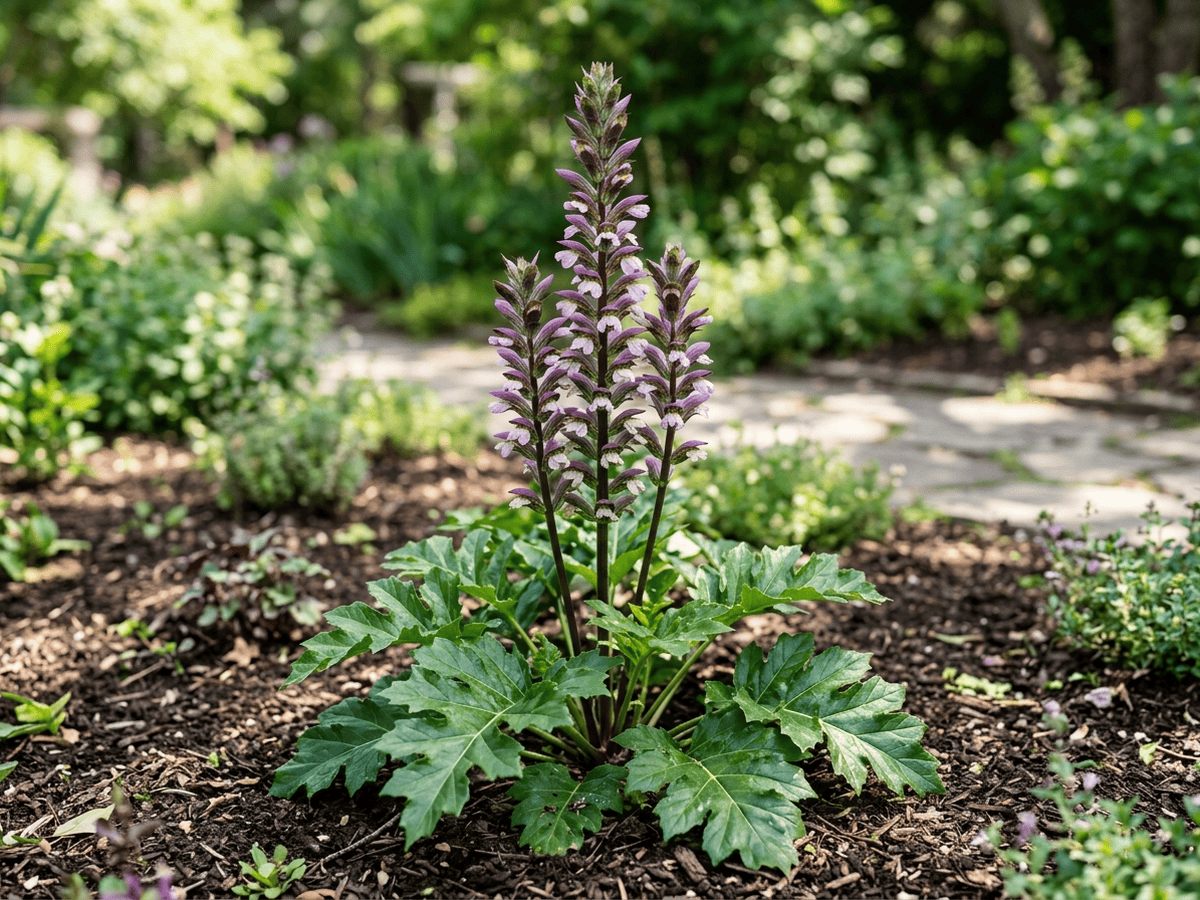 Bear's BreechesAcanthus mollis
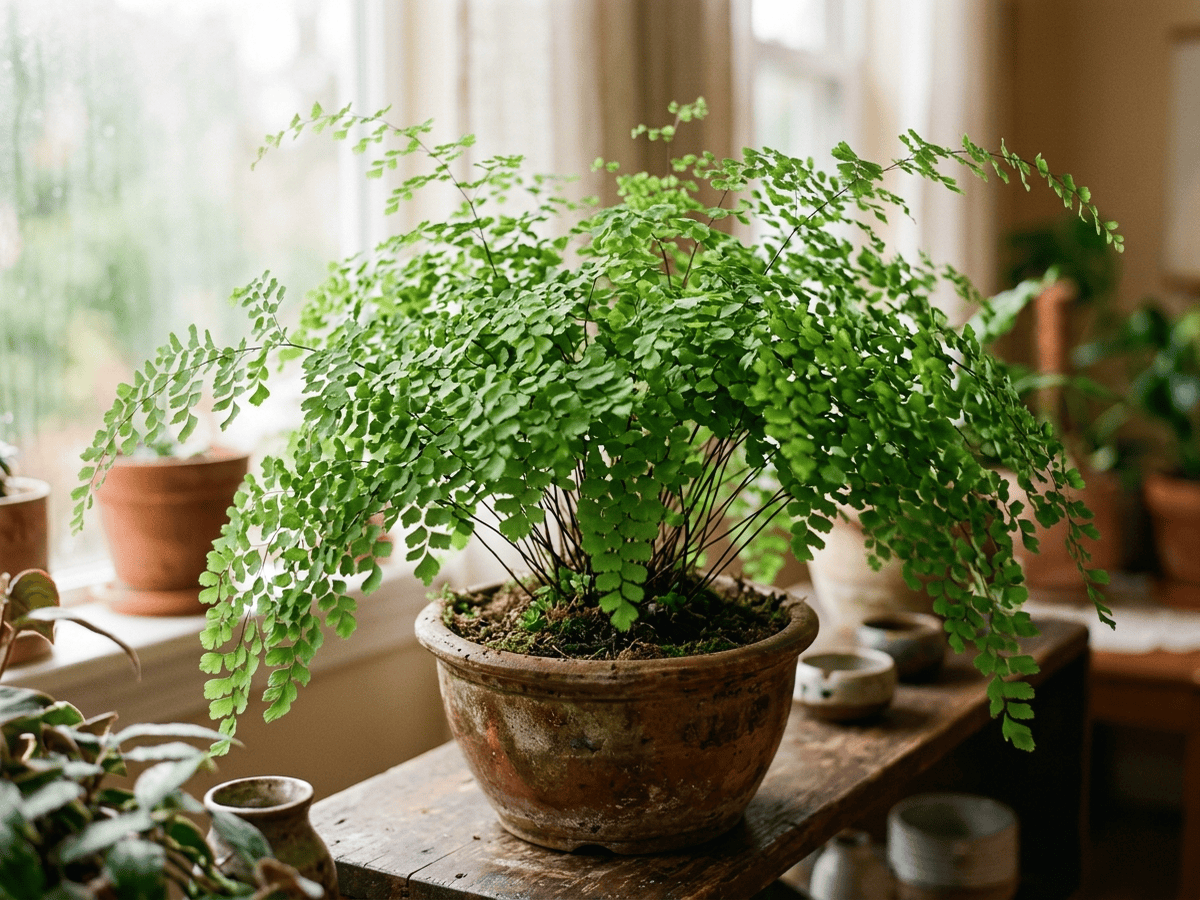 Delta Maidenhair FernAdiantum raddianum
 African Mask PlantAlocasia amazonica
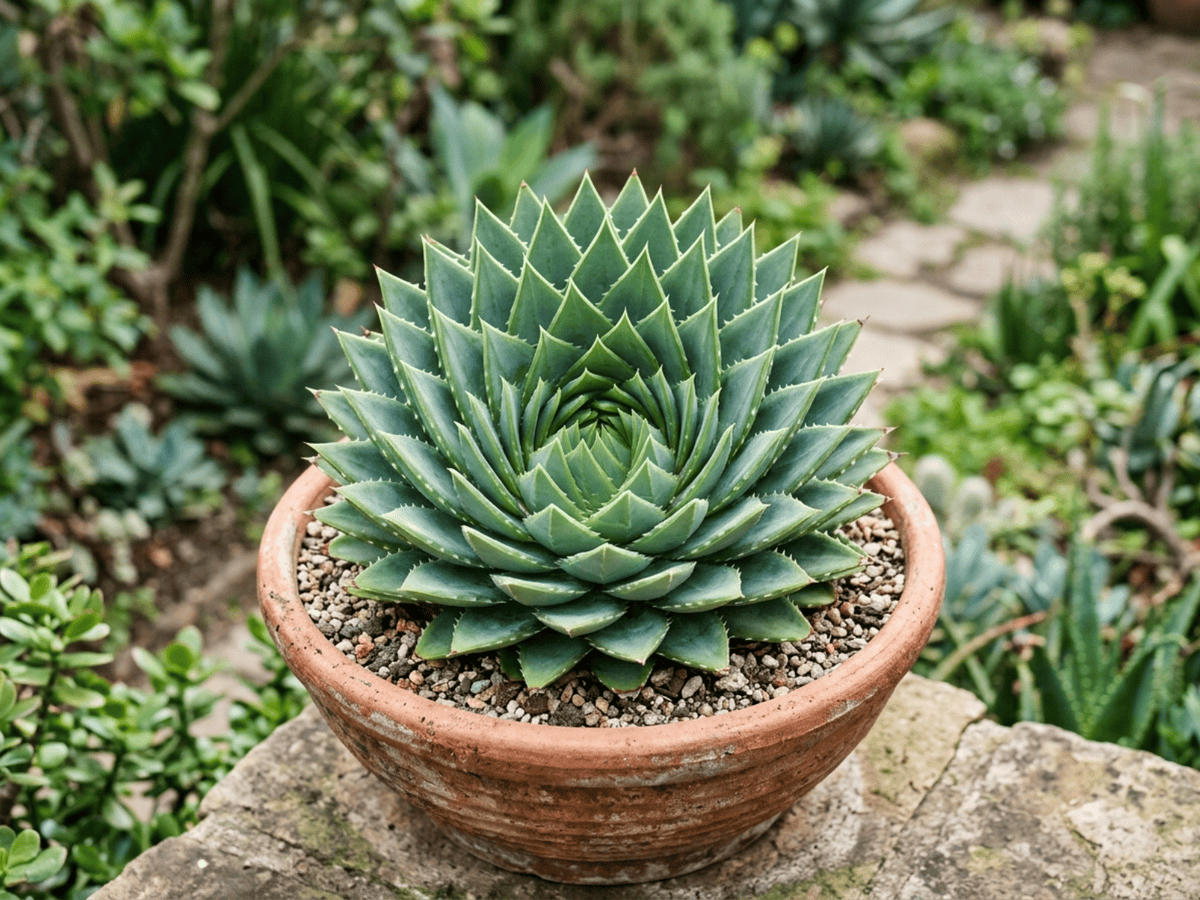 Spiral AloeAloe polyphylla
Frequently asked questions
How often should I water Formosa Palm?
Water about every 10 days during the growing season, and always let excess water drain away.
How much light does Formosa Palm need?
Part shade: 2–4 hrs direct. Watch the leaves — scorching or stretching means the light needs adjusting.
Is Formosa Palm toxic to cats or dogs?
Pets Unknown (Dogs Unknown · Cats Unknown) Educational information, not medical or veterinary advice. If exposure is suspected, contact a doctor or veterinarian.
Is Formosa Palm easy to grow?
It is considered challenging and rewards experienced growers.
Can Formosa Palm be grown indoors?
Yes, it adapts well to indoor growing given the right light.
YardMate
Identify any plant in seconds
Snap a photo — YardMate names the plant, diagnoses problems, and reminds you when to water.
Download on the App Store