 YardMate


American Witch Hazel
Hamamelis virginiana
Easy · Beginner friendlyAbout American Witch Hazel
Hamamelis virginiana, American witch hazel, is a deciduous shrub or small tree of eastern North American woodlands. It flowers when almost everything else is shutting down: clusters of narrow yellow ribbon petals unfurl in late autumn, often among gold leaves or after the first frosts. The fruit ripens the following year and can eject seeds with surprising force. Indigenous knowledge introduced European settlers to the plant's aromatic bark and leaves, which later became the basis of the familiar pharmacy extract. Thomas Newton Dickinson began commercial production in Connecticut in 1866, helping make witch hazel a household name. In gardens it is a superb native understory plant, valuable for late fragrance, fall color, and winter structure.
- Medicinal
- Fragrant
- Native
How to care for American Witch Hazel
Watering
- Springevery 10 days
- Summerevery 7 days
- Fallevery 14 days
- Winterevery 30 days
Soil · Acidic · pH 4.5–6
- Top dressingPine needle mulch10%
- Main mixAcid-lover mix + peat 3:175%
- DrainageGravel15%
Never add lime or wood ash — it cancels out the acidity.
FERTILIZER
Balanced Feed 14-14-14
An even feed covers all three needs at once, keeping leaves, roots and blooms moving together with nothing pushed out of balance.
- Nitrogen · Leaves
- Phosphorus · Roots + Blooms
- Potassium · Strength
This plant needs little to no feeding.
At a Glance
- NativeNorth America
- Height15–25 ft (4.6–7.6 m)
- Spread15–20 ft (4.6–6.1 m)
- Flower colorYellow
- Foliage colorGreen, Yellow
- Fruit colorBrown
- SoilLoamy, Moisture-retentive, Acidic
- LocationsYard
Bloom time
BLOOM CYCLE
Peak bloom
Sep–Dec
Fragrant yellow ribbon petals October-December, often alongside fall foliage.
Fragrance
MODERATE FRAGRANCE
The flowers have a sweet delicate autumn fragrance.
Toxicity
No toxicity has been reported for this plant. Still, it is wise to keep pets from chewing on any houseplant.
Educational information, not medical or veterinary advice. If exposure is suspected, contact a doctor or veterinarian.
DISTRIBUTION


- Native
- North America
History

Hamamelis virginiana is native to eastern North America from Nova Scotia south to Georgia and west to Texas and Minnesota. Indigenous Mohegan, Cherokee, Iroquois, and Menominee peoples used the bark and leaves for skin inflammation, bruises, hemorrhoids, and internal ailments. Early European settlers learned these uses and adopted the forked branches for water-divining — the origin of 'witch' in the common name, from Old English 'wice' (pliant/flexible), not from witchcraft despite popular misinterpretation.
Thomas Newton Dickinson of Essex, Connecticut, began commercial distillation of witch hazel extract in 1866. His company (now Dickinson Brands) and its rival E.E. Dickinson (founded 1892 by his son) still produce the vast majority of the world's commercial witch hazel extract. Over 1 million gallons are distilled annually from Connecticut-grown plants.
The compound is astringent (tannins), mildly antiseptic, and widely used in skincare, aftershave, hemorrhoid preparations (Tucks pads), and first aid. The plant itself is a superb native woodland shrub — the tiny yellow ribbon-petaled flowers open in October-December, often while the gold fall foliage is still on the plant, creating an unusual flower-leaf overlap. Fruit capsules from the previous year's flowering ripen the next autumn, explosively ejecting seeds up to 10 meters. The species name from this coincidence of flower and fruit gives Hamamelis its Greek etymology.
Symbolism & meaning
What It Symbolizes
American Witch Hazel is a small spell of inspiration, blooming with thread-like yellow petals long after every other shrub has gone to sleep. Old folk practice trusted its forked branches as divining rods, walking countrysides in search of hidden water. In its late-season flowers and quiet magic, the eastern woods perform a final, courageous act before winter.
- Inspiration — Blooms when other plants sleep, symbolic of late-season courage
- Folk Magic — Divining rods of witch hazel sought water for centuries
Where the Name Comes From
Hamamelis from Greek 'hama' (together) + 'melon' (apple/fruit), since flowers and previous year's fruit appear together; 'virginiana' means of Virginia. 'Witch' from Old English 'wice' (pliant) referring to forked branches.
Uses & Fun Facts
- Bark extract distilled into the classic witch hazel astringent
- Yellow ribbon flowers scent woodlands in late autumn
- Native specimen shrub blooms when most others have finished
- Forked branches historically used as water-witching divining rods
Related plants
Plants with similar care
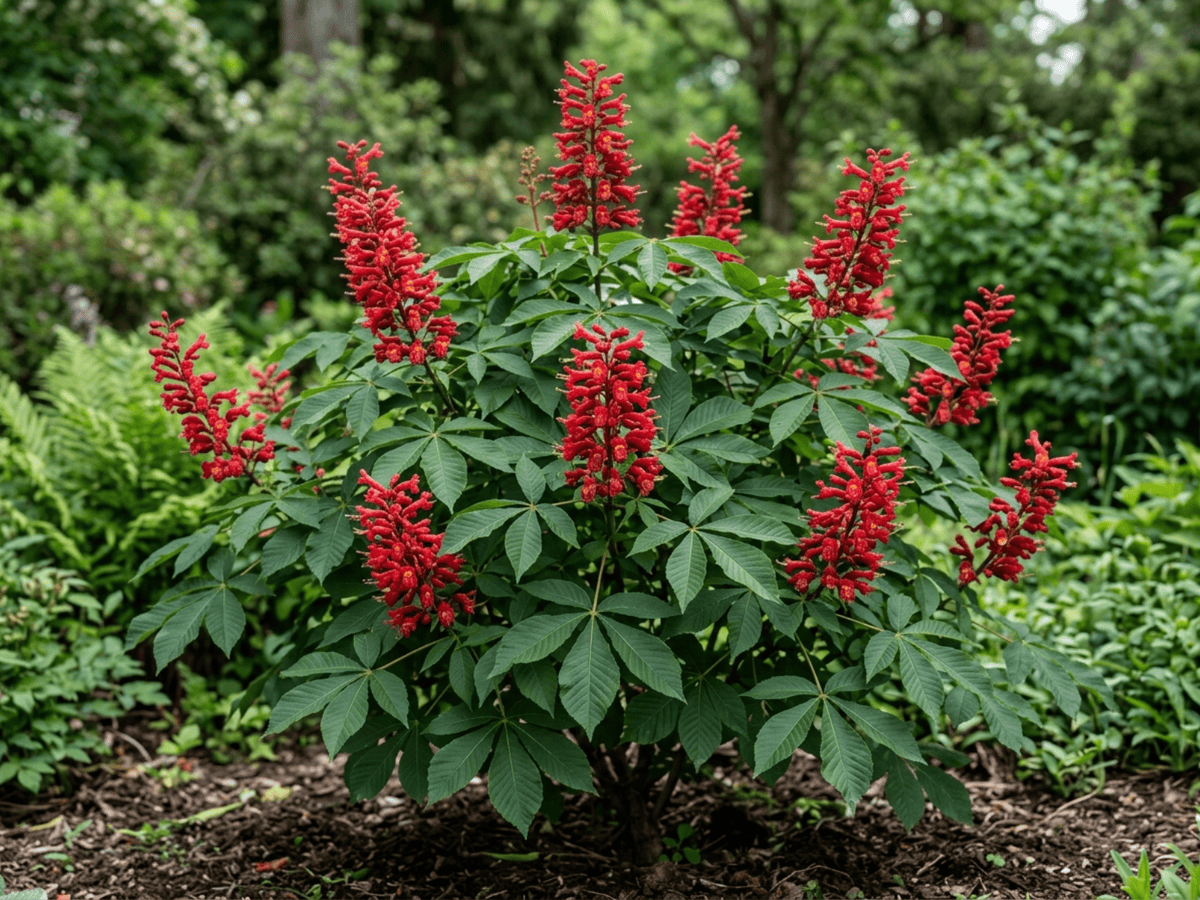 Red BuckeyeAesculus pavia
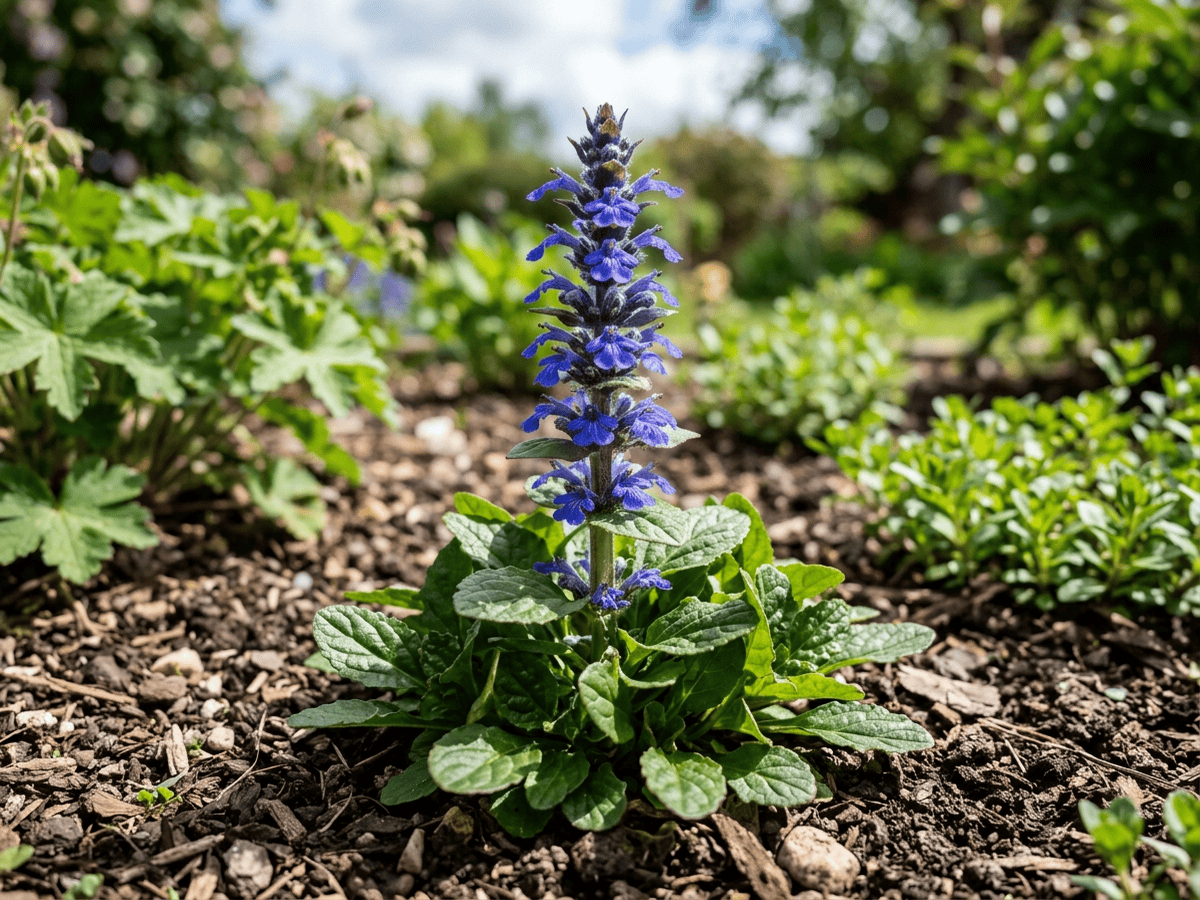 Blue BugleAjuga genevensis
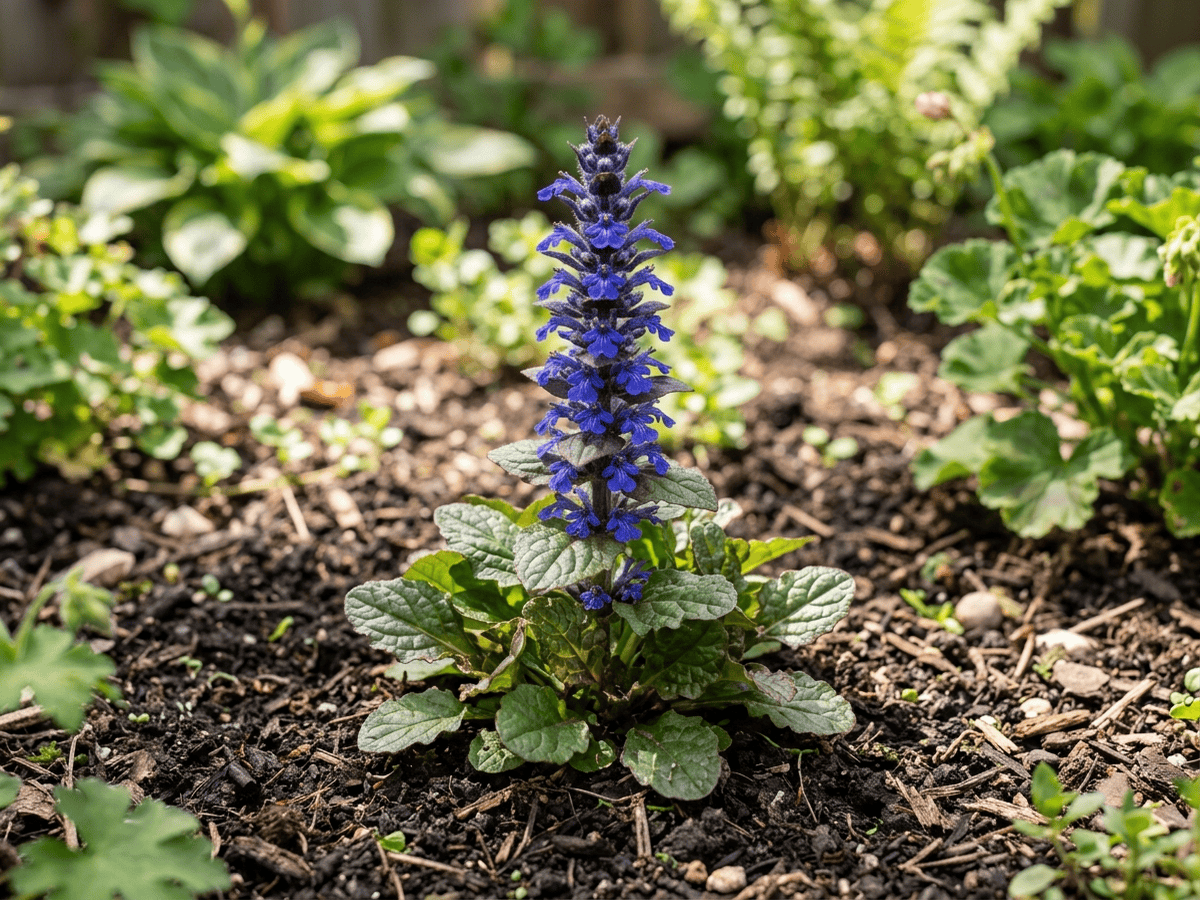 Pyramidal BugleAjuga pyramidalis
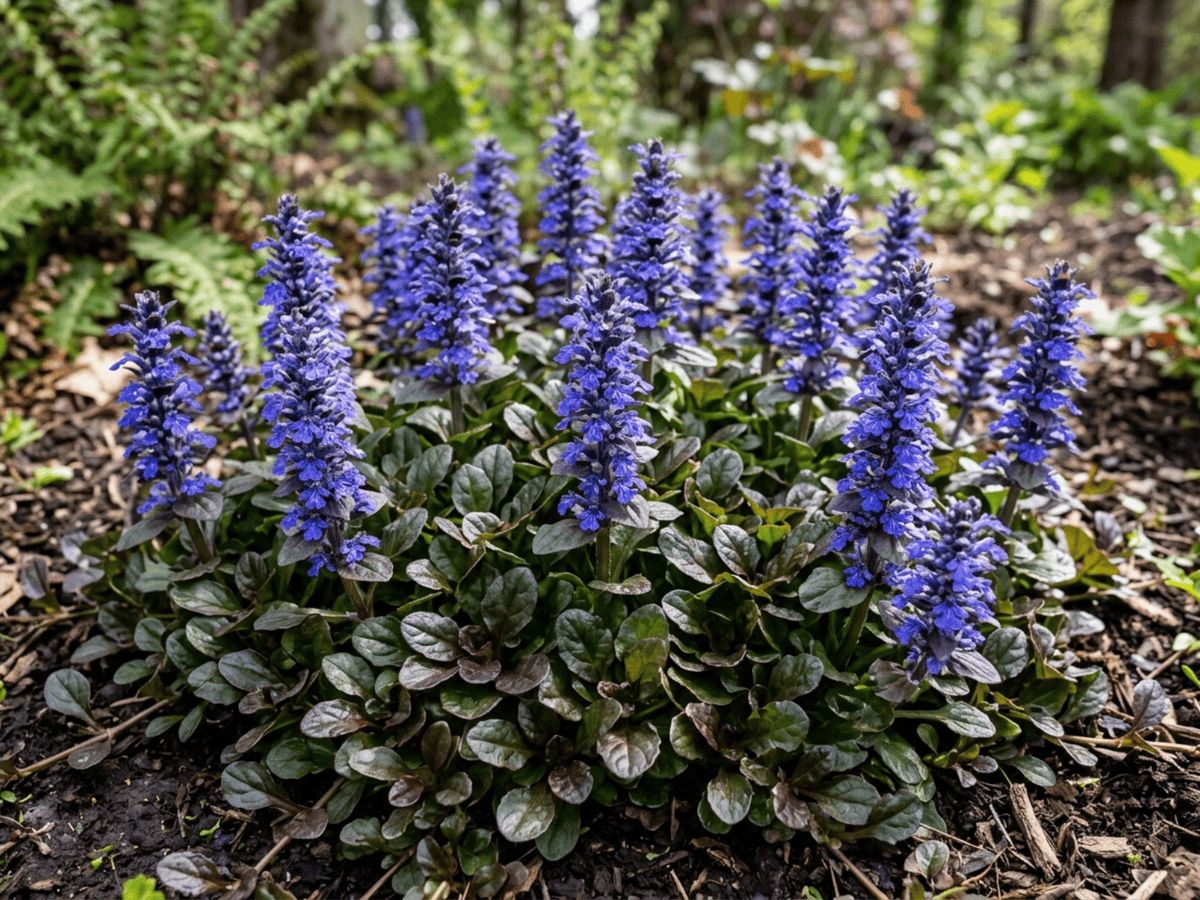 Carpet BugleAjuga reptans
Frequently asked questions
How often should I water American Witch Hazel?
In summer, water about every 7 days; in winter, about every 30 days. Adjust for heat, pot size and drainage.
How much light does American Witch Hazel need?
Part shade: 2–4 hrs direct. Watch the leaves — scorching or stretching means the light needs adjusting.
Is American Witch Hazel toxic to cats or dogs?
No toxicity has been reported for this plant. Still, it is wise to keep pets from chewing on any houseplant. Educational information, not medical or veterinary advice. If exposure is suspected, contact a doctor or veterinarian.
Is American Witch Hazel easy to grow?
Yes — it is considered an easy, beginner-friendly plant.
When does American Witch Hazel bloom?
It typically blooms Sep–Dec in the Northern Hemisphere.
YardMate
Identify any plant in seconds
Snap a photo — YardMate names the plant, diagnoses problems, and reminds you when to water.
Download on the App Store