 YardMate


Butterfly Ginger Lily
Hedychium coronarium
Easy · Beginner friendlyAbout Butterfly Ginger Lily
White Ginger Lily is a magnificent tropical perennial native to the Himalayas and Southeast Asia, celebrated as the national flower of Cuba. Growing 4 to 6 feet tall, it produces lush clumps of cane-like stems with broad, lance-shaped leaves. From late summer through fall, it bears terminal spikes of intensely fragrant, butterfly-shaped white flowers that perfume entire gardens. The intoxicating scent is strongest in the evening, attracting moths and other pollinators. White Ginger Lily spreads vigorously via thick rhizomes and can colonize stream banks and moist ditches in tropical regions — in Hawaii it is considered invasive. The flowers are used to make leis and are a traditional offering in Buddhist temples across Asia. It prefers rich, consistently moist soil and partial shade but tolerates full sun with adequate water. In perfumery, the essential oil is prized for its sweet, jasmine-like fragrance. This is one of the most powerfully scented plants in cultivation.
- Fragrant
- Tropical
How to care for Butterfly Ginger Lily
Watering
- Springevery 2 days
- Summerevery 2 days
- Fallevery 5 days
- Winterevery 14 days
Soil · Well-draining
- Top dressingPine bark mulch10%
- Main mixPotting soil + perlite 2:170%
- DrainageLECA / gravel20%
Never skip the drainage layer — standing water is the top cause of root rot.
FERTILIZER
Balanced Feed 14-14-14
An even feed covers all three needs at once, keeping leaves, roots and blooms moving together with nothing pushed out of balance.
- Nitrogen · Leaves
- Phosphorus · Roots + Blooms
- Potassium · Strength
- Springevery 30 days
- Summerevery 30 days
At a Glance
- NativeSouth Asia, East Asia
- Height4–7 ft (1.2–2.1 m)
- Spread3–4 ft (0.9–1.2 m)
- Flower colorWhite, Cream
- Foliage colorGreen
- SoilLoamy, Moisture-retentive, Rich
- LocationsYard
Bloom time
BLOOM CYCLE
Peak bloom
Jun–Nov
Intensely fragrant white butterfly flowers from late summer to fall
Fragrance
STRONG FRAGRANCE
Intensely sweet, gardenia-like evening fragrance; used in perfumery.
Toxicity
No toxicity has been reported for this plant. Still, it is wise to keep pets from chewing on any houseplant.
Educational information, not medical or veterinary advice. If exposure is suspected, contact a doctor or veterinarian.
DISTRIBUTION

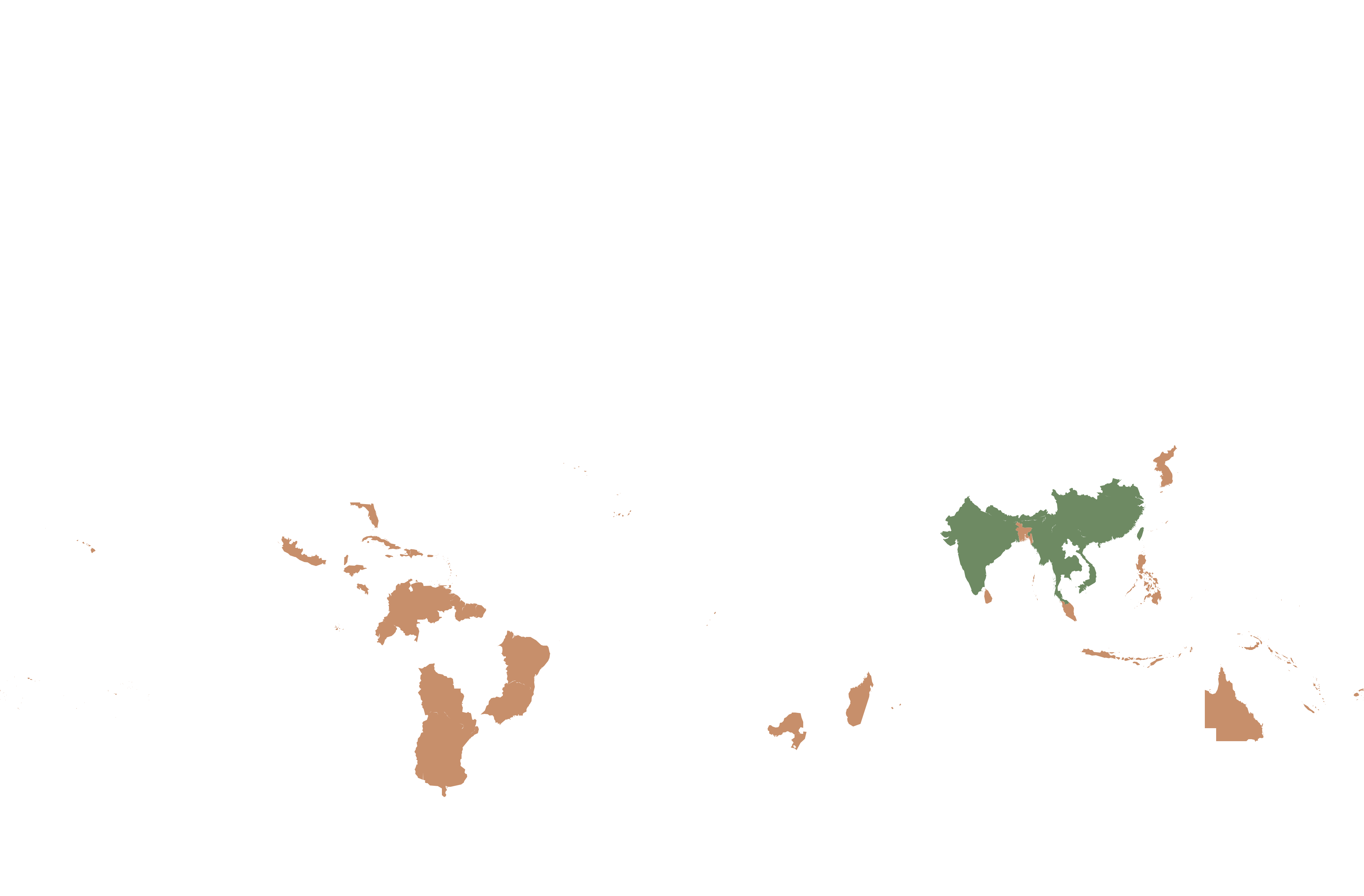
- Native
- Introduced
- South Asia
- East Asia
History
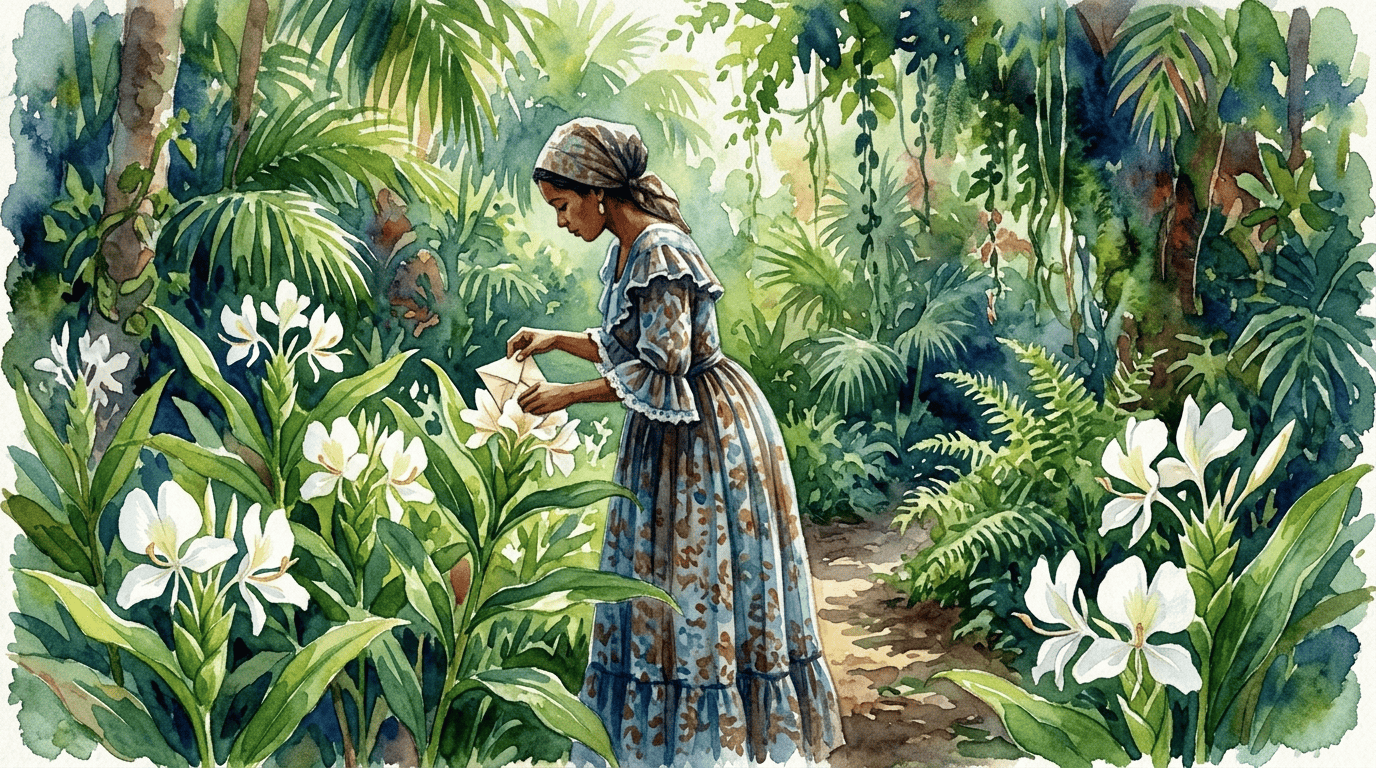
Hedychium coronarium is native to the Himalayan foothills and southwest China — from northern India, Nepal, and Bhutan east through Yunnan and Sichuan. The species produces tall clumps of leafy stems 1.5-2 meters high, topped by dense heads of intensely fragrant pure-white flowers resembling butterflies or moths. Introduced to Cuba by Spanish colonists (probably via the Philippines' Acapulco-Manila trade), it naturalized rapidly in the island's humid interior and was adopted as a powerful national symbol — the "mariposa blanca" (white butterfly) became associated with the Cuban wars of independence against Spain in the 19th century, when independence-movement women reportedly hid messages in the flowers' folded petals to carry between insurgent groups.
The white butterfly ginger was declared the national flower of Cuba after independence, and remains a powerful symbol of Cuban femininity, purity, and resistance. The species is also widely naturalized in Hawaii, where it is called "'awapuhi ke'oke'o" and has become a moderate invasive in wet forests; in New Zealand, Brazil, parts of tropical Africa, and southeast Asia it is variously invasive or culturally cultivated. The essential oil is an ingredient in fine perfumery.
Across Buddhist Southeast Asia, the flowers have been placed on temple altars for centuries. The essential oil became valued in European perfumery in the early 20th century. The related Hedychium gardnerianum (Kahili ginger) is a much worse invasive in Hawaii and the Azores.
Symbolism & meaning
What It Symbolizes
Butterfly Ginger Lily carries purity in its pristine white blooms, its fragrance read as spiritual cleanliness across the cultures that grow it. Paired with devotion, the flowers serve as temple offerings throughout South and Southeast Asia, carried in faithful dedication. It is a plant whose perfume seems to drift between the garden path and the altar with equal ease.
- Purity — the pristine white flowers symbolize spiritual cleanliness
- Devotion — used as temple offerings representing faithful dedication
Where the Name Comes From
The name Butterfly Ginger Lily describes its lily-like flowers. 'Hedychium' comes from Greek 'hedys' (sweet) and 'chion' (snow), meaning sweet snow — a perfect description of the fragrant white flowers. 'Coronarium' means 'used for garlands.'
Uses & Fun Facts
- White butterfly ginger flowers release intense gardenia-like evening perfume
- Fragrant ginger blooms used in Hawaiian and Asian leis
- National flower of Cuba revered for its purity and scent
Related plants
Plants with similar care
 Red BuckeyeAesculus pavia
 Blue BugleAjuga genevensis
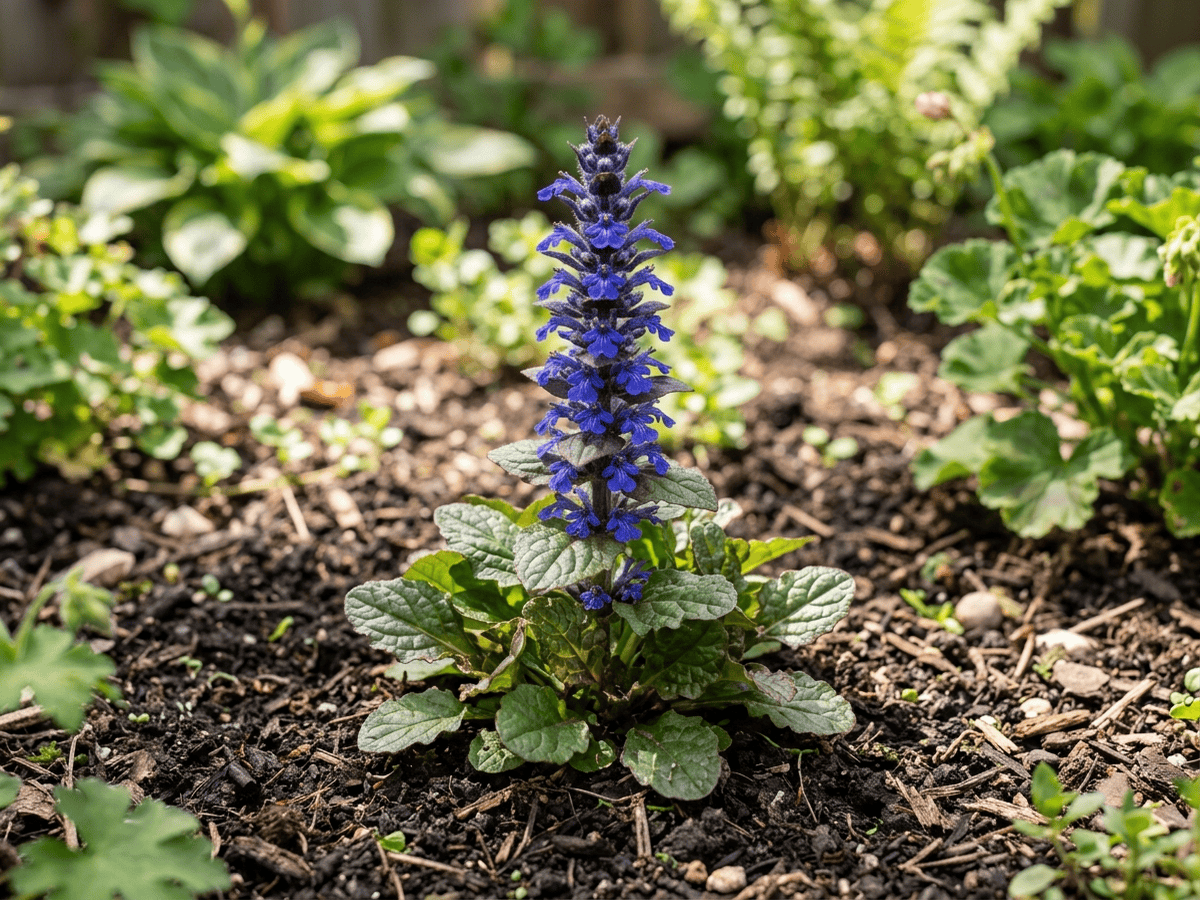 Pyramidal BugleAjuga pyramidalis
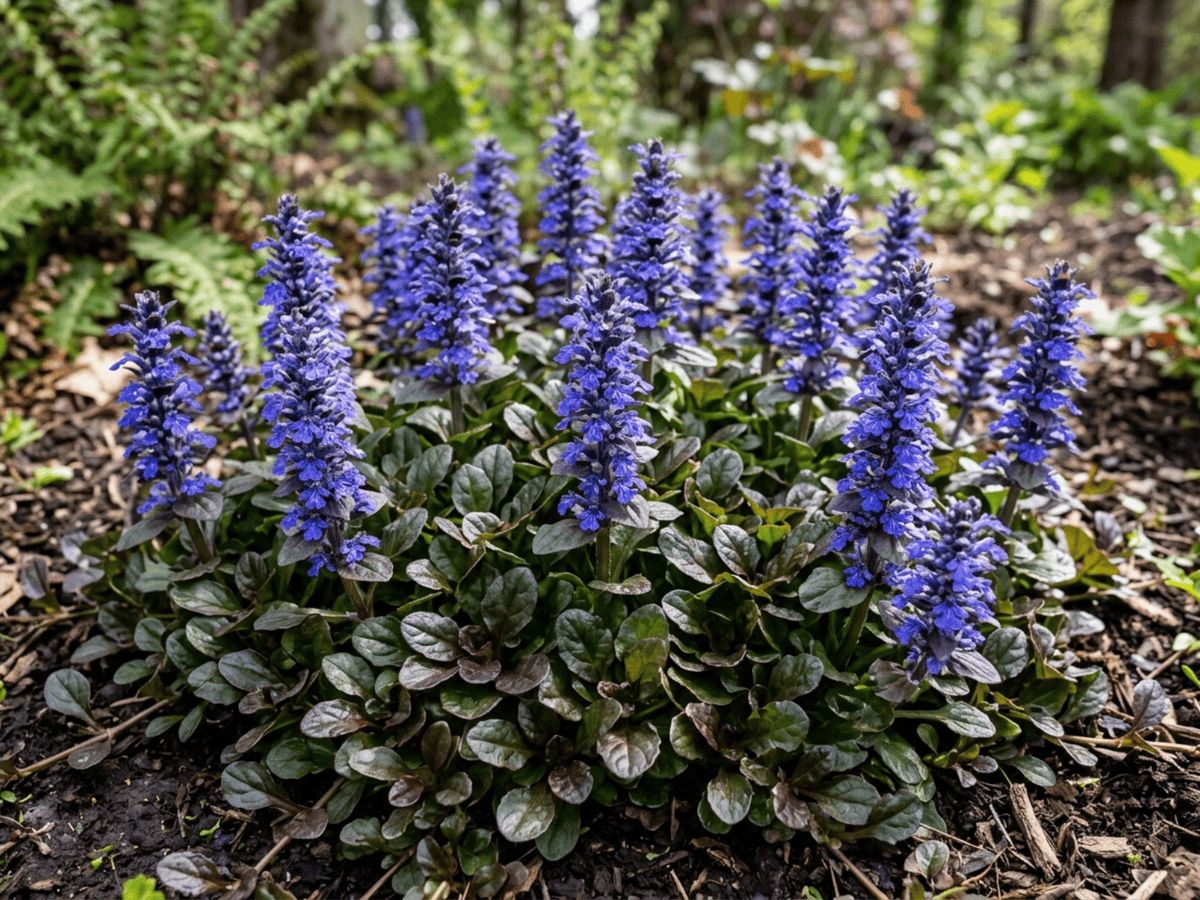 Carpet BugleAjuga reptans
Frequently asked questions
How often should I water Butterfly Ginger Lily?
In summer, water about every 2 days; in winter, about every 14 days. Adjust for heat, pot size and drainage.
How much light does Butterfly Ginger Lily need?
Part shade: 2–4 hrs direct. Watch the leaves — scorching or stretching means the light needs adjusting.
Is Butterfly Ginger Lily toxic to cats or dogs?
No toxicity has been reported for this plant. Still, it is wise to keep pets from chewing on any houseplant. Educational information, not medical or veterinary advice. If exposure is suspected, contact a doctor or veterinarian.
Is Butterfly Ginger Lily easy to grow?
Yes — it is considered an easy, beginner-friendly plant.
When does Butterfly Ginger Lily bloom?
It typically blooms Jun–Nov in the Northern Hemisphere.
YardMate
Identify any plant in seconds
Snap a photo — YardMate names the plant, diagnoses problems, and reminds you when to water.
Download on the App Store