 YardMate


Dame's Rocket
Hesperis matronalis
Easy · Beginner friendlyAbout Dame's Rocket
Dame's Rocket is a European biennial or short-lived perennial escaped from colonial-era American gardens into roadsides, streambanks, and forest edges across the northern US. Growing 2 to 4 feet tall with lance-shaped leaves and showy clusters of four-petal purple, pink, or white fragrant flowers in late spring, it is often mistaken for native phlox but has four petals rather than five. Listed as invasive in many northern states.
- Fragrant
How to care for Dame's Rocket
Watering
- Springevery 10 days
- Summerevery 7 days
- Fallevery 14 days
- Winterevery 30 days
Soil · Well-draining
- Top dressingPine bark mulch10%
- Main mixPotting soil + perlite 2:170%
- DrainageLECA / gravel20%
Never skip the drainage layer — standing water is the top cause of root rot.
FERTILIZER
- Springevery 45 days
At a Glance
- NativeMediterranean
- Height2–4 ft (0.6–1.2 m)
- Spread1–2 ft (0.3–0.6 m)
- Flower colorPurple, Pink, White
- Foliage colorGreen
- SoilLoamy, Well-drained, Moisture-retentive
- LocationsYard
Bloom time
BLOOM CYCLE
Peak bloom
May
Fragrant purple-white four-petal flower clusters late spring
Fragrance
STRONG FRAGRANCE
The flowers have a sweet, spicy evening fragrance.
Toxicity
No toxicity has been reported for this plant. Still, it is wise to keep pets from chewing on any houseplant.
Educational information, not medical or veterinary advice. If exposure is suspected, contact a doctor or veterinarian.
DISTRIBUTION

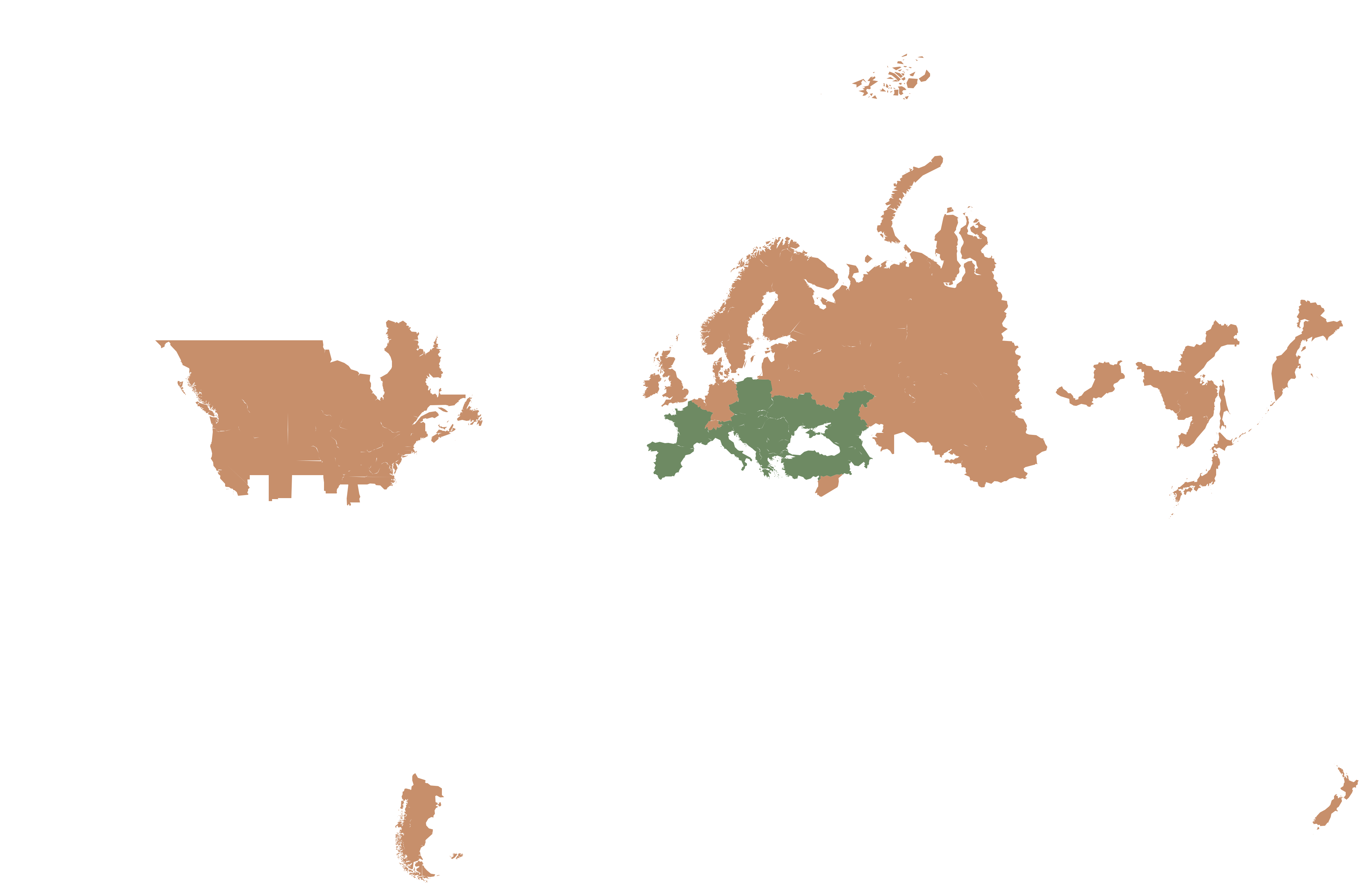
- Native
- Introduced
- Mediterranean
History

Hesperis matronalis, dame's rocket, sweet rocket, or mother-of-the-evening, is a biennial or short-lived perennial in the cabbage family native to southern Europe and western Asia. Cultivated in European gardens since the Middle Ages for its evening fragrance, the plant was a favorite of Elizabethan cottage gardens and travelled to North America with seventeenth-century colonists. Its four-petalled flowers in shades of purple, pink, and white are often mistaken for phlox, but phlox has five petals.
Plants open their flowers fully in late afternoon, releasing a strong sweet scent at dusk that attracts night-flying moths. Once established in moist woodland edges and roadsides, dame's rocket produces thousands of seeds per plant, and Massachusetts, Connecticut, and other northeastern states now list it as invasive.
Native to Europe and western Asia, Dame's Rocket has been cultivated since medieval times and arrived in colonial American gardens in the 1600s. Frequently included in 'wildflower' seed mixes misrepresented as native phlox, it is now widespread along roadsides and streambanks across the northern US and listed invasive in many states.
Symbolism & meaning
What It Symbolizes
Dame's Rocket is pretty deception, its lavender clouds passing easily for native phlox along roadside ditches and edge-of-woods slopes. By day it is an ordinary biennial; at dusk it releases a sweet evening fragrance that turns gardens briefly enchanted. Beautiful and behaviorally suspect, it asks gardeners to look twice before falling in love.
- Pretty deception — often mistaken for native phlox
- Evening fragrance — flowers more fragrant at dusk
Where the Name Comes From
The name Dame's Rocket points to rocky habitats. 'Hesperis' from Greek 'hesperos' meaning evening, for evening fragrance; 'matronalis' from Latin means of matrons, referring to Roman Matronalia festival timing.
Related plants
Plants with similar care
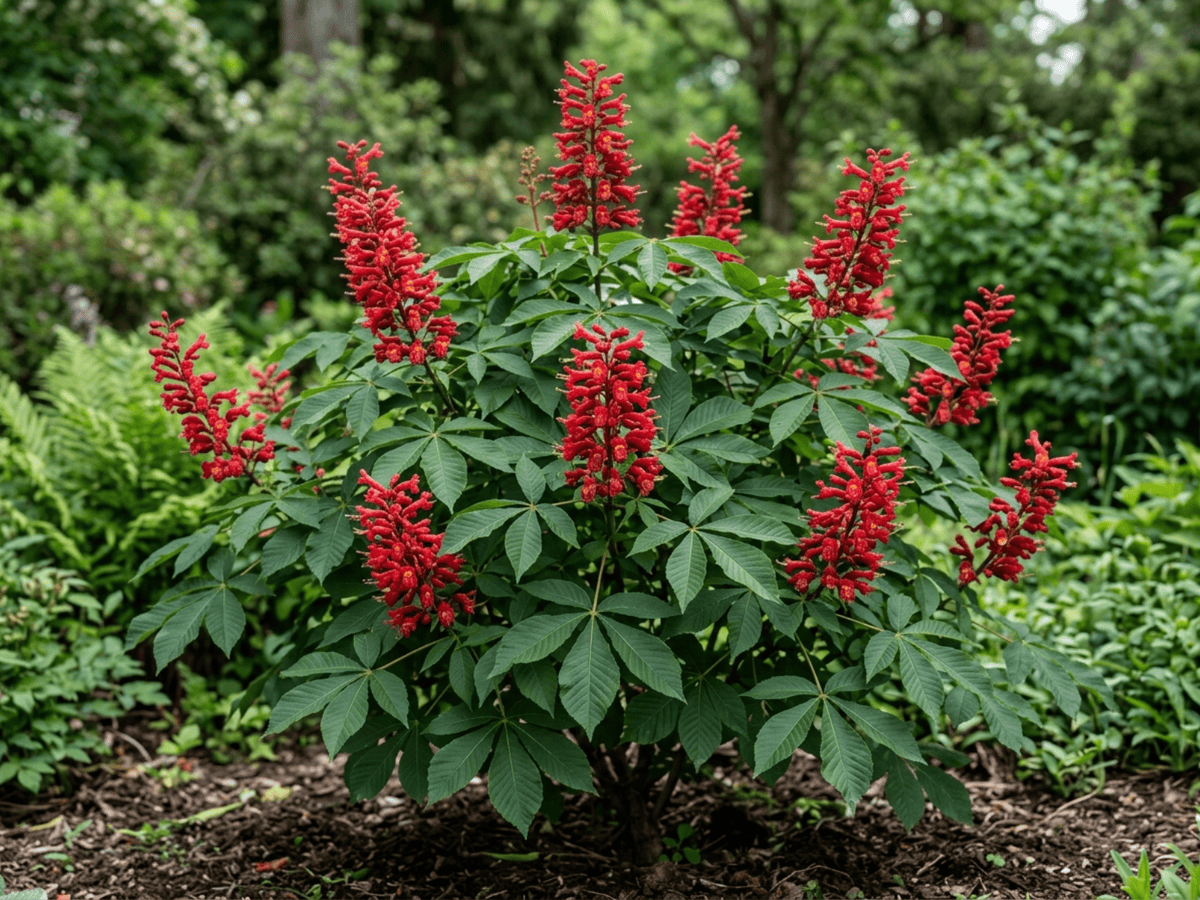 Red BuckeyeAesculus pavia
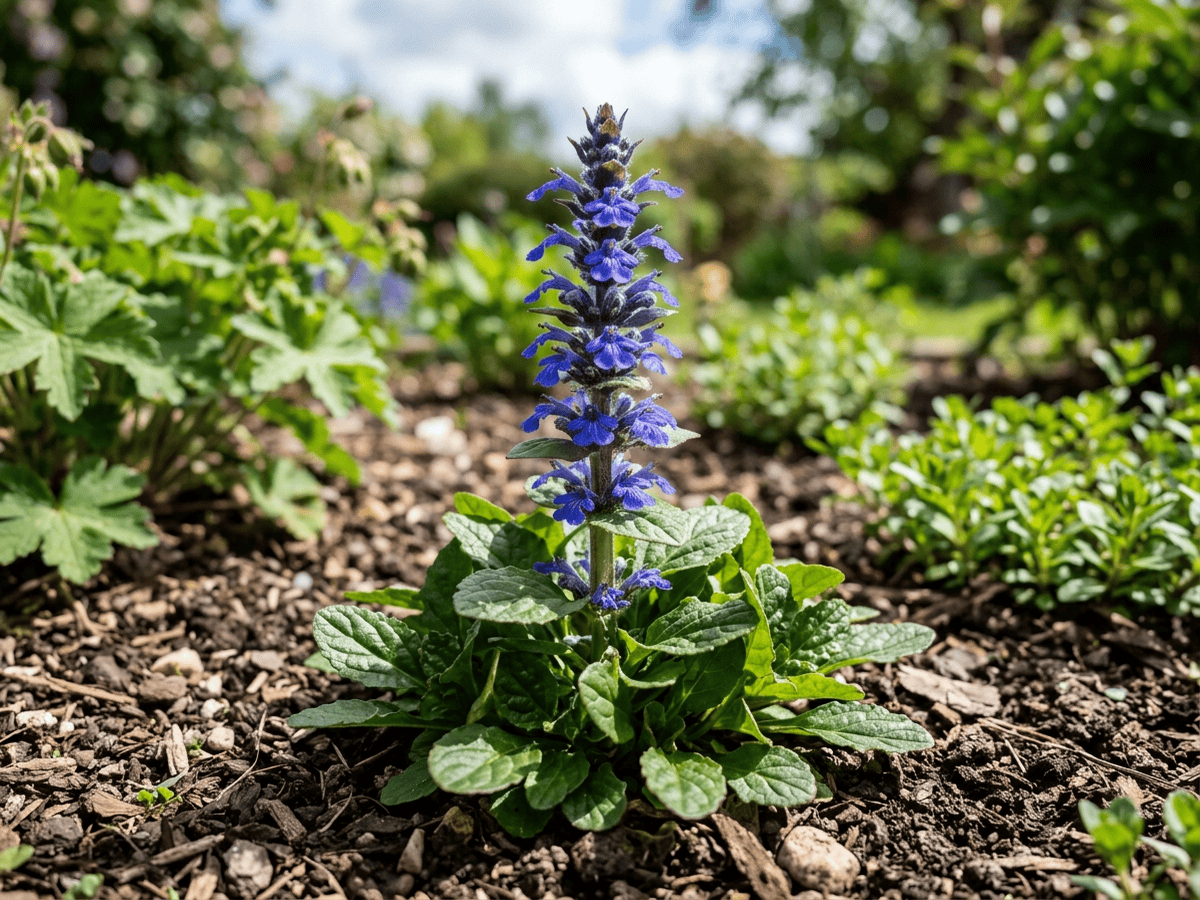 Blue BugleAjuga genevensis
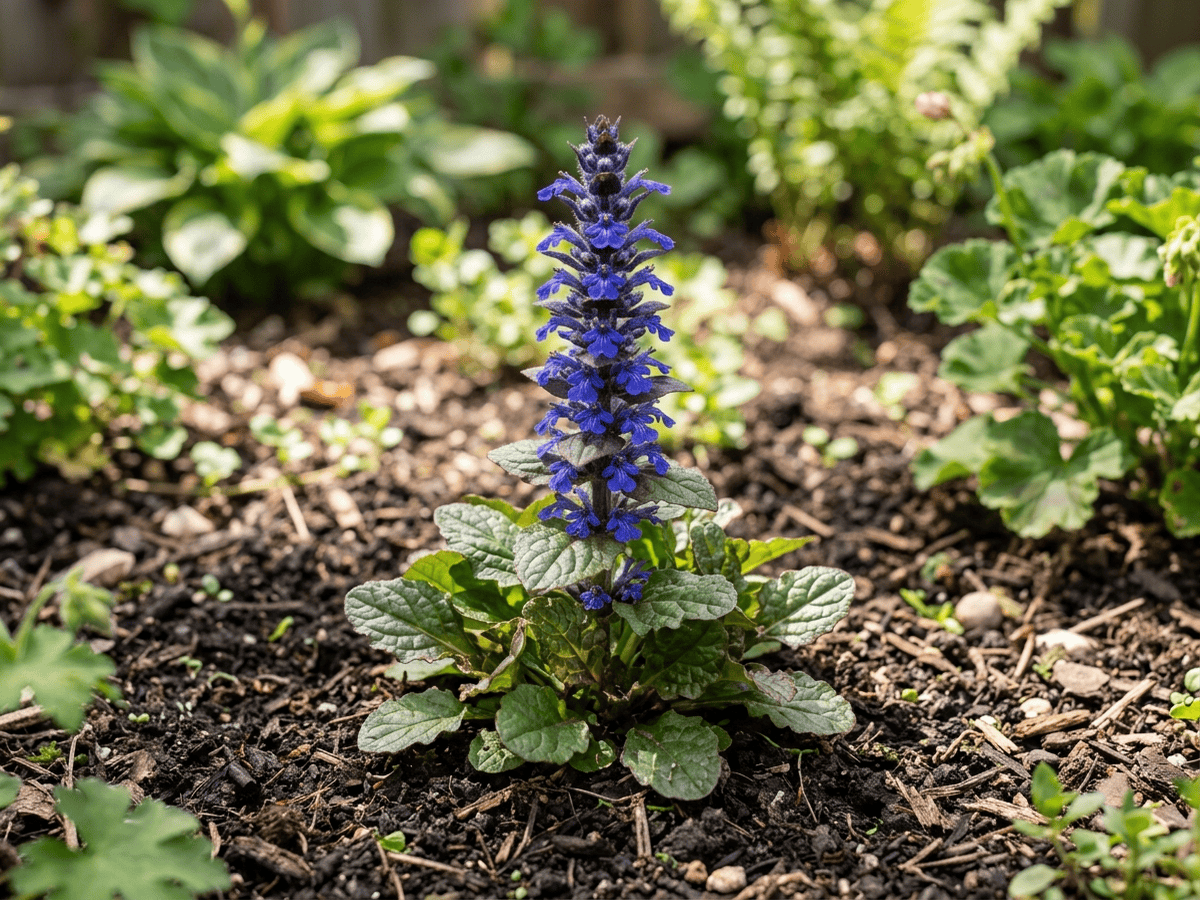 Pyramidal BugleAjuga pyramidalis
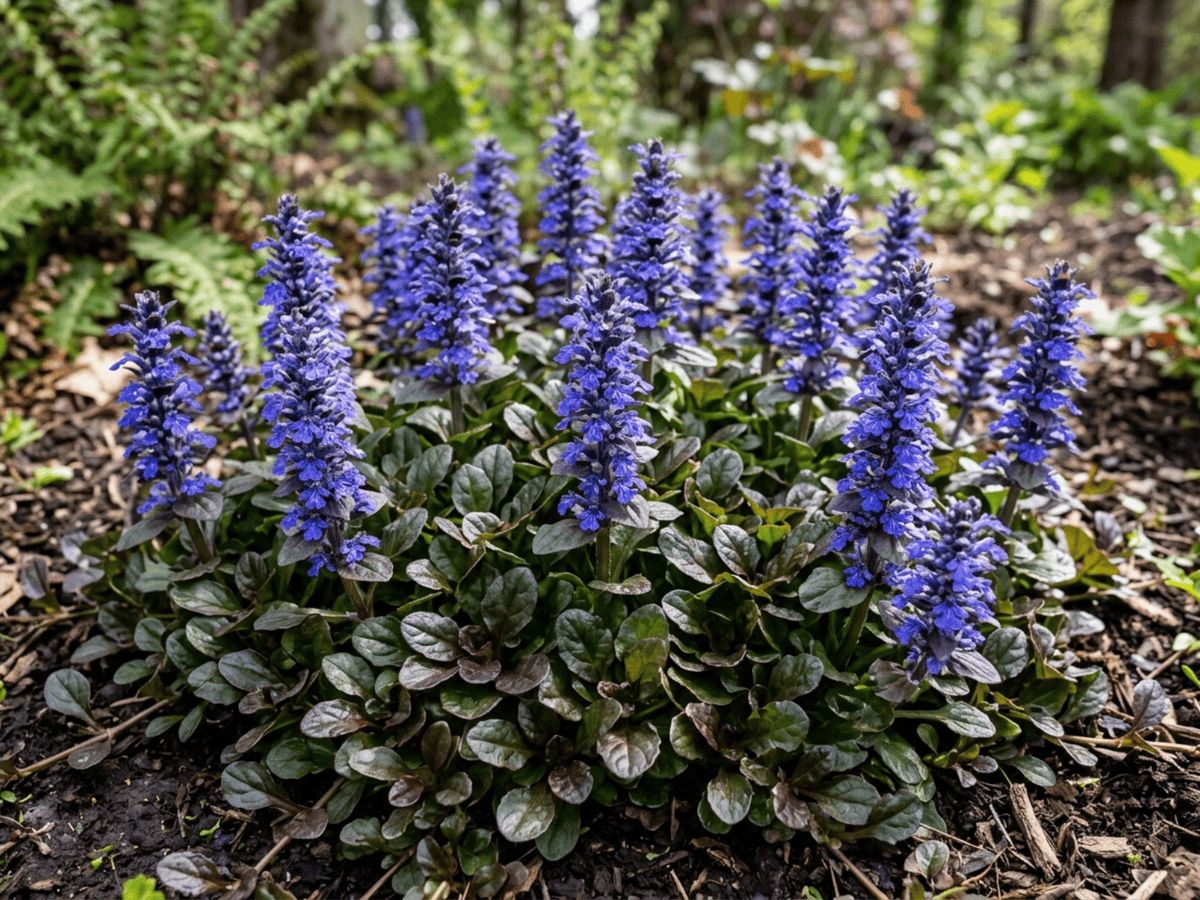 Carpet BugleAjuga reptans
Frequently asked questions
How often should I water Dame's Rocket?
In summer, water about every 7 days; in winter, about every 30 days. Adjust for heat, pot size and drainage.
How much light does Dame's Rocket need?
Part shade: 2–4 hrs direct. Watch the leaves — scorching or stretching means the light needs adjusting.
Is Dame's Rocket toxic to cats or dogs?
No toxicity has been reported for this plant. Still, it is wise to keep pets from chewing on any houseplant. Educational information, not medical or veterinary advice. If exposure is suspected, contact a doctor or veterinarian.
Is Dame's Rocket easy to grow?
Yes — it is considered an easy, beginner-friendly plant.
When does Dame's Rocket bloom?
It typically blooms May in the Northern Hemisphere.
YardMate
Identify any plant in seconds
Snap a photo — YardMate names the plant, diagnoses problems, and reminds you when to water.
Download on the App Store