 YardMate


Spanish Bluebell
Hyacinthoides hispanica
Easy · Beginner friendlyAbout Spanish Bluebell
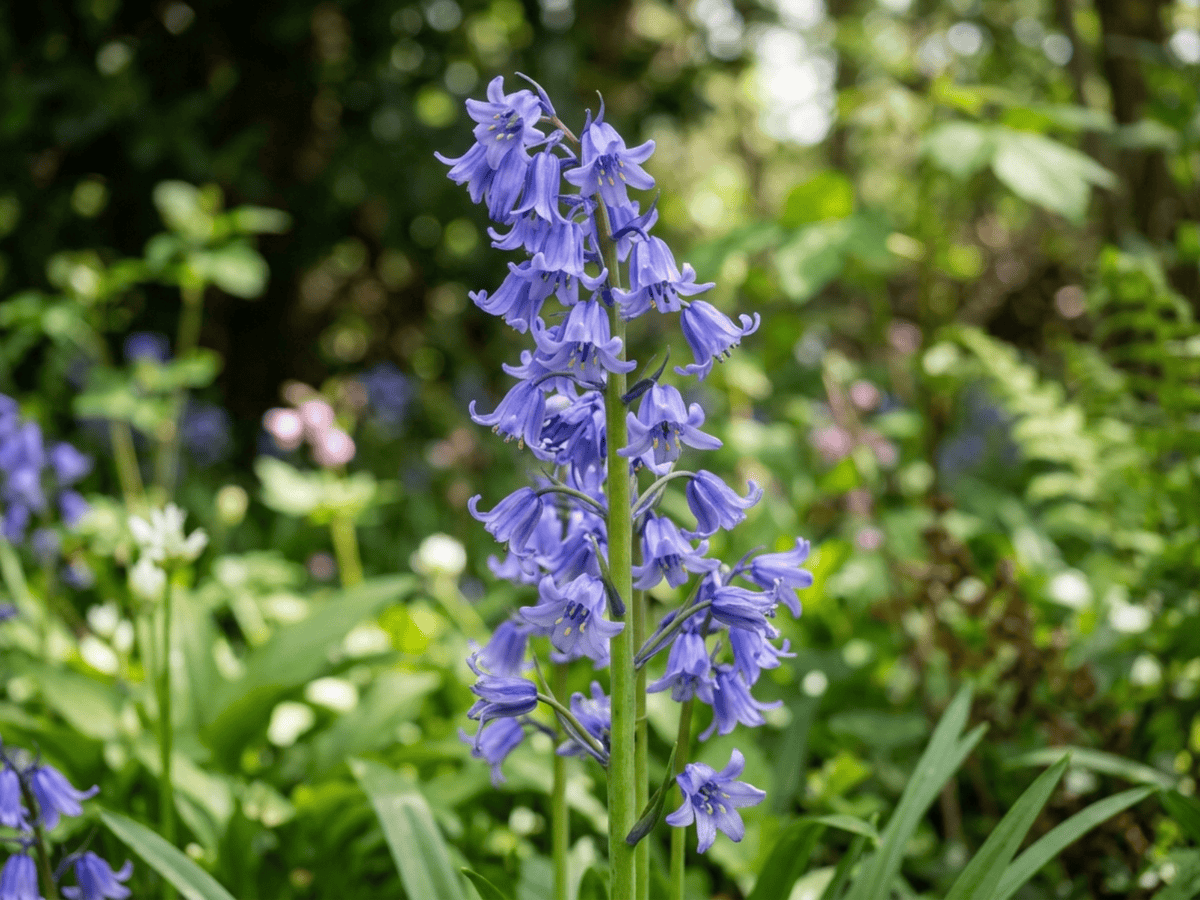
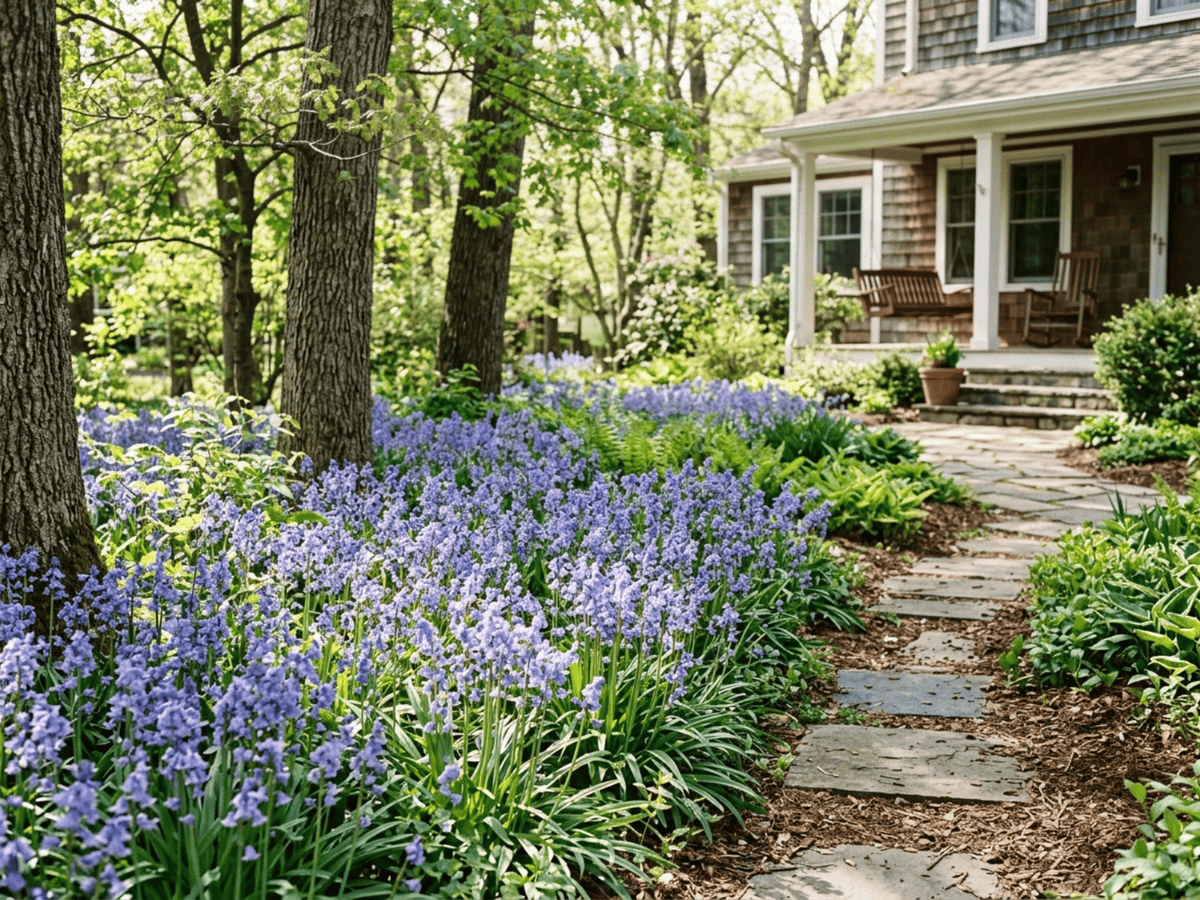
Spanish Bluebell is a sturdy bulbous perennial native to the Iberian Peninsula, producing upright spikes of nodding bell-shaped flowers in blue, pink, or white above strap-like green leaves. Growing 12-18 inches tall, it naturalizes vigorously to form drifts in American woodland gardens and under shrubs. Easier and more vigorous than its daintier English cousin (Hyacinthoides non-scripta), it is widely planted for mass spring color.
- Shade-tolerant
- Deer-resistant
- Cold-hardy
How to care for Spanish Bluebell
Watering
- Springevery 5 days
- Summerpause watering
- Fallevery 10 days
- Winterpause watering
Soil · Well-draining
- Main mixLoam + coarse sand 3:175%
- DrainageGravel25%
Sharp drainage matters most — bulbs rot in wet soil while dormant.
FERTILIZER
Balanced Feed 14-14-14
An even feed covers all three needs at once, keeping leaves, roots and blooms moving together with nothing pushed out of balance.
- Nitrogen · Leaves
- Phosphorus · Roots + Blooms
- Potassium · Strength
- Springevery 30 days
- Fallevery 60 days
At a Glance
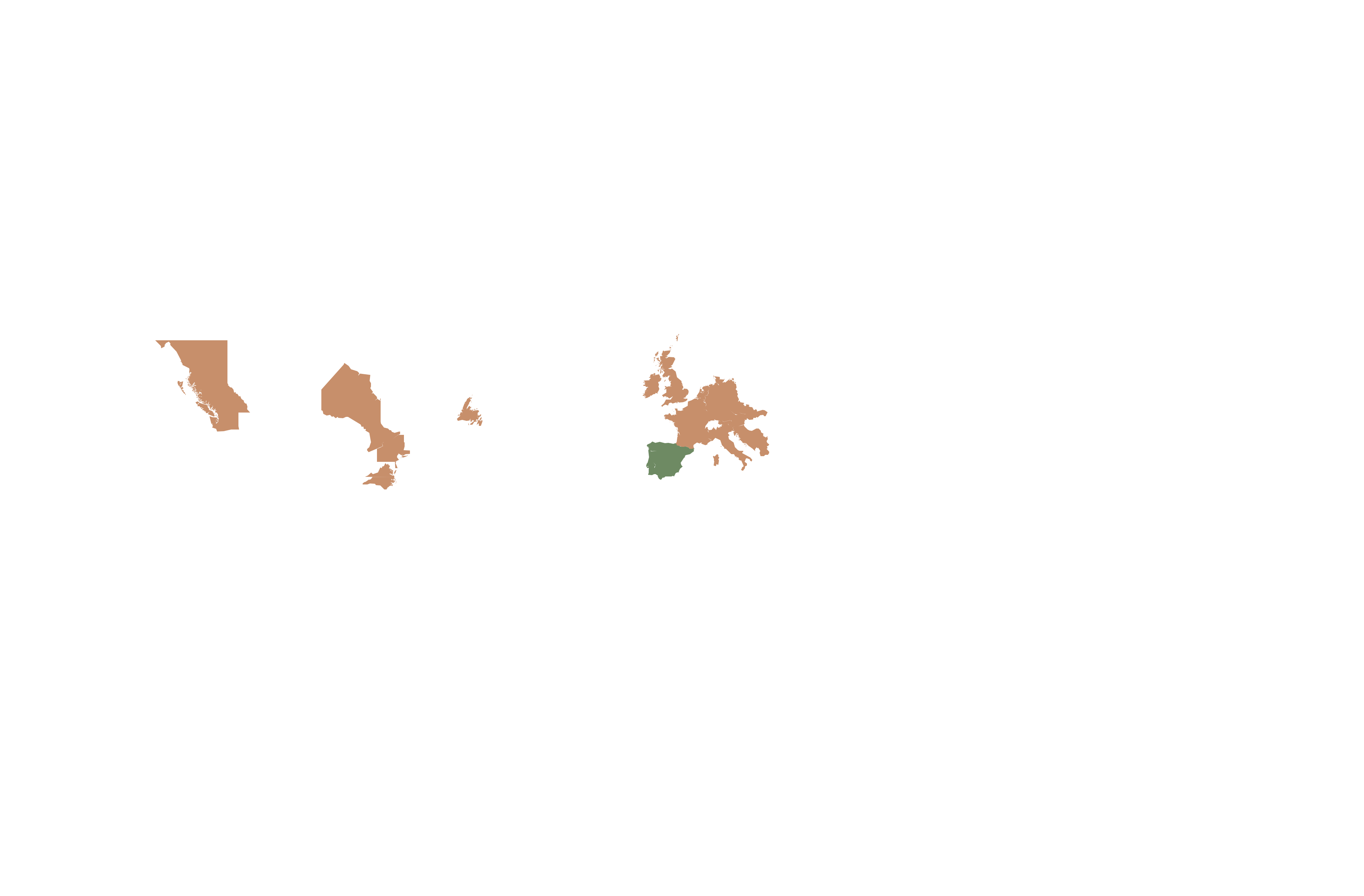
- NativeEurope, Africa
- Height0.8–1.5 ft (0.2–0.5 m)
- Spread0.3–0.5 ft (0.1–0.2 m)
- Flower colorBlue, Pink, White
- Foliage colorGreen
- SoilWell-drained, Loamy, Neutral
- LocationsYard
Bloom time
BLOOM CYCLE
Peak bloom
Apr–May
Blue, pink, or white bells April to May
Toxicity
Humans Moderate · Pets Moderate
scillaren glycosides
Moderate
- Bulb
- All
- Ingestion
EXPOSURE Eating bulbs and any part of the plant.
EFFECT Nausea, vomiting, and diarrhea.
NOTE Bulbs contain cardiac glycosides similar to foxglove; toxic to pets.
Moderate
- Bulb
- All
- Ingestion
EXPOSURE Eating bulbs and any part of the plant.
EFFECT Vomiting, diarrhea, and cardiac issues.
NOTE Bulbs contain cardiac glycosides similar to foxglove; toxic to pets.
Moderate
- Bulb
- All
- Ingestion
EXPOSURE Eating bulbs and any part of the plant.
EFFECT Vomiting, diarrhea, and cardiac issues.
NOTE Bulbs contain cardiac glycosides similar to foxglove; toxic to pets.
Educational information, not medical or veterinary advice. If exposure is suspected, contact a doctor or veterinarian.
DISTRIBUTION

- Native
- Introduced
- Europe
- Africa
History
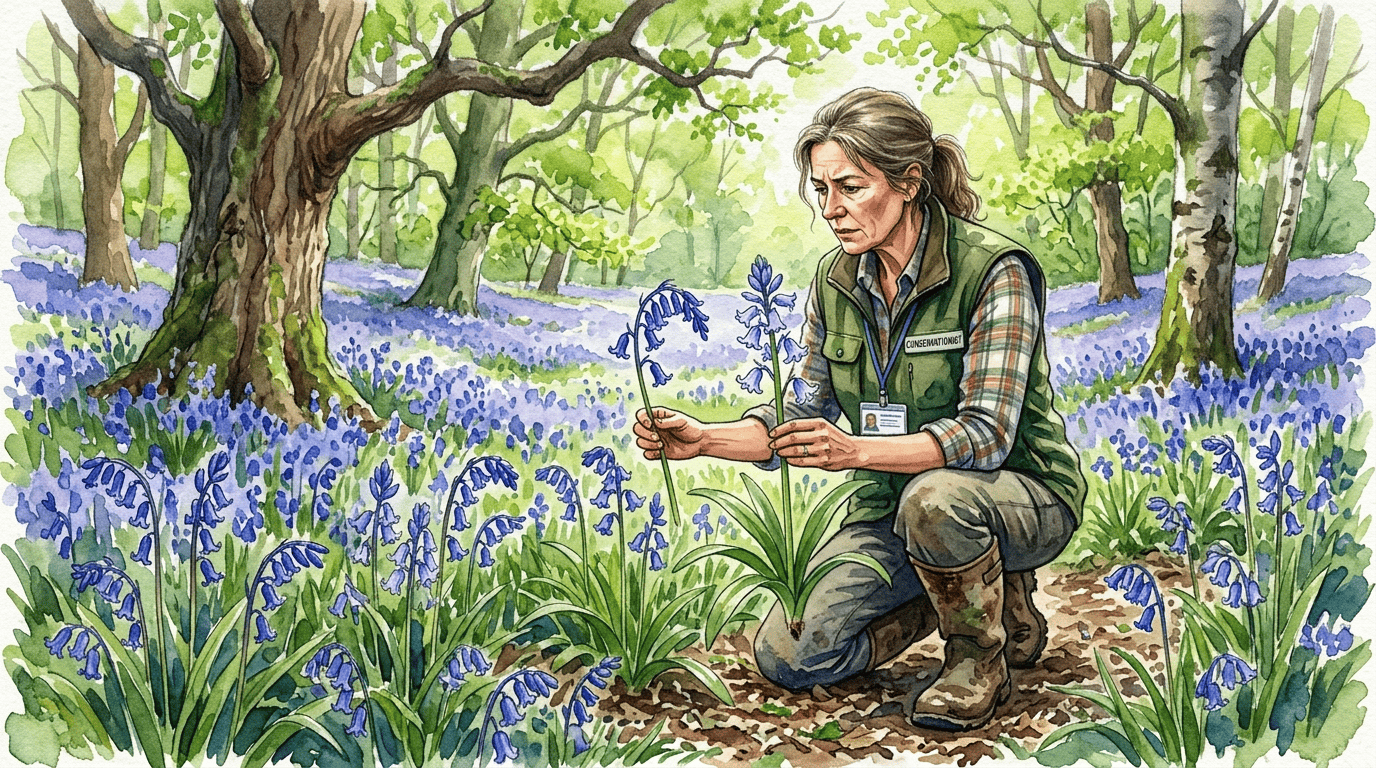
Hyacinthoides hispanica is native to open woodlands and meadows of Spain, Portugal, and northwest Africa. It reached British horticulture in the late 17th century and was widely planted as a robust easy-care bluebell. However, it hybridizes freely with the UK native English bluebell (H. non-scripta), producing intermediate H. x massartiana.
The Spanish and hybrid bluebells have escaped cultivation extensively across the British Isles and Ireland, now invading ancient semi-natural bluebell woodlands—ecological strongholds for the more delicate, fragrant native species. The Wildlife and Countryside Act 1981 protects H. non-scripta, and conservation bodies including Plantlife campaign against planting Spanish bluebells near native woodland. In North American gardens the species remains a useful shade-tolerant spring bulb without such ecological concerns.
Now controversial in Britain where it hybridizes with the native English bluebell, threatening its genetic identity. In American gardens where neither is native, it naturalizes freely and provides reliable woodland color. Carpets entire hillsides in old Southern estate gardens.
Symbolism & meaning
What It Symbolizes
The Spanish Bluebell evokes Gratitude — the traditional meaning of bluebell flowers in old European floriography. Each stem also expresses Humility, every bell nodding earthward as if quietly bowing. A flower that carries thanks in its color and modesty in its posture, naturalized into spring shade like a soft chorus.
- Gratitude — traditional meaning of bluebell flowers
- Humility — nodding bells bowed toward earth
Where the Name Comes From
'Hyacinthoides' means 'resembling hyacinth'; 'hispanica' means 'Spanish'.
Uses & Fun Facts
- Naturalizes into bluebell carpets under deciduous trees
- Pendant blue bell flowers nod in spring breezes
- Feeds early bumblebees foraging in woodland gardens
Related plants
Plants with similar care
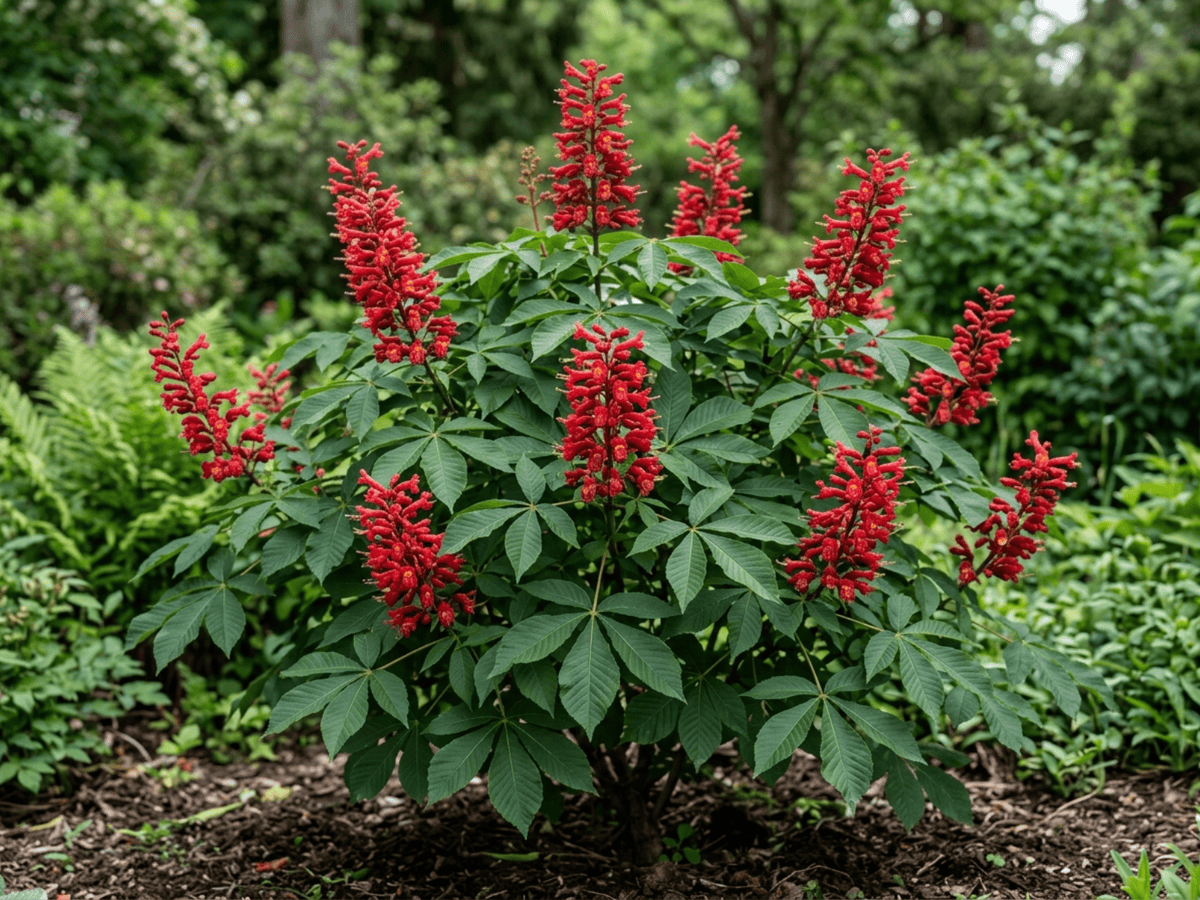 Red BuckeyeAesculus pavia
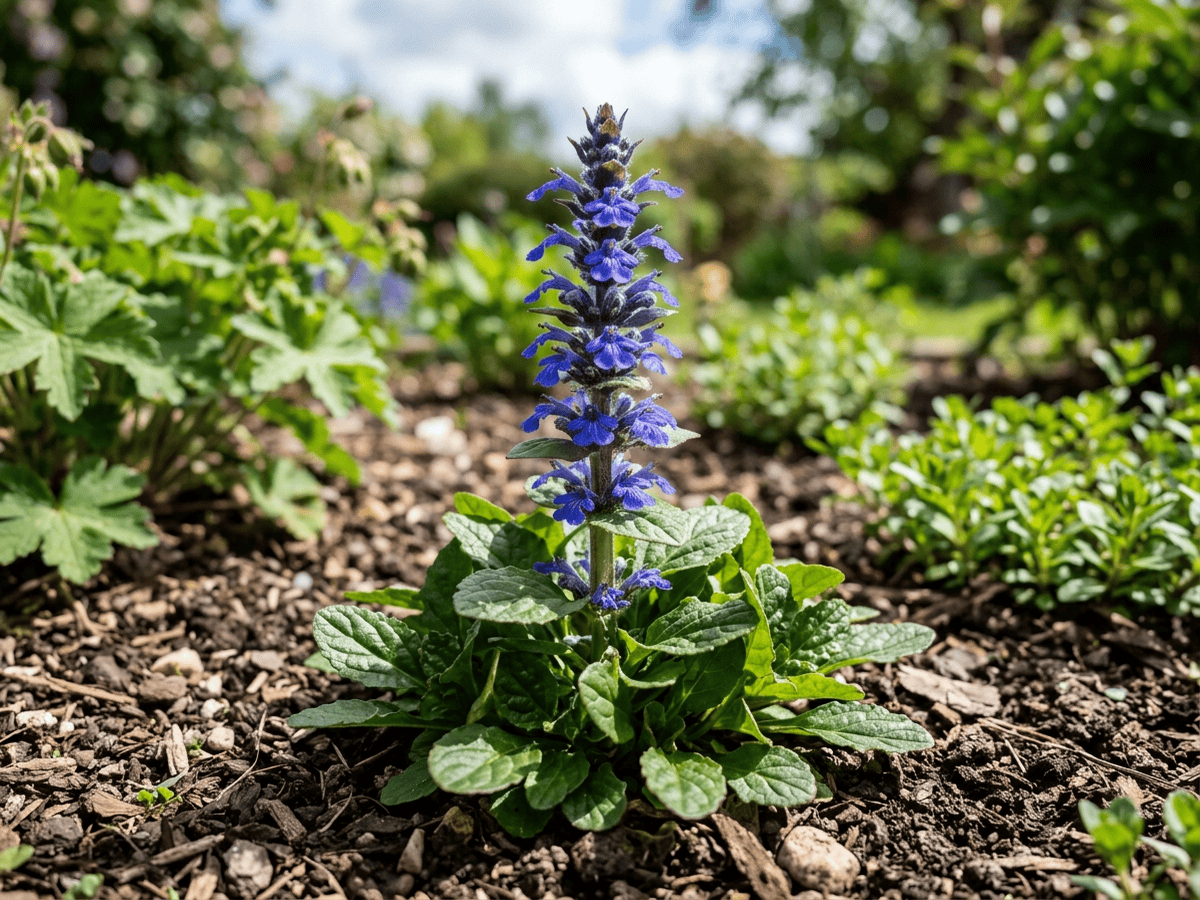 Blue BugleAjuga genevensis
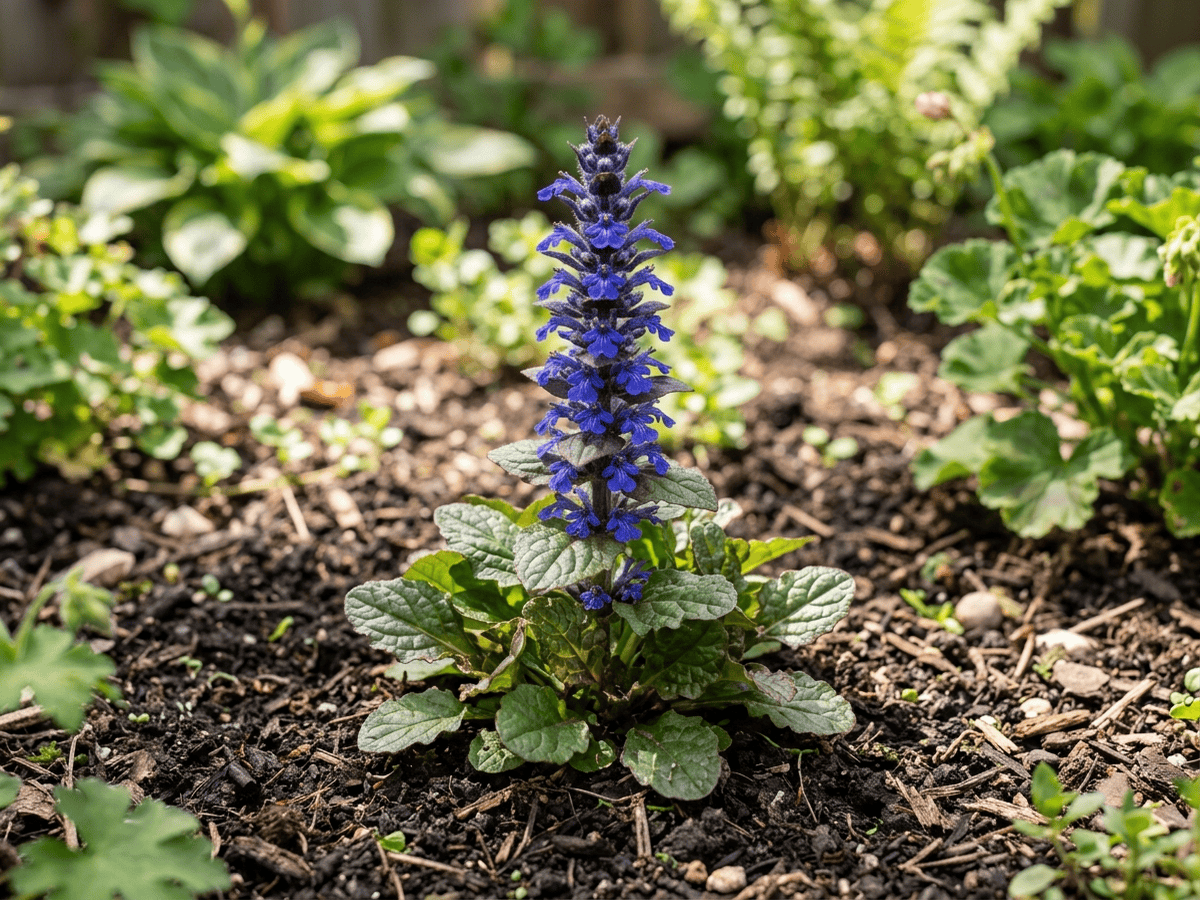 Pyramidal BugleAjuga pyramidalis
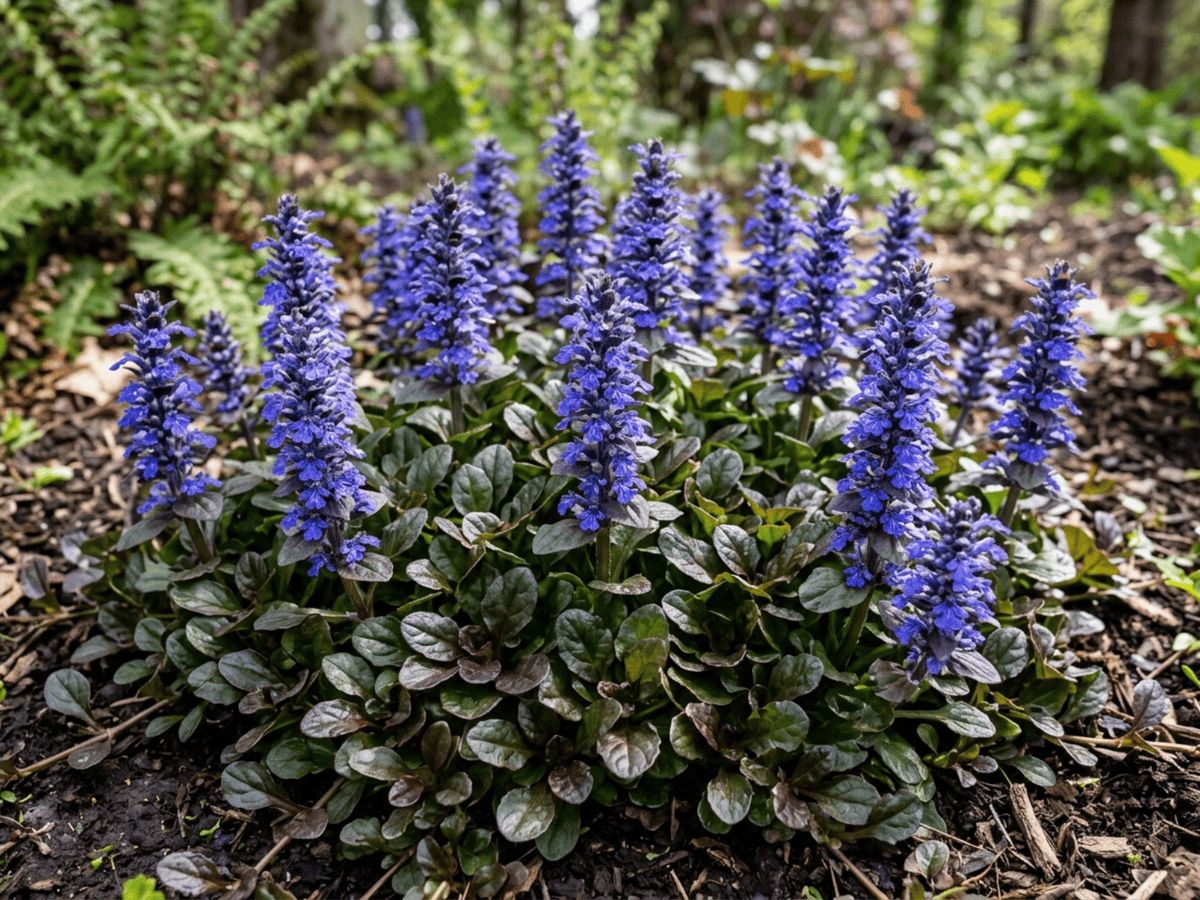 Carpet BugleAjuga reptans
Frequently asked questions
How often should I water Spanish Bluebell?
Water about every 5 days during the growing season, and always let excess water drain away.
How much light does Spanish Bluebell need?
Part shade: 2–4 hrs direct. Watch the leaves — scorching or stretching means the light needs adjusting.
Is Spanish Bluebell toxic to cats or dogs?
Pets Moderate (Dogs Moderate · Cats Moderate) Educational information, not medical or veterinary advice. If exposure is suspected, contact a doctor or veterinarian.
Is Spanish Bluebell easy to grow?
Yes — it is considered an easy, beginner-friendly plant.
When does Spanish Bluebell bloom?
It typically blooms Apr–May in the Northern Hemisphere.
YardMate
Identify any plant in seconds
Snap a photo — YardMate names the plant, diagnoses problems, and reminds you when to water.
Download on the App Store