 YardMate


Japanese Kerria
Kerria japonica
Easy · Beginner friendlyAbout Japanese Kerria
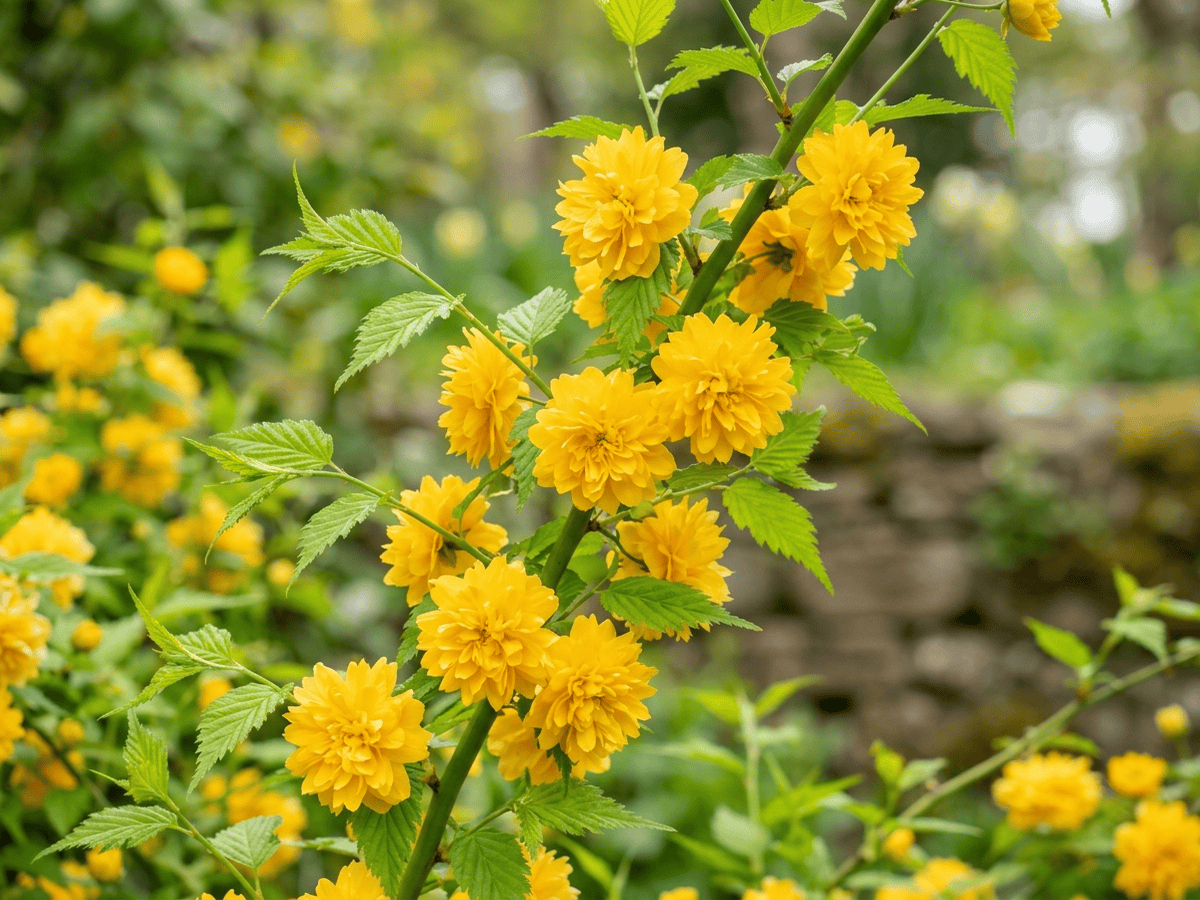
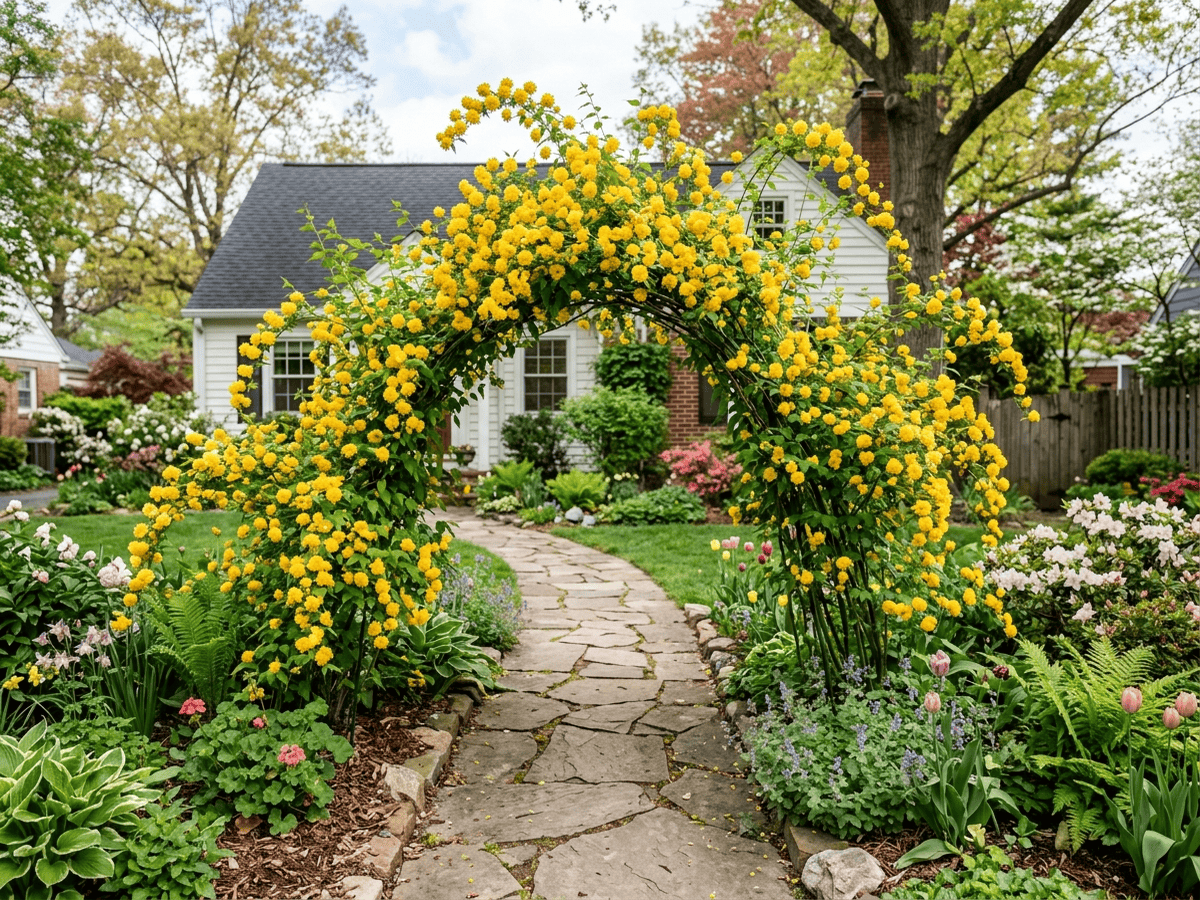
Japanese Kerria is a graceful deciduous shrub from China and Japan, growing 3-6 feet tall with arching bright green stems that remain attractive even in winter. In mid-spring it erupts with cheerful golden-yellow flowers—single in the wild form, fully double in the popular cultivar 'Pleniflora'. Exceptionally shade-tolerant and easy to grow, it thrives in difficult dry shade where few other flowering shrubs succeed. It has been cultivated in Japanese gardens for centuries.
- Low-maintenance
- Shade-tolerant
How to care for Japanese Kerria
Watering
- Springevery 7 days
- Summerevery 5 days
- Fallevery 10 days
- Winterevery 21 days
Soil · Rich & loamy
- Top dressingBark mulch15%
- Main mixRich loam + compost 3:170%
- DrainageGravel15%
Use fully finished compost — fresh compost burns roots.
FERTILIZER
Balanced Feed 14-14-14
An even feed covers all three needs at once, keeping leaves, roots and blooms moving together with nothing pushed out of balance.
- Nitrogen · Leaves
- Phosphorus · Roots + Blooms
- Potassium · Strength
- Springevery 30 days
At a Glance
- NativeEast Asia
- Height4–8 ft (1.2–2.4 m)
- Spread6–10 ft (1.8–3 m)
- Flower colorYellow
- Foliage colorGreen, Yellow
- SoilLoamy, Well-drained, Neutral
- LocationsYard
Bloom time
BLOOM CYCLE
Peak bloom
Apr–May
Bright yellow flowers April to May; occasional rebloom in fall
Toxicity
Humans Slight · Pets Slight
hydrocyanic glycosides
Slight
- Leaf
- Stem
- Ingestion
EXPOSURE Eating leaves and stems.
EFFECT GI upset from cyanogenic compounds.
NOTE Documented concern for humans: GI upset from cyanogenic compounds.
Slight
- Leaf
- Stem
- Ingestion
EXPOSURE Eating leaves and stems.
EFFECT Mild GI upset.
NOTE Contains small amounts of cyanogenic glycosides; rarely causes poisoning. Not on ASPCA toxic list.
Slight
- Leaf
- Stem
- Ingestion
EXPOSURE Eating leaves and stems.
EFFECT Mild GI upset.
NOTE Contains small amounts of cyanogenic glycosides; rarely causes poisoning. Not on ASPCA toxic list.
Educational information, not medical or veterinary advice. If exposure is suspected, contact a doctor or veterinarian.
DISTRIBUTION

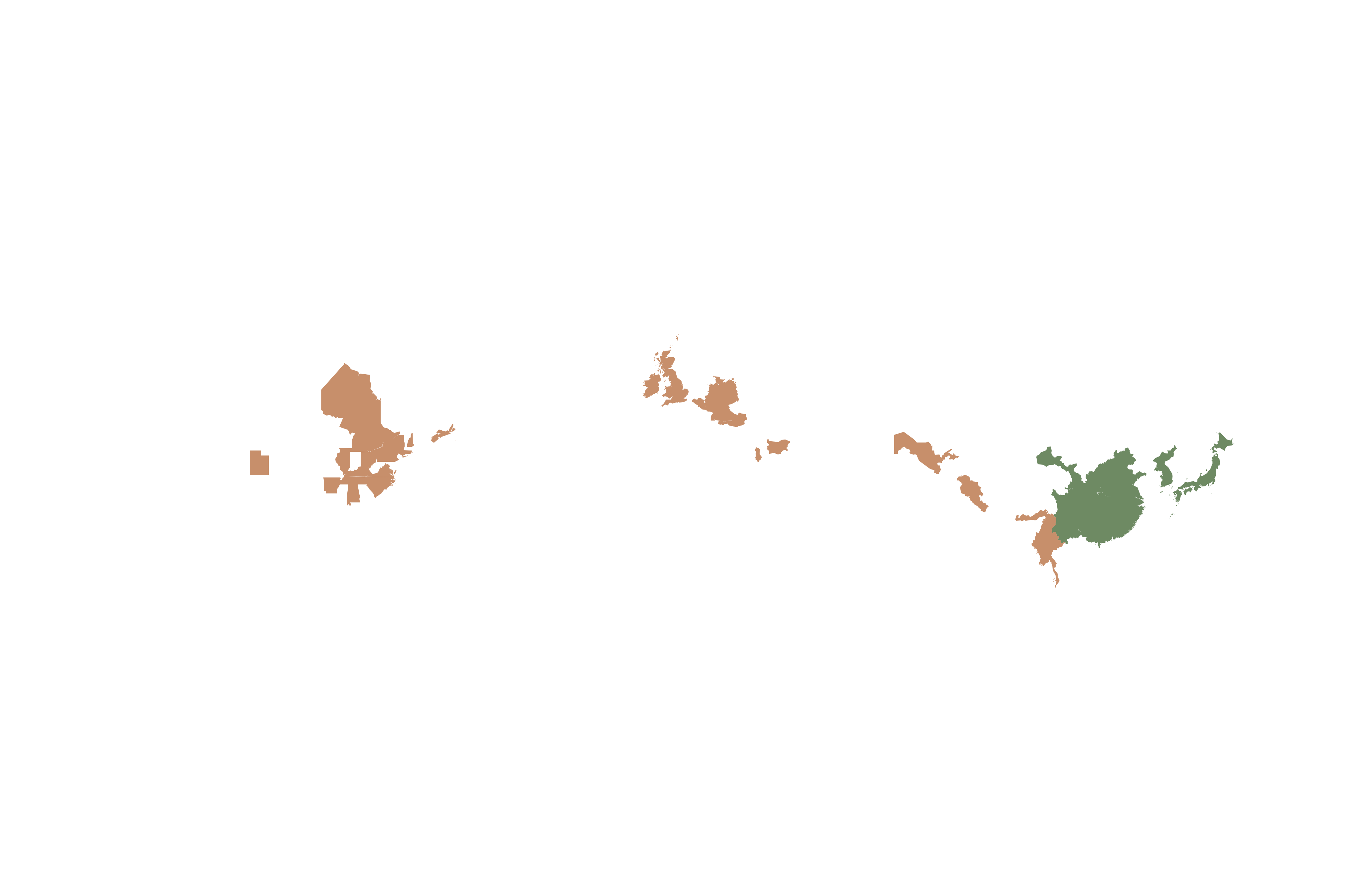
- Native
- Introduced
- East Asia
History
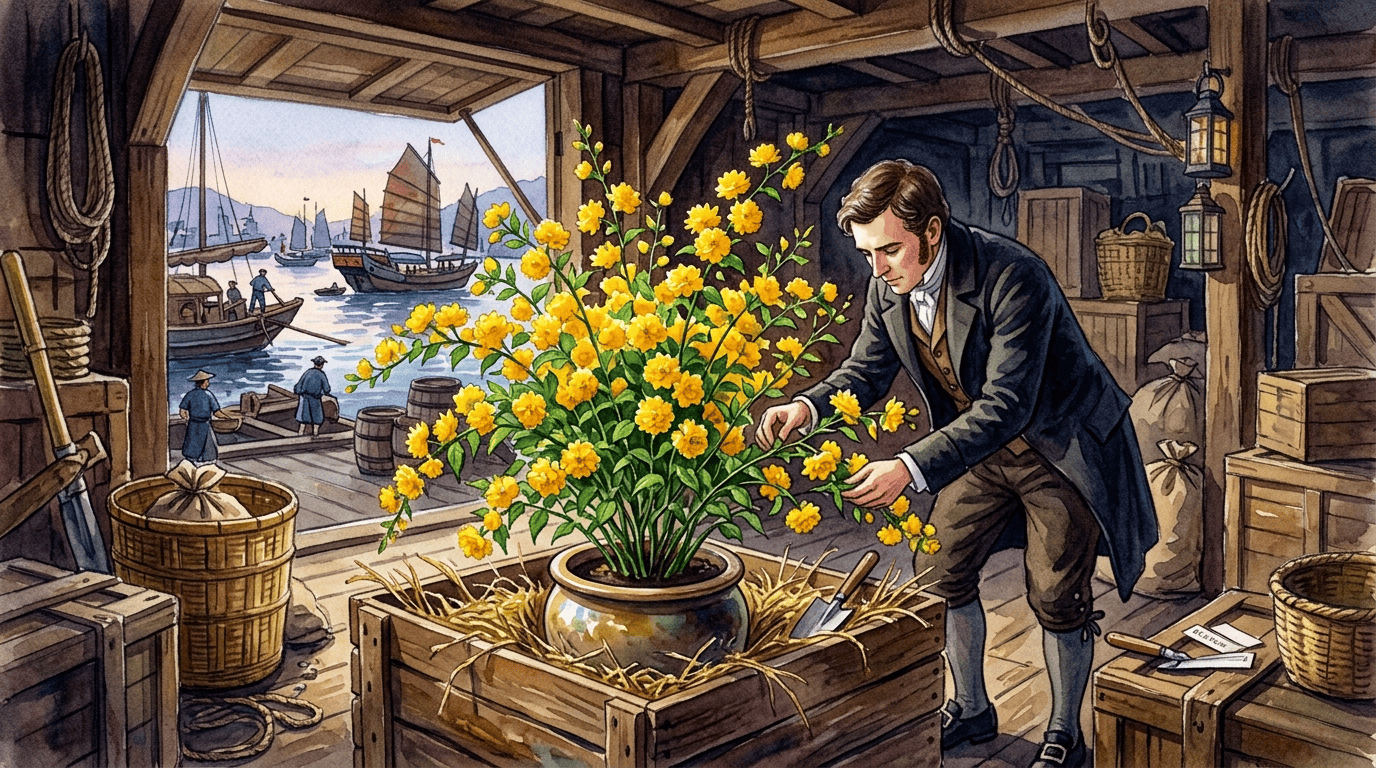
Kerria japonica grows in open woodlands and mountain slopes of China, Japan, and Korea. De Candolle established the genus in 1818 and named it for William Kerr, the Scottish collector who sent the double-flowered 'Pleniflora' from Canton to Kew in the early 1800s. In a botanical twist, the pom-pom double form reached Western gardens before the wild single form and became the plant most gardeners knew.
In Japan the flower is called yamabuki, and its clear golden yellow gave its name to a traditional color. It appears in classical poetry as a modest spring beauty, more graceful than grand. Even leafless, the shrub's bright green arching stems bring winter interest, and the disease-free double form has survived two centuries of garden fashion because it is easy, long-lived, and generous with bloom.
Symbolism & meaning
What It Symbolizes
Japanese Kerria makes visible cheerfulness, its bright golden flowers lighting up shady corners where cheer is most needed. In Japanese aesthetics it carries a quieter meaning of modesty, associated with the wabi sensibility that finds beauty in simplicity and restraint. It is often read as a flower of unassuming joy, a shrub whose small pompom blooms manage to be both exuberant and humble, a contradiction at home in the tea garden.
- Cheerfulness — bright golden flowers that light up shady corners
- Modesty — associated with wabi simplicity in Japanese aesthetics
Where the Name Comes From
'Kerria' honors William Kerr (d. 1814), Scottish plant collector in China; 'japonica' reflects its association with Japan, though it is native to both China and Japan.
Uses & Fun Facts
- Golden spring flowers and green winter stems
- Suckering shrub stabilizes shaded slopes against erosion
Related plants
Plants with similar care
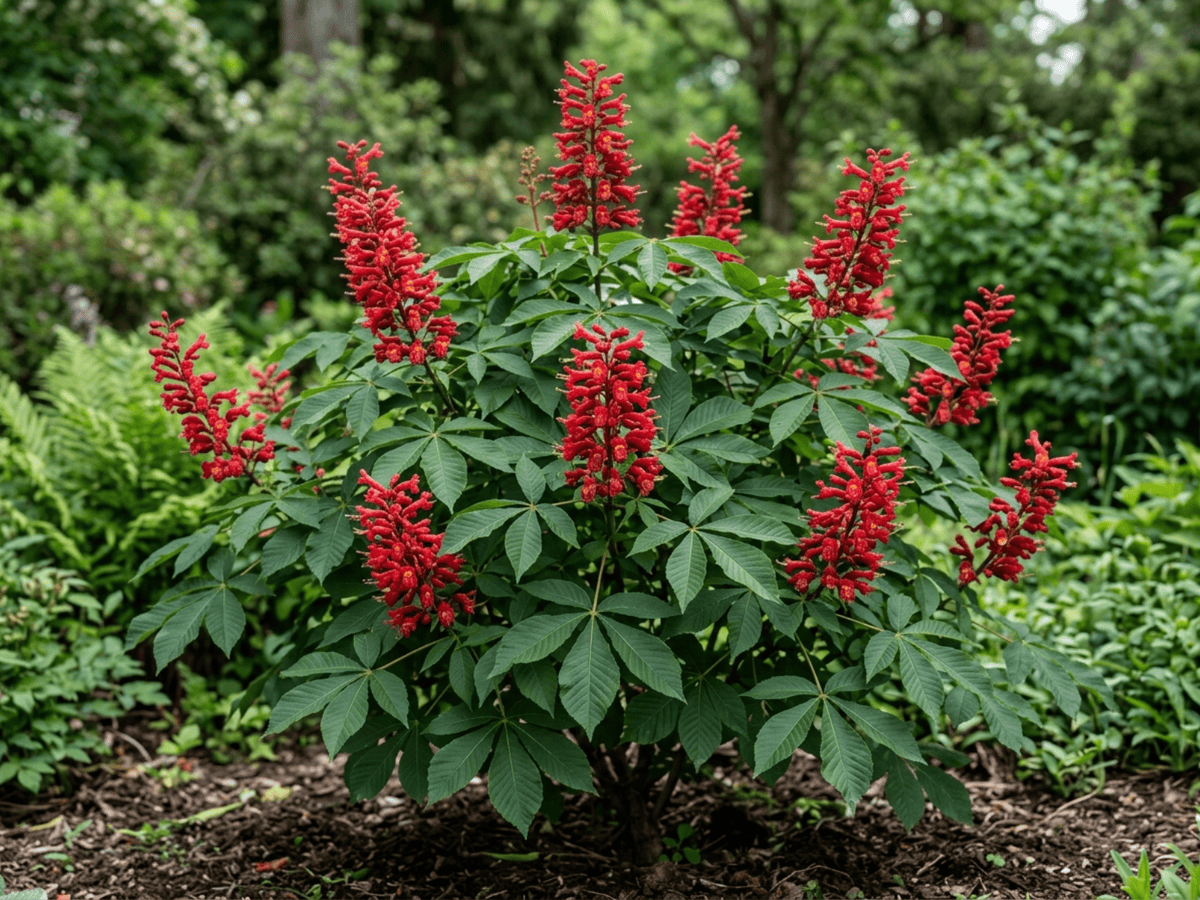 Red BuckeyeAesculus pavia
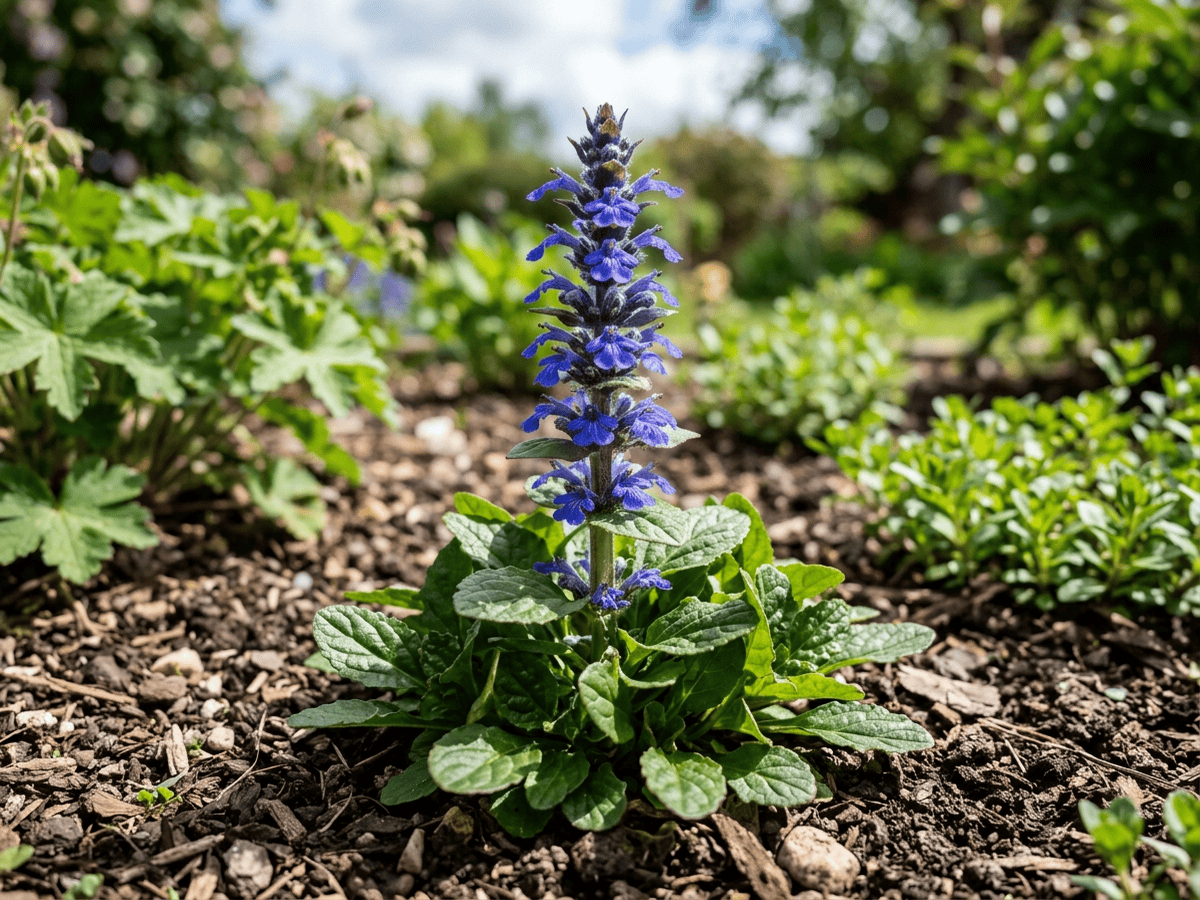 Blue BugleAjuga genevensis
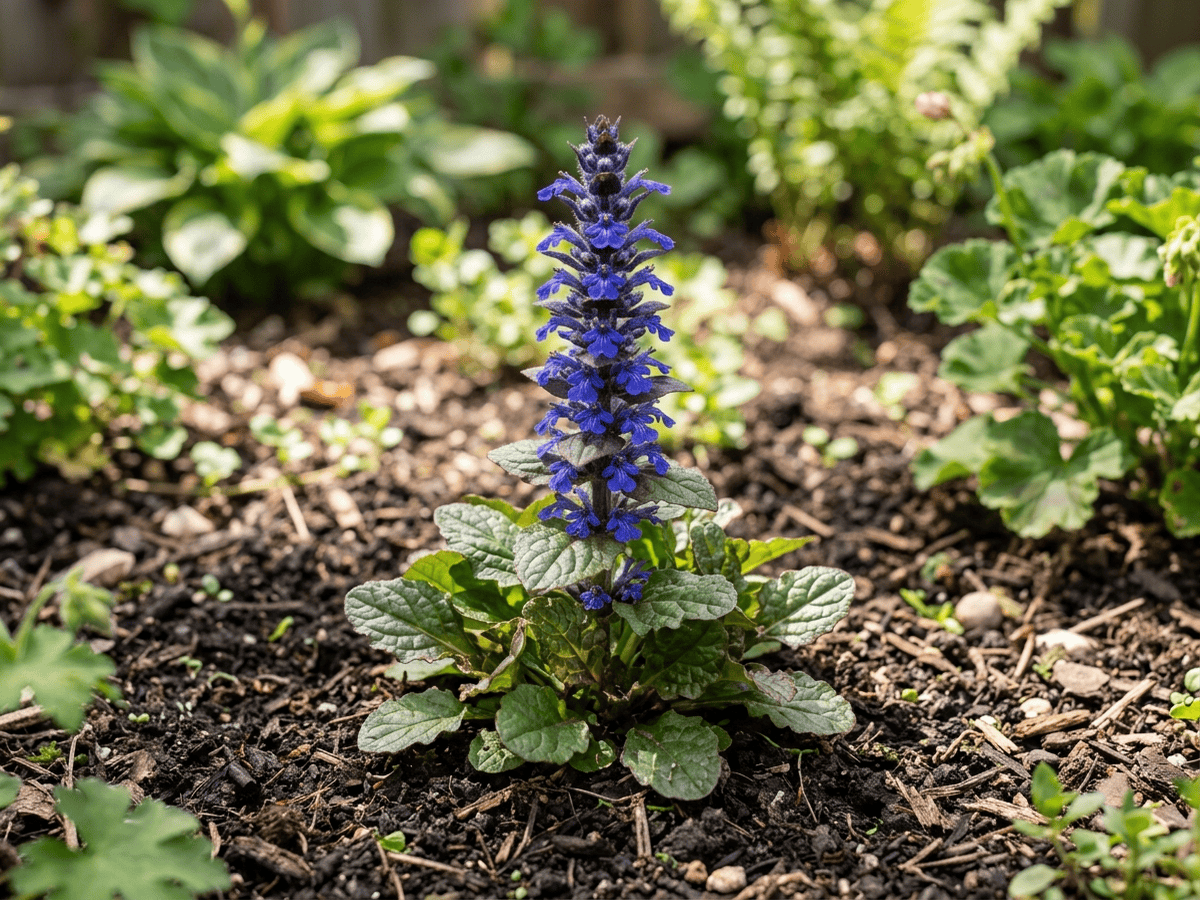 Pyramidal BugleAjuga pyramidalis
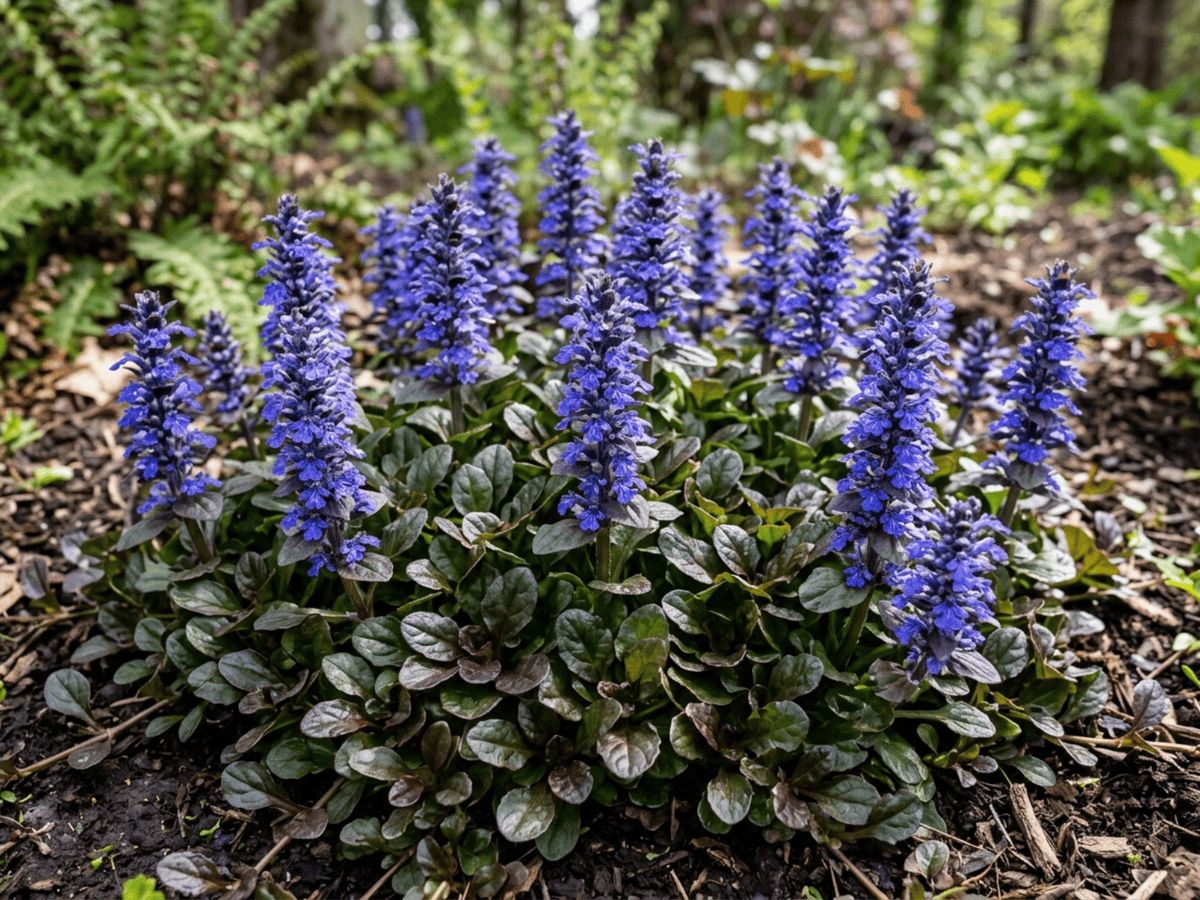 Carpet BugleAjuga reptans
Frequently asked questions
How often should I water Japanese Kerria?
In summer, water about every 5 days; in winter, about every 21 days. Adjust for heat, pot size and drainage.
How much light does Japanese Kerria need?
Part shade: 2–4 hrs direct. Watch the leaves — scorching or stretching means the light needs adjusting.
Is Japanese Kerria toxic to cats or dogs?
Pets Slight (Dogs Slight · Cats Slight) Educational information, not medical or veterinary advice. If exposure is suspected, contact a doctor or veterinarian.
Is Japanese Kerria easy to grow?
Yes — it is considered an easy, beginner-friendly plant.
When does Japanese Kerria bloom?
It typically blooms Apr–May in the Northern Hemisphere.
YardMate
Identify any plant in seconds
Snap a photo — YardMate names the plant, diagnoses problems, and reminds you when to water.
Download on the App Store