 YardMate


Leptinella
Leptinella squalida
Easy · Beginner friendlyAbout Leptinella
Brass Buttons is a New Zealand native groundcover reaching just 1-2 inches tall with finely divided ferny bronze to green leaves and tiny brass-yellow button flowerheads in summer. Spreads rapidly to form a tight mat that is remarkably walkable and tolerates moderate foot traffic. A charming lawn alternative and path filler for cool US climates including the Pacific Northwest and Northeast. 'Platt's Black' has striking near-black foliage.
- Shade-tolerant
- Groundcover
How to care for Leptinella
Watering
- Springevery 7 days
- Summerevery 7 days
- Fallevery 10 days
- Winterevery 21 days
Soil · Well-draining
- Top dressingPine bark mulch10%
- Main mixPotting soil + perlite 2:170%
- DrainageLECA / gravel20%
Never skip the drainage layer — standing water is the top cause of root rot.
FERTILIZER
- Springevery 45 days
- Summerevery 45 days
At a Glance
- NativeAustralasia
- Height0.1–0.3 ft (0–0.1 m)
- Spread1–2 ft (0.3–0.6 m)
- Flower colorYellow, Green
- Foliage colorGreen, Bronze
- SoilLoamy, Moisture-retentive
- LocationsYard
Bloom time
BLOOM CYCLE
Peak bloom
May–Jul
Tiny yellow button flowers May to July
Toxicity
No toxicity has been reported for this plant. Still, it is wise to keep pets from chewing on any houseplant.
Educational information, not medical or veterinary advice. If exposure is suspected, contact a doctor or veterinarian.
DISTRIBUTION

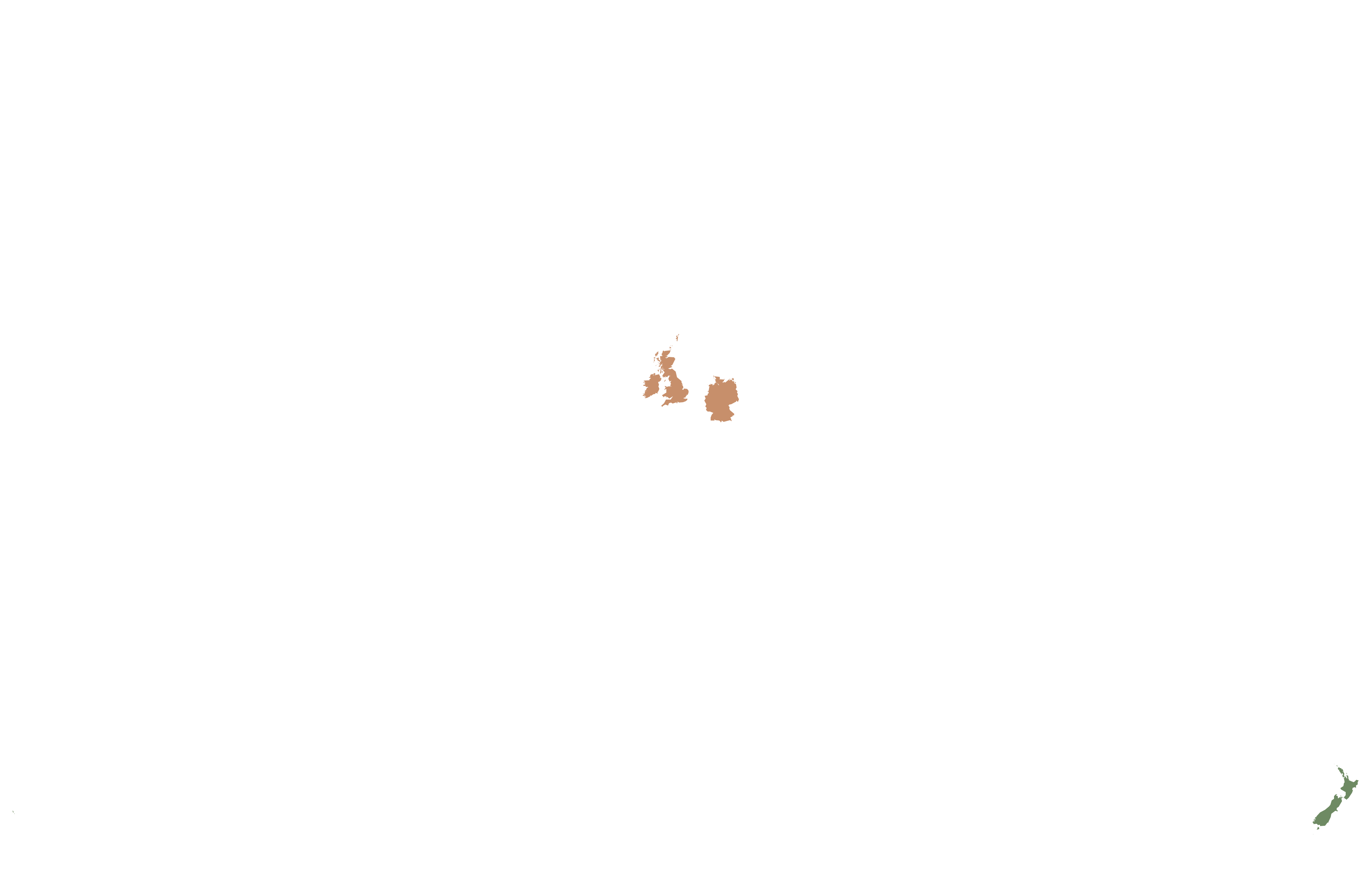
- Native
- Introduced
- Australasia
History
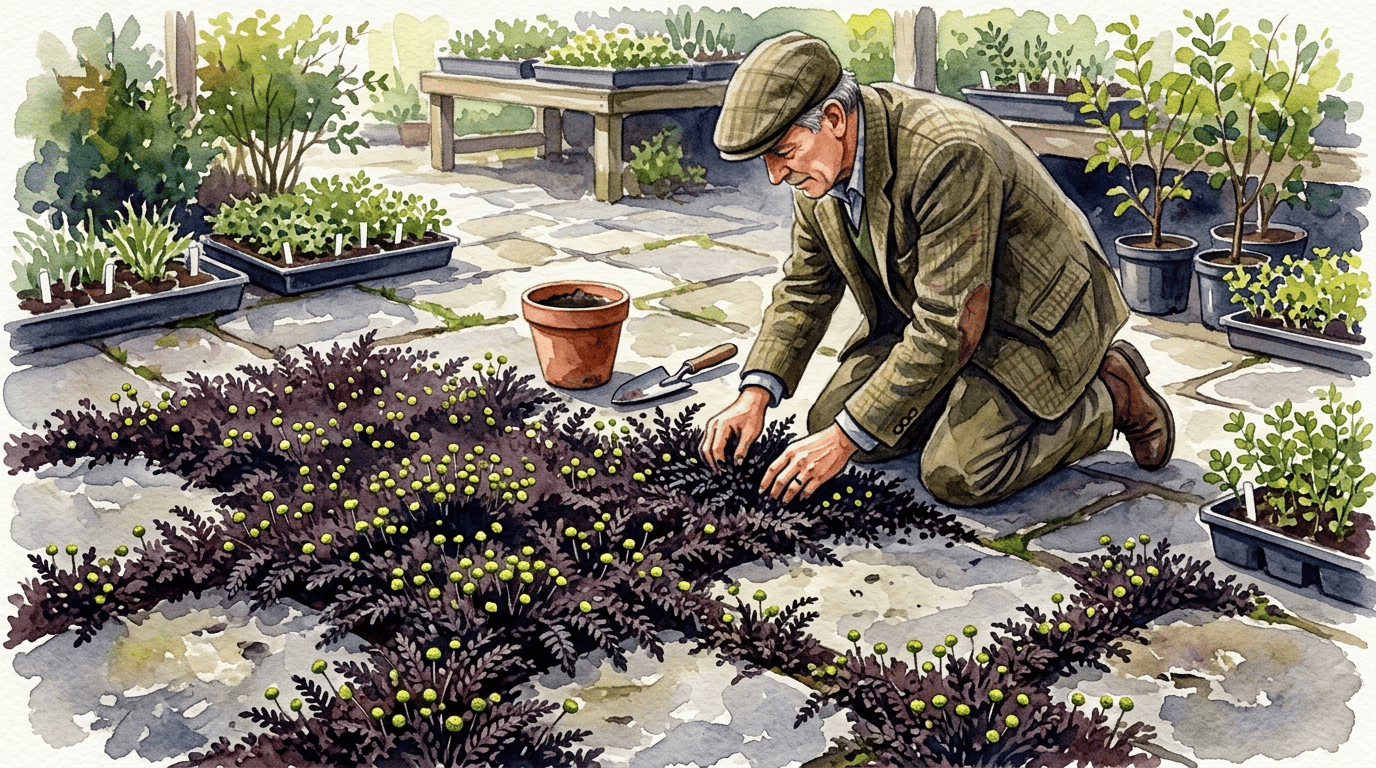
Leptinella squalida, commonly called brass buttons or New Zealand brass buttons, is a prostrate perennial in the aster family (Asteraceae) endemic to New Zealand where it grows in moist grasslands, stream margins, and alpine herbfields. British botanist Joseph Dalton Hooker described the species in 1853 in his Flora Novae-Zelandiae, placing it originally in Cotula; molecular work in the 1990s separated New Zealand taxa into Leptinella. The plant forms extremely flat 2-5 cm tall mats of finely divided ferny leaves via rhizomes and rooting stems, with tiny 5-8 mm yellow-green domed flower heads that resemble miniature brass buttons appearing in summer.
The dark-leaved cultivar 'Platt's Black' (selected by Platt Nursery in England around 1990) has near-black bronze-purple ferny foliage and has become hugely popular as an ornamental groundcover for containers, rock gardens, between pavers, and trough gardens. Tolerates light foot traffic and prefers moist fertile soil.
Introduced to Western horticulture in the late 20th century and celebrated among modern US garden designers as a premier walkable groundcover.
Symbolism & meaning
What It Symbolizes
Leptinella can symbolize delicate strength, its ferny, almost lacy texture concealing a surprising tolerance for foot traffic and difficult sites. As a quiet innovation in modern garden design, it has become the favoured walkable carpet, replacing turf in shaded courtyards and stepping-stone joints. To plant leptinella is to choose a contradiction with both feet: a plant that looks too fine to step on, but in fact prefers to be lived with closely, day after day.
- Delicate strength — ferny texture belies its toughness
- Quiet innovation — modern designer's walkable carpet
Where the Name Comes From
'Leptinella' is a diminutive of Leptine (Greek); 'squalida' historically referred to dull appearance, a misleading name.
Uses & Fun Facts
- Brass buttons form fern-like turf between flagstones
Related plants
Plants with similar care
 Red BuckeyeAesculus pavia
 Blue BugleAjuga genevensis
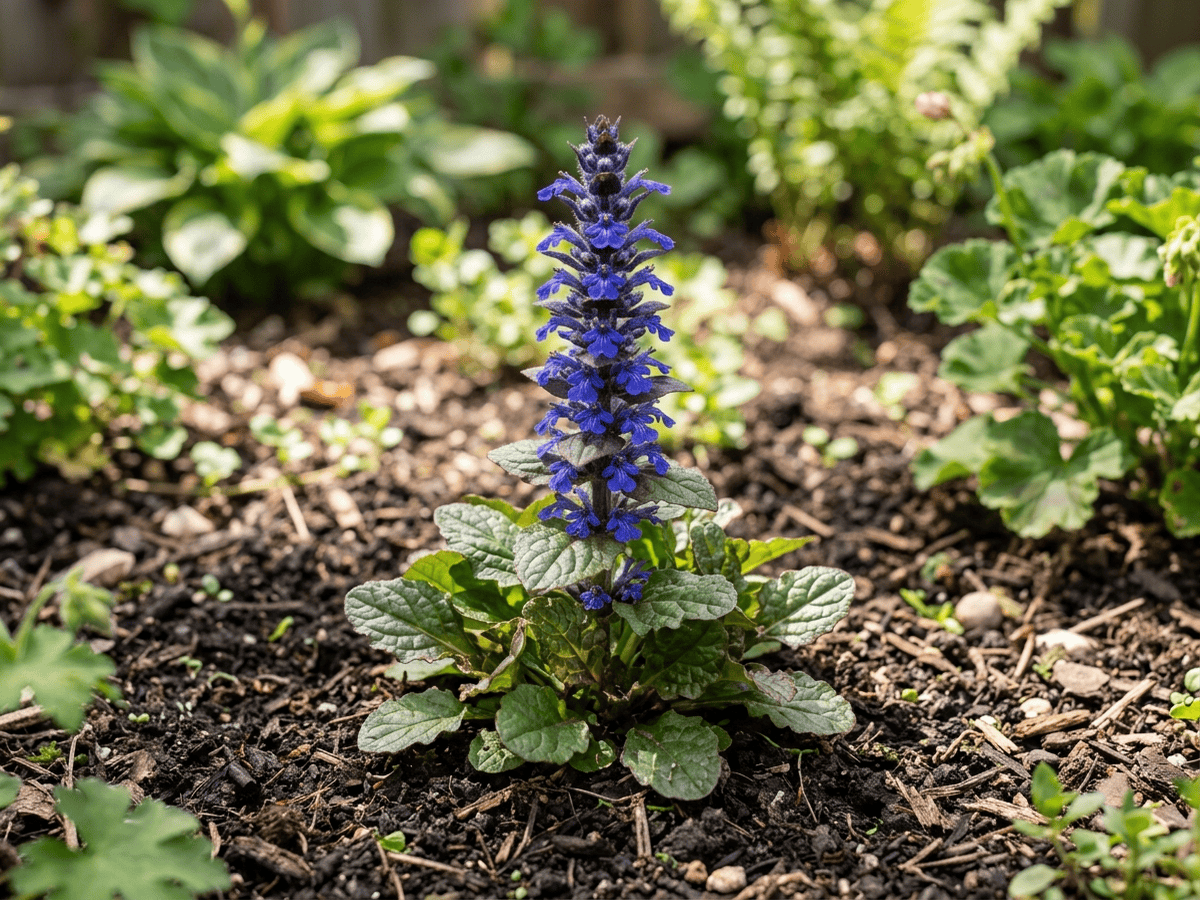 Pyramidal BugleAjuga pyramidalis
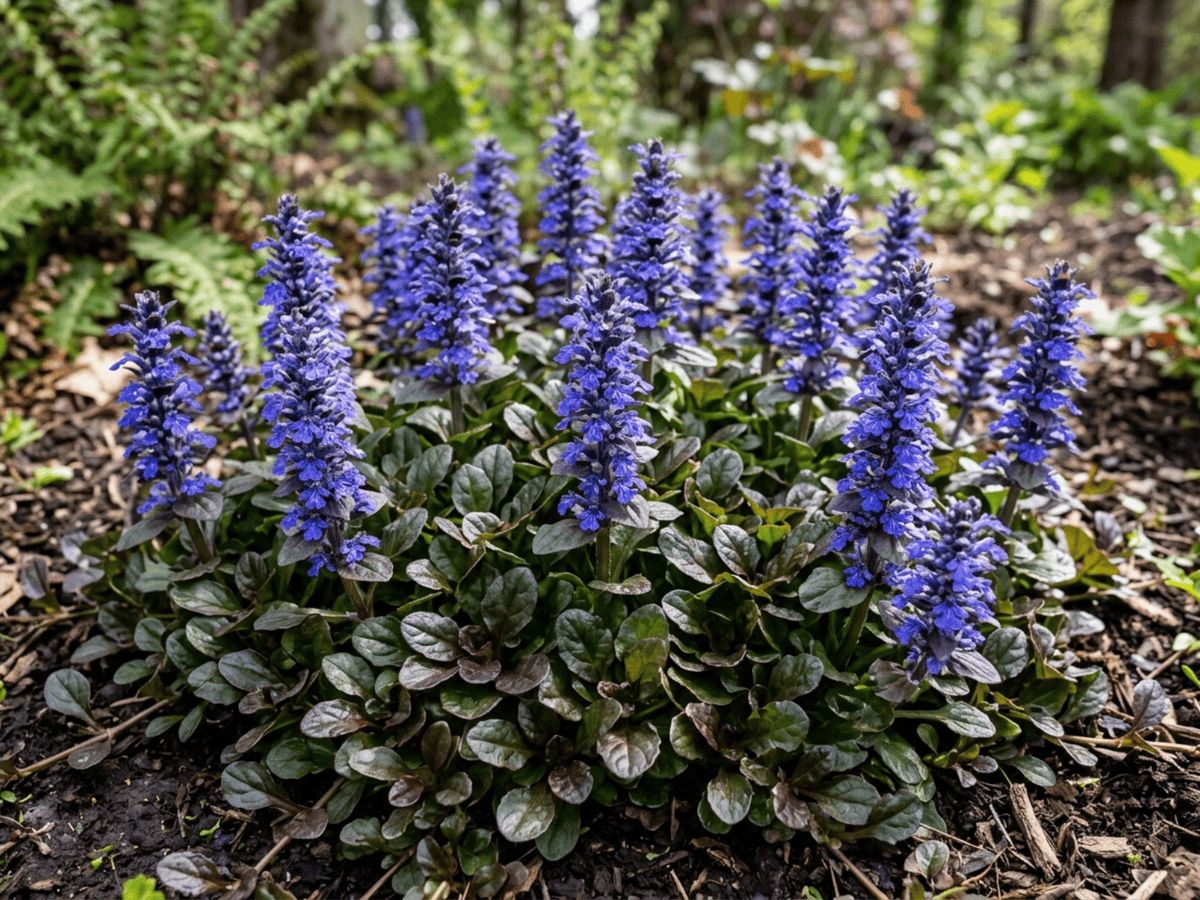 Carpet BugleAjuga reptans
Frequently asked questions
How often should I water Leptinella?
In summer, water about every 7 days; in winter, about every 21 days. Adjust for heat, pot size and drainage.
How much light does Leptinella need?
Part shade: 2–4 hrs direct. Watch the leaves — scorching or stretching means the light needs adjusting.
Is Leptinella toxic to cats or dogs?
No toxicity has been reported for this plant. Still, it is wise to keep pets from chewing on any houseplant. Educational information, not medical or veterinary advice. If exposure is suspected, contact a doctor or veterinarian.
Is Leptinella easy to grow?
Yes — it is considered an easy, beginner-friendly plant.
When does Leptinella bloom?
It typically blooms May–Jul in the Northern Hemisphere.
YardMate
Identify any plant in seconds
Snap a photo — YardMate names the plant, diagnoses problems, and reminds you when to water.
Download on the App Store