 YardMate

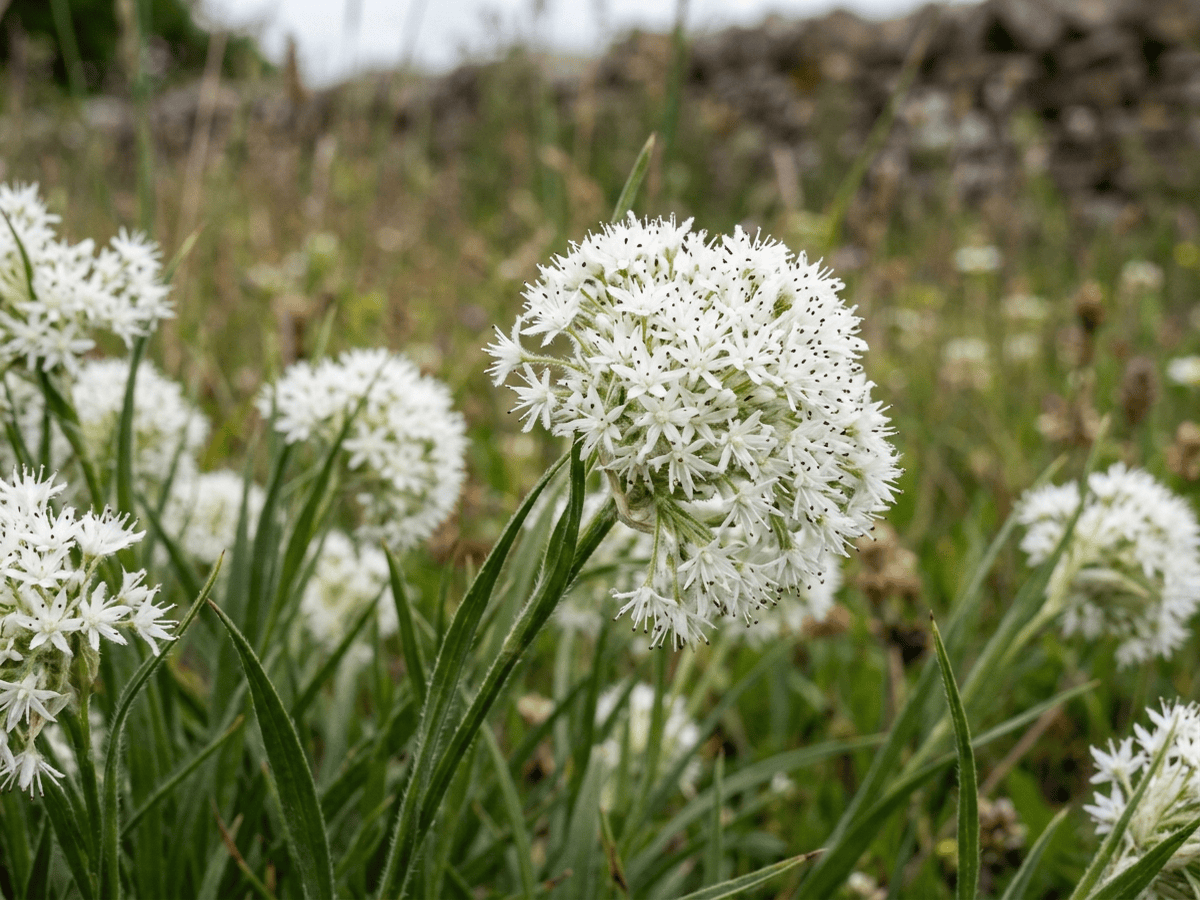


Snowy Woodrush
Luzula nivea
Easy · Beginner friendlyAbout Snowy Woodrush
Snowy Woodrush is a European woodland rush reaching 12-24 inches tall, forming tidy clumps of grass-like dark-green foliage topped by clusters of bright white flowers in late spring and early summer. Tolerant of shade and dry soils, it is a charming choice for woodland-edge plantings, rock gardens, and naturalistic American shade gardens. The white flowers stand out beautifully against dark green foliage.
- Drought-tolerant
- Shade-tolerant
- Evergreen
How to care for Snowy Woodrush
Watering
- Springevery 7 days
- Summerevery 10 days
- Fallevery 14 days
- Winterevery 21 days
Soil · Well-draining
- Top dressingPine bark mulch10%
- Main mixPotting soil + perlite 2:170%
- DrainageLECA / gravel20%
Never skip the drainage layer — standing water is the top cause of root rot.
FERTILIZER
- Springevery 60 days
At a Glance
- NativeMediterranean
- Height1–2 ft (0.3–0.6 m)
- Spread1–1.5 ft (0.3–0.5 m)
- Flower colorWhite
- Foliage colorGreen
- SoilLoamy, Moisture-retentive, Acidic
- LocationsYard
Bloom time
BLOOM CYCLE
Peak bloom
May–Jun
Clusters of bright white flowers in late spring to early summer
Toxicity
Humans Safe · Pets Safe
None reported
Safe
EXPOSURE No exposure route is reported.
EFFECT No toxic effect is reported.
NOTE Listed as non-toxic for humans; avoid eating ornamental plants unless confirmed edible.
Safe
EXPOSURE No exposure route is reported.
EFFECT No toxic effect is reported.
NOTE Listed as non-toxic for dogs; avoid eating ornamental plants unless confirmed edible.
Safe
EXPOSURE No exposure route is reported.
EFFECT No toxic effect is reported.
NOTE Listed as non-toxic for cats; avoid eating ornamental plants unless confirmed edible.
Educational information, not medical or veterinary advice. If exposure is suspected, contact a doctor or veterinarian.
DISTRIBUTION


- Native
- Introduced
- Mediterranean
History
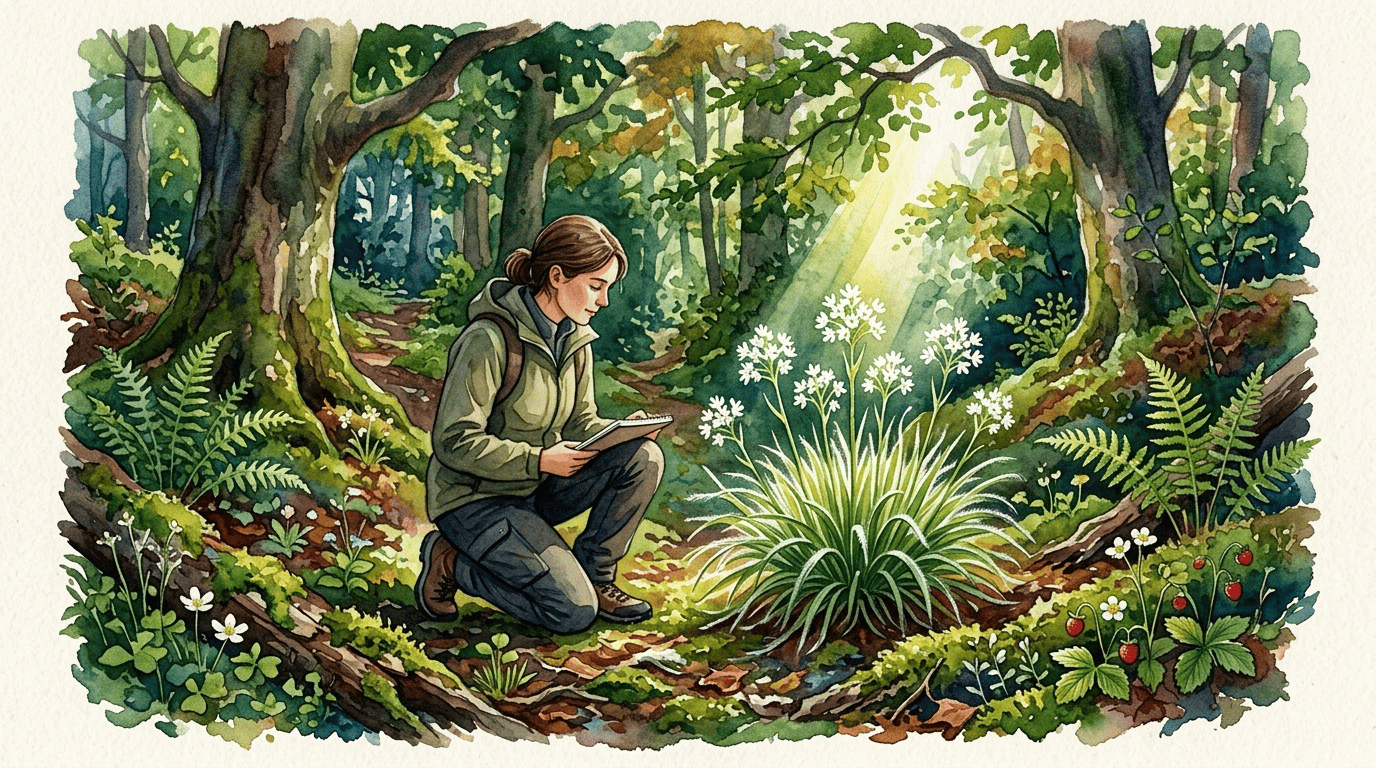
Luzula nivea, commonly called snowy woodrush or snow-white woodrush, is a tufted evergreen perennial in the rush family (Juncaceae) native to mountain forests and montane meadows of central and southern Europe from the Pyrenees through the Alps, Apennines, and Carpathians. Carl Linnaeus originally described it as Juncus niveus in 1753 in Species Plantarum; French botanists Jean-Baptiste Lamarck and Augustin Pyramus de Candolle transferred it to the segregate genus Luzula in 1805. The epithet nivea means snowy, referring to the unusual pure-white flower clusters unique among European Luzulas (most rushes have brown or greenish flowers).
Plants form compact 30-45 cm evergreen grass-like tufts of narrow olive-green leaves with conspicuous silky long white hairs along the margins. In early summer upright flowering stems produce loose clusters of small bright snow-white flowers that remain showy for several weeks.
Popular in shade and woodland plantings, particularly in European and British garden traditions. Spreads modestly by seed and short rhizomes.
Symbolism & meaning
What It Symbolizes
Snowy Woodrush can symbolize purity, lifting small clusters of snow-white flowers above its tufts of grassy foliage to brighten shaded corners of the garden. Another layer is heritage, for it has been a European garden classic for centuries, threaded through woodland gardens long before the modern fashion for shade plantings. In the dappled light of an old border, luzula is the quiet snowfall that does not melt, a small bright presence in the otherwise dim parts of summer.
- Purity — snowy white flowers brighten shade
- Heritage — European garden classic for centuries
Where the Name Comes From
'Luzula' from Italian 'lucciola' (firefly) for the shimmering flowers; 'nivea' from Latin meaning snowy.
Uses & Fun Facts
- Snowy woodrush thrives in dry woodland shade
- Tufted clumps form soft mass in shaded beds
- Silvery-white flower clusters dance above grassy clumps
Related plants
Plants with similar care
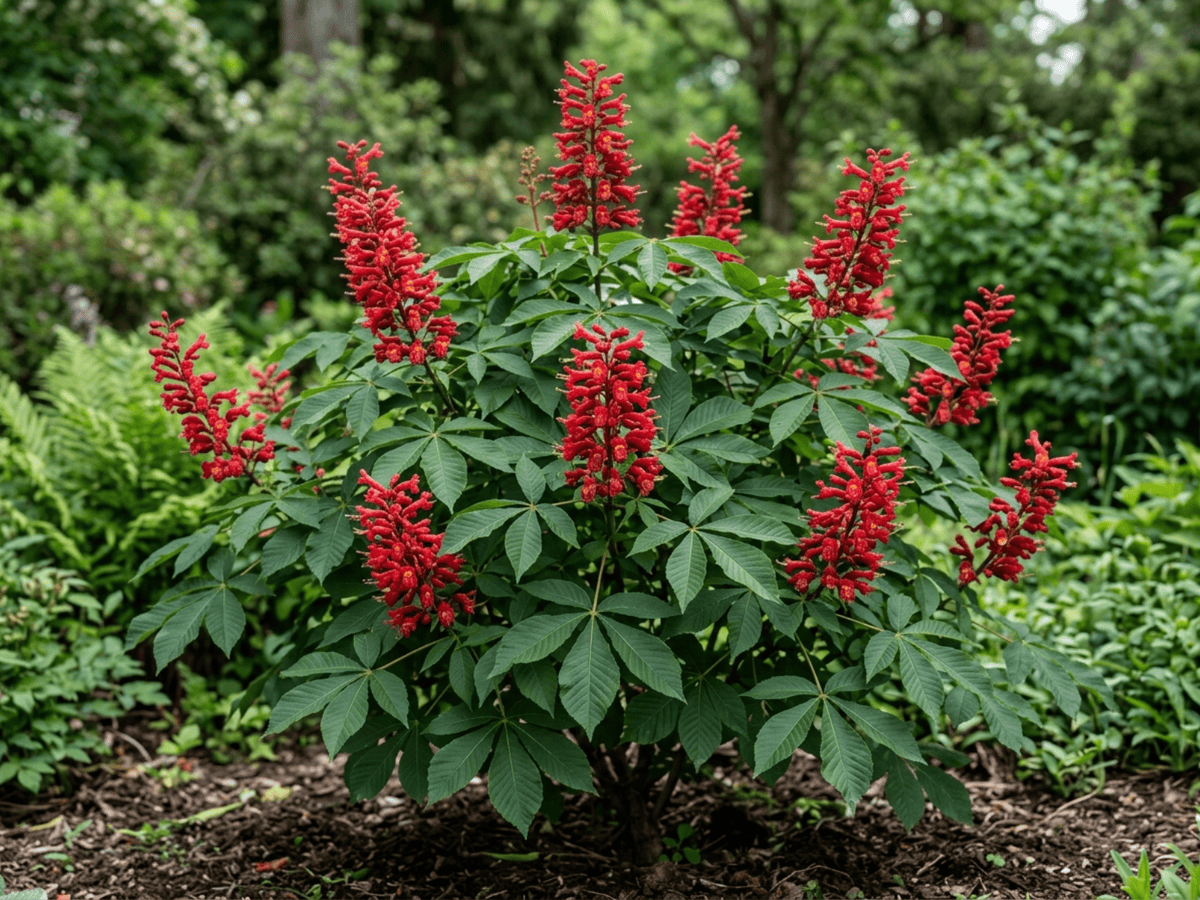 Red BuckeyeAesculus pavia
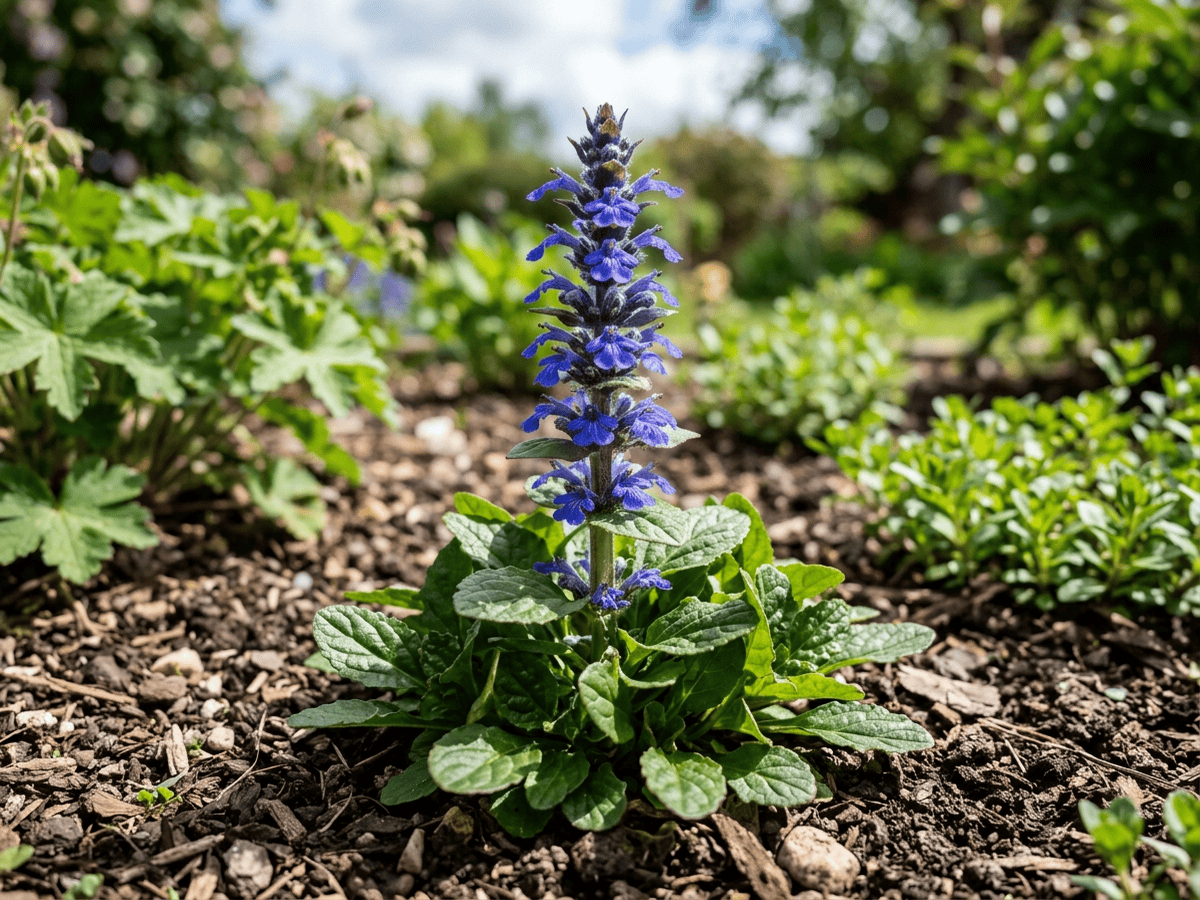 Blue BugleAjuga genevensis
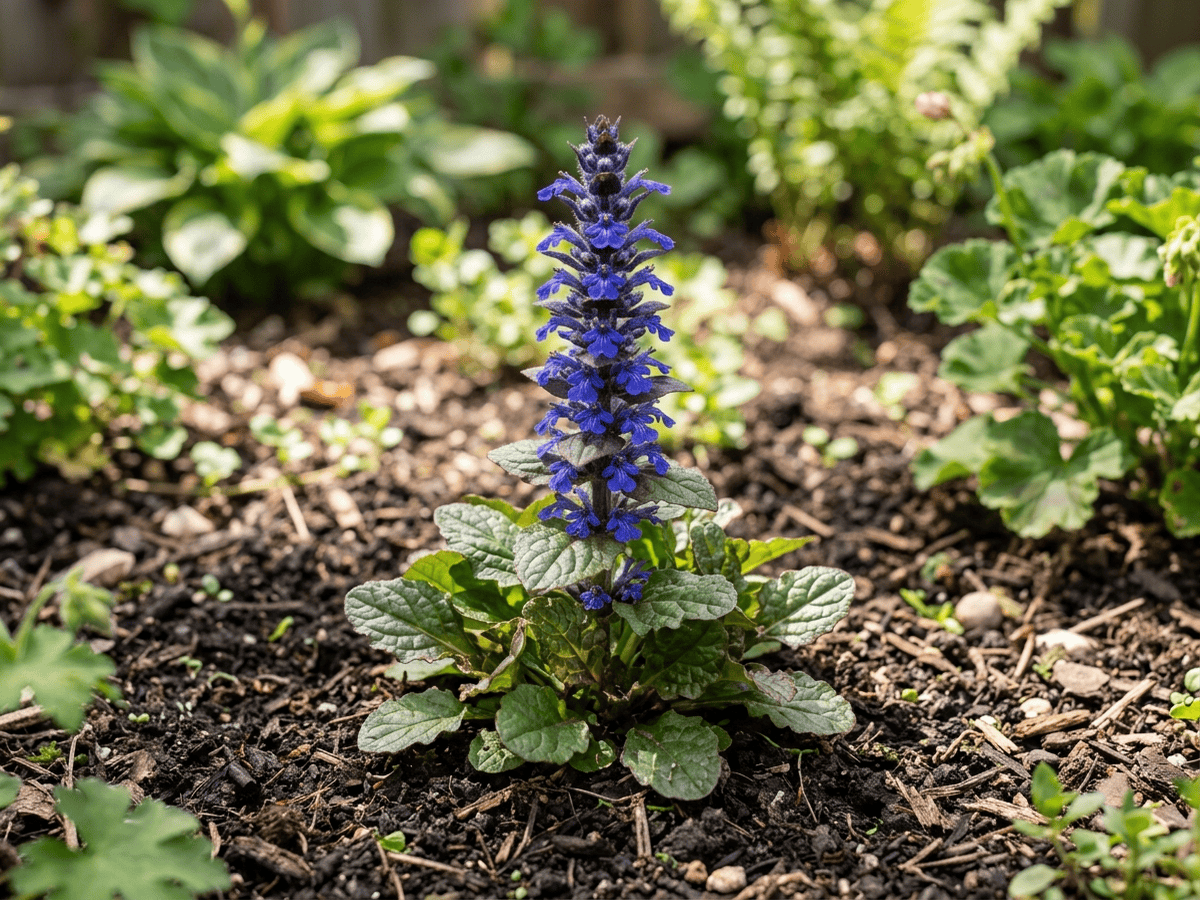 Pyramidal BugleAjuga pyramidalis
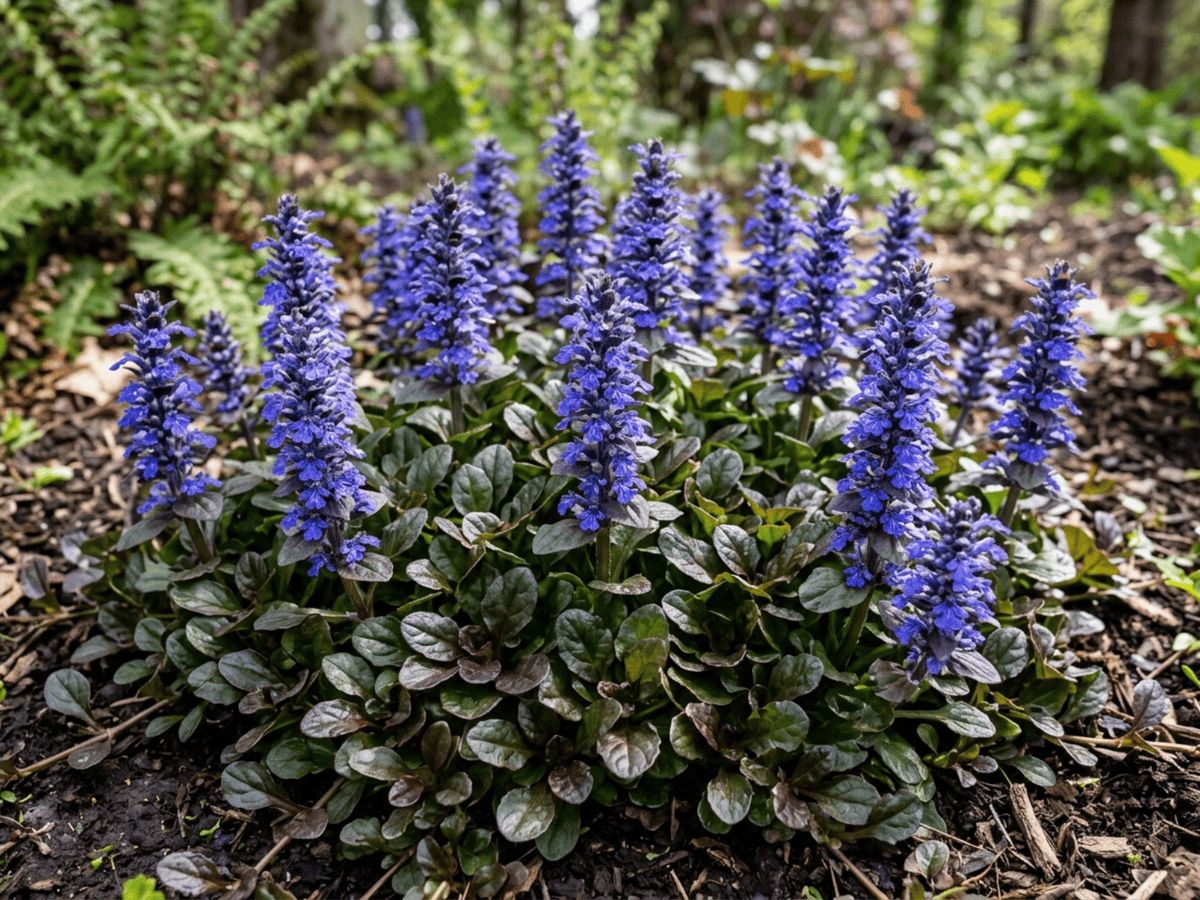 Carpet BugleAjuga reptans
Frequently asked questions
How often should I water Snowy Woodrush?
In summer, water about every 10 days; in winter, about every 21 days. Adjust for heat, pot size and drainage.
How much light does Snowy Woodrush need?
Part shade: 2–4 hrs direct. Watch the leaves — scorching or stretching means the light needs adjusting.
Is Snowy Woodrush toxic to cats or dogs?
Pets Safe (Dogs Safe · Cats Safe) Educational information, not medical or veterinary advice. If exposure is suspected, contact a doctor or veterinarian.
Is Snowy Woodrush easy to grow?
Yes — it is considered an easy, beginner-friendly plant.
When does Snowy Woodrush bloom?
It typically blooms May–Jun in the Northern Hemisphere.
YardMate
Identify any plant in seconds
Snap a photo — YardMate names the plant, diagnoses problems, and reminds you when to water.
Download on the App Store