 YardMate


Creeping Mazus
Mazus reptans
Easy · Beginner friendlyAbout Creeping Mazus
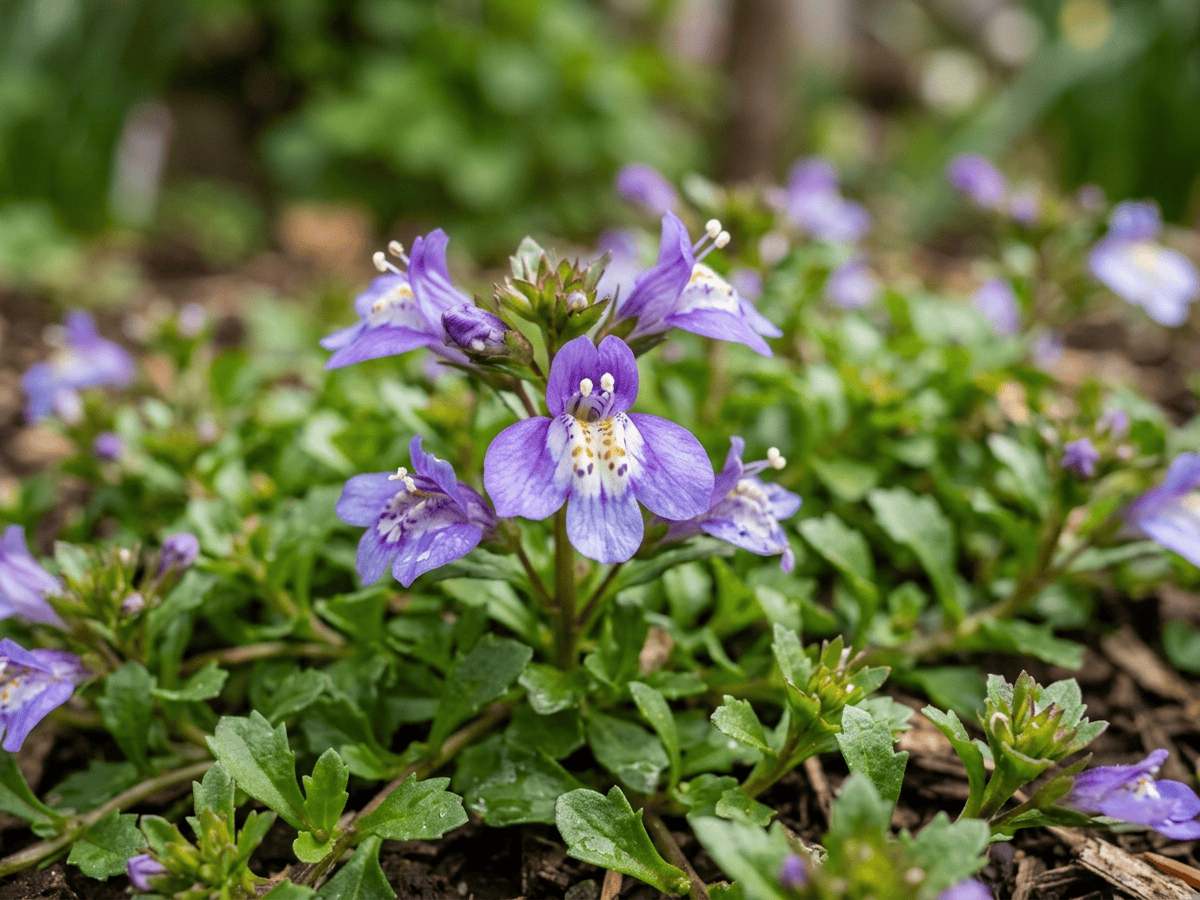
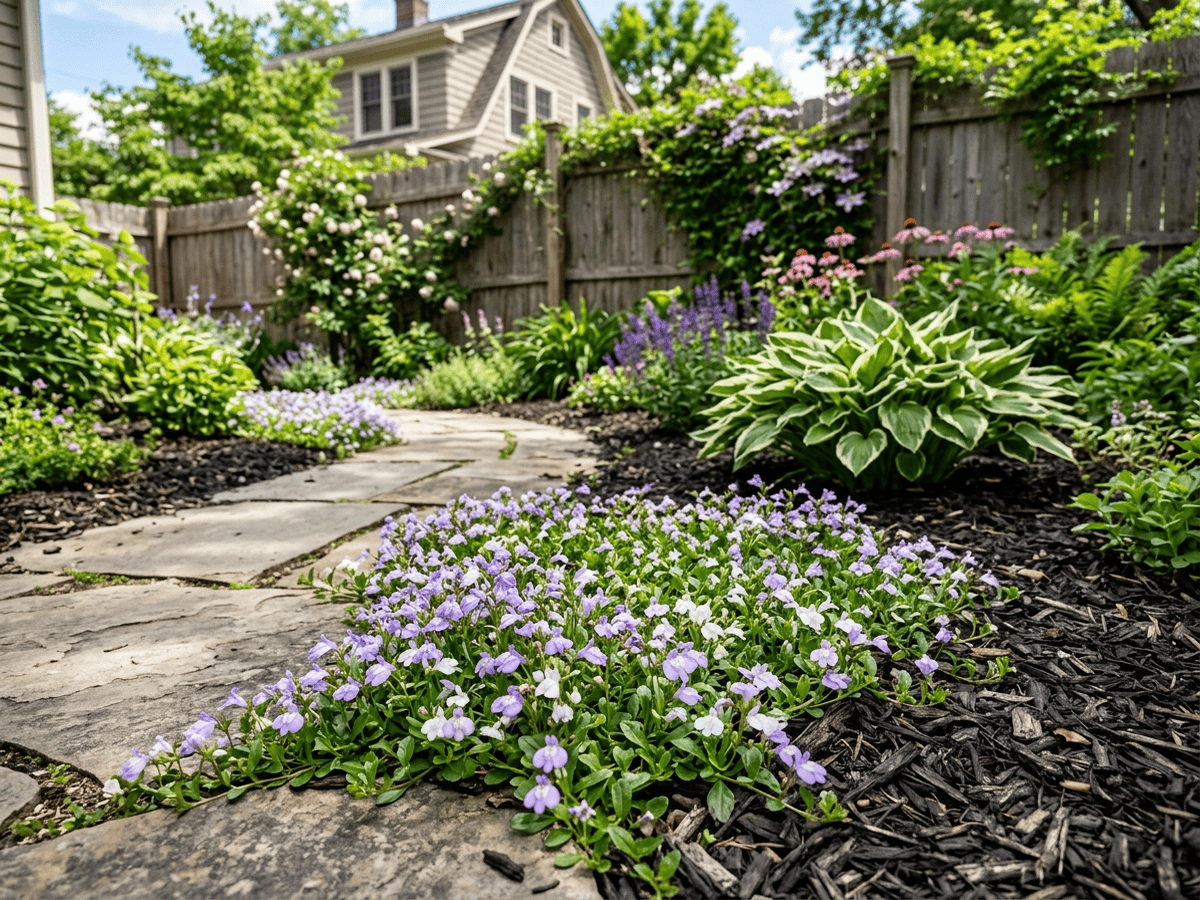
Creeping Mazus is a low-growing Himalayan groundcover reaching just 1-2 inches tall, spreading rapidly by runners to form dense mats of small bright green leaves. Spikes of small purple to blue two-lipped flowers appear in late spring through early summer. Thrives in moist partial shade, making it an excellent walkable groundcover for shaded paths and lawn alternatives in cooler US climates.
- Shade-tolerant
- Groundcover
- Pollinator-friendly
How to care for Creeping Mazus
Watering
- Springevery 5 days
- Summerevery 5 days
- Fallevery 7 days
- Winterevery 14 days
Soil · Well-draining
- Top dressingPine bark mulch10%
- Main mixPotting soil + perlite 2:170%
- DrainageLECA / gravel20%
Never skip the drainage layer — standing water is the top cause of root rot.
FERTILIZER
Balanced Feed 14-14-14
An even feed covers all three needs at once, keeping leaves, roots and blooms moving together with nothing pushed out of balance.
- Nitrogen · Leaves
- Phosphorus · Roots + Blooms
- Potassium · Strength
- Springevery 45 days
- Summerevery 45 days
At a Glance
- NativeSouth Asia, East Asia
- Height0.1–0.25 ft (0–0.1 m)
- Spread1–2 ft (0.3–0.6 m)
- Flower colorPurple, Blue, White
- Foliage colorGreen
- SoilLoamy, Moisture-retentive
- LocationsYard
Bloom time
BLOOM CYCLE
Peak bloom
May–Jul
Purple-blue flowers May to July
Toxicity
No toxicity has been reported for this plant. Still, it is wise to keep pets from chewing on any houseplant.
Educational information, not medical or veterinary advice. If exposure is suspected, contact a doctor or veterinarian.
DISTRIBUTION


- Native
- Introduced
- South Asia
- East Asia
History
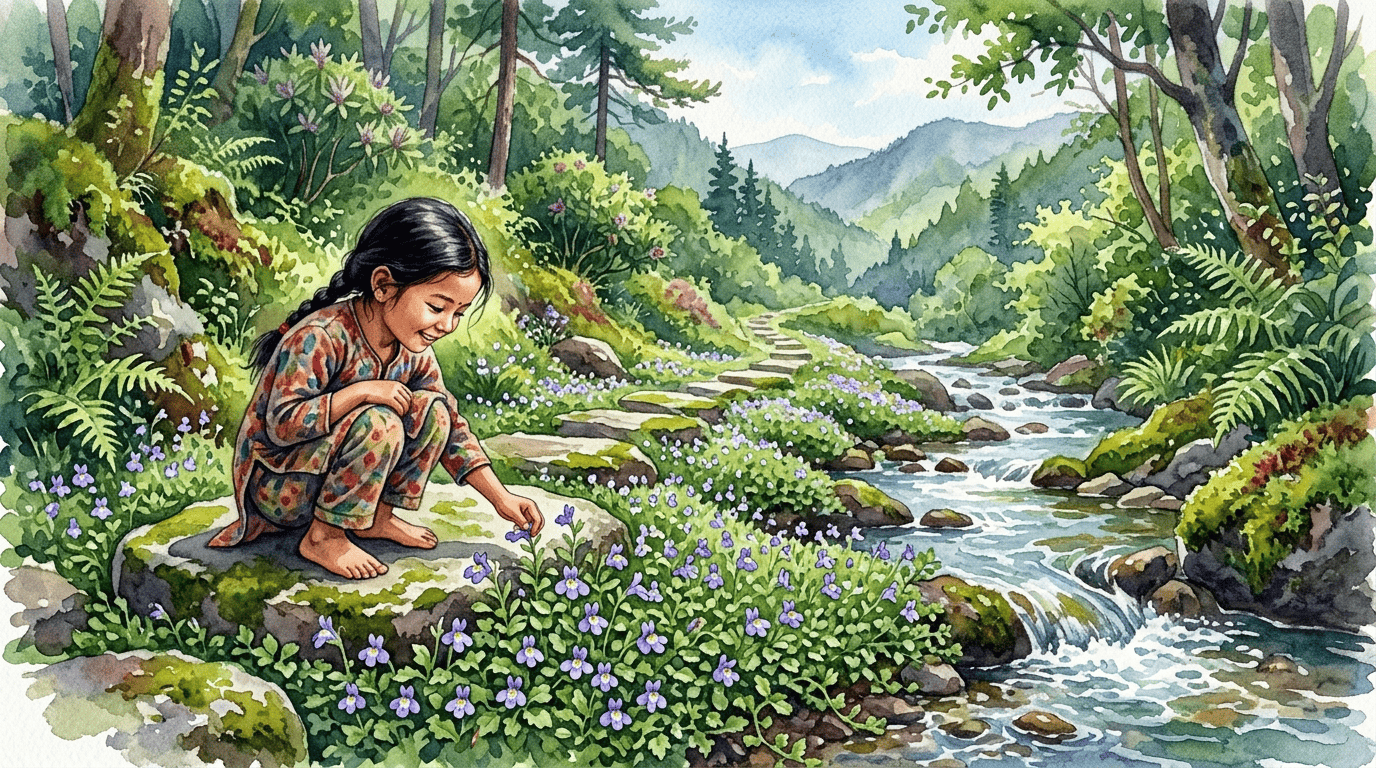
Mazus reptans is a creeping herbaceous perennial in the family Mazaceae (formerly placed in Scrophulariaceae) native to the Himalayas from northern India and Nepal through Bhutan to southwestern China at moderate elevations. Scottish botanist Francis Buchanan-Hamilton first described it as Lindernia reptans around 1825 based on Nepalese collections; English botanist Nicholas Edward Brown transferred it to Mazus in 1914. Recent molecular work has placed Mazus in its own small family Mazaceae (Reveal 2011).
The plant forms flat 2-5 cm tall mats of small toothed green leaves via freely rooting creeping stems, blooming in late spring and early summer with clusters of 2 cm purple-blue tubular two-lipped flowers marked with white and yellow throats resembling miniature snapdragons. The white-flowered 'Alba' is also sold. Widely planted in North American and European gardens between stepping stones, as lawn accents in moist shade, and along stream edges.
Prefers moist soil and suffers in drought. Introduced to Western gardens in the 19th century and widely used as a walkable lawn alternative. The white-flowered 'Alba' cultivar provides a subtle contrast to the typical purple form.
Symbolism & meaning
What It Symbolizes
Miquel's Mazus expresses humble beauty, its tiny lavender flowers rewarding only the visitor willing to crouch and look closely at the path's edge. Its persistence is quiet and stubborn, tolerating foot traffic and partial shade where showier groundcovers would sulk. It is often read as a flower of overlooked devotion, a small spreading mat reminding us that beauty meant for close range is no less valuable than beauty meant for the wide view.
- Humble beauty — small flowers that reward close looking
- Persistence — tolerates foot traffic and shade
Where the Name Comes From
'Mazus' from Greek 'mazos' (teat), referring to small flower protrusions; 'reptans' means creeping.
Uses & Fun Facts
- Dense low mat between pavers and as lawn alternative
- Purple-blue spring flowers cover creeping foliage
Related plants
Plants with similar care
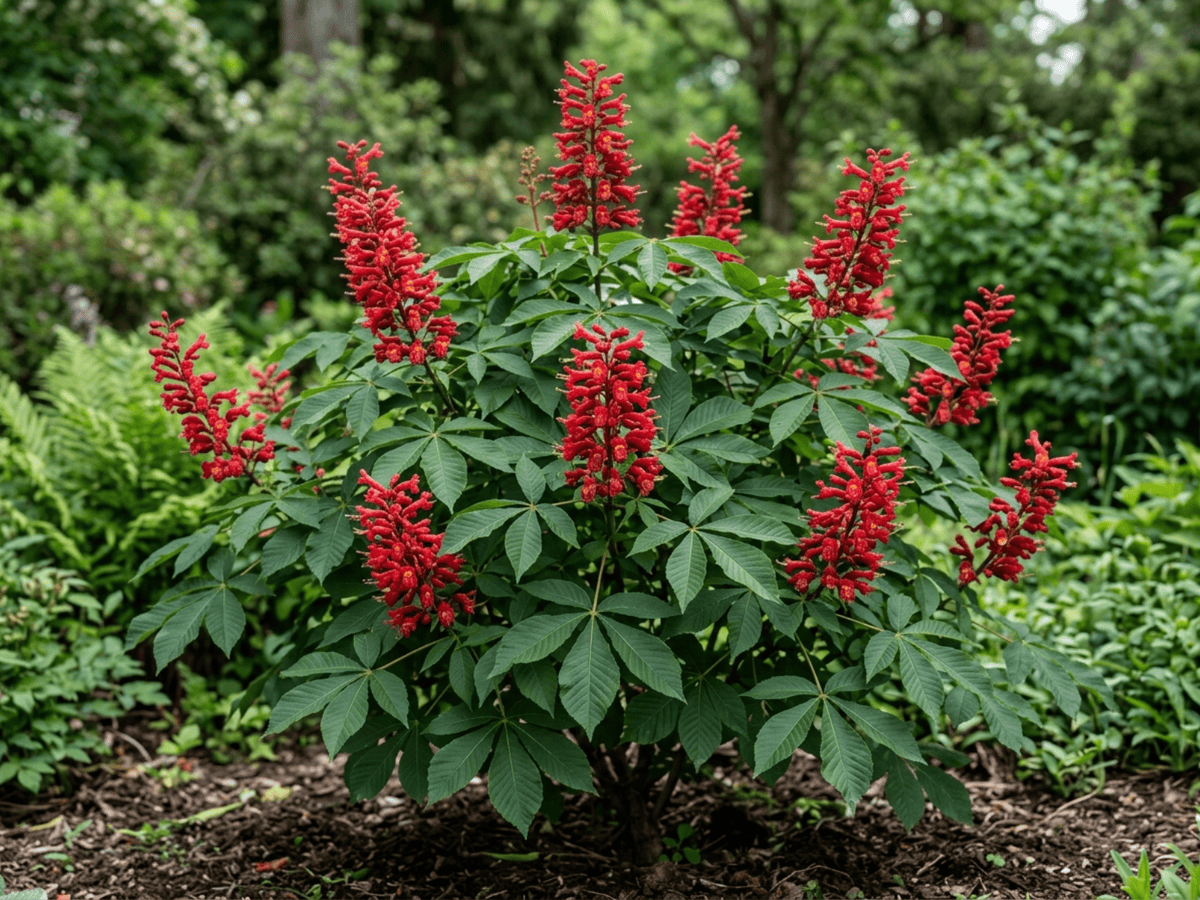 Red BuckeyeAesculus pavia
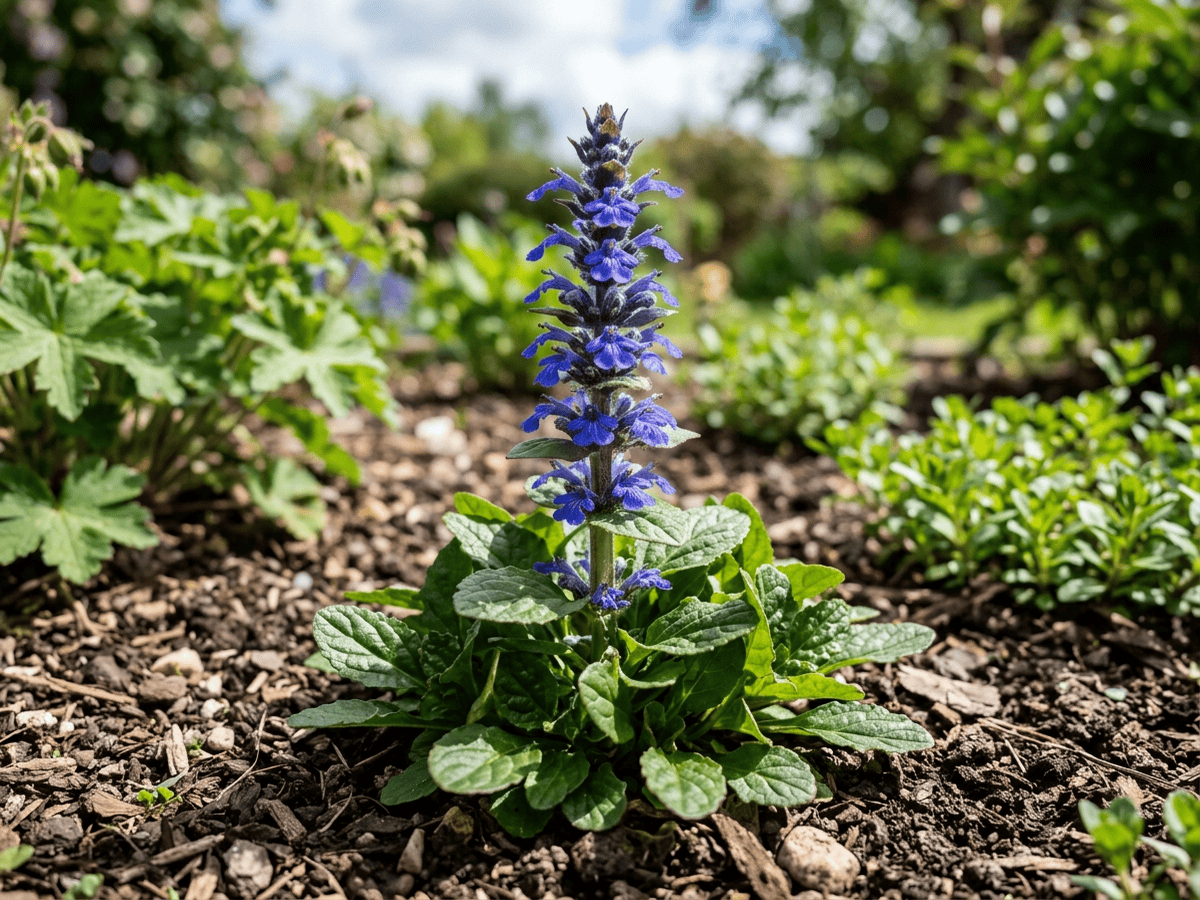 Blue BugleAjuga genevensis
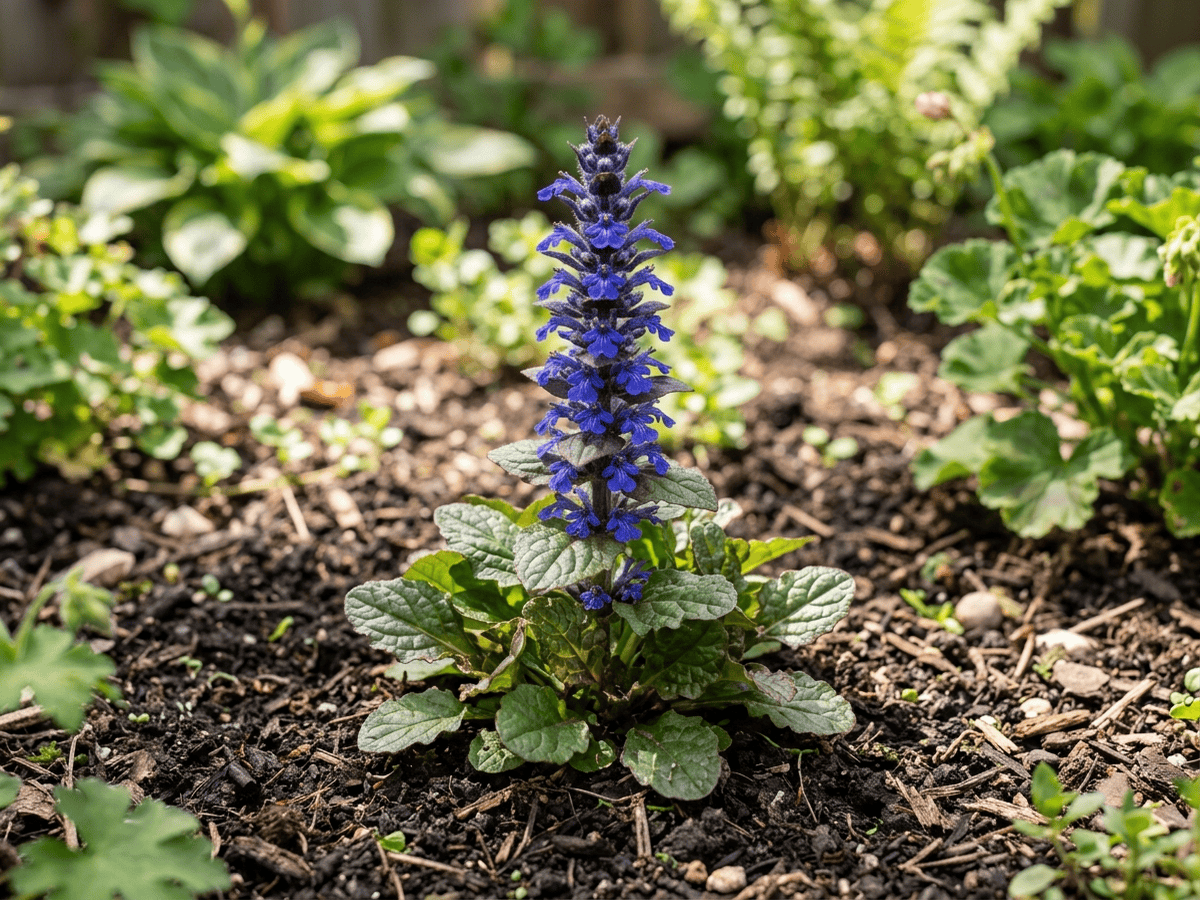 Pyramidal BugleAjuga pyramidalis
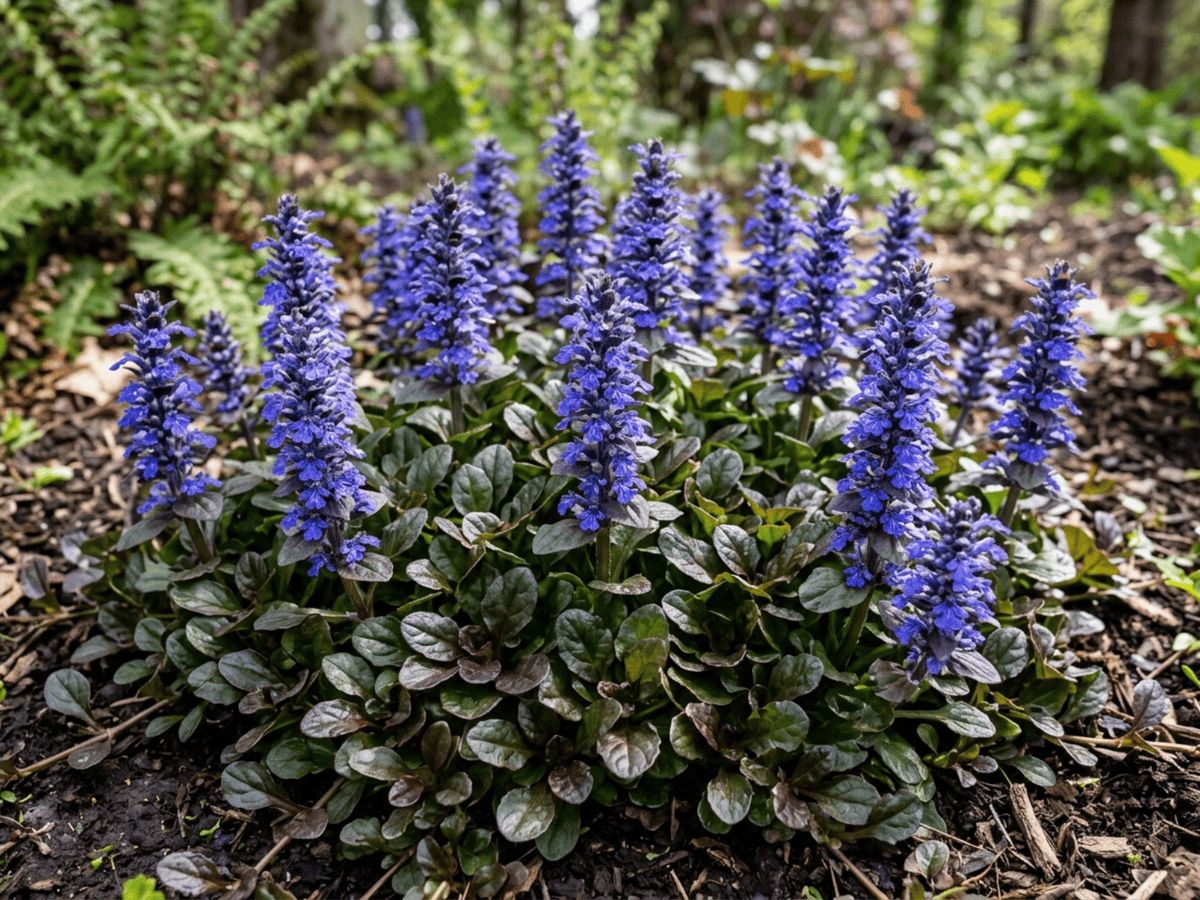 Carpet BugleAjuga reptans
Frequently asked questions
How often should I water Creeping Mazus?
In summer, water about every 5 days; in winter, about every 14 days. Adjust for heat, pot size and drainage.
How much light does Creeping Mazus need?
Part shade: 2–4 hrs direct. Watch the leaves — scorching or stretching means the light needs adjusting.
Is Creeping Mazus toxic to cats or dogs?
No toxicity has been reported for this plant. Still, it is wise to keep pets from chewing on any houseplant. Educational information, not medical or veterinary advice. If exposure is suspected, contact a doctor or veterinarian.
Is Creeping Mazus easy to grow?
Yes — it is considered an easy, beginner-friendly plant.
When does Creeping Mazus bloom?
It typically blooms May–Jul in the Northern Hemisphere.
YardMate
Identify any plant in seconds
Snap a photo — YardMate names the plant, diagnoses problems, and reminds you when to water.
Download on the App Store