 YardMate


Japanese Stiltgrass
Microstegium vimineum
Easy · Beginner friendlyAbout Japanese Stiltgrass
Japanese Stiltgrass is an Asian annual grass now rampantly invasive across the eastern and midwestern US, forming dense mats in shaded woodland understories, streambanks, and yard edges. Growing 1 to 3 feet tall with slender branching stems and lance-shaped leaves with a silvery midrib, it produces delicate flower spikes in late summer and thousands of seeds per plant. Listed as noxious in many eastern states.
- Shade-tolerant
How to care for Japanese Stiltgrass
Watering
- Springevery 10 days
- Summerevery 7 days
- Fallevery 14 days
- Winterpause watering
Soil · Well-draining
- Top dressingPine bark mulch10%
- Main mixPotting soil + perlite 2:170%
- DrainageLECA / gravel20%
Never skip the drainage layer — standing water is the top cause of root rot.
FERTILIZER
This plant needs little to no feeding.
At a Glance
- NativeSoutheast Asia
- Height1–3 ft (0.3–0.9 m)
- Spread1–3 ft (0.3–0.9 m)
- Flower colorGreen
- Foliage colorGreen
- SoilMoisture-retentive, Loamy
- LocationsYard
Bloom time
BLOOM CYCLE
Peak bloom
Jun–Nov
Slender flower spikes late summer to fall
Toxicity
Humans Safe · Pets Safe
None reported
Safe
EXPOSURE No exposure route is reported.
EFFECT No toxic effect is reported.
NOTE Listed as non-toxic for humans; avoid eating ornamental plants unless confirmed edible.
Safe
EXPOSURE No exposure route is reported.
EFFECT No toxic effect is reported.
NOTE Listed as non-toxic for dogs; avoid eating ornamental plants unless confirmed edible.
Safe
EXPOSURE No exposure route is reported.
EFFECT No toxic effect is reported.
NOTE Listed as non-toxic for cats; avoid eating ornamental plants unless confirmed edible.
Educational information, not medical or veterinary advice. If exposure is suspected, contact a doctor or veterinarian.
DISTRIBUTION

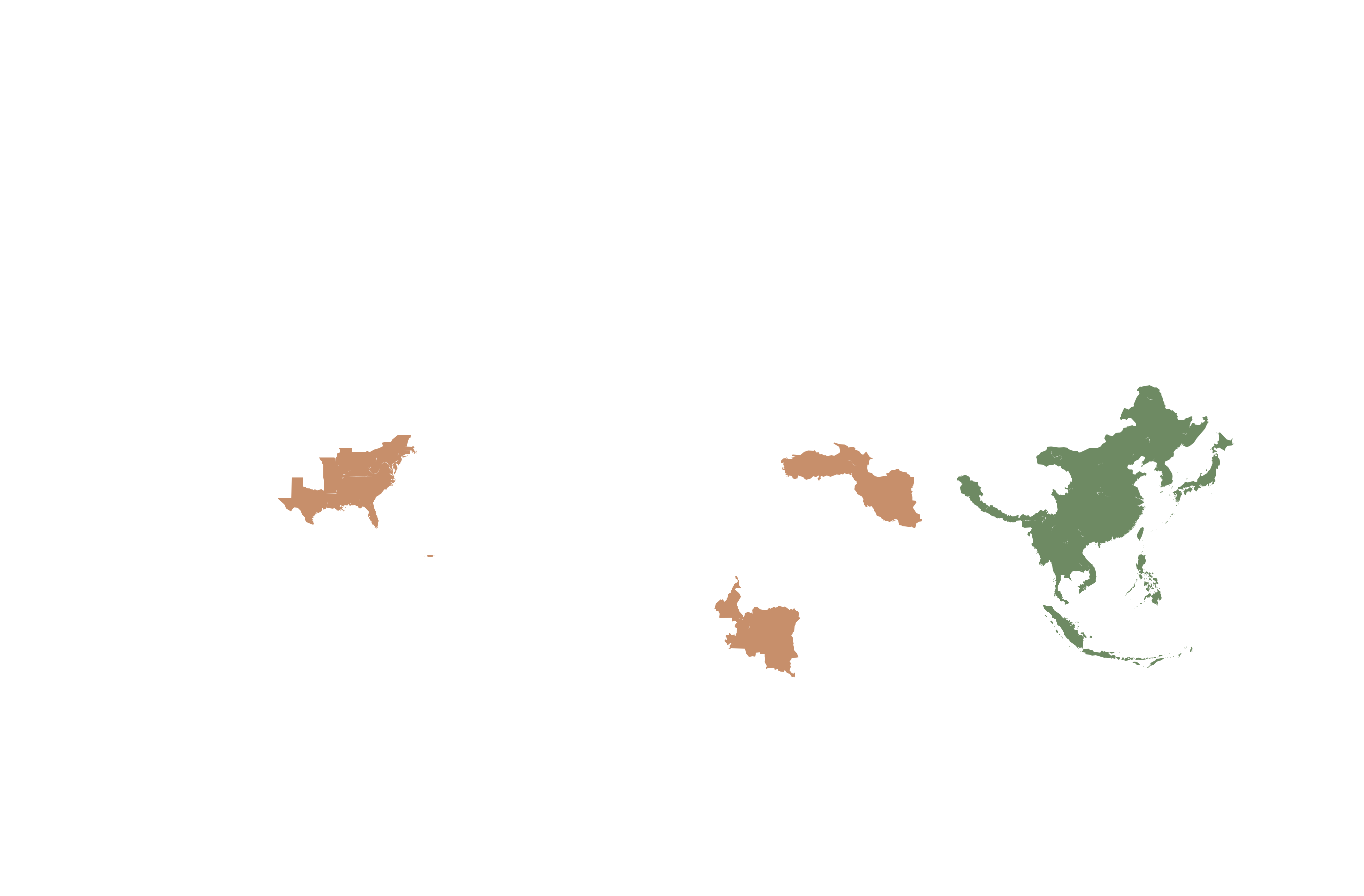
- Native
- Introduced
- Southeast Asia
History
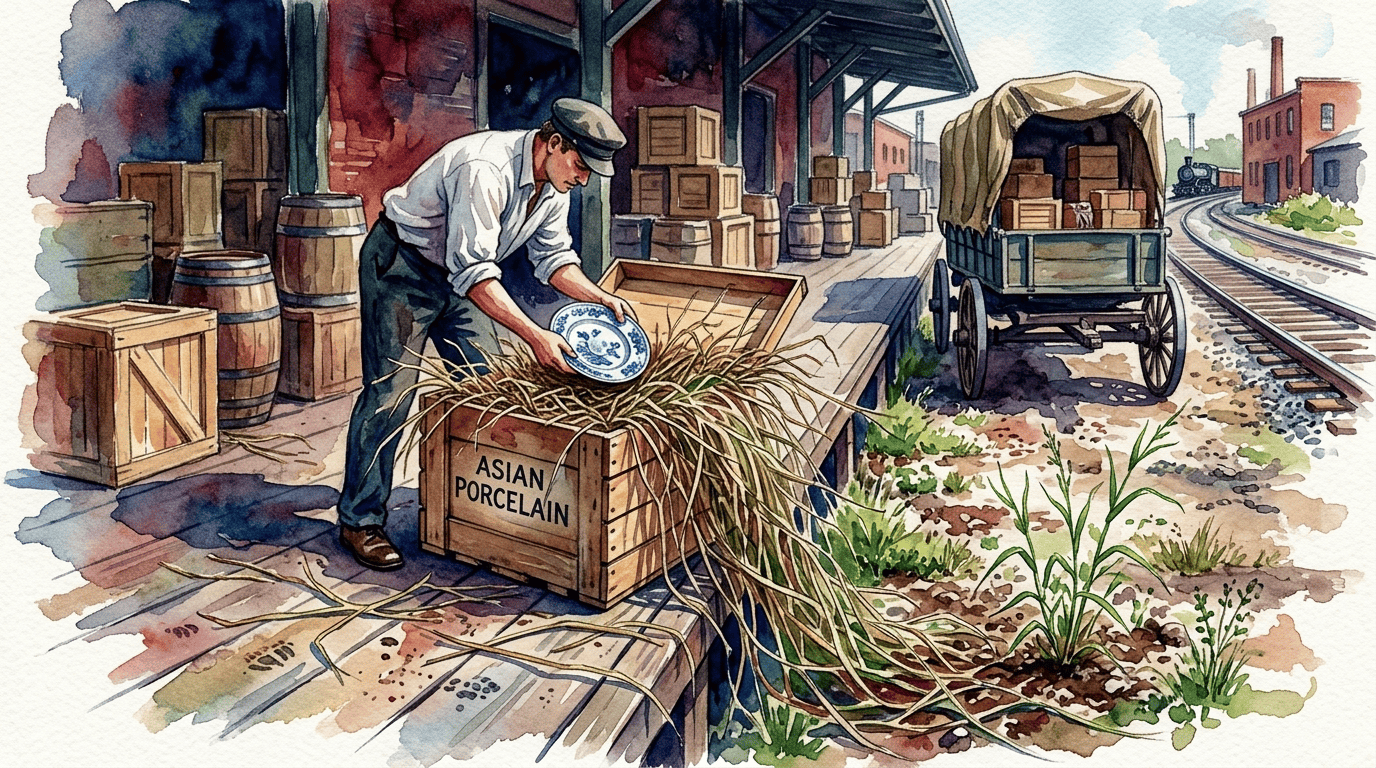
Microstegium vimineum, Japanese or Nepalese stiltgrass, is a sprawling annual grass native to temperate and tropical Asia. It was first documented in North America in Knoxville, Tennessee around 1919, almost certainly arriving as packing material in shipments of porcelain. From that introduction it has spread across at least 25 eastern US states, thriving in the partially shaded, nutrient-rich soils of floodplains, forest edges, and disturbed woodlands.
Its ability to fix little nitrogen but rapidly produce thousands of self-pollinating seeds lets it form dense summer carpets that suppress native understory herbs and tree seedlings. Deer avoid the grass while browsing native plants, compounding the invasion. Control relies on mowing or herbicide application before the short autumn seed-set window. Deer avoid it, increasing its advantage over grazed native wildflowers and forest understory plants.
Symbolism & meaning
What It Symbolizes
Japanese Stiltgrass is a quiet Forest-floor takeover — a feathery annual that exploits shade where most invaders cannot, smothering Eastern woodland understories. As the Deer's ally it benefits from heavy browsing, since deer eat almost everything except the stiltgrass itself. A plant whose strategy is to be rejected and so left to spread.
- Shade invader — dominates shaded forest understory
- Deer's ally — deer graze around it, aiding its spread
Where the Name Comes From
The name Japanese Stiltgrass describes its grasslike foliage. 'Microstegium' from Greek meaning small covering; 'vimineum' from Latin means of twigs, for the slender twiggy stems.
Related plants
Plants with similar care
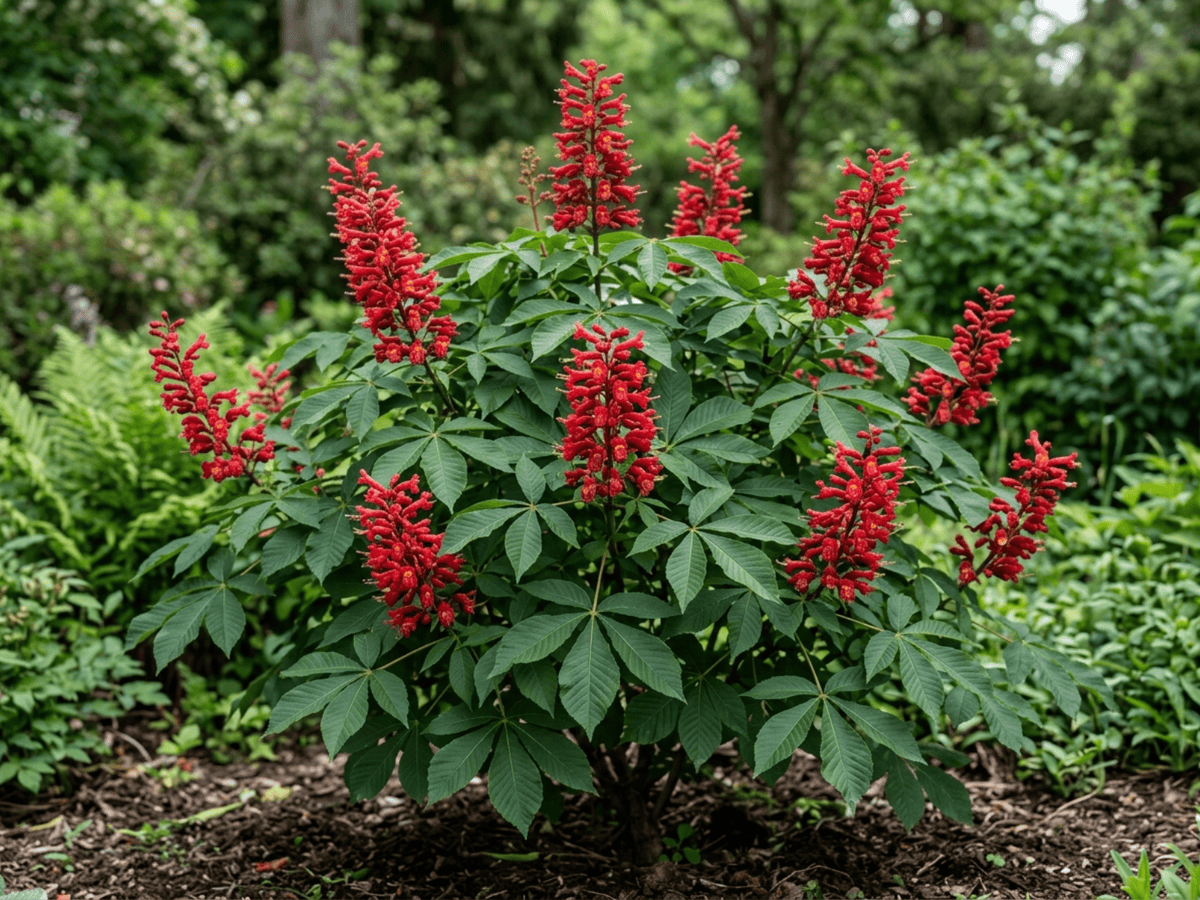 Red BuckeyeAesculus pavia
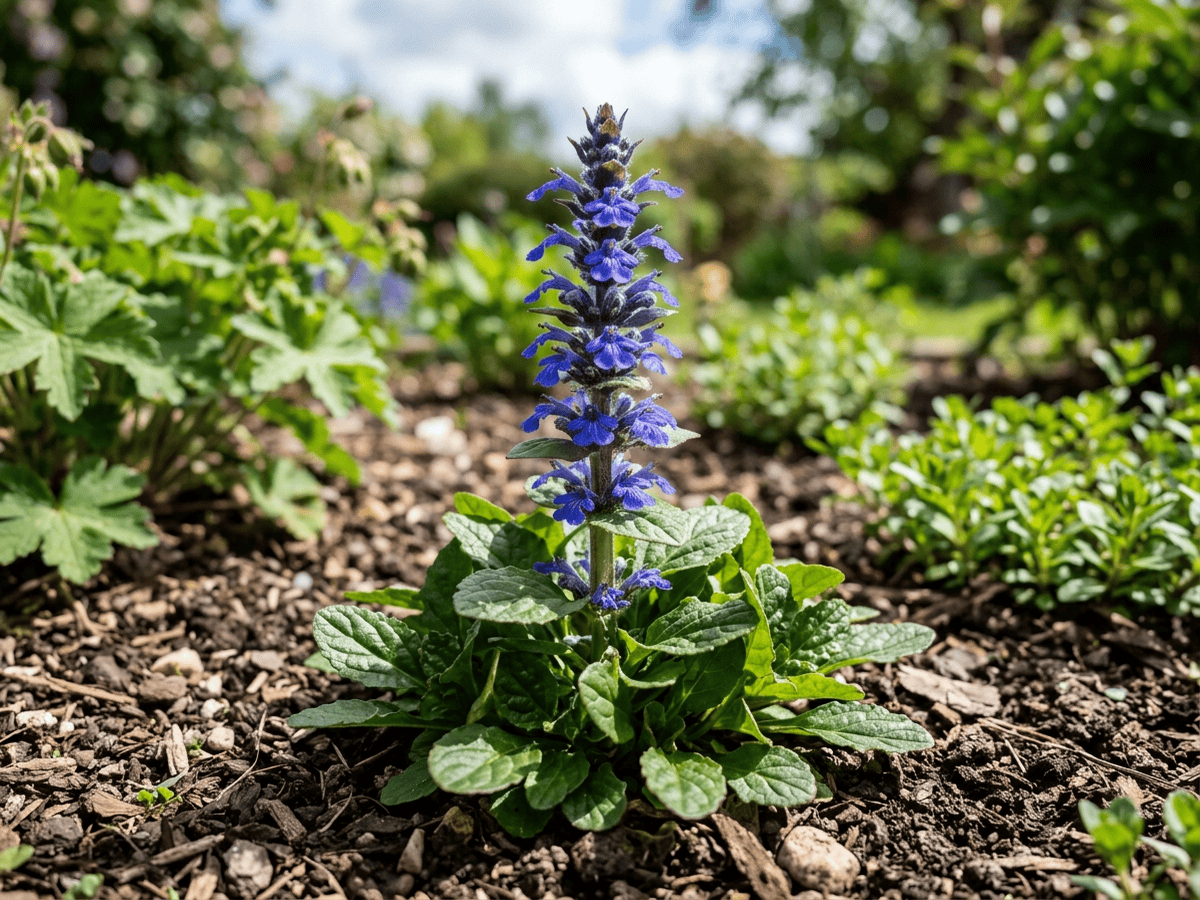 Blue BugleAjuga genevensis
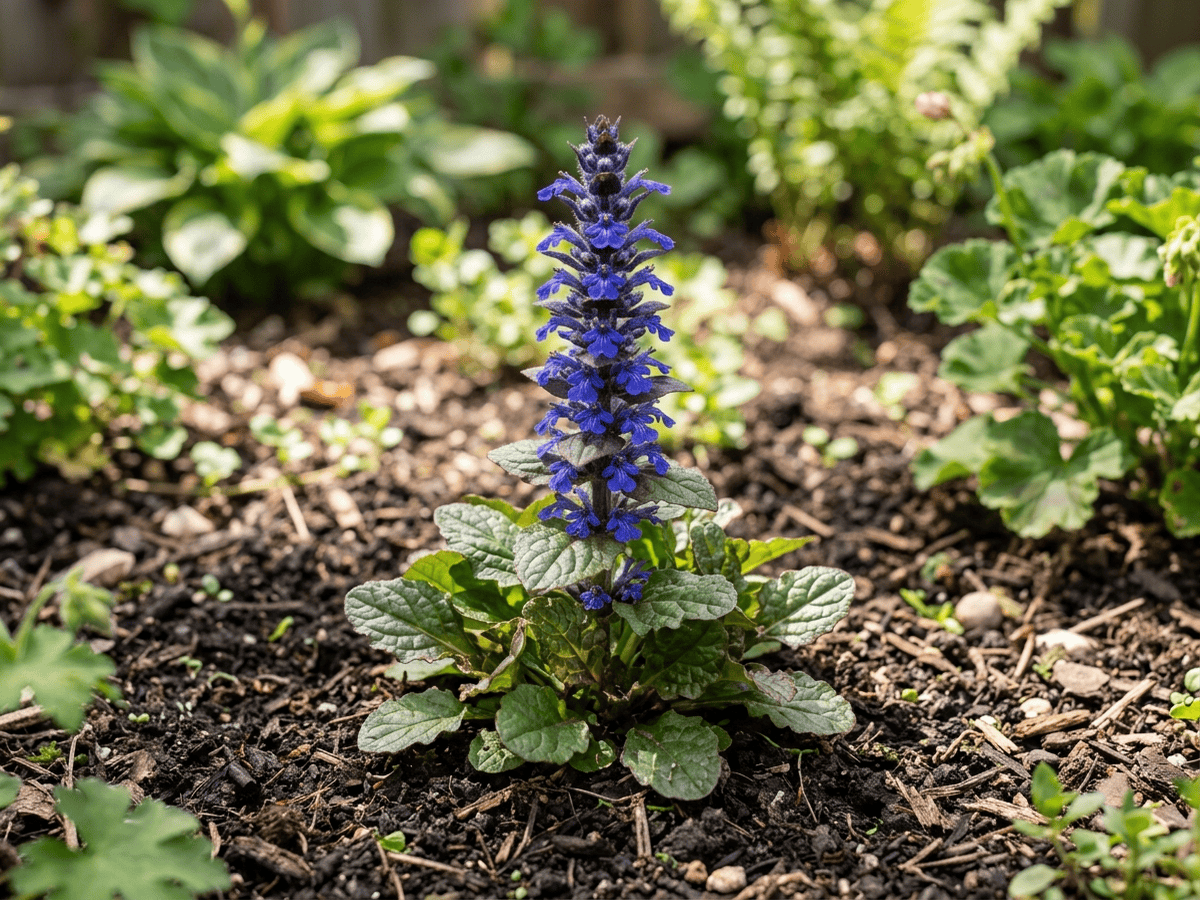 Pyramidal BugleAjuga pyramidalis
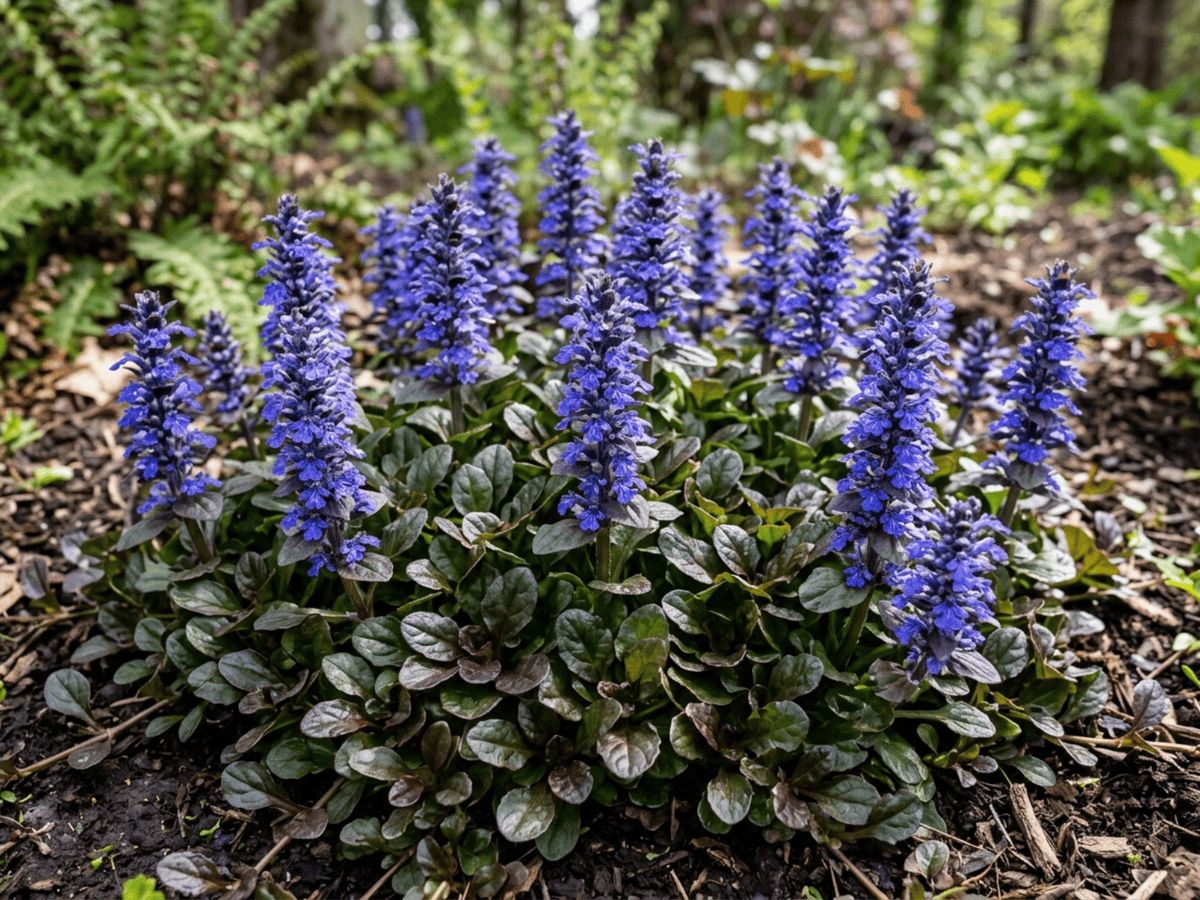 Carpet BugleAjuga reptans
Frequently asked questions
How often should I water Japanese Stiltgrass?
Water about every 10 days during the growing season, and always let excess water drain away.
How much light does Japanese Stiltgrass need?
Part shade: 2–4 hrs direct. Watch the leaves — scorching or stretching means the light needs adjusting.
Is Japanese Stiltgrass toxic to cats or dogs?
Pets Safe (Dogs Safe · Cats Safe) Educational information, not medical or veterinary advice. If exposure is suspected, contact a doctor or veterinarian.
Is Japanese Stiltgrass easy to grow?
Yes — it is considered an easy, beginner-friendly plant.
When does Japanese Stiltgrass bloom?
It typically blooms Jun–Nov in the Northern Hemisphere.
YardMate
Identify any plant in seconds
Snap a photo — YardMate names the plant, diagnoses problems, and reminds you when to water.
Download on the App Store