 YardMate


Menzies' Baby Blue Eyes
Nemophila menziesii
Easy · Beginner friendlyAbout Menzies' Baby Blue Eyes
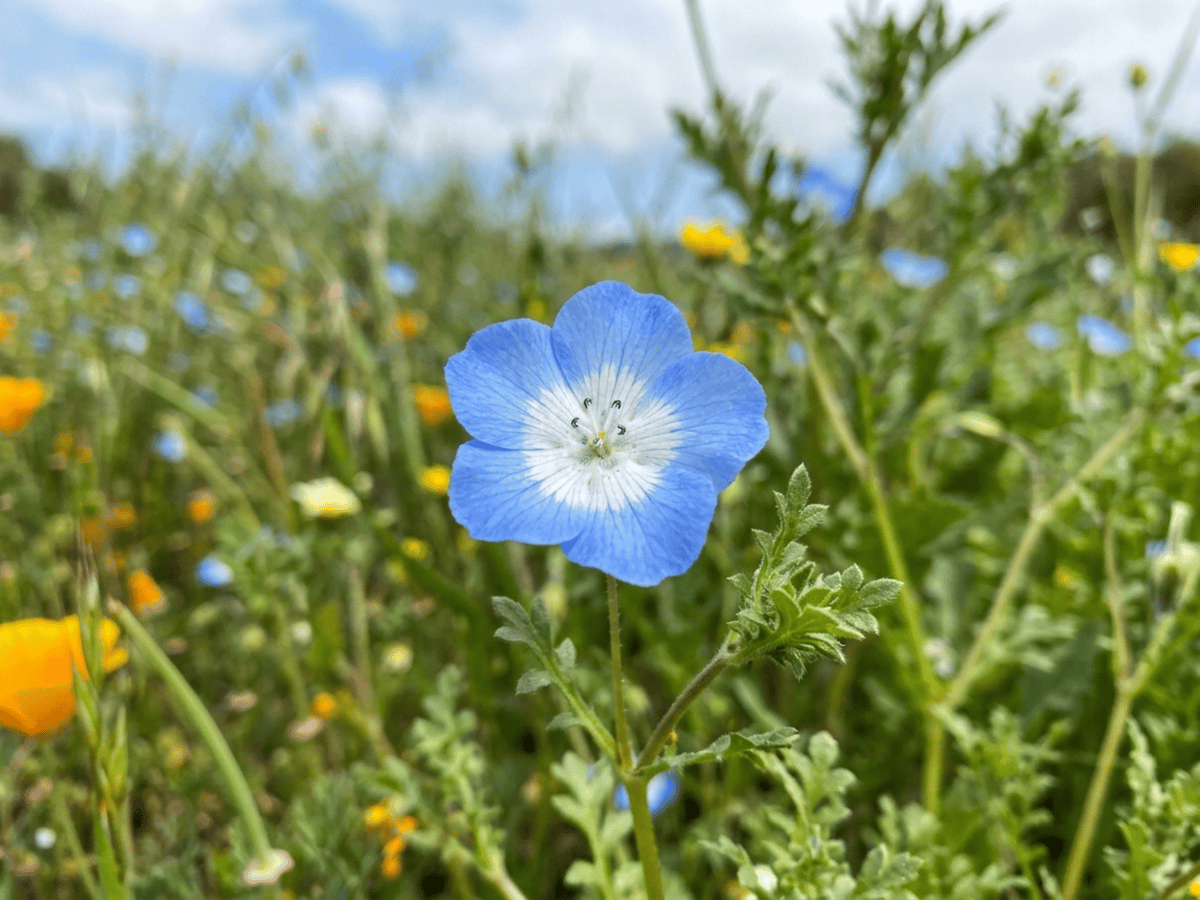
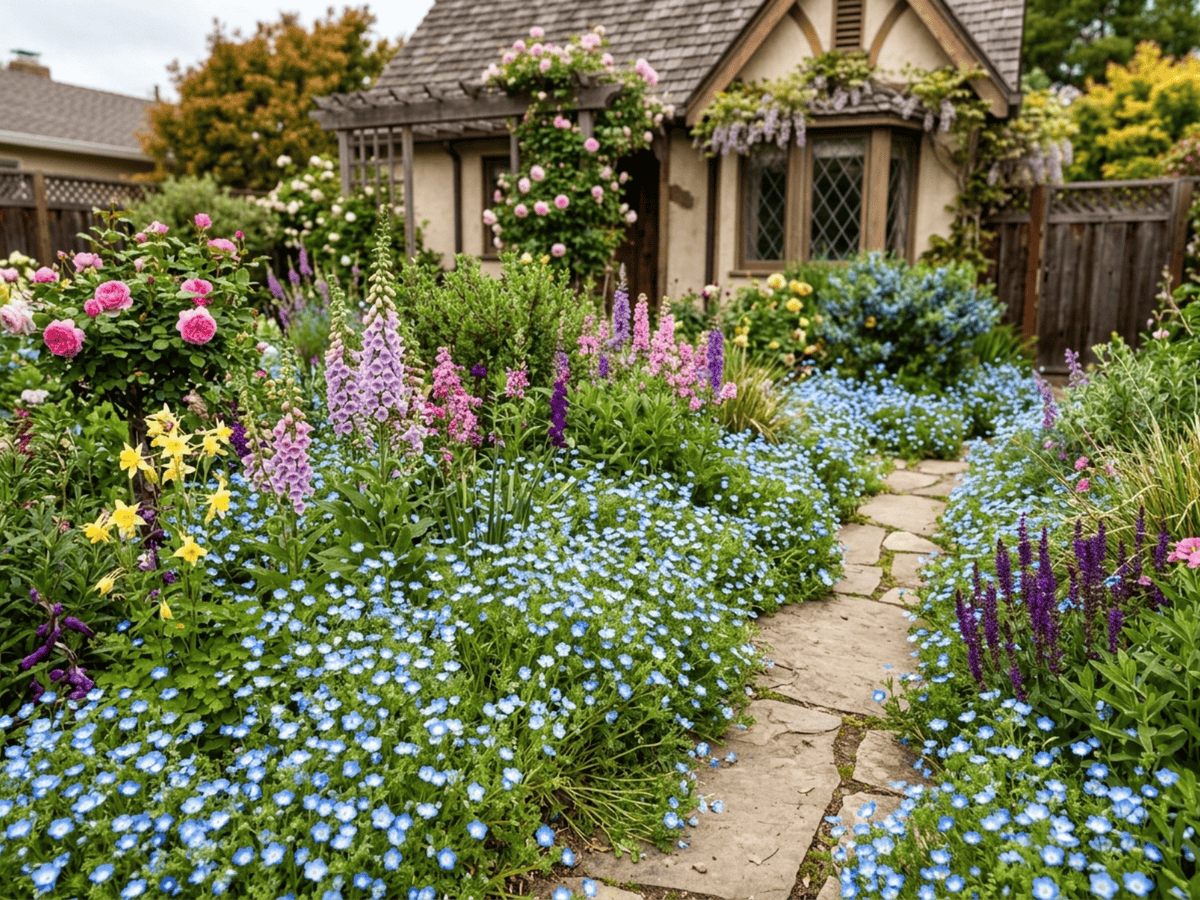
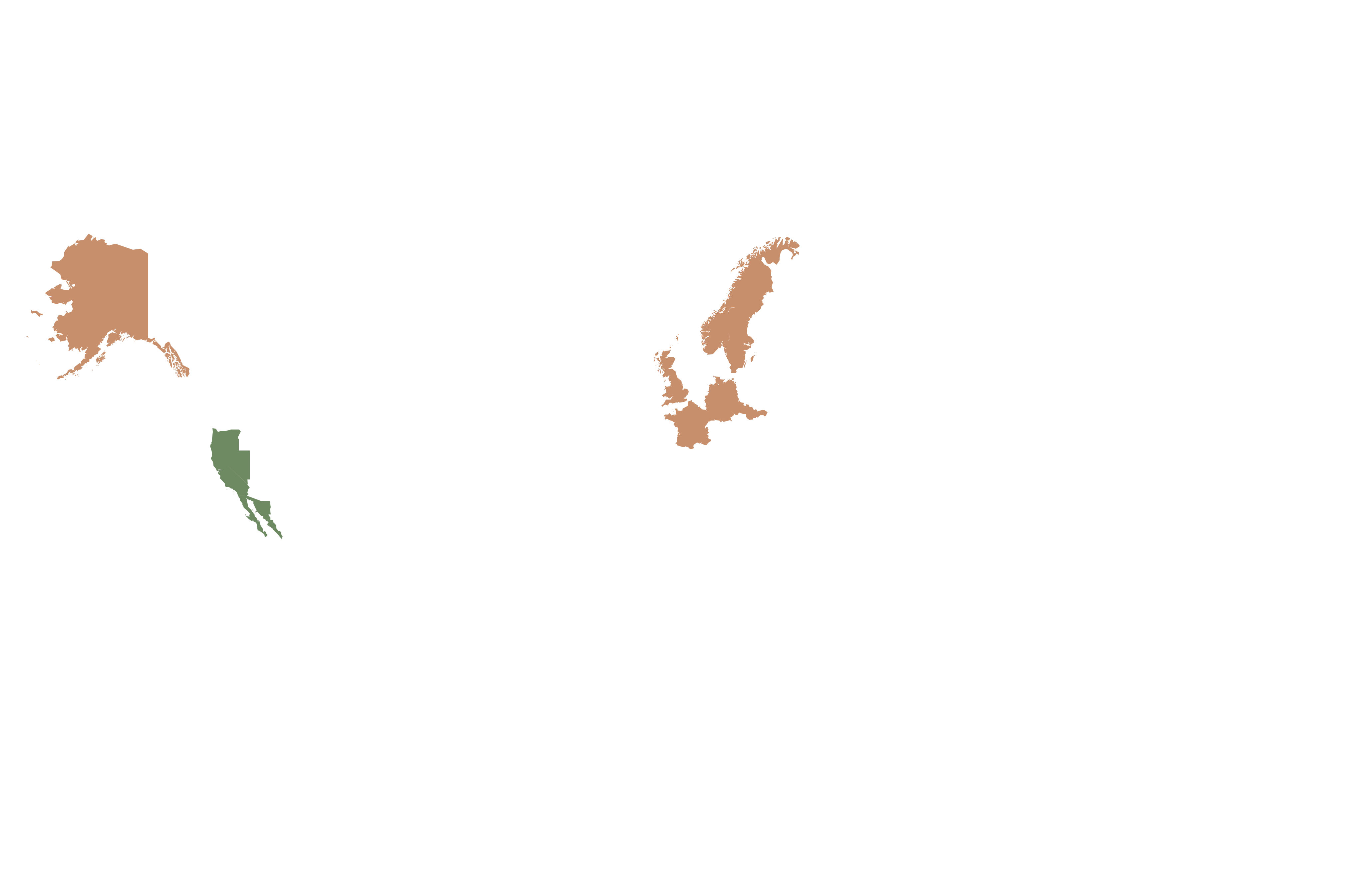
Baby Blue Eyes is a California native annual forming trailing mounds 6–12 inches tall with delicate ferny foliage and sky-blue, white-centered, bowl-shaped flowers in spring. Native from Oregon through Baja California, it is a superb cool-season wildflower for West Coast gardens, woodland edges, and pollinator meadows. Self-seeds freely where happy and creates breathtaking carpets of sky-blue blossom in California wildflower displays such as those at Antelope Valley and Carrizo Plain.
- Native
- Pollinator-friendly
How to care for Menzies' Baby Blue Eyes
Watering
- Springevery 5 days
- Summerevery 7 days
- Fallevery 7 days
- Winterpause watering
Soil · Well-draining
- Top dressingPine bark mulch10%
- Main mixPotting soil + perlite 2:170%
- DrainageLECA / gravel20%
Never skip the drainage layer — standing water is the top cause of root rot.
FERTILIZER
This plant needs little to no feeding.
At a Glance
- NativeNorth America
- Height0.5–1 ft (0.2–0.3 m)
- Spread0.5–1 ft (0.2–0.3 m)
- Flower colorBlue, White
- Foliage colorGreen
- SoilLoamy, Well-drained
- LocationsYard · Balcony
Bloom time
BLOOM CYCLE
Peak bloom
Dec–May
Sky-blue bowls late winter through spring
Fragrance
NO FRAGRANCE
No notable fragrance.
Toxicity
No toxicity has been reported for this plant. Still, it is wise to keep pets from chewing on any houseplant.
Educational information, not medical or veterinary advice. If exposure is suspected, contact a doctor or veterinarian.
DISTRIBUTION

- Native
- Introduced
- North America
History
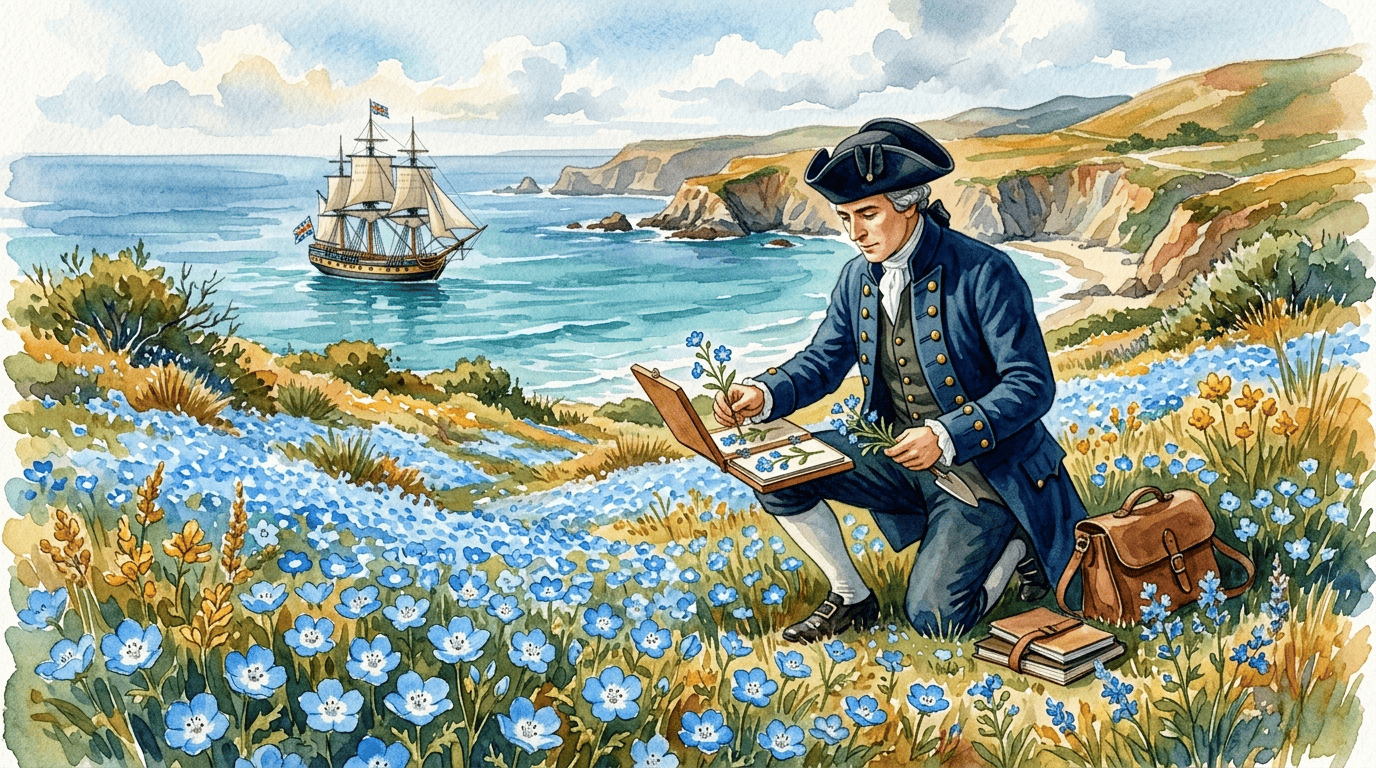
Nemophila menziesii is endemic to California and adjacent southern Oregon and Baja California, growing in grasslands, oak woodland openings, and disturbed open ground below 1800 meters elevation across much of the state. The species was named for Archibald Menzies (1754-1842), the Scottish surgeon-naturalist who accompanied Captain George Vancouver's British Pacific expedition of 1791-1795 as ship's surgeon and naturalist — Menzies collected the first specimens during the expedition's visits to the California coast. The plant is a small low-growing annual 10-25 cm tall with delicate finely-dissected bright-green leaves and, in mid-to-late spring (March-May), produces masses of pure sky-blue five-petaled cup-shaped flowers 2.5-4 cm across with pale or pure-white centers and often fine dark-purple spots at petal bases — the wild "Menzies'" form is the classic widely-sown garden form.
The species is one of the classic "California wildflower blue" plants — pure sky-blue in this intensity is rare in spring wildflowers, and mass plantings create spectacular blue sheets of color. It is a major component of California wildflower seed mixes and meadow plantings, and is planted as a foundation spring annual in many California-native garden designs.
Several named forms including var. atomaria (white with fine black spots), "Penny Black" (deep purple-black petals with white edges — grown as a novelty), and the standard blue form "Insignis" are widely sold.
Symbolism & meaning
What It Symbolizes
Menzies' Baby Blue Eyes carries success, its bright skyward blue petals embodying optimism and the open-faced confidence of California spring. It also suggests innocence, its gentle blue and white tones evoking a purity untouched by complication. It is often read as a flower of clear bright beginnings, a low annual whose meaning is the cloudless sky reflected in a meadow, hope seen at ankle height.
- Success — bright skyward blue symbolizes optimism
- Innocence — gentle blue and white evoke purity
Where the Name Comes From
Genus from Greek 'nemos' (woodland) and 'phileo' (to love); 'menziesii' honors naturalist Archibald Menzies (1754–1842).
Uses & Fun Facts
- Sky-blue flowers carpet West Coast spring meadows
- Trailing California native annual fills cottage borders
- Bowl-shaped flowers feed native bees in spring
Related plants
Plants with similar care
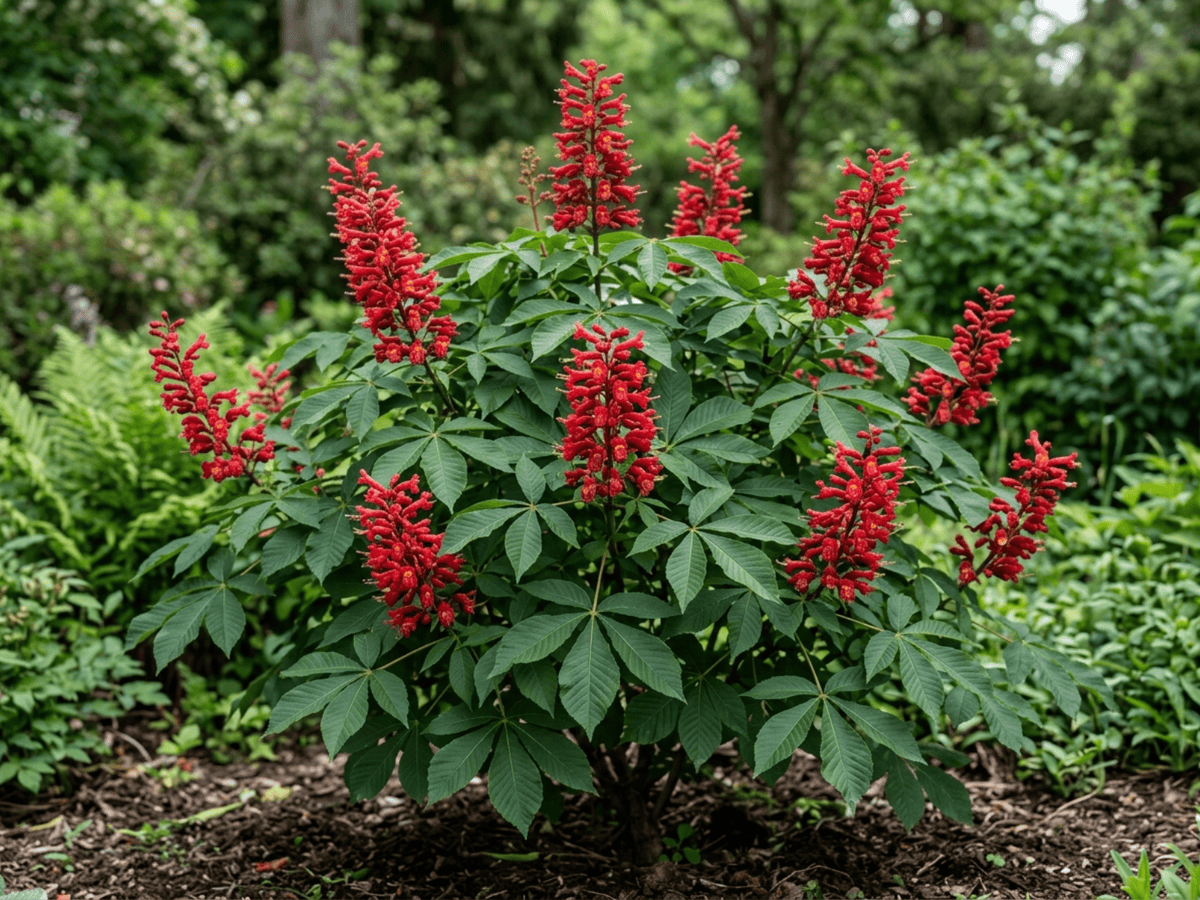 Red BuckeyeAesculus pavia
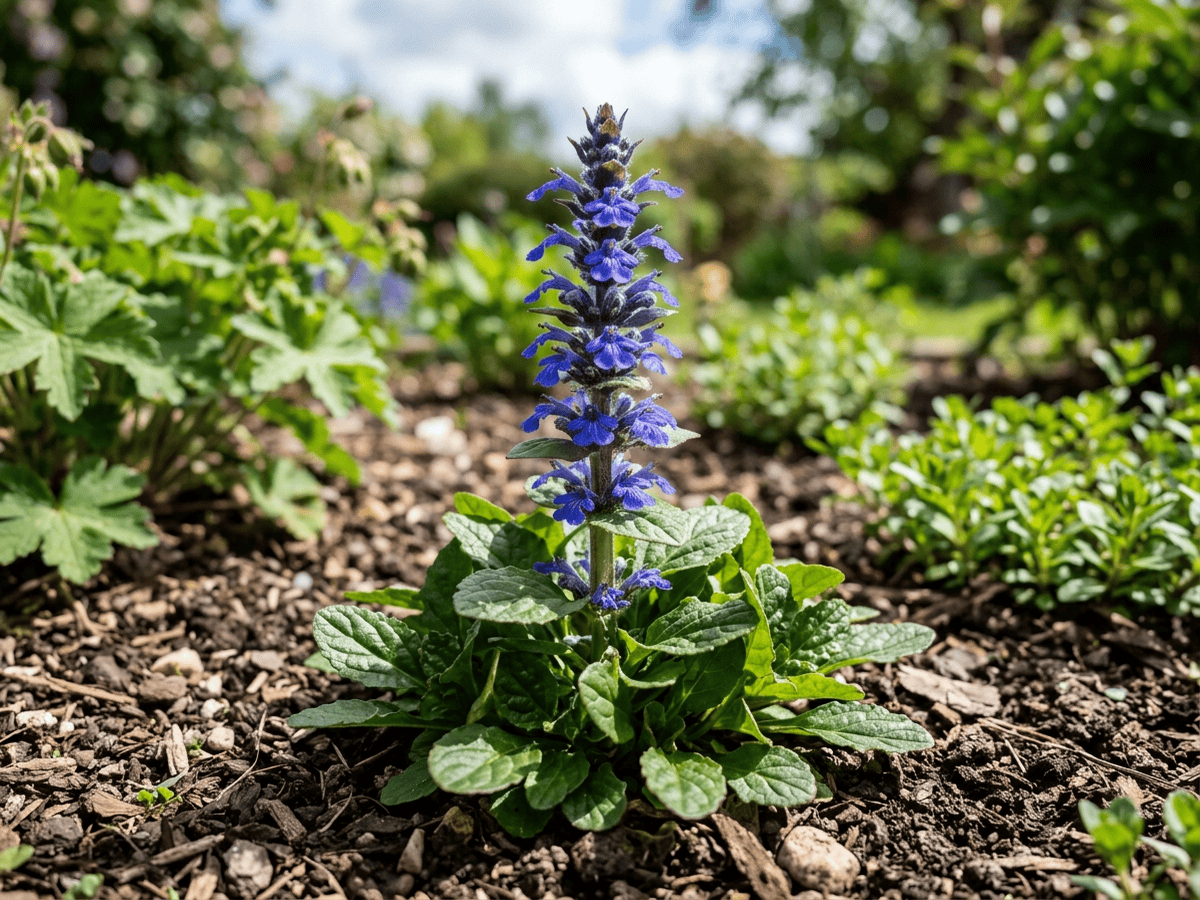 Blue BugleAjuga genevensis
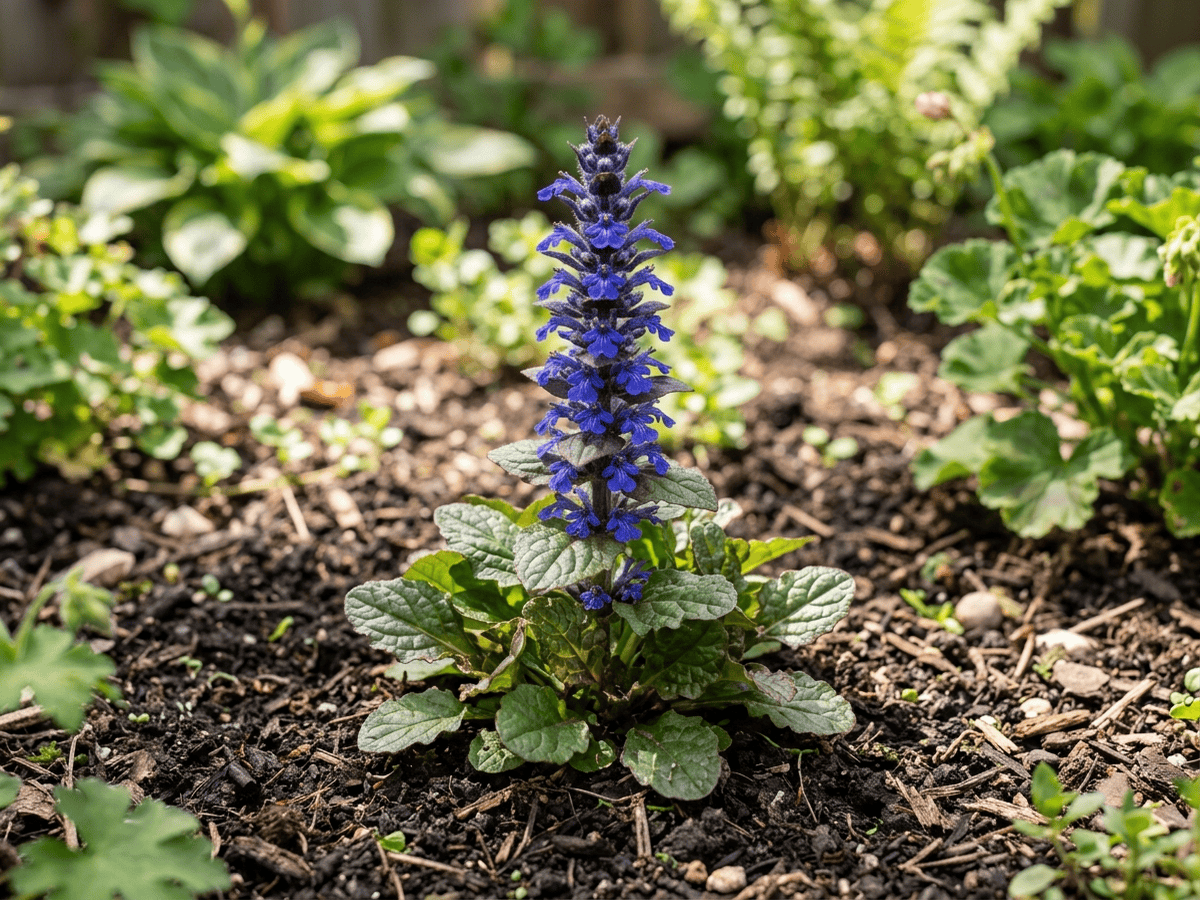 Pyramidal BugleAjuga pyramidalis
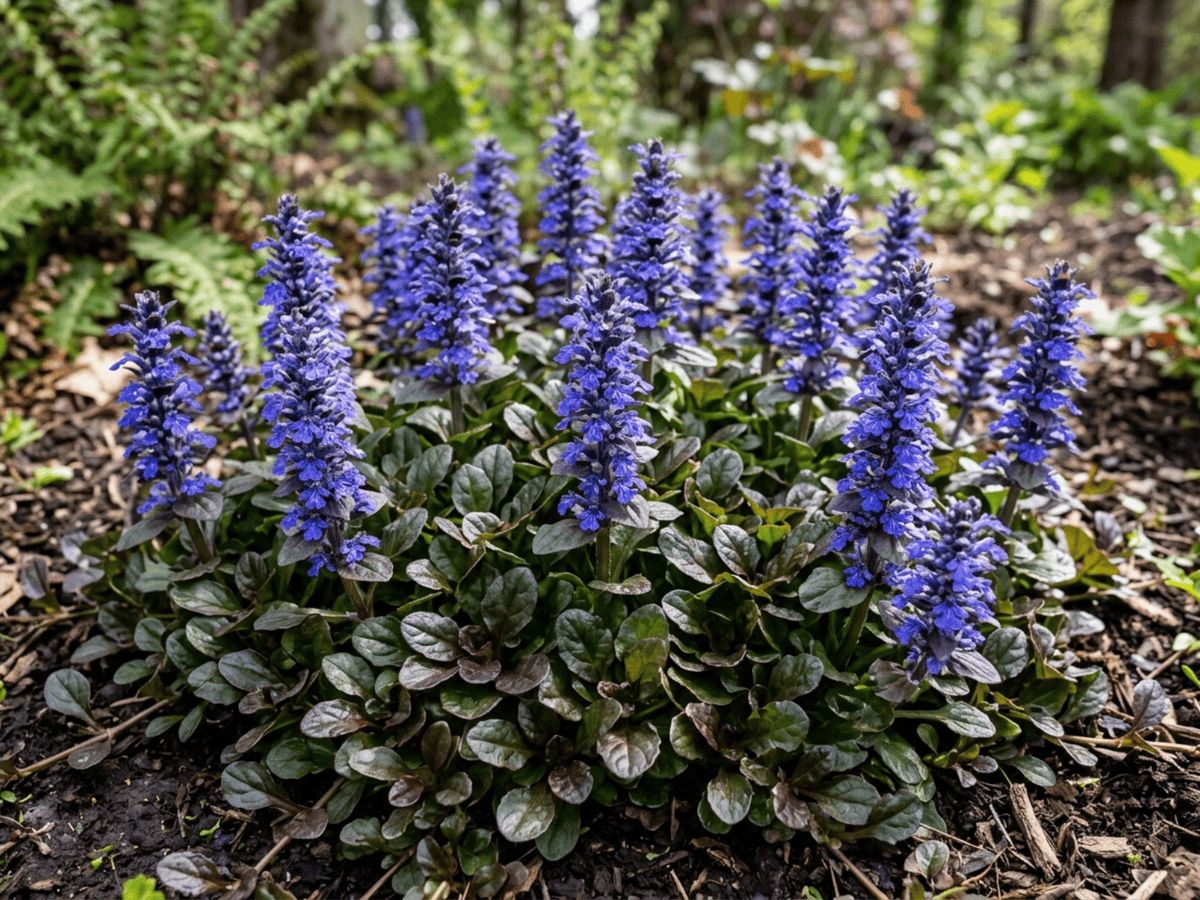 Carpet BugleAjuga reptans
Frequently asked questions
How often should I water Menzies' Baby Blue Eyes?
Water about every 5 days during the growing season, and always let excess water drain away.
How much light does Menzies' Baby Blue Eyes need?
Part shade: 2–4 hrs direct. Watch the leaves — scorching or stretching means the light needs adjusting.
Is Menzies' Baby Blue Eyes toxic to cats or dogs?
No toxicity has been reported for this plant. Still, it is wise to keep pets from chewing on any houseplant. Educational information, not medical or veterinary advice. If exposure is suspected, contact a doctor or veterinarian.
Is Menzies' Baby Blue Eyes easy to grow?
Yes — it is considered an easy, beginner-friendly plant.
When does Menzies' Baby Blue Eyes bloom?
It typically blooms Dec–May in the Northern Hemisphere.
YardMate
Identify any plant in seconds
Snap a photo — YardMate names the plant, diagnoses problems, and reminds you when to water.
Download on the App Store