 YardMate
Black Mondo Grass
Ophiopogon planiscapus 'Nigrescens'
Easy · Beginner friendlyAbout Black Mondo Grass
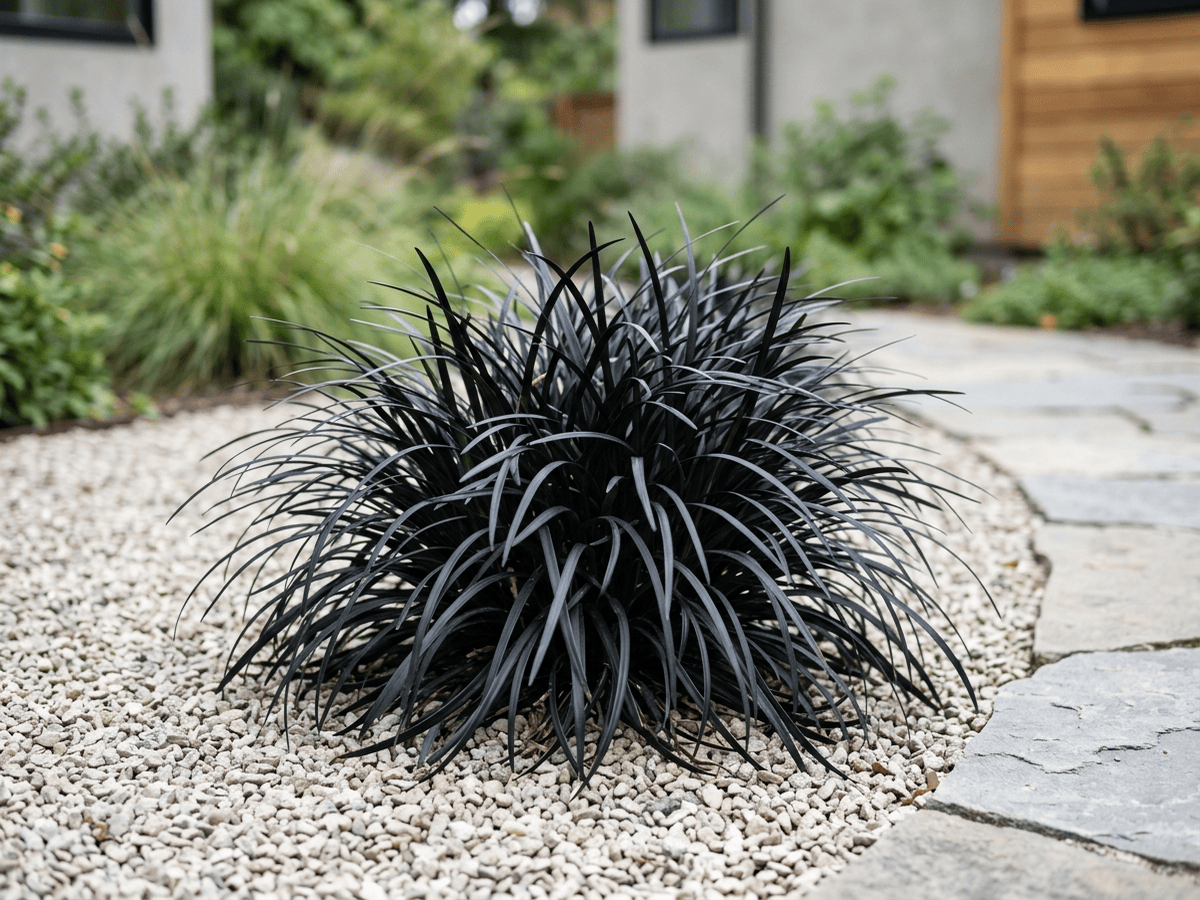
Ophiopogon planiscapus 'Nigrescens', black mondo grass, is a slow-spreading grass-like evergreen perennial with jet-black strap-shaped leaves. A cultivar of the Japanese wild species, it is the only widely available true black foliage groundcover in temperate horticulture.
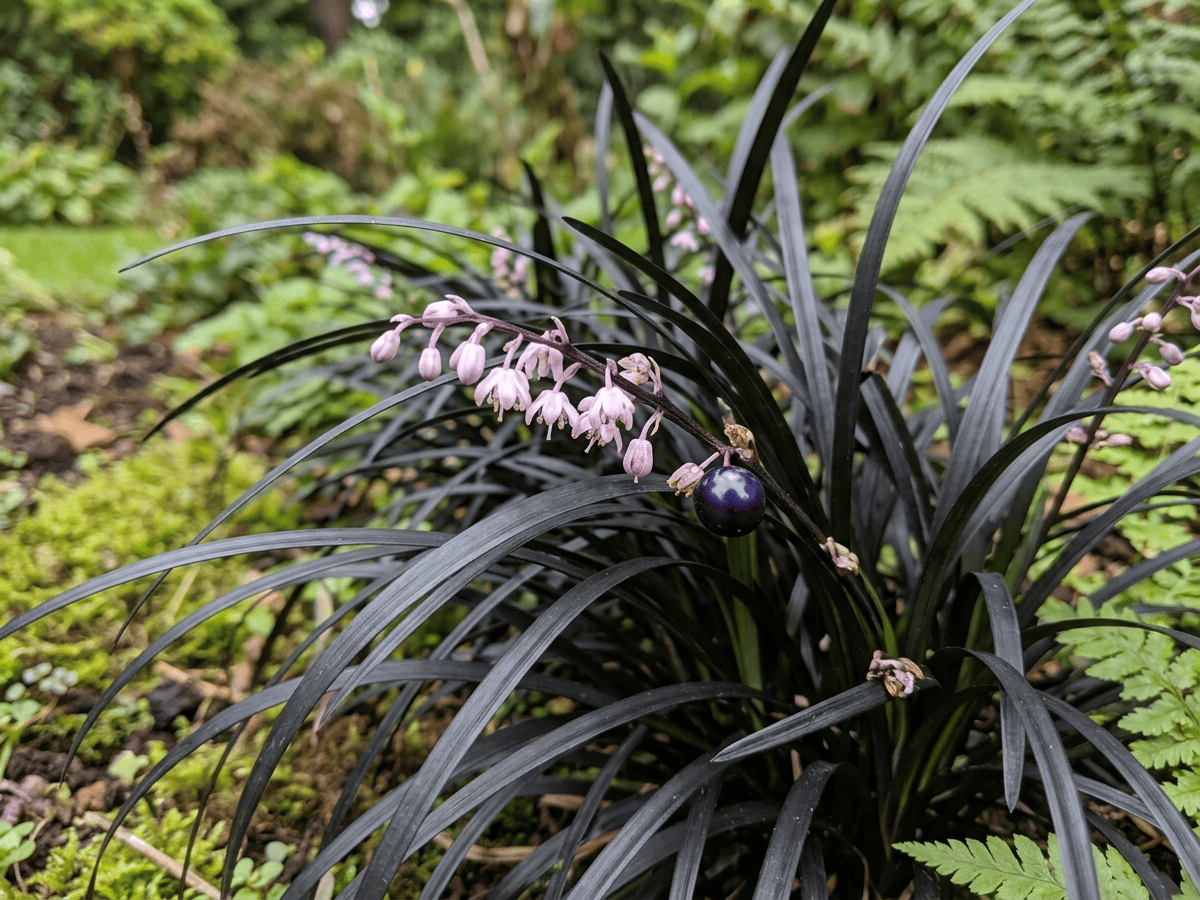
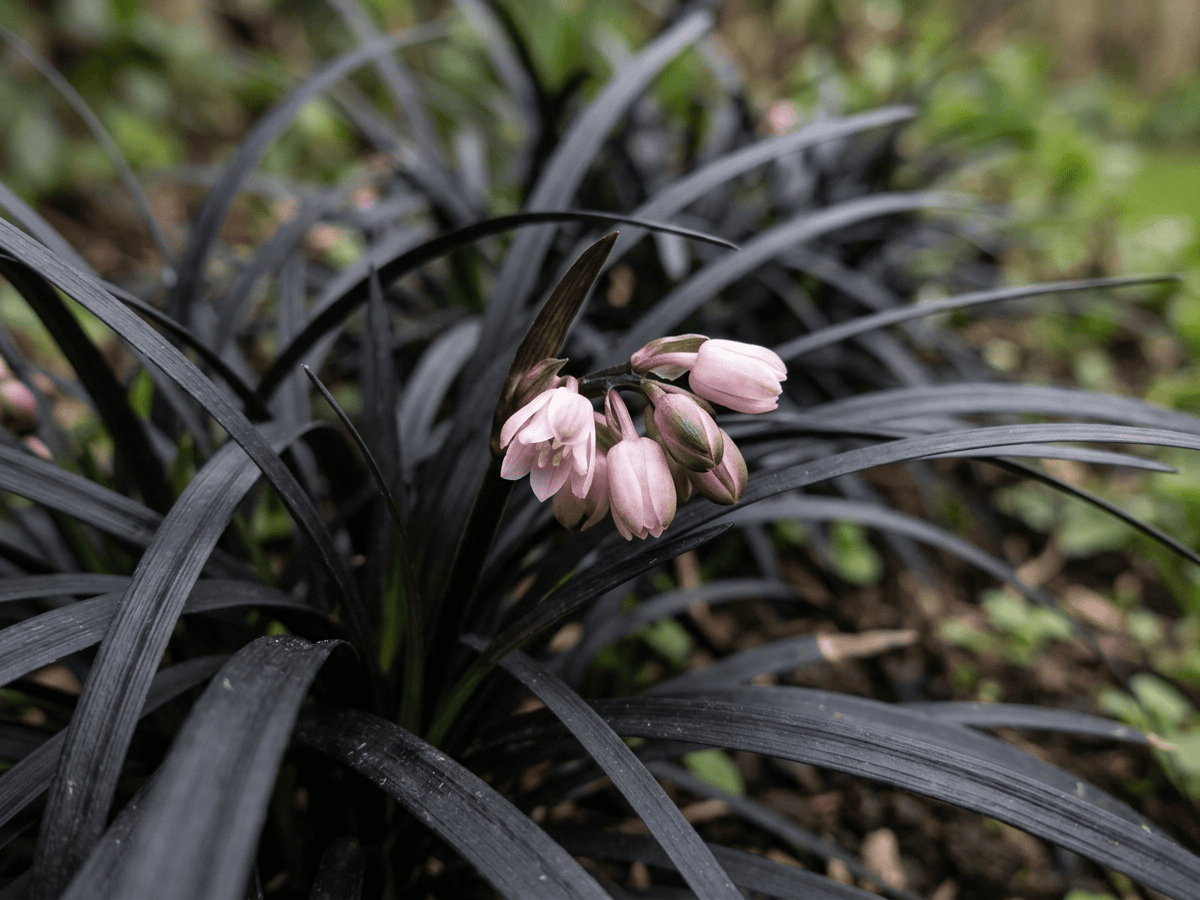
Plants reach 15-25 cm tall, forming dense clumps that spread slowly by rhizomes. In summer, short spikes of pale lilac bell-shaped flowers nestle within the foliage, followed by glossy black berries in autumn.
The cultivar was selected in Japan and introduced to Western horticulture in the 1970s, becoming the defining dark-foliage groundcover of modern design. Striking paired with silver or chartreuse foliage or gravel. Hardy to USDA zone 6. Not a true grass — a member of the asparagus family.
- Shade-tolerant
- Groundcover
- Architectural
- Evergreen
How to care for Black Mondo Grass
Watering
- Springevery 7 days
- Summerevery 5 days
- Fallevery 10 days
- Winterevery 21 days
Soil · Well-draining
- Top dressingPine bark mulch10%
- Main mixPotting soil + perlite 2:170%
- DrainageLECA / gravel20%
Never skip the drainage layer — standing water is the top cause of root rot.
FERTILIZER
Balanced Feed 14-14-14
An even feed covers all three needs at once, keeping leaves, roots and blooms moving together with nothing pushed out of balance.
- Nitrogen · Leaves
- Phosphorus · Roots + Blooms
- Potassium · Strength
- Springevery 30 days
- Fallevery 45 days
At a Glance
- NativeEast Asia
- Height0.5–1 ft (0.2–0.3 m)
- Spread0.5–1 ft (0.2–0.3 m)
- Flower colorPurple, Pink
- Foliage colorDark-green, Purple
- Fruit colorBlack
- SoilLoamy, Well-drained, Moisture-retentive
- LocationsYard
Bloom time
BLOOM CYCLE
Peak bloom
Jun–Aug
Small lilac bell flowers in summer followed by glossy black berries.
Fragrance
NO FRAGRANCE
Not fragrant.
Toxicity
No toxicity has been reported for this plant. Still, it is wise to keep pets from chewing on any houseplant.
Educational information, not medical or veterinary advice. If exposure is suspected, contact a doctor or veterinarian.
DISTRIBUTION


- Native
- Introduced
- East Asia
History
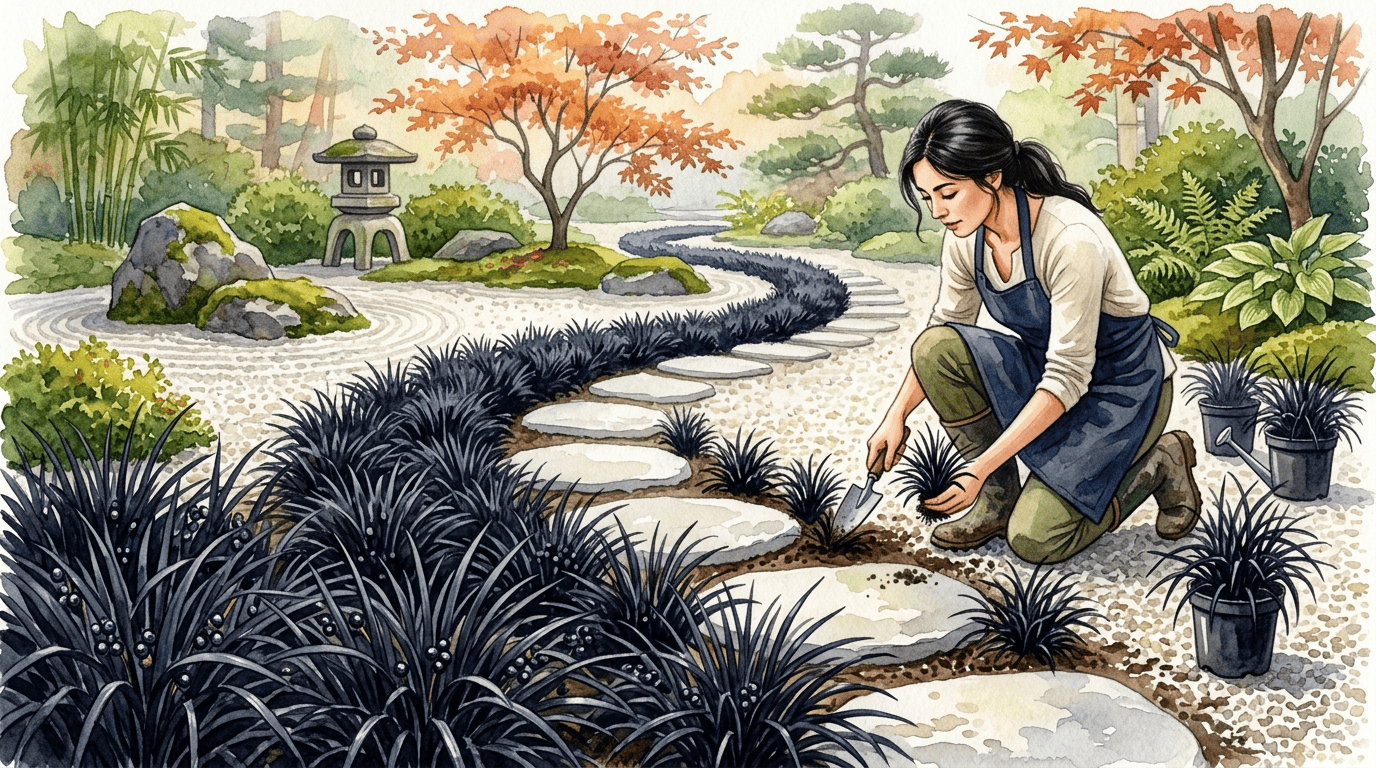
The wild species Ophiopogon planiscapus is native to Japan and parts of Korea, where it grows as a green-leaved woodland understory groundcover. The cultivar 'Nigrescens' (also sold as 'Arabicus,' 'Black Dragon,' and 'Ebknizam') was selected in Japan from purple-foliage sports and introduced to Western horticulture in the 1970s-80s. Plants emerge green and darken to jet black as leaves mature.
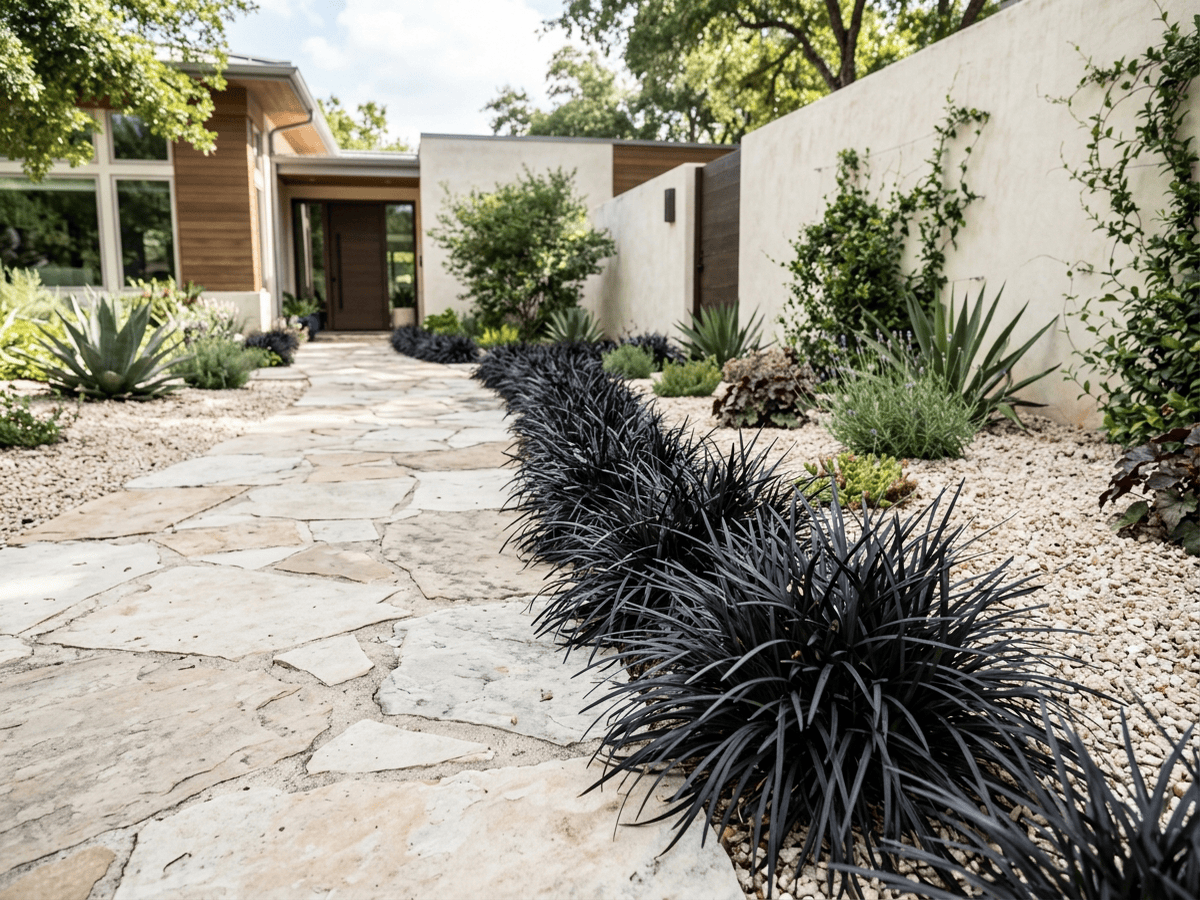
The cultivar became an icon of 1990s-2010s modernist and Japanese-minimalist garden design, beloved by designers like Piet Oudolf and Dan Pearson. Slow spread makes it easy to manage as edging; mass planting creates dramatic dark rivers through planting schemes. Not a true grass — Ophiopogon belongs to Asparagaceae. Hardy to USDA zone 6, evergreen in zones 7+. The glossy black berries in autumn add secondary interest. Became the defining dark-foliage groundcover of modern design during the 1990s-2010s black-plant movement.
Symbolism & meaning
What It Symbolizes
Black Mondo Grass is mystery cast in jet, its near-black blades creating shadows in a planting where shadow seems impossible. As a defining icon of 21st-century architectural design, it gives gravelled courtyards and modernist beds a calm, contemplative depth. In its strap-like darkness, contemporary garden design discovered a brand new kind of accent.
- Mystery — Jet-black foliage brings depth and contemplation
- Modern Design — Icon of 21st-century architectural planting
Where the Name Comes From
Ophiopogon from Greek 'ophis' (snake) + 'pogon' (beard), referring to the flower form; 'planiscapus' means flat-stalked; 'Nigrescens' means blackish.
Uses & Fun Facts
- Slow-spreading jet-black grass-like mat for modern borders
- Dramatic black foliage anchors mixed evergreen pot designs
- Only widely available true black foliage groundcover for shade
Related plants
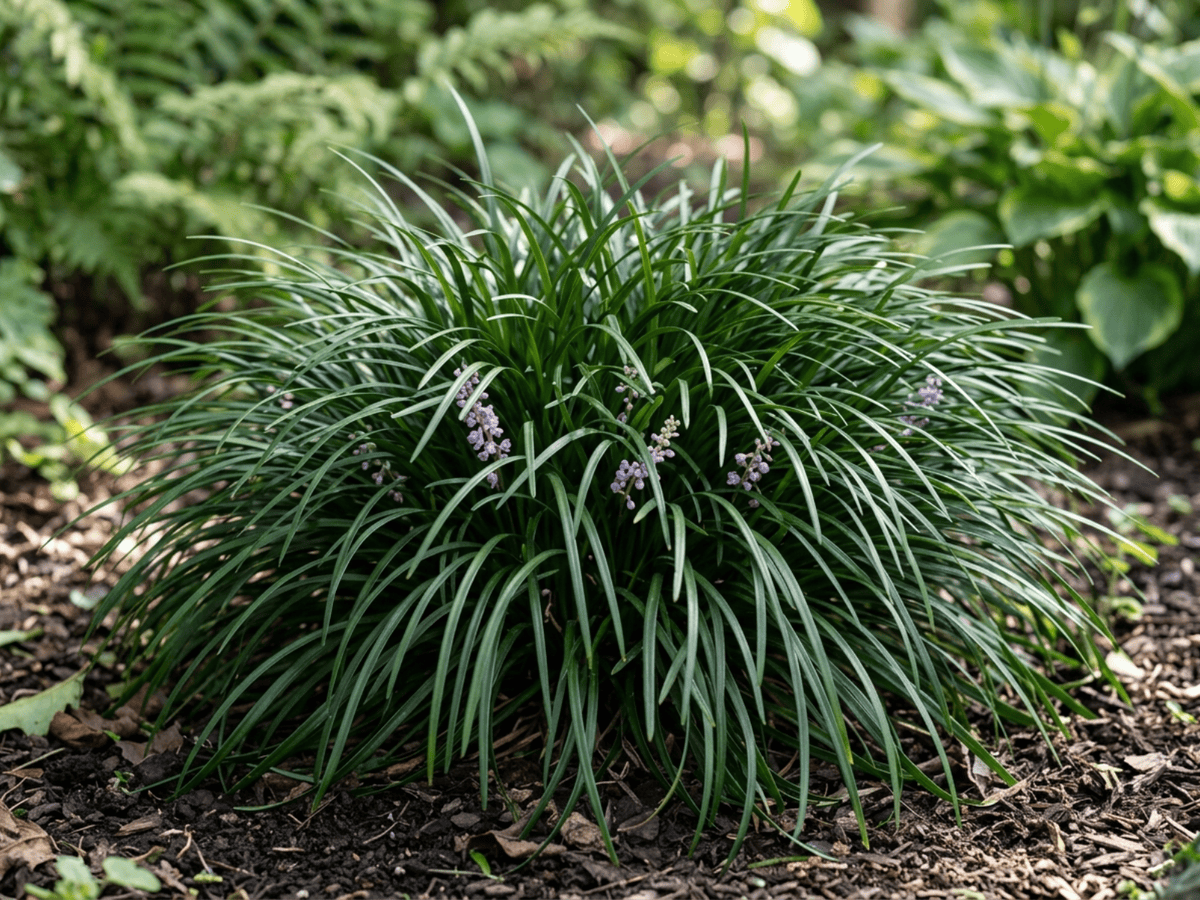
More Ophiopogon plants
Plants with similar care
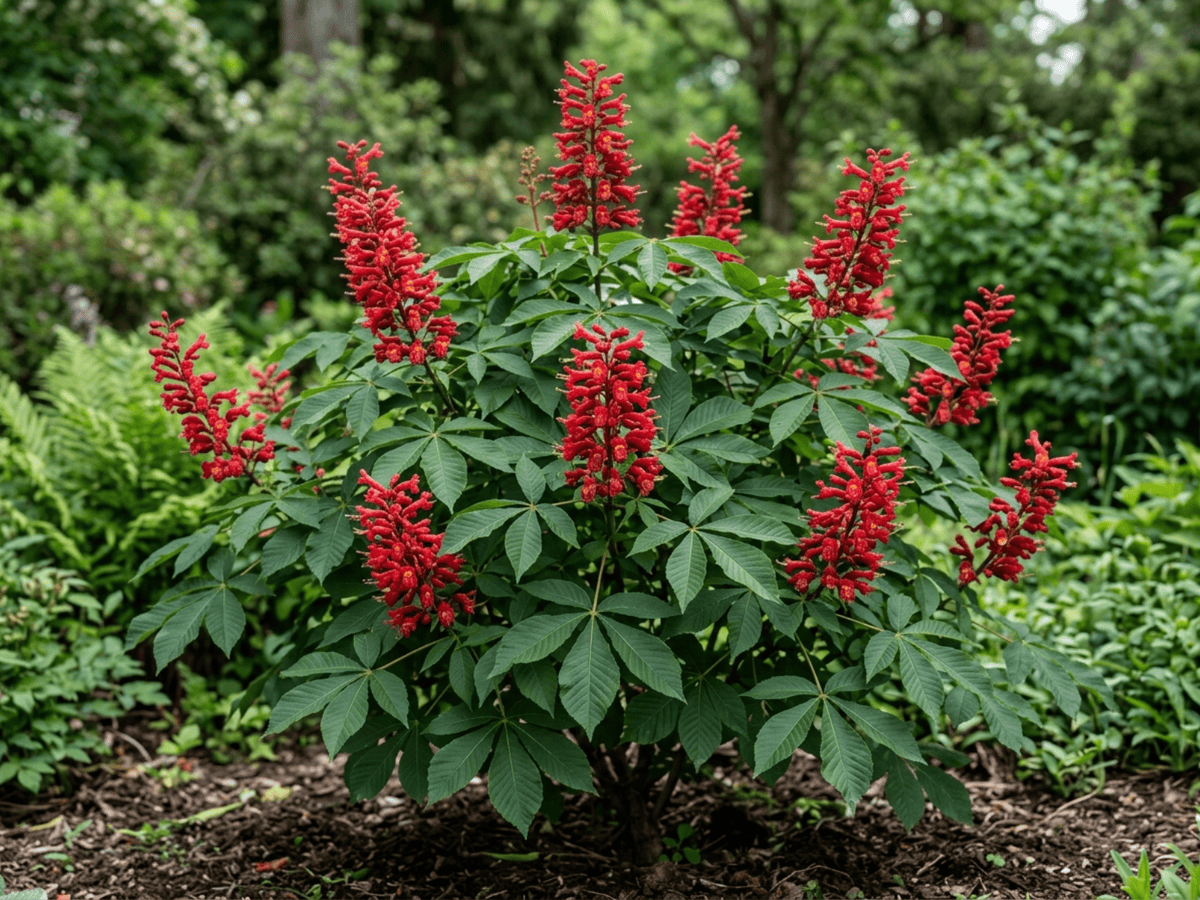 Red BuckeyeAesculus pavia
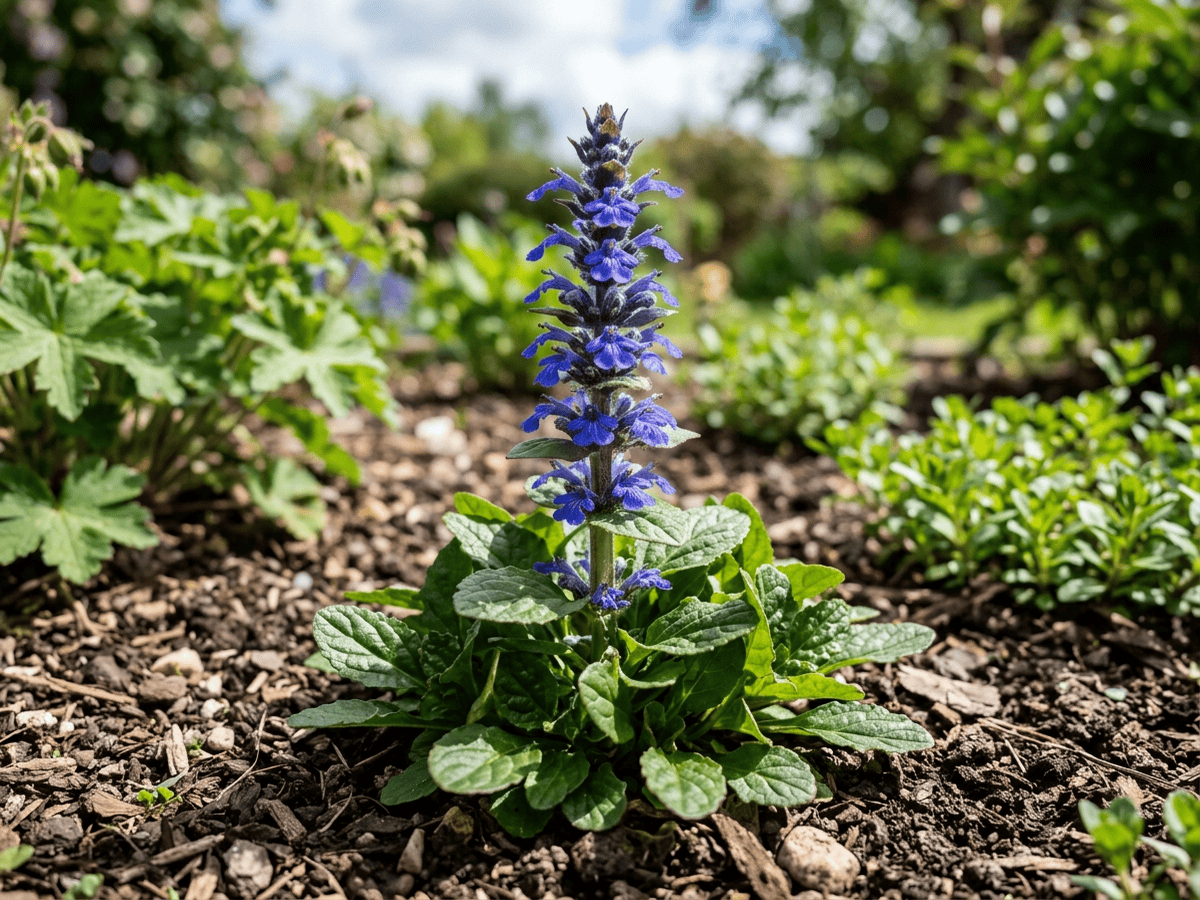 Blue BugleAjuga genevensis
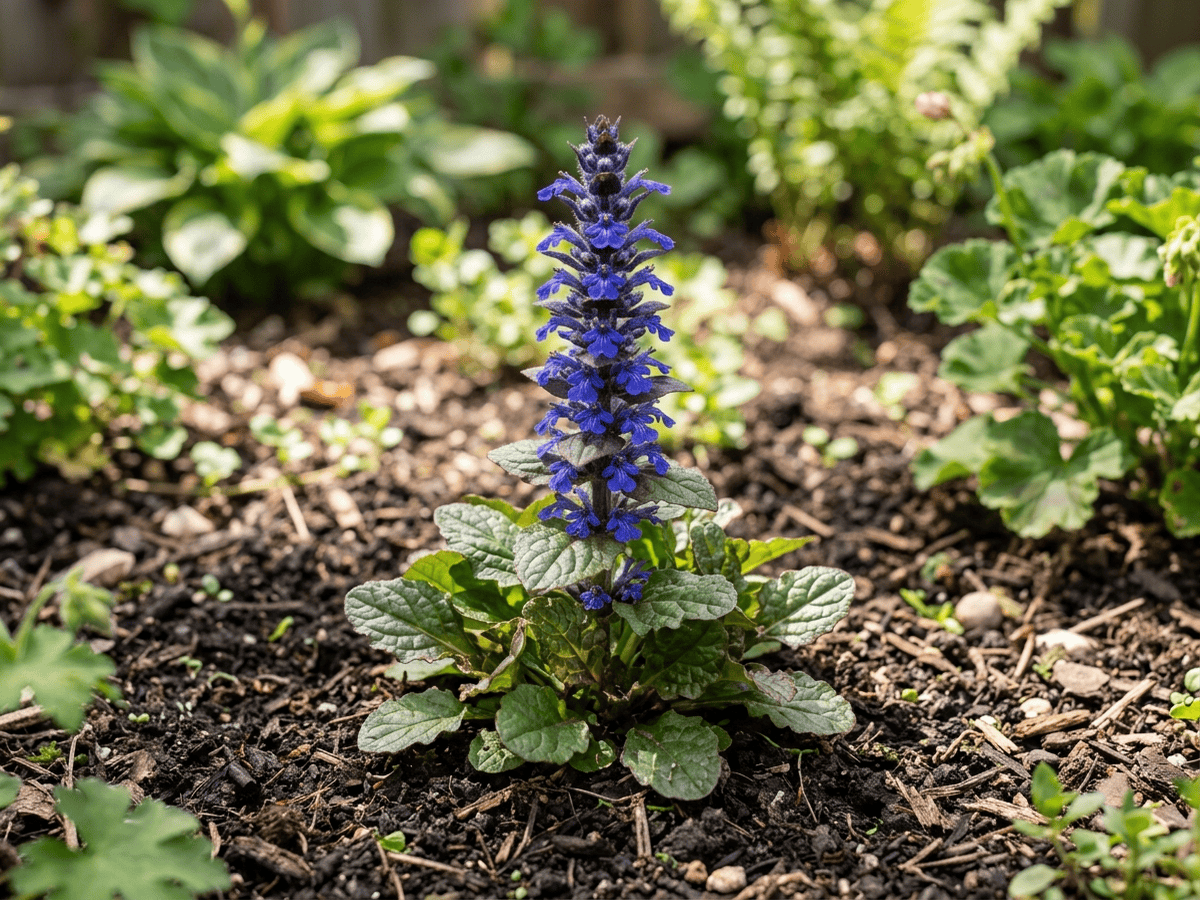 Pyramidal BugleAjuga pyramidalis
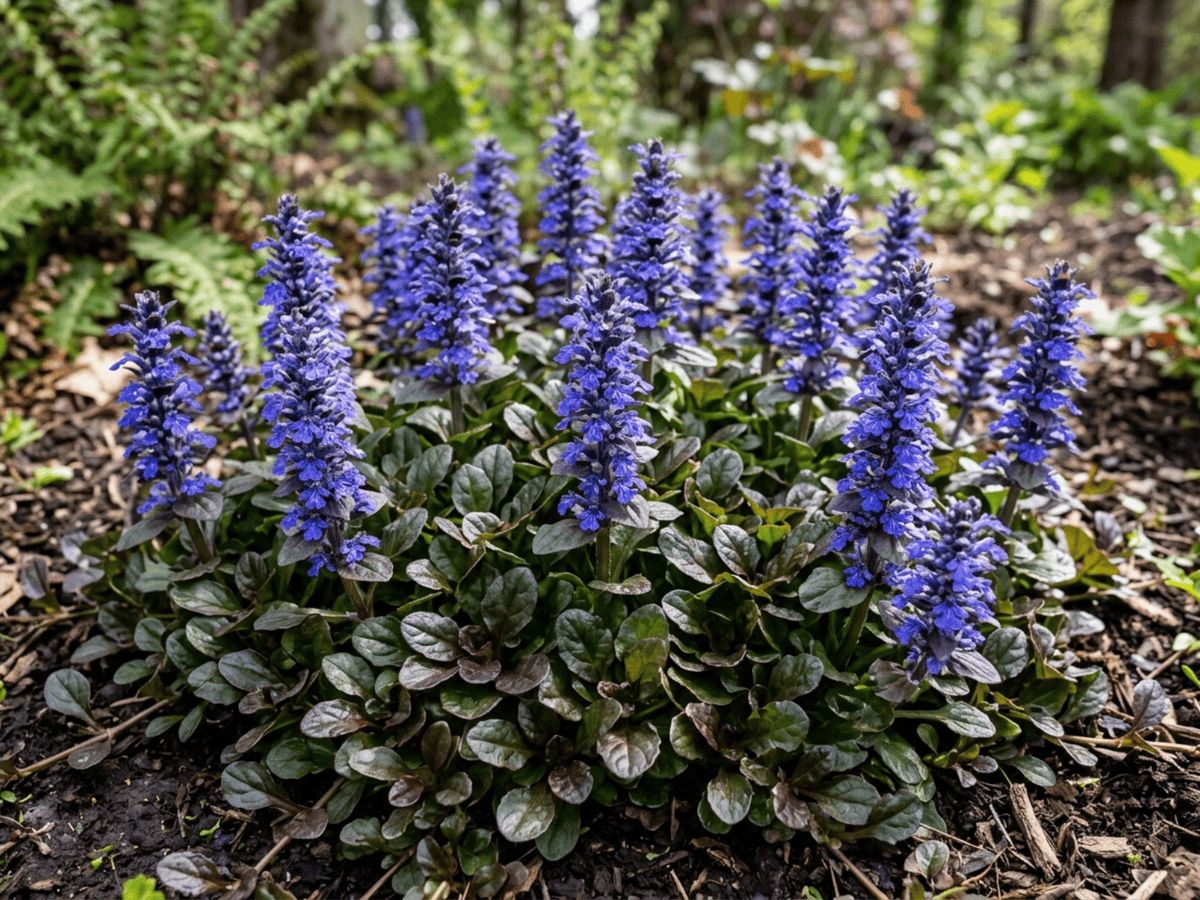 Carpet BugleAjuga reptans
Frequently asked questions
How often should I water Black Mondo Grass?
In summer, water about every 5 days; in winter, about every 21 days. Adjust for heat, pot size and drainage.
How much light does Black Mondo Grass need?
Part shade: 2–4 hrs direct. Watch the leaves — scorching or stretching means the light needs adjusting.
Is Black Mondo Grass toxic to cats or dogs?
No toxicity has been reported for this plant. Still, it is wise to keep pets from chewing on any houseplant. Educational information, not medical or veterinary advice. If exposure is suspected, contact a doctor or veterinarian.
Is Black Mondo Grass easy to grow?
Yes — it is considered an easy, beginner-friendly plant.
When does Black Mondo Grass bloom?
It typically blooms Jun–Aug in the Northern Hemisphere.
YardMate
Identify any plant in seconds
Snap a photo — YardMate names the plant, diagnoses problems, and reminds you when to water.
Download on the App Store