 YardMate


Solomon's Seal
Polygonatum biflorum
Easy · Beginner friendlyAbout Solomon's Seal
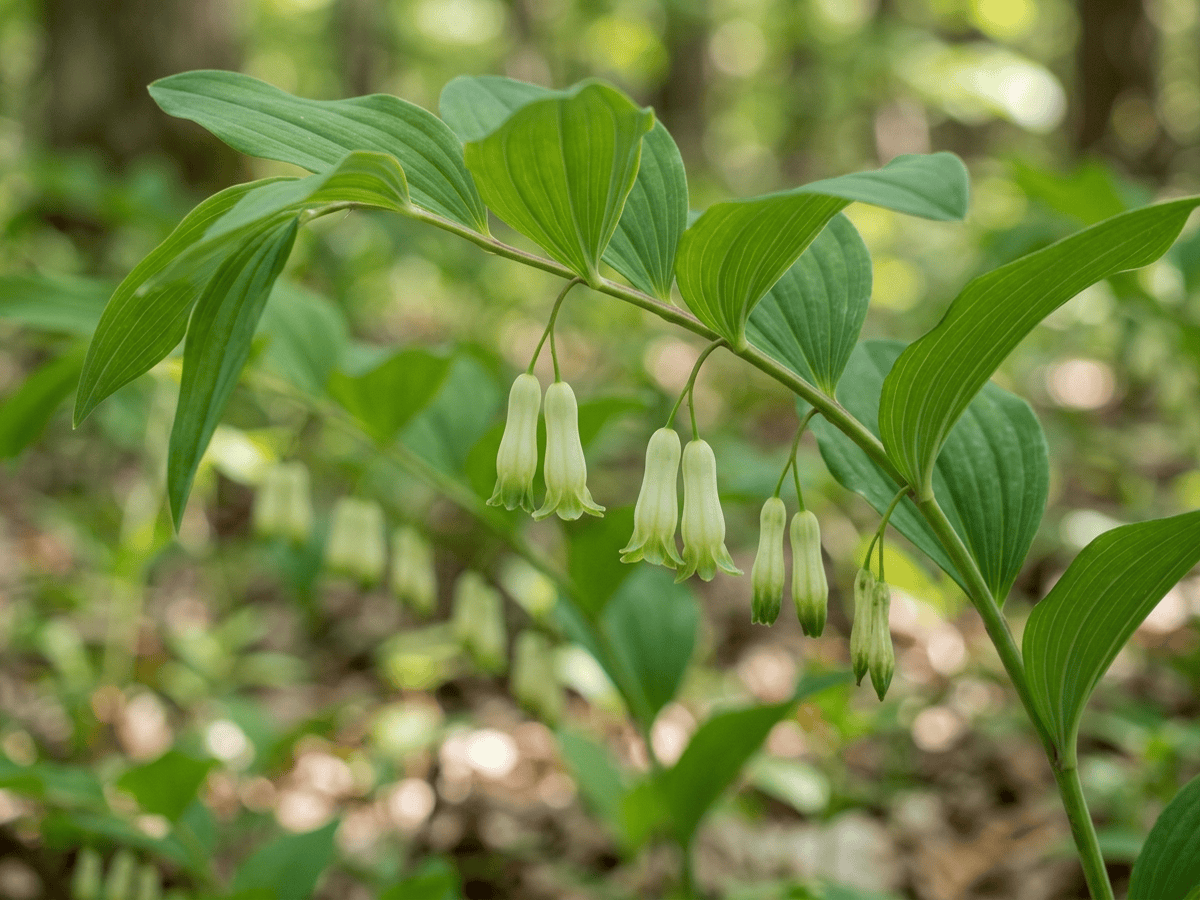
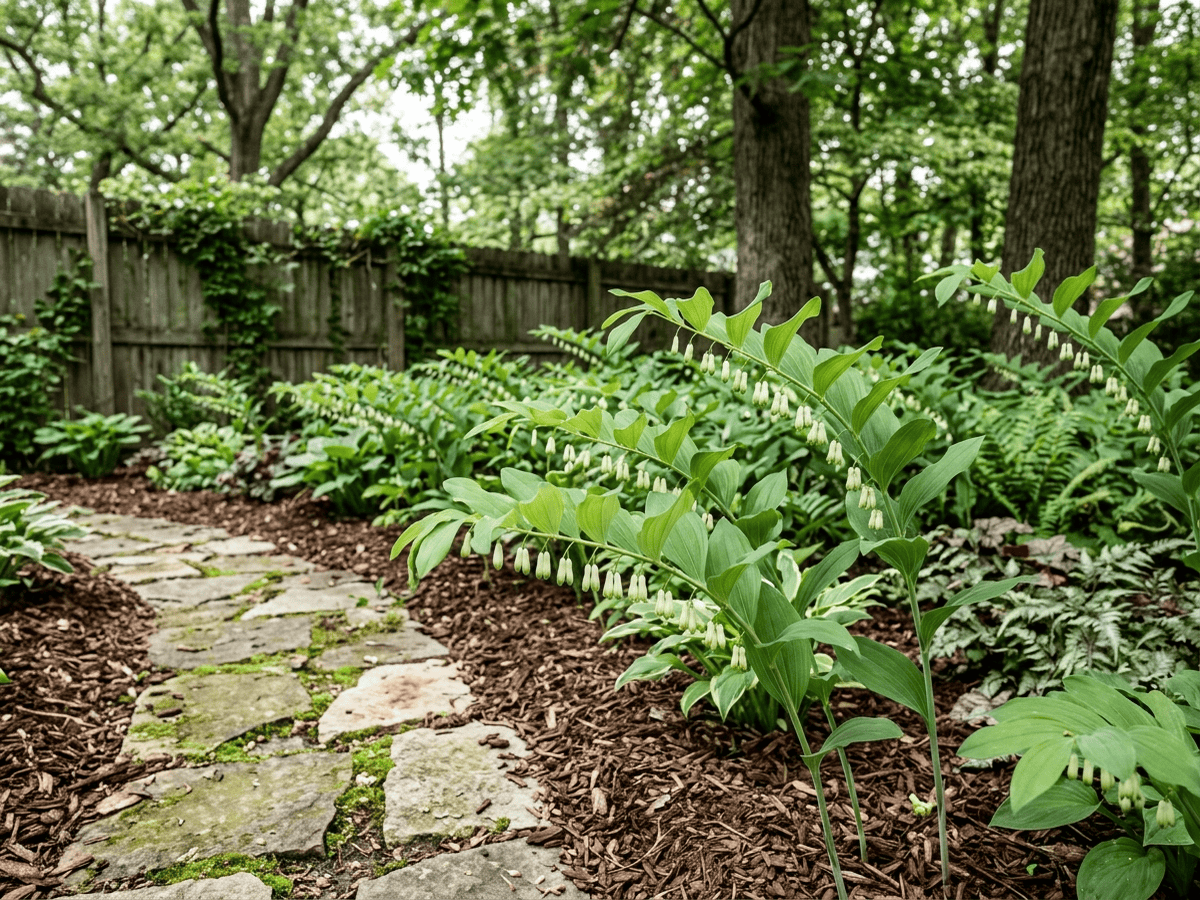
Polygonatum biflorum, Solomon's seal, is an elegant woodland perennial native to eastern North America. Arching 60-120 cm stems bear alternating oval leaves along their length, with pairs of small greenish-white bell flowers dangling beneath each leaf axil in late spring. In autumn, the flowers develop into blue-black berries.
The common name refers to the circular scars left on the rhizome by each year's previous stem — said to resemble the Seal of King Solomon. Each scar represents a year of growth, so a mature rhizome records its own age.
One of the most refined woodland perennials, beloved for its arching form, quiet beauty, and reliability in shade. Hardy to USDA zone 3. Indigenous peoples used the rhizome medicinally. All parts except the mature rhizome are mildly toxic.
- Shade-tolerant
- Architectural
- Native
How to care for Solomon's Seal
Watering
- Springevery 7 days
- Summerevery 5 days
- Fallevery 14 days
- Winterpause watering
Soil · Rich & well-draining
- Top dressingCompost10%
- Main mixPotting soil + compost 3:180%
- DrainageGravel10%
Top up the compost layer each season.
FERTILIZER
Balanced Feed 14-14-14
An even feed covers all three needs at once, keeping leaves, roots and blooms moving together with nothing pushed out of balance.
- Nitrogen · Leaves
- Phosphorus · Roots + Blooms
- Potassium · Strength
This plant needs little to no feeding.
At a Glance
- NativeNorth America
- Height1–3 ft (0.3–0.9 m)
- Spread1–2 ft (0.3–0.6 m)
- Flower colorWhite, Green
- Foliage colorGreen
- Fruit colorBlue
- SoilLoamy, Moisture-retentive
- LocationsYard
Bloom time
BLOOM CYCLE
Peak bloom
Mar–May
Pairs of bell flowers hang beneath the arching stem in late spring; blue-black berries follow.
Fragrance
LIGHT FRAGRANCE
The flowers have a light sweet scent.
Toxicity
Humans Slight · Pets Slight
saponins and anthraquinones
Slight
- Berry
- Leaf
- Ingestion
EXPOSURE Eating berries and leaves.
EFFECT Mild GI upset and berries should not be eaten.
NOTE Berries mildly toxic if ingested. Rhizome historically used as food after preparation.
Slight
- Berry
- Rhizome
- Ingestion
EXPOSURE Eating berries and rhizome.
EFFECT Mild GI upset.
NOTE Berries mildly toxic if ingested. Rhizome historically used as food after preparation.
Slight
- Berry
- Rhizome
- Ingestion
EXPOSURE Eating berries and rhizome.
EFFECT Mild GI upset.
NOTE Berries mildly toxic if ingested. Rhizome historically used as food after preparation.
Educational information, not medical or veterinary advice. If exposure is suspected, contact a doctor or veterinarian.
DISTRIBUTION


- Native
- Introduced
- North America
History
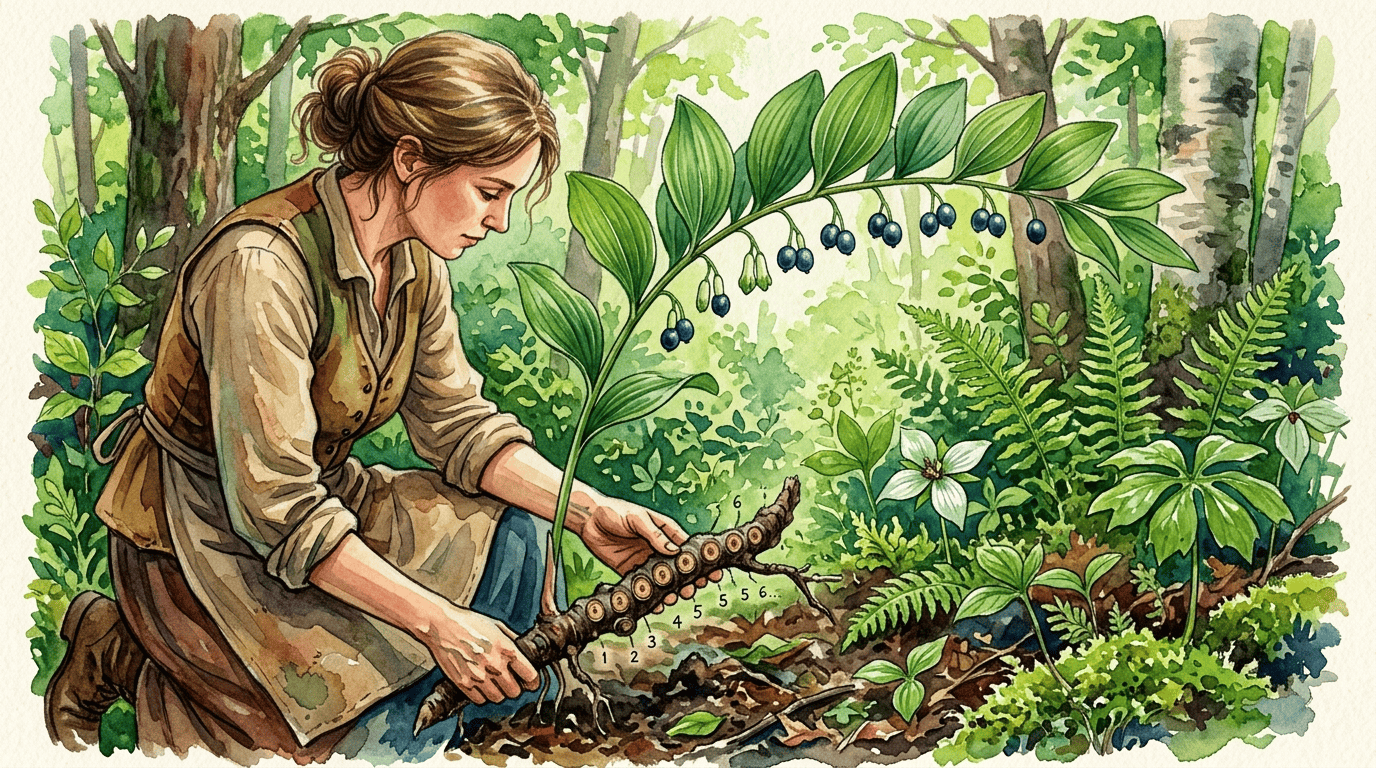
Polygonatum biflorum is native to eastern North America, from Nova Scotia and Ontario south through the eastern US to northern Florida and west to Texas. The common name Solomon's seal derives from the rhizome: each year's flowering stem leaves a circular scar where it emerged, and these scars accumulate along the rhizome in a pattern said to resemble the six-pointed Seal of Solomon, the symbol of King Solomon's wisdom in medieval European tradition. Each scar represents a year of growth — a rhizome can record 10-20 years of its own history.
Indigenous Iroquois, Chippewa, Menominee, and other peoples used the rhizome medicinally for bruises, dysentery, and various internal complaints. European herbalists from Gerard (1597) onward prescribed the European cousin P. multiflorum for similar purposes. The species is the taller New World counterpart to the European Polygonatum multiflorum (which carries its own rich folklore as King Solomon's seal).
Both are loved for their elegant arching stems, shade tolerance, and the way spring flowers give way to autumn blue-black berries on the same graceful arch. The giant form var. commutatum reaches 1.5 m and is a dramatic specimen. Named for scar pattern on rhizome resembling the Seal of Solomon.
Symbolism & meaning
What It Symbolizes
Solomon's seal carries hidden secrets — its tubular flowers dangle quietly beneath each pair of leaves, easily overlooked by the casual passer-by, rewarding only those who lift a stem. Its rhizome holds a deeper record: each year's growth leaves a visible scar like a seal on parchment, marking age and wisdom in a script only a careful gardener reads. The plant rewards close, slow attention.
- Hidden Secrets — Flowers dangle beneath leaves, hidden from view
- Age and Wisdom — Rhizome records each year's growth as a visible scar
Where the Name Comes From
Polygonatum from Greek 'poly' (many) + 'gony' (knee), describing jointed rhizomes; 'biflorum' means two-flowered per axil.
Uses & Fun Facts
- Arching stems with dangling bell flowers for native woodland gardens
- Blue-black autumn berries feed thrushes and woodland songbirds
- Young shoots historically eaten as wild asparagus by Indigenous peoples
Related plants
Plants with similar care
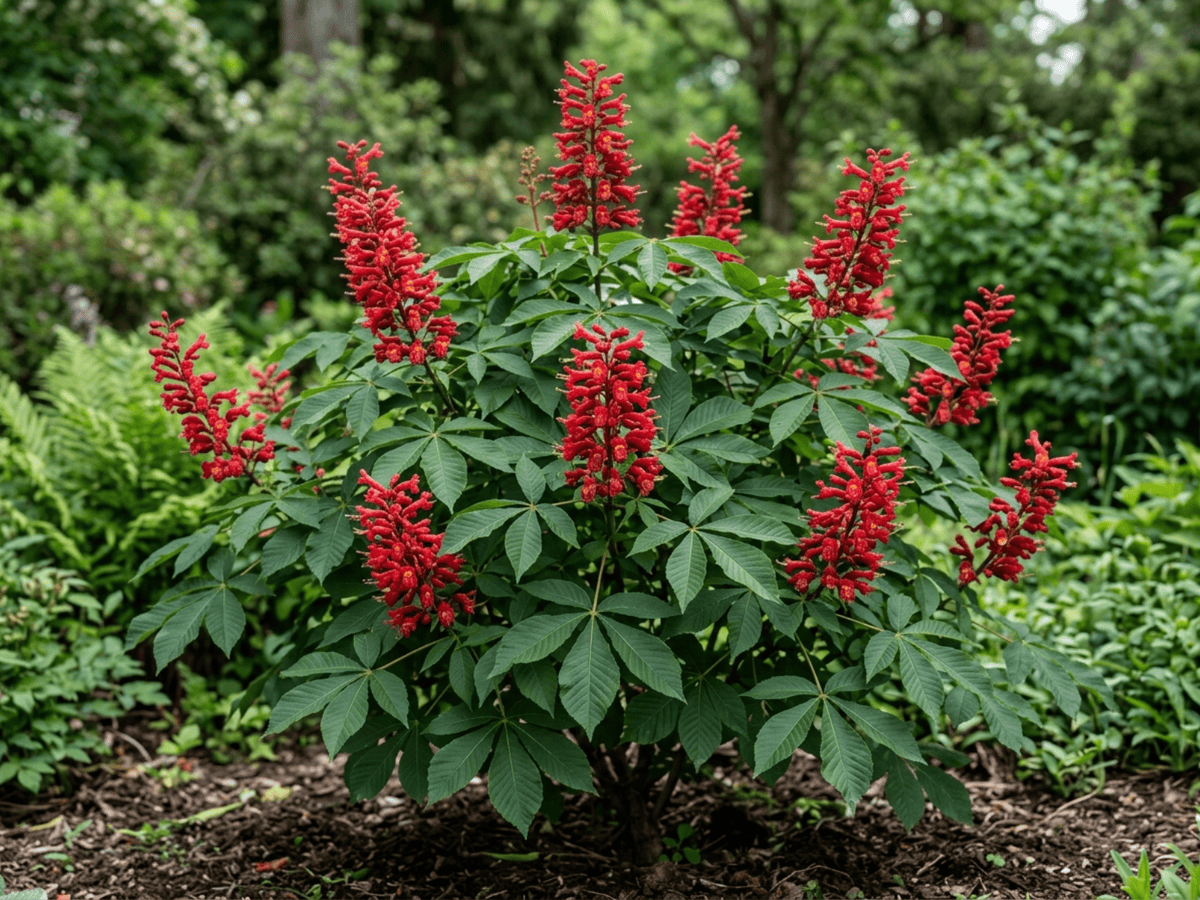 Red BuckeyeAesculus pavia
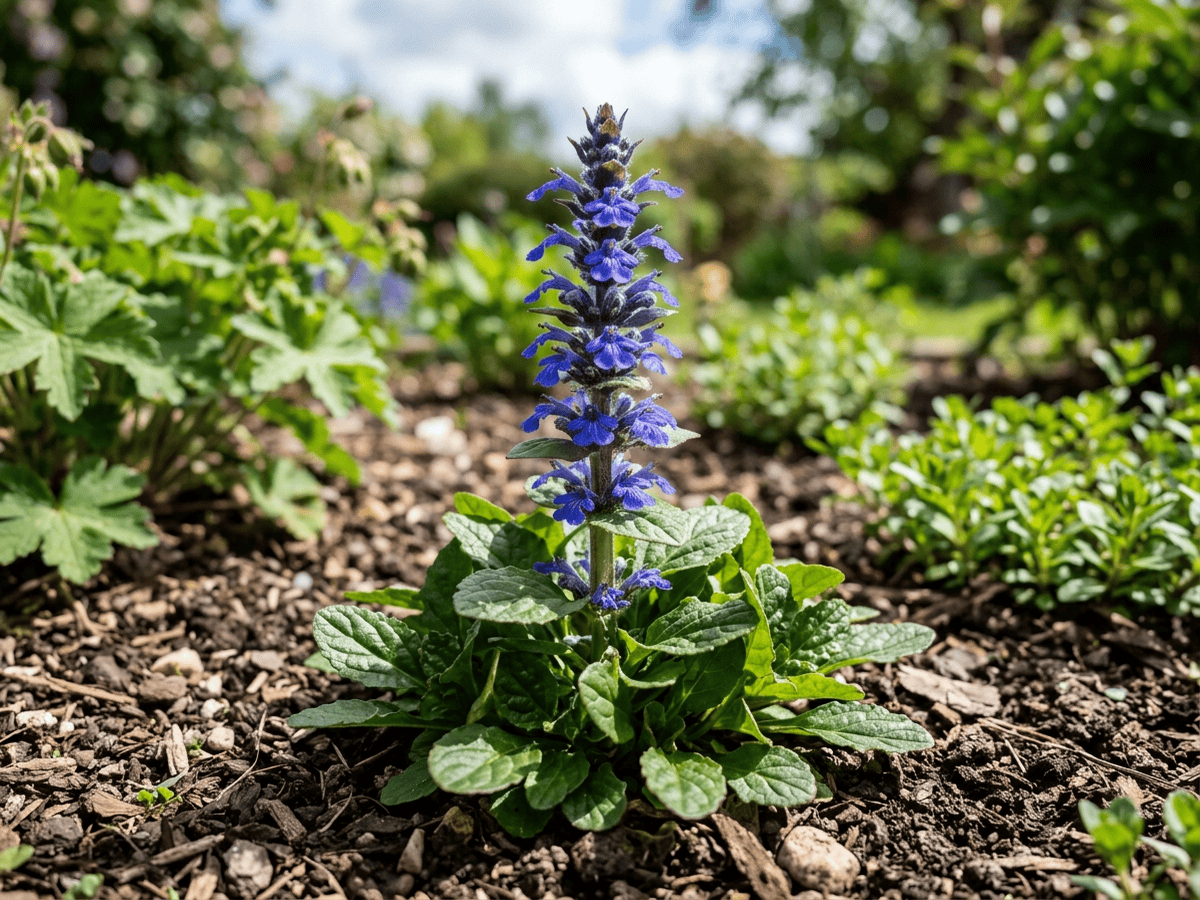 Blue BugleAjuga genevensis
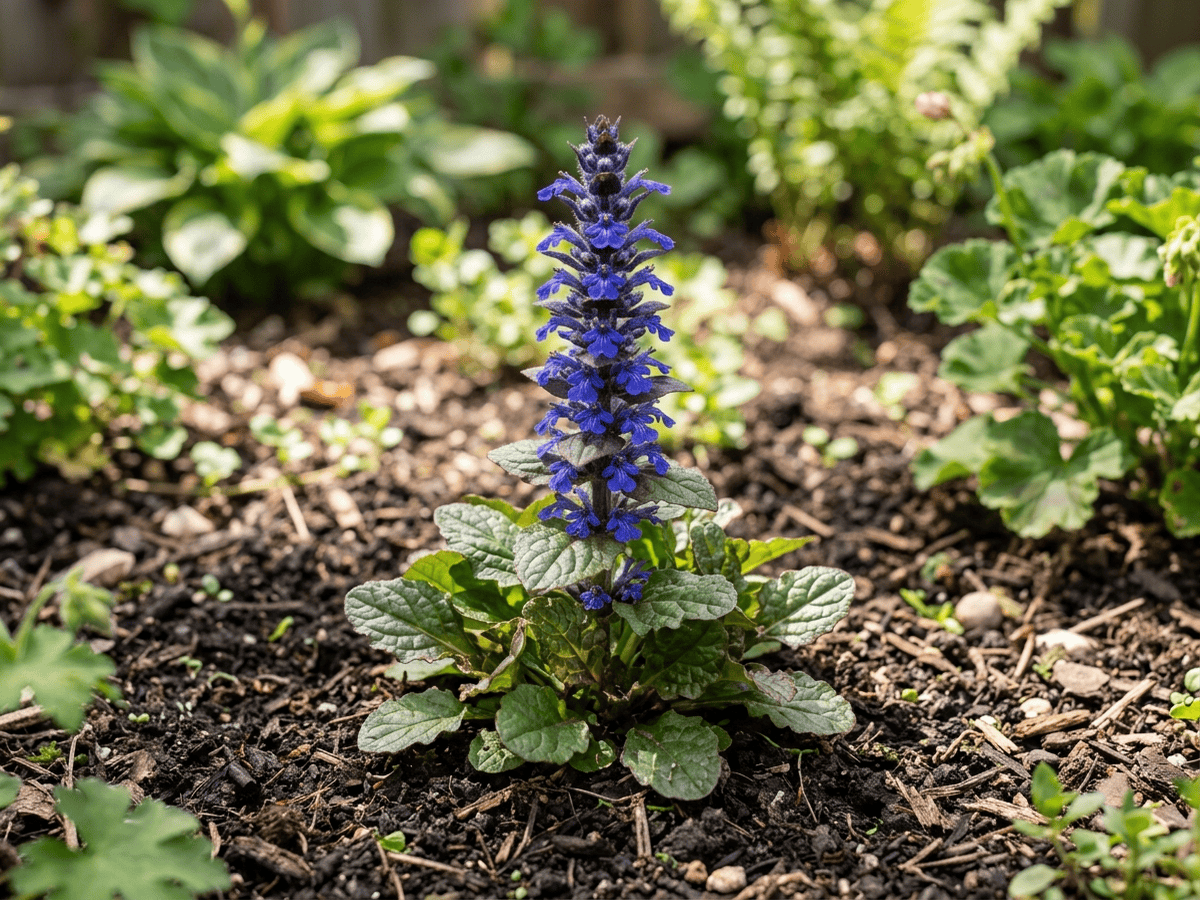 Pyramidal BugleAjuga pyramidalis
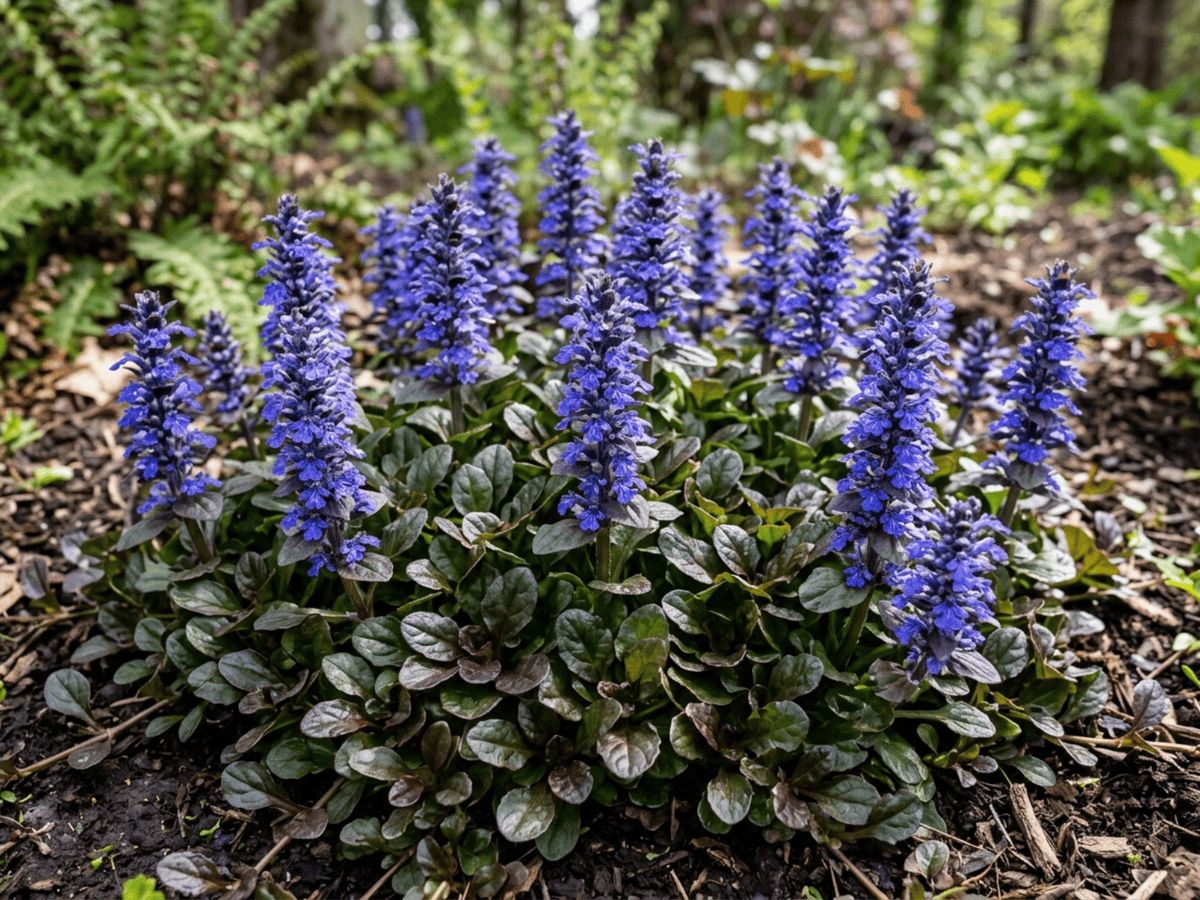 Carpet BugleAjuga reptans
Frequently asked questions
How often should I water Solomon's Seal?
Water about every 7 days during the growing season, and always let excess water drain away.
How much light does Solomon's Seal need?
Part shade: 2–4 hrs direct. Watch the leaves — scorching or stretching means the light needs adjusting.
Is Solomon's Seal toxic to cats or dogs?
Pets Slight (Dogs Slight · Cats Slight) Educational information, not medical or veterinary advice. If exposure is suspected, contact a doctor or veterinarian.
Is Solomon's Seal easy to grow?
Yes — it is considered an easy, beginner-friendly plant.
When does Solomon's Seal bloom?
It typically blooms Mar–May in the Northern Hemisphere.
YardMate
Identify any plant in seconds
Snap a photo — YardMate names the plant, diagnoses problems, and reminds you when to water.
Download on the App Store